Digital Marketing 101: A Beginner’s Guide
In today’s digital age, having a solid understanding of digital marketing is essential for any business looking to succeed online. Whether you are a small start-up or an established corporation, knowing the basics of digital marketing can help you reach your target audience, drive traffic to your website, and ultimately increase sales. Let’s delve into the fundamentals of digital marketing and explore how you can leverage this powerful tool to grow your business.
What is Digital Marketing?
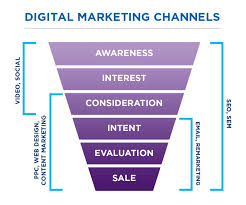
Digital marketing encompasses all online efforts to promote and sell products or services using various digital channels. These channels include search engines, social media platforms, email, and websites. Unlike traditional marketing methods, digital marketing allows businesses to target specific audiences in a more cost-effective and measurable way.
The Core Components of Digital Marketing
There are several key components of digital marketing that every business should be familiar with:
- Search Engine Optimization (SEO): SEO involves optimizing your website to improve its visibility in search engine results pages. By using relevant keywords and creating high-quality content, you can attract organic traffic to your site.
- Social Media Marketing: Social media platforms like Facebook, Instagram, and Twitter offer a valuable opportunity to engage with your audience, build brand awareness, and drive traffic to your website.
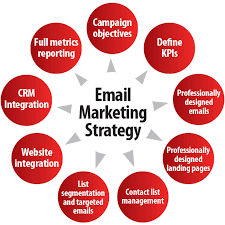
- Email Marketing: Email remains one of the most effective ways to communicate with customers. By sending targeted emails with valuable content or promotions, you can nurture leads and convert them into customers.
- Content Marketing: Content marketing involves creating and sharing valuable content such as blog posts, videos, and infographics to attract and retain customers. It helps establish your brand as a thought leader in your industry.
- Paid Advertising: Paid advertising allows you to reach a larger audience quickly through platforms like Google Ads or social media ads. You can target specific demographics and track the performance of your ads in real-time.
The Benefits of Digital Marketing
Digital marketing offers numerous benefits for businesses of all sizes:
- Increased Reach: With digital marketing, you can reach a global audience without the limitations of traditional advertising methods.
- Cost-Effective: Digital marketing is often more affordable than traditional advertising channels like TV or print media.
- Measurable Results: Digital marketing allows you to track the performance of your campaigns in real-time and make data-driven decisions based on analytics.
- Better Targeting: With digital marketing tools, you can target specific demographics based on factors like age, location, interests, and behaviour.
In Conclusion
Digital marketing is an essential tool for businesses looking to thrive in today’s competitive landscape. By understanding the core components of digital marketing and leveraging them effectively, you can connect with your target audience, drive traffic to your website, and ultimately grow your business. Whether you are just starting out or looking to enhance your existing strategies, embracing digital marketing is key to staying ahead in the digital world.
8 Key Advantages of Digital Marketing 101: Expanding Reach, Cutting Costs, and Boosting Engagement
- Increased global reach
- Cost-effective compared to traditional advertising methods
- Measurable results with real-time analytics
- Target specific demographics based on various factors
- Enhanced brand awareness and visibility online
- Ability to engage with customers in real-time through social media
- Opportunity to create personalized and targeted marketing campaigns
- Flexibility to adjust strategies quickly based on performance data
Navigating the Challenges of Digital Marketing: Overcoming Competition, Algorithm Shifts, Information Overload, and Impersonal Interactions
- 1. Overwhelming Competition
- 2. Constant Algorithm Changes
- 3. Potential for Information Overload
- 4. Lack of Personal Touch
Increased global reach
One of the key advantages of digital marketing is the ability to achieve increased global reach. Unlike traditional marketing methods that are often limited by geographical boundaries, digital marketing allows businesses to connect with a diverse audience worldwide. Through online channels such as social media, search engines, and email, companies can expand their reach beyond local markets and target potential customers on a global scale. This enhanced reach not only increases brand visibility but also opens up new opportunities for growth and expansion in international markets.
Cost-effective compared to traditional advertising methods
One significant advantage of digital marketing over traditional advertising methods is its cost-effectiveness. Digital marketing allows businesses to reach a wide audience at a fraction of the cost of traditional advertising channels such as TV or print media. With digital marketing tools, businesses can create targeted campaigns that reach specific demographics, track performance in real-time, and make adjustments based on data analytics. This cost-effective approach not only helps businesses save money but also ensures that their marketing efforts are more efficient and yield better results.
Measurable results with real-time analytics
One significant advantage of digital marketing is the ability to measure results with real-time analytics. Unlike traditional marketing methods, digital marketing allows businesses to track the performance of their campaigns instantly and accurately. By analysing real-time data, businesses can gain valuable insights into customer behaviour, campaign effectiveness, and ROI. This data-driven approach enables businesses to make informed decisions, optimise their strategies on the go, and ultimately improve their overall marketing efforts for better results.
Target specific demographics based on various factors
One of the key advantages of digital marketing is the ability to target specific demographics based on various factors. By leveraging data analytics and online targeting tools, businesses can tailor their marketing campaigns to reach audiences based on factors such as age, location, interests, and behaviour. This level of precision allows companies to deliver personalised messages that resonate with their target demographic, leading to higher engagement rates and increased conversion opportunities. With the ability to segment and target specific audiences effectively, digital marketing enables businesses to maximise the impact of their campaigns and achieve better results in a cost-effective manner.
Enhanced brand awareness and visibility online
Enhanced brand awareness and visibility online are key benefits of digital marketing. By utilising various digital channels such as social media, search engine optimisation, and content marketing, businesses can significantly increase their online presence and reach a wider audience. This increased visibility not only helps in attracting new customers but also reinforces brand credibility and trust among existing ones. Through strategic digital marketing efforts, businesses can establish themselves as industry leaders and stay top-of-mind with their target audience in the competitive online landscape.
Ability to engage with customers in real-time through social media
One significant advantage of digital marketing is the ability to engage with customers in real-time through social media platforms. By utilising social media channels such as Facebook, Twitter, and Instagram, businesses can interact with their audience instantly, respond to queries, address concerns, and build meaningful relationships. This real-time engagement not only fosters trust and loyalty but also provides valuable insights into customer preferences and behaviours, allowing businesses to tailor their marketing strategies for maximum impact.
Opportunity to create personalized and targeted marketing campaigns
One significant advantage of digital marketing is the opportunity it provides to create personalised and targeted marketing campaigns. By leveraging data insights and analytics, businesses can tailor their marketing efforts to specific demographics, interests, and behaviours of their target audience. This level of personalisation not only enhances the customer experience but also increases the effectiveness of marketing campaigns by delivering relevant content to the right people at the right time. Ultimately, this approach leads to higher engagement, conversion rates, and customer satisfaction, making personalised and targeted marketing a powerful tool in the digital marketing landscape.
Flexibility to adjust strategies quickly based on performance data
One significant advantage of digital marketing is its flexibility to adjust strategies swiftly based on performance data. By closely monitoring key metrics such as website traffic, conversion rates, and engagement levels, businesses can quickly identify what is working and what needs improvement. This ability to adapt and refine strategies in real-time allows companies to optimise their campaigns for better results, ultimately leading to more effective and efficient marketing efforts in reaching their target audience.
1. Overwhelming Competition
In the realm of digital marketing, one significant challenge that businesses face is the overwhelming competition present in the digital landscape. With numerous competitors vying for consumers’ attention, standing out and capturing your target audience’s interest can be a daunting task. The saturation of the digital market requires businesses to adopt innovative strategies and unique approaches to differentiate themselves and cut through the noise to effectively engage with their audience.
2. Constant Algorithm Changes
One significant drawback of digital marketing is the constant algorithm changes implemented by search engines and social media platforms. These updates often require businesses to adjust their strategies regularly to maintain visibility and effectiveness. Keeping up with these changes can be time-consuming and challenging, as what works today may not necessarily work tomorrow. This dynamic nature of digital marketing algorithms adds a layer of complexity for businesses striving to stay ahead in the online landscape.
3. Potential for Information Overload
One significant drawback of digital marketing is the potential for information overload. The vast array of digital marketing tools and tactics can lead to a sense of overwhelm, making it challenging to determine where to concentrate your efforts effectively. With so many options available, businesses may struggle to navigate the digital landscape and make informed decisions on which strategies will yield the best results. This can result in wasted resources and a lack of clarity on how to optimise their digital marketing efforts for maximum impact.
4. Lack of Personal Touch
In digital marketing, one significant drawback is the lack of personal touch that traditional marketing methods provide. The absence of face-to-face interactions and personalised experiences can hinder the development of strong customer relationships. Without the ability to engage with customers on a more personal level, businesses may struggle to establish trust and loyalty, potentially impacting their overall success in building lasting connections with their target audience.