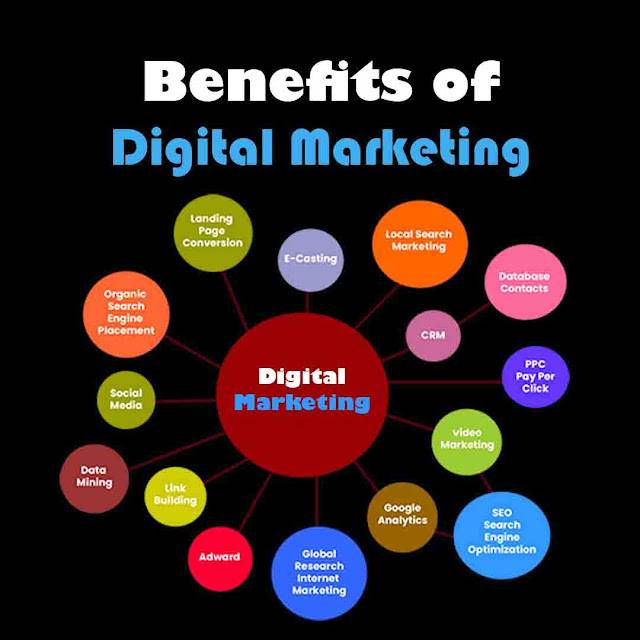
digital marketing for real estate

Unlocking Success: Digital Marketing Strategies for Real Estate Professionals

Digital Marketing for Real Estate

The Power of Digital Marketing in the Real Estate Industry

In today’s digital age, the real estate industry is increasingly turning to digital marketing strategies to reach and engage with potential buyers and sellers. With the majority of property searches now starting online, having a strong digital presence has become essential for real estate agents and agencies looking to stay competitive in the market.

Benefits of Digital Marketing for Real Estate

Increased Visibility: By utilising digital marketing channels such as social media, search engine optimisation (SEO), and email marketing, real estate professionals can increase their visibility among their target audience.

Targeted Advertising: Digital marketing allows for highly targeted advertising campaigns that can reach specific demographics based on location, interests, and online behaviour. This targeted approach helps real estate agents connect with potential clients who are more likely to be interested in their properties.

Cost-Effective: Compared to traditional marketing methods, digital marketing offers a cost-effective way for real estate professionals to promote their listings and services. Online advertising platforms allow for precise budgeting and monitoring of campaign performance.

Digital Marketing Strategies for Real Estate

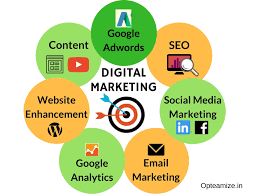
Social Media Marketing: Platforms like Facebook, Instagram, and LinkedIn provide opportunities for real estate agents to showcase properties through engaging visual content and targeted ads. Building a strong social media presence can help attract potential buyers and sellers.

Search Engine Optimisation (SEO): Optimising website content with relevant keywords and local SEO strategies can improve search engine rankings, making it easier for potential clients to find your listings online.

Email Marketing: Sending personalised emails with property listings, market updates, and industry insights can help nurture relationships with clients and keep them engaged over time.

The Future of Digital Marketing in Real Estate

The real estate industry is constantly evolving, and digital marketing will continue to play a crucial role in its growth and success. As technology advances and consumer behaviours change, real estate professionals must adapt their marketing strategies to stay ahead of the competition.

By embracing innovative digital marketing techniques and staying informed about industry trends, real estate agents can position themselves as leaders in the market and provide valuable services to their clients.

© 2023 DigitalMarketingForRealEstate.co.uk | All rights reserved


9 Essential Digital Marketing Tips for Boosting Your Real Estate Business

  1. Create a professional website showcasing your real estate listings with high-quality photos and detailed property information.
  2. Utilize social media platforms like Facebook, Instagram, and LinkedIn to promote your properties and engage with potential buyers.
  3. Invest in search engine optimization (SEO) to improve the visibility of your real estate website in search engine results.
  4. Consider running targeted online advertising campaigns on platforms like Google Ads or Facebook Ads to reach specific audiences.
  5. Produce valuable content such as blog posts, videos, or virtual tours to attract and educate potential clients about the real estate market.
  6. Implement email marketing campaigns to keep in touch with leads, share property updates, and nurture relationships with clients.
  7. Use customer relationship management (CRM) software to manage client interactions, track leads, and streamline communication processes.
  8. Engage with online reviews and testimonials to build credibility and trust among potential buyers looking for real estate services.
  9. Monitor analytics data regularly to track the performance of your digital marketing efforts and make informed decisions for future strategies.

Create a professional website showcasing your real estate listings with high-quality photos and detailed property information.

To maximise your digital marketing efforts in the real estate industry, it is essential to create a professional website that showcases your property listings effectively. By featuring high-quality photos and detailed property information on your website, you can provide potential buyers and sellers with a comprehensive view of the properties you have to offer. A visually appealing and informative website not only attracts more visitors but also establishes trust and credibility, ultimately leading to increased engagement and conversions in the competitive real estate market.

Utilize social media platforms like Facebook, Instagram, and LinkedIn to promote your properties and engage with potential buyers.

To maximise your real estate marketing efforts, make full use of popular social media platforms such as Facebook, Instagram, and LinkedIn. These channels offer a valuable opportunity to showcase your properties effectively and interact with potential buyers in a more engaging and personalised manner. By leveraging the power of social media, you can reach a wider audience, build brand awareness, and establish meaningful connections that can lead to successful property transactions.

Invest in search engine optimization (SEO) to improve the visibility of your real estate website in search engine results.

Investing in search engine optimisation (SEO) is a crucial tip for real estate professionals looking to enhance the visibility of their website in search engine results. By implementing SEO strategies such as keyword optimisation, content creation, and link building, real estate agents can improve their website’s ranking on search engine results pages. This increased visibility can attract more organic traffic to their site, leading to higher chances of connecting with potential buyers and sellers actively searching for properties online.

Consider running targeted online advertising campaigns on platforms like Google Ads or Facebook Ads to reach specific audiences.

Consider running targeted online advertising campaigns on platforms like Google Ads or Facebook Ads to reach specific audiences in the real estate industry. By utilising these powerful advertising tools, real estate professionals can tailor their ads to target potential buyers or sellers based on demographics, interests, and online behaviour. This targeted approach ensures that your marketing efforts are reaching the right audience, increasing the chances of generating quality leads and conversions for your real estate business.

Produce valuable content such as blog posts, videos, or virtual tours to attract and educate potential clients about the real estate market.

To enhance your digital marketing efforts in the real estate industry, consider producing valuable content such as engaging blog posts, informative videos, or immersive virtual tours. By creating and sharing content that educates and captivates potential clients about the real estate market, you can establish yourself as a trusted authority and attract a wider audience. Providing valuable insights and showcasing properties through various multimedia formats can help you build credibility, drive traffic to your website, and ultimately convert leads into loyal clients.

Implement email marketing campaigns to keep in touch with leads, share property updates, and nurture relationships with clients.

Implementing email marketing campaigns is a powerful strategy for real estate professionals to stay connected with leads, share timely property updates, and nurture relationships with clients. By sending personalised and relevant emails, agents can provide valuable information, showcase new listings, and establish themselves as trusted advisors in the eyes of their audience. This consistent communication through email helps to keep the brand top-of-mind for potential buyers and sellers, ultimately leading to increased engagement and conversions in the competitive real estate market.

Use customer relationship management (CRM) software to manage client interactions, track leads, and streamline communication processes.

Utilising customer relationship management (CRM) software is a valuable tip for real estate professionals looking to enhance their digital marketing efforts. By implementing CRM software, agents can efficiently manage client interactions, track leads, and streamline communication processes. This technology allows for better organisation of client data, personalised communication, and targeted marketing campaigns, ultimately improving customer satisfaction and driving business growth in the competitive real estate market.

Engage with online reviews and testimonials to build credibility and trust among potential buyers looking for real estate services.

Engaging with online reviews and testimonials is a powerful tip in digital marketing for real estate. By showcasing positive feedback from satisfied clients, real estate professionals can build credibility and trust among potential buyers seeking their services. Authentic testimonials provide social proof of the agent’s expertise and reliability, helping to establish a strong reputation in the competitive real estate market. Encouraging clients to share their experiences online not only enhances the agent’s credibility but also influences prospective buyers’ decision-making process, ultimately leading to increased trust and successful conversions.

Monitor analytics data regularly to track the performance of your digital marketing efforts and make informed decisions for future strategies.

Monitoring analytics data regularly is crucial for real estate professionals engaged in digital marketing. By tracking key performance metrics such as website traffic, conversion rates, and engagement levels, agents can gain valuable insights into the effectiveness of their marketing campaigns. This data-driven approach enables informed decision-making when refining current strategies or planning future initiatives, ultimately leading to more targeted and successful outcomes in the competitive real estate market.

online marketing websites

Unlocking Success: The Impact of Online Marketing Websites in the Digital Age

The Power of Online Marketing Websites

The Power of Online Marketing Websites

In today’s digital age, online marketing websites play a crucial role in helping businesses reach their target audience and drive growth. These websites serve as powerful tools to promote products and services, engage with customers, and increase brand visibility in the competitive online landscape.

Benefits of Online Marketing Websites

Online marketing websites offer a range of benefits that traditional marketing methods cannot match. Here are some key advantages:

  • Global Reach: With an online marketing website, businesses can reach a global audience without geographical limitations.
  • Cost-Effective: Online marketing is often more cost-effective than traditional advertising methods, making it accessible to businesses of all sizes.
  • Data-driven Insights: Through analytics tools, businesses can track and analyse user behaviour on their websites to make informed decisions and optimise their marketing strategies.
  • Targeted Marketing: Online marketing websites allow businesses to target specific demographics and tailor their messaging to different audience segments for more effective campaigns.

Key Elements of Effective Online Marketing Websites

To maximise the impact of an online marketing website, several key elements should be considered:

  1. User-Friendly Design: A visually appealing and easy-to-navigate website enhances user experience and encourages visitors to engage with the content.
  2. SEO Optimisation: Implementing search engine optimisation (SEO) strategies helps improve the website’s visibility on search engines, driving organic traffic.
  3. Social Media Integration: Integrating social media platforms into the website allows for seamless sharing of content and facilitates social engagement with customers.
  4. Email Marketing Integration: Building email lists through the website enables businesses to nurture leads and maintain communication with customers through targeted email campaigns.

The Future of Online Marketing Websites

As technology continues to evolve, online marketing websites will play an increasingly vital role in shaping the digital presence of businesses. Embracing emerging trends such as artificial intelligence, personalisation, and interactive content will be key to staying ahead in the competitive online market.

In conclusion, online marketing websites are essential tools for modern businesses looking to establish a strong online presence, connect with their target audience, and drive growth through effective digital strategies.


7 Essential Tips for Enhancing Your Online Marketing Website

  1. Create a user-friendly website with easy navigation.
  2. Optimize your website for search engines (SEO).
  3. Produce high-quality and engaging content regularly.
  4. Utilize social media platforms to promote your website and engage with your audience.
  5. Implement email marketing campaigns to reach out to potential customers.
  6. Monitor website analytics to track performance and make data-driven decisions.
  7. Consider investing in online advertising to increase visibility and attract more traffic.

Create a user-friendly website with easy navigation.

Creating a user-friendly website with easy navigation is essential for the success of online marketing efforts. A well-designed website that is intuitive and easy to navigate enhances the overall user experience, encouraging visitors to explore content and engage with the brand. By prioritising user-friendly design, businesses can improve customer satisfaction, reduce bounce rates, and ultimately increase conversions. Clear navigation menus, intuitive search functionality, and responsive design are key elements that contribute to a positive user experience and help drive the effectiveness of online marketing campaigns.

Optimize your website for search engines (SEO).

To maximise the visibility and reach of your online marketing website, it is crucial to optimise it for search engines through effective search engine optimisation (SEO) strategies. By strategically incorporating relevant keywords, improving site speed, creating quality content, and building backlinks, you can enhance your website’s ranking on search engine results pages. Optimising your website for SEO not only increases organic traffic but also improves user experience, ultimately leading to higher conversion rates and better overall performance in the competitive online landscape.

Produce high-quality and engaging content regularly.

Producing high-quality and engaging content regularly is a fundamental tip for successful online marketing websites. By consistently creating valuable and compelling content, businesses can attract and retain the attention of their target audience, build credibility, and establish themselves as industry authorities. This approach not only drives traffic to the website but also fosters customer loyalty and encourages social sharing, ultimately contributing to improved brand visibility and long-term success in the digital realm.

Utilize social media platforms to promote your website and engage with your audience.

Utilising social media platforms to promote your website and engage with your audience is a highly effective strategy in online marketing. By leveraging the reach and interactivity of social media channels, businesses can amplify their online presence, drive traffic to their website, and foster meaningful connections with their target audience. Regularly sharing engaging content, responding to comments and messages, and running targeted advertising campaigns on platforms like Facebook, Instagram, and Twitter can help businesses build brand awareness, increase customer loyalty, and ultimately drive conversions. Embracing social media as a key component of your online marketing efforts can lead to enhanced visibility and engagement that translates into tangible business growth.

Implement email marketing campaigns to reach out to potential customers.

Implementing email marketing campaigns is a powerful strategy to reach out to potential customers and nurture relationships with existing ones. By delivering targeted and personalised content directly to their inboxes, businesses can engage with their audience on a more personal level, driving brand awareness and encouraging conversions. Email marketing allows for timely communication, promotions, and valuable insights into customer preferences, making it a cost-effective and efficient way to enhance overall marketing efforts and boost customer engagement.

Monitor website analytics to track performance and make data-driven decisions.

Monitoring website analytics is a crucial tip for successful online marketing websites. By tracking key performance metrics such as traffic sources, user engagement, and conversion rates, businesses can gain valuable insights into the effectiveness of their online strategies. This data-driven approach enables informed decision-making, allowing businesses to identify areas for improvement, optimise marketing campaigns, and ultimately enhance the overall performance of their website to achieve their digital goals.

Consider investing in online advertising to increase visibility and attract more traffic.

Consider investing in online advertising as a strategic approach to enhance visibility and drive more traffic to your website. Online advertising offers businesses the opportunity to target specific audiences, increase brand awareness, and generate leads effectively. By allocating resources towards online advertising campaigns, businesses can reach a wider audience, engage potential customers, and ultimately boost their online presence in a competitive digital landscape.

local internet marketing

Unlocking the Potential of Local Internet Marketing Strategies

The Power of Local Internet Marketing

The Power of Local Internet Marketing

In today’s digital age, local internet marketing has become a crucial strategy for businesses looking to connect with their target audience in specific geographic locations. By focusing on localised online tactics, businesses can effectively reach potential customers in their area and drive foot traffic to physical stores or increase online sales.

Benefits of Local Internet Marketing

Targeted Reach: Local internet marketing allows businesses to target consumers based on their location, increasing the relevance of marketing messages and promotions.

Increased Visibility: By optimising online content for local search terms and using platforms like Google My Business, businesses can improve their visibility in local search results.

Cost-Effective: Compared to traditional advertising methods, local internet marketing can be more cost-effective and offer a higher return on investment due to its targeted approach.

Strategies for Local Internet Marketing

Local SEO: Optimise your website and online content for local keywords and phrases to improve your ranking in local search results.

Google My Business: Create and optimise your Google My Business profile with accurate business information, photos, and customer reviews to enhance your online presence locally.

Local Content Marketing: Produce relevant and engaging content that resonates with your local audience to drive engagement and build brand loyalty.

The Future of Local Internet Marketing

As technology continues to advance, the importance of local internet marketing will only grow. Businesses that invest in targeted digital strategies tailored to their specific locations will have a competitive edge in reaching and engaging with their local customer base.

Contact us today to learn how we can help you harness the power of local internet marketing for your business.


7 Essential Tips for Effective Local Internet Marketing

  1. Optimise your website for local keywords and phrases.
  2. Create and maintain a Google My Business listing.
  3. Engage with local customers on social media platforms.
  4. Encourage satisfied customers to leave positive reviews online.
  5. Collaborate with other local businesses for cross-promotion opportunities.
  6. Attend or sponsor local events to increase visibility in the community.
  7. Utilise geo-targeted advertising to reach potential customers in your area.

Optimise your website for local keywords and phrases.

To maximise your impact in local internet marketing, it is essential to optimise your website for local keywords and phrases. By incorporating relevant terms that reflect the specific location of your target audience, you can significantly improve your website’s visibility in local search results. This strategic approach not only enhances your chances of being discovered by local customers but also increases the effectiveness of your online marketing efforts in reaching the right audience at the right time.

Create and maintain a Google My Business listing.

Creating and maintaining a Google My Business listing is a vital tip for local internet marketing success. By ensuring that your business information is accurate and up-to-date on this platform, you can improve your visibility in local search results and provide potential customers with essential details about your products or services. Regularly updating your Google My Business listing with photos, reviews, and promotions can help you attract more local customers and build trust in your brand within the community.

Engage with local customers on social media platforms.

Engaging with local customers on social media platforms is a valuable tip for effective local internet marketing. By actively interacting with your community on platforms such as Facebook, Instagram, and Twitter, you can build relationships, increase brand awareness, and drive traffic to your business. Responding to comments, sharing local events or news, and running targeted ads can help you connect with your audience on a more personal level and establish a strong online presence within your local market.

Encourage satisfied customers to leave positive reviews online.

Encouraging satisfied customers to leave positive reviews online is a powerful strategy in local internet marketing. Positive reviews not only enhance your online reputation but also influence potential customers’ purchasing decisions. By actively seeking feedback from happy customers and guiding them to share their experiences on platforms like Google My Business or review websites, businesses can build trust, credibility, and visibility within their local community. This word-of-mouth marketing approach can significantly impact brand perception and attract new customers looking for reliable products or services backed by genuine testimonials.

Collaborate with other local businesses for cross-promotion opportunities.

Collaborating with other local businesses for cross-promotion opportunities is a strategic tip in local internet marketing. By partnering with complementary businesses in the same area, you can expand your reach and tap into each other’s customer bases. Cross-promotion allows you to leverage each other’s online platforms and promotional channels to increase visibility and attract new customers. This collaborative approach not only strengthens relationships within the local business community but also creates a win-win situation where all parties involved benefit from the shared exposure and mutual support.

Attend or sponsor local events to increase visibility in the community.

Attending or sponsoring local events is a valuable tip for enhancing visibility in the community through local internet marketing. By actively participating in or supporting events that resonate with the target audience, businesses can establish a strong presence and build relationships with potential customers. This not only boosts brand awareness locally but also provides opportunities to showcase products or services in a meaningful way, fostering community engagement and loyalty. Additionally, leveraging social media and online platforms to share event highlights can further amplify visibility and reinforce the business’s connection with the local community.

Utilise geo-targeted advertising to reach potential customers in your area.

By utilising geo-targeted advertising in your local internet marketing strategy, you can effectively reach potential customers in your specific area. This targeted approach allows you to tailor your advertising messages and promotions to resonate with the local audience, increasing the likelihood of engagement and conversion. By focusing on reaching customers in your geographical location, you can maximise the impact of your marketing efforts and drive more relevant traffic to your business, whether online or offline.

digital marketing for dentists

Enhancing Dental Practices: The Power of Digital Marketing for Dentists

Digital Marketing for Dentists

The Importance of Digital Marketing for Dentists

In today’s digital age, having a strong online presence is crucial for businesses across all industries, including dental practices. Digital marketing offers dentists a powerful tool to reach and engage with both existing and potential patients in a cost-effective and efficient manner.

Benefits of Digital Marketing for Dentists

Increased Visibility: By implementing digital marketing strategies such as search engine optimization (SEO) and pay-per-click (PPC) advertising, dentists can improve their visibility online and attract more patients to their practice.

Targeted Advertising: Digital marketing allows dentists to target specific demographics and geographic locations, ensuring that their marketing efforts reach the right audience who are more likely to convert into patients.

Building Trust and Credibility: A well-maintained website, active social media presence, and positive online reviews can help dentists build trust and credibility with potential patients, leading to increased patient loyalty and retention.

Digital Marketing Strategies for Dentists

Website Optimization: A user-friendly and mobile-responsive website that showcases services, testimonials, and contact information is essential for attracting new patients.

Content Marketing: Creating informative blog posts, videos, or infographics about dental health topics can help position dentists as experts in their field and attract organic traffic to their website.

Social Media Marketing: Engaging with patients on platforms like Facebook, Instagram, or LinkedIn can help dentists connect with their audience on a more personal level and drive brand awareness.

The Future of Digital Marketing in Dentistry

The field of digital marketing is constantly evolving, with new trends and technologies emerging regularly. Dentists who embrace digital marketing strategies and stay up-to-date with the latest trends are more likely to stay ahead of the competition and grow their patient base in the long run.


Top 9 Digital Marketing Strategies for Dentists to Boost Practice Visibility and Engagement

  1. Create a professional website for your dental practice with clear information about services and contact details.
  2. Utilize search engine optimization (SEO) techniques to improve your website’s visibility in search engine results.
  3. Engage with potential patients on social media platforms like Facebook, Instagram, and Twitter.
  4. Share informative content related to dental health and treatments to establish credibility and attract followers.
  5. Consider running targeted online advertising campaigns to reach local audiences looking for dental services.
  6. Encourage satisfied patients to leave positive reviews on platforms like Google My Business and Yelp.
  7. Offer online appointment scheduling options to make it convenient for patients to book visits.
  8. Use email marketing campaigns to keep patients informed about promotions, new services, and important dental tips.
  9. Monitor your digital marketing efforts regularly by analysing website traffic, social media engagement, and campaign performance.

Create a professional website for your dental practice with clear information about services and contact details.

Creating a professional website for your dental practice with clear information about services and contact details is essential for establishing a strong online presence. A well-designed website not only showcases the range of services you offer but also provides potential patients with easy access to important contact information. By ensuring that your website is user-friendly and informative, you can attract more patients and build credibility in the digital space, ultimately driving the success of your dental practice.

Utilize search engine optimization (SEO) techniques to improve your website’s visibility in search engine results.

By utilising search engine optimisation (SEO) techniques, dentists can enhance their website’s visibility in search engine results, making it easier for potential patients to find them online. Implementing SEO strategies such as keyword optimisation, meta tags, and quality content can help improve the website’s ranking on search engine results pages, ultimately driving more organic traffic to the site. This increased visibility can lead to greater online exposure for the dental practice and attract more patients seeking dental services.

Engage with potential patients on social media platforms like Facebook, Instagram, and Twitter.

To maximise their online presence and connect with potential patients effectively, dentists should actively engage with audiences on popular social media platforms such as Facebook, Instagram, and Twitter. By sharing informative content, responding to inquiries promptly, and showcasing their expertise in dental care, dentists can build trust and credibility with their target audience. Social media engagement not only helps dentists reach a wider demographic but also fosters meaningful relationships with patients, ultimately leading to increased brand awareness and patient loyalty.

Sharing informative content related to dental health and treatments is a valuable tip for dentists looking to enhance their digital marketing strategy. By providing educational and engaging content, such as articles, videos, or infographics, dentists can establish credibility as experts in their field and build trust with their audience. This approach not only helps attract followers on social media platforms and website visitors but also positions the dentist as a reliable source of information, ultimately leading to increased patient loyalty and retention.

Consider running targeted online advertising campaigns to reach local audiences looking for dental services.

Dentists can significantly benefit from running targeted online advertising campaigns to reach local audiences actively seeking dental services. By focusing their marketing efforts on specific geographic locations and demographics, dentists can effectively connect with potential patients in their area who are in need of dental care. This strategy not only increases visibility within the local community but also enhances the chances of attracting qualified leads and converting them into loyal patients.

Encourage satisfied patients to leave positive reviews on platforms like Google My Business and Yelp.

Encouraging satisfied patients to leave positive reviews on platforms such as Google My Business and Yelp can significantly benefit a dentist’s online reputation and credibility. Positive reviews act as social proof for potential patients, showcasing the quality of service and care provided by the dental practice. By actively seeking feedback from happy patients and guiding them to share their experiences online, dentists can enhance their visibility, attract new clients, and build trust within the community.

Offer online appointment scheduling options to make it convenient for patients to book visits.

By offering online appointment scheduling options, dentists can enhance the convenience and accessibility of their services for patients. This digital marketing tip allows patients to easily book visits at their own convenience, reducing the need for phone calls or in-person appointments. Providing online scheduling options not only streamlines the booking process but also demonstrates a commitment to patient satisfaction and modern healthcare practices. It can help dentists attract tech-savvy patients who prefer the ease of booking appointments online, ultimately improving overall patient experience and practice efficiency.

Use email marketing campaigns to keep patients informed about promotions, new services, and important dental tips.

Utilising email marketing campaigns is a valuable strategy for dentists to keep their patients informed about promotions, new services, and essential dental tips. By regularly sending out targeted emails, dentists can maintain a direct line of communication with their patients, enhancing engagement and loyalty. These campaigns not only help in promoting special offers and introducing new services but also serve as a platform to share valuable dental advice and tips, positioning the dental practice as a trusted source of information in the minds of patients.

Monitor your digital marketing efforts regularly by analysing website traffic, social media engagement, and campaign performance.

It is essential for dentists to monitor their digital marketing efforts regularly by analysing website traffic, social media engagement, and campaign performance. By keeping a close eye on these key metrics, dentists can gain valuable insights into the effectiveness of their marketing strategies and make informed decisions to optimise their online presence. Tracking website traffic helps dentists understand how visitors interact with their site, while monitoring social media engagement provides valuable feedback on audience preferences and interests. Analysing campaign performance allows dentists to identify what is working well and what areas may need improvement, ultimately leading to a more successful digital marketing strategy.

advantages of digital marketing

Unlocking the Advantages of Digital Marketing: A Path to Business Success

Advantages of Digital Marketing

The Advantages of Digital Marketing

Digital marketing has revolutionised the way businesses promote their products and services in the modern era. With the rise of the internet and social media, digital marketing offers numerous advantages that traditional marketing methods simply cannot match.

Global Reach

One of the key advantages of digital marketing is its ability to reach a global audience with ease. Through online channels such as websites, social media, and email campaigns, businesses can connect with potential customers around the world, breaking down geographical barriers.

Targeted Advertising

Digital marketing allows for highly targeted advertising campaigns. By leveraging data analytics and user behaviour tracking, businesses can tailor their marketing messages to specific demographics, interests, and behaviours, increasing the effectiveness of their campaigns and maximising return on investment.

Cost-Effective

Compared to traditional marketing methods such as print or TV advertising, digital marketing is often more cost-effective. With online advertising platforms offering flexible budgeting options and detailed performance metrics, businesses can optimise their spending and allocate resources more efficiently.

Real-Time Analytics

Digital marketing provides real-time analytics that allow businesses to track the performance of their campaigns instantly. From website traffic data to email open rates and social media engagement metrics, businesses can measure the impact of their marketing efforts in real-time and make adjustments on the fly to improve results.

Enhanced Customer Engagement

Through social media interactions, personalised email communications, and targeted content strategies, digital marketing enables businesses to engage with customers on a more personal level. Building relationships with customers through meaningful interactions fosters brand loyalty and drives repeat business over time.

Scalability and Flexibility

Digital marketing offers scalability and flexibility that traditional marketing methods lack. Businesses can easily adjust their online campaigns based on performance data, target new audiences as needed, and experiment with different strategies to find what works best for their unique goals.

In conclusion, digital marketing presents a wealth of opportunities for businesses looking to expand their reach, connect with customers in meaningful ways, and drive growth in today’s competitive marketplace. By embracing digital strategies and leveraging the power of online channels, businesses can unlock a world of possibilities for success.


Unlocking Success: 9 Key Advantages of Digital Marketing for Modern Businesses

  1. Digital marketing allows for targeted advertising to reach specific audiences.
  2. It provides real-time results tracking and analytics to measure campaign performance.
  3. Digital marketing is cost-effective compared to traditional marketing methods.
  4. It enables businesses to engage with customers through various channels like social media and email.
  5. Digital marketing offers a global reach, breaking geographical barriers for businesses.
  6. It facilitates personalized marketing strategies based on consumer behaviour and preferences.
  7. Digital campaigns can be easily adjusted and optimized for better results in a short timeframe.
  8. It helps in building brand awareness and credibility through online presence.
  9. Digital marketing fosters interaction and engagement with the target audience, leading to higher conversion rates.

Digital marketing allows for targeted advertising to reach specific audiences.

Digital marketing offers the advantage of targeted advertising, enabling businesses to tailor their marketing messages to reach specific audiences with precision. By leveraging data analytics and user behaviour insights, businesses can create highly personalised campaigns that resonate with their target demographics. This level of targeting not only increases the effectiveness of marketing efforts but also enhances customer engagement by delivering relevant content to the right audience at the right time.

It provides real-time results tracking and analytics to measure campaign performance.

Digital marketing offers a significant advantage by providing real-time results tracking and analytics to measure campaign performance effectively. This feature allows businesses to access immediate insights into the impact of their marketing efforts, enabling them to make data-driven decisions swiftly. By monitoring key metrics in real-time, such as website traffic, conversion rates, and engagement levels, businesses can adapt their strategies promptly to optimise performance and achieve their marketing objectives efficiently.

Digital marketing is cost-effective compared to traditional marketing methods.

Digital marketing offers a cost-effective solution for businesses looking to promote their products or services, especially when compared to traditional marketing methods. With online advertising platforms allowing for flexible budgeting options and detailed performance tracking, businesses can allocate their resources more efficiently and achieve a higher return on investment. This affordability aspect of digital marketing makes it an attractive option for businesses of all sizes looking to maximise their marketing impact within budget constraints.

It enables businesses to engage with customers through various channels like social media and email.

Digital marketing offers businesses the invaluable opportunity to engage with customers through diverse channels such as social media and email. By leveraging these platforms, businesses can establish direct lines of communication with their target audience, fostering meaningful interactions and building lasting relationships. This personalised approach not only enhances customer engagement but also allows businesses to tailor their messaging to specific demographics, interests, and preferences, ultimately driving brand loyalty and long-term success in the digital landscape.

Digital marketing offers a global reach, breaking geographical barriers for businesses.

Digital marketing is a powerful tool that provides businesses with a global reach, transcending geographical boundaries and enabling them to connect with audiences around the world. By leveraging online channels and digital platforms, businesses can expand their reach beyond local markets and engage with diverse demographics on a global scale. This ability to break geographical barriers is a significant advantage of digital marketing, allowing businesses to tap into new markets and opportunities that were previously inaccessible through traditional marketing methods.

It facilitates personalized marketing strategies based on consumer behaviour and preferences.

Digital marketing offers a significant advantage by enabling businesses to implement personalised marketing strategies that are tailored to individual consumer behaviour and preferences. By leveraging data analytics and user insights, businesses can create targeted campaigns that resonate with their target audience on a more personal level. This approach not only enhances the effectiveness of marketing efforts but also fosters stronger connections with customers, leading to increased engagement and loyalty over time.

Digital campaigns can be easily adjusted and optimized for better results in a short timeframe.

Digital campaigns offer the advantage of being easily adjusted and optimised for improved results within a short timeframe. Unlike traditional marketing methods that may require lengthy lead times for changes to take effect, digital marketing allows businesses to quickly pivot their strategies based on real-time data and performance metrics. This agility enables businesses to fine-tune their campaigns, target specific audiences more effectively, and maximise their return on investment in a timely manner. By leveraging the flexibility of digital channels, businesses can adapt swiftly to market trends and consumer preferences, ensuring that their campaigns remain relevant and impactful.

It helps in building brand awareness and credibility through online presence.

Digital marketing plays a crucial role in establishing brand awareness and credibility by creating a strong online presence. By utilising various digital channels such as websites, social media platforms, and online advertising, businesses can showcase their brand identity to a wide audience. Consistent and engaging online content helps build trust with consumers, positioning the brand as an authority in its industry. This enhanced visibility and credibility not only attract new customers but also strengthen relationships with existing ones, ultimately contributing to long-term success.

Digital marketing fosters interaction and engagement with the target audience, leading to higher conversion rates.

Digital marketing plays a crucial role in fostering interaction and engagement with the target audience, ultimately resulting in higher conversion rates for businesses. By creating meaningful connections through various online channels, such as social media, email campaigns, and targeted content strategies, businesses can engage with their audience on a personal level. This engagement not only builds brand loyalty but also increases the likelihood of converting leads into customers. The interactive nature of digital marketing allows businesses to tailor their messages to specific audience segments, driving more relevant and effective communication that resonates with potential customers and encourages them to take desired actions.

email campaign

Unlocking Success: Maximising Your Email Campaign Potential

The Power of Email Campaigns in Digital Marketing

The Power of Email Campaigns in Digital Marketing

Email campaigns have long been a staple in the world of digital marketing, and for good reason. When executed effectively, email campaigns can be a powerful tool for reaching and engaging with your target audience. Let’s explore why email campaigns are still relevant and how they can benefit your business.

Direct Communication Channel

Email allows you to communicate directly with your audience in a personal and targeted way. By segmenting your email list based on demographics, interests, or past interactions, you can tailor your messages to resonate with different groups of recipients.

Cost-Effective Marketing Strategy

Compared to traditional marketing channels, email campaigns are cost-effective and offer a high return on investment. With minimal expenses involved in sending out emails, you can reach a large number of people at a fraction of the cost of other advertising methods.

Build Customer Relationships

Regularly sending out valuable content, promotions, or updates through email helps build trust and loyalty with your audience. By staying in touch with your customers through email campaigns, you can strengthen relationships and encourage repeat business.

Trackable Performance Metrics

Email marketing platforms provide detailed analytics that allow you to track the performance of your campaigns in real-time. From open rates and click-through rates to conversion metrics, you can measure the effectiveness of your emails and make data-driven decisions to improve future campaigns.

Drive Conversions and Sales

Effective email campaigns have the power to drive conversions and increase sales for your business. Whether it’s promoting new products, offering exclusive discounts, or inviting customers to upcoming events, strategically crafted emails can lead recipients down the path to purchase.

In Conclusion

Email campaigns remain a valuable tool in the digital marketing toolkit for businesses looking to connect with their audience on a personal level, drive engagement, and boost sales. By leveraging the power of email marketing effectively, you can achieve measurable results and grow your brand online.


Nine Essential Tips for Crafting Effective Email Campaigns

  1. Personalise your emails to make them more engaging and relevant to the recipient.
  2. Use a clear and concise subject line to grab the reader’s attention.
  3. Segment your email list based on demographics or past interactions for targeted messaging.
  4. Include a call-to-action that prompts recipients to take a specific action, such as clicking a link or making a purchase.
  5. Optimise your emails for mobile devices as many people check their emails on smartphones or tablets.
  6. Test different elements of your email campaigns, such as subject lines, content, and send times, to see what resonates best with your audience.
  7. Monitor key metrics like open rates, click-through rates, and conversions to evaluate the success of your campaigns.
  8. Avoid using spammy language or excessive punctuation marks that could trigger spam filters.
  9. Provide an option for recipients to easily unsubscribe from future emails in compliance with data protection regulations.

Personalise your emails to make them more engaging and relevant to the recipient.

Personalising your emails is a crucial tip to enhance the effectiveness of your email campaigns. By tailoring your messages to the individual recipient, you can create a more engaging and relevant experience that resonates with their interests and needs. Personalisation goes beyond simply addressing the recipient by name; it involves segmenting your audience, crafting targeted content, and incorporating dynamic elements that speak directly to each recipient. This approach not only increases open rates and click-through rates but also helps build stronger connections with your audience, ultimately leading to improved engagement and conversions.

Use a clear and concise subject line to grab the reader’s attention.

When crafting your email campaign, it is essential to use a clear and concise subject line to capture the reader’s attention from the outset. A compelling subject line not only entices recipients to open your email but also sets the tone for the content inside. By keeping your subject line succinct and relevant to the email’s purpose, you increase the likelihood of engaging your audience and driving them to take action. Remember, the subject line is the first impression your email makes, so make it count by being direct and intriguing.

Segment your email list based on demographics or past interactions for targeted messaging.

Segmenting your email list based on demographics or past interactions is a crucial tip for running successful email campaigns. By categorising your subscribers into specific groups, you can send targeted messages that are more relevant and personalised to their interests and needs. This approach not only increases the chances of engagement but also helps in building stronger relationships with your audience. Understanding your subscribers’ preferences through segmentation allows you to deliver content that resonates with them, ultimately leading to higher open rates, click-through rates, and conversions.

In an effective email campaign, it is crucial to include a compelling call-to-action that encourages recipients to take a specific action, whether it’s clicking a link to learn more, signing up for a webinar, or making a purchase. By clearly guiding recipients on what steps to take next, you can drive engagement and conversions. A well-crafted call-to-action not only directs the recipient’s attention but also motivates them to interact with your content and move further along the customer journey.

Optimise your emails for mobile devices as many people check their emails on smartphones or tablets.

Optimising your emails for mobile devices is crucial in today’s digital landscape, where a significant number of people access their emails on smartphones or tablets. By ensuring that your email campaigns are mobile-responsive and visually appealing on smaller screens, you can enhance the user experience and increase the likelihood of engagement with your content. With more and more consumers relying on mobile devices for their daily communication, optimising your emails for mobile can significantly impact the success of your email marketing efforts.

Test different elements of your email campaigns, such as subject lines, content, and send times, to see what resonates best with your audience.

To maximise the effectiveness of your email campaigns, it is crucial to test various elements such as subject lines, content, and send times. By experimenting with different components, you can gain valuable insights into what resonates best with your audience and drives engagement. Testing allows you to refine your approach and tailor your emails to better meet the preferences of your recipients, ultimately leading to improved results and a stronger connection with your target market.

Monitor key metrics like open rates, click-through rates, and conversions to evaluate the success of your campaigns.

Monitoring key metrics such as open rates, click-through rates, and conversions is essential to evaluating the success of your email campaigns. By tracking these metrics closely, you can gain valuable insights into how your audience is engaging with your content and identify areas for improvement. Open rates indicate the effectiveness of your subject lines and sender reputation, while click-through rates measure the interest and relevance of your email content. Conversions, on the other hand, directly reflect the impact of your campaigns on driving desired actions from your recipients. Regularly analysing these metrics allows you to make data-driven decisions to optimise future campaigns and achieve better results in reaching your marketing goals.

Avoid using spammy language or excessive punctuation marks that could trigger spam filters.

When crafting your email campaign, it is crucial to avoid using spammy language or excessive punctuation marks that could potentially trigger spam filters. By maintaining a professional and concise tone in your email content, you can improve deliverability and ensure that your messages reach the intended recipients’ inboxes. Remember, clear and relevant communication is key to engaging with your audience effectively and building trust in your brand through email marketing efforts.

Provide an option for recipients to easily unsubscribe from future emails in compliance with data protection regulations.

It is essential to provide recipients with a clear and easy option to unsubscribe from future email communications in line with data protection regulations. By offering an unsubscribe link in your emails, you not only demonstrate respect for your audience’s preferences but also ensure compliance with laws such as GDPR. Making the process simple and straightforward for recipients to opt out of receiving further emails helps maintain transparency and trust between your business and its subscribers.

email marketing

Unlocking the Potential of Email Marketing: Strategies for Success

The Power of Email Marketing

The Power of Email Marketing

Email marketing remains one of the most effective tools in a marketer’s arsenal. With the rise of social media and other digital channels, some may overlook the impact that a well-crafted email campaign can have on engaging and converting audiences.

Building Relationships

One of the key strengths of email marketing is its ability to nurture relationships with your audience. By delivering relevant and valuable content directly to their inbox, you can establish trust and credibility over time. Personalised emails that address the recipient by name and cater to their interests are more likely to resonate with them.

Driving Conversions

Email marketing is also a powerful tool for driving conversions. Whether you’re promoting a new product, offering a discount, or inviting recipients to an event, emails can be tailored to encourage action. By including clear calls-to-action and tracking performance metrics, you can measure the success of your campaigns and make data-driven decisions for future strategies.

Increasing Brand Awareness

Consistent communication through email helps reinforce your brand identity in the minds of your audience. By maintaining a cohesive visual style and tone across your emails, you can strengthen brand recognition and differentiate yourself from competitors. Sharing valuable content such as blog posts, case studies, or customer testimonials can further position your brand as an industry leader.

Best Practices for Email Marketing

  • Segmentation: Divide your email list into segments based on demographics, behaviour, or preferences to deliver targeted content.
  • A/B Testing: Experiment with different subject lines, content formats, and send times to optimise engagement rates.
  • Maintain Compliance: Ensure that your emails comply with data protection regulations such as GDPR to build trust with recipients.
  • Analyse Results: Monitor key performance indicators like open rates, click-through rates, and conversion rates to evaluate the effectiveness of your campaigns.

In conclusion, email marketing continues to be a valuable tool for engaging audiences, driving conversions, and increasing brand awareness. By leveraging its potential through strategic planning, personalisation, and analytics, businesses can unlock the full power of email as part of their digital marketing strategy.


Five Key Advantages of Email Marketing: Cost-Effective, Targeted, Measurable, Brand-Strengthening, and Engaging

  1. Cost-effective
  2. Targeted messaging
  3. Measurable results
  4. Brand reinforcement
  5. High engagement


Challenges of Email Marketing: Overcoming Spam Risks, Visual Limitations, Deliverability Issues, and Standing Out

  1. Risk of being marked as spam
  2. Limited visual impact
  3. Dependence on email deliverability
  4. Difficulty in standing out

Cost-effective

Email marketing offers a cost-effective solution for businesses to connect with a wide audience when compared to traditional marketing channels. With minimal overheads and the ability to reach a large number of recipients instantly, email campaigns provide an efficient way to deliver targeted messages and promotions without the high costs associated with print or broadcast advertising. This affordability makes email marketing a valuable tool for businesses looking to maximise their marketing budget and achieve measurable results.

Targeted messaging

Email marketing’s ability to deliver targeted messaging is a game-changer in the realm of digital communication. By tailoring content to recipient demographics and behaviour, businesses can create personalised and relevant messages that resonate with their audience on a deeper level. This level of customisation not only enhances engagement but also increases the likelihood of conversions as recipients feel understood and valued. The power of targeted messaging lies in its capacity to deliver the right message to the right person at the right time, ultimately driving stronger connections and results for brands.

Measurable results

Email marketing offers a significant advantage in its ability to provide measurable results through detailed analytics. By tracking performance metrics such as open rates, click-through rates, conversion rates, and more, businesses can gain valuable insights into the effectiveness of their email campaigns. This data allows marketers to identify what resonates with their audience, refine their strategies accordingly, and ultimately improve the outcomes of future campaigns. The ability to measure and analyse results empowers businesses to make data-driven decisions that maximise the impact of their email marketing efforts.

Brand reinforcement

Email marketing plays a crucial role in brand reinforcement by consistently delivering a unified message, visuals, and content with every email sent. By maintaining a cohesive brand identity across all communications, businesses can strengthen brand recognition and loyalty among their audience. This consistency helps differentiate the brand from competitors and builds trust with recipients, ultimately solidifying the brand’s position in the minds of consumers.

High engagement

Email marketing offers a significant advantage in terms of high engagement due to the direct delivery of emails to the recipient’s inbox. This direct communication channel increases the likelihood of interaction as emails are personalised and tailored to the recipient’s preferences. By reaching audiences directly in their inbox, businesses can capture attention, drive engagement, and foster meaningful relationships with their target audience, ultimately leading to higher conversion rates and increased brand loyalty.

Risk of being marked as spam

One significant drawback of email marketing is the risk of being marked as spam. When email campaigns are ineffective or when businesses bombard recipients with excessive emails, there is a high probability of recipients flagging these emails as spam. This action not only diminishes the chances of reaching the intended audience but also jeopardises the sender’s reputation. Once marked as spam, future emails from the sender are more likely to be filtered out or sent directly to the recipients’ spam folders, hindering the effectiveness of email marketing efforts. It is crucial for businesses to carefully consider their email frequency and content to avoid falling victim to this conundrum.

Limited visual impact

One significant drawback of email marketing is its limited visual impact compared to platforms like social media. Due to constraints on design and interactivity within email formats, the ability to create visually engaging content is restricted. This limitation can hinder the overall user experience and may lead to decreased engagement from recipients who are accustomed to more visually stimulating content on other digital channels. As a result, businesses must carefully consider how to maximise the impact of their emails through compelling copywriting and strategic use of visuals within the constraints of the medium.

Dependence on email deliverability

Dependence on email deliverability poses a significant challenge in email marketing. Factors such as spam filters and technical issues can hinder the successful delivery of your emails to recipients’ inboxes, thereby limiting the reach and effectiveness of your campaigns. Despite crafting compelling content and implementing targeted strategies, the unpredictability of email deliverability remains a constant concern for marketers, highlighting the importance of monitoring deliverability metrics and refining practices to enhance the chances of reaching the intended audience.

Difficulty in standing out

In the realm of email marketing, a significant challenge lies in the difficulty of standing out amidst the sea of messages flooding individuals’ inboxes on a daily basis. With the sheer volume of emails vying for attention, it becomes increasingly tough to capture and maintain the interest of recipients. Crafting compelling and distinctive content that cuts through the noise and resonates with the audience is essential yet daunting in a landscape where competition for visibility is fierce. Marketers must navigate this conundrum by employing creative strategies and personalisation techniques to ensure their messages are not lost in the deluge of emails clamouring for attention.

digital marketing marketing

Mastering the Art of Digital Marketing: Strategies for Effective Online Marketing

The Power of Digital Marketing

The Power of Digital Marketing

In today’s digital age, marketing has evolved significantly with the rise of digital channels and technologies. Digital marketing encompasses a wide range of online tactics and strategies aimed at reaching and engaging target audiences to promote products or services. Let’s explore the key aspects that make digital marketing a powerful tool for businesses:

Targeted Reach

Digital marketing allows businesses to target specific demographics, interests, and behaviours of their audience with precision. Through tools like social media advertising, search engine optimisation (SEO), and email marketing, businesses can tailor their messages to resonate with the right people at the right time.

Cost-Effective

Compared to traditional marketing methods such as print or TV ads, digital marketing is often more cost-effective. Businesses can allocate their budgets efficiently by choosing targeted online campaigns that deliver measurable results. This cost-effectiveness makes digital marketing accessible to businesses of all sizes.

Measurable Results

One of the significant advantages of digital marketing is the ability to track and measure campaign performance in real-time. Analytics tools provide valuable insights into key metrics such as website traffic, conversion rates, click-through rates, and more. This data allows businesses to adjust their strategies on the fly for optimal results.

Enhanced Engagement

Digital marketing offers various interactive channels for engaging with customers in meaningful ways. Social media platforms, blogs, videos, and email campaigns enable businesses to build relationships with their audience through valuable content and two-way communication. This engagement fosters brand loyalty and drives customer retention.

Global Reach

With digital marketing, businesses can expand their reach beyond geographical boundaries and target audiences worldwide. The internet provides a platform for reaching potential customers across different regions and time zones, opening up new opportunities for growth and expansion.

Adaptability

In the fast-paced digital landscape, businesses need to stay agile and adapt quickly to changes in consumer behaviour and market trends. Digital marketing offers the flexibility to test different strategies, refine approaches based on data insights, and pivot campaigns as needed to stay ahead of the competition.

In conclusion, digital marketing has revolutionised the way businesses connect with their audiences and drive growth in today’s competitive marketplace. By harnessing the power of digital channels effectively, businesses can achieve greater visibility, engagement, and ROI than ever before.


Essential FAQs on Digital Marketing: A Comprehensive Guide for Beginners and Experts

  1. What is the 3 major part of digital marketing?
  2. How do beginners start digital marketing?
  3. What are 4 keys of digital marketing?
  4. What exactly do digital marketing do?
  5. What is digital marketing and an example?
  6. What is digital marketing good for?
  7. What is the 3 digital marketing?
  8. What are the 5 stages of digital marketing?
  9. What is digital marketing in marketing?
  10. What are the 4 main of digital marketing?
  11. What are the 7 types of digital marketing?
  12. What are the 7 P’s of digital marketing?
  13. Is digital marketing Easy?
  14. What are some examples of digital marketing?
  15. What is the 3-3-3 rule in marketing?
  16. What are the 4 P’s of digital marketing?
  17. What are the 5 of digital marketing?
  18. What are examples of digital marketing?
  19. What are the 4 types of digital marketing?
  20. How can I do digital marketing?
  21. What are the 7 M of digital marketing?
  22. What type of marketing is digital marketing?
  23. What is digital marketing example?

What is the 3 major part of digital marketing?

In the realm of digital marketing, the three major components that form the foundation of any successful strategy are search engine optimisation (SEO), social media marketing, and content marketing. SEO focuses on improving a website’s visibility in search engine results to drive organic traffic. Social media marketing involves leveraging platforms like Facebook, Instagram, and Twitter to engage with audiences and promote products or services. Content marketing revolves around creating valuable and relevant content to attract and retain customers, ultimately driving profitable customer action. These three pillars work together synergistically to enhance brand presence, reach target audiences, and achieve marketing objectives in the digital landscape.

How do beginners start digital marketing?

For beginners looking to venture into the world of digital marketing, a solid starting point is to gain a foundational understanding of key concepts and strategies. This can involve taking online courses or certifications to learn about topics such as search engine optimisation (SEO), social media marketing, email campaigns, and content creation. Practical experience through internships or freelance projects can also provide valuable hands-on learning opportunities. Building a strong online presence through personal branding and networking within the digital marketing community can further enhance skills and knowledge. By investing time in education, gaining practical experience, and staying updated on industry trends, beginners can embark on their digital marketing journey with confidence and readiness to grow in this dynamic field.

What are 4 keys of digital marketing?

When it comes to digital marketing, understanding the four key elements is essential for success. The first key is targeting the right audience through precise demographic and behavioural segmentation. Next, engaging content creation plays a crucial role in capturing and retaining audience interest. Utilising data analytics to measure and optimise campaign performance is another vital key to digital marketing success. Lastly, staying abreast of emerging trends and technologies ensures that businesses remain competitive and innovative in their digital marketing strategies. By focusing on these four keys – audience targeting, content creation, analytics, and innovation – businesses can effectively navigate the dynamic landscape of digital marketing and achieve their goals.

What exactly do digital marketing do?

Digital marketing encompasses a wide range of online strategies and tactics aimed at promoting products or services through digital channels. Essentially, digital marketing involves leveraging platforms such as social media, search engines, email, and websites to reach and engage target audiences. It includes activities like content creation, search engine optimisation (SEO), pay-per-click (PPC) advertising, social media marketing, email campaigns, and more. The primary goal of digital marketing is to drive brand awareness, generate leads, increase website traffic, and ultimately convert prospects into customers. By utilising various digital tools and techniques, businesses can effectively communicate their message to the right audience at the right time to achieve their marketing objectives.

What is digital marketing and an example?

Digital marketing refers to the use of online channels and technologies to promote products or services to a targeted audience. It encompasses a wide range of strategies, such as social media marketing, search engine optimisation (SEO), email marketing, and content marketing, among others. An example of digital marketing is a company using Facebook ads to promote its new range of skincare products to women aged 25-40 who have shown an interest in beauty products. By utilising targeted advertising on a popular social media platform, the company can reach its desired audience effectively and measure the campaign’s success through engagement metrics and sales conversions.

What is digital marketing good for?

Digital marketing is highly effective for businesses looking to enhance their online presence, reach target audiences with precision, and drive measurable results. By leveraging digital channels such as social media, search engines, email campaigns, and content marketing, businesses can effectively promote their products or services to a global audience. Digital marketing offers cost-effective strategies that provide measurable results in real-time, allowing businesses to track performance and adjust their tactics for optimal outcomes. Additionally, digital marketing fosters enhanced engagement with customers through interactive platforms, building brand loyalty and driving customer retention. Overall, digital marketing is a powerful tool for businesses seeking to increase visibility, expand their reach, and achieve growth in today’s competitive marketplace.

What is the 3 digital marketing?

In the realm of digital marketing, the concept of the “3 digital marketing” refers to the three core pillars that form the foundation of a successful online marketing strategy. These pillars typically include content marketing, social media marketing, and search engine optimisation (SEO). Content marketing focuses on creating valuable and relevant content to attract and engage target audiences. Social media marketing involves leveraging social platforms to build brand awareness, drive traffic, and foster customer relationships. SEO is essential for improving a website’s visibility in search engine results, making it easier for potential customers to find your business online. By integrating these three key elements into their digital marketing efforts, businesses can enhance their online presence and achieve their marketing goals effectively.

What are the 5 stages of digital marketing?

In digital marketing, the five stages of a typical customer journey are crucial for understanding and engaging with target audiences effectively. The first stage is awareness, where businesses aim to attract the attention of potential customers and make them aware of their products or services. This is followed by the consideration stage, where consumers evaluate their options and compare different offerings. The conversion stage is where the actual sale or desired action takes place, turning leads into customers. Post-conversion, businesses focus on retention to build long-term relationships with customers and encourage repeat purchases. Finally, the advocacy stage involves turning satisfied customers into brand advocates who promote the business through word-of-mouth and online reviews, completing the cycle of digital marketing success.

What is digital marketing in marketing?

Digital marketing in marketing refers to the use of online channels and technologies to promote products or services and engage with target audiences. It encompasses a wide range of tactics such as social media marketing, search engine optimisation (SEO), email marketing, content creation, and online advertising. The goal of digital marketing is to reach potential customers where they spend their time online, deliver tailored messages that resonate with their needs and interests, and drive conversions. By leveraging the power of digital platforms, businesses can increase brand awareness, generate leads, and ultimately boost sales in today’s competitive marketplace.

What are the 4 main of digital marketing?

In digital marketing, the four main pillars encompass various strategies and tactics that businesses utilise to reach and engage their target audience effectively. These pillars include search engine optimisation (SEO), which focuses on improving a website’s visibility in search engine results; social media marketing, which leverages platforms like Facebook, Instagram, and Twitter to connect with customers; pay-per-click (PPC) advertising, where businesses pay for ad placements on search engines or social media based on user clicks; and content marketing, which involves creating valuable and relevant content to attract and retain customers. These four pillars form the foundation of a robust digital marketing strategy that can drive brand awareness, customer engagement, and ultimately, business growth.

What are the 7 types of digital marketing?

In the realm of digital marketing, understanding the various types of strategies and channels available is crucial for crafting a comprehensive and effective marketing plan. The seven key types of digital marketing include search engine optimisation (SEO), pay-per-click (PPC) advertising, social media marketing, content marketing, email marketing, affiliate marketing, and influencer marketing. Each of these tactics plays a unique role in reaching and engaging target audiences online, driving traffic to websites, generating leads, and ultimately boosting conversions. By utilising a combination of these digital marketing approaches, businesses can create a well-rounded strategy to achieve their goals and stand out in the competitive digital landscape.

What are the 7 P’s of digital marketing?

The 7 P’s of digital marketing refer to the key elements that businesses need to consider when developing their online strategies. These include Product, Price, Place, Promotion, People, Process, and Physical Evidence. Each ‘P’ plays a crucial role in shaping a comprehensive digital marketing plan. From defining the product or service offering to determining pricing strategies, selecting the right channels for promotion, understanding the target audience, establishing efficient processes, and providing tangible evidence of value, the 7 P’s provide a framework for businesses to create successful and impactful digital marketing campaigns.

Is digital marketing Easy?

The question of whether digital marketing is easy is a common one among those exploring the realm of online promotion. While digital marketing offers a plethora of tools and platforms to reach target audiences, it is not inherently easy. Success in digital marketing requires a deep understanding of various strategies, consistent effort, and adaptability to the ever-evolving digital landscape. Effective digital marketing involves continuous learning, data analysis, and strategic decision-making to achieve desired outcomes. While it may seem daunting at first, with dedication and the right approach, individuals and businesses can harness the power of digital marketing to enhance their online presence and drive growth.

What are some examples of digital marketing?

Digital marketing encompasses a wide range of strategies and tactics aimed at reaching and engaging target audiences online. Some common examples of digital marketing include search engine optimisation (SEO) to improve website visibility in search results, social media marketing to connect with audiences on platforms like Facebook and Instagram, email marketing to nurture leads and drive conversions, pay-per-click (PPC) advertising for targeted campaigns, content marketing to provide valuable information to users, and influencer partnerships to leverage the reach of popular personalities. These are just a few examples of the diverse approaches that businesses can utilise in their digital marketing efforts to achieve their goals effectively.

What is the 3-3-3 rule in marketing?

The 3-3-3 rule in marketing refers to a strategic approach that involves focusing on three key elements: the right message, delivered to the right audience, through the right channel. By adhering to this rule, marketers aim to create targeted and impactful campaigns that resonate with their target market. This rule emphasises the importance of crafting compelling content, understanding the needs and preferences of the target audience, and selecting appropriate channels for reaching and engaging customers effectively. Following the 3-3-3 rule can help businesses enhance their marketing efforts and achieve better results in today’s competitive digital landscape.

What are the 4 P’s of digital marketing?

In the realm of digital marketing, the concept of the 4 P’s refers to Product, Price, Place, and Promotion. These fundamental elements serve as pillars for developing effective marketing strategies in the digital landscape. Product focuses on understanding and enhancing the offering to meet customer needs. Price involves setting competitive pricing strategies that resonate with target audiences. Place pertains to selecting the right channels and platforms to reach customers where they are most active online. Promotion encompasses tactics for raising brand awareness, driving engagement, and ultimately converting leads into customers through various digital marketing techniques. Understanding and leveraging the 4 P’s of digital marketing can help businesses create impactful campaigns that deliver results in today’s dynamic online environment.

What are the 5 of digital marketing?

In the realm of digital marketing, understanding the core pillars is essential for crafting successful strategies. The five key components of digital marketing encompass search engine optimisation (SEO), social media marketing, email marketing, content marketing, and pay-per-click (PPC) advertising. Each of these elements plays a crucial role in reaching and engaging target audiences, driving traffic to websites, and ultimately converting leads into customers. By leveraging these fundamental aspects of digital marketing effectively, businesses can enhance their online presence, build brand awareness, and achieve measurable results in today’s competitive digital landscape.

What are examples of digital marketing?

Digital marketing encompasses a wide array of strategies and tactics aimed at promoting products or services online. Some common examples of digital marketing include search engine optimisation (SEO) to improve website visibility in search engine results, pay-per-click (PPC) advertising for targeted online ads, social media marketing to engage with audiences on platforms like Facebook and Instagram, email marketing for personalised communication with customers, content marketing through blogs and videos to provide valuable information, and influencer marketing to leverage the influence of popular individuals or brands to reach a wider audience. These examples demonstrate the diverse and dynamic nature of digital marketing in today’s digital landscape.

What are the 4 types of digital marketing?

In the realm of digital marketing, there are four main types that businesses often leverage to reach their target audiences effectively. These include search engine optimisation (SEO), which focuses on improving a website’s visibility in search engine results pages; pay-per-click (PPC) advertising, where businesses pay for ad placements on search engines and websites; social media marketing, which involves promoting products or services on social platforms to engage with users; and content marketing, which revolves around creating and sharing valuable content to attract and retain customers. Each type plays a crucial role in a comprehensive digital marketing strategy, offering unique benefits and opportunities for businesses to connect with their audience in meaningful ways.

How can I do digital marketing?

To embark on a successful digital marketing journey, it is essential to start by defining clear objectives and understanding your target audience. Researching your market and competitors can provide valuable insights into trends and opportunities. Next, develop a comprehensive digital marketing strategy that incorporates various tactics such as search engine optimisation (SEO), social media marketing, content creation, email campaigns, and paid advertising. Consistent monitoring and analysis of key performance indicators (KPIs) will help you evaluate the effectiveness of your efforts and make informed decisions to optimise your digital marketing activities for maximum impact. Remember, digital marketing is an ongoing process that requires creativity, adaptability, and a commitment to engaging with your audience authentically.

What are the 7 M of digital marketing?

The 7 M’s of digital marketing refer to the key components that are essential for a successful digital marketing strategy. These include Market, Message, Media, Method, Money, Measurement, and Management. Understanding the target market and crafting a compelling message are crucial for engaging with the right audience. Choosing the appropriate media channels and methods to deliver the message effectively is essential for reaching potential customers. Allocating budget wisely, measuring campaign performance, and managing resources efficiently are also vital aspects of a comprehensive digital marketing plan that can drive business growth and success in the online realm.

What type of marketing is digital marketing?

Digital marketing is a form of marketing that utilises online channels and digital technologies to promote products or services to target audiences. It encompasses a wide range of tactics such as social media marketing, search engine optimisation (SEO), email marketing, content marketing, and more. Unlike traditional marketing methods, digital marketing leverages the power of the internet to reach consumers where they spend a significant amount of their time – online. By engaging with customers through interactive and personalised strategies, digital marketing enables businesses to build brand awareness, drive website traffic, generate leads, and ultimately increase sales in today’s digitally connected world.

What is digital marketing example?

Digital marketing encompasses a wide range of online strategies and tactics used by businesses to promote their products or services. An example of digital marketing is social media advertising, where companies leverage platforms like Facebook, Instagram, or LinkedIn to reach their target audience with targeted ads. Another example is search engine optimisation (SEO), which involves optimising website content to improve its visibility in search engine results. Email marketing is also a common digital marketing example, where businesses send personalised emails to subscribers to promote offers or updates. These examples illustrate the diverse and dynamic nature of digital marketing in engaging and connecting with audiences in the digital realm.


real estate online marketing

Mastering Real Estate Online Marketing Strategies for Success in the Digital Age

Real Estate Online Marketing

The Power of Real Estate Online Marketing

In today’s digital age, the real estate industry has witnessed a significant shift towards online marketing strategies. With the vast majority of property searches starting on the internet, it has become essential for real estate professionals to establish a strong online presence to reach potential buyers and sellers.

Benefits of Online Marketing for Real Estate

Online marketing offers numerous benefits for real estate agents and agencies. Here are some key advantages:

  • Increased Visibility: By utilising online marketing channels such as social media, search engine optimisation (SEO), and email campaigns, real estate professionals can increase their visibility and reach a wider audience.
  • Targeted Advertising: Online marketing allows for precise targeting of specific demographics, interests, and locations, ensuring that your message reaches the right audience at the right time.
  • Cost-Effective: Compared to traditional marketing methods, online marketing is often more cost-effective and offers a higher return on investment (ROI).
  • Data Analytics: With online marketing tools, real estate professionals can track and analyse data to understand user behaviour, measure campaign performance, and make informed decisions to optimise their strategies.
  • Better Engagement: Through engaging content such as virtual property tours, high-quality images, and informative blogs, online marketing helps create a more immersive experience for potential clients.

Tips for Successful Real Estate Online Marketing

To maximise the effectiveness of your online marketing efforts in the real estate industry, consider implementing the following tips:

  1. Create a Mobile-Friendly Website: Ensure that your website is responsive and optimised for mobile devices to provide a seamless browsing experience for users on smartphones and tablets.
  2. Utilise High-Quality Visuals: Use professional photography and videos to showcase properties effectively and capture the attention of potential buyers.
  3. Leverage Social Media Platforms: Engage with your audience on social media platforms such as Facebook, Instagram, and LinkedIn to build relationships and promote your listings.
  4. Implement SEO Strategies: Optimise your website content with relevant keywords to improve search engine rankings and drive organic traffic to your site.
  5. Create Compelling Content: Publish informative blog posts, property guides, market insights, and other valuable content to establish yourself as an authority in the real estate industry.

In conclusion, real estate online marketing offers unparalleled opportunities for professionals in the industry to connect with clients, showcase properties effectively, and drive business growth. By embracing digital strategies and staying ahead of trends, real estate agents can position themselves for success in today’s competitive market.


Top 9 Frequently Asked Questions About Online Marketing for Real Estate

  1. Is digital marketing good for real estate?
  2. What is the 3 3 3 rule in marketing?
  3. What marketing works best for real estate agents?
  4. Which is the best digital marketing for real estate?
  5. How do you do marketing in real estate?
  6. How can I do digital marketing in real estate?
  7. What type of marketing is best for real estate?
  8. What is internet marketing in real estate?
  9. Does Facebook marketing work for real estate?

Is digital marketing good for real estate?

Digital marketing is highly beneficial for the real estate industry. It offers real estate professionals a powerful platform to showcase properties, engage with potential buyers and sellers, and expand their reach in a competitive market. Through targeted online strategies such as social media advertising, search engine optimisation, and email campaigns, real estate agents can effectively promote listings, build brand awareness, and generate leads. The data-driven nature of digital marketing also allows for precise tracking of performance metrics, enabling professionals to refine their strategies for optimal results. In today’s digital landscape, embracing digital marketing is essential for real estate professionals looking to stay ahead and succeed in an increasingly online-focused industry.

What is the 3 3 3 rule in marketing?

The “3 3 3 rule” in marketing refers to a strategy that involves sending three emails a week, posting on social media platforms three times a day, and updating your blog with new content three times a week. This rule aims to maintain consistent communication with your audience, drive engagement, and establish your brand as a reliable source of information in the competitive real estate market. By adhering to the “3 3 3 rule,” real estate professionals can effectively nurture leads, build relationships with potential clients, and ultimately boost their online presence and visibility.

What marketing works best for real estate agents?

When it comes to determining the most effective marketing strategies for real estate agents, a multi-faceted approach often yields the best results. Successful real estate agents commonly utilise a combination of online and offline marketing tactics to reach a diverse audience and generate leads. Online marketing channels such as social media advertising, search engine optimisation (SEO), email campaigns, and targeted online ads have proven to be highly effective in reaching potential buyers and sellers in today’s digital landscape. Additionally, traditional marketing methods like networking events, direct mail campaigns, and local print advertising can also play a valuable role in building brand awareness and establishing credibility within the community. By employing a comprehensive marketing mix tailored to their target market, real estate agents can maximise their visibility, engage with clients effectively, and ultimately drive business growth.

Which is the best digital marketing for real estate?

When it comes to real estate online marketing, the question of which is the best digital marketing strategy often arises. The answer to this question may vary depending on the specific goals and target audience of a real estate professional or agency. Some popular digital marketing strategies for real estate include search engine optimisation (SEO) to improve online visibility, social media marketing to engage with potential clients, email campaigns to nurture leads, and content marketing to provide valuable information to prospects. Ultimately, the best digital marketing approach for real estate is one that aligns with the business objectives, resonates with the target market, and delivers measurable results in terms of lead generation and conversions.

How do you do marketing in real estate?

Marketing in real estate involves a strategic approach to promoting properties and services to attract potential buyers or sellers. To effectively market in real estate, professionals utilise a combination of online and offline tactics. Online marketing strategies may include creating a user-friendly website, optimising content for search engines, engaging on social media platforms, and utilising email campaigns. Offline marketing efforts often involve traditional methods such as networking events, direct mailers, and signage. By implementing a well-rounded marketing plan that leverages both digital and traditional channels, real estate professionals can reach their target audience effectively and drive business growth.

How can I do digital marketing in real estate?

To effectively implement digital marketing in the real estate industry, professionals can start by developing a comprehensive online marketing strategy tailored to their target audience and business goals. This may involve creating a mobile-friendly website with high-quality visuals of properties, utilising social media platforms for engagement and promotion, implementing SEO strategies to improve online visibility, and producing compelling content such as property guides and market insights. By embracing digital tools and techniques, real estate agents can enhance their online presence, reach a wider audience, and ultimately drive success in today’s competitive market.

What type of marketing is best for real estate?

When considering the most effective marketing strategies for real estate, a combination of online and offline tactics often yields the best results. In today’s digital landscape, online marketing channels such as social media advertising, search engine optimisation (SEO), email campaigns, and virtual property tours play a crucial role in reaching and engaging with potential buyers and sellers. However, traditional marketing methods like networking events, direct mail campaigns, and print advertising should not be overlooked, as they can also contribute to building brand awareness and establishing credibility in the competitive real estate market. By integrating a mix of online and offline marketing approaches tailored to the target audience and property type, real estate professionals can maximise their visibility, attract qualified leads, and ultimately drive successful transactions.

What is internet marketing in real estate?

Internet marketing in real estate refers to the strategic use of online channels and platforms to promote properties, attract potential buyers or tenants, and generate leads for real estate professionals. This multifaceted approach encompasses various digital marketing techniques such as search engine optimisation (SEO), social media marketing, email campaigns, online advertising, and content creation. By leveraging the power of the internet, real estate agents can increase their visibility, target specific audiences effectively, and engage with clients in a more personalised and interactive manner. Internet marketing in real estate plays a crucial role in driving property sales, enhancing brand awareness, and staying competitive in today’s digital landscape.

Does Facebook marketing work for real estate?

When it comes to real estate online marketing, a frequently asked question is, “Does Facebook marketing work for real estate?” The answer is a resounding yes. Facebook marketing can be highly effective for real estate professionals looking to reach a targeted audience, showcase properties, and generate leads. With its extensive user base and powerful advertising tools, Facebook offers real estate agents the opportunity to engage with potential buyers and sellers in a visually appealing and interactive manner. By leveraging features such as targeted ads, engaging content, and lead generation forms, real estate professionals can effectively promote listings, build brand awareness, and drive conversions through Facebook marketing strategies.

digital media marketing

Mastering the Art of Digital Media Marketing: Strategies for Success in the Online Landscape

The Power of Digital Media Marketing

The Power of Digital Media Marketing

Digital media marketing has revolutionised the way businesses connect with their target audiences in today’s digital age. With the rise of social media platforms, search engines, and online advertising, digital marketing offers a powerful and cost-effective way to reach potential customers and build brand awareness.

One of the key advantages of digital media marketing is its ability to precisely target specific demographics based on factors such as age, location, interests, and online behaviour. This targeted approach ensures that marketing messages are delivered to the right people at the right time, increasing the likelihood of conversion.

Furthermore, digital media marketing allows for real-time tracking and analysis of campaign performance. Marketers can monitor key metrics such as website traffic, engagement rates, and conversion rates to measure the effectiveness of their campaigns and make data-driven decisions for future strategies.

Social media platforms play a crucial role in digital media marketing by providing businesses with a direct channel to engage with their audience in a more personal and interactive way. Through social media advertising and content creation, businesses can foster relationships with customers, build brand loyalty, and drive traffic to their websites.

Search engine optimisation (SEO) is another essential component of digital media marketing that helps businesses improve their online visibility and rank higher in search engine results. By optimising website content and structure according to search engine algorithms, businesses can attract organic traffic and increase their chances of being found by potential customers.

In conclusion, digital media marketing offers unparalleled opportunities for businesses to expand their reach, engage with their audience effectively, and drive business growth in an increasingly competitive market. By leveraging the power of digital channels strategically and creatively, businesses can stay ahead of the curve and achieve sustainable success in today’s digital landscape.


Advantages of Digital Media Marketing: Precision, Cost-Effectiveness, and Global Reach

  1. Precise targeting of specific demographics
  2. Cost-effective compared to traditional marketing methods
  3. Real-time tracking and analysis of campaign performance
  4. Increased brand visibility and awareness online
  5. Engagement with customers in a more personal and interactive way
  6. Ability to reach a global audience with minimal effort
  7. Opportunity to create targeted and relevant content for different segments
  8. Flexibility to adjust strategies quickly based on performance data


Challenges of Digital Media Marketing: Platform Overload, Reputation Risks, and ROI Measurement

  1. Digital media marketing can be overwhelming due to the vast number of platforms and tools available, making it challenging for businesses to choose the most effective ones.
  2. There is a risk of negative feedback or backlash on social media platforms, which can damage a brand’s reputation if not managed properly.
  3. Measuring the ROI of digital media marketing efforts can be complex and time-consuming, especially when attributing conversions across multiple online channels.

Precise targeting of specific demographics

Digital media marketing provides businesses with the valuable advantage of precise targeting of specific demographics. By utilising data analytics and audience segmentation tools, marketers can tailor their campaigns to reach the exact audience most likely to be interested in their products or services. This targeted approach not only increases the efficiency of marketing efforts but also enhances the relevance and impact of messages delivered to potential customers, resulting in higher conversion rates and improved return on investment.

Cost-effective compared to traditional marketing methods

Digital media marketing offers a significant advantage in terms of cost-effectiveness compared to traditional marketing methods. With digital channels, businesses can reach a larger audience at a fraction of the cost of traditional advertising mediums such as print or television. Moreover, digital marketing allows for precise targeting, ensuring that marketing budgets are allocated efficiently towards reaching the most relevant and engaged audiences. This cost-effective approach not only maximises the return on investment but also enables businesses of all sizes to compete on a level playing field in the ever-evolving digital landscape.

Real-time tracking and analysis of campaign performance

One of the significant advantages of digital media marketing is the ability to conduct real-time tracking and analysis of campaign performance. This pro allows marketers to monitor key metrics such as website traffic, engagement rates, and conversion rates instantly. By gaining insights into how their campaigns are performing in real-time, businesses can make data-driven decisions, adjust strategies on the fly, and optimise their marketing efforts effectively to achieve better results.

Increased brand visibility and awareness online

Digital media marketing provides businesses with the invaluable benefit of increased brand visibility and awareness online. By utilising various digital channels such as social media, search engines, and online advertising, businesses can reach a wider audience and make their brand more visible to potential customers. This enhanced online presence not only helps in attracting new customers but also reinforces brand recognition among existing ones, ultimately leading to greater brand awareness and credibility in the digital space.

Engagement with customers in a more personal and interactive way

Digital media marketing enables businesses to engage with their customers in a more personal and interactive manner, fostering stronger relationships and building brand loyalty. Through social media platforms, businesses can interact directly with their audience, respond to comments and messages, and create tailored content that resonates with individual preferences. This personalised approach helps businesses understand their customers better, address their needs effectively, and create meaningful connections that go beyond traditional marketing strategies. By engaging customers in a more personal and interactive way, businesses can cultivate trust, loyalty, and long-term relationships that drive customer satisfaction and business growth.

Ability to reach a global audience with minimal effort

One significant advantage of digital media marketing is the ability to reach a global audience with minimal effort. Through online platforms and tools, businesses can expand their reach beyond geographical boundaries and connect with potential customers worldwide at the click of a button. This unparalleled access to a diverse and vast audience allows businesses to promote their products or services on a global scale, increasing brand visibility and opening up new opportunities for growth without the need for extensive resources or physical presence in multiple locations.

Opportunity to create targeted and relevant content for different segments

One significant advantage of digital media marketing is the opportunity it provides to create targeted and relevant content for different segments of the audience. By utilising data-driven insights and analytics, businesses can tailor their messaging to specific demographics, interests, and behaviours, ensuring that their content resonates with each segment on a personal level. This level of customisation not only enhances engagement and conversion rates but also strengthens brand loyalty by delivering valuable and meaningful content that meets the unique needs of different customer segments.

Flexibility to adjust strategies quickly based on performance data

One of the key advantages of digital media marketing is the flexibility it offers in adjusting strategies quickly based on performance data. By closely monitoring metrics such as website traffic, engagement rates, and conversion rates in real-time, businesses can make informed decisions to optimise their campaigns for better results. This agility allows marketers to adapt to changing market conditions and consumer behaviour swiftly, ensuring that their digital marketing efforts remain effective and aligned with their goals.

Digital media marketing can be overwhelming due to the vast number of platforms and tools available, making it challenging for businesses to choose the most effective ones.

Navigating the realm of digital media marketing can be a daunting task for businesses, primarily due to the sheer abundance of platforms and tools at their disposal. The extensive variety of options often leads to decision paralysis, making it challenging for businesses to discern which platforms and tools will yield the most effective results for their specific needs. This overwhelming array of choices can result in wasted time and resources as businesses strive to identify the most suitable digital marketing strategies to drive their online presence and engage with their target audience effectively.

There is a risk of negative feedback or backlash on social media platforms, which can damage a brand’s reputation if not managed properly.

In the realm of digital media marketing, one significant drawback is the potential for negative feedback or backlash on social media platforms. In today’s interconnected world, a single misstep or controversial statement can quickly escalate and tarnish a brand’s reputation if not handled with care. Negative comments, reviews, or viral incidents can spread rapidly across social media channels, impacting consumer perception and trust in the brand. Therefore, effective reputation management and proactive communication strategies are crucial to mitigate such risks and maintain a positive brand image in the digital landscape.

Measuring the ROI of digital media marketing efforts can be complex and time-consuming, especially when attributing conversions across multiple online channels.

Measuring the return on investment (ROI) of digital media marketing efforts can present a significant challenge due to the complexity and time-consuming nature of attributing conversions across various online channels. Determining which specific digital touchpoints contribute to a conversion can be intricate, as customers often interact with multiple channels before making a purchase decision. This complexity not only requires sophisticated tracking and analytics tools but also demands a comprehensive understanding of customer behaviour across different platforms to accurately assess the effectiveness of each marketing initiative.