
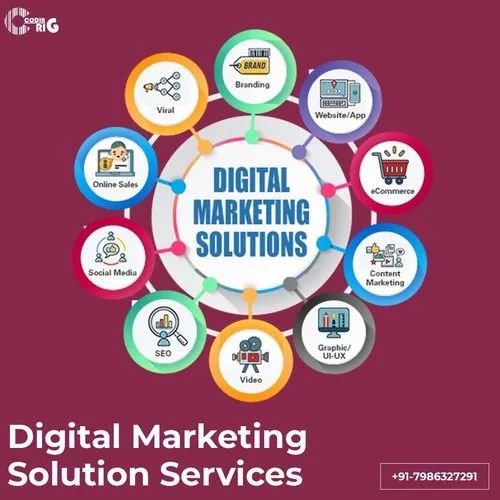
marketing solutions

Unlocking Success: Innovative Marketing Solutions for Your Business

Marketing Solutions: Driving Success for Your Business

Marketing Solutions: Driving Success for Your Business

In today’s competitive business landscape, effective marketing solutions are essential for driving growth and achieving success. Whether you are a small start-up or a well-established corporation, having a strategic marketing plan in place can make all the difference in reaching your target audience and increasing your brand visibility.

The Importance of Marketing Solutions

Marketing solutions encompass a wide range of strategies and tactics aimed at promoting your products or services to the right audience. From digital marketing techniques such as social media advertising and search engine optimisation to traditional methods like print advertising and direct mail campaigns, the right mix of marketing solutions can help you connect with customers and drive sales.

Benefits of Effective Marketing Solutions

Implementing tailored marketing solutions for your business can yield numerous benefits, including:

  • Increased Brand Awareness: By utilising various marketing channels, you can enhance your brand visibility and reach a wider audience.
  • Improved Customer Engagement: Engaging with customers through targeted marketing campaigns can foster loyalty and encourage repeat business.
  • Higher Conversion Rates: Strategic marketing solutions can lead to higher conversion rates as you attract qualified leads who are more likely to make a purchase.
  • Data-Driven Insights: By analysing the results of your marketing efforts, you can gain valuable insights into customer behaviour and preferences, allowing you to refine your strategies for better results.

Choosing the Right Marketing Solutions

When selecting marketing solutions for your business, it is crucial to consider your target audience, budget, and overall business goals. Working with experienced marketers or agencies can help you develop a customised strategy that aligns with your objectives and maximises ROI.

In Conclusion

In conclusion, investing in effective marketing solutions is key to staying competitive in today’s dynamic marketplace. By leveraging the right mix of strategies tailored to your business needs, you can drive success, build brand loyalty, and achieve sustainable growth over time.


Essential Marketing Solutions: Top FAQs for Enhancing Your Business Strategy

  1. What are marketing solutions and why are they important?
  2. How can marketing solutions help my business reach its target audience?
  3. What types of marketing solutions are available for small businesses?
  4. How do I measure the effectiveness of my marketing solutions?
  5. Can outsourcing marketing solutions benefit my business?
  6. What role does digital marketing play in modern marketing solutions?
  7. Are there affordable options for implementing marketing solutions on a limited budget?
  8. How can I choose the right marketing solutions provider for my business?

What are marketing solutions and why are they important?

Marketing solutions encompass a variety of strategies and tools designed to promote products or services effectively to target audiences. These solutions are vital for businesses looking to increase brand visibility, engage with customers, drive sales, and gain valuable insights into consumer behaviour. By leveraging tailored marketing solutions, companies can enhance their market presence, build brand loyalty, and ultimately achieve sustainable growth in today’s competitive business landscape.

How can marketing solutions help my business reach its target audience?

Marketing solutions play a crucial role in helping businesses reach their target audience by employing a variety of strategic approaches tailored to engage and resonate with potential customers. By utilising targeted advertising, content marketing, social media campaigns, search engine optimisation, and other digital and traditional marketing techniques, businesses can effectively identify and connect with their desired demographic. These solutions enable businesses to craft compelling messages that speak directly to the needs and interests of their target audience, ultimately driving brand awareness, customer engagement, and conversions. In essence, marketing solutions serve as a bridge that connects businesses with the right audience, paving the way for increased visibility, customer loyalty, and sustainable growth.

What types of marketing solutions are available for small businesses?

Small businesses have a variety of marketing solutions at their disposal to enhance their visibility and reach their target audience effectively. Some common types of marketing solutions tailored for small businesses include social media marketing, email marketing, search engine optimisation (SEO), pay-per-click (PPC) advertising, content marketing, and local advertising. These strategies can help small businesses build brand awareness, engage with customers, drive website traffic, and ultimately increase sales. By leveraging a combination of these marketing solutions, small businesses can create a strong online presence and compete more effectively in today’s competitive market.

How do I measure the effectiveness of my marketing solutions?

Measuring the effectiveness of your marketing solutions is crucial to understanding the impact of your efforts and making informed decisions for future strategies. One common approach is to track key performance indicators (KPIs) relevant to your goals, such as website traffic, conversion rates, lead generation, or social media engagement. Utilising analytics tools and performance metrics can provide valuable insights into the success of your campaigns and help you identify areas for improvement. Regularly reviewing and analysing these metrics allows you to adjust your marketing strategies accordingly, ensuring that you are maximising the return on investment and driving tangible results for your business.

Can outsourcing marketing solutions benefit my business?

Outsourcing marketing solutions can indeed benefit your business in several ways. By entrusting your marketing needs to external experts, you can tap into specialised knowledge and skills that may not be available in-house. Outsourcing allows you to access a broader range of marketing strategies and technologies, ultimately helping you reach your target audience more effectively. Additionally, outsourcing can often be a cost-effective option, as you avoid the expenses associated with hiring and training an internal marketing team. Ultimately, outsourcing marketing solutions can help streamline your operations, improve efficiency, and drive better results for your business.

What role does digital marketing play in modern marketing solutions?

In modern marketing solutions, digital marketing plays a pivotal role in reaching and engaging with target audiences effectively. With the rise of online platforms and digital technologies, businesses can leverage various digital marketing channels such as social media, search engine optimisation, email marketing, and content marketing to promote their products or services. Digital marketing offers unparalleled reach, allowing businesses to connect with customers globally in real-time. It also provides valuable data insights that enable businesses to measure the effectiveness of their campaigns and make data-driven decisions for continuous improvement. Incorporating digital marketing into modern marketing solutions is essential for staying competitive, building brand awareness, and driving business growth in today’s digital-centric world.

Are there affordable options for implementing marketing solutions on a limited budget?

For businesses operating on a limited budget, there are indeed affordable options available for implementing marketing solutions. By focusing on cost-effective strategies such as social media marketing, email campaigns, content creation, and search engine optimisation, businesses can effectively reach their target audience without breaking the bank. Additionally, leveraging free or low-cost tools and platforms can further reduce expenses while still achieving impactful results. With careful planning and a strategic approach, businesses can successfully implement marketing solutions that deliver value and drive growth within their budget constraints.

How can I choose the right marketing solutions provider for my business?

When seeking the right marketing solutions provider for your business, it is essential to consider several key factors to ensure a successful partnership. Begin by evaluating the provider’s experience and expertise in your industry, as well as their track record of delivering results for clients. Assess their range of services and capabilities to determine if they align with your specific marketing needs and goals. Additionally, look for a provider that offers customised solutions tailored to your business size, budget, and target audience. Effective communication, transparency, and a collaborative approach are also vital aspects to consider when selecting a marketing solutions provider that can truly drive success for your business.
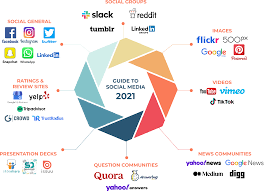
social media marketing

Maximising Business Growth Through Effective Social Media Marketing

The Power of Social Media Marketing

The Power of Social Media Marketing

Social media has revolutionised the way businesses connect with their audience. With billions of users worldwide, platforms like Facebook, Instagram, Twitter, and LinkedIn offer unparalleled opportunities for brands to engage with customers and promote their products or services.

Social media marketing is more than just posting updates or sharing content. It involves strategic planning, targeted messaging, and consistent interaction to build brand awareness, drive website traffic, and generate leads.

Benefits of Social Media Marketing

  • Increased Brand Visibility: By maintaining an active presence on social media, businesses can reach a wider audience and increase brand recognition.
  • Engagement with Customers: Social media provides a platform for direct communication with customers, allowing businesses to address queries, receive feedback, and foster relationships.
  • Lead Generation: Through targeted advertising and compelling content, social media can help businesses attract potential customers and convert them into leads.
  • Drive Website Traffic: Sharing links to your website on social media can drive traffic and improve your site’s SEO ranking.
  • Data Analysis: Social media platforms offer valuable insights into audience demographics, preferences, and behaviours that can inform future marketing strategies.

Tips for Effective Social Media Marketing

  1. Define Your Goals: Clearly outline your objectives for social media marketing, whether it’s increasing sales, building brand loyalty, or driving website traffic.
  2. Know Your Audience: Understand the demographics and interests of your target audience to tailor your content effectively.
  3. Create Engaging Content: Develop high-quality content that resonates with your audience and encourages interaction.
  4. Maintain Consistency: Post regularly and engage with followers consistently to keep your brand top-of-mind.
  5. Analyse Results: Monitor metrics such as engagement rates, click-through rates, and conversions to evaluate the success of your social media campaigns.

In conclusion, social media marketing offers businesses a powerful tool to connect with customers, boost brand visibility, and drive business growth. By implementing effective strategies and engaging content, businesses can leverage the full potential of social media to achieve their marketing goals.


Essential FAQs on Social Media Marketing: Strategies, Platforms, and Future Trends

  1. What is social media marketing and why is it important?
  2. Which social media platforms are best for marketing?
  3. How can businesses use social media to promote their products or services?
  4. What are the benefits of using paid advertising on social media?
  5. How can businesses measure the effectiveness of their social media marketing campaigns?
  6. What are some common mistakes to avoid in social media marketing?
  7. How often should businesses post on social media for optimal engagement?
  8. What trends are shaping the future of social media marketing?

What is social media marketing and why is it important?

Social media marketing is a strategic approach that utilises social media platforms to promote products or services, engage with customers, and build brand awareness. It involves creating and sharing content tailored to target audiences, running targeted advertising campaigns, and interacting with followers to achieve marketing objectives. Social media marketing is important for businesses as it offers a cost-effective way to reach a large audience, build relationships with customers, drive website traffic, generate leads, and ultimately increase sales. By leveraging the power of social media, businesses can enhance their online presence, connect with their target market on a personal level, and stay competitive in today’s digital landscape.

Which social media platforms are best for marketing?

When considering which social media platforms are best for marketing, it is essential to assess the unique characteristics and target audience of each platform. Facebook, with its vast user base and diverse demographics, is a popular choice for businesses looking to reach a wide audience. Instagram, known for its visual appeal and engagement opportunities, is ideal for brands focusing on visual content and storytelling. LinkedIn caters to a professional audience, making it suitable for B2B marketing and networking. Twitter’s real-time nature is beneficial for timely updates and customer engagement. Ultimately, the best platforms for marketing depend on the specific goals, target audience, and content strategy of each business.

How can businesses use social media to promote their products or services?

Businesses can utilise social media as a powerful platform to promote their products or services by implementing strategic marketing tactics. Firstly, businesses should identify their target audience and choose the most relevant social media platforms where their audience is active. By creating engaging and visually appealing content, such as product images, videos, or informative posts, businesses can capture the attention of users and generate interest in their offerings. Leveraging paid advertising options on social media platforms allows businesses to reach a wider audience and drive traffic to their website or online store. Additionally, actively engaging with followers through responding to comments, messages, and conducting polls or contests can foster customer loyalty and increase brand awareness. Overall, by crafting a cohesive social media marketing strategy that focuses on delivering value to customers while showcasing products or services effectively, businesses can effectively leverage social media to promote their offerings and drive sales.

What are the benefits of using paid advertising on social media?

Utilising paid advertising on social media offers a multitude of benefits for businesses looking to enhance their online presence and reach a targeted audience effectively. Paid advertising allows brands to amplify their visibility and reach beyond organic posts, ensuring that their content is seen by a larger segment of their target demographic. By leveraging paid ads, businesses can drive website traffic, generate leads, increase brand awareness, and ultimately boost conversions. Additionally, the robust targeting options available through social media platforms enable businesses to tailor their ads to specific demographics, interests, and behaviours, maximising the return on investment and achieving measurable results.

How can businesses measure the effectiveness of their social media marketing campaigns?

Businesses can measure the effectiveness of their social media marketing campaigns through various metrics and analytics tools. Key performance indicators (KPIs) such as engagement rates, reach, click-through rates, conversion rates, and return on investment (ROI) provide valuable insights into the impact of social media efforts. By tracking these metrics over time, businesses can assess the success of their campaigns, identify areas for improvement, and make data-driven decisions to optimise their social media strategy. Additionally, conducting A/B testing, monitoring audience feedback, and using social media analytics platforms can help businesses evaluate the performance of their campaigns and ensure they are meeting their marketing objectives.

What are some common mistakes to avoid in social media marketing?

When it comes to social media marketing, avoiding common mistakes is crucial for achieving success. Some frequent pitfalls to steer clear of include inconsistent posting schedules, neglecting audience engagement, overly promotional content that lacks authenticity, ignoring analytics and failing to adjust strategies accordingly, and not tailoring content to suit each platform’s unique features and audience preferences. By being mindful of these errors and adopting a strategic approach that prioritises quality, relevance, and audience interaction, businesses can maximise the impact of their social media marketing efforts and build stronger connections with their target audience.

How often should businesses post on social media for optimal engagement?

Finding the right balance in social media posting frequency is crucial for optimal engagement. While there is no one-size-fits-all answer, businesses should aim to maintain a consistent posting schedule that aligns with their audience’s preferences and platform algorithms. Posting too frequently can overwhelm followers, leading to disengagement, while posting too infrequently may cause your brand to be forgotten. It’s essential to monitor engagement metrics and adjust your posting frequency accordingly to strike the right balance and keep your audience engaged and interested in your content.

The future of social media marketing is being shaped by several key trends that are transforming the way businesses engage with their audience online. From the rise of video content and live streaming to the increasing importance of influencer collaborations and personalised messaging, these trends are driving innovation and pushing boundaries in the digital marketing landscape. As social media platforms continue to evolve and user behaviours shift, businesses must adapt their strategies to stay relevant and effectively reach their target audience in a dynamic and competitive online environment.

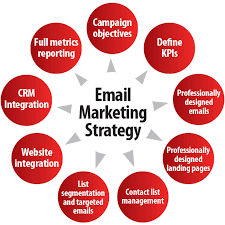
e marketing strategy

Crafting a Successful E-Marketing Strategy for Digital Success

The Power of E-Marketing Strategy in the Digital Age

The Power of E-Marketing Strategy in the Digital Age

In today’s digital landscape, having a strong e-marketing strategy is essential for businesses looking to succeed online. E-marketing, or electronic marketing, encompasses all online efforts to promote products or services and engage with customers. From social media campaigns to email marketing and search engine optimisation (SEO), an effective e-marketing strategy can help businesses reach their target audience and drive conversions.

Benefits of E-Marketing Strategy

One of the key benefits of e-marketing is its ability to reach a global audience at a fraction of the cost of traditional marketing methods. With e-marketing, businesses can target specific demographics, track campaign performance in real-time, and adjust strategies accordingly. This level of flexibility and data-driven decision-making sets e-marketing apart as a powerful tool for business growth.

Components of an Effective E-Marketing Strategy

An effective e-marketing strategy typically includes a mix of tactics tailored to meet the unique goals of the business. This may include:

  • Social Media Marketing: Leveraging platforms like Facebook, Instagram, and LinkedIn to build brand awareness and engage with customers.
  • Email Marketing: Sending targeted emails to subscribers to promote products, share news, and drive traffic to the website.
  • Search Engine Optimisation (SEO): Optimising website content to improve search engine rankings and increase organic traffic.
  • Pay-Per-Click (PPC) Advertising: Running targeted ads on search engines or social media platforms to drive immediate results.
  • Content Marketing: Creating valuable content such as blog posts, videos, or infographics to attract and engage audiences.

Conclusion

In conclusion, an effective e-marketing strategy is crucial for businesses looking to thrive in the digital age. By leveraging various online channels and tactics, businesses can connect with their target audience, drive engagement, and ultimately boost sales. Investing in a well-thought-out e-marketing strategy can set businesses apart from competitors and pave the way for long-term success in today’s competitive online marketplace.


Essential FAQs on Crafting a Successful E-Marketing Strategy

  1. What is e-marketing strategy and why is it important?
  2. How can social media marketing contribute to an effective e-marketing strategy?
  3. What are the key benefits of email marketing in an e-marketing strategy?
  4. How does search engine optimisation (SEO) impact e-marketing strategies?
  5. What role does content marketing play in an effective e-marketing strategy?
  6. How can businesses measure the success of their e-marketing strategies?
  7. What are the common challenges businesses face when implementing e-marketing strategies?
  8. How can pay-per-click (PPC) advertising complement an overall e-marketing strategy?
  9. What trends should businesses consider when developing their e-marketing strategies?

What is e-marketing strategy and why is it important?

An e-marketing strategy refers to the comprehensive plan that businesses develop to promote their products or services online. It encompasses various digital marketing tactics such as social media marketing, email campaigns, search engine optimisation, and content marketing. Having a well-defined e-marketing strategy is crucial in today’s digital age as it allows businesses to reach their target audience effectively, increase brand visibility, drive website traffic, and ultimately boost sales and conversions. By leveraging the power of online channels and data-driven insights, businesses can create meaningful connections with customers, build brand loyalty, and stay competitive in the ever-evolving digital landscape.

How can social media marketing contribute to an effective e-marketing strategy?

Social media marketing plays a crucial role in contributing to an effective e-marketing strategy by providing businesses with a powerful platform to engage with their target audience, build brand awareness, and drive conversions. Through social media channels such as Facebook, Instagram, and Twitter, businesses can create compelling content, interact with customers in real-time, and establish a strong online presence. By leveraging the vast reach and targeting capabilities of social media platforms, businesses can tailor their messaging to specific demographics, track performance metrics, and refine their strategies for optimal results. Ultimately, social media marketing enables businesses to foster meaningful relationships with customers, increase brand loyalty, and generate valuable leads in the digital landscape.

What are the key benefits of email marketing in an e-marketing strategy?

Email marketing plays a crucial role in an e-marketing strategy, offering a multitude of key benefits for businesses. One of the primary advantages is its cost-effectiveness, allowing businesses to reach a large audience at a relatively low cost compared to traditional marketing methods. Additionally, email marketing enables targeted communication with specific segments of the audience, leading to higher engagement and conversion rates. It also provides valuable insights through analytics, allowing businesses to track performance metrics and refine their strategies for better results. Overall, email marketing is a powerful tool that helps businesses build brand awareness, nurture customer relationships, and drive sales in the digital landscape.

How does search engine optimisation (SEO) impact e-marketing strategies?

Search engine optimisation (SEO) plays a crucial role in e-marketing strategies by enhancing the visibility and ranking of a website in search engine results pages. A well-executed SEO strategy can significantly impact e-marketing efforts by driving organic traffic to the website, increasing brand awareness, and improving online credibility. By targeting relevant keywords, optimising website content, and building quality backlinks, businesses can improve their chances of being found by potential customers searching for products or services online. Ultimately, SEO helps businesses reach their target audience more effectively and achieve better results from their e-marketing campaigns.

What role does content marketing play in an effective e-marketing strategy?

Content marketing plays a pivotal role in an effective e-marketing strategy by serving as the backbone that engages and attracts target audiences. Through compelling and relevant content such as blog posts, videos, infographics, and social media posts, businesses can establish their expertise, build trust with customers, and drive traffic to their websites. Quality content not only educates and entertains but also helps improve search engine rankings through SEO strategies. By creating valuable content that resonates with their audience’s needs and interests, businesses can enhance brand visibility, generate leads, and ultimately increase conversions in the competitive digital landscape.

How can businesses measure the success of their e-marketing strategies?

Businesses can measure the success of their e-marketing strategies through a variety of key performance indicators (KPIs) that reflect different aspects of their online efforts. Metrics such as website traffic, conversion rates, email open rates, social media engagement, and return on investment (ROI) can provide valuable insights into the effectiveness of e-marketing campaigns. By tracking and analysing these KPIs regularly, businesses can assess the impact of their strategies, identify areas for improvement, and make data-driven decisions to optimise their e-marketing efforts for greater success in reaching and engaging with their target audience.

What are the common challenges businesses face when implementing e-marketing strategies?

When it comes to implementing e-marketing strategies, businesses often encounter several common challenges that can impact their success in the digital realm. One prevalent issue is the ever-evolving nature of online platforms and technologies, which can make it challenging for businesses to stay updated and adapt their strategies accordingly. Additionally, reaching and engaging the right target audience amidst the vast online competition poses a significant challenge. Furthermore, measuring the effectiveness of e-marketing campaigns and accurately analysing data to make informed decisions can be complex for many businesses. Overcoming these challenges requires a combination of strategic planning, continuous learning, and a willingness to embrace innovation in the dynamic world of e-marketing.

How can pay-per-click (PPC) advertising complement an overall e-marketing strategy?

Pay-per-click (PPC) advertising can be a valuable component of an overall e-marketing strategy by providing businesses with a targeted and measurable way to drive traffic to their website. Unlike organic methods like SEO, PPC allows businesses to immediately appear at the top of search engine results for specific keywords, increasing visibility and attracting potential customers. By complementing other e-marketing tactics such as social media marketing and email campaigns, PPC advertising can help businesses reach a wider audience, generate leads, and ultimately improve conversions. The ability to track and analyse PPC campaign performance in real-time also enables businesses to make data-driven decisions and optimise their overall e-marketing strategy for better results.

When developing their e-marketing strategies, businesses should carefully consider the latest trends in the digital landscape to stay ahead of the competition and engage effectively with their target audience. Some key trends to take into account include the increasing importance of mobile marketing due to the rise in smartphone usage, the growing influence of social media platforms for brand visibility and customer engagement, the emphasis on personalised and interactive content to drive customer loyalty, and the adoption of artificial intelligence and data analytics for more targeted and efficient marketing campaigns. By incorporating these trends into their e-marketing strategies, businesses can enhance their online presence, connect with customers on a deeper level, and achieve sustainable growth in today’s dynamic digital environment.