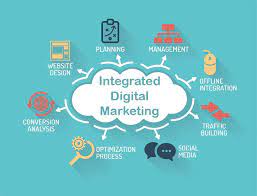

The Evolution of Marketing: From Traditional to Digital
Marketing has always been a crucial aspect of business growth and success. Over the years, the landscape of marketing has undergone significant transformations, with the rise of digital marketing revolutionising the way businesses connect with their target audiences.
Traditional Marketing
In the past, traditional marketing methods such as print ads, TV commercials, and billboards were dominant in reaching consumers. While these methods were effective in their time, they often lacked precise targeting and real-time data analysis.
The Rise of Digital Marketing
Digital marketing has emerged as a game-changer in the marketing world, offering businesses new ways to engage with customers online. Through channels like social media, email marketing, search engine optimisation (SEO), and pay-per-click advertising (PPC), companies can now reach specific audiences with tailored messages.
The Benefits of Digital Marketing
- Targeted Advertising: Digital marketing allows businesses to target their ideal customers based on demographics, interests, and online behaviour.
- Data-Driven Insights: With digital marketing tools, companies can track and analyse campaign performance in real time, enabling them to make informed decisions about future strategies.
- Creative Flexibility: Digital platforms offer endless possibilities for creativity through interactive content, videos, and personalised messaging.
- Global Reach: Unlike traditional marketing which is often limited by geography, digital marketing enables businesses to reach a global audience at a fraction of the cost.
The Future of Marketing
As technology continues to advance at a rapid pace, the future of marketing is likely to be even more intertwined with digital innovations. Artificial intelligence (AI), virtual reality (VR), and voice search are just some of the trends shaping the future landscape of marketing.
In conclusion, while traditional marketing still holds value in certain contexts, it is clear that digital marketing offers unparalleled opportunities for businesses to connect with consumers in today’s digital age. By embracing digital strategies and staying ahead of trends, companies can position themselves for success in an ever-evolving marketplace.
Seven Advantages of Marketing and Digital Marketing in the Modern Era
- Targeted advertising based on demographics and online behaviour
- Real-time data analysis for campaign performance tracking
- Cost-effective compared to traditional marketing methods
- Global reach to a vast online audience
- Creative flexibility with various digital platforms and content formats
- Ability to engage with customers through interactive features
- Opportunity for continuous optimization and improvement of marketing strategies
Exploring the Challenges of Marketing: From High Competition to Measurement Dilemmas
- 1. High Competition
- 2. Information Overload
- 3. Costly Investments
- 4. Rapid Changes
- 5. Privacy Concerns
- 6. Negative Feedback Amplification
- 7. Measurement Challenges
Targeted advertising based on demographics and online behaviour
Targeted advertising based on demographics and online behaviour is a powerful advantage of digital marketing. By leveraging data insights, businesses can tailor their marketing messages to specific audience segments, ensuring that the right message reaches the right people at the right time. This level of precision allows for more effective campaigns, higher engagement rates, and ultimately, increased return on investment. Digital marketing’s ability to target audiences based on demographics and online behaviour not only enhances the customer experience but also maximises the impact of marketing efforts, driving business growth and success.
Real-time data analysis for campaign performance tracking
Real-time data analysis is a significant advantage of digital marketing, allowing businesses to track campaign performance with precision and immediacy. By leveraging digital tools and analytics, companies can access up-to-the-minute insights into how their marketing efforts are resonating with their target audience. This real-time feedback enables quick adjustments to strategies, ensuring that resources are allocated effectively and optimising the overall impact of the campaign. The ability to monitor and adapt in real-time sets digital marketing apart, offering a level of agility and responsiveness that traditional marketing methods struggle to match.
Cost-effective compared to traditional marketing methods
In comparison to traditional marketing methods, one significant advantage of marketing and digital marketing is their cost-effectiveness. Digital marketing offers businesses the opportunity to reach a wider audience at a fraction of the cost associated with traditional advertising channels such as print ads or TV commercials. With targeted online campaigns, businesses can allocate their budgets more efficiently, track their return on investment in real-time, and adjust strategies as needed, making digital marketing a highly cost-effective solution for reaching and engaging with consumers in today’s competitive marketplace.
Global reach to a vast online audience
One significant advantage of digital marketing is its ability to provide businesses with a global reach to a vast online audience. Unlike traditional marketing methods that are often limited by geographical boundaries, digital marketing allows companies to connect with potential customers worldwide. Through various online channels such as social media, search engines, and email campaigns, businesses can target and engage with diverse audiences across different regions, expanding their brand presence and driving growth on a global scale. This unparalleled reach to a vast online audience enables businesses to increase brand visibility, generate leads, and ultimately boost sales in markets beyond their local reach.
Creative flexibility with various digital platforms and content formats
One significant advantage of digital marketing is the creative flexibility it offers through a variety of digital platforms and content formats. Businesses can explore interactive content, videos, infographics, podcasts, and personalised messaging to engage with their target audience in innovative ways. This flexibility allows companies to experiment with different creative strategies and tailor their messaging to resonate with specific customer segments, ultimately enhancing brand visibility and driving customer engagement.
Ability to engage with customers through interactive features
The ability to engage with customers through interactive features is a significant advantage of marketing, especially in the realm of digital marketing. By incorporating interactive elements such as quizzes, polls, videos, and live chats into campaigns, businesses can create immersive experiences that captivate audiences and encourage active participation. This not only enhances brand awareness and customer engagement but also allows for valuable insights into consumer preferences and behaviours. Interactive features in digital marketing enable businesses to build meaningful connections with their target audience, fostering loyalty and driving conversions in an increasingly competitive online landscape.
Opportunity for continuous optimization and improvement of marketing strategies
One significant advantage of marketing, particularly digital marketing, is the opportunity for continuous optimization and improvement of marketing strategies. With digital tools and analytics, businesses can gather real-time data on campaign performance, audience engagement, and conversion rates. This data-driven approach allows companies to identify what works well and what needs adjustment, enabling them to refine their strategies for better results. By constantly monitoring and analysing metrics, businesses can adapt quickly to changing trends and consumer behaviour, ensuring that their marketing efforts remain effective and competitive in the dynamic digital landscape.
1. High Competition
In the realm of marketing, particularly in the digital sphere, one significant drawback is the intense competition that businesses face. The saturated market and the ever-growing number of companies vying for consumer attention make it increasingly difficult for businesses to differentiate themselves and carve out a unique identity. Standing out amidst the sea of competitors requires strategic thinking, creativity, and a deep understanding of target audiences to effectively cut through the noise and make a lasting impact in a highly competitive landscape.
2. Information Overload
In the realm of marketing and digital marketing, a significant drawback is the issue of information overload. In today’s hyper-connected world, consumers are inundated with a constant stream of marketing messages from various channels. This saturation makes it challenging for businesses to cut through the noise and truly engage their target audience. Capturing and maintaining the attention of consumers amidst this deluge of information requires strategic and thoughtful approaches to ensure that marketing efforts are not lost in the sea of competing messages.
3. Costly Investments
Effective marketing campaigns often demand substantial financial resources, making them a costly investment for businesses. Despite the financial commitment, there is no guarantee of immediate returns in the competitive landscape of marketing and digital marketing. Companies must carefully weigh the potential costs against the expected outcomes to ensure that their investments yield desirable results in the long run.
4. Rapid Changes
In the realm of marketing and digital marketing, one significant drawback is the rapid pace of change in trends and technologies. This constant evolution means that strategies implemented today may become obsolete tomorrow, necessitating continual adaptation and updates to remain competitive in the dynamic marketplace. Keeping up with these rapid changes can be challenging for businesses, requiring a proactive approach to stay ahead of the curve and effectively engage with consumers in an ever-shifting landscape.
5. Privacy Concerns
Privacy concerns represent a significant drawback of digital marketing. With the increasing reliance on consumer data for targeted advertising, businesses often tread a fine line between personalisation and invasion of privacy. The collection and utilisation of sensitive information raise ethical dilemmas regarding consent, transparency, and data security. As consumers become more aware of their digital footprint, addressing these privacy concerns becomes paramount for businesses to maintain trust and credibility in the digital realm.
6. Negative Feedback Amplification
In the realm of marketing and digital marketing, one significant con is the phenomenon of negative feedback amplification. With the prevalence of social media channels, any criticism or negative feedback directed towards a business can quickly gain traction and spread like wildfire online. This rapid dissemination of unfavourable comments has the potential to significantly harm a company’s reputation, as it can reach a wide audience within a short period of time. Managing and mitigating negative feedback in the digital space requires vigilance and proactive strategies to protect brand image and maintain customer trust.
7. Measurement Challenges
Measuring the true impact and return on investment (ROI) of marketing activities, especially in digital channels, presents a significant challenge due to the complexity of attribution models and data sources. Determining the exact contribution of each marketing touchpoint towards a conversion or sale can be intricate, as customers often interact with multiple channels before making a purchase. This complexity can lead to difficulties in accurately assessing the effectiveness of different marketing strategies and allocating resources optimally for maximum impact.