
The Power of Digital and Online Marketing
In today’s digital age, the landscape of marketing has undergone a significant transformation. Digital and online marketing have become essential tools for businesses looking to reach and engage with their target audience in a more personalised and effective way.
One of the key advantages of digital marketing is its ability to provide real-time analytics and insights into consumer behaviour. Through various online channels such as social media, email campaigns, search engine optimisation (SEO), and pay-per-click advertising, businesses can track and measure the success of their marketing efforts with precision.
Furthermore, digital marketing allows for targeted advertising, enabling businesses to tailor their messages to specific demographics, interests, and behaviours. This level of personalisation not only increases the likelihood of engaging with potential customers but also helps in building long-lasting relationships with them.
Another benefit of digital marketing is its cost-effectiveness compared to traditional forms of advertising. With online platforms, businesses can reach a wider audience at a fraction of the cost, making it an attractive option for companies looking to maximise their marketing budget.
Moreover, digital marketing offers a higher return on investment (ROI) as campaigns can be optimised in real-time based on performance data. This agility allows businesses to adapt quickly to market trends and consumer preferences, ensuring that their message remains relevant and impactful.
In conclusion, digital and online marketing have revolutionised the way businesses connect with their audience. By harnessing the power of digital tools and strategies, companies can enhance brand visibility, drive customer engagement, and ultimately achieve business growth in today’s competitive market place.
Frequently Asked Questions: Understanding Digital and Online Marketing
- What are examples of digital marketing?
- What is the difference between digital and online advertising?
- What is digital and online marketing?
- What are the 4 types of digital marketing?
- What is digital marketing examples?
- Is digital marketing the same as online marketing comment?
- What is the difference between online and digital?
- Is digital marketing and virtual marketing same?
- What are the examples of digital marketing?
- Is online marketing and digital marketing is same or different?
- What is the difference between online and digital business?
- What is the difference between marketing and digital?
- Is digital marketing and online marketing are same?
- Are digital and online marketing the same?
- Is there any difference between digital marketing and online marketing?
- What is the difference between digital marketing and online advertising?
- Why is digital marketing not the same as online marketing?
What are examples of digital marketing?
Digital marketing encompasses a wide range of strategies and tactics aimed at promoting products or services online. Some common examples of digital marketing include search engine optimisation (SEO) to improve website visibility on search engines, pay-per-click (PPC) advertising for targeted online ads, social media marketing to engage with audiences on platforms like Facebook and Instagram, email marketing campaigns to nurture leads and build customer relationships, content marketing through blogs, videos, and infographics to provide valuable information to users, and influencer partnerships to reach a wider audience through trusted individuals or brands. These examples highlight the diverse and dynamic nature of digital marketing in today’s digital landscape.
What is the difference between digital and online advertising?
When considering the difference between digital and online advertising, it’s important to note that while they are often used interchangeably, there are subtle distinctions between the two. Digital advertising encompasses a broader scope, including all forms of advertising that exist in a digital format, such as social media ads, display ads, email marketing, and more. On the other hand, online advertising specifically refers to advertisements that are displayed on the internet through websites, search engines, or social media platforms. In essence, online advertising is a subset of digital advertising that focuses solely on promoting products or services through online channels. Understanding this distinction can help businesses tailor their marketing strategies effectively to reach their target audience in the ever-evolving digital landscape.
What is digital and online marketing?
Digital and online marketing encompass a broad range of strategies and techniques aimed at promoting products or services through digital channels such as websites, social media, email campaigns, search engines, and online advertisements. It involves leveraging digital technologies to reach and engage with target audiences in a more personalised and measurable way. By utilising various online platforms and tools, businesses can effectively communicate their brand message, drive traffic to their websites, generate leads, and ultimately convert prospects into customers. Digital and online marketing play a crucial role in today’s competitive landscape by enabling businesses to connect with their audience in real-time, track performance metrics accurately, and adapt their strategies based on data-driven insights for optimal results.
What are the 4 types of digital marketing?
In the realm of digital and online marketing, one frequently asked question is: “What are the 4 types of digital marketing?” The four main types of digital marketing include search engine optimisation (SEO), pay-per-click advertising (PPC), social media marketing, and content marketing. SEO involves improving a website’s visibility on search engines to attract organic traffic, while PPC allows businesses to bid on keywords for targeted advertising. Social media marketing leverages platforms like Facebook and Instagram to engage with audiences, and content marketing focuses on creating valuable and relevant content to attract and retain customers. These four pillars form the foundation of a comprehensive digital marketing strategy that can help businesses thrive in the digital landscape.
What is digital marketing examples?
Digital marketing encompasses a wide range of strategies and tactics aimed at promoting products or services through online channels. Some common examples of digital marketing include search engine optimisation (SEO) to improve website visibility on search engines, pay-per-click (PPC) advertising for targeted online ads, social media marketing to engage with audiences on platforms like Facebook and Instagram, email marketing campaigns for direct communication with customers, content marketing through blogs and articles to provide valuable information, and influencer partnerships to leverage the reach of popular personalities. These examples demonstrate the diverse and dynamic nature of digital marketing in reaching and engaging with audiences in the digital realm.
Is digital marketing the same as online marketing comment?
The frequently asked question of whether digital marketing is the same as online marketing often sparks debates among professionals in the field. While the terms are sometimes used interchangeably, there are subtle distinctions between the two. Digital marketing encompasses a broader scope that includes online marketing as well as other digital channels such as mobile apps, social media, email campaigns, and search engine optimisation. On the other hand, online marketing specifically refers to promoting products or services through internet-based platforms. Understanding these nuances is crucial for businesses aiming to leverage the full potential of digital and online strategies to reach their target audience effectively and achieve their marketing goals.
What is the difference between online and digital?
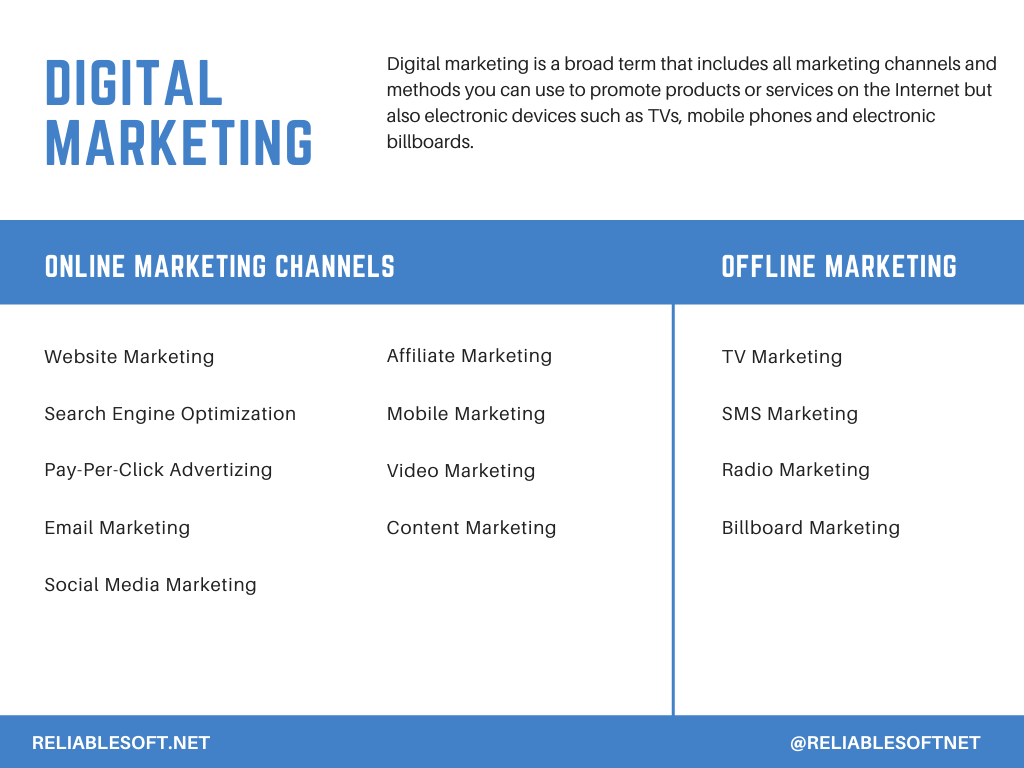
When discussing digital and online marketing, it is important to understand the distinction between the two terms. While they are often used interchangeably, there is a subtle difference between online and digital. Online marketing specifically refers to marketing activities that are carried out on the internet or through online channels such as websites, social media platforms, email campaigns, and search engine advertising. On the other hand, digital marketing encompasses a broader scope, including both online and offline marketing efforts that leverage digital technologies to reach and engage with target audiences. In essence, online marketing is a subset of digital marketing, highlighting the specific focus on internet-based strategies for promoting products or services in the digital realm.
Is digital marketing and virtual marketing same?
The frequently asked question regarding digital marketing and virtual marketing often revolves around whether they are the same concept. While both terms are closely related to the online realm, there is a distinction between them. Digital marketing encompasses a broad range of strategies and tactics used to promote products or services through various digital channels such as websites, social media, email, and search engines. On the other hand, virtual marketing specifically refers to marketing activities conducted within virtual or simulated environments like virtual reality (VR) or augmented reality (AR). While digital marketing focuses on online platforms in general, virtual marketing delves into immersive experiences that simulate real-world interactions. Understanding this difference is crucial for businesses seeking to leverage both digital and virtual marketing effectively in their overall marketing strategy.
What are the examples of digital marketing?
In the realm of digital and online marketing, there are various examples that businesses can leverage to promote their products and services effectively. Some common examples of digital marketing include search engine optimisation (SEO) to improve website visibility on search engines, social media marketing to engage with audiences on platforms like Facebook and Instagram, email marketing for targeted communication with customers, pay-per-click (PPC) advertising for instant visibility on search engines, content marketing to provide valuable information to users, and influencer partnerships to reach a wider audience through trusted individuals. These diverse strategies showcase the versatility and effectiveness of digital marketing in reaching and engaging with target audiences in today’s digital landscape.
Is online marketing and digital marketing is same or different?
The frequently asked question of whether online marketing and digital marketing are the same or different often arises due to the overlapping nature of these terms. While they are closely related, there is a subtle distinction between the two. Online marketing primarily focuses on marketing efforts carried out exclusively on the internet, encompassing activities such as social media marketing, email campaigns, and search engine optimisation. On the other hand, digital marketing is a broader term that includes online marketing but also extends to offline channels like mobile apps, electronic billboards, and other digital mediums. In essence, online marketing is a subset of digital marketing, highlighting the interconnected yet distinct aspects of each term in the realm of modern advertising strategies.
What is the difference between online and digital business?
When discussing digital and online marketing, a common question that arises is the distinction between online and digital business. Online business typically refers to companies that operate solely through internet-based platforms, conducting transactions, providing services, and interacting with customers exclusively online. On the other hand, digital business encompasses a broader scope, incorporating all aspects of a company’s digital presence, including online operations as well as digital marketing strategies, data analytics, technology integration, and overall digital transformation initiatives. While online business focuses on the operational aspect of conducting business activities online, digital business encompasses a more holistic approach that leverages various digital tools and technologies to drive growth and innovation across all facets of the organisation.
What is the difference between marketing and digital?
When discussing the difference between marketing and digital, it is important to understand that marketing encompasses a broader concept that includes traditional offline methods such as print, television, and radio advertising, as well as online strategies. On the other hand, digital marketing specifically refers to the use of online channels and platforms to promote products or services. While traditional marketing focuses on reaching a mass audience through various mediums, digital marketing leverages the power of the internet to target specific demographics, track performance metrics in real-time, and engage with customers on a more personalised level. In essence, digital marketing is a subset of overall marketing strategies that capitalise on the opportunities offered by the digital landscape to achieve specific business objectives.
Is digital marketing and online marketing are same?
The terms “digital marketing” and “online marketing” are often used interchangeably, but there is a subtle distinction between the two. Digital marketing encompasses all forms of marketing that utilize digital channels, which can include online marketing as well as offline strategies like mobile apps, digital signage, and social media. On the other hand, online marketing specifically refers to marketing efforts that are conducted exclusively on the internet through channels such as websites, email campaigns, search engine optimisation (SEO), and social media platforms. While both digital and online marketing share common goals of reaching and engaging with target audiences in the digital realm, online marketing is a subset of the broader spectrum of digital marketing strategies available to businesses today.
Are digital and online marketing the same?
When it comes to digital and online marketing, a common question that often arises is whether they are the same thing. While the terms are sometimes used interchangeably, there is a subtle distinction between the two. Digital marketing encompasses all forms of marketing that use digital channels, including online marketing. Online marketing specifically refers to marketing activities carried out on the internet, such as social media marketing, email campaigns, search engine optimisation (SEO), and pay-per-click advertising. In essence, online marketing is a subset of digital marketing, which encompasses a broader range of digital channels beyond just the online space. Understanding this difference is crucial for businesses looking to leverage the full potential of digital tools and strategies in reaching their target audience effectively.
Is there any difference between digital marketing and online marketing?
When it comes to the often asked question of whether there is a distinction between digital marketing and online marketing, the answer lies in their scope. Digital marketing encompasses a broader spectrum of marketing tactics that leverage digital channels, including online marketing. Online marketing specifically focuses on promoting products or services through internet-based platforms such as websites, social media, and email. While both terms are often used interchangeably, understanding this nuance can help businesses tailor their strategies to effectively engage with their target audience across various digital touchpoints.
What is the difference between digital marketing and online advertising?
When exploring the realm of digital and online marketing, a common query arises regarding the distinction between digital marketing and online advertising. Digital marketing encompasses a broader spectrum of strategies aimed at promoting a brand’s online presence, engaging with target audiences, and driving conversions through various channels such as social media, content marketing, email campaigns, and search engine optimisation (SEO). On the other hand, online advertising specifically refers to paid promotional activities conducted on digital platforms to reach a targeted audience and increase brand visibility. While digital marketing encompasses both organic and paid methods to achieve overall marketing goals, online advertising focuses solely on paid tactics to deliver specific messages to a defined audience segment. Understanding this difference is crucial for businesses seeking to leverage the full potential of digital tools in their marketing endeavours.
Why is digital marketing not the same as online marketing?
In the realm of marketing, the distinction between digital marketing and online marketing lies in their scope and focus. While online marketing primarily encompasses promotional activities conducted on the internet, digital marketing extends beyond online channels to include various digital platforms and devices such as mobile apps, social media, email campaigns, and search engines. Digital marketing encompasses a broader spectrum of strategies that leverage digital technologies to reach and engage with target audiences across multiple touchpoints, offering a more comprehensive approach to connecting with consumers in today’s interconnected world.