seo and internet marketing firm

Enhance Your Online Presence with a Leading SEO and Internet Marketing Firm

SEO and Internet Marketing Firm: Boost Your Online Presence

SEO and Internet Marketing Firm: Boost Your Online Presence

In today’s digital age, having a strong online presence is essential for businesses to succeed. This is where SEO (Search Engine Optimization) and internet marketing come into play. An SEO and internet marketing firm can help your business improve its visibility online, attract more traffic to your website, and ultimately increase your revenue.

What Does an SEO and Internet Marketing Firm Do?

An SEO and internet marketing firm specialises in strategies that help your website rank higher in search engine results pages (SERPs). This involves implementing various techniques such as keyword research, on-page optimization, link building, content creation, and more. By improving your website’s visibility in search engines like Google, you can reach a wider audience and drive more organic traffic to your site.

The Benefits of Hiring an SEO and Internet Marketing Firm

There are several benefits to enlisting the services of an SEO and internet marketing firm:

  • Increased Visibility: By improving your website’s search engine rankings, you can increase visibility among potential customers searching for products or services related to your business.
  • Targeted Traffic: Effective SEO strategies can help attract relevant traffic to your site, increasing the likelihood of converting visitors into customers.
  • Brand Awareness: A strong online presence can enhance brand awareness and credibility, helping you stand out in a competitive market.
  • Measurable Results: With tools like analytics and reporting, an SEO firm can track the performance of your campaigns and provide insights on how to further improve results.

Choosing the Right SEO and Internet Marketing Firm

When selecting an SEO and internet marketing firm for your business, consider the following factors:

  • Experience: Look for a firm with a proven track record of success in delivering results for clients.
  • Services Offered: Ensure the firm offers a range of services tailored to meet your specific needs, such as SEO audits, keyword research, content creation, social media marketing, etc.
  • Communication: Choose a firm that maintains open communication channels with clients to keep you informed about progress and results.

In conclusion, investing in the services of an SEO and internet marketing firm can significantly benefit your business by improving online visibility, attracting targeted traffic, enhancing brand awareness, and delivering measurable results. Take the first step towards boosting your online presence today!


Key Insights into SEO and Internet Marketing Firms: Services, Benefits, and Selecting the Right Partner

  1. What services does an SEO and internet marketing firm offer?
  2. How can an SEO and internet marketing firm help improve my website’s search engine rankings?
  3. What are the benefits of hiring an SEO and internet marketing firm for my business?
  4. How do I choose the right SEO and internet marketing firm for my specific needs?
  5. Can an SEO and internet marketing firm provide measurable results for my online presence?

What services does an SEO and internet marketing firm offer?

An SEO and internet marketing firm typically offers a range of services aimed at enhancing a business’s online presence and visibility. These services often include search engine optimization (SEO) strategies such as keyword research, on-page optimization, link building, and content creation to improve website rankings on search engine results pages. Additionally, they may provide services like pay-per-click (PPC) advertising, social media marketing, email marketing campaigns, website design and development, analytics tracking, and overall digital marketing strategies tailored to meet the specific needs of their clients. By utilising a combination of these services, an SEO and internet marketing firm helps businesses attract more traffic to their websites, increase brand awareness, and ultimately drive conversions and revenue growth in the competitive online landscape.

How can an SEO and internet marketing firm help improve my website’s search engine rankings?

An SEO and internet marketing firm can help improve your website’s search engine rankings through a variety of strategic approaches. By conducting thorough keyword research, implementing on-page optimization techniques, creating high-quality content, building relevant backlinks, and employing technical SEO tactics, the firm can enhance your website’s visibility to search engines like Google. Additionally, they may develop a comprehensive internet marketing strategy that includes social media marketing, pay-per-click advertising, and other digital marketing efforts to drive more traffic to your site and ultimately boost your search engine rankings.

What are the benefits of hiring an SEO and internet marketing firm for my business?

Hiring an SEO and internet marketing firm for your business offers a multitude of benefits. By enlisting the expertise of professionals in the field, you can expect increased online visibility, targeted traffic to your website, enhanced brand awareness, and measurable results. These firms specialise in strategies that improve your website’s search engine rankings, helping you reach a wider audience and attract potential customers searching for products or services related to your business. With their experience and tailored services, an SEO and internet marketing firm can help elevate your online presence and drive success for your business in the competitive digital landscape.

How do I choose the right SEO and internet marketing firm for my specific needs?

When considering how to choose the right SEO and internet marketing firm for your specific needs, it is crucial to conduct thorough research and consider several key factors. Start by evaluating the firm’s experience and track record in delivering successful results for clients in your industry. Look for a firm that offers a comprehensive range of services tailored to meet your specific requirements, such as SEO audits, keyword research, content creation, social media marketing, and more. Communication is also essential – opt for a firm that maintains open channels of communication with clients to keep you informed about progress and results. By carefully assessing these factors, you can select an SEO and internet marketing firm that aligns with your goals and helps you achieve online success.

Can an SEO and internet marketing firm provide measurable results for my online presence?

When considering the services of an SEO and internet marketing firm, a common question that arises is whether they can deliver measurable results for your online presence. The answer is yes. A reputable SEO and internet marketing firm employs strategies that are designed to improve your website’s visibility, attract relevant traffic, and ultimately enhance your online performance. Through tools like analytics and reporting, these firms can track key metrics, such as website traffic, keyword rankings, conversion rates, and more, providing you with tangible insights into the impact of their efforts on your online presence. By partnering with a skilled firm that prioritises data-driven results, you can expect to see measurable improvements in your online visibility and overall digital performance.

digital marketing for financial services

Unlocking Success: Digital Marketing Strategies for Financial Services

Digital Marketing for Financial Services

The Power of Digital Marketing in the Financial Services Industry

In today’s fast-paced digital world, the financial services industry is increasingly turning to digital marketing strategies to reach and engage with customers. Digital marketing offers a wealth of opportunities for financial institutions to connect with their target audience, build brand awareness, and drive business growth.

Benefits of Digital Marketing for Financial Services

Enhanced Reach: Digital marketing enables financial services companies to reach a wider audience across various online channels such as social media, search engines, and email marketing.

Targeted Advertising: With digital marketing tools like targeted ads and remarketing campaigns, financial services can tailor their messages to specific demographics, behaviours, and interests of potential customers.

Increased Brand Visibility: By creating a strong online presence through SEO-optimised content and engaging social media campaigns, financial services can enhance brand visibility and credibility in the digital space.

Data-Driven Insights: Digital marketing allows financial institutions to gather valuable data on customer behaviour, preferences, and interactions. This data can be used to refine marketing strategies and improve customer experiences.

Key Strategies in Digital Marketing for Financial Services

Content Marketing: Creating informative and relevant content such as blog posts, articles, whitepapers, and videos can help establish thought leadership in the industry and attract potential customers seeking valuable information.

Social Media Engagement: Leveraging social media platforms to engage with customers through regular updates, promotions, and customer service interactions can humanise the brand and foster trust among followers.

Search Engine Optimization (SEO): Optimising website content for search engines can improve visibility in search results and drive organic traffic to the financial services company’s website.

Email Marketing Campaigns: Sending targeted email campaigns with personalised content can nurture leads, promote new products or services, and keep existing customers informed about industry trends.

The Future of Digital Marketing in Finance

The digital landscape is constantly evolving, presenting new opportunities and challenges for financial services companies looking to stay ahead of the curve. Embracing emerging technologies such as AI-driven personalisation, chatbots for customer service, and blockchain for secure transactions will be key in shaping the future of digital marketing in finance.

In conclusion, digital marketing has become an essential tool for financial services companies seeking to connect with customers in a meaningful way and drive business growth in an increasingly competitive market.


Nine Key Advantages of Digital Marketing for Financial Services: Expanding Reach, Enhancing Engagement, and Maximising ROI

  1. Enhanced reach to a wider audience
  2. Targeted advertising for specific demographics
  3. Increased brand visibility and credibility online
  4. Data-driven insights for refining marketing strategies
  5. Cost-effective compared to traditional marketing methods
  6. Real-time engagement with customers through social media
  7. Measurable results to track ROI and campaign performance
  8. Personalised communication with tailored content for different segments
  9. Ability to adapt quickly to market trends and consumer behaviour


Challenges Facing Digital Marketing in Financial Services: Privacy, Compliance, Security, Reputation, and Competition

  1. Data Privacy Concerns
  2. Regulatory Compliance Challenges
  3. Cybersecurity Risks
  4. Reputation Management
  5. High Competition

Enhanced reach to a wider audience

In the realm of financial services, one significant advantage of digital marketing is the ability to achieve enhanced reach to a broader audience. Through various online channels such as social media, search engines, and email marketing, financial institutions can extend their messaging and services to a wider demographic range than traditional marketing methods allow. This expanded reach not only increases brand visibility but also opens up opportunities to engage with a diverse set of potential customers who may have previously been out of reach. By leveraging the power of digital marketing, financial services companies can effectively connect with a larger audience and drive business growth in today’s competitive digital landscape.

Targeted advertising for specific demographics

One significant advantage of digital marketing for financial services is the ability to utilise targeted advertising to reach specific demographics. By leveraging data-driven insights and sophisticated targeting tools, financial institutions can tailor their marketing messages to resonate with particular age groups, income brackets, interests, or behaviours. This precision in targeting not only increases the relevance of the ads but also enhances the likelihood of engaging with the right audience, ultimately leading to higher conversion rates and a more efficient allocation of marketing resources.

Increased brand visibility and credibility online

One significant advantage of digital marketing for financial services is the ability to enhance brand visibility and credibility online. By establishing a strong online presence through engaging content, SEO strategies, and active social media participation, financial institutions can boost their visibility in the digital space. This increased visibility not only helps attract potential customers but also builds trust and credibility among existing clients, ultimately strengthening the brand’s reputation in the competitive financial services industry.

Data-driven insights for refining marketing strategies

One significant advantage of digital marketing for financial services is the ability to gain data-driven insights that can be utilised to refine marketing strategies. By analysing customer behaviour, preferences, and interactions gathered through digital channels, financial institutions can make informed decisions on how to better target their audience, tailor their messaging, and improve the overall effectiveness of their marketing campaigns. This data-driven approach not only enhances the efficiency of marketing efforts but also enables financial services companies to provide more personalised and engaging experiences for their customers.

Cost-effective compared to traditional marketing methods

Digital marketing for financial services offers a significant advantage in terms of cost-effectiveness compared to traditional marketing methods. By leveraging online channels such as social media, email campaigns, and search engine optimisation, financial institutions can reach a larger audience at a fraction of the cost of traditional advertising. This allows companies to allocate their marketing budgets more efficiently and achieve measurable results without breaking the bank. The ability to track and analyse the performance of digital campaigns also enables businesses to make data-driven decisions to further optimise their marketing strategies for maximum return on investment.

Real-time engagement with customers through social media

One significant advantage of digital marketing for financial services is the ability to engage with customers in real-time through social media platforms. By leveraging social media channels, financial institutions can interact with their audience promptly, address queries, provide support, and share relevant updates instantly. This real-time engagement not only enhances customer satisfaction but also builds trust and credibility by demonstrating a proactive approach to customer service and communication. It allows financial services companies to establish meaningful connections with their audience and stay responsive to their needs and preferences in a dynamic online environment.

Measurable results to track ROI and campaign performance

One significant advantage of digital marketing for financial services is the ability to track measurable results, allowing companies to monitor return on investment (ROI) and campaign performance effectively. By leveraging analytics tools and data-driven insights, financial institutions can measure the success of their digital marketing efforts in real-time. This capability not only provides valuable feedback on the effectiveness of various strategies but also enables companies to make informed decisions and adjustments to optimise their campaigns for better outcomes.

Personalised communication with tailored content for different segments

Personalised communication with tailored content for different segments is a significant advantage of digital marketing for financial services. By leveraging data-driven insights and analytics, financial institutions can create bespoke marketing messages that resonate with specific customer segments. This personalised approach not only enhances customer engagement but also increases the likelihood of conversion and retention. Tailoring content to address the unique needs and preferences of different customer groups fosters a sense of relevance and value, ultimately strengthening the relationship between the financial service provider and its clients.

One significant advantage of digital marketing for financial services is its ability to adapt swiftly to market trends and changes in consumer behaviour. Through real-time analytics and data-driven insights, financial institutions can monitor shifts in the market landscape and adjust their marketing strategies accordingly. This agility enables them to stay ahead of the curve, respond promptly to evolving customer preferences, and seize opportunities as they arise, ultimately enhancing their competitiveness and relevance in the dynamic digital environment.

Data Privacy Concerns

Data Privacy Concerns are a significant con of digital marketing for financial services. The collection and utilisation of sensitive customer data for targeting ads and campaigns raise ethical and legal concerns around privacy. Customers may feel uneasy knowing that their personal information is being used without their explicit consent, potentially leading to distrust in the financial institution. Addressing these data privacy concerns is crucial for maintaining customer trust and compliance with regulations in the digital marketing landscape of financial services.

Regulatory Compliance Challenges

Financial institutions face significant regulatory compliance challenges when it comes to implementing digital marketing strategies. The financial services industry operates in a highly regulated environment, with stringent rules and guidelines governing how institutions can engage with customers online. Ensuring compliance with data protection laws, financial regulations, and industry standards adds complexity to digital marketing efforts for financial services companies. Failure to adhere to these regulations can result in severe penalties and reputational damage, making it essential for institutions to carefully navigate these compliance requirements while leveraging the benefits of digital marketing.

Cybersecurity Risks

The con of cybersecurity risks poses a significant challenge for financial services companies utilising digital marketing strategies. The online landscape opens up vulnerabilities to potential cyber threats like data breaches, phishing attacks, and malware infections. These risks can compromise sensitive customer information, damage brand reputation, and lead to financial losses if not adequately addressed and mitigated. It is crucial for financial institutions to prioritise cybersecurity measures and invest in robust protection mechanisms to safeguard against such threats in the digital realm.

Reputation Management

Reputation Management is a significant con of digital marketing for financial services. In today’s interconnected world, negative feedback or reviews posted on social media platforms can spread rapidly and have a detrimental impact on the reputation of a financial institution. Such instances can erode trust and credibility among existing and potential customers, leading to long-term consequences for the brand’s image. Proactive reputation management strategies are essential to address and mitigate the effects of negative feedback in order to maintain a positive perception in the eyes of the public.

High Competition

In the realm of digital marketing for financial services, one significant drawback is the high level of competition that saturates the digital landscape. With numerous competitors actively vying for the attention of consumers, financial institutions face a daunting challenge in distinguishing themselves and capturing the interest of potential customers. This intense competition can make it arduous for financial services to stand out amidst the crowd and effectively attract new clients to their offerings.

digital and online marketing

Maximising Success: The Impact of Digital Marketing Strategies in Online Campaigns

The Power of Digital and Online Marketing

The Power of Digital and Online Marketing

In today’s digital age, the landscape of marketing has undergone a significant transformation. Digital and online marketing have become essential tools for businesses looking to reach and engage with their target audience in a more personalised and effective way.

One of the key advantages of digital marketing is its ability to provide real-time analytics and insights into consumer behaviour. Through various online channels such as social media, email campaigns, search engine optimisation (SEO), and pay-per-click advertising, businesses can track and measure the success of their marketing efforts with precision.

Furthermore, digital marketing allows for targeted advertising, enabling businesses to tailor their messages to specific demographics, interests, and behaviours. This level of personalisation not only increases the likelihood of engaging with potential customers but also helps in building long-lasting relationships with them.

Another benefit of digital marketing is its cost-effectiveness compared to traditional forms of advertising. With online platforms, businesses can reach a wider audience at a fraction of the cost, making it an attractive option for companies looking to maximise their marketing budget.

Moreover, digital marketing offers a higher return on investment (ROI) as campaigns can be optimised in real-time based on performance data. This agility allows businesses to adapt quickly to market trends and consumer preferences, ensuring that their message remains relevant and impactful.

In conclusion, digital and online marketing have revolutionised the way businesses connect with their audience. By harnessing the power of digital tools and strategies, companies can enhance brand visibility, drive customer engagement, and ultimately achieve business growth in today’s competitive market place.


Frequently Asked Questions: Understanding Digital and Online Marketing

  1. What are examples of digital marketing?
  2. What is the difference between digital and online advertising?
  3. What is digital and online marketing?
  4. What are the 4 types of digital marketing?
  5. What is digital marketing examples?
  6. Is digital marketing the same as online marketing comment?
  7. What is the difference between online and digital?
  8. Is digital marketing and virtual marketing same?
  9. What are the examples of digital marketing?
  10. Is online marketing and digital marketing is same or different?
  11. What is the difference between online and digital business?
  12. What is the difference between marketing and digital?
  13. Is digital marketing and online marketing are same?
  14. Are digital and online marketing the same?
  15. Is there any difference between digital marketing and online marketing?
  16. What is the difference between digital marketing and online advertising?
  17. Why is digital marketing not the same as online marketing?

What are examples of digital marketing?

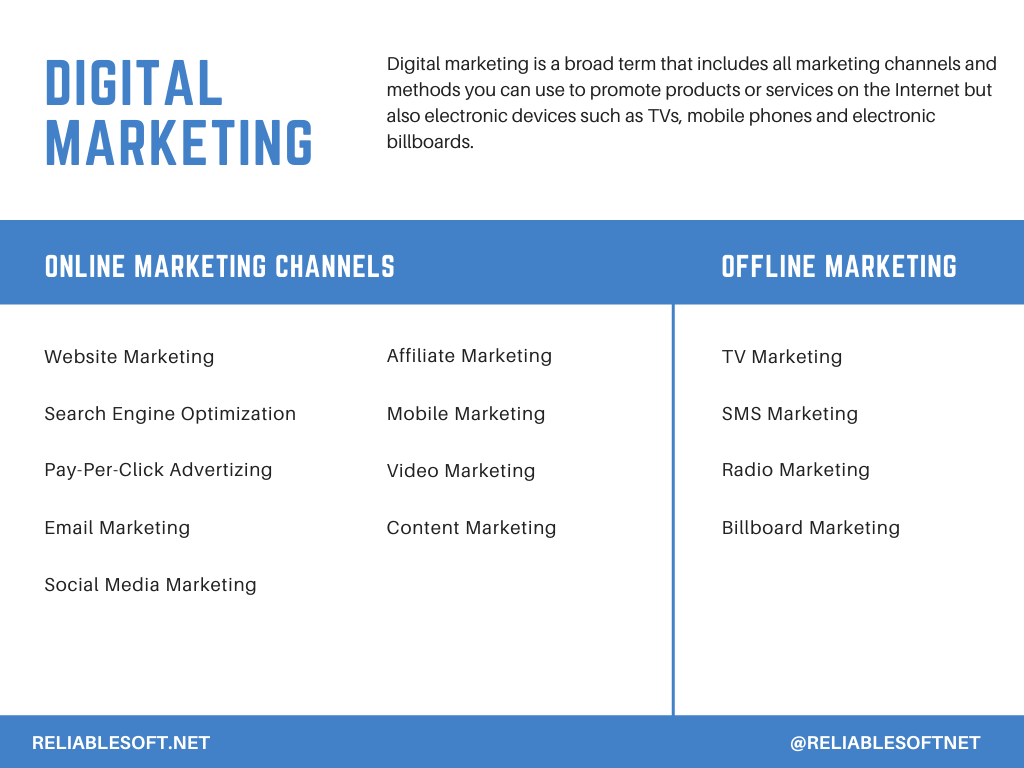
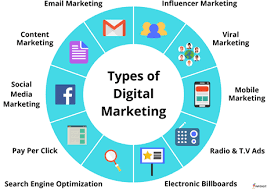
Digital marketing encompasses a wide range of strategies and tactics aimed at promoting products or services online. Some common examples of digital marketing include search engine optimisation (SEO) to improve website visibility on search engines, pay-per-click (PPC) advertising for targeted online ads, social media marketing to engage with audiences on platforms like Facebook and Instagram, email marketing campaigns to nurture leads and build customer relationships, content marketing through blogs, videos, and infographics to provide valuable information to users, and influencer partnerships to reach a wider audience through trusted individuals or brands. These examples highlight the diverse and dynamic nature of digital marketing in today’s digital landscape.

What is the difference between digital and online advertising?

When considering the difference between digital and online advertising, it’s important to note that while they are often used interchangeably, there are subtle distinctions between the two. Digital advertising encompasses a broader scope, including all forms of advertising that exist in a digital format, such as social media ads, display ads, email marketing, and more. On the other hand, online advertising specifically refers to advertisements that are displayed on the internet through websites, search engines, or social media platforms. In essence, online advertising is a subset of digital advertising that focuses solely on promoting products or services through online channels. Understanding this distinction can help businesses tailor their marketing strategies effectively to reach their target audience in the ever-evolving digital landscape.

What is digital and online marketing?

Digital and online marketing encompass a broad range of strategies and techniques aimed at promoting products or services through digital channels such as websites, social media, email campaigns, search engines, and online advertisements. It involves leveraging digital technologies to reach and engage with target audiences in a more personalised and measurable way. By utilising various online platforms and tools, businesses can effectively communicate their brand message, drive traffic to their websites, generate leads, and ultimately convert prospects into customers. Digital and online marketing play a crucial role in today’s competitive landscape by enabling businesses to connect with their audience in real-time, track performance metrics accurately, and adapt their strategies based on data-driven insights for optimal results.

What are the 4 types of digital marketing?

In the realm of digital and online marketing, one frequently asked question is: “What are the 4 types of digital marketing?” The four main types of digital marketing include search engine optimisation (SEO), pay-per-click advertising (PPC), social media marketing, and content marketing. SEO involves improving a website’s visibility on search engines to attract organic traffic, while PPC allows businesses to bid on keywords for targeted advertising. Social media marketing leverages platforms like Facebook and Instagram to engage with audiences, and content marketing focuses on creating valuable and relevant content to attract and retain customers. These four pillars form the foundation of a comprehensive digital marketing strategy that can help businesses thrive in the digital landscape.

What is digital marketing examples?

Digital marketing encompasses a wide range of strategies and tactics aimed at promoting products or services through online channels. Some common examples of digital marketing include search engine optimisation (SEO) to improve website visibility on search engines, pay-per-click (PPC) advertising for targeted online ads, social media marketing to engage with audiences on platforms like Facebook and Instagram, email marketing campaigns for direct communication with customers, content marketing through blogs and articles to provide valuable information, and influencer partnerships to leverage the reach of popular personalities. These examples demonstrate the diverse and dynamic nature of digital marketing in reaching and engaging with audiences in the digital realm.

Is digital marketing the same as online marketing comment?

The frequently asked question of whether digital marketing is the same as online marketing often sparks debates among professionals in the field. While the terms are sometimes used interchangeably, there are subtle distinctions between the two. Digital marketing encompasses a broader scope that includes online marketing as well as other digital channels such as mobile apps, social media, email campaigns, and search engine optimisation. On the other hand, online marketing specifically refers to promoting products or services through internet-based platforms. Understanding these nuances is crucial for businesses aiming to leverage the full potential of digital and online strategies to reach their target audience effectively and achieve their marketing goals.

What is the difference between online and digital?

When discussing digital and online marketing, it is important to understand the distinction between the two terms. While they are often used interchangeably, there is a subtle difference between online and digital. Online marketing specifically refers to marketing activities that are carried out on the internet or through online channels such as websites, social media platforms, email campaigns, and search engine advertising. On the other hand, digital marketing encompasses a broader scope, including both online and offline marketing efforts that leverage digital technologies to reach and engage with target audiences. In essence, online marketing is a subset of digital marketing, highlighting the specific focus on internet-based strategies for promoting products or services in the digital realm.

Is digital marketing and virtual marketing same?

The frequently asked question regarding digital marketing and virtual marketing often revolves around whether they are the same concept. While both terms are closely related to the online realm, there is a distinction between them. Digital marketing encompasses a broad range of strategies and tactics used to promote products or services through various digital channels such as websites, social media, email, and search engines. On the other hand, virtual marketing specifically refers to marketing activities conducted within virtual or simulated environments like virtual reality (VR) or augmented reality (AR). While digital marketing focuses on online platforms in general, virtual marketing delves into immersive experiences that simulate real-world interactions. Understanding this difference is crucial for businesses seeking to leverage both digital and virtual marketing effectively in their overall marketing strategy.

What are the examples of digital marketing?

In the realm of digital and online marketing, there are various examples that businesses can leverage to promote their products and services effectively. Some common examples of digital marketing include search engine optimisation (SEO) to improve website visibility on search engines, social media marketing to engage with audiences on platforms like Facebook and Instagram, email marketing for targeted communication with customers, pay-per-click (PPC) advertising for instant visibility on search engines, content marketing to provide valuable information to users, and influencer partnerships to reach a wider audience through trusted individuals. These diverse strategies showcase the versatility and effectiveness of digital marketing in reaching and engaging with target audiences in today’s digital landscape.

Is online marketing and digital marketing is same or different?

The frequently asked question of whether online marketing and digital marketing are the same or different often arises due to the overlapping nature of these terms. While they are closely related, there is a subtle distinction between the two. Online marketing primarily focuses on marketing efforts carried out exclusively on the internet, encompassing activities such as social media marketing, email campaigns, and search engine optimisation. On the other hand, digital marketing is a broader term that includes online marketing but also extends to offline channels like mobile apps, electronic billboards, and other digital mediums. In essence, online marketing is a subset of digital marketing, highlighting the interconnected yet distinct aspects of each term in the realm of modern advertising strategies.

What is the difference between online and digital business?

When discussing digital and online marketing, a common question that arises is the distinction between online and digital business. Online business typically refers to companies that operate solely through internet-based platforms, conducting transactions, providing services, and interacting with customers exclusively online. On the other hand, digital business encompasses a broader scope, incorporating all aspects of a company’s digital presence, including online operations as well as digital marketing strategies, data analytics, technology integration, and overall digital transformation initiatives. While online business focuses on the operational aspect of conducting business activities online, digital business encompasses a more holistic approach that leverages various digital tools and technologies to drive growth and innovation across all facets of the organisation.

What is the difference between marketing and digital?

When discussing the difference between marketing and digital, it is important to understand that marketing encompasses a broader concept that includes traditional offline methods such as print, television, and radio advertising, as well as online strategies. On the other hand, digital marketing specifically refers to the use of online channels and platforms to promote products or services. While traditional marketing focuses on reaching a mass audience through various mediums, digital marketing leverages the power of the internet to target specific demographics, track performance metrics in real-time, and engage with customers on a more personalised level. In essence, digital marketing is a subset of overall marketing strategies that capitalise on the opportunities offered by the digital landscape to achieve specific business objectives.

Is digital marketing and online marketing are same?

The terms “digital marketing” and “online marketing” are often used interchangeably, but there is a subtle distinction between the two. Digital marketing encompasses all forms of marketing that utilize digital channels, which can include online marketing as well as offline strategies like mobile apps, digital signage, and social media. On the other hand, online marketing specifically refers to marketing efforts that are conducted exclusively on the internet through channels such as websites, email campaigns, search engine optimisation (SEO), and social media platforms. While both digital and online marketing share common goals of reaching and engaging with target audiences in the digital realm, online marketing is a subset of the broader spectrum of digital marketing strategies available to businesses today.

Are digital and online marketing the same?

When it comes to digital and online marketing, a common question that often arises is whether they are the same thing. While the terms are sometimes used interchangeably, there is a subtle distinction between the two. Digital marketing encompasses all forms of marketing that use digital channels, including online marketing. Online marketing specifically refers to marketing activities carried out on the internet, such as social media marketing, email campaigns, search engine optimisation (SEO), and pay-per-click advertising. In essence, online marketing is a subset of digital marketing, which encompasses a broader range of digital channels beyond just the online space. Understanding this difference is crucial for businesses looking to leverage the full potential of digital tools and strategies in reaching their target audience effectively.

Is there any difference between digital marketing and online marketing?

When it comes to the often asked question of whether there is a distinction between digital marketing and online marketing, the answer lies in their scope. Digital marketing encompasses a broader spectrum of marketing tactics that leverage digital channels, including online marketing. Online marketing specifically focuses on promoting products or services through internet-based platforms such as websites, social media, and email. While both terms are often used interchangeably, understanding this nuance can help businesses tailor their strategies to effectively engage with their target audience across various digital touchpoints.

What is the difference between digital marketing and online advertising?

When exploring the realm of digital and online marketing, a common query arises regarding the distinction between digital marketing and online advertising. Digital marketing encompasses a broader spectrum of strategies aimed at promoting a brand’s online presence, engaging with target audiences, and driving conversions through various channels such as social media, content marketing, email campaigns, and search engine optimisation (SEO). On the other hand, online advertising specifically refers to paid promotional activities conducted on digital platforms to reach a targeted audience and increase brand visibility. While digital marketing encompasses both organic and paid methods to achieve overall marketing goals, online advertising focuses solely on paid tactics to deliver specific messages to a defined audience segment. Understanding this difference is crucial for businesses seeking to leverage the full potential of digital tools in their marketing endeavours.

Why is digital marketing not the same as online marketing?

In the realm of marketing, the distinction between digital marketing and online marketing lies in their scope and focus. While online marketing primarily encompasses promotional activities conducted on the internet, digital marketing extends beyond online channels to include various digital platforms and devices such as mobile apps, social media, email campaigns, and search engines. Digital marketing encompasses a broader spectrum of strategies that leverage digital technologies to reach and engage with target audiences across multiple touchpoints, offering a more comprehensive approach to connecting with consumers in today’s interconnected world.

strategic internet marketing services

Unlocking Success: The Power of Strategic Internet Marketing Services

Strategic Internet Marketing Services

The Power of Strategic Internet Marketing Services

In today’s digital age, having a strong online presence is essential for businesses to succeed. Strategic internet marketing services play a crucial role in helping companies reach their target audience, increase brand visibility, and drive conversions. Let’s explore the key benefits of utilising strategic internet marketing services:

Targeted Approach

Strategic internet marketing allows businesses to target specific demographics, interests, and behaviours of their potential customers. By analysing data and consumer insights, marketers can create tailored campaigns that resonate with the target audience, leading to higher engagement and conversion rates.

Enhanced Brand Visibility

Effective internet marketing strategies such as search engine optimisation (SEO), social media marketing, and content marketing can significantly boost a company’s online visibility. This increased visibility not only attracts more traffic to the website but also strengthens brand awareness and credibility in the digital space.

Improved ROI

By strategically allocating resources and focusing on high-return activities, businesses can maximise their return on investment (ROI) through internet marketing services. Whether it’s through pay-per-click (PPC) advertising or email marketing campaigns, a well-planned strategy can yield measurable results and drive business growth.

Data-Driven Decision Making

One of the key advantages of strategic internet marketing is the abundance of data available for analysis. Marketers can track and measure the performance of their campaigns in real-time, allowing them to make informed decisions based on actionable insights. This data-driven approach enables continuous optimisation and refinement of marketing strategies for better results.

Competitive Edge

In today’s competitive landscape, businesses that leverage strategic internet marketing services gain a significant edge over their competitors. By staying ahead of industry trends, adapting to changing consumer behaviour, and implementing innovative digital strategies, companies can position themselves as industry leaders and attract a loyal customer base.

In conclusion, strategic internet marketing services are essential for businesses looking to thrive in the digital age. By adopting a targeted approach, enhancing brand visibility, improving ROI, leveraging data-driven insights, and gaining a competitive edge, companies can achieve sustainable growth and success in the online marketplace.


Essential FAQs About Strategic Internet Marketing Services

  1. What is strategic internet marketing?
  2. Why is strategic internet marketing important for businesses?
  3. How can strategic internet marketing help increase brand visibility?
  4. What are the key components of a successful internet marketing strategy?
  5. How does data analysis play a role in strategic internet marketing services?
  6. What are the common challenges businesses face when implementing internet marketing strategies?
  7. How can businesses measure the effectiveness of their strategic internet marketing campaigns?
  8. Are there different types of strategic internet marketing services available to choose from?

What is strategic internet marketing?

Strategic internet marketing refers to the deliberate planning and execution of online marketing activities with a clear focus on achieving specific business objectives. It involves identifying target audiences, analysing market trends, and developing tailored strategies to reach and engage potential customers effectively. Strategic internet marketing goes beyond basic promotion and advertising by incorporating data-driven insights, continuous evaluation, and adaptation of tactics to maximise results. By aligning online initiatives with overall business goals, strategic internet marketing aims to enhance brand visibility, drive traffic, generate leads, and ultimately increase conversions for sustainable business growth in the digital landscape.

Why is strategic internet marketing important for businesses?

In today’s highly competitive digital landscape, strategic internet marketing plays a vital role in the success of businesses. By implementing a well-thought-out internet marketing strategy, businesses can effectively reach their target audience, increase brand awareness, and drive conversions. Strategic internet marketing allows companies to engage with customers on various online platforms, tailor their messaging to specific demographics, and track the performance of their campaigns in real-time. This data-driven approach not only helps businesses make informed decisions but also enables them to stay ahead of the competition and build a strong online presence. Ultimately, strategic internet marketing is crucial for businesses seeking to expand their reach, enhance brand visibility, and achieve sustainable growth in the digital realm.

How can strategic internet marketing help increase brand visibility?

Strategic internet marketing plays a pivotal role in enhancing brand visibility by utilising targeted digital strategies to reach and engage with the right audience. By implementing techniques such as search engine optimisation (SEO), social media marketing, content creation, and online advertising, businesses can improve their online presence and visibility across various digital channels. Through strategic internet marketing efforts, companies can ensure that their brand appears prominently in search engine results, social media feeds, and relevant online platforms, thereby increasing brand awareness and attracting more potential customers. Consistent and well-planned internet marketing campaigns help establish a strong brand identity, build credibility with the target audience, and ultimately drive traffic to the website or online platforms, leading to increased visibility and recognition in the competitive digital landscape.

What are the key components of a successful internet marketing strategy?

A successful internet marketing strategy comprises several key components that work together to achieve desired outcomes. Firstly, defining clear objectives and target audience is essential to guide the direction of the strategy. Effective use of search engine optimisation (SEO) to improve website visibility and attract organic traffic is crucial. Engaging content creation tailored to the target audience helps build brand credibility and drive conversions. Leveraging social media platforms for audience engagement and brand promotion is another vital component. Email marketing campaigns for nurturing leads and maintaining customer relationships play a significant role in a successful internet marketing strategy. Regular performance analysis, data-driven decision-making, and continuous optimisation are also essential components to ensure the strategy remains effective and adaptable in the dynamic digital landscape.

How does data analysis play a role in strategic internet marketing services?

Data analysis plays a pivotal role in strategic internet marketing services by providing valuable insights that drive decision-making and optimisation. By analysing data related to website traffic, user behaviour, campaign performance, and customer interactions, marketers can identify trends, patterns, and opportunities to refine their strategies for maximum effectiveness. This data-driven approach enables businesses to target the right audience with the right message at the right time, leading to improved engagement, conversions, and ROI. Through continuous monitoring and analysis of data metrics, companies can adapt their internet marketing efforts in real-time, ensuring they stay agile and competitive in the dynamic digital landscape.

What are the common challenges businesses face when implementing internet marketing strategies?

When businesses embark on implementing internet marketing strategies, they often encounter common challenges that can impact their success. One prevalent issue is the ever-evolving digital landscape, which requires businesses to stay updated with the latest trends and technologies to remain competitive. Additionally, defining clear objectives and target audiences, allocating resources effectively, measuring ROI accurately, and ensuring consistent brand messaging across various online channels are key challenges faced by businesses in executing successful internet marketing strategies. Overcoming these hurdles demands strategic planning, continuous monitoring, and a willingness to adapt to changes in the dynamic online environment.

How can businesses measure the effectiveness of their strategic internet marketing campaigns?

Businesses can measure the effectiveness of their strategic internet marketing campaigns through various key performance indicators (KPIs) that align with their specific goals and objectives. Tracking metrics such as website traffic, conversion rates, click-through rates, engagement levels on social media platforms, email open rates, and return on investment (ROI) can provide valuable insights into the success of a campaign. By analysing these metrics and comparing them against predefined benchmarks, businesses can evaluate the impact of their marketing efforts, identify areas for improvement, and make data-driven decisions to optimise future strategies for greater success.

Are there different types of strategic internet marketing services available to choose from?

Yes, there are various types of strategic internet marketing services available to choose from, each catering to different aspects of a comprehensive digital marketing strategy. Some common types include search engine optimisation (SEO) to improve website visibility on search engines, pay-per-click (PPC) advertising for targeted online advertising, social media marketing to engage with audiences on platforms like Facebook and Instagram, content marketing for creating valuable and relevant content, email marketing for personalised communication with customers, and analytics to track and measure the performance of campaigns. By selecting the right mix of these services based on business goals and target audience, companies can create a tailored strategy that maximises their online presence and drives results.

amazon digital marketing strategy

Unlocking Success: Amazon’s Innovative Digital Marketing Strategy

Amazon Digital Marketing Strategy

The Power of Amazon’s Digital Marketing Strategy

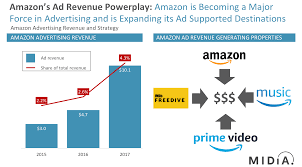
Amazon, the e-commerce giant, has revolutionised the way we shop online. Central to its success is its robust digital marketing strategy that encompasses a range of tactics to attract, engage, and retain customers.

Personalised Recommendations

One key aspect of Amazon’s strategy is its use of data analytics to provide personalised product recommendations to users. By analysing customer behaviour and purchase history, Amazon can suggest relevant products, increasing the likelihood of conversion and enhancing the overall shopping experience.

Search Engine Optimisation (SEO)

Amazon invests heavily in SEO to ensure its products appear prominently in search engine results. By optimising product listings with relevant keywords and high-quality content, Amazon improves visibility and drives traffic to its platform.

Social Media Engagement

Amazon leverages social media channels to engage with customers and promote its products. Through targeted advertising campaigns on platforms like Facebook and Instagram, Amazon reaches a wider audience and drives conversions by directing users to its website.

Email Marketing Campaigns

Email marketing is another integral part of Amazon’s strategy. By sending personalised emails with product recommendations, promotions, and exclusive offers, Amazon nurtures customer relationships and encourages repeat purchases.

Prime Membership Programme

The Prime membership programme is a key component of Amazon’s digital marketing strategy. By offering exclusive benefits such as free shipping, access to streaming services, and special discounts, Amazon incentivises customers to become loyal members who frequently engage with the platform.

Conclusion

In conclusion, Amazon’s digital marketing strategy is a multifaceted approach that combines data-driven insights with innovative tactics to drive customer engagement and loyalty. By staying at the forefront of digital trends and continuously refining its strategies, Amazon continues to dominate the e-commerce landscape.


Understanding Amazon’s Digital Marketing Strategy: Frequently Asked Questions

  1. What digital marketing channels does Amazon use?
  2. Can we do digital marketing on Amazon?
  3. What marketing technique does Amazon use?
  4. What are the digital marketing strategies?
  5. What marketing strategy did Amazon use?
  6. Does Amazon use digital marketing?
  7. What is Amazon digital marketing strategy?
  8. What marketing strategy does Amazon use?
  9. What type of digital marketing does Amazon use?

What digital marketing channels does Amazon use?

Amazon utilises a diverse range of digital marketing channels to reach and engage its vast customer base. Some of the key channels employed by Amazon include personalised recommendations based on user data analysis, search engine optimisation (SEO) to enhance product visibility in search results, social media platforms for targeted advertising campaigns, email marketing for customer engagement and retention, and the Prime membership programme to incentivise loyalty. By leveraging these channels effectively, Amazon maximises its reach and impact in the competitive digital landscape.

Can we do digital marketing on Amazon?

Yes, digital marketing on Amazon is not only possible but also highly effective for businesses looking to increase their online visibility and drive sales. Amazon offers a range of advertising solutions that allow sellers to promote their products to a targeted audience within the platform. From sponsored product ads that appear in search results to display ads that target specific customer segments, Amazon provides ample opportunities for businesses to reach potential customers and drive conversions. By leveraging Amazon’s digital marketing tools and strategies, sellers can enhance their brand presence, boost product visibility, and ultimately maximise their sales potential on the platform.

What marketing technique does Amazon use?

Amazon employs a multifaceted digital marketing strategy that encompasses various techniques to engage and attract customers. Some key marketing techniques used by Amazon include personalised recommendations based on user behaviour and purchase history, search engine optimisation (SEO) to enhance product visibility in search results, social media engagement through targeted advertising campaigns, email marketing to nurture customer relationships and drive repeat purchases, and the Prime membership programme offering exclusive benefits to incentivise customer loyalty. By integrating these techniques seamlessly, Amazon creates a comprehensive marketing approach that drives customer engagement and contributes to its success as an e-commerce giant.

What are the digital marketing strategies?

When it comes to Amazon’s digital marketing strategy, a variety of tactics are employed to maximise reach and engagement with customers. These strategies include personalised product recommendations based on data analytics, search engine optimisation (SEO) to enhance visibility in search results, social media engagement through targeted advertising campaigns, email marketing initiatives for customer retention and promotion, as well as the Prime membership programme offering exclusive benefits to drive loyalty. By integrating these diverse strategies, Amazon effectively leverages digital channels to attract, retain, and satisfy its customer base while staying ahead in the competitive e-commerce landscape.

What marketing strategy did Amazon use?

Amazon has employed a comprehensive and multi-faceted marketing strategy to establish itself as a global e-commerce powerhouse. From personalised product recommendations based on customer data analysis to search engine optimisation (SEO) tactics that enhance visibility, Amazon utilises a range of digital marketing techniques to attract and retain customers. The company also leverages social media platforms for targeted advertising and engages users through email marketing campaigns. Additionally, the Prime membership programme plays a significant role in fostering customer loyalty through exclusive benefits and incentives. Overall, Amazon’s strategic approach to digital marketing is characterised by its adaptability, innovation, and commitment to delivering a seamless shopping experience for its customers.

Does Amazon use digital marketing?

Yes, Amazon employs a comprehensive digital marketing strategy to promote its products and services. From personalised recommendations and search engine optimisation to social media engagement and email marketing campaigns, Amazon utilises a range of digital marketing tactics to attract, engage, and retain customers. The company’s strategic use of data analytics, targeted advertising, and customer-centric initiatives demonstrates its commitment to leveraging digital channels effectively to drive sales and enhance the overall shopping experience for users.

What is Amazon digital marketing strategy?

Amazon’s digital marketing strategy is a comprehensive approach that utilises data analytics, personalised recommendations, search engine optimisation (SEO), social media engagement, email marketing campaigns, and the Prime membership programme to attract, engage, and retain customers. By leveraging these tactics effectively, Amazon enhances the online shopping experience for users, drives traffic to its platform, improves visibility in search engine results, nurtures customer relationships through targeted communication, and incentivises loyalty through exclusive benefits. This multifaceted strategy underscores Amazon’s commitment to innovation and customer-centricity in the competitive e-commerce landscape.

What marketing strategy does Amazon use?

Amazon employs a comprehensive digital marketing strategy that encompasses various tactics to drive customer engagement and boost sales. Key elements of Amazon’s strategy include personalised product recommendations based on user behaviour, search engine optimisation to enhance visibility in search results, social media engagement through targeted advertising campaigns, email marketing with tailored promotions and offers, and the Prime membership programme that incentivises customer loyalty. By leveraging data analytics and innovative approaches, Amazon continues to set the benchmark for effective digital marketing strategies in the e-commerce industry.

What type of digital marketing does Amazon use?

Amazon employs a comprehensive digital marketing strategy that encompasses various tactics to enhance its online presence and drive customer engagement. Some key types of digital marketing used by Amazon include personalised recommendations based on data analytics, search engine optimisation (SEO) to improve product visibility, social media engagement through targeted advertising campaigns, email marketing for customer retention and promotion, and the Prime membership programme to incentivise customer loyalty. By leveraging these diverse digital marketing channels effectively, Amazon maximises its reach and influence in the competitive e-commerce landscape.

saas content marketing agency

Unlocking Success: The Role of a SaaS Content Marketing Agency

The Power of SaaS Content Marketing Agencies

The Power of SaaS Content Marketing Agencies

In the competitive world of Software as a Service (SaaS), effective marketing is crucial for success. SaaS companies rely on reaching and engaging their target audience to drive conversions and grow their customer base. This is where SaaS content marketing agencies play a vital role.

What is a SaaS Content Marketing Agency?

A SaaS content marketing agency specialises in creating and distributing valuable, relevant, and consistent content to attract and retain a clearly defined audience for SaaS businesses. These agencies understand the unique challenges and opportunities within the SaaS industry and tailor their strategies to meet the specific needs of SaaS companies.

The Benefits of Working with a SaaS Content Marketing Agency

Expertise: SaaS content marketing agencies have a deep understanding of the SaaS landscape and know how to create content that resonates with target audiences in this industry.

Strategy Development: These agencies can develop comprehensive content marketing strategies that align with the goals and objectives of SaaS businesses, helping them achieve long-term success.

Content Creation: From blog posts and whitepapers to videos and infographics, SaaS content marketing agencies produce high-quality content that educates, informs, and engages potential customers.

SEO Optimisation: By incorporating search engine optimisation (SEO) best practices into their content creation process, these agencies help improve the visibility of SaaS businesses online.

Conclusion

In conclusion, partnering with a SaaS content marketing agency can give your SaaS business a competitive edge in the digital landscape. By leveraging their expertise, strategic approach, and creative content creation capabilities, you can effectively reach your target audience, drive conversions, and ultimately grow your business in the dynamic world of SaaS.


Understanding SaaS Content Marketing Agencies: Key Services and Benefits

  1. What services do SaaS content marketing agencies offer?
  2. How can a SaaS content marketing agency help my business?
  3. What makes SaaS content marketing agencies different from traditional marketing agencies?
  4. How do SaaS content marketing agencies measure the success of their campaigns?
  5. What should I look for when choosing a SaaS content marketing agency?

What services do SaaS content marketing agencies offer?

SaaS content marketing agencies offer a range of services tailored to meet the specific needs of Software as a Service businesses. These services typically include content strategy development, content creation such as blog posts, articles, whitepapers, and videos, search engine optimisation (SEO) to improve online visibility, social media marketing to engage with audiences, email marketing campaigns to nurture leads, and analytics and reporting to track performance and make data-driven decisions. By providing a comprehensive suite of services, SaaS content marketing agencies help SaaS companies effectively reach their target audience, drive conversions, and grow their business in the competitive digital landscape.

How can a SaaS content marketing agency help my business?

A SaaS content marketing agency can significantly benefit your business by leveraging its expertise in creating and distributing tailored content to engage your target audience effectively. These agencies understand the nuances of the SaaS industry and can develop strategic content marketing plans that align with your business goals. From crafting compelling blog posts and informative whitepapers to producing engaging videos and infographics, a SaaS content marketing agency can enhance your online presence, drive traffic to your website, generate leads, and ultimately boost conversions. By harnessing their skills in SEO optimisation and content strategy, these agencies can help position your SaaS business as a thought leader in the industry, increasing brand visibility and attracting potential customers.

What makes SaaS content marketing agencies different from traditional marketing agencies?

SaaS content marketing agencies differentiate themselves from traditional marketing agencies through their specialised focus on creating and distributing content tailored specifically for the Software as a Service (SaaS) industry. These agencies possess a deep understanding of the unique challenges and opportunities within the SaaS landscape, allowing them to develop targeted strategies that resonate with SaaS audiences. Unlike traditional marketing agencies that may offer a broad range of services, SaaS content marketing agencies leverage their expertise to craft high-quality content, implement SEO best practices, and drive engagement that is specifically designed to meet the needs of SaaS businesses. By aligning their efforts with the nuances of the SaaS sector, these agencies can deliver tailored solutions that help SaaS companies stand out in a competitive digital marketplace.

How do SaaS content marketing agencies measure the success of their campaigns?

SaaS content marketing agencies measure the success of their campaigns through a variety of key performance indicators (KPIs) tailored to the unique goals of SaaS businesses. Common metrics include website traffic, lead generation, conversion rates, customer acquisition cost, customer lifetime value, and overall return on investment (ROI). By analysing these KPIs, agencies can track the effectiveness of their content marketing efforts, identify areas for improvement, and demonstrate the tangible impact of their campaigns on the growth and success of SaaS companies.

What should I look for when choosing a SaaS content marketing agency?

When selecting a SaaS content marketing agency, there are several key factors to consider to ensure you make the right choice for your business. Firstly, look for an agency with experience and expertise in the SaaS industry, as they will understand the unique challenges and opportunities that come with marketing SaaS products. Additionally, consider their track record of success with previous clients and their ability to develop tailored strategies that align with your business goals. It is also important to assess their content creation capabilities, SEO knowledge, and overall approach to digital marketing to ensure they can effectively reach and engage your target audience. Transparency, communication, and a collaborative working style are also essential qualities to look for in a SaaS content marketing agency to foster a successful partnership.

ecommerce digital marketing strategy

Mastering the Art of Ecommerce Digital Marketing Strategy: A Guide to Online Success

The Power of Ecommerce Digital Marketing Strategy

The Power of Ecommerce Digital Marketing Strategy

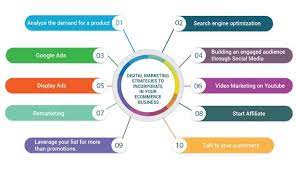
In today’s digital age, having a strong ecommerce digital marketing strategy is essential for online businesses to thrive and succeed. With the increasing competition in the ecommerce industry, it’s crucial to stand out from the crowd and effectively reach your target audience.

Understanding Your Audience

One of the key elements of a successful ecommerce digital marketing strategy is understanding your target audience. By identifying their preferences, behaviours, and needs, you can tailor your marketing efforts to resonate with them effectively. Utilise data analytics tools to gather insights and create targeted campaigns that drive engagement and conversions.

Optimising Your Website

Your ecommerce website is the cornerstone of your online presence. Ensure that it is user-friendly, visually appealing, and optimised for search engines. Implementing SEO best practices, such as using relevant keywords, creating high-quality content, and improving site speed, can significantly enhance your website’s visibility and attract organic traffic.

Social Media Marketing

Social media platforms offer a valuable opportunity to connect with your audience on a more personal level. Develop a strong social media marketing strategy that includes engaging content, targeted advertising, and regular interaction with followers. Leverage social media channels to showcase your products, run promotions, and build brand loyalty.

Email Marketing Campaigns

Email marketing remains one of the most effective tools for driving sales and nurturing customer relationships. Create personalised email campaigns that deliver relevant content based on customer preferences and behaviours. Use email automation tools to send targeted messages at the right time to maximise engagement and conversions.

Measuring Performance

Monitoring and analysing the performance of your ecommerce digital marketing efforts is essential for continuous improvement. Track key metrics such as website traffic, conversion rates, click-through rates, and ROI to evaluate the effectiveness of your strategies. Use this data to make informed decisions and optimise your campaigns for better results.

Conclusion

A well-crafted ecommerce digital marketing strategy can propel your online business towards success by increasing brand awareness, driving traffic, generating leads, and ultimately boosting sales. By leveraging various digital marketing tactics strategically and adapting to changing trends, you can stay ahead in the competitive ecommerce landscape.


Top 5 FAQs on Enhancing Your Ecommerce Digital Marketing Strategy

  1. What is ecommerce digital marketing strategy?
  2. How can I improve my ecommerce website for better digital marketing?
  3. What role does social media play in ecommerce digital marketing?
  4. Why is email marketing important for ecommerce businesses?
  5. How do I measure the success of my ecommerce digital marketing strategy?

What is ecommerce digital marketing strategy?

An ecommerce digital marketing strategy refers to a comprehensive plan that online businesses implement to promote their products or services, attract customers, and drive sales through digital channels. This strategic approach involves utilising various online marketing tactics such as search engine optimisation (SEO), social media marketing, email campaigns, content marketing, and paid advertising to reach and engage with target audiences effectively. By strategically combining these digital marketing elements, businesses can enhance their online visibility, build brand awareness, increase website traffic, and ultimately boost conversions and revenue in the competitive ecommerce landscape.

How can I improve my ecommerce website for better digital marketing?

To improve your ecommerce website for better digital marketing, focus on enhancing user experience, optimising for search engines, and implementing effective conversion strategies. Start by ensuring that your website is user-friendly, visually appealing, and easy to navigate. Conduct usability tests to identify any pain points and make necessary improvements. Optimise your website for search engines by using relevant keywords, creating high-quality content, and building backlinks to increase visibility. Implement conversion rate optimisation techniques such as clear call-to-action buttons, streamlined checkout processes, and personalised product recommendations to encourage visitors to make purchases. Regularly analyse data and metrics to identify areas for improvement and refine your digital marketing strategies accordingly.

What role does social media play in ecommerce digital marketing?

Social media plays a pivotal role in ecommerce digital marketing by providing a platform for businesses to engage with their target audience, build brand awareness, drive traffic to their websites, and ultimately increase sales. Through strategic social media marketing efforts, businesses can showcase their products or services, run targeted advertising campaigns, and foster meaningful relationships with customers. Social media platforms offer valuable opportunities for direct communication, customer feedback, and user-generated content that can enhance brand credibility and loyalty. By leveraging the power of social media channels effectively, ecommerce businesses can amplify their reach, connect with potential customers on a personal level, and stay competitive in the digital marketplace.

Why is email marketing important for ecommerce businesses?

Email marketing plays a pivotal role in the success of ecommerce businesses for several reasons. It allows businesses to directly reach out to their target audience with personalised and relevant content, nurturing customer relationships and building brand loyalty. With email marketing, ecommerce businesses can promote products, announce sales or special offers, and engage customers through tailored messages that drive traffic to their website and ultimately boost sales. Additionally, email marketing provides a cost-effective way to communicate with customers, track performance metrics, and gather valuable insights for refining future marketing strategies. In essence, email marketing is a powerful tool that enables ecommerce businesses to connect with their audience effectively and drive conversions in a competitive online landscape.

How do I measure the success of my ecommerce digital marketing strategy?

Measuring the success of your ecommerce digital marketing strategy is crucial to understanding its impact and effectiveness. Key performance indicators (KPIs) such as website traffic, conversion rates, customer acquisition cost, return on investment (ROI), and customer lifetime value provide valuable insights into the performance of your campaigns. By analysing these metrics regularly and comparing them against your predefined goals, you can determine the success of your strategy and identify areas for improvement. Additionally, tracking engagement metrics like click-through rates, bounce rates, and social media interactions can help you gauge how well your audience is responding to your marketing efforts. Continuous monitoring and analysis of these metrics allow you to make data-driven decisions and optimise your ecommerce digital marketing strategy for better results.

digital marketing course

Mastering the Art of Digital Marketing: Enhance Your Skills with a Comprehensive Course

The Importance of Taking a Digital Marketing Course

The Importance of Taking a Digital Marketing Course

In today’s digital age, having a strong online presence is crucial for businesses to succeed. As technology continues to advance, traditional marketing strategies are no longer sufficient to reach and engage with target audiences effectively. This is where digital marketing comes into play.

A digital marketing course can provide individuals with the knowledge and skills needed to navigate the ever-evolving digital landscape. Whether you are a business owner looking to promote your brand online or a marketing professional aiming to enhance your career prospects, investing in a digital marketing course can offer numerous benefits.

Key Benefits of Enrolling in a Digital Marketing Course:

  • Stay Updated: Digital marketing techniques and trends are constantly evolving. A formal course can help you stay abreast of the latest developments in the industry.
  • Enhance Skills: From search engine optimisation (SEO) to social media marketing, a digital marketing course equips you with practical skills that are in high demand in today’s job market.
  • Boost Career Opportunities: By acquiring expertise in digital marketing, you can increase your employability and open up new career opportunities across various industries.
  • Drive Business Growth: For entrepreneurs and business owners, understanding digital marketing strategies is essential for expanding their reach, attracting customers, and driving revenue growth.
  • Measure Performance: A digital marketing course teaches you how to analyse data and track key performance metrics, enabling you to make informed decisions that maximise your ROI.

Whether you choose to enrol in an online course or attend classes in person, investing time and effort into learning about digital marketing can yield significant returns both personally and professionally. The skills acquired through a digital marketing course can empower you to create impactful campaigns, engage with target audiences effectively, and stay ahead of the competition in today’s fast-paced digital world.


7 Essential Tips for Selecting the Right Digital Marketing Course in the UK

  1. Research and choose a reputable digital marketing course provider.
  2. Ensure the course covers a wide range of digital marketing topics such as SEO, social media, email marketing, etc.
  3. Look for courses that offer practical hands-on experience and real-world projects.
  4. Check if the course provides industry-recognised certifications upon completion.
  5. Consider the flexibility of online courses versus in-person classes to suit your schedule.
  6. Engage with online forums or communities related to the course for additional support and networking opportunities.
  7. Stay updated with the latest trends and changes in digital marketing by following industry blogs and attending webinars.

Research and choose a reputable digital marketing course provider.

When considering enrolling in a digital marketing course, it is essential to conduct thorough research and select a reputable course provider. Choosing a trusted provider ensures that you receive high-quality education and valuable insights into the dynamic field of digital marketing. By opting for a reputable course, you can be confident that you are investing your time and resources wisely, setting yourself up for success in your digital marketing journey.

Ensure the course covers a wide range of digital marketing topics such as SEO, social media, email marketing, etc.

When considering a digital marketing course, it is essential to ensure that the curriculum covers a diverse array of topics within the field. From Search Engine Optimisation (SEO) to social media strategies and email marketing campaigns, a comprehensive course that addresses various aspects of digital marketing can provide learners with a well-rounded understanding of how to effectively reach and engage with target audiences online. By exploring a wide range of topics, individuals can acquire the knowledge and skills needed to navigate the dynamic digital landscape and implement successful marketing strategies across different platforms.

Look for courses that offer practical hands-on experience and real-world projects.

When considering a digital marketing course, it is beneficial to look for programmes that provide practical hands-on experience and real-world projects. These types of courses offer invaluable opportunities for students to apply theoretical knowledge in a practical setting, gaining first-hand experience in executing digital marketing strategies and campaigns. By working on real-world projects, participants can develop their skills, build a portfolio of work, and gain insights into the challenges and nuances of the industry. This experiential learning approach not only enhances understanding but also prepares individuals for the dynamic and competitive field of digital marketing.

Check if the course provides industry-recognised certifications upon completion.

When considering enrolling in a digital marketing course, it is essential to check if the course offers industry-recognised certifications upon completion. These certifications not only validate your expertise in the field but also enhance your credibility and employability. Employers often value candidates with recognised certifications, as they demonstrate a commitment to staying current with industry standards and best practices. By choosing a course that provides industry-recognised certifications, you can boost your professional profile and increase your chances of success in the competitive world of digital marketing.

Consider the flexibility of online courses versus in-person classes to suit your schedule.

When deciding to enrol in a digital marketing course, it is essential to consider the flexibility offered by online courses compared to in-person classes. Online courses provide the convenience of learning at your own pace and on your schedule, making them ideal for individuals with busy lifestyles or work commitments. On the other hand, in-person classes offer the benefit of face-to-face interaction with instructors and peers, fostering a collaborative learning environment. By weighing the pros and cons of each option, you can choose the format that best suits your schedule and learning preferences for a successful educational experience in digital marketing.

Engaging with online forums or communities related to your digital marketing course can provide valuable additional support and networking opportunities. By participating in discussions, sharing insights, and seeking advice from fellow learners and industry professionals, you can enhance your understanding of the course material and gain practical knowledge from real-world experiences. Networking within these communities can also help you connect with like-minded individuals, potential mentors, and even future collaborators, expanding your professional network and opening doors to new opportunities in the dynamic field of digital marketing.

To stay ahead in the dynamic field of digital marketing, it is essential to remain informed about the latest trends and developments. One effective tip is to regularly follow industry blogs and participate in webinars that focus on digital marketing. By keeping abreast of emerging strategies and changes in the digital landscape, individuals undertaking a digital marketing course can enhance their knowledge and skills, ensuring they are well-equipped to navigate and succeed in this ever-evolving industry.

b2b internet marketing

Maximising Business Growth Through B2B Internet Marketing Strategies

The Power of B2B Internet Marketing

The Power of B2B Internet Marketing

In today’s digital age, business-to-business (B2B) internet marketing has become an essential strategy for companies looking to reach and engage with other businesses online. With the vast reach and influence of the internet, B2B internet marketing offers a plethora of opportunities for businesses to connect, promote their products or services, and drive growth.

Benefits of B2B Internet Marketing

Increased Reach: By leveraging various online channels such as search engines, social media, email marketing, and content marketing, B2B companies can expand their reach to a wider audience of potential clients and partners.

Targeted Advertising: B2B internet marketing allows businesses to target specific industries, job roles, company sizes, and geographic locations with precision. This targeted approach ensures that marketing efforts are directed towards the most relevant audience.

Lead Generation: Through effective lead generation strategies such as gated content, webinars, and email campaigns, B2B internet marketing helps businesses attract potential leads and nurture them through the sales funnel towards conversion.

Key Strategies for Success

To make the most of B2B internet marketing, companies should consider implementing the following key strategies:

  • SEO Optimization: Enhancing website visibility on search engines through search engine optimization (SEO) is crucial for attracting organic traffic and improving online presence.
  • Social Media Engagement: Engaging with industry professionals on social media platforms can help build brand awareness, establish thought leadership, and foster relationships with potential clients.
  • Email Marketing Campaigns: Personalized email campaigns tailored to the needs and interests of target audiences can drive engagement and conversions effectively.
  • Data Analytics: Utilizing data analytics tools to track performance metrics, measure ROI, and refine marketing strategies based on insights is essential for continuous improvement.

In Conclusion

B2B internet marketing presents a wealth of opportunities for businesses to connect with other companies in a digital landscape. By implementing targeted strategies that leverage the power of online channels effectively, B2B companies can enhance brand visibility, generate leads, and drive business growth in today’s competitive market environment.


Seven Essential Tips for Effective B2B Internet Marketing Strategies

  1. Identify your target audience and understand their needs and preferences.
  2. Create valuable content that is relevant to your target audience.
  3. Utilise social media platforms to engage with potential clients and build relationships.
  4. Optimise your website for search engines to increase visibility and attract organic traffic.
  5. Implement email marketing campaigns to nurture leads and stay connected with customers.
  6. Collaborate with other businesses for co-marketing opportunities to expand your reach.
  7. Analyse data and track key performance indicators to measure the effectiveness of your marketing strategies.

Identify your target audience and understand their needs and preferences.

In the realm of B2B internet marketing, a crucial tip for success is to meticulously identify your target audience and gain a deep understanding of their unique needs and preferences. By honing in on the characteristics and challenges of your potential clients, you can tailor your marketing strategies to resonate with them effectively. This targeted approach not only enhances the relevance of your messaging but also increases the likelihood of engaging with and converting valuable leads within your specific niche market.

Create valuable content that is relevant to your target audience.

Creating valuable and relevant content for your target audience is a vital tip in B2B internet marketing. By offering informative and engaging content that addresses the needs and interests of your potential clients, you can establish credibility, build trust, and position your business as a valuable resource in the industry. Whether it’s through blog posts, whitepapers, case studies, or videos, providing content that resonates with your audience can drive traffic to your website, nurture leads, and ultimately lead to conversions. Remember, quality content not only attracts attention but also cultivates long-term relationships with B2B customers.

Utilise social media platforms to engage with potential clients and build relationships.

In the realm of B2B internet marketing, a valuable tip is to utilise social media platforms as powerful tools to actively engage with potential clients and cultivate meaningful relationships. By leveraging platforms such as LinkedIn, Twitter, and Facebook, businesses can share industry insights, showcase expertise, and interact with their target audience in a more personal and engaging manner. This approach not only helps in building brand credibility but also fosters trust and loyalty among potential clients, ultimately leading to enhanced business opportunities and long-term partnerships.

Optimise your website for search engines to increase visibility and attract organic traffic.

To maximise the effectiveness of your B2B internet marketing efforts, it is crucial to optimise your website for search engines. By implementing SEO strategies tailored to improve your website’s visibility in search engine results, you can attract organic traffic from businesses actively seeking the products or services you offer. Enhancing your website’s search engine ranking through targeted keywords, quality content, and user-friendly design not only increases visibility but also establishes credibility and trust with potential B2B clients.

Implement email marketing campaigns to nurture leads and stay connected with customers.

Implementing email marketing campaigns is a crucial tip in B2B internet marketing to nurture leads and maintain strong connections with customers. By sending targeted and personalised emails, businesses can engage with potential clients at different stages of the buying journey, providing valuable information, updates, and offers. This ongoing communication helps build trust, drive conversions, and foster long-term relationships with customers, ultimately contributing to business growth and success in the digital realm.

Collaborate with other businesses for co-marketing opportunities to expand your reach.

Collaborating with other businesses for co-marketing opportunities is a strategic tip in B2B internet marketing that can significantly expand your reach and visibility online. By joining forces with complementary businesses, you can tap into each other’s audiences, leverage shared resources, and create mutually beneficial marketing campaigns that reach a wider target market. This collaborative approach not only helps increase brand awareness but also fosters valuable partnerships that can lead to new business opportunities and growth in the competitive B2B landscape.

Analyse data and track key performance indicators to measure the effectiveness of your marketing strategies.

To maximise the impact of your B2B internet marketing efforts, it is crucial to analyse data and track key performance indicators meticulously. By monitoring metrics such as website traffic, conversion rates, email open rates, and social media engagement, you can gain valuable insights into the effectiveness of your marketing strategies. This data-driven approach allows you to identify what is working well and where improvements are needed, enabling you to refine your tactics for optimal results in reaching and engaging with other businesses online.

digital marketing examples

Exploring Inspiring Digital Marketing Examples for Success

Digital Marketing Examples

Digital Marketing Examples: Inspiring Success Stories

Digital marketing has revolutionised the way businesses reach and engage with their target audience. Leveraging various online channels, companies have been able to create impactful campaigns that drive brand awareness, lead generation, and sales. Let’s explore some inspiring examples of successful digital marketing strategies:

Social Media Campaigns

One of the most powerful tools in digital marketing is social media. Brands like Nike have excelled in creating engaging campaigns that resonate with their audience. For instance, Nike’s “Dream Crazier” campaign featuring Serena Williams empowered women and sparked conversations about gender equality in sports.

Content Marketing

Content is king in the digital world, and companies like HubSpot have mastered the art of content marketing. Through their blog, ebooks, and webinars, HubSpot provides valuable insights to their audience while establishing themselves as industry leaders in inbound marketing.

SEO Strategies

Search engine optimisation (SEO) plays a crucial role in driving organic traffic to websites. Airbnb is a prime example of a company that has optimised its online presence effectively. By creating high-quality content and improving user experience, Airbnb ranks high on search engine results pages for relevant keywords.

Email Marketing Campaigns

Email marketing remains a cost-effective way to nurture leads and convert customers. British retailer ASOS utilises personalised email campaigns to deliver targeted promotions and product recommendations based on customer preferences. This tailored approach has contributed to ASOS’s strong customer loyalty.

Influencer Partnerships

Collaborating with influencers can significantly amplify brand reach and credibility. Fashion brand Daniel Wellington leveraged influencer partnerships to showcase their stylish watches to millions of followers on social media platforms. This strategy helped Daniel Wellington establish itself as a popular accessory brand among millennials.

In conclusion, these digital marketing examples demonstrate the power of strategic planning, creativity, and data-driven decision-making in achieving business objectives online. By learning from successful campaigns and adapting best practices to your own strategies, you can elevate your brand’s digital presence and drive meaningful results.


Six Essential Digital Marketing Strategies for Enhanced Online Engagement

  1. Utilise social media platforms for targeted advertising campaigns.
  2. Create engaging content such as blogs, videos, and infographics to attract your audience.
  3. Optimise your website for search engines (SEO) to increase visibility online.
  4. Implement email marketing strategies to nurture leads and retain customers.
  5. Utilise pay-per-click (PPC) advertising for immediate visibility and traffic.
  6. Monitor analytics regularly to track the performance of your digital marketing efforts.

Utilise social media platforms for targeted advertising campaigns.

In the realm of digital marketing examples, a valuable tip is to leverage social media platforms for targeted advertising campaigns. By utilising the sophisticated targeting capabilities of platforms like Facebook, Instagram, and LinkedIn, businesses can reach specific demographics based on interests, behaviours, and demographics. This approach allows companies to deliver tailored messages to their desired audience segments, increasing the effectiveness and efficiency of their advertising efforts. Implementing targeted advertising campaigns on social media can lead to higher engagement rates, improved brand visibility, and ultimately drive conversions for businesses looking to maximise their online presence.

Create engaging content such as blogs, videos, and infographics to attract your audience.

To effectively engage your target audience in the realm of digital marketing, it is essential to create compelling content that resonates with them. This can be achieved through a variety of mediums, including informative blogs, visually captivating videos, and visually appealing infographics. By offering valuable and engaging content, businesses can attract the attention of their audience, establish credibility, and foster meaningful connections that drive brand awareness and customer loyalty.

Optimise your website for search engines (SEO) to increase visibility online.

To enhance your online visibility and attract more potential customers, it is crucial to optimise your website for search engines through effective SEO strategies. By strategically incorporating relevant keywords, improving site speed, enhancing user experience, and building quality backlinks, you can increase your website’s ranking on search engine results pages. This not only drives organic traffic to your site but also boosts brand credibility and authority in your industry. Investing in SEO is a fundamental aspect of digital marketing that can significantly impact your online presence and overall business success.

Implement email marketing strategies to nurture leads and retain customers.

Implementing effective email marketing strategies is a key component of successful digital marketing efforts. By leveraging personalised and targeted email campaigns, businesses can nurture leads, build relationships with customers, and enhance brand loyalty. Email marketing allows companies to deliver relevant content, promotions, and updates directly to the inbox of their audience, keeping them engaged and informed. By consistently providing value through email communication, businesses can drive conversions, retain customers, and ultimately achieve long-term success in the digital landscape.

Utilise pay-per-click (PPC) advertising for immediate visibility and traffic.

To maximise immediate visibility and drive targeted traffic to your website, consider utilising pay-per-click (PPC) advertising as part of your digital marketing strategy. PPC allows you to bid on keywords relevant to your business and display ads prominently in search engine results. By paying only when users click on your ads, you can effectively reach potential customers at the right moment and drive them to your website. With careful keyword selection, compelling ad copy, and continuous monitoring of performance metrics, PPC campaigns can deliver quick results and help you achieve your marketing goals efficiently.

Monitor analytics regularly to track the performance of your digital marketing efforts.

Monitoring analytics regularly is crucial in digital marketing to assess the effectiveness of your strategies and make data-driven decisions. By tracking key performance indicators such as website traffic, conversion rates, and engagement metrics, you can gain valuable insights into what is working well and where improvements are needed. This continuous monitoring allows you to optimise your digital marketing efforts in real-time, ensuring that you stay on course towards achieving your goals and maximising ROI.