The Power of Digital PR in the Modern Age
In today’s fast-paced digital landscape, traditional public relations strategies are evolving to meet the demands of a connected world. Enter digital PR – a dynamic approach that leverages online channels to build brand awareness, enhance reputation, and engage with target audiences like never before.
What is Digital PR?
Digital PR encompasses the use of online platforms such as social media, influencer collaborations, content marketing, and online press releases to create a strong brand presence and connect with consumers in a meaningful way. Unlike traditional PR, digital PR focuses on engaging with audiences through interactive and shareable content that resonates in the digital sphere.
The Benefits of Digital PR
One of the key advantages of digital PR is its ability to reach a wider audience quickly and cost-effectively. By utilising various online channels, brands can amplify their message and engage with consumers across different demographics and geographies. Additionally, digital PR allows for real-time interaction with audiences, enabling brands to respond promptly to feedback and trends.
Building Brand Authority
Through strategic digital PR campaigns, brands can establish themselves as industry leaders and thought influencers within their niche. By creating valuable and shareable content that resonates with their target audience, brands can build trust and credibility over time. This enhanced brand authority can lead to increased customer loyalty and improved reputation in the market.
Measuring Success
One of the strengths of digital PR lies in its measurability. Brands can track key performance indicators such as website traffic, social media engagement, backlinks, and online mentions to gauge the effectiveness of their campaigns. By analysing these metrics, brands can refine their strategies for optimal results and ROI.
In Conclusion
As the digital landscape continues to evolve, embracing digital PR is essential for brands looking to stay relevant and competitive in today’s market. By harnessing the power of online channels to tell compelling stories, engage with audiences authentically, and build lasting relationships, brands can unlock new opportunities for growth and success.
Understanding Digital PR: Key Questions and Answers
- What is the role of a digital PR?
- Why is digital PR important?
- What is the difference between traditional PR and digital PR?
- Why digital PR is important?
- What is a digital PR job?
- What is the role of digital PR?
- What is digital PR content?
- What are types of digital PR?
- How do I create a digital PR?
What is the role of a digital PR?
The role of a digital PR professional is multifaceted and crucial in today’s digital age. Digital PR specialists are responsible for creating and implementing strategic online campaigns that aim to enhance brand visibility, manage reputation, and engage with target audiences across various digital platforms. They leverage their expertise in content creation, influencer partnerships, social media management, and online press releases to build brand authority, drive website traffic, generate leads, and ultimately contribute to the overall success of a brand’s online presence. By staying abreast of industry trends and consumer behaviour in the digital realm, digital PR professionals play a vital role in shaping a brand’s narrative and fostering meaningful connections with its audience.
Why is digital PR important?
In the digital age, the importance of digital PR cannot be overstated. Digital PR plays a crucial role in helping businesses enhance their online visibility, build brand credibility, and engage with their target audience effectively. By leveraging online channels such as social media, content marketing, and influencer collaborations, digital PR allows brands to reach a wider audience quickly and cost-effectively. It also enables real-time interaction with consumers, fostering trust and loyalty. Furthermore, the measurability of digital PR efforts provides valuable insights that help brands refine their strategies for maximum impact and return on investment. Ultimately, embracing digital PR is essential for businesses looking to establish themselves as industry leaders and stay competitive in today’s fast-paced digital landscape.
What is the difference between traditional PR and digital PR?
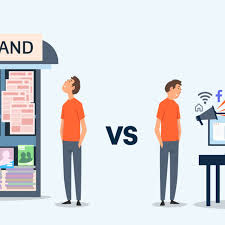
When considering the difference between traditional PR and digital PR, it is important to note that while both share the common goal of managing a brand’s reputation and enhancing its visibility, they employ distinct strategies and channels to achieve these objectives. Traditional PR typically relies on traditional media outlets such as newspapers, magazines, television, and radio to disseminate messages to a broad audience. On the other hand, digital PR leverages online platforms like social media, blogs, influencers, and online press releases to reach target audiences in a more targeted and interactive manner. Digital PR offers greater opportunities for engagement, real-time feedback, and measurement of campaign effectiveness compared to traditional PR’s more one-way communication approach.
Why digital PR is important?
In the digital age, the importance of digital PR cannot be overstated. Digital PR plays a crucial role in building brand visibility, enhancing online reputation, and engaging with target audiences effectively. By leveraging online channels such as social media, content marketing, and influencer collaborations, digital PR helps brands reach a wider audience quickly and cost-effectively. Furthermore, digital PR allows for real-time interaction with consumers, enabling brands to respond promptly to feedback and trends. Ultimately, digital PR is essential for establishing brand authority, fostering customer loyalty, and staying competitive in today’s fast-paced digital landscape.
What is a digital PR job?
A digital PR job involves managing and implementing online communication strategies to enhance a brand’s visibility and reputation in the digital sphere. Professionals in this role leverage various online channels such as social media, influencer partnerships, content creation, and online press releases to engage with target audiences effectively. They are responsible for crafting compelling narratives, building relationships with key stakeholders, monitoring online conversations, and measuring the impact of digital PR campaigns through analytics. A digital PR job requires a blend of creativity, strategic thinking, and a deep understanding of digital trends to drive brand awareness and engagement in the ever-evolving digital landscape.
What is the role of digital PR?
The role of digital PR is to strategically leverage online platforms and channels to enhance brand visibility, reputation, and engagement in the digital realm. By utilising social media, content marketing, influencer collaborations, and online press releases, digital PR professionals aim to create compelling narratives that resonate with target audiences. Through proactive outreach and relationship-building efforts, digital PR helps brands establish credibility, authority, and trust within their industry. Ultimately, the goal of digital PR is to drive brand awareness, foster meaningful connections with consumers, and achieve measurable results in the online space.
What is digital PR content?
Digital PR content refers to the strategic creation and distribution of online material aimed at enhancing a brand’s visibility, reputation, and engagement with its target audience. This content can take various forms, including press releases, articles, blog posts, social media updates, videos, infographics, and more. The key focus of digital PR content is to deliver valuable and shareable information that resonates with the audience while aligning with the brand’s messaging and objectives. By crafting compelling and relevant content tailored for online platforms, brands can effectively communicate their story, build credibility, and foster meaningful connections in the digital realm.
What are types of digital PR?
In the realm of digital PR, various types of strategies and tactics are employed to enhance brand visibility and engage with target audiences effectively. Some common types of digital PR include social media campaigns, influencer partnerships, online press releases, content marketing, search engine optimisation (SEO) strategies, and digital storytelling. Each type serves a unique purpose in building brand reputation, driving online traffic, and fostering meaningful connections with consumers in the digital landscape. By utilising a combination of these approaches tailored to specific goals and target demographics, brands can maximise their online presence and achieve desired outcomes in the competitive digital sphere.
How do I create a digital PR?
Creating a successful digital PR strategy involves a strategic approach that integrates various online channels and tactics to achieve your communication goals. To create a digital PR campaign, start by defining your target audience and objectives. Research relevant online platforms where your audience is active, such as social media, industry blogs, and news websites. Develop compelling and shareable content that aligns with your brand message and resonates with your audience. Collaborate with influencers or industry experts to amplify your reach. Monitor and analyse the performance of your campaigns using key metrics to refine your strategy for maximum impact. By following these steps and staying agile in the ever-changing digital landscape, you can create an effective digital PR campaign that enhances brand visibility and engagement.