
law firm digital marketing

Mastering Law Firm Digital Marketing Strategies for Success

Law Firm Digital Marketing

The Power of Digital Marketing for Law Firms

In today’s digital age, having a strong online presence is crucial for law firms looking to attract and retain clients. Digital marketing has revolutionised the way legal services are promoted and accessed, offering unprecedented opportunities for growth and visibility.

Benefits of Digital Marketing for Law Firms

1. Increased Visibility: With effective digital marketing strategies such as search engine optimisation (SEO) and pay-per-click (PPC) advertising, law firms can improve their online visibility and reach a wider audience.

2. Brand Building: Digital marketing allows law firms to establish a strong brand presence online, showcasing their expertise and credibility in the legal field.

3. Targeted Advertising: Through tools like social media advertising and email marketing, law firms can target specific demographics and reach potential clients who are actively seeking legal services.

Key Strategies for Law Firm Digital Marketing

To maximise the benefits of digital marketing, law firms should consider implementing the following strategies:

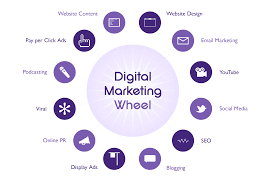
  • Content Marketing: Creating high-quality, informative content such as blog posts, articles, and videos can help establish thought leadership and attract potential clients.
  • Social Media Engagement: Engaging with followers on platforms like LinkedIn, Twitter, and Facebook can help build relationships and drive traffic to the firm’s website.
  • Online Reputation Management: Monitoring online reviews and managing the firm’s reputation is essential in building trust with clients and maintaining a positive image.
  • Data Analytics: Utilising data analytics tools to track website performance, user behaviour, and campaign effectiveness can provide valuable insights for optimising digital marketing efforts.

The Future of Law Firm Marketing

As technology continues to evolve, law firms must adapt their marketing strategies to stay ahead of the competition. Embracing emerging trends such as voice search optimisation, artificial intelligence in customer service, and interactive content can help law firms remain relevant in a rapidly changing digital landscape.

In conclusion, digital marketing presents a wealth of opportunities for law firms to connect with clients, enhance their reputation, and drive business growth. By leveraging the power of digital channels effectively, law firms can position themselves for success in the modern era of legal services.


Top 8 FAQs About Digital Marketing Strategies for Law Firms

  1. What is digital marketing for law firms?
  2. How can digital marketing benefit a law firm?
  3. What are the key strategies for successful digital marketing in the legal industry?
  4. How does SEO play a role in law firm digital marketing?
  5. What is the importance of content marketing for law firms?
  6. How can social media be used effectively for promoting a law firm online?
  7. What tools or platforms are commonly used in law firm digital marketing?
  8. What trends should law firms consider when planning their digital marketing strategies?

What is digital marketing for law firms?

Digital marketing for law firms encompasses a range of online strategies and techniques aimed at promoting legal services, enhancing brand visibility, and attracting potential clients in the digital realm. This includes activities such as search engine optimisation (SEO), content marketing, social media engagement, pay-per-click (PPC) advertising, and online reputation management. By leveraging these digital tools effectively, law firms can establish a strong online presence, showcase their expertise in the legal field, target specific audiences, and ultimately drive business growth. Digital marketing for law firms is essential in today’s competitive landscape to stay ahead of the curve and connect with clients in a meaningful way.

How can digital marketing benefit a law firm?

Digital marketing can benefit a law firm in numerous ways by enhancing its online visibility, establishing a strong brand presence, and targeting potential clients effectively. Through strategies such as search engine optimisation (SEO), pay-per-click (PPC) advertising, and content marketing, law firms can reach a wider audience and showcase their expertise in the legal field. By engaging with clients on social media platforms, managing online reputation, and leveraging data analytics for insights, law firms can build trust, drive traffic to their website, and optimise their marketing efforts. Embracing digital marketing allows law firms to stay competitive in today’s digital landscape and connect with clients in meaningful ways to drive business growth.

In the competitive landscape of the legal industry, implementing key strategies is essential for successful digital marketing. To thrive in this digital age, law firms must focus on content marketing to establish thought leadership and attract potential clients. Engaging with followers on social media platforms like LinkedIn and Twitter can help build relationships and drive traffic to the firm’s website. Additionally, monitoring online reviews and managing the firm’s reputation is crucial for building trust with clients. Leveraging data analytics tools to track website performance and campaign effectiveness provides valuable insights for optimising digital marketing efforts in the legal industry.

How does SEO play a role in law firm digital marketing?

Search Engine Optimisation (SEO) plays a crucial role in law firm digital marketing by enhancing the visibility and ranking of a law firm’s website in search engine results. By optimising the website’s content, keywords, and structure according to SEO best practices, law firms can improve their online presence and attract more organic traffic from potential clients searching for legal services. Effective SEO strategies not only increase the chances of appearing on the first page of search results but also establish the law firm as a reputable authority in its practice areas, ultimately driving more qualified leads and conversions.

What is the importance of content marketing for law firms?

Content marketing plays a pivotal role in the digital marketing strategy of law firms. By creating and sharing valuable, informative content, such as blog posts, articles, and videos, law firms can showcase their expertise, build credibility, and establish thought leadership in the legal field. Quality content not only helps to attract potential clients by addressing their legal concerns and providing valuable insights but also improves the firm’s search engine visibility through SEO. Ultimately, content marketing enables law firms to connect with their target audience on a deeper level, nurture relationships, and differentiate themselves in a competitive market.

How can social media be used effectively for promoting a law firm online?

Social media can be a powerful tool for promoting a law firm online when used effectively. By creating engaging and informative content tailored to the legal industry, law firms can showcase their expertise and build credibility with their audience. Utilising platforms like LinkedIn, Twitter, and Facebook allows law firms to connect with potential clients, share valuable insights, and establish thought leadership in their field. Engaging with followers, responding to inquiries promptly, and maintaining a consistent brand presence can help enhance visibility and attract new clients to the firm’s services. Additionally, targeted social media advertising campaigns can reach specific demographics interested in legal services, further maximising the impact of a law firm’s online marketing efforts.

What tools or platforms are commonly used in law firm digital marketing?

In law firm digital marketing, several tools and platforms are commonly utilised to enhance online visibility and attract potential clients. Search engine optimisation (SEO) tools such as SEMrush and Moz help improve website rankings in search engine results, increasing organic traffic. Social media platforms like LinkedIn, Twitter, and Facebook are essential for engaging with audiences, sharing valuable content, and building brand presence. Email marketing platforms such as Mailchimp and Constant Contact enable law firms to send targeted messages to subscribers, nurturing client relationships. Additionally, analytics tools like Google Analytics provide valuable insights into website performance and user behaviour, allowing firms to refine their digital marketing strategies for optimal results.

When planning their digital marketing strategies, law firms should carefully consider current trends that can impact their online presence and client engagement. Some key trends to take into account include the rise of voice search optimisation, the importance of mobile-friendly websites, the use of artificial intelligence for customer service automation, the growing influence of social media in legal marketing, and the demand for interactive and personalised content. By staying abreast of these trends and incorporating them into their digital strategies, law firms can effectively reach their target audience, enhance brand visibility, and stay competitive in the ever-evolving digital landscape.

digital pr strategy

Mastering the Art of Digital PR Strategy: A Guide to Online Success

The Power of Digital PR Strategy in Today’s Business Landscape

The Power of Digital PR Strategy in Today’s Business Landscape

In the fast-paced digital age, having a robust digital PR strategy is crucial for businesses looking to stand out in a crowded online landscape. Digital PR encompasses the use of online platforms and channels to manage a brand’s reputation, build relationships with key stakeholders, and ultimately drive business growth.

Key Elements of a Successful Digital PR Strategy

Effective digital PR strategies often involve a combination of content creation, influencer outreach, social media engagement, and online reputation management. By leveraging these key elements, businesses can enhance their online presence and connect with their target audience on a deeper level.

Content Creation

Compelling and relevant content lies at the core of any successful digital PR strategy. By creating high-quality content that resonates with your target audience, you can establish your brand as an authority in your industry and attract organic traffic to your website.

Influencer Outreach

Collaborating with influencers who align with your brand values can help amplify your message and reach a wider audience. Influencers have the power to drive engagement and generate buzz around your products or services, making them valuable partners in any digital PR campaign.

Social Media Engagement

Social media platforms provide businesses with unique opportunities to engage directly with their audience in real-time. By maintaining an active presence on social media and sharing valuable content, businesses can foster meaningful relationships with their followers and boost brand visibility.

Online Reputation Management

Managing your online reputation is essential for building trust and credibility with consumers. Monitoring online conversations about your brand, addressing customer feedback promptly, and showcasing positive reviews can help shape a positive perception of your business in the digital sphere.

The Benefits of a Strong Digital PR Strategy

A well-executed digital PR strategy can yield numerous benefits for businesses, including increased brand awareness, improved search engine visibility, enhanced credibility, and greater customer loyalty. By investing in digital PR efforts, businesses can differentiate themselves from competitors and create lasting connections with their target audience.

In conclusion, embracing the power of digital PR strategy is essential for businesses looking to thrive in today’s competitive marketplace. By incorporating innovative digital tactics into their PR initiatives, businesses can elevate their brand presence and achieve sustainable growth in the ever-evolving digital landscape.


Essential FAQs on Crafting an Effective Digital PR Strategy

  1. What are the types of digital PR?
  2. What is digital PR?
  3. What are some PR strategies?
  4. What makes a good digital PR campaign?
  5. What is digital PR examples?
  6. What is a digital PR plan?
  7. What are digital PR strategies?
  8. What is the PR strategy in the digital age?

What are the types of digital PR?

When exploring the realm of digital PR strategy, it is important to understand the various types of digital PR tactics that can be employed to enhance brand visibility and reputation online. Some common types of digital PR include content marketing, influencer partnerships, social media engagement, online reputation management, press releases, and digital storytelling. Each type serves a unique purpose in building a strong online presence and connecting with target audiences effectively. By incorporating a mix of these digital PR tactics into a comprehensive strategy, businesses can maximise their impact and achieve their communication goals in the ever-evolving digital landscape.

What is digital PR?

Digital PR refers to the strategic use of online platforms and channels to manage a brand’s reputation, engage with key stakeholders, and enhance visibility in the digital realm. It involves leveraging various digital tools and techniques, such as content creation, influencer partnerships, social media engagement, and online reputation management, to effectively communicate a brand’s message and connect with its target audience. Digital PR plays a vital role in shaping a brand’s online presence, building credibility, and driving business growth in today’s interconnected digital landscape.

What are some PR strategies?

When it comes to digital PR strategy, there are several key approaches that businesses can implement to enhance their online presence and engage with their target audience effectively. Some common PR strategies include content creation and distribution, influencer partnerships, social media engagement, online reputation management, crisis communication planning, and community engagement initiatives. By incorporating these strategies into their overall PR efforts, businesses can build brand credibility, foster meaningful relationships with stakeholders, and ultimately drive business growth in the digital realm.

What makes a good digital PR campaign?

A successful digital PR campaign is characterised by a combination of key elements that work together to achieve its objectives. Firstly, a good digital PR campaign starts with a clear and well-defined strategy that aligns with the overall goals of the business. It involves creating engaging and shareable content that resonates with the target audience, leveraging influencers and media partnerships to amplify reach, and actively engaging with followers on social media platforms. Monitoring and analysing campaign performance metrics are also crucial to measure success and make necessary adjustments for optimal results. Ultimately, a good digital PR campaign is one that effectively builds brand awareness, enhances credibility, and fosters meaningful connections with the audience in the digital realm.

What is digital PR examples?

Digital PR examples encompass a wide range of strategies and tactics used to enhance a brand’s online presence and reputation. Some common examples include creating engaging and shareable content that resonates with the target audience, collaborating with influencers to reach a wider demographic, leveraging social media platforms for real-time engagement with followers, and managing online reviews and feedback to maintain a positive brand image. By implementing these digital PR examples effectively, businesses can strengthen their online visibility, build credibility, and foster meaningful relationships with their customers in the digital realm.

What is a digital PR plan?

A digital PR plan is a strategic roadmap that outlines how a business will leverage online platforms and channels to enhance its brand reputation, engage with target audiences, and achieve specific communication objectives. It involves a systematic approach to managing a brand’s online presence through activities such as content creation, influencer partnerships, social media engagement, and online reputation management. A well-defined digital PR plan sets clear goals, identifies target audiences, defines key messages, and outlines tactics to effectively communicate with stakeholders in the digital realm. By developing and implementing a comprehensive digital PR plan, businesses can strengthen their online visibility, build credibility, and ultimately drive positive outcomes in today’s competitive digital landscape.

What are digital PR strategies?

Digital PR strategies encompass a range of online tactics and techniques used to manage a brand’s reputation, enhance its online presence, and engage with target audiences in the digital realm. These strategies typically involve activities such as content creation, influencer partnerships, social media engagement, and online reputation management. By leveraging digital PR strategies effectively, businesses can establish themselves as industry leaders, build credibility with their audience, and drive meaningful interactions that contribute to overall brand success in the competitive online landscape.

What is the PR strategy in the digital age?

In the digital age, PR strategy has evolved to encompass a multifaceted approach that leverages online platforms and communication channels to manage a brand’s reputation, engage with target audiences, and drive business objectives. Digital PR strategy involves creating compelling content, engaging with influencers, utilising social media effectively, and monitoring online conversations to shape a positive brand image. By embracing the digital landscape, businesses can amplify their messaging, build credibility, and establish meaningful connections with their stakeholders in a dynamic and ever-changing online environment.

digital agency marketing

Unlocking Success: The Impact of Digital Agency Marketing Strategies

Digital Agency Marketing

The Power of Digital Agency Marketing

In today’s fast-paced digital landscape, businesses are constantly seeking ways to stand out and connect with their target audience. This is where digital agency marketing plays a crucial role. Digital agencies are experts in leveraging online channels to help brands reach and engage with customers effectively.

Key Components of Digital Agency Marketing

Digital agency marketing encompasses a wide range of services aimed at enhancing a brand’s online presence and driving growth. Some key components include:

  • Website Development: Digital agencies create visually appealing and user-friendly websites that serve as the online hub for a brand’s activities.
  • Search Engine Optimization (SEO): By optimising website content and structure, digital agencies help businesses improve their search engine rankings and increase visibility.
  • Social Media Management: Digital agencies develop social media strategies to engage with audiences on platforms like Facebook, Instagram, Twitter, and LinkedIn.
  • Pay-Per-Click (PPC) Advertising: Digital agencies run targeted advertising campaigns to drive traffic to websites and generate leads or sales.
  • Email Marketing: Through personalised email campaigns, digital agencies nurture relationships with customers and encourage repeat business.

The Benefits of Working with a Digital Agency

Collaborating with a digital agency offers numerous advantages for businesses looking to enhance their online presence:

  • Expertise: Digital agencies have the knowledge and skills to implement effective marketing strategies tailored to each client’s unique needs.
  • Data-Driven Approach: By analysing data and metrics, digital agencies can measure the success of campaigns and make informed decisions for future initiatives.
  • Creative Solutions: Digital agencies bring fresh ideas and creative concepts to the table, helping brands differentiate themselves in a crowded marketplace.
  • Saves Time and Resources: Outsourcing digital marketing efforts to an agency allows businesses to focus on core operations while professionals handle their online presence.

In Conclusion

Digital agency marketing is an essential tool for businesses looking to thrive in the digital age. By partnering with a reputable agency, brands can unlock new opportunities, reach wider audiences, and achieve their marketing goals effectively. Embrace the power of digital agency marketing today to elevate your brand’s online presence and drive success!


Understanding Digital Agency Marketing: Answers to Common Questions

  1. What services do digital agencies offer for marketing?
  2. How can digital agency marketing help my business grow?
  3. What is the typical process of working with a digital agency for marketing?
  4. How do digital agencies measure the success of marketing campaigns?
  5. What are the key benefits of outsourcing marketing to a digital agency?
  6. Can a digital agency tailor their services to suit my specific business needs?

What services do digital agencies offer for marketing?

Digital agencies offer a wide range of services to support marketing efforts in the digital realm. These services typically include website development, search engine optimisation (SEO), social media management, pay-per-click (PPC) advertising, email marketing, content creation, online reputation management, and analytics. By utilising these services, digital agencies help businesses enhance their online presence, engage with their target audience effectively, and achieve their marketing goals in a competitive digital landscape.

How can digital agency marketing help my business grow?

Digital agency marketing can significantly contribute to the growth of your business by leveraging various online strategies and channels to reach and engage with your target audience effectively. By partnering with a digital agency, you can benefit from their expertise in website development, search engine optimisation (SEO), social media management, pay-per-click (PPC) advertising, and email marketing. These tailored strategies not only enhance your online presence but also drive traffic to your website, generate leads, and increase conversions. With a data-driven approach and creative solutions, digital agency marketing can help you stand out in the competitive digital landscape, expand your reach, and ultimately achieve your business goals.

What is the typical process of working with a digital agency for marketing?

When engaging with a digital agency for marketing services, the typical process involves several key steps to ensure a successful collaboration. Initially, the client and the agency will have an introductory meeting to discuss goals, objectives, and expectations. Following this, the agency will conduct a thorough analysis of the client’s current online presence, target audience, and competitors. Based on this assessment, a customised marketing strategy will be developed, outlining specific tactics and channels to be utilised. Throughout the implementation phase, regular communication and progress updates are provided to keep the client informed. Evaluation of campaign performance and adjustments are made as necessary to optimise results and achieve the desired outcomes. Ultimately, working with a digital agency for marketing involves a structured approach that aims to deliver measurable results and drive business growth in the digital realm.

How do digital agencies measure the success of marketing campaigns?

Digital agencies employ various metrics and tools to measure the success of their marketing campaigns. One common approach is to track key performance indicators (KPIs) such as website traffic, conversion rates, click-through rates, and engagement levels on social media platforms. By analysing these data points, digital agencies can gauge the effectiveness of their strategies and make informed decisions for optimising future campaigns. Additionally, they may use advanced analytics tools to assess ROI, customer acquisition costs, and overall campaign performance to ensure that their efforts are driving tangible results for their clients.

What are the key benefits of outsourcing marketing to a digital agency?

Outsourcing marketing to a digital agency offers a range of key benefits for businesses seeking to enhance their online presence and drive growth. By partnering with a digital agency, companies can tap into the expertise of professionals who specialise in digital marketing strategies tailored to their specific needs. This collaboration allows businesses to benefit from a data-driven approach, where performance metrics are analysed to measure the success of campaigns and inform future decisions. Additionally, outsourcing marketing to a digital agency frees up valuable time and resources for businesses to focus on core operations, while experienced professionals handle their online marketing efforts efficiently and creatively.

Can a digital agency tailor their services to suit my specific business needs?

When considering digital agency marketing, a common question that arises is whether a digital agency can tailor their services to suit specific business needs. The answer is a resounding yes. A reputable digital agency understands that every business is unique, with distinct goals, target audiences, and challenges. Therefore, they are adept at customising their services to align with the specific requirements of each client. By collaborating closely with businesses, digital agencies can develop bespoke strategies that address individual needs and deliver tangible results. This tailored approach ensures that businesses receive personalised solutions that resonate with their brand identity and objectives.