
marketing and digital marketing

Exploring the Power of Marketing in the Digital Age: A Dive into Digital Marketing Strategies

Marketing and Digital Marketing

The Evolution of Marketing: From Traditional to Digital

Marketing has always been a crucial aspect of business growth and success. Over the years, the landscape of marketing has undergone significant transformations, with the rise of digital marketing revolutionising the way businesses connect with their target audiences.

Traditional Marketing

In the past, traditional marketing methods such as print ads, TV commercials, and billboards were dominant in reaching consumers. While these methods were effective in their time, they often lacked precise targeting and real-time data analysis.

The Rise of Digital Marketing

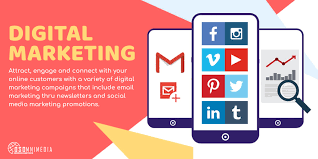
Digital marketing has emerged as a game-changer in the marketing world, offering businesses new ways to engage with customers online. Through channels like social media, email marketing, search engine optimisation (SEO), and pay-per-click advertising (PPC), companies can now reach specific audiences with tailored messages.

The Benefits of Digital Marketing

  • Targeted Advertising: Digital marketing allows businesses to target their ideal customers based on demographics, interests, and online behaviour.
  • Data-Driven Insights: With digital marketing tools, companies can track and analyse campaign performance in real time, enabling them to make informed decisions about future strategies.
  • Creative Flexibility: Digital platforms offer endless possibilities for creativity through interactive content, videos, and personalised messaging.
  • Global Reach: Unlike traditional marketing which is often limited by geography, digital marketing enables businesses to reach a global audience at a fraction of the cost.

The Future of Marketing

As technology continues to advance at a rapid pace, the future of marketing is likely to be even more intertwined with digital innovations. Artificial intelligence (AI), virtual reality (VR), and voice search are just some of the trends shaping the future landscape of marketing.

In conclusion, while traditional marketing still holds value in certain contexts, it is clear that digital marketing offers unparalleled opportunities for businesses to connect with consumers in today’s digital age. By embracing digital strategies and staying ahead of trends, companies can position themselves for success in an ever-evolving marketplace.


Seven Advantages of Marketing and Digital Marketing in the Modern Era

  1. Targeted advertising based on demographics and online behaviour
  2. Real-time data analysis for campaign performance tracking
  3. Cost-effective compared to traditional marketing methods
  4. Global reach to a vast online audience
  5. Creative flexibility with various digital platforms and content formats
  6. Ability to engage with customers through interactive features
  7. Opportunity for continuous optimization and improvement of marketing strategies


Exploring the Challenges of Marketing: From High Competition to Measurement Dilemmas

  1. 1. High Competition
  2. 2. Information Overload
  3. 3. Costly Investments
  4. 4. Rapid Changes
  5. 5. Privacy Concerns
  6. 6. Negative Feedback Amplification
  7. 7. Measurement Challenges

Targeted advertising based on demographics and online behaviour

Targeted advertising based on demographics and online behaviour is a powerful advantage of digital marketing. By leveraging data insights, businesses can tailor their marketing messages to specific audience segments, ensuring that the right message reaches the right people at the right time. This level of precision allows for more effective campaigns, higher engagement rates, and ultimately, increased return on investment. Digital marketing’s ability to target audiences based on demographics and online behaviour not only enhances the customer experience but also maximises the impact of marketing efforts, driving business growth and success.

Real-time data analysis for campaign performance tracking

Real-time data analysis is a significant advantage of digital marketing, allowing businesses to track campaign performance with precision and immediacy. By leveraging digital tools and analytics, companies can access up-to-the-minute insights into how their marketing efforts are resonating with their target audience. This real-time feedback enables quick adjustments to strategies, ensuring that resources are allocated effectively and optimising the overall impact of the campaign. The ability to monitor and adapt in real-time sets digital marketing apart, offering a level of agility and responsiveness that traditional marketing methods struggle to match.

Cost-effective compared to traditional marketing methods

In comparison to traditional marketing methods, one significant advantage of marketing and digital marketing is their cost-effectiveness. Digital marketing offers businesses the opportunity to reach a wider audience at a fraction of the cost associated with traditional advertising channels such as print ads or TV commercials. With targeted online campaigns, businesses can allocate their budgets more efficiently, track their return on investment in real-time, and adjust strategies as needed, making digital marketing a highly cost-effective solution for reaching and engaging with consumers in today’s competitive marketplace.

Global reach to a vast online audience

One significant advantage of digital marketing is its ability to provide businesses with a global reach to a vast online audience. Unlike traditional marketing methods that are often limited by geographical boundaries, digital marketing allows companies to connect with potential customers worldwide. Through various online channels such as social media, search engines, and email campaigns, businesses can target and engage with diverse audiences across different regions, expanding their brand presence and driving growth on a global scale. This unparalleled reach to a vast online audience enables businesses to increase brand visibility, generate leads, and ultimately boost sales in markets beyond their local reach.

Creative flexibility with various digital platforms and content formats

One significant advantage of digital marketing is the creative flexibility it offers through a variety of digital platforms and content formats. Businesses can explore interactive content, videos, infographics, podcasts, and personalised messaging to engage with their target audience in innovative ways. This flexibility allows companies to experiment with different creative strategies and tailor their messaging to resonate with specific customer segments, ultimately enhancing brand visibility and driving customer engagement.

Ability to engage with customers through interactive features

The ability to engage with customers through interactive features is a significant advantage of marketing, especially in the realm of digital marketing. By incorporating interactive elements such as quizzes, polls, videos, and live chats into campaigns, businesses can create immersive experiences that captivate audiences and encourage active participation. This not only enhances brand awareness and customer engagement but also allows for valuable insights into consumer preferences and behaviours. Interactive features in digital marketing enable businesses to build meaningful connections with their target audience, fostering loyalty and driving conversions in an increasingly competitive online landscape.

Opportunity for continuous optimization and improvement of marketing strategies

One significant advantage of marketing, particularly digital marketing, is the opportunity for continuous optimization and improvement of marketing strategies. With digital tools and analytics, businesses can gather real-time data on campaign performance, audience engagement, and conversion rates. This data-driven approach allows companies to identify what works well and what needs adjustment, enabling them to refine their strategies for better results. By constantly monitoring and analysing metrics, businesses can adapt quickly to changing trends and consumer behaviour, ensuring that their marketing efforts remain effective and competitive in the dynamic digital landscape.

1. High Competition

In the realm of marketing, particularly in the digital sphere, one significant drawback is the intense competition that businesses face. The saturated market and the ever-growing number of companies vying for consumer attention make it increasingly difficult for businesses to differentiate themselves and carve out a unique identity. Standing out amidst the sea of competitors requires strategic thinking, creativity, and a deep understanding of target audiences to effectively cut through the noise and make a lasting impact in a highly competitive landscape.

2. Information Overload

In the realm of marketing and digital marketing, a significant drawback is the issue of information overload. In today’s hyper-connected world, consumers are inundated with a constant stream of marketing messages from various channels. This saturation makes it challenging for businesses to cut through the noise and truly engage their target audience. Capturing and maintaining the attention of consumers amidst this deluge of information requires strategic and thoughtful approaches to ensure that marketing efforts are not lost in the sea of competing messages.

3. Costly Investments

Effective marketing campaigns often demand substantial financial resources, making them a costly investment for businesses. Despite the financial commitment, there is no guarantee of immediate returns in the competitive landscape of marketing and digital marketing. Companies must carefully weigh the potential costs against the expected outcomes to ensure that their investments yield desirable results in the long run.

4. Rapid Changes

In the realm of marketing and digital marketing, one significant drawback is the rapid pace of change in trends and technologies. This constant evolution means that strategies implemented today may become obsolete tomorrow, necessitating continual adaptation and updates to remain competitive in the dynamic marketplace. Keeping up with these rapid changes can be challenging for businesses, requiring a proactive approach to stay ahead of the curve and effectively engage with consumers in an ever-shifting landscape.

5. Privacy Concerns

Privacy concerns represent a significant drawback of digital marketing. With the increasing reliance on consumer data for targeted advertising, businesses often tread a fine line between personalisation and invasion of privacy. The collection and utilisation of sensitive information raise ethical dilemmas regarding consent, transparency, and data security. As consumers become more aware of their digital footprint, addressing these privacy concerns becomes paramount for businesses to maintain trust and credibility in the digital realm.

6. Negative Feedback Amplification

In the realm of marketing and digital marketing, one significant con is the phenomenon of negative feedback amplification. With the prevalence of social media channels, any criticism or negative feedback directed towards a business can quickly gain traction and spread like wildfire online. This rapid dissemination of unfavourable comments has the potential to significantly harm a company’s reputation, as it can reach a wide audience within a short period of time. Managing and mitigating negative feedback in the digital space requires vigilance and proactive strategies to protect brand image and maintain customer trust.

7. Measurement Challenges

Measuring the true impact and return on investment (ROI) of marketing activities, especially in digital channels, presents a significant challenge due to the complexity of attribution models and data sources. Determining the exact contribution of each marketing touchpoint towards a conversion or sale can be intricate, as customers often interact with multiple channels before making a purchase. This complexity can lead to difficulties in accurately assessing the effectiveness of different marketing strategies and allocating resources optimally for maximum impact.
digital marketing transformation

Unlocking Success: The Power of Digital Marketing Transformation in Today’s Business Landscape

Digital Marketing Transformation

The Power of Digital Marketing Transformation

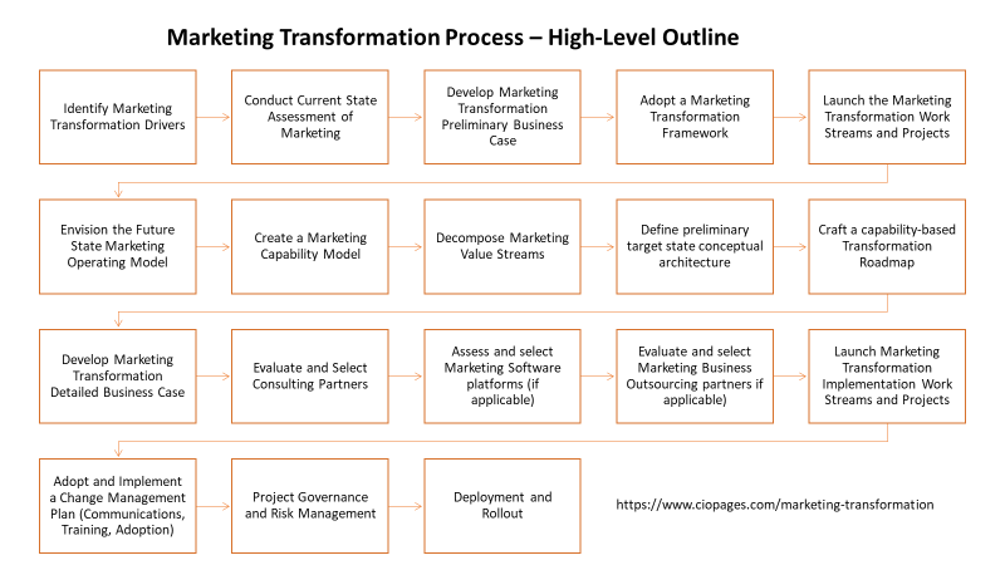
In today’s fast-paced digital landscape, businesses are constantly evolving to stay ahead of the curve. One key aspect of this evolution is the transformation of traditional marketing strategies into digital marketing solutions. Digital marketing transformation is not just a trend; it is a necessity for businesses looking to thrive in the digital age.

What is Digital Marketing Transformation?

Digital marketing transformation involves the integration of digital technologies and data-driven strategies to enhance marketing efforts and reach target audiences more effectively. It encompasses a shift from traditional methods such as print ads and billboards to online channels like social media, search engine optimisation (SEO), email marketing, and more.

The Benefits of Digital Marketing Transformation

Embracing digital marketing transformation offers businesses numerous benefits, including:

  • Increased Reach: Digital platforms allow businesses to reach a global audience instantaneously, breaking geographical barriers.
  • Targeted Advertising: Data analytics enable precise targeting of specific demographics, increasing the efficiency of advertising campaigns.
  • Measurable Results: Digital marketing provides real-time analytics that allow businesses to track campaign performance and adjust strategies accordingly.
  • Cost-Effectiveness: Compared to traditional marketing methods, digital marketing often offers a higher return on investment due to its targeted approach.
  • Enhanced Customer Engagement: Interactive features like social media engagement and personalised content help businesses connect with their audience on a deeper level.

Key Strategies for Successful Digital Marketing Transformation

To successfully implement digital marketing transformation, businesses should consider the following strategies:

  1. Data-Driven Decision Making: Utilise data analytics to understand customer behaviour and preferences, allowing for more targeted campaigns.
  2. Multichannel Approach: Engage with customers across various online platforms to maximise visibility and engagement.
  3. Ongoing Learning and Adaptation: Stay up-to-date with industry trends and continuously adapt strategies to remain competitive in the digital space.

In Conclusion

Digital marketing transformation is not just an option for businesses; it is a vital component of staying relevant in today’s increasingly digital world. By embracing digital technologies and adopting data-driven strategies, businesses can unlock new opportunities for growth, engagement, and success in the ever-evolving marketplace.

Contact us today to learn how we can help your business navigate the realm of digital marketing transformation!


6 Essential Tips for Mastering Digital Marketing Transformation

  1. Understand your target audience and their online behaviour.
  2. Create a strong online presence across various digital platforms.
  3. Utilise data analytics to track and measure the performance of your digital marketing efforts.
  4. Invest in search engine optimisation (SEO) to improve visibility and ranking on search engines.
  5. Engage with your audience through interactive content such as videos, quizzes, and polls.
  6. Stay updated with the latest digital marketing trends and technologies to adapt and evolve your strategies.

Understand your target audience and their online behaviour.

To succeed in digital marketing transformation, it is crucial to understand your target audience and their online behaviour. By gaining insights into the preferences, habits, and demographics of your audience, you can tailor your digital marketing strategies to effectively reach and engage with them. Understanding how your target audience interacts online allows you to create targeted campaigns that resonate with their interests, leading to increased brand awareness, customer engagement, and ultimately, business growth.

Create a strong online presence across various digital platforms.

Creating a strong online presence across a variety of digital platforms is essential for successful digital marketing transformation. By establishing a consistent and engaging presence on platforms such as social media, search engines, and email marketing, businesses can reach a wider audience, increase brand visibility, and foster meaningful connections with customers. This multichannel approach not only enhances brand recognition but also allows for targeted communication tailored to different segments of the target market, ultimately driving engagement and conversion rates.

Utilise data analytics to track and measure the performance of your digital marketing efforts.

By utilising data analytics to track and measure the performance of your digital marketing efforts, you can gain valuable insights into the effectiveness of your strategies. Data-driven analysis allows you to understand customer behaviour, identify trends, and make informed decisions to optimise your campaigns for maximum impact. Tracking key metrics and performance indicators enables you to refine your approach, target specific demographics more effectively, and ultimately enhance the overall success of your digital marketing initiatives.

Invest in search engine optimisation (SEO) to improve visibility and ranking on search engines.

Investing in search engine optimisation (SEO) is a crucial step in digital marketing transformation. By focusing on SEO strategies, businesses can enhance their online visibility and improve their ranking on search engines like Google. This not only increases the likelihood of attracting organic traffic to their website but also helps them reach a wider audience of potential customers actively searching for products or services in their industry. Prioritising SEO as part of the digital marketing strategy can lead to long-term benefits by establishing a strong online presence and driving sustainable growth for the business.

Engage with your audience through interactive content such as videos, quizzes, and polls.

To enhance your digital marketing transformation, it is crucial to engage with your audience through interactive content like videos, quizzes, and polls. These interactive elements not only capture the attention of your target audience but also encourage active participation and feedback. By incorporating such engaging content into your digital strategy, you can create a more immersive and personalised experience for your audience, fostering stronger connections and driving higher levels of engagement with your brand.

To thrive in the realm of digital marketing transformation, it is crucial to stay abreast of the latest trends and technologies shaping the industry. By continuously updating your knowledge and embracing new tools, you can adapt your strategies effectively and evolve with the ever-changing digital landscape. Keeping pace with emerging trends allows businesses to remain competitive, engage with their target audience more effectively, and drive meaningful results in their digital marketing efforts.

internet marketing service

Unlocking the Potential of Professional Internet Marketing Services

The Power of Internet Marketing Services

The Power of Internet Marketing Services

In today’s digital age, internet marketing services have become essential for businesses looking to establish a strong online presence and reach their target audience effectively. Internet marketing encompasses a wide range of strategies and techniques that leverage the power of the internet to promote products or services, engage with customers, and drive business growth.

Benefits of Internet Marketing Services

One of the key benefits of internet marketing services is the ability to reach a global audience without geographical limitations. Through channels such as search engine optimisation (SEO), pay-per-click advertising (PPC), social media marketing, email marketing, and content marketing, businesses can connect with potential customers from around the world.

Internet marketing services also offer measurable results, allowing businesses to track the performance of their campaigns in real-time. This data-driven approach enables companies to make informed decisions and optimise their strategies for better outcomes.

Types of Internet Marketing Services

Internet marketing services encompass various tactics tailored to meet specific business goals. SEO focuses on improving a website’s visibility in search engine results, while PPC advertising allows businesses to display ads on search engines and pay only when users click on them.

Social media marketing involves promoting products or services on popular social platforms like Facebook, Instagram, Twitter, and LinkedIn to engage with audiences and build brand awareness. Email marketing targets customers directly through personalised messages sent via email.

The Future of Internet Marketing

As technology continues to evolve, internet marketing services will adapt to new trends and innovations. Artificial intelligence (AI), voice search optimisation, video marketing, and influencer partnerships are among the emerging strategies that businesses can leverage to stay ahead in the competitive online landscape.

By investing in internet marketing services, businesses can enhance their online visibility, attract more leads, convert prospects into customers, and ultimately drive revenue growth. In an increasingly digital world, embracing internet marketing is crucial for staying relevant and competitive in the market.


9 Essential Tips for Mastering Internet Marketing Services

  1. Understand your target audience and their online behaviour.
  2. Create a strong online presence through a professional website and social media profiles.
  3. Implement search engine optimisation (SEO) strategies to improve visibility on search engines.
  4. Utilise pay-per-click (PPC) advertising for immediate results.
  5. Produce high-quality content that is relevant and engaging to your audience.
  6. Engage with your customers through email marketing campaigns.
  7. Monitor and analyse key performance indicators (KPIs) to track the success of your campaigns.
  8. Stay updated with the latest trends and technologies in internet marketing.
  9. Regularly assess and adapt your internet marketing strategies for optimal results.

Understand your target audience and their online behaviour.

To maximise the effectiveness of your internet marketing services, it is crucial to understand your target audience and their online behaviour. By gaining insights into the preferences, interests, and habits of your potential customers, you can tailor your marketing strategies to resonate with them effectively. Understanding where and how your audience interacts online enables you to create targeted campaigns that engage with them in meaningful ways, ultimately leading to higher conversion rates and increased brand loyalty. By investing time in comprehending your target audience’s online behaviour, you can position your business for success in the competitive digital landscape.

Create a strong online presence through a professional website and social media profiles.

Creating a strong online presence through a professional website and engaging social media profiles is a fundamental tip in internet marketing services. A well-designed website acts as a virtual storefront, showcasing your brand identity and offerings to potential customers. Coupled with active and compelling social media profiles, businesses can establish credibility, connect with their target audience, and drive traffic to their online platforms. By maintaining consistency in branding and content across these channels, businesses can effectively communicate their value proposition and build lasting relationships with customers in the digital landscape.

Implement search engine optimisation (SEO) strategies to improve visibility on search engines.

Implementing search engine optimisation (SEO) strategies is crucial for improving visibility on search engines and driving organic traffic to your website. By optimising your website content, meta tags, and technical elements according to SEO best practices, you can increase your chances of ranking higher in search engine results pages. This enhanced visibility not only attracts more relevant visitors to your site but also establishes credibility and trust with both users and search engines, ultimately leading to improved online presence and better conversion rates.

Utilise pay-per-click (PPC) advertising for immediate results.

To achieve immediate results in your online marketing efforts, consider utilising pay-per-click (PPC) advertising. PPC allows businesses to display targeted ads on search engines and pay only when users click on them. This highly effective strategy not only drives immediate traffic to your website but also provides valuable data for refining your marketing campaigns. By investing in PPC advertising, businesses can quickly increase their online visibility, attract relevant leads, and generate measurable results to enhance their overall digital marketing performance.

Produce high-quality content that is relevant and engaging to your audience.

Producing high-quality content that is relevant and engaging to your audience is a fundamental tip in internet marketing services. By creating valuable and compelling content that resonates with your target audience, you can establish credibility, build trust, and attract and retain customers. Whether it’s informative blog posts, captivating videos, or interactive social media posts, delivering content that meets the needs and interests of your audience can drive traffic to your website, increase brand awareness, and ultimately lead to conversions. Quality content not only helps improve your search engine rankings but also fosters meaningful connections with your customers, encouraging them to engage with your brand and become loyal advocates.

Engage with your customers through email marketing campaigns.

To enhance your internet marketing strategy, consider engaging with your customers through targeted email marketing campaigns. Personalised emails tailored to your audience’s preferences and behaviours can help foster stronger relationships, increase brand loyalty, and drive conversions. By delivering relevant content and promotions directly to their inbox, you can keep customers informed, engaged, and interested in your products or services. Email marketing campaigns provide a valuable opportunity to connect with your audience on a more personal level and encourage them to take action, whether it’s making a purchase, signing up for an event, or simply staying updated on your latest offerings.

Monitor and analyse key performance indicators (KPIs) to track the success of your campaigns.

Monitoring and analysing key performance indicators (KPIs) is crucial in the realm of internet marketing services to evaluate the effectiveness and impact of your campaigns. By tracking metrics such as website traffic, conversion rates, click-through rates, and engagement levels, businesses can gain valuable insights into the performance of their online initiatives. This data-driven approach not only helps in measuring success but also enables businesses to make informed decisions, refine strategies, and optimise future campaigns for better results. Regularly monitoring KPIs ensures that businesses stay on track towards achieving their marketing objectives and maximising their return on investment in the digital space.

To maximise the effectiveness of your internet marketing efforts, it is crucial to stay updated with the latest trends and technologies in the field. By keeping abreast of emerging strategies such as artificial intelligence, voice search optimisation, and video marketing, businesses can adapt their online campaigns to meet evolving consumer preferences and stay ahead of the competition. Continuous learning and implementation of new tools and techniques ensure that your internet marketing services remain relevant and impactful in reaching and engaging with your target audience effectively.

Regularly assess and adapt your internet marketing strategies for optimal results.

To maximise the effectiveness of your internet marketing efforts, it is crucial to continuously evaluate and adjust your strategies. By regularly assessing the performance of your campaigns, analysing key metrics, and staying abreast of industry trends, you can identify areas for improvement and make necessary adaptations to achieve optimal results. Flexibility and a willingness to evolve are key in the dynamic world of online marketing, ensuring that your strategies remain relevant and impactful in reaching your target audience and driving business growth.

social media advertising

Unlocking the Potential of Social Media Advertising: A Guide to Effective Strategies

The Power of Social Media Advertising

The Power of Social Media Advertising

Social media advertising has revolutionised the way businesses connect with their target audience. With the rise of platforms like Facebook, Instagram, Twitter, and LinkedIn, companies now have unprecedented access to a vast pool of potential customers.

One of the key advantages of social media advertising is its ability to target specific demographics with precision. Through advanced targeting options, businesses can tailor their ads to reach users based on factors such as age, location, interests, and online behaviour. This level of targeting ensures that ads are seen by the right people, increasing the likelihood of engagement and conversion.

Furthermore, social media advertising offers unparalleled reach and visibility. With billions of active users across various platforms, businesses can amplify their brand message to a global audience at a fraction of the cost compared to traditional advertising methods. Whether it’s promoting products, driving website traffic, or increasing brand awareness, social media advertising provides a powerful platform for achieving marketing objectives.

In addition to targeting and reach, social media advertising also allows for real-time performance tracking and optimisation. Businesses can monitor key metrics such as click-through rates, conversions, and engagement levels to measure the effectiveness of their campaigns. This data-driven approach enables continuous refinement and improvement to maximise ROI and drive better results over time.

As social media continues to evolve and play an integral role in people’s lives, leveraging its advertising capabilities has become essential for businesses looking to stay competitive in today’s digital landscape. By harnessing the power of social media advertising, companies can engage with their audience on a personal level, build brand loyalty, and drive sustainable growth in an increasingly interconnected world.


Maximising Impact: The Top 7 Advantages of Social Media Advertising

  1. Precise targeting options to reach specific demographics
  2. Cost-effective compared to traditional advertising methods
  3. Global reach with access to billions of active users
  4. Increased brand visibility and awareness
  5. Real-time performance tracking for campaign optimisation
  6. Ability to engage with the audience on a personal level
  7. Facilitates building brand loyalty and trust


Challenges of Social Media Advertising: Navigating Ad Fatigue, Blockers, and Privacy Concerns

  1. 1. Ad fatigue
  2. 2. Ad blockers
  3. 3. Costly competition
  4. 4. Negative feedback
  5. 5. Limited organic reach
  6. 6. Data privacy concerns

Precise targeting options to reach specific demographics

Social media advertising offers a significant advantage through its precise targeting options, allowing businesses to tailor their ads to reach specific demographics with accuracy. By leveraging advanced targeting tools based on factors such as age, location, interests, and online behaviour, companies can ensure that their messages resonate with the right audience segments. This level of precision not only increases the effectiveness of ad campaigns but also enhances engagement and conversion rates by delivering relevant content to the individuals most likely to be interested in their products or services.

Cost-effective compared to traditional advertising methods

Social media advertising offers a significant advantage in terms of cost-effectiveness when compared to traditional advertising methods. Businesses can reach a large and targeted audience on social media platforms at a fraction of the cost of traditional print, TV, or radio ads. With the ability to set specific budgets, track performance metrics in real-time, and adjust campaigns as needed, social media advertising provides a cost-efficient solution for companies looking to maximise their marketing budget and achieve measurable results.

Global reach with access to billions of active users

One of the standout advantages of social media advertising is its unparalleled global reach, granting businesses access to billions of active users across various platforms. This vast audience presents a unique opportunity for companies to amplify their brand message and engage with potential customers on a global scale. By tapping into this extensive user base, businesses can expand their reach far beyond traditional boundaries, increasing brand visibility and opening up new avenues for growth and market expansion.

Increased brand visibility and awareness

Social media advertising offers businesses the opportunity to significantly boost their brand visibility and awareness. By strategically promoting content and ads across popular social platforms, companies can reach a broader audience and increase their brand recognition. This increased visibility not only helps in attracting new customers but also reinforces brand loyalty among existing ones. Through targeted campaigns that showcase the unique value proposition of the brand, businesses can leave a lasting impression on users, ultimately driving engagement and fostering a strong brand presence in the competitive digital landscape.

Real-time performance tracking for campaign optimisation

One significant advantage of social media advertising is the ability to conduct real-time performance tracking for campaign optimisation. By monitoring key metrics such as engagement rates, click-throughs, and conversions in real-time, businesses can make data-driven decisions to adjust their strategies on the fly. This agile approach allows for continuous refinement and improvement of advertising campaigns, leading to better results and a higher return on investment. The ability to track performance in real-time empowers businesses to adapt quickly to changing market conditions and consumer behaviour, ensuring that their advertising efforts remain effective and relevant in a dynamic digital landscape.

Ability to engage with the audience on a personal level

Social media advertising offers businesses the unique advantage of engaging with their audience on a personal level. By leveraging the interactive nature of social platforms, companies can create tailored content that resonates with individual users, fostering a sense of connection and authenticity. This personalised approach not only enhances brand loyalty but also encourages meaningful interactions, feedback, and customer relationships. Through targeted messaging and direct communication, businesses can establish a genuine rapport with their audience, leading to increased trust, engagement, and long-term customer retention.

Facilitates building brand loyalty and trust

Social media advertising serves as a powerful tool in facilitating the building of brand loyalty and trust among consumers. By engaging with audiences on social platforms through targeted and personalised content, businesses can establish meaningful connections that resonate with their customers. Consistent interaction, transparency, and authenticity in communication foster trust, while showcasing brand values and fostering a sense of community help to cultivate lasting loyalty. Through strategic use of social media advertising, companies can nurture relationships with their audience, enhance brand perception, and create a loyal customer base that advocates for their brand.

1. Ad fatigue

One significant drawback of social media advertising is ad fatigue, where users may experience a sense of weariness from encountering repetitive ads on their feeds. This phenomenon can result in decreased engagement levels as individuals become desensitised to the content being promoted. The oversaturation of similar advertisements can lead to a negative user experience, potentially causing users to ignore or scroll past ads altogether. To combat ad fatigue, businesses need to employ strategic ad rotation, creative variation, and audience targeting to ensure that their ads remain fresh and relevant to maintain user interest and maximise campaign effectiveness.

2. Ad blockers

One significant drawback of social media advertising is the prevalence of ad blockers among users. Ad-blocking software has become increasingly popular, allowing individuals to filter out unwanted ads, including those on social media platforms. As a result, businesses investing in social media advertising may find their ads blocked and their reach limited, impacting the effectiveness of their campaigns. This challenge underscores the need for marketers to explore alternative strategies to engage with audiences who actively avoid traditional forms of online advertising.

3. Costly competition

The rise in popularity of social media advertising has brought about a significant challenge for businesses: the escalating costs due to heightened competition. As more companies flock to social media platforms to promote their products and services, the bidding war for ad space intensifies, resulting in inflated advertising expenses. This increased competition makes it harder for businesses, especially smaller ones with limited budgets, to effectively reach their target audience without having to allocate substantial resources towards advertising campaigns. The cost factor poses a notable con of social media advertising, requiring businesses to strategize carefully and optimise their campaigns to achieve cost-effective results amidst the competitive landscape.

4. Negative feedback

In certain instances, social media advertising can be accompanied by negative feedback from users, which has the potential to harm a brand’s reputation. Negative comments or feedback on ads can spread quickly across social platforms, influencing how the public perceives a company or its products. Managing and addressing such feedback effectively is crucial to mitigating any adverse impact on brand image and maintaining a positive online reputation.

5. Limited organic reach

In the realm of social media advertising, one significant drawback is the limited organic reach that businesses face on platforms. With algorithms favouring paid content, organic posts often struggle to gain visibility among users. This shift in prioritisation makes it increasingly challenging for businesses to organically reach their target audience without allocating resources towards paid advertising efforts. As a result, companies must navigate this landscape strategically to ensure their message resonates with their audience effectively, despite the limitations of organic reach on social media platforms.

6. Data privacy concerns

Social media advertising’s reliance on user data for targeting purposes raises significant data privacy concerns. As businesses utilise this data to tailor ads to specific demographics, consumers are increasingly wary of how their personal information is being used. This has led to growing apprehension among users about the protection of their data and the potential implications of targeted advertising on their online privacy. The lack of transparency in data collection practices and the risk of data breaches have fuelled concerns, potentially leading to backlash from consumers who value their privacy rights in the digital age.