The Power of SEO and SEM Marketing
The Power of SEO and SEM Marketing
In the digital age, having a strong online presence is crucial for businesses looking to reach their target audience and drive growth. Search Engine Optimization (SEO) and Search Engine Marketing (SEM) are two powerful tools that can help businesses improve their visibility and attract more customers.
Search Engine Optimization (SEO)
SEO is the process of optimizing your website to rank higher in search engine results pages organically. By using relevant keywords, creating high-quality content, and improving website performance, businesses can increase their chances of appearing at the top of search engine results for relevant queries. This not only drives more traffic to their website but also enhances brand credibility and trust among users.
Search Engine Marketing (SEM)
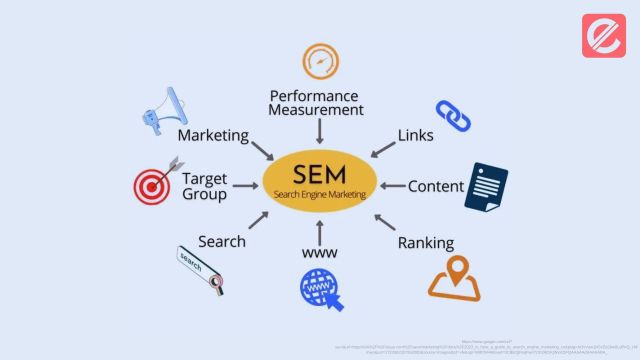
SEM involves paid advertising efforts to promote a website’s visibility in search engine results pages. Through tools like Google Ads, businesses can create targeted ads that appear at the top of search results for specific keywords. SEM allows businesses to reach a wider audience quickly and generate immediate traffic to their websites. By carefully managing ad campaigns and monitoring performance metrics, businesses can maximise their return on investment through SEM.
The Benefits of SEO and SEM
Both SEO and SEM play complementary roles in enhancing a business’s online presence:
- Increased Visibility: By appearing at the top of search engine results, businesses can attract more clicks and visits to their websites.
- Targeted Traffic: SEO helps attract organic traffic from users actively searching for relevant information, while SEM allows businesses to target specific demographics with paid ads.
- Improved Brand Awareness: Consistent visibility in search results boosts brand recognition and trust among potential customers.
- Measurable Results: Both SEO and SEM provide valuable data on user behaviour, allowing businesses to track performance metrics and adjust strategies accordingly.
In Conclusion
SEO and SEM are essential components of a successful digital marketing strategy. By leveraging these tools effectively, businesses can enhance their online visibility, attract more customers, and ultimately drive growth in today’s competitive digital landscape.
18 Common Questions About SEO and SEM Marketing Explained
- What is SEO and SEM?
- What is SEM in marketing?
- Is SEO or SEM paid?
- What is an SEO in marketing?
- What is SEO in digital marketing?
- What is SEM used for in marketing?
- What is a SEO in marketing?
- What does SEO SEM means?
- What is SEO vs SEM vs SMO?
- What is SEM and SEO in digital marketing?
- What is SEM mean in marketing?
- What is the role of SEO and SEM in a marketing campaign?
- How to do marketing on SEO and SEM?
- Which is better SEO or SEM?
- Are SEM and SEO the same?
- Is SEO or SEM better?
- What does SEO and SEM do?
- Is Google Ads SEO or SEM?
What is SEO and SEM?
Search Engine Optimization (SEO) and Search Engine Marketing (SEM) are two fundamental pillars of digital marketing that play a crucial role in enhancing a business’s online visibility and driving traffic to its website. SEO involves optimising a website’s content, structure, and performance to rank higher in organic search results, thereby attracting more relevant traffic. On the other hand, SEM focuses on paid advertising strategies to promote a website through targeted ads that appear at the top of search engine results for specific keywords. Both SEO and SEM are essential tools for businesses looking to increase their online presence, attract potential customers, and achieve success in the competitive digital landscape.
What is SEM in marketing?
In the realm of digital marketing, SEM, which stands for Search Engine Marketing, plays a pivotal role in enhancing a company’s online visibility and driving targeted traffic to its website. SEM involves the strategic use of paid advertising campaigns to promote a business’s presence in search engine results pages. By utilising tools like Google Ads, businesses can create tailored ads that appear prominently when users search for specific keywords related to their products or services. This proactive approach allows companies to reach their target audience effectively and generate immediate traffic, making SEM an indispensable component of a comprehensive digital marketing strategy.
Is SEO or SEM paid?
In the realm of digital marketing, it is important to distinguish between Search Engine Optimization (SEO) and Search Engine Marketing (SEM) in terms of payment structure. SEO focuses on organic strategies to improve a website’s visibility in search engine results without direct payment to search engines. On the other hand, SEM involves paid advertising efforts, such as pay-per-click (PPC) campaigns, where businesses pay for their ads to appear in prominent positions on search engine results pages. While SEO does not involve direct payments for placement, SEM requires businesses to allocate a budget for ad placements and clicks. Both SEO and SEM are valuable tools in enhancing online presence, with each offering distinct advantages based on the business goals and budget considerations.
What is an SEO in marketing?
In the realm of marketing, SEO, which stands for Search Engine Optimization, plays a pivotal role in enhancing a website’s visibility and organic traffic through strategic techniques. Essentially, SEO in marketing involves the process of optimising various elements of a website to improve its ranking on search engine results pages. By focusing on factors such as keyword research, content quality, and user experience, businesses can tailor their online presence to meet the criteria set by search engines like Google. This concerted effort not only boosts a website’s chances of appearing higher in search results but also contributes to building credibility and trust with users seeking relevant information or products online.
What is SEO in digital marketing?
In the realm of digital marketing, SEO, which stands for Search Engine Optimization, plays a pivotal role in enhancing a website’s visibility and ranking on search engine results pages. SEO involves a strategic approach to optimizing various elements of a website, such as content, keywords, and user experience, with the goal of improving organic traffic from search engines. By understanding and implementing SEO best practices, businesses can increase their online presence, attract more relevant visitors to their site, and ultimately achieve higher conversion rates. In essence, SEO is the cornerstone of successful digital marketing efforts that aim to drive sustainable growth and establish a strong online presence in today’s competitive landscape.
What is SEM used for in marketing?
Search Engine Marketing (SEM) plays a crucial role in marketing by providing businesses with a powerful tool to enhance their online visibility and reach their target audience effectively. SEM is primarily used to promote websites through paid advertising efforts on search engines like Google. By creating targeted ads that appear at the top of search results for specific keywords, businesses can increase their online presence, drive traffic to their websites, and generate leads or sales. SEM allows businesses to reach a wider audience quickly and measurably, making it an essential component of any comprehensive digital marketing strategy aiming to achieve tangible results in today’s competitive online landscape.
What is a SEO in marketing?
In the realm of marketing, SEO, which stands for Search Engine Optimization, plays a vital role in enhancing a company’s online visibility and reach. SEO involves implementing strategies to improve a website’s ranking on search engine results pages organically. By focusing on relevant keywords, high-quality content creation, and technical optimization, businesses can increase their chances of appearing at the top of search results for specific queries. Ultimately, SEO helps businesses attract more organic traffic, build brand credibility, and connect with their target audience effectively in the digital landscape.
What does SEO SEM means?
Search Engine Optimization (SEO) and Search Engine Marketing (SEM) are two crucial components of digital marketing strategies aimed at improving a website’s visibility and driving traffic. SEO focuses on optimising a website to rank higher in organic search results, while SEM involves paid advertising efforts to enhance visibility in search engine results pages. In essence, SEO aims to attract organic traffic through content optimisation and keyword targeting, while SEM utilises paid ads to target specific audiences and drive immediate traffic to a website. Together, SEO and SEM play complementary roles in boosting online presence and achieving marketing objectives effectively.
What is SEO vs SEM vs SMO?
When it comes to digital marketing strategies, understanding the differences between SEO, SEM, and SMO is crucial for businesses aiming to enhance their online presence. Search Engine Optimization (SEO) focuses on improving a website’s organic visibility in search engine results by optimising content and website structure. Search Engine Marketing (SEM), on the other hand, involves paid advertising to drive immediate traffic and increase visibility through targeted ads. Social Media Optimization (SMO) aims to boost a brand’s presence on social media platforms by engaging with users and creating shareable content. Each of these strategies plays a unique role in driving traffic, improving brand awareness, and reaching target audiences effectively in the competitive online landscape.
What is SEM and SEO in digital marketing?
In the realm of digital marketing, Search Engine Marketing (SEM) and Search Engine Optimization (SEO) are two key strategies that businesses employ to enhance their online visibility and attract potential customers. SEM involves paid advertising efforts to promote a website’s visibility in search engine results pages, while SEO focuses on optimising a website’s content and structure to improve organic search rankings. Both SEM and SEO play vital roles in driving traffic to websites, increasing brand awareness, and ultimately boosting business growth in the competitive digital landscape. By understanding the nuances of SEM and SEO, businesses can craft comprehensive digital marketing strategies that effectively reach their target audience and achieve their marketing goals.
What is SEM mean in marketing?
In the realm of marketing, SEM stands for Search Engine Marketing. SEM encompasses paid advertising efforts that businesses undertake to enhance their online visibility in search engine results pages. Through the strategic use of tools like Google Ads, businesses can create targeted ads that appear prominently in search results for specific keywords relevant to their products or services. SEM allows companies to reach a broader audience quickly and generate immediate traffic to their websites, ultimately driving brand awareness and customer engagement in the competitive digital landscape.
What is the role of SEO and SEM in a marketing campaign?
In a marketing campaign, the roles of Search Engine Optimization (SEO) and Search Engine Marketing (SEM) are crucial for enhancing online visibility and driving targeted traffic to a business’s website. SEO focuses on optimising website content and structure to improve organic search engine rankings, thereby increasing visibility among users searching for relevant information. On the other hand, SEM involves paid advertising strategies to place ads at the top of search engine results pages, allowing businesses to reach a wider audience and generate immediate traffic. Together, SEO and SEM work hand in hand to boost brand awareness, attract potential customers, and achieve measurable results that contribute to the overall success of a marketing campaign.
How to do marketing on SEO and SEM?
When it comes to marketing through SEO and SEM, the key lies in understanding the unique strategies and techniques that each method offers. For SEO marketing, businesses should focus on optimising their website with relevant keywords, creating high-quality content, and improving user experience to enhance organic visibility in search engine results. On the other hand, SEM marketing involves setting up targeted ad campaigns through platforms like Google Ads to reach a specific audience quickly. By combining both SEO and SEM efforts strategically, businesses can maximise their online presence, attract more traffic, and ultimately achieve their marketing goals effectively in the digital landscape.
Which is better SEO or SEM?
When considering the question of whether SEO or SEM is better for your digital marketing strategy, it’s important to understand that both SEO and SEM serve distinct purposes and can complement each other effectively. SEO focuses on improving organic search visibility over time through strategies like keyword optimization and content creation, while SEM involves paid advertising to generate immediate traffic and leads. The choice between SEO and SEM depends on your specific goals, timeline, and budget. For long-term sustainable growth, investing in SEO can help establish a strong online presence. On the other hand, if you seek quick results and are willing to allocate a budget for advertising, SEM can provide immediate visibility. Ultimately, a combination of both SEO and SEM tailored to your business objectives is often the most effective approach in maximising online visibility and driving results.
Are SEM and SEO the same?
When it comes to digital marketing, a common question that arises is whether Search Engine Marketing (SEM) and Search Engine Optimization (SEO) are the same. While both SEM and SEO aim to improve a website’s visibility in search engine results, they differ in their approaches. SEO focuses on optimizing a website’s content and structure to rank organically in search results, while SEM involves paid advertising efforts to promote a website’s visibility through targeted ads. In essence, SEO is about enhancing organic search traffic over time, while SEM provides immediate visibility through paid campaigns. Understanding the nuances between SEM and SEO is essential for businesses looking to develop a comprehensive digital marketing strategy that maximises their online presence effectively.
Is SEO or SEM better?
When considering whether SEO or SEM is better for your digital marketing strategy, it’s essential to understand their distinct roles and benefits. SEO focuses on improving organic search visibility by optimising website content and structure, helping businesses rank higher in search engine results over time. On the other hand, SEM involves paid advertising to instantly boost visibility and drive targeted traffic to a website. The choice between SEO and SEM depends on your specific goals, timeline, and budget. While SEO offers long-term benefits and credibility, SEM provides immediate results and precise targeting options. Ultimately, a combination of both strategies can maximise your online presence and deliver optimal results for your business objectives.
What does SEO and SEM do?
SEO (Search Engine Optimization) and SEM (Search Engine Marketing) play crucial roles in enhancing a business’s online visibility and driving traffic to their website. SEO focuses on improving a website’s organic search rankings by using relevant keywords, creating quality content, and enhancing user experience. On the other hand, SEM involves paid advertising efforts to promote a website’s visibility in search engine results pages through targeted ads. Both SEO and SEM work together to increase a business’s online presence, attract more visitors, and ultimately boost brand awareness and customer engagement in the competitive digital landscape.
Is Google Ads SEO or SEM?
When considering the question “Is Google Ads SEO or SEM?”, it’s important to understand the distinction between the two. Google Ads, formerly known as Google AdWords, falls under the category of Search Engine Marketing (SEM). SEM involves paid advertising efforts to promote a website’s visibility in search engine results pages. Google Ads allows businesses to create targeted ads that appear at the top of search results for specific keywords, helping them reach a wider audience and generate immediate traffic. On the other hand, Search Engine Optimization (SEO) focuses on optimising a website to rank higher in search engine results organically. While both SEO and SEM are crucial for enhancing online visibility, Google Ads specifically aligns with SEM strategies by providing a platform for paid advertising campaigns.