b2b ppc agency

Unlocking Business Growth: The Role of a Specialised B2B PPC Agency

The Power of B2B PPC Agencies in Driving Business Growth

The Power of B2B PPC Agencies in Driving Business Growth

In the competitive world of business-to-business (B2B) marketing, having a strong online presence is crucial for success. One effective way to boost your visibility and generate leads is through Pay-Per-Click (PPC) advertising. For B2B companies looking to maximise their digital marketing efforts, partnering with a specialised B2B PPC agency can make all the difference.

What is a B2B PPC Agency?

A B2B PPC agency is a digital marketing firm that specialises in creating and managing PPC campaigns specifically tailored for businesses that target other businesses as their customers. These agencies have expertise in understanding the unique dynamics of the B2B market and utilising PPC strategies to reach key decision-makers and influencers.

The Benefits of Working with a B2B PPC Agency

Partnering with a B2B PPC agency offers several advantages for businesses aiming to drive growth:

  • Targeted Approach: B2B PPC agencies have the knowledge and tools to target specific industries, job titles, and company sizes, ensuring that your ads reach the right audience.
  • Optimised Campaigns: These agencies continuously monitor and optimise your PPC campaigns to maximise performance and return on investment (ROI).
  • Data-Driven Strategies: Leveraging data analytics, B2B PPC agencies develop strategies based on real-time insights, making informed decisions to improve campaign effectiveness.
  • Bespoke Solutions: Each business has unique goals and challenges. A B2B PPC agency tailors its approach to align with your specific objectives, delivering customised solutions for maximum impact.
  • Expertise in B2B Marketing: With a deep understanding of the nuances of the B2B landscape, these agencies can craft compelling ad copy and landing pages that resonate with business audiences.

In Conclusion

For B2B companies seeking to enhance their online visibility, generate quality leads, and drive business growth, partnering with a specialised B2B PPC agency can be a game-changer. By leveraging their expertise and tailored strategies, businesses can unlock the full potential of PPC advertising in reaching key decision-makers and driving conversions.


Essential Tips for Optimising B2B PPC Campaigns: A Guide to Effective Strategies

  1. Understand your target audience and their needs before creating PPC campaigns.
  2. Focus on relevant keywords that align with B2B industry terms and trends.
  3. Create compelling ad copy that highlights the unique selling points of your B2B services.
  4. Use ad extensions to provide additional information and increase visibility in search results.
  5. Regularly monitor and analyse campaign performance to make data-driven decisions for optimisation.
  6. Implement conversion tracking to measure the effectiveness of your PPC campaigns.
  7. Utilise remarketing strategies to target previous website visitors and nurture leads.
  8. Optimise landing pages for conversions by ensuring they are relevant, clear, and user-friendly.
  9. Stay updated with industry trends and best practices to continuously improve your B2B PPC strategies.

Understand your target audience and their needs before creating PPC campaigns.

Before launching PPC campaigns for your B2B business, it is crucial to take the time to thoroughly understand your target audience and their specific needs. By gaining insights into the challenges, preferences, and behaviours of your audience, you can tailor your campaigns to resonate with them effectively. Understanding your target audience allows you to craft compelling ad copy, select relevant keywords, and create landing pages that address their pain points and offer solutions. This strategic approach not only enhances the relevance of your ads but also increases the likelihood of driving meaningful engagement and conversions from your PPC efforts.

To maximise the effectiveness of your B2B PPC campaigns, it is crucial to focus on utilising relevant keywords that align closely with industry-specific terms and current trends. By targeting these keywords, you can ensure that your ads reach the right audience within the B2B sector, increasing the likelihood of engaging with key decision-makers and influencers. Incorporating industry-specific language and trending terms in your PPC strategy can enhance visibility, drive quality traffic to your website, and ultimately lead to higher conversion rates in the competitive B2B market.

Create compelling ad copy that highlights the unique selling points of your B2B services.

To maximise the effectiveness of your B2B PPC campaigns, it is essential to create compelling ad copy that showcases the unique selling points of your services. By highlighting what sets your business apart from competitors and emphasising the value proposition for potential clients, you can capture the attention of key decision-makers in the B2B market. Crafting persuasive and engaging ad copy that resonates with your target audience is crucial in driving clicks, conversions, and ultimately, business growth through PPC advertising.

Use ad extensions to provide additional information and increase visibility in search results.

Utilising ad extensions is a valuable strategy for B2B PPC agencies to enhance their ads and improve visibility in search results. By incorporating additional information such as contact details, location, pricing, or links to specific pages within the ad, businesses can provide more context to potential customers and stand out from competitors. Ad extensions not only increase the likelihood of clicks but also contribute to a more informative and engaging user experience, ultimately driving better results for B2B PPC campaigns.

Regularly monitor and analyse campaign performance to make data-driven decisions for optimisation.

Regularly monitoring and analysing campaign performance is essential for any B2B PPC agency looking to maximise the effectiveness of their advertising efforts. By diligently reviewing key metrics and data insights, such as click-through rates, conversion rates, and cost per acquisition, agencies can make informed, data-driven decisions to optimise their campaigns. This proactive approach not only helps in identifying areas for improvement but also allows for adjustments to be made promptly to enhance overall campaign performance and achieve better results for their clients.

Implement conversion tracking to measure the effectiveness of your PPC campaigns.

Implementing conversion tracking is a crucial step in maximising the effectiveness of your B2B PPC campaigns. By accurately measuring and analysing the conversions generated from your ads, you can gain valuable insights into which strategies are driving results and optimise your campaigns accordingly. This data allows you to make informed decisions, allocate budget more effectively, and ultimately improve the ROI of your PPC efforts. Conversion tracking empowers B2B companies to track the impact of their advertising spend and make data-driven adjustments to enhance campaign performance and achieve their business goals.

Utilise remarketing strategies to target previous website visitors and nurture leads.

Utilising remarketing strategies in your B2B PPC campaigns can be a powerful tool to engage with previous website visitors and nurture leads. By targeting users who have already shown interest in your products or services, you can stay top-of-mind and encourage them to take the next step in the buyer’s journey. Remarketing allows you to tailor your messaging based on their previous interactions with your site, increasing the likelihood of conversion and maximising the impact of your PPC efforts.

Optimise landing pages for conversions by ensuring they are relevant, clear, and user-friendly.

To maximise the effectiveness of B2B PPC campaigns, it is essential to optimise landing pages for conversions. This can be achieved by ensuring that landing pages are relevant to the ad content, clear in their messaging, and user-friendly in design. By providing a seamless and engaging user experience, businesses can increase the likelihood of converting clicks into valuable leads or sales. A well-optimised landing page that aligns with the user’s intent can significantly improve conversion rates and ultimately drive business growth in the competitive B2B market.

To maximise the effectiveness of your B2B PPC campaigns, it is essential to stay informed about industry trends and best practices. By keeping abreast of the latest developments in digital marketing and PPC advertising, you can adapt your strategies to align with current market dynamics and consumer behaviour. Continuous learning and improvement based on industry insights will help you refine your B2B PPC approach, enhance targeting precision, and ultimately drive better results for your business.

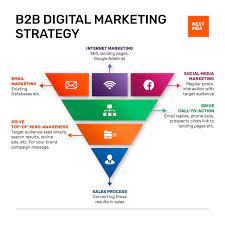
b2b digital marketing strategy

Unlocking Success: The Essential Guide to B2B Digital Marketing Strategy

The Power of B2B Digital Marketing Strategy

In the dynamic world of business-to-business (B2B) marketing, having a well-defined digital strategy is essential for success. With the rise of digital technologies and online platforms, B2B companies have more opportunities than ever to reach and engage with their target audience in a meaningful way.

Understanding B2B Digital Marketing

B2B digital marketing involves the use of online channels and tactics to promote products or services to other businesses. Unlike business-to-consumer (B2C) marketing, B2B marketing often focuses on building relationships, providing valuable information, and addressing the specific needs of other businesses.

The Key Elements of a Successful B2B Digital Marketing Strategy:

  1. Targeted Content: Creating high-quality, relevant content that addresses the pain points and challenges of your target audience is crucial in B2B marketing. This can include blog posts, whitepapers, case studies, and more.
  2. SEO and SEM: Optimising your website for search engines (SEO) and using search engine marketing (SEM) tactics such as pay-per-click advertising can help increase your visibility online and drive targeted traffic to your site.
  3. Social Media Marketing: Utilising social media platforms like LinkedIn, Twitter, and Facebook to share content, engage with prospects, and build relationships with key stakeholders in the industry.
  4. Email Marketing: Sending targeted email campaigns to nurture leads, provide valuable information, and keep your audience engaged with your brand over time.
  5. Data Analysis: Monitoring key performance indicators (KPIs) such as website traffic, conversion rates, lead generation metrics, and more to track the effectiveness of your digital marketing efforts and make data-driven decisions for future strategies.

The Benefits of a Strong B2B Digital Marketing Strategy

A well-executed B2B digital marketing strategy can offer numerous benefits for businesses looking to grow their customer base and increase revenue. Some key advantages include:

  • Increased Brand Awareness: By establishing a strong online presence through targeted digital marketing efforts, you can enhance brand visibility among potential customers in your industry.
  • Lead Generation: Effective digital marketing tactics such as content marketing and SEO can help attract qualified leads to your website who are more likely to convert into customers.
  • Improved Customer Engagement: Engaging with prospects through social media, email campaigns, and other channels allows you to build relationships with potential clients over time and nurture them through the sales funnel.
  • Metric-Driven Results: Digital marketing provides valuable data insights that allow you to measure the success of your campaigns in real-time and make adjustments as needed to optimise performance.

In conclusion, developing a robust B2B digital marketing strategy is essential for businesses looking to stay competitive in today’s digital landscape. By leveraging the power of online channels effectively, B2B companies can reach their target audience more efficiently, drive lead generation efforts, build lasting relationships with clients, and ultimately achieve their business goals.


Top 5 Benefits of a B2B Digital Marketing Strategy: Boost Visibility, Generate Leads, Engage Customers, Gain Insights, and Save Costs

  1. Increased brand visibility among target B2B audience
  2. Effective lead generation through targeted digital tactics
  3. Enhanced customer engagement and relationship building
  4. Access to valuable data insights for informed decision-making
  5. Cost-effective compared to traditional B2B marketing methods


Challenges in B2B Digital Marketing: Navigating High Competition, Prolonged Sales Cycles, and Resource Demands

  1. High Competition
  2. Longer Sales Cycles
  3. Resource Intensive

Increased brand visibility among target B2B audience

One significant advantage of implementing a B2B digital marketing strategy is the increased brand visibility among the target B2B audience. By strategically leveraging online channels and tailored content, businesses can enhance their presence in front of key decision-makers and industry professionals. This heightened visibility not only helps to establish brand authority and credibility but also increases the likelihood of being top-of-mind when potential clients are seeking solutions within the industry. Ultimately, greater brand visibility among the target B2B audience can lead to enhanced recognition, trust, and engagement, paving the way for meaningful business relationships and opportunities.

Effective lead generation through targeted digital tactics

One of the key advantages of a B2B digital marketing strategy is its ability to drive effective lead generation through targeted digital tactics. By utilising channels such as content marketing, SEO, social media, and email campaigns, businesses can reach their specific target audience with tailored messages that address their needs and pain points. This targeted approach not only attracts qualified leads to the business but also increases the likelihood of converting these leads into valuable customers. Ultimately, effective lead generation through targeted digital tactics allows B2B companies to maximise their marketing efforts and achieve tangible results in terms of acquiring new business opportunities.

Enhanced customer engagement and relationship building

An important advantage of implementing a B2B digital marketing strategy is the ability to enhance customer engagement and build strong relationships with clients. By leveraging various online channels such as social media, email campaigns, and targeted content, businesses can interact with their audience on a more personal level, providing valuable information and addressing their specific needs. This proactive approach not only fosters trust and loyalty but also allows companies to better understand their customers’ preferences and tailor their offerings accordingly, ultimately leading to long-term relationships and repeat business.

Access to valuable data insights for informed decision-making

One significant advantage of implementing a B2B digital marketing strategy is the access to valuable data insights that can guide informed decision-making. By analysing key performance indicators such as website traffic, conversion rates, and lead generation metrics, businesses can gain a deeper understanding of their target audience’s behaviour and preferences. This data-driven approach enables companies to make strategic adjustments to their marketing efforts, optimise campaign performance, and ultimately achieve better results. With actionable insights derived from digital analytics, businesses can make informed decisions that drive growth and success in the competitive B2B landscape.

Cost-effective compared to traditional B2B marketing methods

One significant advantage of a B2B digital marketing strategy is its cost-effectiveness when compared to traditional B2B marketing methods. By leveraging online channels such as social media, email campaigns, and search engine marketing, businesses can reach a larger audience at a fraction of the cost of traditional print or TV advertising. Digital marketing allows for targeted campaigns that focus on specific demographics or industries, reducing wastage and ensuring that marketing budgets are allocated efficiently. This cost-effective approach not only helps businesses save money but also provides a higher return on investment by reaching the right audience with tailored messaging.

High Competition

In the realm of B2B digital marketing, one significant drawback is the intense competition that businesses face. With numerous companies all striving to capture the attention of the same target audience, standing out in a crowded digital landscape can be a daunting task. The high level of competition means that businesses must work even harder to differentiate themselves, craft compelling messaging, and deliver valuable content that resonates with their audience to effectively cut through the noise and make a lasting impact.

Longer Sales Cycles

One significant drawback of B2B digital marketing strategy is the longer sales cycles involved. Unlike in B2C marketing, where transactions can be more immediate, B2B sales cycles tend to be extended and intricate. This means that businesses need to invest a considerable amount of effort and resources into nurturing leads over an extended period to guide them through the complex buying process. The prolonged nature of these sales cycles can pose challenges in terms of maintaining momentum, managing expectations, and ensuring consistent engagement with potential clients throughout the decision-making journey.

Resource Intensive

One significant drawback of implementing a comprehensive B2B digital marketing strategy is its resource-intensive nature. To execute such a strategy effectively, businesses need to allocate substantial time, expertise, and financial resources. This can pose a challenge for some companies, especially smaller businesses or those with limited budgets, as the investment required may be beyond their means. The need for skilled professionals, advanced tools and technologies, and ongoing monitoring and optimisation can make it difficult for some businesses to fully embrace the potential benefits of B2B digital marketing.