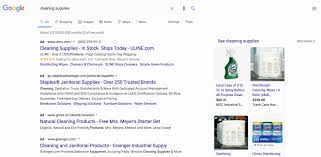

advertisers

Empowering Businesses: The Vital Role of Advertisers in Today’s Market

The Role of Advertisers in the Digital Age

The Role of Advertisers in the Digital Age

In today’s digital age, advertisers play a crucial role in connecting businesses with their target audience. With the rise of online platforms and social media, advertisers have more opportunities than ever to reach potential customers and drive sales.

Advertisers are responsible for creating and implementing advertising campaigns that effectively promote products or services. They use a variety of channels, such as display ads, social media marketing, search engine optimisation (SEO), and email marketing, to engage with consumers and build brand awareness.

One of the key tasks of advertisers is to understand consumer behaviour and preferences. By analysing data and conducting market research, advertisers can tailor their campaigns to resonate with their target audience. This personalised approach not only increases the chances of conversion but also helps build long-term relationships with customers.

Furthermore, advertisers need to stay updated on the latest trends and technologies in the digital landscape. With constant advancements in digital marketing tools and strategies, advertisers must adapt quickly to remain competitive and deliver impactful campaigns that drive results.

Overall, advertisers serve as a bridge between businesses and consumers in the digital age. Their creativity, strategic thinking, and data-driven approach are essential for driving growth and success in today’s highly competitive market.


6 Essential Tips for Advertisers: Engaging Audiences and Maximising Impact

  1. Understand your target audience to create relevant and engaging ads.
  2. Utilise data analytics to measure the effectiveness of your advertising campaigns.
  3. Stay updated with the latest trends in advertising to remain competitive.
  4. Focus on creating clear and concise messaging to effectively communicate with consumers.
  5. Test different ad formats and placements to optimize performance and reach a wider audience.
  6. Build strong relationships with your clients to understand their goals and deliver impactful advertising solutions.

Understand your target audience to create relevant and engaging ads.

To maximise the effectiveness of your advertising campaigns, it is crucial to thoroughly understand your target audience. By gaining insights into their demographics, interests, behaviours, and preferences, you can create ads that are not only relevant but also engaging to them. Tailoring your messaging and visuals to resonate with your audience’s needs and desires increases the likelihood of capturing their attention and driving conversions. Ultimately, understanding your target audience allows you to craft compelling ads that effectively communicate your brand’s value proposition and establish a meaningful connection with potential customers.

Utilise data analytics to measure the effectiveness of your advertising campaigns.

Utilising data analytics is a valuable tip for advertisers to measure the effectiveness of their advertising campaigns. By analysing data such as click-through rates, conversion rates, and customer engagement metrics, advertisers can gain valuable insights into the performance of their campaigns. This data-driven approach allows advertisers to make informed decisions, optimise their strategies, and allocate resources more effectively to achieve better results. Ultimately, leveraging data analytics helps advertisers to refine their targeting, messaging, and overall campaign performance in the ever-evolving digital landscape.

To stay competitive in the ever-evolving advertising landscape, it is crucial for advertisers to stay abreast of the latest trends in the industry. By keeping a finger on the pulse of emerging technologies, consumer behaviours, and innovative marketing strategies, advertisers can adapt their approaches to meet the changing demands of the market. This proactive approach not only ensures relevance and effectiveness in campaigns but also positions advertisers as industry leaders who are capable of delivering impactful and cutting-edge solutions to their clients.

Focus on creating clear and concise messaging to effectively communicate with consumers.

When it comes to advertising, focusing on creating clear and concise messaging is key to effectively communicating with consumers. By delivering a message that is easy to understand and straight to the point, advertisers can capture the attention of their target audience and convey their brand’s value proposition efficiently. Clear and concise messaging not only helps in building brand awareness but also increases the likelihood of consumer engagement and conversion. In a cluttered digital landscape, simplicity and clarity in messaging can make a significant impact on the success of advertising campaigns.

Test different ad formats and placements to optimize performance and reach a wider audience.

To maximise performance and expand reach, advertisers should experiment with various ad formats and placements. By testing different formats and placements, advertisers can identify the most effective strategies for engaging their target audience and driving conversions. This approach allows advertisers to fine-tune their campaigns based on real-time data insights, ultimately optimising performance and reaching a broader audience with tailored messaging that resonates effectively.

Build strong relationships with your clients to understand their goals and deliver impactful advertising solutions.

Building strong relationships with clients is a crucial tip for advertisers to enhance their understanding of client goals and deliver impactful advertising solutions. By fostering trust and open communication, advertisers can gain valuable insights into the needs and objectives of their clients. This deeper understanding allows advertisers to tailor their strategies effectively, ensuring that the advertising solutions provided are not only relevant but also aligned with the client’s overarching goals. Ultimately, by prioritising relationship-building, advertisers can create long-lasting partnerships that drive success for both parties in the dynamic world of advertising.

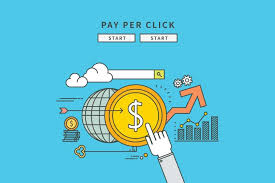
advertisers

Navigating the Digital Landscape: The Vital Role of Advertisers

The Role of Advertisers in the Digital Age

The Role of Advertisers in the Digital Age

Advertisers play a crucial role in today’s digital landscape, where competition for consumers’ attention is fiercer than ever. In a world inundated with information and choices, advertisers serve as the bridge between businesses and their target audiences, helping to create awareness, drive engagement, and ultimately drive sales.

Understanding the Impact of Advertisers

Advertisers leverage various channels and platforms to reach their target audience effectively. From traditional print and broadcast media to online platforms such as social media, search engines, and websites, advertisers use strategic messaging and creative content to capture the attention of consumers.

Through targeted advertising campaigns, advertisers can tailor their messages to specific demographics, interests, and behaviours, ensuring that their efforts are reaching the right people at the right time. This level of precision allows businesses to maximise their marketing budgets and achieve a higher return on investment.

The Evolution of Advertising Strategies

In recent years, the digital revolution has transformed the advertising industry significantly. Advertisers now have access to a wealth of data and analytics that enable them to track campaign performance in real-time, adjust strategies on the fly, and optimise for better results.

Personalisation has also become a key focus for advertisers in the digital age. By delivering tailored messages that resonate with individual consumers, advertisers can create more meaningful connections and drive higher levels of engagement. This shift towards personalised marketing has revolutionised how brands interact with their audiences and build long-lasting relationships.

The Future of Advertising

As technology continues to evolve at a rapid pace, advertisers must stay ahead of trends and embrace innovation to remain competitive. Artificial intelligence, augmented reality, voice search – these are just some of the emerging technologies that are shaping the future of advertising.

Moreover, ethical considerations around data privacy and consumer trust are becoming increasingly important for advertisers. Building transparency and establishing credibility with audiences will be essential for maintaining long-term success in an era where authenticity is paramount.

In Conclusion

Advertisers hold a powerful position in driving brand awareness, customer engagement, and business growth in today’s digital age. By harnessing the latest technologies, embracing data-driven insights, and prioritising consumer trust, advertisers can continue to make a meaningful impact on how businesses connect with their target audiences.


Understanding Advertisers: Types, Roles, and Key Players in the UK

  1. What are the types of advertisers?
  2. What is another name for advertiser?
  3. Who are the biggest advertisers in the UK?
  4. Who is advertiser with example?
  5. How do I find advertisers?
  6. What kind of advertisers are there?
  7. What are the functions of advertisers?
  8. What is another word for advertiser?
  9. What do you mean by advertisers?

What are the types of advertisers?

There are various types of advertisers that businesses can utilise to promote their products or services effectively. Some common categories include display advertisers who use visual ads on websites, search engine advertisers who focus on pay-per-click campaigns to appear in search results, social media advertisers who leverage platforms like Facebook and Instagram for targeted promotions, and influencer advertisers who collaborate with popular personalities to reach their followers. Each type of advertiser offers unique advantages and strategies tailored to different marketing goals and target audiences.

What is another name for advertiser?

Another term commonly used to refer to an advertiser is a “sponsor.” In the realm of marketing and advertising, sponsors are individuals or companies that fund and support promotional activities to reach a specific audience and achieve marketing objectives. Sponsors play a vital role in financing advertising campaigns, events, or media content in exchange for visibility and exposure to their target market.

Who are the biggest advertisers in the UK?

The landscape of advertising in the UK is diverse and dynamic, with a range of industries and companies vying for consumer attention. Some of the biggest advertisers in the UK span across sectors such as retail, finance, automotive, and telecommunications. Companies like Procter & Gamble, Unilever, Sky, Tesco, and BT are known to invest significantly in advertising campaigns to promote their products and services to a wide audience. These industry giants leverage various channels, from television and digital platforms to outdoor advertising, to capture the attention of consumers and maintain their competitive edge in the market.

Who is advertiser with example?

An advertiser is an individual, company, or agency that promotes products or services through various marketing channels to reach a specific target audience. For example, Coca-Cola is a well-known advertiser that uses television commercials, social media campaigns, and billboards to promote its beverages to consumers around the world. Advertisers play a vital role in creating brand awareness, driving sales, and shaping consumer perceptions through strategic messaging and creative content.

How do I find advertisers?

Finding advertisers can be a crucial step in monetising your platform or reaching a wider audience through sponsored content. One effective way to find advertisers is to leverage online advertising networks and platforms that connect publishers with potential advertisers based on their target audience and content niche. Additionally, reaching out directly to brands or agencies that align with your platform’s values and target demographic can also yield fruitful partnerships. Building a strong online presence, showcasing your audience demographics and engagement metrics, and highlighting the benefits of advertising on your platform can help attract potential advertisers looking to reach their desired audience effectively.

What kind of advertisers are there?

In the realm of advertising, there exists a diverse array of advertisers, each with unique characteristics and objectives. Broadly categorised, advertisers can be segmented into various types based on their industry focus, marketing strategies, and target audiences. Some common classifications include brand advertisers who aim to build brand awareness and loyalty through creative storytelling and emotional connections, performance advertisers who focus on driving measurable actions such as clicks or conversions through data-driven campaigns, and direct response advertisers who seek immediate responses from consumers through compelling calls to action. Additionally, there are niche advertisers catering to specific industries or demographics, as well as social impact advertisers dedicated to promoting social causes and driving positive change through their campaigns. The landscape of advertisers is dynamic and multifaceted, reflecting the diverse needs and goals of businesses in reaching their audiences effectively.

What are the functions of advertisers?

The functions of advertisers are multifaceted and essential in the realm of marketing and business. Firstly, advertisers play a pivotal role in creating brand awareness by strategically promoting products or services to target audiences through various channels. They also aim to influence consumer behaviour by crafting persuasive messages that resonate with potential customers. Additionally, advertisers are responsible for driving sales and revenue growth by implementing effective advertising campaigns that generate interest and demand for the offerings of a business. Overall, advertisers serve as the link between businesses and consumers, facilitating communication, engagement, and ultimately, driving business success.

What is another word for advertiser?

In the realm of advertising, another term often used interchangeably with “advertiser” is “sponsor.” A sponsor is an individual or entity that pays for or supports a particular advertisement or promotional activity to reach a target audience. Sponsors play a vital role in funding and disseminating marketing messages, aligning their brand with specific content or events to enhance visibility and engagement with consumers.

What do you mean by advertisers?

Advertisers are individuals or companies that promote products, services, or ideas through various marketing channels to reach and engage with their target audience. Their primary goal is to create awareness, generate interest, and ultimately drive consumer action. Advertisers employ strategic messaging, creative content, and data-driven insights to deliver impactful campaigns that resonate with their intended viewers. In the digital age, advertisers play a vital role in connecting businesses with consumers in a competitive landscape where capturing attention and building brand loyalty are key objectives.

ppc in digital marketing

Unlocking the Potential of PPC in Digital Marketing Strategies

The Power of PPC in Digital Marketing

The Power of PPC in Digital Marketing

Pay-Per-Click (PPC) advertising is a powerful tool in the world of digital marketing. It allows businesses to reach their target audience effectively and drive relevant traffic to their websites. PPC campaigns are highly measurable, flexible, and can deliver quick results when managed correctly.

What is PPC?

PPC is a form of online advertising where advertisers pay a fee each time their ad is clicked. This model allows businesses to bid for ad placement in search engine results or on websites that display ads. The most popular platform for PPC advertising is Google Ads, where advertisers bid on keywords related to their business.

The Benefits of PPC

  • Targeted Reach: With PPC, businesses can target specific demographics, locations, and interests, ensuring that their ads are seen by the right audience.
  • Measurable Results: PPC campaigns provide detailed metrics that allow advertisers to track performance and ROI accurately.
  • Quick Results: Unlike organic search efforts, PPC campaigns can generate immediate traffic and results for businesses looking to increase visibility online.
  • Budget Control: Advertisers have full control over their budget and can adjust it based on performance and goals.
  • Brand Visibility: PPC ads appear at the top of search engine results pages, increasing brand visibility and awareness among users.

Tips for Successful PPC Campaigns

  1. Keyword Research: Conduct thorough keyword research to identify relevant terms that your target audience is searching for.
  2. Compelling Ad Copy: Create engaging ad copy that entices users to click on your ads and visit your website.
  3. Landing Page Optimization: Ensure that your landing pages are relevant to your ads and provide a seamless user experience.
  4. Ongoing Monitoring: Continuously monitor and optimise your campaigns based on performance data to improve results over time.
  5. A/B Testing: Test different ad creatives, headlines, and calls-to-action to identify what resonates best with your audience.

In conclusion, PPC advertising is a valuable tool for businesses looking to boost their online presence and drive targeted traffic to their websites. By implementing effective PPC campaigns and following best practices, businesses can achieve significant results in the competitive digital landscape.


Understanding PPC in Digital Marketing: Key Questions and Insights

  1. What is PPC advertising and how does it work?
  2. What are the benefits of using PPC in digital marketing?
  3. How can businesses effectively target their audience through PPC campaigns?
  4. What are the key metrics to track and measure the success of a PPC campaign?
  5. What are some best practices for optimizing PPC campaigns to achieve better results?

What is PPC advertising and how does it work?

PPC advertising, short for Pay-Per-Click advertising, is a digital marketing strategy where advertisers pay a fee each time their ad is clicked. This model allows businesses to bid for ad placement in search engine results or on websites that display ads. When a user searches for specific keywords related to the advertiser’s business, the ads are displayed prominently at the top of search engine results pages. The position of the ad is determined by a combination of factors, including the bid amount and ad relevance. When a user clicks on the ad, the advertiser pays the search engine or website hosting the ad. PPC advertising works on an auction-based system, where advertisers compete for ad placement based on their bids and quality score. This method ensures that businesses can reach their target audience effectively and drive relevant traffic to their websites while only paying when users engage with their ads.

What are the benefits of using PPC in digital marketing?

One of the most frequently asked questions in digital marketing is, “What are the benefits of using PPC?” Pay-Per-Click (PPC) advertising offers a range of advantages for businesses seeking to enhance their online presence. With PPC, businesses can target specific audiences, track performance with detailed metrics, achieve quick results, have control over their budget, and increase brand visibility. These benefits make PPC a valuable tool for driving relevant traffic to websites and achieving measurable results in the competitive digital landscape.

How can businesses effectively target their audience through PPC campaigns?

To effectively target their audience through PPC campaigns, businesses need to start by conducting thorough research to understand their target demographic, interests, and online behaviours. Utilising keyword research tools can help identify relevant search terms that potential customers are using. Crafting compelling ad copy that resonates with the target audience and aligns with their search intent is crucial. Businesses should also utilise targeting options provided by PPC platforms to narrow down their audience based on factors such as location, demographics, and interests. Regularly monitoring campaign performance metrics and making data-driven adjustments can further enhance targeting precision and ensure that PPC ads reach the right audience at the right time.

What are the key metrics to track and measure the success of a PPC campaign?

Tracking and measuring key metrics is essential for evaluating the success of a PPC campaign in digital marketing. Some of the crucial metrics to monitor include Click-Through Rate (CTR), Conversion Rate, Cost Per Click (CPC), Return on Ad Spend (ROAS), and Quality Score. CTR indicates the percentage of users who clicked on the ad after seeing it, while Conversion Rate measures the percentage of users who completed a desired action, such as making a purchase or filling out a form. CPC helps in understanding the cost efficiency of clicks, while ROAS calculates the revenue generated compared to the amount spent on ads. Quality Score reflects the relevance and quality of ads, keywords, and landing pages. By analysing these key metrics, advertisers can make informed decisions to optimise their PPC campaigns for better performance and return on investment.

What are some best practices for optimizing PPC campaigns to achieve better results?

When it comes to optimising PPC campaigns for better results in digital marketing, several best practices can make a significant difference. Conducting thorough keyword research to target relevant terms, creating compelling ad copy that resonates with the audience, and ensuring landing pages are optimised for conversions are crucial steps. Ongoing monitoring of campaign performance data allows for adjustments to be made in real-time to improve results. A/B testing different ad elements and continuously refining strategies based on data insights are also key practices for achieving optimal outcomes in PPC campaigns. By following these best practices diligently, businesses can enhance the effectiveness of their PPC efforts and drive better results in their digital marketing initiatives.

ppc advertising

Maximising Your ROI with PPC Advertising Strategies

The Power of PPC Advertising

The Power of PPC Advertising

Pay-Per-Click (PPC) advertising is a powerful digital marketing strategy that allows businesses to reach their target audience effectively. In PPC advertising, advertisers pay a fee each time their ad is clicked, providing a cost-effective way to drive traffic to websites and generate leads.

How Does PPC Advertising Work?

PPC ads are displayed on search engine results pages (such as Google) and other platforms where advertisers bid on keywords relevant to their target audience. When a user searches for a keyword that matches the advertiser’s bid, the ad is displayed prominently at the top of the search results.

The Benefits of PPC Advertising

  • Immediate Results: Unlike organic search engine optimisation (SEO), PPC advertising delivers immediate results by placing your ads in front of potential customers right away.
  • Targeted Reach: With PPC advertising, you can target specific demographics, locations, and interests to ensure your ads are seen by the right audience.
  • Measurable ROI: PPC campaigns provide detailed analytics that allow you to track the performance of your ads in real-time. This data helps you make informed decisions to maximise your return on investment.
  • Cost-Effective: With PPC advertising, you only pay when someone clicks on your ad, making it a cost-effective way to drive traffic and conversions for your business.

Key Strategies for Successful PPC Campaigns

To make the most of your PPC advertising efforts, consider implementing these key strategies:

  1. Keyword Research: Conduct thorough keyword research to identify relevant keywords that align with your business goals and target audience.
  2. Compelling Ad Copy: Create engaging ad copy that entices users to click on your ads and take action on your website.
  3. Landing Page Optimisation: Ensure that your landing pages are optimised for conversions and provide a seamless user experience for visitors who click on your ads.
  4. A/B Testing: Test different ad variations, keywords, and landing pages to identify what resonates best with your audience and improves campaign performance.

In conclusion, PPC advertising offers businesses a valuable opportunity to increase brand visibility, drive targeted traffic, and achieve measurable results in the competitive digital landscape. By implementing effective strategies and monitoring performance closely, businesses can harness the power of PPC advertising to grow their online presence and reach their marketing goals.


Essential FAQs About PPC Advertising: Understanding Costs, Benefits, and Best Practices

  1. What is PPC advertising and how does it work?
  2. What are the benefits of using PPC advertising for my business?
  3. How much does PPC advertising cost?
  4. How can I measure the success of my PPC campaigns?
  5. What platforms can I use for running PPC ads?
  6. Do I need a specialist to manage my PPC campaigns?
  7. How do I choose the right keywords for my PPC ads?
  8. What are some common mistakes to avoid when running PPC campaigns?

What is PPC advertising and how does it work?

PPC advertising, short for Pay-Per-Click advertising, is a digital marketing strategy where advertisers pay a fee each time their ad is clicked. It is a cost-effective way for businesses to drive targeted traffic to their websites and generate leads. In PPC advertising, advertisers bid on keywords relevant to their target audience, and when a user searches for those keywords, the ad is displayed prominently at the top of search engine results pages. This immediate visibility allows businesses to reach potential customers at the right moment and track the performance of their ads in real-time through detailed analytics. By leveraging PPC advertising effectively, businesses can increase brand exposure, drive conversions, and achieve measurable ROI in the competitive online landscape.

What are the benefits of using PPC advertising for my business?

Utilising PPC advertising for your business offers a multitude of benefits that can significantly impact your online presence and marketing efforts. One key advantage is the immediate results it provides, allowing your ads to reach potential customers swiftly. Additionally, PPC advertising enables targeted reach, ensuring that your ads are displayed to specific demographics, locations, and interests relevant to your business. Moreover, the measurable ROI and cost-effectiveness of PPC campaigns empower businesses to track performance in real-time and optimise their strategies for maximum return on investment. Overall, leveraging PPC advertising can enhance brand visibility, drive traffic, and ultimately boost conversions for your business in the competitive digital landscape.

How much does PPC advertising cost?

The cost of PPC advertising can vary depending on several factors, including the competitiveness of your industry, the keywords you target, and your campaign objectives. With PPC advertising, you have control over your budget by setting daily or monthly limits on how much you are willing to spend. Additionally, you only pay when someone clicks on your ad, making it a cost-effective way to reach your target audience and drive traffic to your website. It’s important to consider the potential return on investment (ROI) that PPC advertising can provide in terms of generating leads, increasing sales, and boosting brand visibility. By carefully planning and monitoring your PPC campaigns, you can maximise the value of your advertising budget and achieve meaningful results for your business.

How can I measure the success of my PPC campaigns?

Measuring the success of your PPC campaigns is essential for evaluating their effectiveness and making informed decisions to optimise performance. Key metrics to consider include click-through rate (CTR), conversion rate, cost per acquisition (CPA), return on ad spend (ROAS), and overall return on investment (ROI). By tracking these metrics and analysing campaign data, you can gain valuable insights into what is working well and where improvements can be made. Additionally, using tools like Google Analytics and conversion tracking can provide detailed performance data to help you assess the impact of your PPC efforts accurately. Regular monitoring and analysis of these metrics will allow you to refine your strategies, allocate budgets effectively, and ultimately maximise the success of your PPC campaigns.

What platforms can I use for running PPC ads?

When it comes to running PPC ads, there are several platforms available for advertisers to choose from. Some of the most popular platforms for PPC advertising include Google Ads, which allows you to display ads on Google search results and partner websites; Microsoft Advertising (formerly Bing Ads), which targets users on the Bing search engine; social media platforms like Facebook Ads and Instagram Ads, offering highly targeted ad placements based on user demographics and interests; and other networks such as LinkedIn Ads for B2B targeting, Twitter Ads for real-time engagement, and Amazon Advertising for product-focused campaigns. Each platform has its unique features and audience reach, allowing advertisers to tailor their PPC campaigns to best suit their marketing objectives and target audience.

Do I need a specialist to manage my PPC campaigns?

When it comes to PPC advertising, the question of whether you need a specialist to manage your campaigns is a common one. While it is possible to set up and run PPC campaigns on your own, working with a specialist can offer significant benefits. A PPC specialist brings expertise in keyword research, ad copywriting, campaign optimisation, and performance tracking that can help maximise the effectiveness of your campaigns. Their knowledge of industry best practices and experience in managing PPC accounts can lead to improved results, higher ROI, and a more strategic approach to reaching your target audience. Ultimately, partnering with a PPC specialist can save you time and resources while delivering better outcomes for your advertising efforts.

How do I choose the right keywords for my PPC ads?

Choosing the right keywords for your PPC ads is crucial for the success of your campaign. Start by conducting thorough keyword research to identify relevant terms that align with your business objectives and target audience. Consider using keyword research tools to discover high-performing keywords with moderate competition. It’s essential to select keywords that are specific, relevant, and likely to attract users who are interested in your products or services. Additionally, focus on long-tail keywords that reflect user intent and have a higher chance of converting into leads or sales. Regularly monitor and refine your keyword selection based on performance data to optimise your PPC ads for maximum impact and return on investment.

What are some common mistakes to avoid when running PPC campaigns?

When running PPC campaigns, it is crucial to avoid common mistakes that can hinder the effectiveness of your advertising efforts. Some key errors to steer clear of include neglecting keyword research, setting overly broad targeting parameters, failing to track and analyse campaign performance, ignoring ad relevance and quality score factors, and not optimising landing pages for conversions. By addressing these pitfalls and implementing best practices in your PPC campaigns, you can maximise your return on investment and achieve success in reaching your target audience with compelling ads that drive meaningful results.