biggest digital marketing agencies

Unveiling the Powerhouses: Exploring the World’s Biggest Digital Marketing Agencies

The Biggest Digital Marketing Agencies Making Waves in the Industry

Digital marketing has become an essential component of modern business strategies, driving growth and success for companies across various industries. As the digital landscape continues to evolve, the role of digital marketing agencies has become increasingly important. These agencies are at the forefront of innovation, helping businesses navigate the complex world of online marketing to reach their target audiences effectively.

WPP

WPP is one of the largest advertising and marketing services conglomerates in the world, with a global presence and a diverse portfolio of agencies under its umbrella. Known for its creativity and strategic approach, WPP offers a wide range of services, including advertising, media planning, public relations, and digital marketing.

Ogilvy

Ogilvy is a renowned global marketing agency that has been shaping brands and driving results for over 70 years. With a focus on creativity and storytelling, Ogilvy helps clients create impactful campaigns that resonate with their target audiences across various digital channels.

Publicis Groupe

Publicis Groupe is a leading communications group that offers a comprehensive range of services, including advertising, media planning, digital marketing, and technology solutions. With a strong focus on data-driven insights and innovation, Publicis Groupe helps clients deliver personalised experiences to their customers.

Dentsu Group

Dentsu Group is a Japanese multinational advertising and public relations company that operates one of the largest digital marketing agency networks in the world. With expertise in data analytics, creative design, and media planning, Dentsu Group helps clients drive engagement and achieve measurable results in their digital campaigns.

Omnicom Group

Omnicom Group is a global marketing communications company that houses some of the most well-known advertising agencies in the industry. With a focus on collaboration and creativity, Omnicom Group provides integrated marketing solutions that help brands connect with consumers in meaningful ways across all digital platforms.

These are just a few examples of some of the biggest digital marketing agencies making waves in the industry today. By partnering with these agencies, businesses can tap into their expertise and experience to develop effective strategies that drive growth and success in an increasingly competitive digital landscape.


Top UK Digital Marketing Agencies: FAQs on Selection, Services, and Costs

  1. 1. What are the biggest digital marketing agencies in the UK?
  2. 2. How do I choose the right digital marketing agency for my business?
  3. 3. What services do the biggest digital marketing agencies offer?
  4. 4. How can digital marketing agencies help my business grow?
  5. 5. What sets the biggest digital marketing agencies apart from smaller ones?
  6. 6. How much does it cost to hire a top digital marketing agency?

1. What are the biggest digital marketing agencies in the UK?

When it comes to the biggest digital marketing agencies in the UK, several prominent names stand out for their expertise and influence in the industry. Companies such as WPP, Ogilvy, Publicis Groupe, Dentsu Group, and Omnicom Group are among the key players known for their innovative strategies and successful campaigns. These agencies have a strong presence in the UK market and offer a wide range of services, including advertising, media planning, digital marketing, and technology solutions. By partnering with these leading agencies, businesses can leverage their experience and creativity to enhance their online presence and reach their target audiences effectively in the competitive digital landscape of the UK.

2. How do I choose the right digital marketing agency for my business?

When selecting the right digital marketing agency for your business, it is essential to consider several factors to ensure a successful partnership. Start by defining your goals and objectives clearly, as this will help you find an agency that aligns with your specific needs. Evaluate the agency’s expertise and experience in your industry, as well as their track record of delivering results for clients. Consider the range of services they offer and whether they can provide a tailored approach to meet your unique requirements. Communication and transparency are also key factors to consider, as you want to work with an agency that keeps you informed and involved throughout the process. By conducting thorough research, asking for references, and discussing your expectations openly, you can make an informed decision when choosing the right digital marketing agency for your business.

3. What services do the biggest digital marketing agencies offer?

The biggest digital marketing agencies offer a comprehensive range of services to help businesses navigate the complex world of online marketing effectively. These services typically include strategic planning, market research, branding, social media management, search engine optimisation (SEO), pay-per-click (PPC) advertising, content creation, email marketing, website design and development, analytics and reporting, and more. By leveraging their expertise in these areas, digital marketing agencies can create tailored strategies that drive engagement, increase brand visibility, and ultimately generate measurable results for their clients in the ever-evolving digital landscape.

4. How can digital marketing agencies help my business grow?

Digital marketing agencies play a crucial role in helping businesses grow by leveraging their expertise in online marketing strategies. These agencies have the knowledge and experience to create tailored digital campaigns that target specific audiences, increase brand visibility, drive website traffic, and ultimately generate leads and conversions. By utilising a mix of SEO, social media marketing, content creation, email campaigns, and other digital tactics, digital marketing agencies can enhance brand awareness, engage with potential customers, and ultimately boost sales and revenue for businesses of all sizes. Their data-driven approach allows for continuous monitoring and optimisation of campaigns to ensure maximum effectiveness and return on investment.

5. What sets the biggest digital marketing agencies apart from smaller ones?

The biggest digital marketing agencies stand out from smaller ones due to their extensive resources, global reach, and diverse expertise. These agencies often have access to cutting-edge technology and data analytics tools that enable them to deliver highly targeted and effective campaigns on a large scale. Additionally, their established reputation and track record of success give them a competitive edge in attracting top talent and securing high-profile clients. The ability to offer a wide range of services under one roof, including creative design, media planning, and digital strategy, sets them apart as comprehensive solutions providers for businesses looking to make a significant impact in the digital space.

6. How much does it cost to hire a top digital marketing agency?

The cost of hiring a top digital marketing agency can vary significantly depending on various factors such as the scope of services required, the size of the agency, the level of expertise, and the specific goals of the marketing campaign. Generally, top digital marketing agencies may charge a retainer fee or work on a project basis, with costs ranging from a few thousand pounds to tens of thousands per month. It is essential for businesses to carefully consider their budget and objectives when selecting a digital marketing agency to ensure that they receive a tailored strategy that delivers measurable results within their financial constraints.

online marketing and advertising

Maximising Your Reach: The Essentials of Online Marketing and Advertising

The Power of Online Marketing and Advertising

The Power of Online Marketing and Advertising

In today’s digital age, online marketing and advertising have become essential tools for businesses looking to reach their target audience effectively. With the vast reach of the internet and the ability to target specific demographics, online marketing offers unparalleled opportunities for businesses to promote their products or services.

Benefits of Online Marketing and Advertising

One of the key benefits of online marketing is its cost-effectiveness compared to traditional forms of advertising. With online marketing, businesses can reach a larger audience at a fraction of the cost, making it ideal for companies with limited marketing budgets.

Furthermore, online marketing allows businesses to track and measure the effectiveness of their campaigns in real-time. This data-driven approach enables businesses to make informed decisions about their marketing strategies and optimise their campaigns for better results.

Types of Online Marketing Strategies

There are various online marketing strategies that businesses can utilise to promote their products or services:

  • Search Engine Optimisation (SEO): SEO involves optimising a website’s content to improve its visibility on search engines like Google. By ranking higher in search results, businesses can attract more organic traffic to their websites.
  • Pay-Per-Click (PPC) Advertising: PPC advertising allows businesses to display ads on search engines or other platforms and pay only when users click on them. This targeted approach ensures that businesses reach users who are actively searching for their products or services.
  • Social Media Marketing: Social media platforms like Facebook, Instagram, and Twitter offer powerful tools for businesses to engage with their audience, build brand awareness, and drive traffic to their websites.
  • Email Marketing: Email marketing remains a popular strategy for nurturing leads and converting them into customers. By sending personalised emails to subscribers, businesses can promote their products or services directly to interested individuals.

The Future of Online Marketing

As technology continues to evolve, so too will the landscape of online marketing and advertising. Businesses that embrace new trends and technologies will be well-positioned to stay ahead of the competition and connect with their target audience in meaningful ways.

In conclusion, online marketing and advertising offer immense potential for businesses looking to expand their reach, drive sales, and build brand loyalty. By leveraging the power of digital channels effectively, businesses can achieve remarkable results in today’s competitive marketplace.


Understanding Online Marketing and Advertising: Answers to 20 Common Questions

  1. How do I become an online advertising marketer?
  2. What is online advertising with example?
  3. What is the difference between advertising and online marketing?
  4. What is the difference between marketing and advertising?
  5. What is the difference between advertising and marketing?
  6. What is the difference between advertising and digital marketing?
  7. Which is an example of online advertising?
  8. What are online marketing and advertising tools?
  9. What is online advertising strategy?
  10. What are the two types of online advertising?
  11. What are the 4 types of online marketing?
  12. What are types of online marketing?
  13. What is the 7 times 7 rule in marketing?
  14. What is the advantage of online marketing and advertising?
  15. What is an example of online advertising and marketing?
  16. What is online marketing and advertising explain in detail?
  17. What are 8 types of online advertising?
  18. Is online marketing and online advertising same?
  19. What are online advertising services?
  20. What is the main purpose of online advertising?

How do I become an online advertising marketer?

To become an online advertising marketer, it is essential to acquire a combination of relevant skills and experience in the digital marketing field. Start by gaining a solid understanding of online advertising platforms such as Google Ads, social media advertising, and display advertising. Familiarise yourself with key concepts like targeting, bidding strategies, and ad copywriting. Consider pursuing certifications or courses in digital marketing to enhance your knowledge and credibility. Practical experience through internships or freelance projects can also be invaluable in honing your skills as an online advertising marketer. Stay updated on industry trends and best practices to adapt to the ever-changing landscape of online marketing effectively.

What is online advertising with example?

Online advertising refers to the practice of promoting products or services on the internet through various digital channels to reach a targeted audience. An example of online advertising is display advertising, where businesses create visual ads that are displayed on websites, apps, or social media platforms. These ads can be in the form of banners, videos, or interactive content and are strategically placed to attract the attention of potential customers. Display advertising allows businesses to increase brand visibility, drive traffic to their websites, and ultimately generate leads or sales by reaching users who are likely to be interested in their offerings.

What is the difference between advertising and online marketing?

In the realm of digital marketing, the distinction between advertising and online marketing lies in their scope and approach. Advertising typically refers to the promotion of products or services through paid channels, such as TV commercials, print ads, or online display ads. On the other hand, online marketing encompasses a broader range of strategies aimed at promoting businesses digitally, including activities like search engine optimisation (SEO), social media marketing, content marketing, email campaigns, and more. While advertising is a subset of online marketing that focuses on paid promotions, online marketing involves a holistic approach to reaching and engaging with target audiences through various digital channels.

What is the difference between marketing and advertising?

When it comes to online marketing and advertising, a common question that arises is the difference between marketing and advertising. While both terms are often used interchangeably, there is a distinct contrast between the two. Marketing encompasses a broader set of activities that involve identifying customer needs, creating products or services to meet those needs, pricing strategies, distribution channels, and promotional efforts. On the other hand, advertising specifically refers to the paid promotion of products or services through various channels to reach a target audience. In essence, marketing is a comprehensive strategy that includes advertising as one of its components to achieve business goals effectively in the digital realm.

What is the difference between advertising and marketing?

In the realm of online marketing and advertising, a frequently asked question often revolves around understanding the distinction between advertising and marketing. While advertising is a specific component of marketing, marketing encompasses a broader range of activities aimed at promoting and selling products or services. Advertising refers to the paid promotion of products or services through various channels, such as online ads, TV commercials, or sponsored content. On the other hand, marketing involves a strategic approach that includes market research, branding, pricing, distribution, and customer engagement to achieve long-term business goals. Understanding the nuanced differences between advertising and marketing is crucial for businesses looking to develop comprehensive strategies that effectively reach their target audience and drive success in the digital landscape.

What is the difference between advertising and digital marketing?

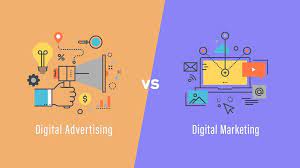
When discussing the difference between advertising and digital marketing, it is important to understand that advertising is a component of digital marketing. Advertising refers to the promotion of products or services through paid channels such as TV commercials, print ads, and online banners. On the other hand, digital marketing encompasses a broader range of activities beyond traditional advertising, including strategies like search engine optimisation (SEO), social media marketing, email marketing, and content creation. Digital marketing leverages various online platforms to engage with target audiences, build brand awareness, drive traffic, and ultimately achieve business goals in a more holistic and interactive manner compared to traditional advertising methods.

Which is an example of online advertising?

An example of online advertising is display advertising, where businesses create visual ads in various formats such as banners, images, or videos to promote their products or services on websites and apps. These ads are strategically placed on relevant websites that attract the target audience, allowing businesses to reach potential customers while they browse the internet. Display advertising is a common form of online marketing that helps businesses increase brand visibility and drive traffic to their websites.

What are online marketing and advertising tools?

Online marketing and advertising tools encompass a wide range of digital resources and platforms designed to help businesses promote their products or services online. These tools include but are not limited to search engine optimisation (SEO) tools for improving website visibility, pay-per-click (PPC) advertising platforms for targeted ad placements, social media management tools for engaging with audiences across various platforms, email marketing software for sending personalised campaigns, and analytics tools for tracking and measuring the effectiveness of marketing efforts. By leveraging these diverse tools effectively, businesses can enhance their online presence, reach their target audience, and achieve their marketing goals in the digital realm.

What is online advertising strategy?

An online advertising strategy refers to a comprehensive plan that outlines how a business will use digital channels to promote its products or services to target audiences. This strategy typically involves identifying specific goals, defining target demographics, selecting appropriate online advertising platforms (such as social media, search engines, or display networks), creating engaging ad content, setting budgets and timelines, and measuring the effectiveness of campaigns through key performance indicators (KPIs). A well-crafted online advertising strategy is crucial for businesses to maximise their online presence, drive traffic to their websites, generate leads, and ultimately achieve their marketing objectives in the competitive digital landscape.

What are the two types of online advertising?

In the realm of online marketing and advertising, businesses commonly utilise two main types of online advertising: display advertising and search advertising. Display advertising involves the placement of visual ads, such as banners or videos, on websites to attract the attention of users. On the other hand, search advertising focuses on displaying text ads within search engine results pages, targeting users who are actively searching for specific keywords related to the advertiser’s products or services. Both types of online advertising play crucial roles in reaching and engaging target audiences effectively in the digital landscape.

What are the 4 types of online marketing?

When it comes to online marketing, there are four main types of strategies that businesses commonly utilise to promote their products or services. These include Search Engine Optimisation (SEO), Pay-Per-Click (PPC) Advertising, Social Media Marketing, and Email Marketing. Each type of online marketing strategy offers unique benefits and allows businesses to reach their target audience in different ways. By incorporating a mix of these strategies into their marketing efforts, businesses can enhance their online presence, engage with customers effectively, and drive conversions for their products or services.

What are types of online marketing?

When it comes to online marketing, there are various types of strategies that businesses can utilise to promote their products or services effectively. Some common types of online marketing include Search Engine Optimisation (SEO), which focuses on improving a website’s visibility on search engines; Pay-Per-Click (PPC) Advertising, where businesses pay for ads only when users click on them; Social Media Marketing, using platforms like Facebook and Instagram to engage with the audience; and Email Marketing, which involves sending targeted emails to subscribers to promote products or services. Each type of online marketing strategy offers unique benefits and can be tailored to suit the specific goals and target audience of a business.

What is the 7 times 7 rule in marketing?

The “7 times 7 rule” in marketing refers to the idea that a potential customer needs to see or hear a marketing message at least seven times before they take action or make a purchase. This rule emphasises the importance of repetition and consistency in marketing campaigns to build brand awareness, establish trust, and ultimately drive conversions. By reinforcing the message multiple times through various channels, businesses can increase their chances of capturing the attention of their target audience and influencing their buying decisions effectively.

What is the advantage of online marketing and advertising?

The advantage of online marketing and advertising lies in its ability to provide businesses with cost-effective and targeted strategies to reach their desired audience. Unlike traditional forms of advertising, online marketing offers precise targeting options that allow businesses to tailor their campaigns to specific demographics, interests, and behaviours. This level of targeting ensures that businesses can maximise their return on investment by reaching the right people at the right time. Additionally, online marketing provides real-time analytics and insights that enable businesses to track the performance of their campaigns and make data-driven decisions to optimise results. Overall, the advantage of online marketing and advertising is its efficiency, effectiveness, and ability to deliver measurable results for businesses of all sizes.

What is an example of online advertising and marketing?

An example of online advertising and marketing is display advertising, where businesses promote their products or services through visual ads on websites, apps, or social media platforms. These ads can be in the form of banners, videos, or interactive content and are strategically placed to reach the target audience. Display advertising allows businesses to increase brand visibility, drive traffic to their websites, and generate leads by capturing the attention of users as they browse online. By tracking metrics such as click-through rates and conversions, businesses can evaluate the effectiveness of their display advertising campaigns and make data-driven decisions to enhance their online marketing strategies.

What is online marketing and advertising explain in detail?

Online marketing and advertising encompass a range of strategies and techniques used by businesses to promote their products or services on digital platforms. Online marketing involves activities such as search engine optimisation (SEO), pay-per-click (PPC) advertising, social media marketing, email marketing, and content marketing. These strategies aim to increase brand visibility, drive website traffic, generate leads, and ultimately boost sales. Online advertising, on the other hand, refers to the paid promotion of products or services through various online channels like search engines, social media platforms, display ads, and sponsored content. By combining these approaches strategically, businesses can effectively reach their target audience, engage with potential customers, and achieve their marketing objectives in the ever-evolving digital landscape.

What are 8 types of online advertising?

When it comes to online marketing and advertising, there are various types of online advertising strategies that businesses can leverage to promote their products or services effectively. Some common types include display advertising, search engine marketing (SEM), social media advertising, native advertising, video advertising, email marketing, influencer marketing, and affiliate marketing. Each of these types offers unique opportunities for businesses to reach their target audience and drive engagement, ultimately contributing to the success of their digital marketing campaigns.

Is online marketing and online advertising same?

Online marketing and online advertising are related concepts but not exactly the same. Online marketing encompasses a broader range of strategies aimed at promoting a business or brand on digital platforms, including online advertising. While online advertising specifically refers to paid promotional activities such as display ads, search engine marketing, social media ads, and sponsored content. Online marketing, on the other hand, includes both paid and organic methods to drive traffic, engage audiences, and ultimately achieve business goals through various online channels. In essence, online advertising is a subset of online marketing that focuses on paid promotional efforts to reach target audiences effectively.

What are online advertising services?

Online advertising services encompass a range of strategies and tools used to promote products or services on digital platforms. These services typically include activities such as pay-per-click (PPC) advertising, display advertising, social media advertising, search engine marketing (SEM), and email marketing. By leveraging these services, businesses can target specific audiences, increase brand visibility, drive website traffic, and ultimately boost sales. Online advertising services play a crucial role in helping businesses reach their marketing goals in the competitive online landscape by providing tailored solutions to connect with potential customers effectively.

What is the main purpose of online advertising?

The main purpose of online advertising is to promote products or services using digital channels to reach a targeted audience. By leveraging the internet and various online platforms, businesses aim to increase brand awareness, drive website traffic, generate leads, and ultimately boost sales. Online advertising allows businesses to precisely target their desired demographic, track campaign performance in real-time, and adjust strategies accordingly for optimal results. Overall, the primary goal of online advertising is to engage with potential customers in a cost-effective and measurable way to achieve specific marketing objectives.

digital media

Unleashing the Power of Digital Media: A Guide to Navigating the Digital Landscape

The Impact of Digital Media in Today’s World

The Impact of Digital Media in Today’s World

Digital media has revolutionised the way we communicate, consume information, and interact with the world around us. In this digital age, the influence of digital media is pervasive and continues to shape our lives in profound ways.

What is Digital Media?

Digital media encompasses a wide range of online platforms and technologies that enable the creation, distribution, and consumption of content in various forms such as text, images, videos, and audio. From social media networks to streaming services, digital media has transformed how we connect with others and access entertainment.

The Role of Digital Media in Society

Digital media plays a crucial role in shaping public discourse, sharing news and information, and influencing opinions. Social media platforms have become powerful tools for individuals and organisations to engage with audiences on a global scale.

The Evolution of Digital Marketing

Businesses have embraced digital media as a key component of their marketing strategies. Online advertising, influencer partnerships, and content marketing have become essential tactics for reaching target audiences effectively in the digital realm.

The Future of Digital Media

As technology continues to advance rapidly, the future of digital media holds endless possibilities. Virtual reality (VR), augmented reality (AR), artificial intelligence (AI), and other emerging technologies are poised to redefine how we experience digital content and interact with the digital world.

Conclusion

In conclusion, digital media has become an integral part of our daily lives, transforming how we communicate, consume information, and engage with the world around us. As we navigate this ever-evolving landscape of digital innovation, it is essential to harness the power of digital media responsibly and ethically for the betterment of society.


Top 8 Tips for Mastering Digital Media Engagement and Strategy

  1. 1. Create engaging and relevant content for your target audience.
  2. 2. Use high-quality images and videos to capture attention.
  3. 3. Interact with your audience through comments and messages to build relationships.
  4. 4. Utilize analytics tools to track performance and make data-driven decisions.
  5. 5. Stay updated on the latest trends in digital media to remain competitive.
  6. 6. Collaborate with influencers or other brands for wider reach.
  7. 7. Implement SEO strategies to improve visibility on search engines.
  8. 8. Monitor and respond promptly to feedback to show that you value your audience.

1. Create engaging and relevant content for your target audience.

To maximise the impact of your digital media strategy, it is crucial to create engaging and relevant content tailored specifically for your target audience. By understanding the preferences, interests, and needs of your audience, you can develop content that resonates with them and encourages meaningful interactions. Whether it’s informative articles, captivating visuals, or interactive videos, delivering valuable and engaging content will help strengthen your connection with your audience and drive engagement across digital platforms.

2. Use high-quality images and videos to capture attention.

In the realm of digital media, employing high-quality images and videos is a strategic tip to captivate audience attention effectively. Visually appealing content not only enhances the overall aesthetic of digital platforms but also serves as a powerful tool to engage and retain viewers. By utilising crisp images and compelling videos, businesses can create a memorable and immersive experience for their target audience, ultimately increasing brand visibility and fostering stronger connections with consumers in today’s visually-driven online landscape.

3. Interact with your audience through comments and messages to build relationships.

Interacting with your audience through comments and messages is a valuable tip in the realm of digital media. By engaging with your audience in a meaningful way, you can foster relationships, build trust, and create a sense of community around your brand or content. Responding to comments and messages shows that you value your audience’s input and are willing to listen to their feedback, ultimately strengthening the connection between you and your followers. This interactive approach not only enhances user experience but also helps in building a loyal and engaged online community.

4. Utilize analytics tools to track performance and make data-driven decisions.

Utilising analytics tools to track performance and make data-driven decisions is a crucial tip in the realm of digital media. By leveraging these tools effectively, businesses can gain valuable insights into the performance of their online campaigns, websites, and content. Analysing data allows for a deeper understanding of audience behaviour, preferences, and trends, enabling organisations to make informed decisions that drive success in the digital landscape. Embracing analytics empowers businesses to optimise their strategies, refine their approaches, and ultimately achieve better results in reaching and engaging with their target audience.

To remain competitive in the digital landscape, it is crucial to stay updated on the latest trends in digital media. By keeping abreast of emerging technologies, changing consumer behaviours, and innovative strategies, businesses can adapt and evolve their digital presence to stay ahead of the curve. Being proactive in monitoring and implementing new trends in digital media not only helps organisations maintain relevance but also opens up opportunities for growth and success in a rapidly evolving online environment.

6. Collaborate with influencers or other brands for wider reach.

Collaborating with influencers or other brands is a valuable tip in leveraging digital media for broader outreach and engagement. By partnering with influencers who have a strong online presence and a dedicated following, businesses can tap into new audiences and increase brand visibility. Additionally, collaborating with complementary brands can create synergies that benefit both parties and enhance the overall reach of marketing campaigns. Strategic partnerships in the digital space can amplify brand messaging, foster credibility, and drive meaningful connections with consumers in today’s competitive online landscape.

7. Implement SEO strategies to improve visibility on search engines.

Implementing SEO strategies is essential for enhancing visibility on search engines in the digital landscape. By optimising website content with relevant keywords, meta tags, and quality backlinks, businesses can improve their search engine rankings and attract more organic traffic. A strong SEO strategy not only increases online visibility but also helps in reaching a wider audience and driving sustainable growth in the competitive online market.

8. Monitor and respond promptly to feedback to show that you value your audience.

Monitoring and responding promptly to feedback is a crucial tip in digital media that demonstrates a genuine appreciation for your audience. By actively engaging with feedback, whether positive or negative, you show that you value the opinions and experiences of your audience. This proactive approach not only helps in building trust and loyalty but also allows you to address any concerns or issues promptly, leading to improved relationships with your audience and enhancing the overall effectiveness of your digital media strategy.

advertising

Mastering the Art of Effective Advertising Strategies

The Power of Advertising: Shaping Consumer Perceptions

The Power of Advertising: Shaping Consumer Perceptions

Advertising is a powerful tool that businesses use to communicate with their target audience, promote their products or services, and ultimately drive sales. It plays a crucial role in shaping consumer perceptions and influencing purchasing decisions.

One of the key benefits of advertising is its ability to create brand awareness. Through strategic advertising campaigns, companies can introduce their brand to a wide audience and establish a strong presence in the market. Consistent and compelling advertising helps build brand recognition and loyalty among consumers.

Moreover, advertising allows businesses to highlight the unique selling points of their products or services. By showcasing the features and benefits of what they offer, companies can differentiate themselves from competitors and attract potential customers. Effective advertising conveys a clear message that resonates with the target audience, prompting them to take action.

In today’s digital age, advertising has evolved beyond traditional mediums such as print and television to encompass online channels like social media and search engines. Digital advertising offers greater targeting capabilities, allowing businesses to reach specific demographics with precision. This personalised approach enhances the effectiveness of advertising campaigns and maximises return on investment.

Furthermore, advertising plays a significant role in driving consumer behaviour. By creating engaging and persuasive content, advertisers can influence how consumers perceive a product or service. Cleverly crafted advertisements have the power to evoke emotions, trigger desires, and prompt immediate action, leading to increased sales and revenue for businesses.

In conclusion, advertising is an indispensable tool for businesses looking to connect with consumers, build brand awareness, drive sales, and stay ahead in a competitive marketplace. By harnessing the power of advertising effectively, companies can shape consumer perceptions, influence purchasing decisions, and ultimately achieve their marketing objectives.


Understanding Advertising: Key Questions and Concepts Explained

  1. What is advertisement and its types?
  2. Why is the advertising?
  3. How do you explain advertising?
  4. What is advertising and example?
  5. What is known as advertising?
  6. What do you mean advertising?
  7. What are the means of advertising?
  8. What are types of advertising?
  9. Which is an advertisement?
  10. What is the main purpose of advertising?
  11. What is the difference between marketing and advertising?
  12. What are the 5 principles of advertising?

What is advertisement and its types?

Advertising is a strategic communication tool used by businesses to promote their products or services to a target audience. It involves creating persuasive messages and delivering them through various channels to attract and engage consumers. There are several types of advertising, including print advertising in newspapers and magazines, broadcast advertising on television and radio, digital advertising on websites and social media platforms, outdoor advertising on billboards and posters, and more. Each type of advertising serves different purposes and caters to specific audience preferences, allowing businesses to reach their target market effectively and achieve their marketing goals.

Why is the advertising?

The question “Why is advertising?” is frequently asked as it delves into the fundamental purpose and significance of advertising in the business world. Advertising serves as a vital communication tool that enables companies to reach their target audience, promote their products or services, and build brand awareness. By investing in advertising, businesses can differentiate themselves from competitors, attract new customers, and ultimately drive sales. Advertising plays a crucial role in shaping consumer perceptions, influencing purchasing decisions, and maintaining a competitive edge in the market. In essence, advertising is essential for businesses to connect with consumers, convey their unique value proposition, and achieve their marketing objectives effectively.

How do you explain advertising?

Explaining advertising involves highlighting its role as a strategic communication tool used by businesses to promote their products or services to a target audience. Advertising encompasses various mediums, such as print, television, digital platforms, and more, to convey persuasive messages that aim to influence consumer behaviour and drive sales. It is a creative process that involves crafting compelling content and visuals to capture the attention of consumers and differentiate a brand from its competitors. Ultimately, advertising serves as a bridge between businesses and consumers, helping to build brand awareness, establish credibility, and ultimately achieve marketing objectives in a competitive marketplace.

What is advertising and example?

Advertising is a strategic communication tool used by businesses to promote their products or services to a target audience. It involves creating and delivering persuasive messages through various channels to influence consumer behaviour and drive sales. An example of advertising can be seen in television commercials where companies showcase their products in a visually engaging way while highlighting key benefits to attract potential customers. Through creative storytelling and compelling visuals, advertising aims to capture the attention of consumers, create brand awareness, and ultimately encourage them to make a purchase decision.

What is known as advertising?

Advertising is the strategic communication process through which businesses promote their products or services to a target audience. It involves creating and disseminating persuasive messages through various channels, such as print, television, radio, online platforms, and social media, with the aim of influencing consumer behaviour and driving sales. Advertising is known for its ability to build brand awareness, differentiate products from competitors, and ultimately generate revenue for companies. By crafting compelling messages that resonate with consumers, advertising plays a vital role in shaping perceptions and creating a lasting impact in the minds of the audience.

What do you mean advertising?

Advertising refers to the strategic communication efforts employed by businesses and organisations to promote their products, services, or brand to a target audience. It encompasses a wide range of marketing activities aimed at creating awareness, generating interest, and ultimately driving consumer action. Through various channels such as print, television, radio, online platforms, and more, advertising seeks to convey persuasive messages that highlight the unique selling points of a product or service. By leveraging creative content and effective storytelling, advertising plays a vital role in influencing consumer perceptions, shaping brand identity, and ultimately contributing to business growth and success.

What are the means of advertising?

There are various means of advertising that businesses can utilise to reach their target audience and promote their products or services effectively. Traditional advertising methods include print media such as newspapers and magazines, broadcast media like television and radio, as well as outdoor advertising through billboards and signage. In the digital age, online advertising has become increasingly popular, encompassing channels such as social media platforms, search engines, email marketing, and display ads. Each advertising medium offers unique advantages in terms of reach, targeting capabilities, and engagement levels, allowing businesses to choose the most suitable means to connect with their desired audience and achieve their marketing goals.

What are types of advertising?

There are various types of advertising that businesses can utilise to reach their target audience and promote their products or services effectively. Some common forms of advertising include traditional methods such as print ads in newspapers and magazines, television commercials, radio spots, and outdoor billboards. In the digital realm, businesses can leverage online advertising channels like social media ads, search engine marketing, display banners, email marketing, and influencer partnerships to engage with consumers in a more targeted and interactive manner. Each type of advertising has its own strengths and advantages, allowing businesses to choose the most suitable platforms to communicate their message and achieve their marketing goals.

Which is an advertisement?

An advertisement is a promotional message or communication that aims to inform, persuade, or remind consumers about a product, service, or brand. It can take various forms, such as print ads in newspapers or magazines, commercials on television or radio, online banners on websites, sponsored posts on social media platforms, and more. Advertisements are designed to grab the attention of the target audience and convey a specific message that promotes the benefits or features of the advertised offering. Ultimately, the goal of an advertisement is to influence consumer behaviour by encouraging people to take a desired action, such as making a purchase or visiting a website.

What is the main purpose of advertising?

The main purpose of advertising is to communicate with target audiences, promote products or services, and drive consumer engagement and sales. Advertising serves as a powerful tool for businesses to create brand awareness, differentiate themselves from competitors, and influence consumer perceptions. By conveying compelling messages through various channels, such as print, television, digital media, and social platforms, advertising aims to attract attention, generate interest, and ultimately persuade individuals to take desired actions, whether it be making a purchase or engaging with a brand. In essence, the primary goal of advertising is to achieve marketing objectives by effectively reaching and resonating with the intended audience.

What is the difference between marketing and advertising?

The key distinction between marketing and advertising lies in their scope and purpose. Marketing encompasses a broader set of activities that involve identifying customer needs, creating products or services that meet those needs, determining pricing strategies, and developing channels for distribution. It is a strategic process that focuses on understanding the market, target audience, and competition to create a comprehensive plan for achieving business goals. On the other hand, advertising is a specific component of marketing that involves promoting products or services through paid messages across various media channels to reach and influence the target audience. While marketing sets the overall direction and strategy, advertising plays a tactical role in executing specific campaigns to communicate with customers and drive sales.

What are the 5 principles of advertising?

When exploring the question of the five principles of advertising, it is essential to delve into the core foundations that guide successful advertising strategies. These principles typically include clarity in messaging to convey a compelling and concise brand message, creativity to capture audience attention and differentiate from competitors, consistency in branding to establish a strong identity and build brand recognition, targeting the right audience through effective market segmentation and research, and measurement of advertising effectiveness through analytics and key performance indicators. By adhering to these principles, advertisers can create impactful campaigns that resonate with their target audience and drive desired outcomes.

best digital marketing campaigns 2017

Exploring the Top Digital Marketing Campaigns of 2017: A Showcase of Innovation and Impact

Best Digital Marketing Campaigns of 2017

The Top Digital Marketing Campaigns of 2017

2017 was a year filled with innovative and impactful digital marketing campaigns that captivated audiences worldwide. From creative storytelling to interactive experiences, brands pushed boundaries and set new standards in the digital landscape. Let’s take a look at some of the standout campaigns that left a lasting impression:

Nike: “Breaking2”

Nike’s “Breaking2” campaign aimed to break the two-hour marathon barrier, showcasing their commitment to pushing boundaries and inspiring athletes around the world. Through live streaming, social media engagement, and compelling storytelling, Nike successfully captured the attention of millions and reinforced its position as a leader in sports innovation.

Airbnb: “We Accept”

In response to global events, Airbnb launched the “We Accept” campaign to promote diversity and inclusion. By highlighting stories of acceptance and unity, Airbnb connected with audiences on an emotional level and reinforced its brand values of belonging and community.

Burger King: “Google Home Whopper Ad”

Burger King’s clever use of technology in the “Google Home Whopper Ad” sparked conversations and garnered widespread attention. By triggering Google Home devices to read out information about their Whopper burger, Burger King effectively blended traditional advertising with innovative technology to create a memorable experience for consumers.

Heineken: “Worlds Apart”

Heineken’s “Worlds Apart” campaign brought people with differing views together over a beer, demonstrating the power of open dialogue and understanding. Through thought-provoking videos and real-life social experiments, Heineken promoted unity and tolerance in a divided world.

Coca-Cola: “Share a Coke”

Coca-Cola’s “Share a Coke” campaign continued to resonate with consumers in 2017 by personalising bottles with individual names or phrases. This simple yet effective marketing strategy encouraged social sharing and engagement while reinforcing Coca-Cola’s message of connection and happiness.

In conclusion, the digital marketing campaigns of 2017 showcased creativity, innovation, and meaningful storytelling that resonated with audiences on a global scale. These campaigns not only drove brand awareness but also inspired change, fostered connections, and left a lasting impact on consumers.


Top Strategies for Successful Digital Marketing Campaigns in 2017

  1. Leverage influencer marketing to reach a wider audience.
  2. Create interactive content to engage users and encourage sharing.
  3. Utilise data analytics to track and measure the success of your campaigns.
  4. Optimise for mobile devices as more users are accessing content on smartphones.
  5. Personalise your campaigns to make them more relevant and appealing to your target audience.
  6. Experiment with different platforms and channels to find what works best for your brand.

Leverage influencer marketing to reach a wider audience.

In 2017, one of the key strategies for successful digital marketing campaigns was leveraging influencer marketing to reach a wider audience. By collaborating with influencers who had established credibility and a loyal following in their respective niches, brands were able to tap into new demographics and engage with consumers in a more authentic and relatable way. Influencer partnerships allowed brands to amplify their message, increase brand awareness, and drive conversions by leveraging the trust and influence that influencers held over their audiences. This approach proved to be highly effective in expanding reach and creating meaningful connections with target consumers in the ever-evolving digital landscape of 2017.

Create interactive content to engage users and encourage sharing.

Creating interactive content is a key strategy in successful digital marketing campaigns of 2017. By developing engaging and interactive experiences, brands can capture the attention of users and encourage them to actively participate with the content. This not only enhances user engagement but also increases the likelihood of users sharing the content with their networks, amplifying the campaign’s reach and impact. Interactive content creates a memorable and immersive experience for users, making them more likely to connect with the brand on a deeper level and ultimately drive desired actions.

Utilise data analytics to track and measure the success of your campaigns.

In the realm of best digital marketing campaigns in 2017, a crucial tip for success was the strategic utilisation of data analytics to track and measure campaign performance. By harnessing the power of data insights, businesses could gain valuable information on audience engagement, conversion rates, and overall campaign effectiveness. This analytical approach not only provided a clear understanding of what worked well but also identified areas for improvement, enabling marketers to refine their strategies for optimal results and continued growth in the digital landscape.

Optimise for mobile devices as more users are accessing content on smartphones.

In the realm of digital marketing campaigns in 2017, a crucial tip that stood out was the emphasis on optimising for mobile devices due to the increasing number of users accessing content on smartphones. With the rise in mobile usage, brands recognised the importance of delivering seamless and engaging experiences on smaller screens. By prioritising mobile optimisation, businesses were able to reach a wider audience, enhance user engagement, and stay ahead in an ever-evolving digital landscape. This strategic focus on catering to mobile users underscored the significance of adapting to changing consumer behaviours and preferences for effective campaign success.

Personalise your campaigns to make them more relevant and appealing to your target audience.

Personalising your digital marketing campaigns in 2017 proved to be a key strategy for success, as it allowed brands to connect with their target audience on a more individual level. By tailoring content and messaging to specific demographics or interests, companies were able to create more meaningful and engaging experiences for consumers. Personalisation not only increased relevance but also fostered stronger relationships with customers, ultimately leading to higher levels of engagement and brand loyalty. In a competitive digital landscape, the ability to customise campaigns based on audience preferences played a significant role in driving success and standing out among the crowd.

Experiment with different platforms and channels to find what works best for your brand.

In the realm of digital marketing campaigns in 2017, a crucial tip that stood out was the importance of experimenting with various platforms and channels to discover what resonates best with your brand. By exploring different avenues of communication and engagement, businesses were able to uncover unique opportunities for reaching their target audience effectively. This approach not only allowed brands to refine their strategies based on real-time data and insights but also enabled them to establish a strong online presence tailored to their specific brand identity and goals.

digital network marketing

Mastering the Art of Digital Network Marketing: Strategies for Success in the Online World

The Power of Digital Network Marketing

In today’s fast-paced digital age, traditional marketing strategies are no longer enough to reach and engage with your target audience effectively. This is where digital network marketing comes into play, offering a dynamic and innovative approach to connecting with customers in the online world.

What is Digital Network Marketing?

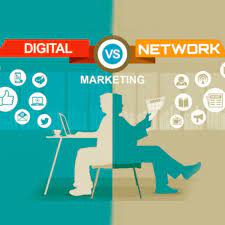
Digital network marketing involves leveraging online platforms and technologies to build relationships, drive brand awareness, and generate leads. It goes beyond traditional advertising by focusing on creating meaningful connections with customers through various digital channels such as social media, email marketing, search engine optimization (SEO), and content marketing.

The Benefits of Digital Network Marketing

One of the key advantages of digital network marketing is its ability to target specific audiences with precision. By using data analytics and targeting tools, businesses can tailor their messages to resonate with the right people at the right time. This targeted approach leads to higher conversion rates and ultimately boosts ROI.

Furthermore, digital network marketing allows for real-time interaction with customers. Through social media platforms and instant messaging services, businesses can engage with their audience in a more personal and immediate way, building trust and loyalty over time.

Key Strategies for Success

When implementing a digital network marketing strategy, it is essential to focus on creating valuable content that resonates with your target audience. Whether it’s informative blog posts, engaging videos, or interactive social media campaigns, quality content is key to capturing attention and driving engagement.

Additionally, building a strong online presence across multiple channels is crucial for reaching a wider audience. By maintaining active profiles on relevant social media platforms and optimizing your website for search engines, you can increase visibility and attract more potential customers to your business.

Embracing the Future of Marketing

In conclusion, digital network marketing offers businesses a powerful tool for connecting with customers in the digital age. By leveraging the latest technologies and strategies, businesses can create meaningful relationships with their audience, drive brand loyalty, and achieve long-term success in an increasingly competitive online landscape.

If you’re looking to take your marketing efforts to the next level, consider incorporating digital network marketing into your overall strategy – the possibilities are endless!


Top 5 Essential Tips for Mastering Digital Network Marketing

  1. Understand your target audience to tailor your marketing messages effectively.
  2. Utilise various digital platforms such as social media, email, and websites for maximum reach.
  3. Create engaging and shareable content to increase brand visibility and attract more customers.
  4. Monitor analytics regularly to track the performance of your campaigns and make data-driven decisions.
  5. Build relationships with influencers or industry leaders to enhance credibility and expand your network.

Understand your target audience to tailor your marketing messages effectively.

To succeed in digital network marketing, it is crucial to have a deep understanding of your target audience. By knowing their preferences, behaviours, and needs, you can tailor your marketing messages in a way that resonates with them effectively. This personalised approach not only increases the chances of engaging with your audience but also leads to higher conversion rates and long-term customer loyalty. Remember, the key to successful digital network marketing lies in delivering the right message to the right people at the right time.

Utilise various digital platforms such as social media, email, and websites for maximum reach.

To maximise your reach in digital network marketing, it is essential to utilise a variety of online platforms effectively. By leveraging social media, email marketing, and well-optimised websites, you can connect with a diverse audience and engage with them on different levels. Social media allows for real-time interactions and community building, while email marketing enables personalised communication directly to your target audience. A well-designed website serves as a central hub for showcasing your brand and offerings. By integrating these digital platforms seamlessly, you can enhance your online presence and reach a wider audience effectively.

Create engaging and shareable content to increase brand visibility and attract more customers.

Creating engaging and shareable content is a crucial tip in digital network marketing to enhance brand visibility and attract a larger customer base. By crafting content that resonates with your target audience and encourages them to share it with their networks, you can significantly amplify your brand’s reach and impact. Engaging content not only helps in building brand awareness but also fosters a sense of connection with customers, ultimately leading to increased loyalty and conversions. Embracing this strategy can help businesses stand out in the crowded digital landscape and establish a strong online presence that drives meaningful engagement and growth.

Monitor analytics regularly to track the performance of your campaigns and make data-driven decisions.

Monitoring analytics regularly is a crucial tip in digital network marketing as it allows businesses to track the performance of their campaigns and make informed, data-driven decisions. By analysing key metrics such as website traffic, conversion rates, and engagement levels, businesses can gain valuable insights into what is working well and where improvements are needed. This data-driven approach not only helps in optimising current campaigns for better results but also guides future strategies for more effective targeting and engagement with the target audience.

Build relationships with influencers or industry leaders to enhance credibility and expand your network.

Building relationships with influencers or industry leaders is a valuable tip in digital network marketing. By collaborating with individuals who have a strong presence and credibility in your industry, you can enhance your own brand’s reputation and reach a wider audience. Partnering with influencers allows you to tap into their existing network, gain valuable insights, and establish trust with potential customers. This strategic approach not only boosts your credibility but also opens up new opportunities for growth and expansion in the digital landscape.

media agency

Navigating the Modern Marketing Landscape with a Trusted Media Agency

The Role of a Media Agency in Today’s Digital Landscape

In the ever-evolving world of marketing and advertising, media agencies play a crucial role in helping businesses navigate the complex landscape of media planning and buying. A media agency acts as a strategic partner, working with clients to develop effective campaigns that reach and engage target audiences across various channels.

Understanding the Role of a Media Agency

Media agencies are experts in understanding consumer behaviour, market trends, and media consumption patterns. They utilise this knowledge to create data-driven strategies that maximise the impact of advertising efforts. From traditional media such as television, radio, and print to digital platforms like social media, search engines, and programmatic advertising, media agencies have the expertise to leverage a wide range of channels to deliver results for their clients.

The Benefits of Working with a Media Agency

Collaborating with a media agency offers several advantages for businesses looking to enhance their marketing efforts:

  • Expertise: Media agencies have specialised knowledge and experience in planning and executing successful advertising campaigns.
  • Data-Driven Insights: By leveraging data analytics and market research, media agencies can identify opportunities for targeting specific audience segments effectively.
  • Cost Efficiency: Media agencies help optimise ad spend by ensuring that resources are allocated strategically across different channels for maximum impact.
  • Creative Solutions: Media agencies work closely with creative teams to develop compelling messaging and visuals that resonate with target audiences.

The Future of Media Agencies

In an increasingly digital world where consumer behaviour is constantly evolving, the role of media agencies continues to evolve as well. With the rise of new technologies such as artificial intelligence, machine learning, and automation, media agencies are adapting their strategies to stay ahead of the curve and deliver innovative solutions for their clients.

As businesses strive to connect with consumers in meaningful ways across multiple touchpoints, the expertise and strategic guidance provided by media agencies will remain invaluable in driving successful marketing campaigns and achieving business objectives in today’s competitive marketplace.


Exploring Media Agencies: Key Questions and Insights for Businesses

  1. What services does a media agency offer?
  2. How can a media agency help my business reach its target audience?
  3. What is the difference between a media agency and an advertising agency?
  4. How do media agencies determine the most effective channels for advertising?
  5. What factors should I consider when choosing a media agency to work with?
  6. Can a media agency help with both traditional and digital advertising strategies?
  7. How do media agencies stay up-to-date with the latest trends in the industry?

What services does a media agency offer?

A media agency offers a comprehensive range of services aimed at helping businesses effectively plan, execute, and optimise their advertising and marketing campaigns across various channels. Some common services provided by media agencies include media planning and buying, audience research and targeting, campaign strategy development, creative production support, performance tracking and analysis, as well as negotiation with media vendors to secure the best rates for ad placements. By leveraging their expertise in media landscape trends and consumer behaviour insights, media agencies play a vital role in driving brand visibility, engagement, and ultimately, achieving campaign objectives for their clients.

How can a media agency help my business reach its target audience?

A media agency can help your business reach its target audience by leveraging its expertise in media planning and buying to develop targeted strategies that effectively reach and engage the right consumers. Through in-depth market research, data analysis, and consumer insights, a media agency can identify the most relevant channels and platforms to deliver your message to the right people at the right time. By optimising ad placements, targeting specific demographics, and monitoring campaign performance, a media agency can maximise the impact of your advertising efforts and help you connect with your target audience in a meaningful way that drives results for your business.

What is the difference between a media agency and an advertising agency?

A common question that arises in the realm of marketing and advertising is the distinction between a media agency and an advertising agency. While both play integral roles in promoting brands and reaching target audiences, they serve different functions within the industry. An advertising agency is primarily focused on creating and developing creative concepts, messaging, and visuals for campaigns. On the other hand, a media agency specialises in strategic planning and buying media space across various channels to ensure that the advertising messages reach the right audience at the right time. In essence, while an advertising agency handles the creative aspects of campaigns, a media agency focuses on the placement and distribution of those creatives to maximise their impact and effectiveness.

How do media agencies determine the most effective channels for advertising?

Media agencies determine the most effective channels for advertising through a strategic and data-driven approach. They begin by conducting thorough market research and analysing consumer behaviour to understand where target audiences are most active. By leveraging data analytics and insights, media agencies can identify the channels that offer the highest potential for reaching and engaging with the desired demographic. Factors such as audience demographics, media consumption habits, campaign objectives, and budget considerations all play a crucial role in determining the optimal mix of channels for advertising campaigns. Through continuous monitoring, testing, and optimisation, media agencies ensure that advertising efforts are directed towards channels that deliver the best results and maximise return on investment for their clients.

What factors should I consider when choosing a media agency to work with?

When selecting a media agency to collaborate with, several key factors should be taken into consideration to ensure a successful partnership. Firstly, it is essential to assess the agency’s expertise and track record in the industry. Look for a media agency with a proven history of delivering effective campaigns and achieving results for clients. Additionally, consider the agency’s understanding of your target audience and market dynamics, as this will influence the relevance and impact of your advertising efforts. Transparency, communication, and alignment with your business goals are also crucial factors to evaluate when choosing a media agency to work with. By carefully considering these aspects, you can make an informed decision that leads to a productive and mutually beneficial relationship with the chosen agency.

Can a media agency help with both traditional and digital advertising strategies?

A media agency can indeed help businesses with both traditional and digital advertising strategies. Media agencies are well-equipped to develop comprehensive marketing plans that incorporate a mix of traditional channels such as television, radio, and print, as well as digital platforms like social media, search engines, and online display advertising. By leveraging their expertise in both traditional and digital media, media agencies can create integrated campaigns that reach target audiences across various touchpoints, ensuring a cohesive brand message and maximising the impact of advertising efforts. Whether it’s raising brand awareness through a TV commercial or driving online conversions through targeted digital ads, a skilled media agency can tailor strategies to meet the specific needs and goals of each client effectively.

Media agencies stay up-to-date with the latest trends in the industry through a combination of proactive research, continuous monitoring of market developments, and active participation in industry events and conferences. By investing in ongoing training and professional development for their teams, media agencies ensure that their staff are equipped with the knowledge and skills needed to navigate the rapidly changing landscape of advertising and marketing. Additionally, leveraging technology tools and data analytics allows media agencies to analyse trends, consumer behaviour, and emerging technologies to inform their strategies and stay ahead of the curve. This commitment to staying informed and adaptable enables media agencies to provide cutting-edge solutions that drive results for their clients in a dynamic and competitive environment.

marketing firm

Unlocking Success: How a Marketing Firm Can Transform Your Business

The Role of a Marketing Firm in Boosting Your Business

Marketing is a crucial aspect of any successful business. It is the key to reaching and engaging with your target audience, building brand awareness, and ultimately driving sales. While some companies may have in-house marketing teams, many businesses turn to marketing firms for their expertise and specialised services.

A marketing firm is a professional agency that specialises in creating and implementing strategic marketing campaigns tailored to meet the unique needs of their clients. These firms typically offer a wide range of services, including market research, branding, advertising, digital marketing, social media management, and more.

Benefits of Hiring a Marketing Firm

There are several benefits to enlisting the help of a marketing firm for your business:

  • Expertise: Marketing firms have a team of experienced professionals who are well-versed in the latest trends and techniques in the industry. They can provide valuable insights and recommendations to help your business stand out in a crowded marketplace.
  • Cost-Effective: Outsourcing your marketing efforts to a firm can be more cost-effective than hiring an in-house team. You can access a wide range of skills and resources without the overhead costs associated with maintaining a full-time staff.
  • Fresh Perspective: A marketing firm can offer an outsider’s perspective on your business, helping you identify new opportunities and areas for growth that you may not have considered.
  • Focus on Core Business Activities: By letting a marketing firm handle your promotional efforts, you can focus on running your business and serving your customers without getting bogged down by marketing tasks.

Choosing the Right Marketing Firm

When selecting a marketing firm for your business, it’s essential to consider factors such as their experience, track record, range of services offered, and compatibility with your company culture. Take the time to research different firms, ask for references, and discuss your goals and expectations upfront to ensure a successful partnership.

In conclusion, partnering with a marketing firm can give your business the competitive edge it needs to succeed in today’s fast-paced market. By leveraging their expertise and resources, you can elevate your brand presence, attract new customers, and achieve sustainable growth over time.


7 Essential Tips for Elevating Your Marketing Firm’s Success

  1. Understand your target audience thoroughly.
  2. Create a strong brand identity that resonates with your audience.
  3. Utilize various marketing channels to reach a wider audience.
  4. Consistently monitor and analyse your marketing efforts for effectiveness.
  5. Build relationships with clients based on trust and communication.
  6. Stay updated on industry trends and adapt your strategies accordingly.
  7. Invest in professional development for your team to enhance skills and knowledge.

Understand your target audience thoroughly.

To maximise the effectiveness of your marketing efforts, it is crucial to thoroughly understand your target audience. By gaining insight into their demographics, preferences, behaviours, and needs, you can tailor your messaging and strategies to resonate with them effectively. Understanding your target audience allows you to create more personalised and engaging campaigns that are more likely to capture their attention and drive meaningful interactions with your brand.

Create a strong brand identity that resonates with your audience.

Creating a strong brand identity that resonates with your audience is essential for the success of your business. Your brand is more than just a logo or a tagline – it is the essence of who you are as a company and what you stand for. By developing a cohesive brand identity that reflects your values, personality, and unique selling points, you can establish a meaningful connection with your target audience. This connection builds trust, loyalty, and recognition, ultimately setting you apart from competitors and driving long-term success in the market.

Utilize various marketing channels to reach a wider audience.

To maximise your marketing efforts, it is essential for a marketing firm to utilise various channels to reach a wider audience. By diversifying your approach across different platforms such as social media, email marketing, search engine optimisation (SEO), and traditional advertising, you can engage with a broader demographic and increase brand visibility. Each channel offers unique opportunities to connect with potential customers, so incorporating a mix of strategies can help you reach and resonate with a wider audience, ultimately driving business growth and success.

Consistently monitor and analyse your marketing efforts for effectiveness.

It is essential for businesses working with a marketing firm to consistently monitor and analyse their marketing efforts for effectiveness. By tracking key performance indicators, measuring campaign results, and analysing customer feedback, businesses can gain valuable insights into what strategies are working well and where adjustments may be needed. This ongoing evaluation allows for informed decision-making, optimisation of marketing campaigns, and ultimately, the maximisation of ROI. Consistency in monitoring and analysis ensures that businesses stay agile and responsive in their marketing approach, leading to continual improvement and success in reaching their target audience.

Build relationships with clients based on trust and communication.

Building strong relationships with clients is a fundamental aspect of the success of a marketing firm. By prioritising trust and open communication, a marketing firm can foster long-lasting partnerships that are built on mutual understanding and collaboration. When clients feel valued and heard, they are more likely to entrust their marketing needs to the firm and work together towards achieving shared goals. Clear and transparent communication helps in aligning expectations, addressing concerns promptly, and ultimately delivering results that exceed client expectations. In essence, nurturing relationships based on trust and communication is key to establishing a solid foundation for success in the dynamic world of marketing.

To thrive in the dynamic landscape of marketing, it is crucial for businesses partnering with a marketing firm to stay informed about the latest industry trends and adapt their strategies accordingly. By keeping a finger on the pulse of emerging technologies, consumer behaviours, and market shifts, companies can proactively adjust their marketing approaches to stay relevant and competitive. This proactive approach not only demonstrates agility and foresight but also ensures that businesses are well-positioned to capitalise on new opportunities and maintain a strong market presence.

Invest in professional development for your team to enhance skills and knowledge.

Investing in professional development for your team is crucial for enhancing their skills and knowledge in the dynamic field of marketing. By providing opportunities for training, workshops, and industry certifications, you empower your team to stay abreast of the latest trends and best practices. This not only boosts their confidence and job satisfaction but also equips them with the tools needed to deliver exceptional results for your clients. Continuous learning and development foster a culture of innovation and excellence within your marketing firm, ultimately contributing to long-term success and client satisfaction.