
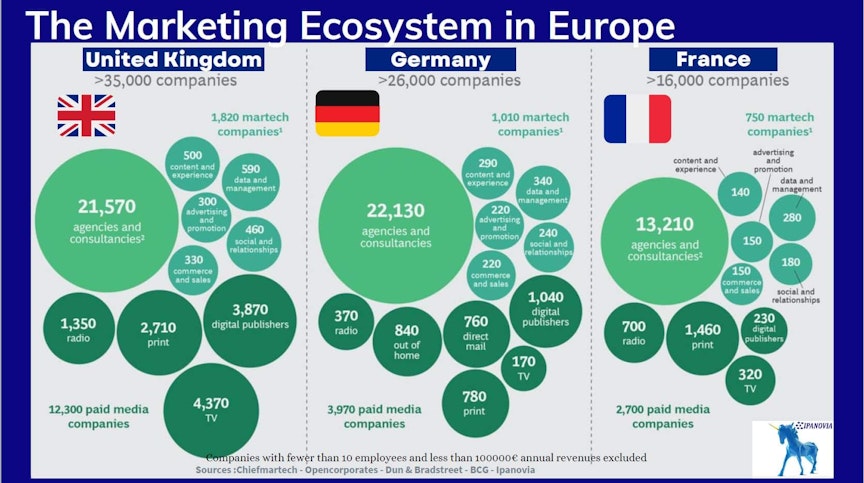
digital media companies

Exploring the Evolution of Digital Media Companies in the UK

Digital Media Companies

The Rise of Digital Media Companies

Digital media companies play a crucial role in today’s interconnected world, shaping how we consume information, entertainment, and connect with one another. These companies leverage technology to deliver content across various digital platforms, revolutionising the way we interact with media.

Impact on Traditional Media

With the advent of digital media companies, traditional forms of media such as newspapers, radio, and television have had to adapt to the changing landscape. Digital media offers immediacy, interactivity, and personalisation that traditional media struggles to match. This shift has forced traditional media outlets to embrace digital strategies to stay relevant in the modern age.

Diversification of Content

Digital media companies have opened up new avenues for content creation and consumption. From streaming services providing on-demand entertainment to social media platforms enabling user-generated content, the digital space offers a diverse range of content for audiences worldwide. This diversity has empowered creators and consumers alike, fostering a rich and dynamic media environment.

Challenges and Opportunities

While digital media companies have brought about significant advancements in how we engage with content, they also face challenges such as data privacy concerns, fake news proliferation, and algorithmic biases. However, these challenges present opportunities for innovation and improvement in areas like transparency, ethical practices, and user empowerment.

The Future of Digital Media Companies

As technology continues to evolve rapidly, digital media companies must adapt to meet the changing needs and expectations of audiences. The future holds exciting possibilities for immersive experiences, artificial intelligence-driven content recommendations, virtual reality storytelling, and more. By embracing innovation and staying attuned to audience preferences, digital media companies can continue shaping the future of media consumption.


Top 5 Essential Tips for Thriving in the Digital Media Industry

  1. Stay updated with the latest digital trends and technologies.
  2. Focus on creating high-quality and engaging content for your audience.
  3. Build a strong online presence through social media and other digital platforms.
  4. Invest in data analytics to understand your audience better and improve your strategies.
  5. Collaborate with influencers and other brands to expand your reach and grow your network.

To thrive in the dynamic landscape of digital media companies, it is essential to stay updated with the latest digital trends and technologies. By continuously monitoring industry developments and embracing emerging technologies, companies can remain relevant, innovative, and competitive in a rapidly evolving digital ecosystem. Adapting to new trends not only enhances the quality of content and services offered but also enables companies to anticipate and meet the changing needs and preferences of their audience. Embracing a culture of learning and adaptation ensures that digital media companies stay ahead of the curve and continue to drive growth and success in the digital sphere.

Focus on creating high-quality and engaging content for your audience.

In the realm of digital media companies, a key tip for success is to prioritise the creation of high-quality and engaging content tailored to your target audience. By focusing on delivering content that is not only informative but also captivating and relevant, companies can establish a strong connection with their audience, foster brand loyalty, and drive meaningful engagement. Quality content has the power to resonate with viewers, spark conversations, and leave a lasting impression, ultimately contributing to the overall success and growth of a digital media company in today’s competitive landscape.

Build a strong online presence through social media and other digital platforms.

Building a strong online presence through social media and other digital platforms is essential for digital media companies to reach and engage with their target audience effectively. By leveraging the power of social media networks, such as Facebook, Twitter, Instagram, and LinkedIn, along with other digital platforms like YouTube and TikTok, companies can amplify their brand visibility, connect with followers in real-time, share engaging content, and drive traffic to their websites. A robust online presence not only enhances brand awareness but also fosters community engagement and encourages audience interaction, ultimately leading to increased brand loyalty and business growth in the competitive digital landscape.

Invest in data analytics to understand your audience better and improve your strategies.

Investing in data analytics is a crucial tip for digital media companies looking to enhance their understanding of their audience and refine their strategies effectively. By leveraging data-driven insights, companies can gain valuable information about audience preferences, behaviours, and trends. This knowledge allows for targeted content creation, personalised marketing campaigns, and strategic decision-making that aligns with the needs and interests of their audience. Ultimately, investing in data analytics empowers digital media companies to optimise their operations and deliver more impactful and engaging experiences to their target audience.

Collaborate with influencers and other brands to expand your reach and grow your network.

Collaborating with influencers and other brands is a strategic tip for digital media companies looking to expand their reach and grow their network. By partnering with influencers who have a strong online following, companies can tap into new audiences and leverage the influencer’s credibility to promote their products or services. Additionally, collaborating with complementary brands can help create synergistic marketing campaigns that benefit all parties involved. These partnerships not only increase visibility but also provide opportunities for cross-promotion and mutual growth in the competitive digital landscape.

media agency

Navigating the Modern Marketing Landscape with a Trusted Media Agency

The Role of a Media Agency in Today’s Digital Landscape

In the ever-evolving world of marketing and advertising, media agencies play a crucial role in helping businesses navigate the complex landscape of media planning and buying. A media agency acts as a strategic partner, working with clients to develop effective campaigns that reach and engage target audiences across various channels.

Understanding the Role of a Media Agency

Media agencies are experts in understanding consumer behaviour, market trends, and media consumption patterns. They utilise this knowledge to create data-driven strategies that maximise the impact of advertising efforts. From traditional media such as television, radio, and print to digital platforms like social media, search engines, and programmatic advertising, media agencies have the expertise to leverage a wide range of channels to deliver results for their clients.

The Benefits of Working with a Media Agency

Collaborating with a media agency offers several advantages for businesses looking to enhance their marketing efforts:

  • Expertise: Media agencies have specialised knowledge and experience in planning and executing successful advertising campaigns.
  • Data-Driven Insights: By leveraging data analytics and market research, media agencies can identify opportunities for targeting specific audience segments effectively.
  • Cost Efficiency: Media agencies help optimise ad spend by ensuring that resources are allocated strategically across different channels for maximum impact.
  • Creative Solutions: Media agencies work closely with creative teams to develop compelling messaging and visuals that resonate with target audiences.

The Future of Media Agencies

In an increasingly digital world where consumer behaviour is constantly evolving, the role of media agencies continues to evolve as well. With the rise of new technologies such as artificial intelligence, machine learning, and automation, media agencies are adapting their strategies to stay ahead of the curve and deliver innovative solutions for their clients.

As businesses strive to connect with consumers in meaningful ways across multiple touchpoints, the expertise and strategic guidance provided by media agencies will remain invaluable in driving successful marketing campaigns and achieving business objectives in today’s competitive marketplace.


Exploring Media Agencies: Key Questions and Insights for Businesses

  1. What services does a media agency offer?
  2. How can a media agency help my business reach its target audience?
  3. What is the difference between a media agency and an advertising agency?
  4. How do media agencies determine the most effective channels for advertising?
  5. What factors should I consider when choosing a media agency to work with?
  6. Can a media agency help with both traditional and digital advertising strategies?
  7. How do media agencies stay up-to-date with the latest trends in the industry?

What services does a media agency offer?

A media agency offers a comprehensive range of services aimed at helping businesses effectively plan, execute, and optimise their advertising and marketing campaigns across various channels. Some common services provided by media agencies include media planning and buying, audience research and targeting, campaign strategy development, creative production support, performance tracking and analysis, as well as negotiation with media vendors to secure the best rates for ad placements. By leveraging their expertise in media landscape trends and consumer behaviour insights, media agencies play a vital role in driving brand visibility, engagement, and ultimately, achieving campaign objectives for their clients.

How can a media agency help my business reach its target audience?

A media agency can help your business reach its target audience by leveraging its expertise in media planning and buying to develop targeted strategies that effectively reach and engage the right consumers. Through in-depth market research, data analysis, and consumer insights, a media agency can identify the most relevant channels and platforms to deliver your message to the right people at the right time. By optimising ad placements, targeting specific demographics, and monitoring campaign performance, a media agency can maximise the impact of your advertising efforts and help you connect with your target audience in a meaningful way that drives results for your business.

What is the difference between a media agency and an advertising agency?

A common question that arises in the realm of marketing and advertising is the distinction between a media agency and an advertising agency. While both play integral roles in promoting brands and reaching target audiences, they serve different functions within the industry. An advertising agency is primarily focused on creating and developing creative concepts, messaging, and visuals for campaigns. On the other hand, a media agency specialises in strategic planning and buying media space across various channels to ensure that the advertising messages reach the right audience at the right time. In essence, while an advertising agency handles the creative aspects of campaigns, a media agency focuses on the placement and distribution of those creatives to maximise their impact and effectiveness.

How do media agencies determine the most effective channels for advertising?

Media agencies determine the most effective channels for advertising through a strategic and data-driven approach. They begin by conducting thorough market research and analysing consumer behaviour to understand where target audiences are most active. By leveraging data analytics and insights, media agencies can identify the channels that offer the highest potential for reaching and engaging with the desired demographic. Factors such as audience demographics, media consumption habits, campaign objectives, and budget considerations all play a crucial role in determining the optimal mix of channels for advertising campaigns. Through continuous monitoring, testing, and optimisation, media agencies ensure that advertising efforts are directed towards channels that deliver the best results and maximise return on investment for their clients.

What factors should I consider when choosing a media agency to work with?

When selecting a media agency to collaborate with, several key factors should be taken into consideration to ensure a successful partnership. Firstly, it is essential to assess the agency’s expertise and track record in the industry. Look for a media agency with a proven history of delivering effective campaigns and achieving results for clients. Additionally, consider the agency’s understanding of your target audience and market dynamics, as this will influence the relevance and impact of your advertising efforts. Transparency, communication, and alignment with your business goals are also crucial factors to evaluate when choosing a media agency to work with. By carefully considering these aspects, you can make an informed decision that leads to a productive and mutually beneficial relationship with the chosen agency.

Can a media agency help with both traditional and digital advertising strategies?

A media agency can indeed help businesses with both traditional and digital advertising strategies. Media agencies are well-equipped to develop comprehensive marketing plans that incorporate a mix of traditional channels such as television, radio, and print, as well as digital platforms like social media, search engines, and online display advertising. By leveraging their expertise in both traditional and digital media, media agencies can create integrated campaigns that reach target audiences across various touchpoints, ensuring a cohesive brand message and maximising the impact of advertising efforts. Whether it’s raising brand awareness through a TV commercial or driving online conversions through targeted digital ads, a skilled media agency can tailor strategies to meet the specific needs and goals of each client effectively.

Media agencies stay up-to-date with the latest trends in the industry through a combination of proactive research, continuous monitoring of market developments, and active participation in industry events and conferences. By investing in ongoing training and professional development for their teams, media agencies ensure that their staff are equipped with the knowledge and skills needed to navigate the rapidly changing landscape of advertising and marketing. Additionally, leveraging technology tools and data analytics allows media agencies to analyse trends, consumer behaviour, and emerging technologies to inform their strategies and stay ahead of the curve. This commitment to staying informed and adaptable enables media agencies to provide cutting-edge solutions that drive results for their clients in a dynamic and competitive environment.