The Power of Digital Media Marketing
In today’s digital age, the way businesses market their products and services has undergone a significant transformation. Digital media marketing has become a powerful tool for reaching and engaging with target audiences in a more personalised and effective manner.
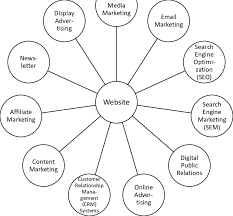
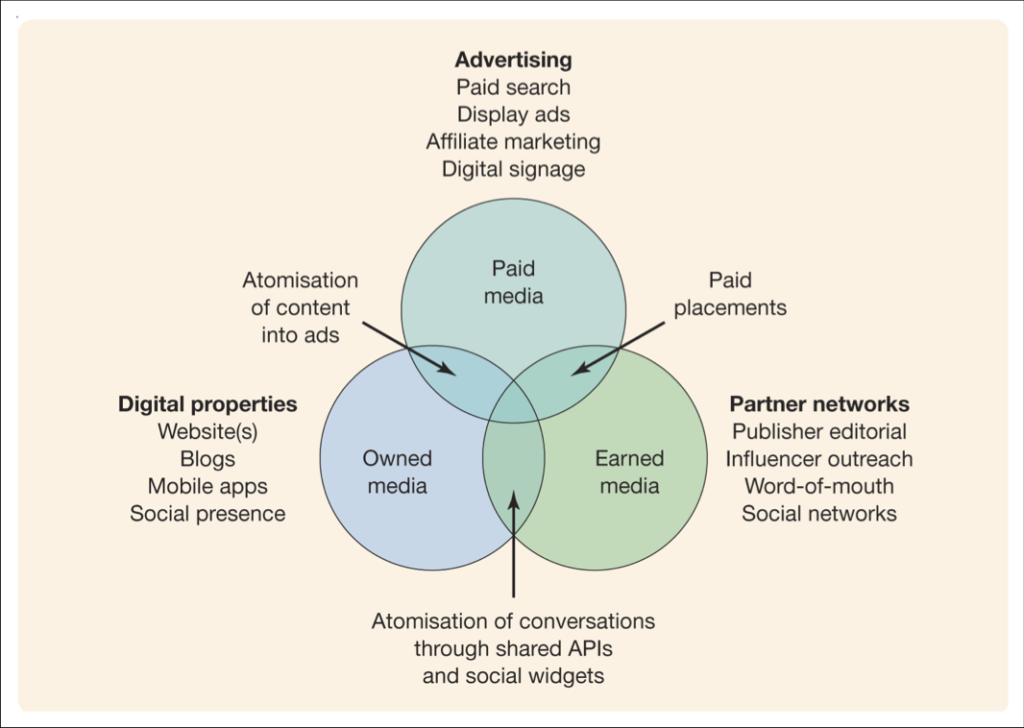
Digital media marketing encompasses a wide range of online channels and platforms, including social media, search engines, email, websites, and mobile apps. By leveraging these digital channels strategically, businesses can connect with their customers in real-time, build brand awareness, drive traffic to their websites, and ultimately increase sales.
Benefits of Digital Media Marketing
- Targeted Reach: With digital media marketing, businesses can target specific demographics, interests, and behaviours to reach the right audience for their products or services.
- Measurable Results: Unlike traditional marketing methods, digital media marketing allows for precise tracking and analysis of campaign performance metrics such as website traffic, conversions, click-through rates, and more.
- Cost-Effective: Digital media marketing offers various cost-effective options compared to traditional advertising channels. Businesses can reach a larger audience at a fraction of the cost.
- Engagement: Through interactive content such as videos, social media posts, and blogs, businesses can engage with their audience on a more personal level and build lasting relationships.
- Global Reach: With the internet breaking down geographical barriers, digital media marketing enables businesses to expand their reach beyond local markets to a global audience.
Trends in Digital Media Marketing
The landscape of digital media marketing is constantly evolving with new trends emerging regularly. Some current trends include influencer marketing, voice search optimization, chatbots for customer service, interactive content like AR/VR experiences, and personalised messaging based on user behaviour.
As technology continues to advance and consumer behaviours shift towards online interactions, businesses must adapt their digital media marketing strategies to stay relevant and competitive in today’s market.
In conclusion, digital media marketing offers immense opportunities for businesses to connect with their target audience effectively in the digital realm. By embracing the power of digital channels and staying abreast of emerging trends, businesses can drive growth and success in the ever-evolving landscape of online marketing.
9 Essential Tips for Mastering Digital Media Marketing
- Identify your target audience and tailor your content to their preferences.
- Utilise various digital platforms such as social media, email, and search engines for marketing.
- Create engaging and shareable content to increase brand visibility.
- Utilise analytics tools to track the performance of your campaigns and make data-driven decisions.
- Stay updated with the latest trends in digital marketing to remain competitive.
- Interact with your audience through comments, messages, and feedback to build a loyal customer base.
- Collaborate with influencers or other brands for wider reach and credibility.
- Optimise your website for mobile devices as a significant portion of internet users access content through mobiles.
- Run targeted advertising campaigns to reach specific demographics or interests.
Identify your target audience and tailor your content to their preferences.
To maximise the effectiveness of your digital media marketing efforts, it is essential to identify your target audience and tailor your content to their preferences. Understanding the demographics, interests, and behaviours of your audience allows you to create personalised and relevant content that resonates with them. By crafting messages that speak directly to the needs and interests of your target audience, you can increase engagement, build brand loyalty, and ultimately drive conversions. This strategic approach not only enhances the effectiveness of your marketing campaigns but also fosters stronger connections with your customers in the digital landscape.
Utilise various digital platforms such as social media, email, and search engines for marketing.
To maximise the impact of digital media marketing, it is essential to utilise a diverse range of online platforms. By leveraging channels like social media, email, and search engines strategically, businesses can reach their target audience effectively and engage with them in meaningful ways. Social media platforms offer the opportunity to connect with customers in real-time and build brand awareness, while email marketing allows for direct communication and personalised messaging. Additionally, search engine marketing enables businesses to enhance their online visibility and drive traffic to their websites. By incorporating these digital platforms into their marketing strategies, businesses can create a comprehensive and dynamic online presence that resonates with their audience.
Create engaging and shareable content to increase brand visibility.
Creating engaging and shareable content is a crucial tip in digital media marketing to enhance brand visibility. By crafting content that resonates with the target audience, businesses can capture their attention and encourage them to share it with others, thereby expanding the reach of the brand. Engaging content that sparks conversation, evokes emotions, or provides value to the audience is more likely to be shared across social media platforms, leading to increased brand awareness and visibility in the digital space.
Utilise analytics tools to track the performance of your campaigns and make data-driven decisions.
To maximise the effectiveness of your digital media marketing campaigns, it is essential to utilise analytics tools to track their performance meticulously. By leveraging data-driven insights provided by these tools, businesses can gain valuable information on key metrics such as website traffic, user engagement, conversion rates, and more. This data empowers marketers to make informed decisions, optimise their strategies in real-time, and refine their campaigns for better results. Ultimately, harnessing analytics tools enables businesses to enhance the efficiency and impact of their digital marketing efforts in a targeted and measurable way.
Stay updated with the latest trends in digital marketing to remain competitive.
To stay competitive in the ever-evolving landscape of digital media marketing, it is crucial to stay updated with the latest trends and advancements in the industry. By keeping abreast of emerging technologies, consumer behaviours, and innovative strategies, businesses can adapt their digital marketing efforts to meet the changing needs of their target audience. Remaining informed about current trends allows businesses to stay ahead of the curve, engage with customers in meaningful ways, and ultimately maintain a competitive edge in the digital marketplace.
Interact with your audience through comments, messages, and feedback to build a loyal customer base.
To build a loyal customer base through digital media marketing, it is essential to actively engage with your audience. By responding to comments, messages, and feedback from customers in a timely and personalised manner, businesses can foster a sense of connection and trust. This interaction not only shows that you value your customers’ opinions but also helps in building long-lasting relationships that can lead to increased brand loyalty and advocacy. Embracing this approach not only enhances customer satisfaction but also strengthens the overall reputation and credibility of the business in the digital space.
Collaborate with influencers or other brands for wider reach and credibility.
Collaborating with influencers or other brands in your digital media marketing strategy can significantly enhance your reach and credibility. By partnering with individuals or companies that have a strong following or reputation in your industry, you can tap into their existing audience and leverage their influence to promote your products or services. This collaboration not only expands your brand’s visibility to a wider demographic but also lends credibility and authenticity to your marketing efforts, as consumers are more likely to trust recommendations from familiar faces or trusted brands. In today’s competitive digital landscape, strategic partnerships with influencers and brands can be a powerful way to amplify your message and connect with potential customers on a deeper level.
Optimise your website for mobile devices as a significant portion of internet users access content through mobiles.
To maximise the effectiveness of your digital media marketing efforts, it is crucial to optimise your website for mobile devices. With a significant portion of internet users accessing content through mobiles, ensuring that your website is mobile-friendly can enhance user experience and engagement. By creating a responsive design that adapts seamlessly to various screen sizes and devices, you can cater to the growing number of mobile users and improve accessibility to your content, ultimately driving traffic and conversions on your site.
Run targeted advertising campaigns to reach specific demographics or interests.
Running targeted advertising campaigns is a key strategy in digital media marketing to effectively reach specific demographics or interests. By tailoring advertisements to resonate with the preferences and characteristics of a particular audience segment, businesses can maximise their campaign’s impact and engagement. This approach not only increases the likelihood of reaching potential customers who are more likely to convert but also allows for a more efficient allocation of marketing resources. Targeted advertising campaigns enable businesses to deliver personalised messages that speak directly to the needs and interests of their target audience, ultimately driving higher levels of engagement and conversion rates in the digital landscape.