international digital marketing

Mastering the Art of International Digital Marketing: Strategies for Global Success

The Power of International Digital Marketing

In today’s interconnected world, businesses are no longer limited by geographical boundaries when it comes to reaching their target audience. International digital marketing has emerged as a powerful tool for companies looking to expand their global footprint and connect with customers around the world.

One of the key advantages of international digital marketing is its ability to transcend physical barriers and engage with diverse audiences in different countries. Through strategic use of online channels such as social media, search engine optimisation (SEO), email marketing, and content creation, businesses can tailor their messages to resonate with specific cultural nuances and preferences.

Moreover, international digital marketing offers a cost-effective way for companies to promote their products or services on a global scale. Compared to traditional marketing methods like print advertising or TV commercials, digital marketing allows for precise targeting and measurement of campaign performance, enabling businesses to optimise their strategies for maximum impact.

Successful international digital marketing requires a deep understanding of local markets, languages, and consumer behaviours. By conducting thorough market research and leveraging data analytics tools, businesses can identify opportunities for growth and develop targeted campaigns that speak directly to the needs and interests of their international audience.

Furthermore, international digital marketing enables companies to build brand awareness and credibility on a global level. By establishing a strong online presence across multiple countries, businesses can enhance their reputation and attract new customers who may have never been exposed to their brand otherwise.

In conclusion, international digital marketing presents an exciting opportunity for businesses to expand their reach beyond borders and connect with audiences worldwide. By harnessing the power of digital technology and embracing cultural diversity, companies can unlock new growth opportunities and drive success in the global marketplace.


Top 5 Tips for Effective International Digital Marketing Strategies

  1. Understand cultural differences and tailor your content accordingly.
  2. Localize your website and digital assets for different markets.
  3. Utilize social media platforms popular in the target countries.
  4. Consider language nuances and idioms when creating content.
  5. Stay up-to-date with international SEO trends and best practices.

Understand cultural differences and tailor your content accordingly.

To succeed in international digital marketing, it is crucial to acknowledge and respect cultural differences and nuances in various markets. By understanding the unique preferences, values, and behaviours of different audiences, businesses can tailor their content and messaging to resonate effectively with each target demographic. This personalised approach not only enhances engagement and relevance but also demonstrates a commitment to building authentic connections with consumers around the world.

Localize your website and digital assets for different markets.

To maximise the effectiveness of your international digital marketing efforts, it is crucial to localise your website and digital assets for different markets. By tailoring your content, language, and design to resonate with the cultural preferences and expectations of specific regions, you can create a more engaging and relevant experience for your target audience. Localisation goes beyond mere translation; it involves adapting your messaging and imagery to reflect the nuances of each market, ultimately enhancing user engagement and driving conversions. Investing in localisation demonstrates a commitment to understanding and connecting with customers on a personal level, leading to increased brand loyalty and success in diverse global markets.

To maximise the effectiveness of international digital marketing efforts, it is essential to utilise social media platforms that are popular in the target countries. By understanding the social media preferences and behaviours of specific regions, businesses can tailor their content and engagement strategies to resonate with local audiences. This approach not only helps to increase brand visibility and engagement but also fosters stronger connections with potential customers in different cultural contexts.

Consider language nuances and idioms when creating content.

When delving into international digital marketing, it is crucial to consider language nuances and idioms when crafting content for different target audiences. Understanding the subtleties of language in various regions can make a significant impact on how your message is received and interpreted by potential customers. By incorporating local idioms and cultural references appropriately, businesses can establish a deeper connection with their international audience and convey their message in a way that resonates authentically with local communities.

To succeed in international digital marketing, it is crucial to stay up-to-date with international SEO trends and best practices. Search engine optimisation plays a vital role in ensuring that your online content is discoverable by global audiences. By keeping abreast of the latest developments in international SEO, such as localised keyword research, multilingual content optimisation, and geo-targeting strategies, businesses can improve their visibility in search engine results across different countries and languages. This proactive approach to SEO not only enhances website traffic and conversions but also helps businesses stay competitive in the ever-evolving digital landscape.

digital marketing techniques

Maximising Business Growth Through Effective Digital Marketing Techniques

Digital Marketing Techniques

The Power of Digital Marketing Techniques

In today’s digital age, businesses are constantly seeking innovative ways to reach and engage with their target audience. Digital marketing techniques have become essential tools for companies looking to expand their online presence and drive growth. Let’s explore some effective strategies that can help businesses succeed in the digital realm:

Search Engine Optimization (SEO)

SEO is crucial for improving a website’s visibility in search engine results. By optimising website content and structure, businesses can increase organic traffic and attract more qualified leads.

Content Marketing

Creating valuable and relevant content helps businesses establish authority in their industry and build trust with their audience. Content marketing includes blogs, videos, infographics, and social media posts that engage users and drive conversions.

Social Media Marketing

Social media platforms provide a powerful channel for businesses to connect with their target audience, build brand awareness, and drive traffic to their website. Engaging content, targeted ads, and influencer partnerships can all enhance a company’s social media presence.

Email Marketing

Email marketing remains a cost-effective way to nurture leads and retain customers. Personalised email campaigns can deliver tailored messages to subscribers, promoting products or services and driving conversions.

Pay-Per-Click (PPC) Advertising

PPC advertising allows businesses to reach a specific audience through targeted ads on search engines or social media platforms. By paying only when users click on the ad, companies can maximise their ROI and track campaign performance effectively.

Data Analytics

Data analytics play a crucial role in evaluating the success of digital marketing campaigns. By analysing key metrics such as website traffic, conversion rates, and customer behaviour, businesses can refine their strategies for better results.

In conclusion, digital marketing techniques offer endless possibilities for businesses to connect with consumers in the digital landscape. By leveraging these strategies effectively, companies can enhance brand visibility, drive engagement, and achieve sustainable growth in today’s competitive market.


Exploring the Advantages of Digital Marketing: Enhancing Visibility, Targeting Audiences, and Levelling the Playing Field

  1. Increased brand visibility and awareness in the digital space.
  2. Targeted reach to specific audiences based on demographics, interests, and behaviour.
  3. Cost-effective compared to traditional marketing methods like print or TV ads.
  4. Real-time tracking and analytics to measure campaign performance and ROI.
  5. Ability to engage with customers in a personalised and interactive manner.
  6. Opportunity for small businesses to compete with larger competitors on a level playing field.


Exploring the Drawbacks of Digital Marketing: From Saturation to Measurement Challenges

  1. 1. Saturation
  2. 2. Information Overload
  3. 3. Ad Blindness
  4. 4. Privacy Concerns
  5. 5. Rapid Changes
  6. 6. Budget Constraints
  7. 7. Measurement Challenges

Increased brand visibility and awareness in the digital space.

One significant advantage of utilising digital marketing techniques is the enhanced brand visibility and awareness it offers in the vast digital space. By strategically implementing tactics such as search engine optimisation, social media marketing, and content creation, businesses can boost their online presence and reach a wider audience. This increased visibility not only helps in attracting potential customers but also reinforces brand recognition and credibility, ultimately leading to improved brand awareness among target demographics. In today’s competitive market, establishing a strong digital footprint is essential for standing out amidst the noise and capturing the attention of consumers.

Targeted reach to specific audiences based on demographics, interests, and behaviour.

Digital marketing techniques offer businesses the invaluable advantage of targeted reach to specific audiences based on demographics, interests, and behaviour. By leveraging data analytics and sophisticated targeting tools, companies can tailor their marketing messages to resonate with the right audience segments. This personalised approach not only increases the likelihood of engaging potential customers but also enhances overall campaign effectiveness by delivering relevant content that aligns with the preferences and behaviours of the target audience. Ultimately, this precision targeting capability empowers businesses to maximise their marketing ROI and drive meaningful interactions with their desired customer base.

Cost-effective compared to traditional marketing methods like print or TV ads.

Digital marketing techniques offer a significant advantage in terms of cost-effectiveness when compared to traditional marketing methods such as print or TV ads. With digital marketing, businesses can reach a wider audience at a fraction of the cost, making it an attractive option for companies with limited budgets. By utilising online channels like social media, email campaigns, and search engine optimisation, businesses can achieve targeted results without the hefty price tag associated with traditional advertising mediums. This affordability factor allows businesses of all sizes to compete on a level playing field in the digital arena and maximise their return on investment.

Real-time tracking and analytics to measure campaign performance and ROI.

One significant advantage of digital marketing techniques is the ability to utilise real-time tracking and analytics to measure campaign performance and return on investment (ROI). By monitoring key metrics such as website traffic, click-through rates, conversions, and customer engagement in real-time, businesses can gain valuable insights into the effectiveness of their marketing efforts. This data-driven approach allows companies to make informed decisions, optimise campaigns on the fly, and allocate resources more efficiently to maximise ROI.

Ability to engage with customers in a personalised and interactive manner.

Digital marketing techniques offer businesses the invaluable advantage of engaging with customers in a personalised and interactive manner. Through targeted content, tailored email campaigns, and interactive social media posts, companies can establish meaningful connections with their audience on a one-to-one level. This personalised approach not only enhances customer satisfaction but also fosters brand loyalty and encourages active participation, ultimately leading to increased conversions and long-term relationships with customers.

Opportunity for small businesses to compete with larger competitors on a level playing field.

Digital marketing techniques level the playing field for small businesses, offering them the opportunity to compete with larger competitors on equal footing. Through targeted strategies such as SEO, social media marketing, and email campaigns, small businesses can reach their target audience effectively and build brand awareness without the need for a large advertising budget. This accessibility to a global market allows small businesses to showcase their unique offerings and compete based on the quality of their products or services rather than sheer financial resources. In this digital landscape, creativity and innovation can help small businesses stand out and thrive alongside industry giants.

1. Saturation

In the realm of digital marketing, one significant drawback is the issue of saturation. The online landscape is overflowing with businesses vying for attention, making it increasingly difficult for companies to distinguish themselves from their competitors. With countless brands utilising similar digital marketing techniques, standing out and capturing the target audience’s interest poses a considerable challenge. This saturation can lead to fierce competition, diminishing the effectiveness of marketing efforts and requiring businesses to devise innovative strategies to break through the noise and make a lasting impact on consumers.

2. Information Overload

In the realm of digital marketing techniques, a significant drawback is the issue of information overload. With the constant bombardment of online content and advertisements, consumers often find themselves overwhelmed with a surplus of information, ultimately resulting in reduced attention spans. This saturation of digital material can make it challenging for businesses to capture and maintain the focus of their target audience amidst the sea of competing messages vying for attention. As a consequence, companies must navigate this conundrum strategically to ensure that their marketing efforts cut through the noise and resonate effectively with consumers in an increasingly crowded digital landscape.

3. Ad Blindness

In the realm of digital marketing techniques, one significant drawback is the phenomenon of ad blindness. As technology advances and online advertising becomes more prevalent, many users have grown accustomed to ignoring or even actively blocking digital ads. This trend poses a challenge for businesses trying to reach their target audience effectively, as ad blindness diminishes the impact and effectiveness of advertising efforts in capturing users’ attention and driving engagement. Marketers must find creative ways to overcome this hurdle and deliver compelling content that resonates with audiences amidst the sea of digital noise.

4. Privacy Concerns

Privacy concerns have emerged as a significant drawback of digital marketing techniques. With the increasing focus on data privacy, consumers have become more cautious about how their personal information is collected and used online. This heightened awareness has prompted stricter regulations and limitations on targeted advertising practices, impacting the way businesses can reach and engage with their target audience. As a result, companies must navigate these privacy concerns carefully to build trust with consumers and ensure compliance with evolving data protection laws.

5. Rapid Changes

One significant drawback of digital marketing techniques is the rapid pace at which trends and technologies change. Businesses must continuously adjust their strategies to keep up with the ever-evolving digital landscape. This constant need for adaptation can be challenging and time-consuming, as what works today may not be effective tomorrow. Staying relevant in the face of rapid changes requires businesses to invest significant resources in monitoring trends, experimenting with new approaches, and staying ahead of the competition. Failure to adapt swiftly can result in missed opportunities and decreased effectiveness of marketing efforts.

6. Budget Constraints

Budget constraints pose a significant challenge for small businesses looking to implement effective digital marketing campaigns. The investment required for successful digital marketing strategies can be substantial, making it difficult for smaller companies with limited financial resources to compete with larger corporations. This financial barrier may hinder small businesses from fully utilising the potential of digital marketing techniques to reach their target audience and achieve their business objectives. Finding cost-effective solutions or alternative strategies becomes essential for overcoming this con and maximising the impact of digital marketing within budget limitations.

7. Measurement Challenges

One significant drawback of digital marketing techniques is the challenge of measurement. Evaluating the effectiveness of digital marketing campaigns can be daunting due to the vast array of metrics available and the necessity for precise data analysis. Businesses often struggle to interpret these metrics accurately, leading to uncertainty about the true impact of their digital marketing efforts. Inaccurate measurement can hinder decision-making processes and make it difficult to assess the return on investment, ultimately affecting the overall success of a digital marketing strategy.

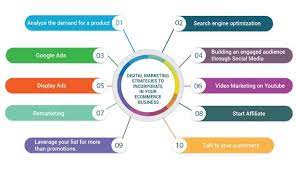
ecommerce digital marketing strategy

Mastering the Art of Ecommerce Digital Marketing Strategy: A Guide to Online Success

The Power of Ecommerce Digital Marketing Strategy

The Power of Ecommerce Digital Marketing Strategy

In today’s digital age, having a strong ecommerce digital marketing strategy is essential for online businesses to thrive and succeed. With the increasing competition in the ecommerce industry, it’s crucial to stand out from the crowd and effectively reach your target audience.

Understanding Your Audience

One of the key elements of a successful ecommerce digital marketing strategy is understanding your target audience. By identifying their preferences, behaviours, and needs, you can tailor your marketing efforts to resonate with them effectively. Utilise data analytics tools to gather insights and create targeted campaigns that drive engagement and conversions.

Optimising Your Website

Your ecommerce website is the cornerstone of your online presence. Ensure that it is user-friendly, visually appealing, and optimised for search engines. Implementing SEO best practices, such as using relevant keywords, creating high-quality content, and improving site speed, can significantly enhance your website’s visibility and attract organic traffic.

Social Media Marketing

Social media platforms offer a valuable opportunity to connect with your audience on a more personal level. Develop a strong social media marketing strategy that includes engaging content, targeted advertising, and regular interaction with followers. Leverage social media channels to showcase your products, run promotions, and build brand loyalty.

Email Marketing Campaigns

Email marketing remains one of the most effective tools for driving sales and nurturing customer relationships. Create personalised email campaigns that deliver relevant content based on customer preferences and behaviours. Use email automation tools to send targeted messages at the right time to maximise engagement and conversions.

Measuring Performance

Monitoring and analysing the performance of your ecommerce digital marketing efforts is essential for continuous improvement. Track key metrics such as website traffic, conversion rates, click-through rates, and ROI to evaluate the effectiveness of your strategies. Use this data to make informed decisions and optimise your campaigns for better results.

Conclusion

A well-crafted ecommerce digital marketing strategy can propel your online business towards success by increasing brand awareness, driving traffic, generating leads, and ultimately boosting sales. By leveraging various digital marketing tactics strategically and adapting to changing trends, you can stay ahead in the competitive ecommerce landscape.


Top 5 FAQs on Enhancing Your Ecommerce Digital Marketing Strategy

  1. What is ecommerce digital marketing strategy?
  2. How can I improve my ecommerce website for better digital marketing?
  3. What role does social media play in ecommerce digital marketing?
  4. Why is email marketing important for ecommerce businesses?
  5. How do I measure the success of my ecommerce digital marketing strategy?

What is ecommerce digital marketing strategy?

An ecommerce digital marketing strategy refers to a comprehensive plan that online businesses implement to promote their products or services, attract customers, and drive sales through digital channels. This strategic approach involves utilising various online marketing tactics such as search engine optimisation (SEO), social media marketing, email campaigns, content marketing, and paid advertising to reach and engage with target audiences effectively. By strategically combining these digital marketing elements, businesses can enhance their online visibility, build brand awareness, increase website traffic, and ultimately boost conversions and revenue in the competitive ecommerce landscape.

How can I improve my ecommerce website for better digital marketing?

To improve your ecommerce website for better digital marketing, focus on enhancing user experience, optimising for search engines, and implementing effective conversion strategies. Start by ensuring that your website is user-friendly, visually appealing, and easy to navigate. Conduct usability tests to identify any pain points and make necessary improvements. Optimise your website for search engines by using relevant keywords, creating high-quality content, and building backlinks to increase visibility. Implement conversion rate optimisation techniques such as clear call-to-action buttons, streamlined checkout processes, and personalised product recommendations to encourage visitors to make purchases. Regularly analyse data and metrics to identify areas for improvement and refine your digital marketing strategies accordingly.

What role does social media play in ecommerce digital marketing?

Social media plays a pivotal role in ecommerce digital marketing by providing a platform for businesses to engage with their target audience, build brand awareness, drive traffic to their websites, and ultimately increase sales. Through strategic social media marketing efforts, businesses can showcase their products or services, run targeted advertising campaigns, and foster meaningful relationships with customers. Social media platforms offer valuable opportunities for direct communication, customer feedback, and user-generated content that can enhance brand credibility and loyalty. By leveraging the power of social media channels effectively, ecommerce businesses can amplify their reach, connect with potential customers on a personal level, and stay competitive in the digital marketplace.

Why is email marketing important for ecommerce businesses?

Email marketing plays a pivotal role in the success of ecommerce businesses for several reasons. It allows businesses to directly reach out to their target audience with personalised and relevant content, nurturing customer relationships and building brand loyalty. With email marketing, ecommerce businesses can promote products, announce sales or special offers, and engage customers through tailored messages that drive traffic to their website and ultimately boost sales. Additionally, email marketing provides a cost-effective way to communicate with customers, track performance metrics, and gather valuable insights for refining future marketing strategies. In essence, email marketing is a powerful tool that enables ecommerce businesses to connect with their audience effectively and drive conversions in a competitive online landscape.

How do I measure the success of my ecommerce digital marketing strategy?

Measuring the success of your ecommerce digital marketing strategy is crucial to understanding its impact and effectiveness. Key performance indicators (KPIs) such as website traffic, conversion rates, customer acquisition cost, return on investment (ROI), and customer lifetime value provide valuable insights into the performance of your campaigns. By analysing these metrics regularly and comparing them against your predefined goals, you can determine the success of your strategy and identify areas for improvement. Additionally, tracking engagement metrics like click-through rates, bounce rates, and social media interactions can help you gauge how well your audience is responding to your marketing efforts. Continuous monitoring and analysis of these metrics allow you to make data-driven decisions and optimise your ecommerce digital marketing strategy for better results.