digital marketing for dummies

Demystifying Digital Marketing for Dummies: A Beginner’s Guide to Online Success

Digital Marketing for Dummies

The Basics of Digital Marketing for Beginners

Digital marketing can seem like a complex and daunting world, but it doesn’t have to be. Whether you’re a small business owner, a marketing enthusiast, or simply curious about the digital landscape, this guide is here to help you understand the fundamentals of digital marketing.

What is Digital Marketing?

Digital marketing encompasses all online strategies and tactics used to promote and sell products or services. It includes various channels such as websites, social media, email, search engines, and more. The goal of digital marketing is to reach and engage with potential customers in the online space.

Key Components of Digital Marketing

Here are some essential components of digital marketing:

  • Website: Your website is your online storefront. It should be user-friendly, visually appealing, and optimised for search engines.
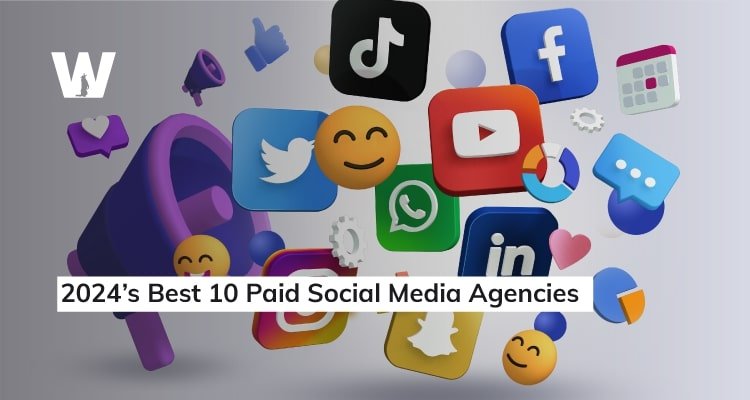
  • Social Media: Platforms like Facebook, Instagram, Twitter, and LinkedIn are powerful tools for building brand awareness and engaging with your audience.
  • Email Marketing: Sending targeted emails to your subscribers can help nurture leads and drive conversions.
  • SEO (Search Engine Optimisation): Optimising your website for search engines can improve its visibility in search results and drive organic traffic.
  • PPC (Pay-Per-Click) Advertising: Running targeted ads on platforms like Google Ads can help you reach your target audience quickly.

Tips for Getting Started in Digital Marketing

If you’re new to digital marketing, here are some tips to help you get started:

  1. Educate Yourself: Take advantage of online resources like blogs, courses, and webinars to learn more about digital marketing strategies.
  2. Create a Plan: Define your goals, target audience, and budget before diving into digital marketing activities.
  3. Track Your Progress: Use analytics tools to monitor the performance of your campaigns and make data-driven decisions.
  4. Stay Updated: The digital landscape is constantly evolving. Stay informed about industry trends and updates to stay ahead of the curve.

In Conclusion

Digital marketing may seem overwhelming at first glance, but with the right knowledge and approach, anyone can navigate this dynamic field successfully. By understanding the key components of digital marketing and following best practices, you can leverage the power of online channels to grow your business or personal brand effectively.

If you’re still feeling unsure about where to start with digital marketing, don’t hesitate to seek guidance from professionals or agencies who specialise in this area. Remember that continuous learning and adaptation are key to thriving in the ever-changing world of digital marketing.


Digital Marketing for Beginners: 9 Essential Tips to Boost Your Online Strategy

  1. Understand your target audience
  2. Create a strong online presence with a professional website
  3. Utilize social media platforms for marketing purposes
  4. Implement search engine optimization (SEO) strategies to improve visibility
  5. Engage with your audience through valuable content creation
  6. Use email marketing to nurture leads and build relationships
  7. Track and analyse data to make informed decisions
  8. Stay updated on digital marketing trends and best practices
  9. Experiment with different strategies to find what works best for your business

Understand your target audience

Understanding your target audience is a crucial aspect of digital marketing for beginners. By identifying who your ideal customers are, their preferences, behaviours, and needs, you can tailor your marketing efforts to resonate with them effectively. This knowledge allows you to create content that is relevant and engaging, choose the right channels to reach your audience, and ultimately drive conversions. Investing time in understanding your target audience will not only improve the success of your digital marketing campaigns but also build stronger relationships with potential customers.

Create a strong online presence with a professional website

Creating a strong online presence with a professional website is essential for any business looking to succeed in the digital age. Your website serves as the virtual face of your brand and is often the first point of contact for potential customers. A well-designed and user-friendly website not only enhances credibility but also helps to showcase your products or services effectively. By investing in a professional website, you can establish trust with your audience, improve brand visibility, and ultimately drive conversions. Remember, your website is a powerful tool that can significantly impact your digital marketing efforts and overall business success.

Utilize social media platforms for marketing purposes

In the realm of digital marketing for beginners, a crucial tip is to harness the power of social media platforms for promotional activities. With billions of active users across various platforms like Facebook, Instagram, Twitter, and LinkedIn, social media offers an unparalleled opportunity to connect with your target audience, build brand awareness, and drive engagement. By crafting compelling content tailored to each platform’s unique features and audience preferences, businesses can effectively leverage social media as a cost-effective and impactful marketing tool to boost their online presence and reach potential customers.

Implement search engine optimization (SEO) strategies to improve visibility

To enhance your online presence and attract more organic traffic to your website, it is crucial to implement search engine optimization (SEO) strategies effectively. By optimising your website with relevant keywords, high-quality content, and user-friendly design, you can improve its visibility in search engine results pages. SEO helps search engines like Google understand the relevance of your site to users’ queries, ultimately driving more targeted traffic to your digital assets. By focusing on SEO best practices, you can increase your online visibility and reach a wider audience interested in your products or services.

Engage with your audience through valuable content creation

Engaging with your audience through valuable content creation is a fundamental aspect of successful digital marketing. By creating content that is informative, entertaining, or inspiring, you can establish a meaningful connection with your target audience. Whether it’s through blog posts, social media updates, videos, or infographics, providing valuable content not only attracts and retains the attention of your audience but also positions you as an authority in your industry. Remember to tailor your content to address the needs and interests of your audience to foster engagement and build long-lasting relationships.

Use email marketing to nurture leads and build relationships

In the realm of digital marketing, utilising email marketing can be a powerful strategy for nurturing leads and establishing strong relationships with your audience. By sending targeted and relevant content to your subscribers, you can keep them engaged, provide value, and guide them through the buyer’s journey. Email marketing allows you to personalise your communication, build trust with potential customers, and ultimately drive conversions. It serves as a direct line of communication between your brand and your audience, fostering long-term relationships that can lead to increased loyalty and repeat business.

Track and analyse data to make informed decisions

Tracking and analysing data is a crucial aspect of digital marketing for beginners. By monitoring the performance of your campaigns and website, you can gain valuable insights into what is working well and what needs improvement. This data-driven approach allows you to make informed decisions based on real-time information, helping you optimise your strategies for better results. Whether it’s tracking website traffic, email open rates, or social media engagement, analysing data empowers you to adjust your tactics effectively and achieve your digital marketing goals more efficiently.

To excel in digital marketing, it is crucial to stay updated on the latest trends and best practices in the ever-evolving landscape. By keeping abreast of industry developments, new technologies, and consumer behaviours, you can adapt your strategies to remain relevant and competitive. Continuous learning and staying informed about digital marketing trends will not only help you stay ahead of the curve but also enable you to make informed decisions that drive success in your online campaigns.

Experiment with different strategies to find what works best for your business

To excel in digital marketing, it is crucial to experiment with various strategies to determine which ones yield the best results for your business. By testing different approaches across platforms such as social media, email marketing, SEO, and PPC advertising, you can identify what resonates most with your target audience and drives the highest engagement and conversions. Embracing a mindset of continuous experimentation and adaptation allows you to refine your digital marketing efforts over time and maximise the impact on your business’s growth and success.

digital and social media marketing

Mastering the Art of Digital and Social Media Marketing: Strategies for Success in the Online World

The Power of Digital and Social Media Marketing in Today’s Business Landscape

In the digital age, where technology continues to evolve at a rapid pace, businesses are increasingly turning to digital and social media marketing to reach their target audiences effectively. Digital marketing encompasses a wide range of online tactics, such as search engine optimisation (SEO), pay-per-click advertising, email marketing, and content creation, all aimed at boosting brand visibility and driving customer engagement.

Social media marketing, on the other hand, focuses on leveraging social platforms like Facebook, Instagram, Twitter, and LinkedIn to connect with consumers on a more personal level. By creating compelling content and engaging with followers in real-time conversations, businesses can build brand loyalty and foster meaningful relationships with their audience.

The Benefits of Digital and Social Media Marketing

One of the key advantages of digital and social media marketing is its ability to target specific demographics with precision. Through data analytics and insights provided by these platforms, businesses can tailor their messaging to resonate with their ideal customers, resulting in higher conversion rates and improved ROI.

Furthermore, digital marketing offers a level playing field for businesses of all sizes. With the right strategy in place, even small enterprises can compete with industry giants by reaching a global audience at a fraction of the cost of traditional advertising methods.

Engagement and Brand Building

Social media platforms provide an interactive space for brands to engage directly with their customers through likes, comments, shares, and direct messages. By fostering two-way communication and listening to customer feedback, businesses can build trust and credibility within their online community.

Moreover, social media serves as a powerful tool for brand building. Consistent branding across various platforms helps create a recognisable identity that resonates with consumers. By sharing valuable content that aligns with their values and interests, businesses can position themselves as industry leaders and thought influencers.

The Future of Marketing

As technology continues to advance and consumer behaviours evolve, digital and social media marketing will play an increasingly pivotal role in shaping the future of advertising. Businesses that embrace these channels early on stand to gain a competitive edge in an ever-changing marketplace.

In conclusion, digital and social media marketing offer unparalleled opportunities for businesses to connect with their target audience in meaningful ways. By harnessing the power of these platforms through strategic planning and creative execution, brands can elevate their online presence and drive sustainable growth in today’s dynamic business landscape.


Top 22 FAQs on Digital and Social Media Marketing: Understanding the Differences and Strategies

  1. Is digital marketing and social media marketing the same?
  2. What are some examples of digital marketing social media marketing?
  3. What is the difference between digital media and social media?
  4. What is digital and social media marketing?
  5. What is digital media and social media?
  6. What is the 5 3 2 rule for social media?
  7. What is the role of social media in digital media marketing?
  8. How do I become a social media digital marketer?
  9. Which is better social media marketing or digital marketing?
  10. What is SMMA and how does it work?
  11. Is digital marketing a good career?
  12. Which is better digital or social media marketing?
  13. What is social media and digital media?
  14. Is digital marketing same as social media marketing?
  15. What is the difference between a digital marketer and social media marketer?
  16. Is digital marketing and social media marketing same?
  17. What are the seven types of digital marketing?
  18. What is the importance of social and digital media marketing?
  19. Is digital media marketing the same as social media marketing?
  20. What are the 4 types of digital marketing?
  21. Which is Better social media marketing and digital marketing?
  22. Is Digital Media marketing and social media marketing the same?

Is digital marketing and social media marketing the same?

The distinction between digital marketing and social media marketing lies in their scope and focus. Digital marketing encompasses a broader range of online strategies, including search engine optimisation, email marketing, content creation, and pay-per-click advertising, aimed at enhancing brand visibility and engaging with target audiences across various digital channels. On the other hand, social media marketing specifically leverages platforms like Facebook, Instagram, Twitter, and LinkedIn to interact with consumers on a more personal level through content sharing, engagement tactics, and community building. While both are integral components of a comprehensive marketing strategy, social media marketing is a subset of the broader umbrella term of digital marketing.

What are some examples of digital marketing social media marketing?

In the realm of digital and social media marketing, there are numerous examples that showcase the diverse strategies and tactics used to engage audiences effectively. One common example of digital marketing is search engine optimisation (SEO), which involves enhancing a website’s visibility on search engine results pages through targeted keywords and content optimisation. Social media marketing, on the other hand, encompasses activities like creating engaging posts on platforms such as Facebook, Instagram, and Twitter to build brand awareness and foster customer relationships. Email marketing is another prevalent form of digital marketing, utilised to deliver personalised messages directly to subscribers’ inboxes. These are just a few examples that highlight the versatility and impact of digital and social media marketing in today’s competitive landscape.

What is the difference between digital media and social media?

Digital media and social media are often used interchangeably, but they serve distinct purposes in the realm of marketing. Digital media encompasses all forms of online communication channels, including websites, blogs, email campaigns, and online advertising. On the other hand, social media specifically refers to platforms designed for social interaction and community engagement, such as Facebook, Twitter, Instagram, and LinkedIn. While digital media provides a broad spectrum of online channels for brand promotion and communication, social media focuses on building relationships with audiences through interactive content sharing and real-time engagement. In essence, digital media is the broader umbrella term that includes social media as a subset dedicated to fostering social connections and conversations within a digital landscape.

What is digital and social media marketing?

Digital and social media marketing refer to the strategic use of online platforms and social networking sites to promote products or services, engage with target audiences, and build brand awareness. Digital marketing encompasses a wide range of tactics, including search engine optimisation (SEO), email marketing, and pay-per-click advertising, while social media marketing focuses on leveraging platforms like Facebook, Instagram, Twitter, and LinkedIn to connect with consumers on a more personal level. By utilising these channels effectively, businesses can reach their target demographics with precision, foster customer relationships through interactive engagement, and establish a strong online presence in today’s competitive digital landscape.

What is digital media and social media?

Digital media refers to any type of content that is stored and transmitted electronically, such as websites, videos, images, and audio files. It encompasses a wide range of online platforms and channels through which information can be shared and consumed. On the other hand, social media specifically refers to online platforms that enable users to create and share content with a network of friends, followers, or the public. These platforms facilitate real-time interactions and conversations among users, allowing for engagement and community building. In essence, digital media is the broader umbrella term that encompasses various forms of online content, while social media is a subset of digital media that focuses on social interactions and user-generated content sharing.

What is the 5 3 2 rule for social media?

The 5-3-2 rule for social media is a popular strategy that guides businesses on how to balance their content mix effectively. According to this rule, for every ten posts shared on social media, five should be curated content from others, three should be original content created by the business, and two should be personal or non-business-related posts. This approach aims to maintain a healthy balance between promotional content and engaging material that adds value to the audience’s feed. By following the 5-3-2 rule, businesses can cultivate a more authentic and engaging online presence while fostering stronger connections with their followers.

What is the role of social media in digital media marketing?

Social media plays a crucial role in digital media marketing by serving as a powerful platform for brands to connect with their target audience on a personal level. Through social media channels, businesses can engage in real-time conversations, share valuable content, and build relationships with customers. Social media also amplifies brand visibility, allowing companies to reach a wider audience and drive traffic to their websites. By leveraging the interactive nature of social platforms, businesses can enhance brand awareness, foster customer loyalty, and ultimately boost their overall digital marketing efforts.

How do I become a social media digital marketer?

To become a social media digital marketer, it is essential to start by gaining a strong understanding of digital marketing principles and social media platforms. Consider enrolling in relevant courses or obtaining certifications to build your knowledge and skills in areas such as content creation, social media analytics, and online advertising. Practical experience through internships or freelance projects can also help you develop hands-on expertise in managing social media campaigns and engaging with audiences effectively. Networking with industry professionals and staying updated on the latest trends in digital marketing will further enhance your career prospects as a successful social media digital marketer.

Which is better social media marketing or digital marketing?

The question of whether social media marketing or digital marketing is better is a common one in the realm of digital advertising. While both approaches have their unique strengths and advantages, it’s essential to understand that they are not mutually exclusive but rather complementary strategies. Social media marketing focuses on building relationships and engaging with audiences on platforms like Facebook, Instagram, and Twitter, while digital marketing encompasses a broader range of online tactics such as SEO, PPC advertising, and email campaigns. Ultimately, the effectiveness of each approach depends on the specific goals and target audience of a business. Integrating both social media and digital marketing strategies can create a holistic and impactful online presence that maximises brand visibility and customer engagement.

What is SMMA and how does it work?

Social Media Marketing Agency (SMMA) is a term used to describe a business that specialises in managing social media accounts and marketing strategies on behalf of other companies. SMMA works by creating and implementing tailored social media campaigns to help businesses increase their online presence, engage with their target audience, and drive conversions. These agencies typically offer services such as content creation, community management, paid advertising, and analytics tracking to ensure that clients achieve their marketing goals effectively. By leveraging the expertise of SMMA professionals, businesses can benefit from strategic insights and industry best practices to maximise their social media impact and grow their brand online.

Is digital marketing a good career?

The question of whether digital marketing is a good career choice is one that many individuals ponder in today’s rapidly evolving business landscape. With the increasing importance of online presence and engagement, digital marketing offers a promising career path with ample opportunities for growth and advancement. Professionals in this field have the chance to work on diverse projects, utilise cutting-edge tools and technologies, and make a tangible impact on businesses’ success. Moreover, the demand for skilled digital marketers continues to rise, making it a lucrative and rewarding career option for those passionate about creativity, analytics, and staying ahead of industry trends.

Which is better digital or social media marketing?

When considering the question of whether digital marketing or social media marketing is better, it’s important to recognise that both play distinct yet complementary roles in a comprehensive marketing strategy. Digital marketing encompasses a broad range of online tactics beyond social media, such as SEO, email campaigns, and content creation, aimed at boosting brand visibility and driving conversions. On the other hand, social media marketing focuses on leveraging platforms like Facebook, Instagram, and Twitter to engage with audiences on a more personal level. Ultimately, the effectiveness of each approach depends on the specific goals and target audience of a business. Integrating both digital and social media strategies can maximise reach and engagement, creating a well-rounded marketing campaign that delivers optimal results.

What is social media and digital media?

Social media refers to online platforms and websites that allow users to create and share content with a wide audience. Popular social media platforms include Facebook, Instagram, Twitter, LinkedIn, and YouTube. Digital media, on the other hand, encompasses a broader range of digital channels used for marketing purposes, including websites, search engines, email campaigns, mobile apps, and online advertising. Both social media and digital media play crucial roles in modern marketing strategies by enabling businesses to reach their target audience effectively through engaging content and interactive communication channels.

Is digital marketing same as social media marketing?

The frequently asked question regarding digital and social media marketing is whether they are the same. While digital marketing encompasses a broader spectrum of online tactics aimed at promoting brands and engaging with audiences across various digital channels, social media marketing specifically focuses on leveraging social platforms to connect with consumers on a more personal level. In essence, social media marketing is a subset of digital marketing, highlighting the importance of utilising both strategies in a comprehensive and integrated approach to maximise brand visibility and engagement in today’s competitive online landscape.

What is the difference between a digital marketer and social media marketer?

In the realm of digital and social media marketing, the distinction between a digital marketer and a social media marketer lies in their areas of focus and expertise. A digital marketer typically oversees a broader spectrum of online marketing strategies, including search engine optimisation (SEO), email marketing, content creation, and pay-per-click advertising, with the goal of enhancing brand visibility across various digital channels. On the other hand, a social media marketer specialises in leveraging social platforms like Facebook, Instagram, Twitter, and LinkedIn to engage with audiences through compelling content, real-time interactions, and community management. While both roles are integral to a comprehensive marketing strategy, a digital marketer tends to have a more holistic approach encompassing all online avenues, whereas a social media marketer hones in on cultivating relationships specifically through social platforms.

Is digital marketing and social media marketing same?

The frequently asked question of whether digital marketing and social media marketing are the same is a common misconception in the realm of online advertising. While both strategies fall under the broader umbrella of digital marketing, they serve distinct purposes. Digital marketing encompasses a wide range of online tactics, including search engine optimisation (SEO), email marketing, pay-per-click advertising, and content creation, aimed at promoting brand visibility and engagement across various digital channels. On the other hand, social media marketing specifically focuses on leveraging social platforms like Facebook, Instagram, Twitter, and LinkedIn to connect with audiences on a more personal level through interactive content and community engagement. Understanding the nuances between these two approaches is crucial for businesses looking to develop a comprehensive online marketing strategy that effectively reaches and engages their target audience.

What are the seven types of digital marketing?

In the realm of digital and social media marketing, understanding the seven key types of digital marketing strategies is crucial for businesses aiming to maximise their online presence and engage with their target audience effectively. These seven types include search engine optimisation (SEO), pay-per-click advertising (PPC), social media marketing, content marketing, email marketing, affiliate marketing, and influencer marketing. Each type serves a unique purpose in reaching and engaging with consumers across various online platforms, allowing businesses to tailor their approach based on their specific goals and target demographics. By leveraging a combination of these digital marketing strategies, businesses can enhance brand visibility, drive customer engagement, and ultimately achieve business growth in the competitive digital landscape.

What is the importance of social and digital media marketing?

The importance of social and digital media marketing lies in its ability to reach and engage with target audiences in a highly targeted and cost-effective manner. In today’s digital age, where consumers spend a significant amount of time online, businesses need to establish a strong presence on social media platforms to build brand awareness, drive customer engagement, and ultimately increase sales. By leveraging the power of digital marketing tools and social media channels, businesses can create personalised campaigns that resonate with their audience, leading to improved brand loyalty, customer retention, and long-term success in the competitive marketplace.

Is digital media marketing the same as social media marketing?

The frequently asked question of whether digital media marketing is the same as social media marketing often arises in discussions about online advertising strategies. While both digital media marketing and social media marketing fall under the broader umbrella of online promotion, they serve distinct purposes. Digital media marketing encompasses a range of online tactics, including search engine optimisation, email campaigns, and display advertising, aimed at reaching target audiences across various digital channels. On the other hand, social media marketing focuses specifically on leveraging social platforms like Facebook, Instagram, and Twitter to engage with users through content creation and community interaction. While both are integral components of a comprehensive digital strategy, each plays a unique role in engaging audiences and driving brand awareness in today’s competitive landscape.

What are the 4 types of digital marketing?

In the realm of digital marketing, there are four primary types that businesses commonly utilise to reach and engage their target audiences effectively. These include search engine optimisation (SEO), which focuses on improving a website’s visibility in search engine results; pay-per-click (PPC) advertising, where advertisers pay a fee each time their ad is clicked; social media marketing, which involves creating and sharing content on social platforms to drive audience engagement; and email marketing, a direct communication strategy that delivers tailored messages to subscribers’ inboxes. Each type offers distinct benefits and plays a crucial role in a comprehensive digital marketing strategy aimed at maximising brand exposure and driving conversions.

Which is Better social media marketing and digital marketing?

The debate between social media marketing and digital marketing often arises, with both playing crucial roles in a comprehensive digital strategy. While social media marketing focuses on leveraging social platforms to engage with audiences on a personal level and build brand loyalty, digital marketing encompasses a broader range of online tactics such as SEO, email marketing, and content creation aimed at boosting brand visibility and driving customer engagement. Ultimately, the effectiveness of each approach depends on the specific goals and target audience of a business. Integrating both social media marketing and digital marketing elements can create a powerful synergy that maximises reach and engagement across various online channels, leading to a more holistic and impactful marketing strategy.

Is Digital Media marketing and social media marketing the same?

Digital media marketing and social media marketing are closely related but not the same. Digital media marketing encompasses a broader spectrum of online tactics, including search engine optimisation, email marketing, pay-per-click advertising, and content creation across various digital channels. On the other hand, social media marketing specifically focuses on leveraging social platforms like Facebook, Instagram, Twitter, and LinkedIn to engage with audiences through interactive content and real-time conversations. While both strategies aim to enhance brand visibility and drive customer engagement in the digital space, social media marketing is just one component of the larger digital marketing landscape.

Unlocking Success: Harnessing the Power of Online Marketing on Facebook

The Power of Online Marketing on Facebook

In today’s digital age, online marketing has become a crucial tool for businesses to reach and engage with their target audience. One platform that has revolutionised the way businesses connect with customers is Facebook. With over 2.8 billion active users worldwide, Facebook offers a vast opportunity for businesses to promote their products and services effectively.

Targeted Advertising

One of the key advantages of using Facebook for online marketing is its sophisticated targeting capabilities. Businesses can create customised ads based on demographics, interests, behaviours, and more. This targeted approach ensures that ads are shown to the most relevant audience, increasing the likelihood of engagement and conversion.

Engagement and Interaction

Facebook provides a platform for businesses to interact with their audience in real-time. Through posts, comments, and messages, businesses can build relationships with customers, address queries promptly, and receive valuable feedback. This level of engagement fosters brand loyalty and trust among customers.

Analytical Insights

Facebook’s analytics tools allow businesses to track the performance of their marketing campaigns in real-time. From reach and engagement metrics to conversion rates and ROI, businesses can gain valuable insights into the effectiveness of their online marketing efforts. This data-driven approach enables businesses to make informed decisions and optimise their strategies for better results.

Community Building

By creating a Facebook business page, businesses can build a community around their brand. Through regular updates, promotions, and events, businesses can keep followers informed and engaged. This sense of community fosters brand advocacy as satisfied customers share their positive experiences with others.

Conclusion

Online marketing on Facebook offers businesses a powerful platform to reach and engage with their target audience effectively. By leveraging targeted advertising, fostering engagement and interaction, analysing performance metrics, and building a community around their brand, businesses can maximise the impact of their online marketing efforts on Facebook.

If you’re looking to enhance your online presence and connect with your audience on Facebook, consider incorporating online marketing strategies tailored to this dynamic platform.


Maximise Your Facebook Marketing: 6 Essential Tips for Success

  1. Create engaging and visually appealing content to capture users’ attention.
  2. Utilize Facebook Ads to reach a larger audience and target specific demographics.
  3. Engage with your followers by responding to comments and messages promptly.
  4. Use analytics tools to track the performance of your posts and campaigns for optimization.
  5. Run contests or promotions to increase user interaction and attract new followers.
  6. Collaborate with influencers or other brands for cross-promotion opportunities.

Create engaging and visually appealing content to capture users’ attention.

To maximise the effectiveness of your online marketing efforts on Facebook, it is crucial to create engaging and visually appealing content that captures users’ attention. By crafting compelling visuals and content that resonate with your target audience, you can stand out in their crowded news feeds and drive higher levels of engagement. Whether it’s eye-catching graphics, captivating videos, or thought-provoking captions, focusing on creating content that is both visually appealing and engaging can help you attract and retain the interest of your audience on Facebook.

Utilize Facebook Ads to reach a larger audience and target specific demographics.

By utilising Facebook Ads, businesses can expand their reach and effectively target specific demographics within a larger audience. This powerful tool allows businesses to create customised ads that resonate with their target market based on factors such as age, location, interests, and behaviours. By leveraging Facebook Ads, businesses can maximise the impact of their online marketing efforts by reaching the right audience with tailored messages that drive engagement and conversions.

Engage with your followers by responding to comments and messages promptly.

To maximise the impact of your online marketing efforts on Facebook, it is essential to engage with your followers by responding to comments and messages promptly. By actively interacting with your audience, you demonstrate that you value their feedback and opinions, building trust and loyalty. Prompt responses also create a sense of community around your brand, fostering meaningful connections with your followers. This level of engagement not only enhances the customer experience but also increases the likelihood of conversion and brand advocacy.

Use analytics tools to track the performance of your posts and campaigns for optimization.

Utilising analytics tools to monitor the performance of your posts and campaigns on Facebook is essential for effective online marketing. By tracking key metrics such as reach, engagement, and conversion rates, businesses can gain valuable insights into what resonates with their audience and what strategies are yielding the best results. This data-driven approach allows businesses to make informed decisions, identify areas for improvement, and optimise their online marketing efforts for maximum impact and ROI.

Run contests or promotions to increase user interaction and attract new followers.

To enhance user interaction and attract new followers on Facebook, consider running contests or promotions. Contests and promotions are effective strategies to engage your audience, encourage participation, and generate excitement around your brand. By offering enticing prizes or exclusive deals, you can incentivise users to interact with your content, share your posts, and invite their friends to join in. This not only boosts user engagement but also helps expand your reach and attract a wider audience to your Facebook page. Running contests or promotions can be a fun and interactive way to grow your online presence and foster a sense of community among your followers.

Collaborate with influencers or other brands for cross-promotion opportunities.

To maximise the reach and impact of your online marketing efforts on Facebook, consider collaborating with influencers or other brands for cross-promotion opportunities. By partnering with influencers who have a relevant and engaged following, you can tap into their audience and leverage their credibility to promote your products or services. Similarly, collaborating with complementary brands allows you to reach new audiences and benefit from mutual promotion. Cross-promotion not only expands your reach but also builds credibility and trust among potential customers, ultimately driving engagement and conversions on Facebook.

electronic marketing

Unlocking Success: The Power of Electronic Marketing Strategies

The Power of Electronic Marketing

The Power of Electronic Marketing

In today’s digital age, electronic marketing has revolutionised the way businesses promote their products and connect with customers. Also known as e-marketing or digital marketing, this strategy utilises various online channels to reach a targeted audience and drive engagement. From social media to email campaigns, electronic marketing offers a cost-effective and efficient way to boost brand visibility and increase sales.

Key Components of Electronic Marketing

Electronic marketing encompasses a wide range of tactics that businesses can leverage to achieve their marketing goals. Some key components include:

  • Social Media Marketing: Platforms like Facebook, Instagram, and Twitter allow businesses to engage with their audience in real-time, share updates, and create brand awareness.
  • Email Marketing: Sending targeted emails to potential customers can help nurture leads, promote products or services, and drive conversions.
  • Search Engine Optimization (SEO): Optimising website content for search engines improves visibility in search results, driving organic traffic to the site.
  • Pay-Per-Click Advertising (PPC): Running targeted ads on search engines or social media platforms can increase website traffic and generate leads through paid campaigns.

The Benefits of Electronic Marketing

Electronic marketing offers numerous benefits for businesses looking to expand their online presence and reach a wider audience. Some advantages include:

  • Global Reach: With the internet breaking down geographical barriers, businesses can reach customers around the world with electronic marketing campaigns.
  • Cost-Effective: Compared to traditional forms of advertising, electronic marketing is often more affordable and allows for better targeting of specific demographics.
  • Data-Driven Insights: Digital tools provide valuable data on campaign performance, customer behaviour, and ROI, allowing businesses to make informed decisions for future strategies.
  • Increased Engagement: Interactive content such as videos, quizzes, and polls can boost engagement levels with customers and build brand loyalty.

In Conclusion

The rise of electronic marketing has transformed the way businesses connect with consumers in an increasingly digital world. By embracing these digital strategies and staying ahead of trends, companies can effectively promote their products or services, drive sales growth, and build lasting relationships with their target audience.


7 Essential Tips for Mastering Electronic Marketing in the UK

  1. 1. Define your target audience clearly to tailor your marketing efforts effectively.
  2. 2. Utilise social media platforms to engage with customers and promote your products or services.
  3. 3. Create high-quality content that is relevant and valuable to your audience.
  4. 4. Implement SEO strategies to improve the visibility of your website in search engine results.
  5. 5. Use email marketing campaigns to stay connected with customers and drive conversions.
  6. 6. Analyse data and metrics regularly to track the performance of your electronic marketing efforts.
  7. 7. Stay updated on industry trends and adapt your strategies accordingly for continued success.

1. Define your target audience clearly to tailor your marketing efforts effectively.

To maximise the impact of your electronic marketing efforts, it is crucial to define your target audience clearly. By understanding the demographics, interests, and behaviours of your ideal customers, you can tailor your marketing strategies to resonate with them effectively. This targeted approach ensures that your messages reach the right people at the right time, increasing engagement and driving conversions. Identifying and defining your target audience is the foundation for a successful electronic marketing campaign that delivers measurable results and strengthens customer relationships.

2. Utilise social media platforms to engage with customers and promote your products or services.

To maximise the impact of your electronic marketing efforts, it is crucial to leverage social media platforms effectively. By actively engaging with customers on platforms like Facebook, Instagram, and Twitter, businesses can create meaningful interactions, build brand loyalty, and drive awareness for their products or services. Posting engaging content, responding to customer queries promptly, and running targeted ad campaigns are some strategies that can help businesses harness the power of social media to connect with their audience and achieve their marketing goals.

3. Create high-quality content that is relevant and valuable to your audience.

To maximise the effectiveness of your electronic marketing efforts, it is crucial to create high-quality content that resonates with your target audience. By producing relevant and valuable content, you can capture the interest of potential customers and establish credibility within your industry. Whether it’s informative blog posts, engaging social media updates, or compelling email newsletters, providing content that addresses the needs and interests of your audience can help drive engagement and build a loyal customer base. Remember, quality content is key to connecting with your audience and driving successful electronic marketing campaigns.

4. Implement SEO strategies to improve the visibility of your website in search engine results.

Implementing SEO strategies is crucial for enhancing the visibility of your website in search engine results. By optimising your website with relevant keywords, high-quality content, and user-friendly design, you can improve your search engine rankings and attract more organic traffic. SEO helps to ensure that your website appears at the top of search results when potential customers are looking for products or services related to your business. By focusing on SEO tactics, you can increase your online presence and reach a wider audience effectively.

5. Use email marketing campaigns to stay connected with customers and drive conversions.

Utilising email marketing campaigns is a powerful strategy to maintain a strong connection with customers and drive conversions in electronic marketing. By sending targeted and personalised emails, businesses can engage with their audience, provide valuable updates or offers, and encourage them to take desired actions. Whether it’s promoting new products, sharing relevant content, or offering exclusive discounts, email campaigns serve as a direct communication channel that can nurture leads and ultimately lead to increased sales and customer loyalty.

6. Analyse data and metrics regularly to track the performance of your electronic marketing efforts.

Regularly analysing data and metrics is a crucial tip in electronic marketing to effectively track the performance of your digital campaigns. By monitoring key metrics such as website traffic, conversion rates, email open rates, and social media engagement, businesses can gain valuable insights into the effectiveness of their marketing strategies. This data-driven approach allows companies to identify areas for improvement, optimise their campaigns for better results, and make informed decisions to drive success in their electronic marketing efforts.

To thrive in the dynamic landscape of electronic marketing, it is crucial to stay informed about industry trends and adjust strategies accordingly for sustained success. By keeping abreast of the latest developments, emerging technologies, and shifting consumer behaviours, businesses can proactively adapt their marketing approaches to remain competitive and relevant. Continuous learning and strategic adaptation based on industry insights are key to staying ahead in the ever-evolving world of electronic marketing.