web marketing company

How to Choose the Right Web Marketing Company for Your Business

What Does a Web Marketing Company Do?

A web marketing company helps businesses attract, engage and convert customers online. It can bring together digital strategy, creative work and performance analysis to help a business reach the right people and make better use of its online presence.

Whether you run a local shop, a growing service business or a national brand, the right approach depends on your goals, audience and budget. Understanding what a web marketing company can offer is a useful first step towards deciding which support your business needs.

Services offered by a web marketing company

Web marketing covers a range of activities. Some companies provide a complete service, while others specialise in particular channels. Common services include:

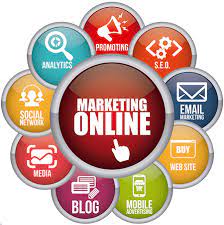
  • Search engine optimisation (SEO): Improving a website’s content, structure and technical performance so it can appear more prominently in relevant search results.
  • Paid advertising: Planning and managing campaigns on search engines, social media and other advertising platforms.
  • Content marketing: Creating useful articles, guides, videos and other content that answers customers’ questions and builds trust.
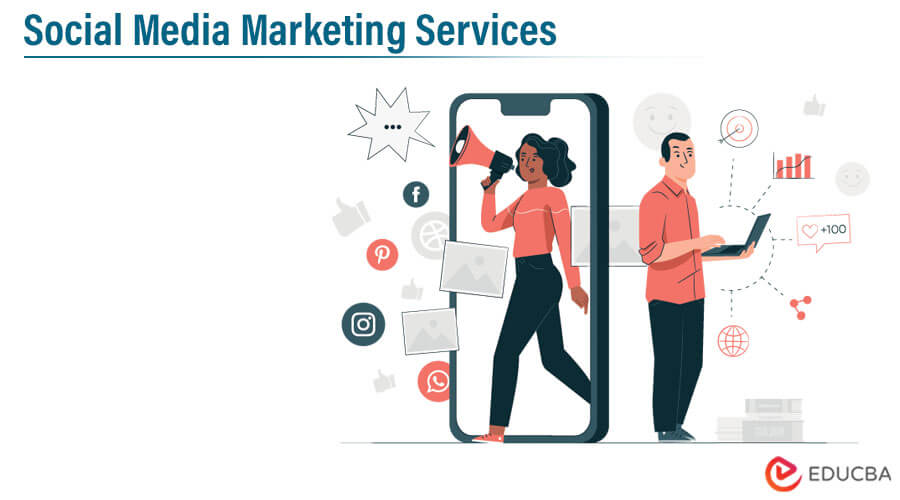
  • Social media marketing: Developing a suitable presence on social platforms and publishing content that supports business objectives.
  • Website design and development: Building or improving websites so they are clear, accessible and easy to use across different devices.
  • Email marketing: Creating relevant campaigns to inform subscribers, nurture prospects and encourage repeat business.
  • Analytics and reporting: Measuring activity and outcomes to understand what is working and where improvements may be needed.

Why work with a web marketing company?

Online marketing involves more than simply posting on social media or launching an advert. A coordinated strategy can help ensure that different channels support the same business goals. For example, useful website content can support SEO, provide material for social posts and help answer questions from potential customers.

A web marketing company may also bring specialist knowledge and tools that a business does not have in-house. This can save time and make it easier to plan, deliver and assess campaigns. The value depends on the quality of the work, the clarity of the strategy and how closely it is aligned with the business’s needs.

How to choose the right company

Before contacting potential partners, think about what you want to achieve. You might be looking to increase qualified enquiries, improve online sales, build awareness or make your website easier to use. Clear objectives make it easier to compare proposals and judge progress.

When evaluating a web marketing company, consider the following:

  • Relevant experience: Ask about work with businesses facing similar challenges. Look for clear examples rather than broad promises.
  • A considered strategy: A suitable partner should ask about your audience, offering and goals before recommending channels or tactics.
  • Transparent reporting: Find out what will be measured, how often results will be shared and what the figures mean for your business.
  • Clear communication: Agree who your main contact will be, how decisions will be made and how frequently you will speak.
  • Realistic expectations: Be cautious of guarantees about rankings, sales or results. Digital marketing outcomes depend on many factors and often take time.
  • Clear costs and ownership: Check what is included in the fee, how long the agreement lasts and who owns your website, data and advertising accounts.

Measuring success

Success should be measured against your objectives, not just the number of clicks or social media followers. Depending on the campaign, useful measures might include relevant website visits, enquiries, sales, conversion rates or the cost of gaining a new customer.

It is also important to consider the quality of results. A campaign that brings in fewer visitors may still be valuable if those visitors are more likely to become customers. Regular reviews can help a business and its marketing partner learn what is effective and adjust the plan accordingly.

Building a productive partnership

The strongest relationships are collaborative. A web marketing company brings digital expertise, while you bring detailed knowledge of your business, customers and industry. Sharing accurate information, agreeing priorities and providing timely feedback can help the work stay relevant and focused.

Choosing a web marketing company is not simply a matter of finding the longest list of services. It is about finding a partner who understands your objectives, communicates clearly and can explain how its work supports your business. With a well-planned approach and realistic measures of progress, online marketing can become a valuable part of long-term business growth.


8 Essential Tips for Building a Successful Web Marketing Company

  1. Define a clear niche and target audience.
  2. Build a fast, mobile-friendly website.
  3. Showcase results with concise case studies.
  4. Use SEO to attract relevant visitors.
  5. Create useful, engaging content regularly.
  6. Track leads and conversions carefully.
  7. Set clear goals and report progress.
  8. Keep client communication prompt and transparent.

Define a clear niche and target audience.

A web marketing company is more effective when it has a clearly defined niche and target audience. By focusing on a particular industry, type of business or marketing challenge, it can develop deeper expertise and offer services that better match clients’ needs. Understanding the ideal audience—including its goals, challenges and customers—also helps the company create more relevant campaigns, communicate its value clearly and stand out in a competitive market.

Build a fast, mobile-friendly website.

A fast, mobile-friendly website helps visitors find what they need without frustration, whether they’re browsing on a phone, tablet or computer. Make sure pages load quickly, text is easy to read and buttons are simple to tap. A smooth mobile experience can encourage people to stay longer, get in touch or make a purchase, while also supporting your visibility in search results. Regularly test your website on different devices and improve any pages that feel slow or difficult to use.

Showcase results with concise case studies.

Showcase your impact with concise case studies that explain the client’s challenge, the work you carried out and the results achieved. Include specific, relevant measures—such as increased enquiries, improved conversion rates or stronger search visibility—and add a brief client quote where possible. Clear evidence helps potential customers understand the value of your services and builds confidence in your web marketing company.

Use SEO to attract relevant visitors.

Use SEO to attract relevant visitors by making your website easy for search engines and people to understand. Research the phrases your potential customers use, then create useful, well-structured content that answers their questions and reflects your services. A web marketing company can also improve technical elements such as page speed, mobile usability and site structure. Focus on attracting visitors who are genuinely looking for what your business offers, rather than chasing traffic for its own sake.

Create useful, engaging content regularly.

Create useful, engaging content regularly to give your audience a reason to return to your website and interact with your business. Share clear, relevant information that answers customers’ questions, solves common problems or offers a fresh perspective. A web marketing company can help plan a consistent schedule and adapt content for channels such as your website, email and social media. Focus on quality and usefulness rather than publishing for the sake of it, and review performance to learn what resonates with your audience.

Track leads and conversions carefully.

Track leads and conversions carefully to understand which parts of your web marketing are bringing genuine business results. Record key actions such as enquiries, bookings, purchases and newsletter sign-ups, and note which channels or campaigns led to them. Reviewing this information regularly can help your web marketing company identify what is working, improve underperforming activity and focus your budget on the approaches most likely to deliver value.

Set clear goals and report progress.

Set clear goals with your web marketing company from the outset, such as increasing qualified enquiries, growing online sales or improving website engagement. Agree how progress will be measured and how often results will be reviewed. Regular, straightforward reporting helps you see what is working, identify areas that need attention and make informed decisions about the next steps.

Keep client communication prompt and transparent.

Keep client communication prompt and transparent by responding to enquiries in a timely manner, sharing clear updates and being honest about progress, costs and any challenges. Regular, straightforward communication helps clients understand what is happening, make informed decisions and feel confident that their marketing is in good hands.
hubspot digital marketing

HubSpot Digital Marketing: A Practical Guide for Growing Your Business

HubSpot Digital Marketing: A Practical Guide for Growing Businesses

Digital marketing works best when its different parts are connected. Your website, email campaigns, social media, content and sales activity should all support the same goals. HubSpot is a platform designed to bring many of these activities together, helping businesses attract potential customers, build relationships and measure results.

Whether you are new to digital marketing or looking to improve an established strategy, understanding how HubSpot can be used is a useful starting point.

What is HubSpot digital marketing?

HubSpot digital marketing means using HubSpot’s tools and customer data to plan, deliver and assess online marketing activity. Depending on the products and features a business uses, the platform can support tasks such as:

  • Creating and managing website pages and landing pages
  • Publishing blogs and other content
  • Sending marketing emails
  • Managing social media activity
  • Capturing and organising leads
  • Automating follow-up communications
  • Reporting on campaign performance

HubSpot also includes a customer relationship management system, commonly known as a CRM. This can help marketing and sales teams keep relevant customer information in one place and understand how someone has interacted with a business.

How HubSpot can support your marketing strategy

Attract the right audience

Useful content can help bring prospective customers to your website. With HubSpot, businesses can plan and publish blog articles, guides and landing pages, then use search engine optimisation (SEO) practices to improve their chances of being found in search results.

The key is to create content that answers genuine questions. Before writing, consider what your audience needs to know, what problems they are trying to solve and what action they may want to take next.

Convert visitors into leads

A website visit is only the beginning of a customer relationship. Forms, calls to action and landing pages can encourage visitors to take a next step, such as requesting a consultation, downloading a guide or signing up for updates.

Keep forms relevant and straightforward. Asking for too much information too early can discourage people from completing them. Make it clear what someone will receive and how their details will be used.

Nurture relationships with email and automation

Email marketing can help a business stay in touch with people who have chosen to hear from it. HubSpot can be used to organise contacts, send targeted campaigns and build automated workflows for suitable follow-up activity.

Automation should make communications more timely and relevant, rather than simply increasing the number of messages sent. For example, a new subscriber might receive a short welcome series related to the content they requested. Make sure your email practices comply with UK data protection and electronic marketing rules, including the UK GDPR and Privacy and Electronic Communications Regulations (PECR).

Connect marketing and sales

Marketing activity can generate enquiries, while sales teams handle conversations and opportunities. When both teams work from consistent information, it is easier to understand a lead’s history and agree how to follow up. A shared CRM can help create that continuity, provided the data is kept accurate and the teams agree on how it should be used.

Measuring performance in HubSpot

Reporting can help you understand what is working and where to make improvements. The most useful measures depend on your business goals, but may include:

  • Website visits and traffic sources
  • Search visibility and engagement with content
  • Landing-page conversion rates
  • Email engagement, such as clicks and unsubscribes
  • Lead quality and progression through the sales process
  • Campaign outcomes, such as enquiries or revenue

It is important to look beyond surface-level figures. A high number of page views may not be valuable if those visitors are unlikely to become customers. Choose measures that relate to your objectives and review them regularly.

Getting started with HubSpot

  1. Set clear goals. Decide what you want your marketing to achieve, such as increasing qualified enquiries or improving repeat business.
  2. Understand your audience. Identify the people you want to reach, their needs and the questions they commonly ask.
  3. Review your existing activity. Take stock of your website, content, email lists and customer data before adding new campaigns.
  4. Organise your CRM. Agree how contacts and opportunities will be recorded, and remove or correct outdated information where appropriate.
  5. Start with a manageable campaign. Test one clear activity, such as a helpful guide supported by a landing page and a relevant email.
  6. Measure and refine. Review the results, learn from them and make considered changes.

Common mistakes to avoid

HubSpot can provide a broad range of features, but using more tools does not automatically lead to better marketing. Common pitfalls include setting up automation without a clear purpose, collecting data that is never maintained, sending generic emails to every contact and tracking metrics that do not connect to business outcomes.

It is also easy to focus on the platform rather than the customer. A well-configured system can support a strong strategy, but it cannot replace useful content, clear messaging or thoughtful service.

Making HubSpot work for your business

HubSpot can help businesses bring marketing activity, customer information and reporting closer together. Its greatest value comes when the platform is configured around clear goals and supported by consistent processes. Start with the needs of your audience, choose a small number of meaningful objectives and build your approach step by step.

With a considered strategy and regular review, HubSpot can become a practical part of a more joined-up digital marketing programme.


Maximise Your HubSpot Strategy: 6 Essential Tips for Effective Digital Marketing

  1. Use HubSpot forms to capture leads from key landing pages.
  2. Segment contacts to send more relevant email campaigns.
  3. Automate follow-ups for new leads with simple workflows.
  4. Track campaign performance using HubSpot reports.
  5. Optimise landing pages for mobile and fast loading.
  6. Use lead scoring to prioritise promising prospects.

Use HubSpot forms to capture leads from key landing pages.

Use HubSpot forms on key landing pages to turn interested visitors into potential customers. Keep each form simple, asking only for the details you genuinely need, and make the benefit of submitting it clear—whether that’s receiving a guide, booking a consultation or requesting a quote. Connect form submissions to your CRM so your team can organise enquiries, follow up promptly and understand which pages are generating leads. Remember to explain how you’ll use people’s information and follow relevant UK data protection and electronic marketing requirements.

Segment contacts to send more relevant email campaigns.

Segmenting your contacts in HubSpot helps you send email campaigns that are more relevant to each audience. Group contacts by factors such as their interests, previous purchases, location or stage in the customer journey, then tailor your content and offers to suit their needs. More targeted emails can improve engagement and build stronger customer relationships, while giving recipients a better reason to open and act on your messages.

Automate follow-ups for new leads with simple workflows.

Automate follow-ups for new leads with simple HubSpot workflows to make sure enquiries receive a timely, consistent response. For example, when someone fills in a form, you could send a relevant confirmation email, notify the right team member and schedule a reminder to follow up. Keep each workflow focused, personalise messages where possible and review performance regularly, so automation feels helpful rather than impersonal. Ensure your process also follows UK data protection and electronic marketing rules.

Track campaign performance using HubSpot reports.

Track campaign performance using HubSpot reports to see which activities are delivering results and where there’s room to improve. Monitor relevant measures such as website visits, email engagement, lead conversions and enquiries, linking each one to a clear campaign goal. Review the data regularly and use what you learn to refine your messaging, audience targeting and next steps.

Optimise landing pages for mobile and fast loading.

Optimise your HubSpot landing pages for mobile by using a responsive design, clear headings, easy-to-tap buttons and concise forms. Keep loading times fast by compressing images, limiting unnecessary scripts and removing elements that do not support the page’s goal. A quick, easy-to-use landing page helps visitors stay engaged and makes it simpler for them to take the next step, whether they are browsing on a phone, tablet or computer.

Use lead scoring to prioritise promising prospects.

Use lead scoring to help your team focus on the prospects most likely to become customers. In HubSpot, assign points based on relevant details and behaviours, such as a prospect’s industry, job role, visits to key pages or engagement with your emails. Agree clear criteria with your sales team, then review and refine the scoring over time to keep it useful. A well-designed system can guide timely, relevant follow-up without treating a score as a substitute for personal judgement.

digital media marketing services

Digital Media Marketing Services: A Guide to Growing Your Business Online

Digital Media Marketing Services: Helping Your Business Get Noticed Online

People discover and engage with businesses across a growing range of digital channels. A clear, consistent marketing approach can help your business reach the right audience, build trust and turn interest into action. Digital media marketing services bring these channels together to support your business goals.

What are digital media marketing services?

Digital media marketing covers the ways businesses use online platforms and content to connect with customers. Depending on your needs, a strategy may include social media, paid advertising, content creation, email marketing, search engine optimisation (SEO) and performance analysis.

These services work best when they form part of a joined-up plan. Rather than treating each channel in isolation, a digital marketing strategy considers how customers find your business, what information they need and what might encourage them to take the next step.

Key digital marketing services

Social media marketing

Social media gives businesses a way to share updates, showcase their work and take part in conversations with their audience. Effective social media marketing starts with choosing platforms that suit your customers and setting a realistic plan for what to publish. Content might include helpful advice, product information, company news or behind-the-scenes updates.

Paid social campaigns can also help put specific messages in front of carefully selected audiences. Clear objectives and regular monitoring help keep campaigns focused.

Content marketing

Useful content can help answer customer questions and demonstrate your expertise. This could include articles, guides, videos, case studies or downloadable resources. Content marketing is most effective when it is relevant to your audience, easy to understand and connected to a wider business objective.

Search engine optimisation

SEO helps improve the visibility of your website in organic search results. It can involve researching the terms your customers use, improving website content and structure, and addressing technical issues that affect how search engines access your site. SEO takes time, but a considered approach can help attract people who are actively looking for information, products or services like yours.

Paid digital advertising

Paid advertising can help businesses reach potential customers through search engines, social networks and other online platforms. Campaigns may be designed to increase awareness, generate enquiries or promote a particular offer. Strong campaigns use relevant targeting and landing pages, with results reviewed against agreed objectives.

Email marketing

Email remains a practical way to keep in touch with people who have chosen to hear from your business. Newsletters, updates and automated messages can share useful information and encourage repeat engagement. Emails should be relevant, well written and sent in line with applicable data protection and marketing rules.

Analytics and reporting

Measurement helps show whether marketing activity is supporting your goals. Depending on the campaign, useful indicators might include website visits, engagement, enquiries, sales or the cost of acquiring a customer. Regular reporting can reveal what is working, where improvements may be needed and how to make informed decisions about future activity.

Why take an integrated approach?

Customers may encounter your business through several channels before making a decision. A coordinated approach helps create a more consistent experience, from a social media post or search result to the information on your website and the follow-up they receive.

Digital marketing can also provide valuable insight into audience behaviour. By reviewing performance and listening to customer feedback, businesses can refine their messaging and focus their resources on the activities most relevant to their goals.

Choosing the right digital marketing support

Before selecting a provider, consider what you want to achieve and which audiences you need to reach. Ask how the proposed services will support those objectives, what success will look like and how progress will be reported. It is also important to understand who will manage the work, how communication will happen and what is included in the service.

Look for a practical strategy rather than a list of channels. The right approach should reflect your business, your customers and your available budget, with room to adapt as you learn more about what works.

Make your next move with confidence

Digital media marketing services can help your business build visibility, communicate its value and create stronger connections with customers. With clear goals, relevant content and regular measurement, online activity can become a more purposeful part of your wider growth plan.


Maximise Business Growth with Digital Media Marketing: 6 Key Advantages

  1. Reach more potential customers online.
  2. Target audiences with greater precision.
  3. Build brand awareness consistently.
  4. Measure results and refine campaigns.
  5. Engage customers across multiple channels.
  6. Support enquiries, sales and business growth.


Challenges of Digital Media Marketing: Delayed Results, Rising Costs, Platform Changes, and Complex ROI Measurement

  1. Results can take time to appear.
  2. Costs may rise without careful budgeting.
  3. Platform changes can disrupt campaigns.
  4. Measuring return on investment can be complex.

Reach more potential customers online.

Digital media marketing services help your business reach more potential customers online by making it easier to connect with people across search engines, social media and other digital platforms. With targeted campaigns and relevant content, you can put your products or services in front of audiences who are more likely to be interested, wherever they are in the UK.

Target audiences with greater precision.

Digital media marketing services can help businesses reach the people most likely to be interested in their products or services. By using factors such as location, interests, online behaviour and demographics, campaigns can be tailored to specific audience groups rather than broadcast widely. This greater precision can make marketing more relevant to potential customers, while helping businesses use their budgets more effectively and measure which messages perform best.

Build brand awareness consistently.

Digital media marketing services help build brand awareness consistently by keeping your business visible across the online channels your audience uses. Regular, relevant content and coordinated campaigns reinforce your message over time, helping people recognise your brand, understand what you offer and remember you when they’re ready to buy.

Measure results and refine campaigns.

Digital media marketing services make it easier to track how campaigns are performing, from website visits and social media engagement to enquiries and sales. By reviewing this data, businesses can see which messages and channels are working well, identify areas for improvement and adjust their campaigns accordingly. This ongoing process helps make better use of marketing budgets and keeps activity aligned with changing customer needs and business goals.

Engage customers across multiple channels.

Digital media marketing services help your business engage customers across the channels they use every day, from search engines and social media to email and your website. By sharing consistent, relevant messages across these platforms, you can meet people at different stages of their journey, make it easier for them to interact with your brand and build stronger, lasting relationships.

Support enquiries, sales and business growth.

Digital media marketing services can help turn online interest into meaningful business results. By reaching relevant audiences with clear, engaging messages and making it easy for them to enquire or buy, your business can generate more opportunities and support sales. Tracking campaign performance also helps identify what works, so you can refine your approach and invest in activities that contribute to sustainable growth.

Results can take time to appear.

One drawback of digital media marketing is that results can take time to appear. Activities such as SEO, content marketing and building an engaged social media following often need consistent effort before they lead to noticeable growth in visibility, enquiries or sales. This means businesses should set realistic expectations, monitor progress over time and avoid judging a strategy too early.

Costs may rise without careful budgeting.

Digital media marketing costs can rise quickly without careful budgeting. Paid advertising, content creation and specialist support may all require ongoing investment, and spending can increase before results become clear. Set a realistic budget, agree priorities and review performance regularly to help keep costs under control and focus investment on the channels that deliver value.

Platform changes can disrupt campaigns.

Platform changes can disrupt digital media marketing campaigns with little warning. Updates to algorithms, advertising rules, targeting options or fees may reduce a campaign’s reach or effectiveness, even when it has been performing well. Businesses can limit the impact by keeping up to date with platform changes, reviewing results regularly and avoiding over-reliance on a single channel.

Measuring return on investment can be complex.

Measuring the return on investment (ROI) of digital media marketing services can be complex because customers often interact with several channels before making a purchase. A campaign may build awareness or encourage repeat visits without leading to an immediate sale, making its contribution harder to isolate. Results can also be affected by factors such as seasonality, changes in demand and the accuracy of tracking tools. Setting clear objectives and using consistent measurement methods can help businesses assess performance, though it may take time to understand the full value of their marketing activity.

online marketing solutions

Online Marketing Solutions: A Practical Guide to Growing Your Business

Online Marketing Solutions: A Practical Guide to Growing Your Business

Online marketing helps businesses reach potential customers, build brand awareness and encourage sales through digital channels. From search engines and social media to email and paid advertising, there are many ways to connect with an audience. The best approach is not to use every channel at once, but to choose the right mix for your goals, customers and budget.

What are online marketing solutions?

Online marketing solutions are the strategies, services and tools businesses use to promote their products or services on the internet. They can include planning a digital strategy, creating content, improving a website, running advertising campaigns and measuring results.

Some businesses manage these activities in-house, while others work with a digital marketing agency or specialist. In either case, effective marketing starts with a clear understanding of who you want to reach and what you want them to do.

Key online marketing channels

Search engine optimisation

Search engine optimisation (SEO) helps improve a website’s visibility in unpaid search results. It can involve researching relevant search terms, creating useful content, improving page structure and making sure a website works well on mobile devices. SEO takes time, but can help attract people who are actively looking for information, products or services.

Pay-per-click advertising

Pay-per-click (PPC) advertising places paid adverts on search engines and other platforms. Businesses typically pay when someone clicks an advert. PPC can bring visitors to a website quickly and allows campaigns to be targeted by factors such as location, interests or search terms. Setting a clear budget and regularly reviewing performance helps keep campaigns focused.

Social media marketing

Social media gives businesses a way to share updates, showcase their work and communicate with customers. The most suitable platforms depend on the audience and the type of business. A consistent schedule, engaging content and genuine interaction are often more effective than simply posting frequently.

Content marketing

Content marketing involves creating and sharing useful material, such as articles, guides, videos or case studies. Good content can answer customer questions, demonstrate expertise and support other marketing activity. It should be created for a clear audience and offer genuine value rather than simply promoting a product.

Email marketing

Email marketing enables businesses to keep in touch with people who have chosen to hear from them. Newsletters, product updates and tailored offers can help build lasting customer relationships. Emails should be relevant, easy to read and sent in line with applicable privacy and marketing rules.

How to choose the right solution

Start by setting specific objectives. These might include increasing enquiries, growing online sales, raising awareness in a particular area or encouraging existing customers to return. Then consider your audience, available budget, internal skills and the time you can commit.

It is also important to understand how different channels work together. For example, an informative article may help attract visitors through search, while social media can help distribute it and email can share it with existing contacts. A joined-up plan makes it easier to deliver a consistent message.

Measure what matters

Tracking results helps show whether your marketing is working and where improvements may be needed. Useful measures could include relevant website visits, enquiries, sales, email sign-ups or the cost of acquiring a customer. The right measures depend on your objectives, so avoid focusing on numbers that do not connect to business outcomes.

Review performance regularly, test changes and use the findings to refine your approach. Online marketing is rarely a one-off task; customer behaviour, platforms and competition can all change over time.

Build a sustainable online marketing plan

Successful online marketing is built on a clear strategy, useful content and ongoing measurement. By choosing channels that suit your audience, setting realistic goals and improving your activity over time, your business can make better use of its digital presence and create stronger connections with customers.


Maximise Your Business Potential: 8 Advantages of Online Marketing Solutions

  1. Reach a wider audience online.
  2. Target customers by location and interests.
  3. Track campaign performance in real time.
  4. Adjust budgets to suit your business.
  5. Build brand awareness across digital channels.
  6. Generate leads and sales around the clock.
  7. Connect with customers through engaging content.
  8. Refine campaigns using measurable results.


Challenges of Online Marketing Solutions: Cost, Time, Competition, and Maintenance

  1. Can be costly to maintain.
  2. Results may take time.
  3. Competition is often intense.
  4. Requires regular monitoring.

Reach a wider audience online.

Online marketing solutions can help your business reach a wider audience than traditional methods alone. With a website, search engines, social media and digital advertising, you can connect with potential customers across the UK and beyond—not just people in your local area. You can also tailor your message to specific audiences, helping your business appear in front of people who are more likely to be interested in what you offer.

Target customers by location and interests.

Online marketing solutions make it possible to target customers by location and interests, helping businesses reach people who are more likely to be interested in their products or services. Campaigns can focus on a particular town, region or service area, while audience settings can reflect relevant interests and preferences. This helps make marketing more relevant, use budgets efficiently and connect with potential customers at the right time.

Track campaign performance in real time.

A key advantage of online marketing solutions is the ability to track campaign performance in real time. Businesses can monitor activity such as website visits, advert clicks, enquiries and sales as it happens, making it easier to see what is working and where improvements may be needed. This timely insight allows campaigns, budgets and messages to be adjusted quickly, helping businesses make informed decisions and use their marketing spend more effectively.

Adjust budgets to suit your business.

Online marketing solutions make it easier to adjust your budget to suit your business. You can start with a modest spend, focus on the channels most likely to reach your audience and increase investment as you see what works. Campaign budgets can also be reviewed and changed as your priorities, cash flow or business needs shift, helping you stay in control of your marketing costs.

Build brand awareness across digital channels.

Online marketing solutions can help your business build brand awareness across digital channels, from search engines and social media to email and online advertising. By sharing a consistent message and useful content where your audience spends time, you can make your brand more familiar, strengthen recognition and stay visible to potential customers as they research their options.

Generate leads and sales around the clock.

Online marketing solutions can help your business generate leads and sales around the clock. Your website, online shop and digital campaigns can reach potential customers even when your team is offline, making it easier for people to discover your services, explore your products and enquire or buy at a time that suits them.

Connect with customers through engaging content.

Online marketing solutions help businesses connect with customers through engaging, useful content that speaks to their interests and needs. Whether it’s an informative article, a helpful video or a social media post, relevant content can encourage people to interact with your brand, build trust and keep your business in mind when they’re ready to make a decision.

Refine campaigns using measurable results.

A key advantage of online marketing is the ability to refine campaigns using measurable results. Businesses can track performance indicators such as website visits, enquiries, sales and advertising costs to see what is working and where changes may be needed. By using this insight to adjust targeting, messaging and budgets, they can make more informed decisions and focus their efforts on the approaches that deliver the greatest value.

Can be costly to maintain.

Online marketing solutions can be costly to maintain, particularly when they involve ongoing advertising spend, specialist support, content creation and regular website updates. Costs may also rise as a business expands its campaigns or adopts new tools. Setting a realistic budget, reviewing performance regularly and focusing investment on the channels that deliver the most value can help keep spending under control.

Results may take time.

One drawback of online marketing is that results may take time. Strategies such as search engine optimisation and content marketing often need consistent effort before they improve visibility, attract visitors or generate enquiries. This means businesses may need patience and ongoing investment, rather than expecting immediate returns. Setting realistic expectations and tracking progress over time can help show whether the approach is moving in the right direction.

Competition is often intense.

One drawback of online marketing is the intense competition for people’s attention. Businesses often target the same audiences across search engines, social media and other digital channels, which can make it harder to stand out. This may drive up advertising costs and mean that gaining visibility takes sustained effort, strong content and a clear point of difference.

Requires regular monitoring.

Online marketing solutions require regular monitoring to remain effective. Campaign performance, customer behaviour and platform algorithms can change, so businesses need to review results, update content and adjust budgets or targeting. This takes time and ongoing attention, and without it, marketing activity may become less effective or spend money without delivering the desired results.

digital marketing for accountants

Unlocking Success: Digital Marketing Strategies for Accountants

Digital Marketing for Accountants

The Power of Digital Marketing for Accountants

In today’s digital age, traditional marketing methods alone are no longer sufficient to reach and engage with potential clients. For accountants looking to grow their practice and attract new business, embracing digital marketing strategies is essential.

Building an Online Presence

One of the key benefits of digital marketing for accountants is the ability to establish a strong online presence. A well-designed website that showcases your services, expertise, and client testimonials can help you stand out in a crowded market and attract clients who are searching for accounting services online.

Targeted Advertising

Digital marketing allows accountants to target specific demographics and geographic areas with precision. By leveraging tools such as Google Ads and social media advertising, you can reach potential clients who are actively seeking accounting services or are in need of financial advice.

Content Marketing

Creating valuable and informative content, such as blog posts, whitepapers, and videos, can position you as a thought leader in the accounting industry. By sharing your expertise on topics like tax planning, financial management, or compliance regulations, you can build trust with your audience and attract new clients organically.

Social Media Engagement

Social media platforms offer accountants a unique opportunity to engage with their audience in real-time. By sharing updates about your practice, responding to client inquiries, and participating in industry discussions, you can strengthen relationships with existing clients and connect with new prospects.

Measuring Success

One of the advantages of digital marketing is the ability to track and measure the performance of your campaigns in real-time. By analysing key metrics such as website traffic, conversion rates, and engagement levels, you can make data-driven decisions to optimise your marketing efforts and achieve better results.

Conclusion

Digital marketing presents a wealth of opportunities for accountants to expand their reach, attract new clients, and build lasting relationships. By embracing the power of digital channels and implementing targeted strategies tailored to your practice’s goals, you can position yourself for success in today’s competitive landscape.


Top 9 Advantages of Digital Marketing for Accountants: Boosting Visibility, Engagement, and ROI

  1. Increased visibility and reach to potential clients through online channels.
  2. Ability to target specific demographics and geographic areas with precision.
  3. Cost-effective compared to traditional marketing methods such as print or TV ads.
  4. Opportunity to showcase expertise and thought leadership in the accounting industry.
  5. Real-time engagement with clients and prospects through social media platforms.
  6. Measurable results that allow for data-driven decision-making and campaign optimisation.
  7. Enhanced brand awareness and credibility through consistent online presence.
  8. Ability to track ROI more accurately than traditional marketing efforts.
  9. Access to a wide range of digital tools and platforms for effective marketing campaigns.


Challenges of Digital Marketing for Accountants: Time, Cost, Expertise, and Compliance

  1. 1. Time-Consuming
  2. 2. Costly Investment
  3. 3. Technical Expertise Needed
  4. 4. Compliance Challenges

Increased visibility and reach to potential clients through online channels.

One significant advantage of digital marketing for accountants is the enhanced visibility and expanded reach to potential clients through various online channels. By leveraging digital platforms such as websites, search engines, social media, and online advertising, accountants can increase their online presence and connect with a broader audience of individuals actively seeking accounting services or financial advice. This increased visibility not only helps in attracting new clients but also establishes credibility and trust in the competitive digital landscape.

Ability to target specific demographics and geographic areas with precision.

One significant advantage of digital marketing for accountants is the ability to target specific demographics and geographic areas with precision. By utilising tools such as Google Ads and social media advertising, accountants can tailor their marketing campaigns to reach the exact audience they want to attract. This targeted approach ensures that the right message reaches the right people, increasing the chances of converting leads into clients effectively. By focusing on specific demographics and geographic areas, accountants can maximise their marketing efforts and generate quality leads that are more likely to result in new business opportunities.

Cost-effective compared to traditional marketing methods such as print or TV ads.

Digital marketing offers a significant advantage to accountants by being cost-effective when compared to traditional marketing methods like print or TV ads. With digital channels, accountants can reach a targeted audience at a fraction of the cost associated with traditional advertising. This cost efficiency allows accountants to allocate their marketing budget more strategically, ensuring that every pound spent delivers maximum impact and measurable results.

Opportunity to showcase expertise and thought leadership in the accounting industry.

Digital marketing provides accountants with a valuable opportunity to showcase their expertise and establish thought leadership within the accounting industry. Through engaging content such as blog posts, webinars, and social media updates, accountants can demonstrate their knowledge and experience in areas such as tax planning, financial management, and regulatory compliance. By consistently sharing valuable insights and staying ahead of industry trends, accountants can position themselves as trusted advisors and attract clients seeking expert guidance in financial matters.

Real-time engagement with clients and prospects through social media platforms.

One significant advantage of digital marketing for accountants is the ability to engage with clients and prospects in real-time through various social media platforms. By actively participating in conversations, responding to inquiries, and sharing valuable insights on platforms like LinkedIn, Twitter, and Facebook, accountants can establish a direct line of communication with their audience. This real-time engagement not only helps build trust and credibility but also allows accountants to address client needs promptly and demonstrate their expertise in a dynamic and interactive manner.

Measurable results that allow for data-driven decision-making and campaign optimisation.

Digital marketing offers a significant advantage to accountants through its ability to provide measurable results, enabling data-driven decision-making and campaign optimisation. By analysing key metrics such as website traffic, conversion rates, and engagement levels, accountants can gain valuable insights into the effectiveness of their marketing efforts. This data-driven approach allows them to make informed decisions on where to allocate resources, refine their strategies, and ultimately achieve better outcomes in reaching and engaging with their target audience.

Enhanced brand awareness and credibility through consistent online presence.

Enhanced brand awareness and credibility through a consistent online presence is a significant advantage of digital marketing for accountants. By maintaining a strong and active presence across various digital channels, such as websites, social media platforms, and online directories, accountants can increase their visibility among potential clients. A consistent online presence helps to establish trust and credibility with the audience, showcasing the accountant’s expertise and professionalism in the field. This increased brand awareness can lead to more inquiries, referrals, and ultimately, new business opportunities for the accountant.

Ability to track ROI more accurately than traditional marketing efforts.

One significant advantage of digital marketing for accountants is the ability to track return on investment (ROI) more accurately than traditional marketing efforts. Through digital analytics tools, accountants can measure the performance of their campaigns in real-time, allowing them to see precisely how their marketing efforts are translating into leads, conversions, and revenue. This level of data-driven insight enables accountants to make informed decisions, optimise their strategies, and allocate resources effectively to maximise their ROI.

Access to a wide range of digital tools and platforms for effective marketing campaigns.

Digital marketing offers accountants access to a wide range of digital tools and platforms that can significantly enhance the effectiveness of their marketing campaigns. From email marketing software to social media advertising platforms, these tools provide accountants with the ability to target specific audiences, track campaign performance in real-time, and optimise their strategies for better results. By leveraging these digital resources, accountants can create more personalised and engaging marketing campaigns that resonate with their target clients, ultimately driving business growth and success in the competitive digital landscape.

1. Time-Consuming

Implementing and managing digital marketing strategies can be a significant challenge for accountants, particularly due to the time-consuming nature of these tasks. Accountants often find themselves juggling client work and other responsibilities, leaving little time for the planning, execution, and monitoring of digital marketing campaigns. This can lead to a strain on resources and may require additional support or outsourcing to ensure that marketing efforts are effectively implemented while maintaining the quality of client services.

2. Costly Investment

An important downside of digital marketing for accountants is the significant financial investment it demands. To run successful digital marketing campaigns, accountants need to allocate resources towards tools, advertising platforms, and content creation, all of which can be costly. This financial burden may prove challenging for smaller accounting firms with limited budgets, potentially straining their financial resources and hindering their ability to compete effectively in the digital space.

3. Technical Expertise Needed

One significant drawback of digital marketing for accountants is the technical expertise required to navigate its complexities. Implementing successful digital marketing strategies involves a range of technical components, including search engine optimisation (SEO), data analytics, and targeted advertising. Accountants may find themselves in need of specialised knowledge or external support to effectively execute these aspects of digital marketing. Without the necessary technical skills, it can be challenging for accountants to maximise the potential benefits of their digital marketing efforts and reach their target audience with precision.

4. Compliance Challenges

Accountants operating in highly regulated industries face compliance challenges when utilising digital marketing strategies. Navigating intricate data protection laws and privacy regulations becomes crucial when collecting and utilising client data for marketing purposes. Ensuring strict adherence to these regulations is paramount to maintain trust with clients and avoid potential legal repercussions. The need for meticulous attention to compliance adds an extra layer of complexity for accountants looking to leverage digital marketing effectively while staying within the boundaries of the law.

digital marketing website

Unlocking Success: The Essential Guide to Your Digital Marketing Website

The Power of a Digital Marketing Website

The Power of a Digital Marketing Website

In today’s digital age, a strong online presence is essential for any business looking to succeed. A well-crafted digital marketing website can be a powerful tool in reaching and engaging with your target audience. Let’s explore the key benefits of having a digital marketing website:

Increased Visibility

Having a digital marketing website allows you to showcase your products or services to a global audience 24/

With the right SEO strategies in place, your website can rank higher in search engine results, driving more organic traffic to your site.

Enhanced Brand Awareness

Your website serves as an online representation of your brand. Through compelling content, visuals, and user experience, you can establish a strong brand identity and leave a lasting impression on visitors.

Targeted Marketing Campaigns

A digital marketing website provides valuable insights into visitor behaviour and preferences. By analysing data such as traffic sources and user interactions, you can tailor your marketing campaigns to target specific demographics more effectively.

Lead Generation and Conversion

By incorporating lead generation forms and call-to-action buttons on your website, you can capture valuable leads and guide them through the sales funnel. A well-designed website with clear conversion paths can significantly increase your conversion rates.

Cost-Effective Marketing Solution

Compared to traditional marketing methods, digital marketing through a website is often more cost-effective and offers better ROI. You can reach a larger audience at a fraction of the cost, making it an ideal solution for businesses of all sizes.

Conclusion

A digital marketing website is not just an online platform; it is a strategic asset that can propel your business towards success in the digital landscape. By investing in a well-designed and optimised website, you can unlock new opportunities for growth, engagement, and profitability.


Top 9 FAQs About Digital Marketing Websites: Everything You Need to Know

  1. What is website marketing in digital marketing?
  2. Which website is best for digital marketing?
  3. Which site is best for digital marketing?
  4. What is the most popular digital marketing?
  5. What is digital marketing website?
  6. What is an example of website digital marketing?
  7. What are the 3 types of digital marketing?
  8. Do I need a website for digital marketing?
  9. Do we need website for digital marketing?

What is website marketing in digital marketing?

Website marketing in digital marketing refers to the strategies and techniques used to promote a specific website online. It encompasses a range of activities aimed at increasing visibility, driving traffic, and ultimately achieving business goals through the website. This form of marketing involves various tactics such as search engine optimisation (SEO), pay-per-click (PPC) advertising, content marketing, social media promotion, and email campaigns. By leveraging these tools effectively, businesses can attract relevant audiences to their websites, engage with them, and convert them into customers. Website marketing plays a crucial role in the overall digital marketing strategy by ensuring that the website serves as a powerful asset for reaching and engaging with target audiences in the online space.

Which website is best for digital marketing?

When it comes to determining the best website for digital marketing, the answer may vary depending on individual business needs and goals. There is no one-size-fits-all solution, as different platforms offer unique features and benefits. It is essential to consider factors such as user-friendliness, customisation options, SEO capabilities, e-commerce integration, and analytics tools when selecting a website for digital marketing purposes. Conducting thorough research, seeking expert advice, and evaluating specific requirements can help businesses identify the most suitable platform that aligns with their digital marketing strategies and objectives.

Which site is best for digital marketing?

When it comes to determining the best site for digital marketing, the answer is not one-size-fits-all. Different platforms offer unique features and cater to varying business needs. It is essential to consider factors such as your target audience, marketing goals, budget, and the nature of your products or services before choosing a platform. Popular options for digital marketing include social media sites like Facebook and Instagram, search engines such as Google Ads, email marketing platforms like Mailchimp, and content management systems like WordPress. Conducting thorough research and seeking professional advice can help you identify the most suitable site for your digital marketing efforts.

One of the most frequently asked questions on digital marketing websites is, “What is the most popular digital marketing?” This question reflects a common curiosity among businesses and individuals seeking insights into the current trends and strategies dominating the digital marketing landscape. While the answer may vary depending on industry, target audience, and goals, some of the most popular digital marketing channels include social media marketing, search engine optimisation (SEO), content marketing, email marketing, and pay-per-click (PPC) advertising. Each of these channels offers unique benefits and can be tailored to suit specific business objectives, making them essential components of a comprehensive digital marketing strategy.

What is digital marketing website?

A digital marketing website is a dynamic online platform designed to promote and showcase products or services using various digital marketing strategies. It serves as a central hub for businesses to engage with their target audience, build brand awareness, generate leads, and drive conversions. Through effective use of SEO, content marketing, social media, and other online tactics, a digital marketing website aims to enhance visibility, attract traffic, and ultimately boost business growth in the competitive digital landscape.

What is an example of website digital marketing?

An example of website digital marketing can be seen through the use of search engine optimisation (SEO) techniques to improve a website’s visibility in search engine results. By strategically incorporating relevant keywords, creating high-quality content, and building backlinks, a website can attract more organic traffic and reach a wider audience. Additionally, utilising social media platforms to promote website content, engaging with online communities, and running targeted online advertising campaigns are all effective examples of digital marketing strategies that can drive traffic and conversions for a website.

What are the 3 types of digital marketing?

One of the frequently asked questions on a digital marketing website is, “What are the 3 types of digital marketing?” Digital marketing encompasses various strategies and channels to promote products or services online. The three main types of digital marketing are search engine optimisation (SEO), pay-per-click advertising (PPC), and social media marketing. SEO focuses on improving a website’s visibility in search engine results, PPC involves paid advertising to drive traffic to a website, and social media marketing utilises social platforms to engage with audiences and promote brand awareness. Each type plays a crucial role in a comprehensive digital marketing strategy aimed at reaching and engaging target audiences effectively.

Do I need a website for digital marketing?

Having a website for digital marketing is crucial in today’s digital landscape. Your website serves as the foundation of your online presence and acts as a central hub for all your digital marketing efforts. It provides a platform to showcase your products or services, engage with your target audience, and drive conversions. Without a website, it can be challenging to establish credibility, reach a wider audience, and implement effective digital marketing strategies. Therefore, having a well-designed and optimised website is essential for any business looking to succeed in the competitive world of digital marketing.

Do we need website for digital marketing?

The question of whether a website is necessary for digital marketing is a common one among businesses exploring their online presence. In today’s digital landscape, having a website is essential for effective digital marketing strategies. A website serves as the foundation of your online presence, allowing you to showcase your products or services, engage with your target audience, and drive conversions. Without a website, businesses may miss out on valuable opportunities to reach and connect with potential customers in the vast digital marketplace. Therefore, investing in a well-designed and optimised website is crucial for any business looking to succeed in the realm of digital marketing.

digital marketing analytics

Unlocking Success: Harnessing the Power of Digital Marketing Analytics

The Power of Digital Marketing Analytics

In today’s digital age, data is king. Understanding the performance of your digital marketing efforts is crucial for making informed decisions and maximising your return on investment. This is where digital marketing analytics comes into play, providing valuable insights into the effectiveness of your campaigns and helping you optimise your strategies for success.

What is Digital Marketing Analytics?

Digital marketing analytics involves the collection, analysis, and interpretation of data from various online channels to evaluate the performance of marketing campaigns. By tracking key metrics such as website traffic, conversion rates, engagement levels, and customer behaviour, businesses can gain a deeper understanding of their audience and make data-driven decisions to improve their marketing efforts.

The Benefits of Digital Marketing Analytics

Measure Performance: Analytics tools allow you to track the performance of your campaigns in real-time, giving you insights into what’s working and what’s not.

Identify Trends: By analysing data over time, you can identify trends and patterns that can help you anticipate changes in consumer behaviour and adjust your strategies accordingly.

Optimise Campaigns: With analytics data, you can pinpoint areas for improvement and make adjustments to optimise your campaigns for better results.

ROI Tracking: By measuring the impact of your marketing efforts against your investment, you can determine the return on investment (ROI) of each campaign and allocate resources more effectively.

Key Metrics to Track

When it comes to digital marketing analytics, there are several key metrics that businesses should track to gauge the success of their campaigns:

  • Traffic Sources: Understand where your website traffic is coming from – whether it’s organic search, social media, or paid advertising.
  • Conversion Rate: Measure how effectively your website converts visitors into leads or customers.
  • Bounce Rate: Monitor the percentage of visitors who leave your site without engaging further – a high bounce rate may indicate issues with user experience or content relevance.
  • Social Media Engagement: Track likes, shares, comments, and other interactions on social media platforms to gauge audience engagement with your content.

The Future of Digital Marketing Analytics

The field of digital marketing analytics is constantly evolving with advancements in technology and data analysis tools. As businesses continue to harness the power of data-driven insights for strategic decision-making, we can expect to see even more sophisticated analytics solutions that provide deeper levels of insight and personalisation for targeted marketing campaigns.

In conclusion, digital marketing analytics is a powerful tool that empowers businesses to make smarter decisions based on real-time data. By leveraging analytics tools effectively, businesses can drive growth, improve customer engagement, and stay ahead in today’s competitive digital landscape.


8 Essential Tips for Mastering Digital Marketing Analytics in the UK

  1. Set clear goals and objectives for your digital marketing campaigns.
  2. Use tools like Google Analytics to track website traffic and user behaviour.
  3. Regularly analyse key performance indicators (KPIs) to measure the success of your campaigns.
  4. Implement A/B testing to optimize your marketing strategies based on data-driven insights.
  5. Utilize heatmaps and click tracking to understand how users interact with your website.
  6. Monitor social media metrics to gauge the effectiveness of your social media marketing efforts.
  7. Segment your audience data to tailor personalised marketing messages for different customer groups.
  8. Stay updated with industry trends and advancements in digital marketing analytics tools.

Set clear goals and objectives for your digital marketing campaigns.

Setting clear goals and objectives for your digital marketing campaigns is essential for success. By defining specific targets such as increasing website traffic, improving conversion rates, or boosting brand awareness, you provide a clear direction for your efforts and enable more accurate measurement of your campaign’s performance. Clear goals not only help you focus your resources effectively but also allow you to tailor your strategies to achieve the desired outcomes. With well-defined objectives in place, you can track progress more efficiently, make data-driven decisions, and ultimately optimise your digital marketing efforts for maximum impact.

Use tools like Google Analytics to track website traffic and user behaviour.

To enhance your digital marketing strategy, it is essential to utilise tools such as Google Analytics to monitor website traffic and user behaviour effectively. By leveraging the insights provided by Google Analytics, you can gain a comprehensive understanding of how users interact with your website, which pages they visit most frequently, how long they stay on each page, and where they come from. This valuable data allows you to make informed decisions about your marketing efforts, optimise your website for better user experience, and tailor your campaigns to target specific audiences more effectively.

Regularly analyse key performance indicators (KPIs) to measure the success of your campaigns.

Regularly analysing key performance indicators (KPIs) is essential for measuring the success of your digital marketing campaigns. By monitoring metrics such as website traffic, conversion rates, and engagement levels, you can gain valuable insights into the effectiveness of your strategies and make data-driven decisions to optimise your campaigns for better results. Tracking KPIs allows you to identify trends, spot areas for improvement, and ultimately maximise the return on investment of your marketing efforts. Consistent analysis of KPIs enables you to stay agile and responsive in a dynamic digital landscape, ensuring that your campaigns are on track to meet your business objectives.

Implement A/B testing to optimize your marketing strategies based on data-driven insights.

Implementing A/B testing in your digital marketing strategy can be a game-changer when it comes to optimising your campaigns based on data-driven insights. By testing different variations of your content, design, or messaging with a sample audience, you can gather valuable data on what resonates best with your target audience. This allows you to make informed decisions on which elements are most effective in driving engagement and conversions, ultimately leading to more successful and impactful marketing strategies.

Utilize heatmaps and click tracking to understand how users interact with your website.

To enhance your understanding of user behaviour on your website, it is recommended to utilise heatmaps and click tracking tools. Heatmaps visually represent where users are clicking, scrolling, and spending the most time on your web pages. By analysing this data, you can gain valuable insights into how users interact with your website, identify areas of high engagement or potential friction points, and make informed decisions to optimise the user experience for better conversions and engagement.

Monitor social media metrics to gauge the effectiveness of your social media marketing efforts.

Monitoring social media metrics is essential to evaluate the effectiveness of your social media marketing efforts. By tracking key metrics such as likes, shares, comments, and engagement rates on social media platforms, businesses can gain valuable insights into how their audience is interacting with their content. This data allows businesses to identify trends, measure the impact of their social media campaigns, and make informed decisions to optimise their strategies for better results. Social media metrics provide a window into the performance of your social media marketing efforts and help you tailor your approach to better resonate with your target audience.

Segment your audience data to tailor personalised marketing messages for different customer groups.

Segmenting your audience data is a valuable strategy in digital marketing analytics that allows you to tailor personalised marketing messages for different customer groups. By dividing your audience into distinct segments based on demographics, behaviour, or preferences, you can create targeted campaigns that resonate with each group’s specific needs and interests. This approach not only enhances the relevance of your marketing messages but also improves engagement and conversion rates by delivering content that speaks directly to the individual characteristics of each segment. Effective audience segmentation can lead to more effective marketing strategies and ultimately drive better results for your business.

To excel in digital marketing analytics, it is essential to stay informed about industry trends and the latest advancements in analytics tools. By keeping up-to-date with emerging technologies and best practices, businesses can leverage new opportunities to enhance their data analysis capabilities and gain a competitive edge in the digital landscape. Continuous learning and adaptation to industry developments ensure that your digital marketing strategies remain relevant and effective in reaching your target audience with precision and impact.

Unlocking Success: Harnessing the Power of Online Marketing on Facebook

The Power of Online Marketing on Facebook

In today’s digital age, online marketing has become a crucial tool for businesses to reach and engage with their target audience. One platform that has revolutionised the way businesses connect with customers is Facebook. With over 2.8 billion active users worldwide, Facebook offers a vast opportunity for businesses to promote their products and services effectively.

Targeted Advertising

One of the key advantages of using Facebook for online marketing is its sophisticated targeting capabilities. Businesses can create customised ads based on demographics, interests, behaviours, and more. This targeted approach ensures that ads are shown to the most relevant audience, increasing the likelihood of engagement and conversion.

Engagement and Interaction

Facebook provides a platform for businesses to interact with their audience in real-time. Through posts, comments, and messages, businesses can build relationships with customers, address queries promptly, and receive valuable feedback. This level of engagement fosters brand loyalty and trust among customers.

Analytical Insights

Facebook’s analytics tools allow businesses to track the performance of their marketing campaigns in real-time. From reach and engagement metrics to conversion rates and ROI, businesses can gain valuable insights into the effectiveness of their online marketing efforts. This data-driven approach enables businesses to make informed decisions and optimise their strategies for better results.

Community Building

By creating a Facebook business page, businesses can build a community around their brand. Through regular updates, promotions, and events, businesses can keep followers informed and engaged. This sense of community fosters brand advocacy as satisfied customers share their positive experiences with others.

Conclusion

Online marketing on Facebook offers businesses a powerful platform to reach and engage with their target audience effectively. By leveraging targeted advertising, fostering engagement and interaction, analysing performance metrics, and building a community around their brand, businesses can maximise the impact of their online marketing efforts on Facebook.

If you’re looking to enhance your online presence and connect with your audience on Facebook, consider incorporating online marketing strategies tailored to this dynamic platform.


Maximise Your Facebook Marketing: 6 Essential Tips for Success

  1. Create engaging and visually appealing content to capture users’ attention.
  2. Utilize Facebook Ads to reach a larger audience and target specific demographics.
  3. Engage with your followers by responding to comments and messages promptly.
  4. Use analytics tools to track the performance of your posts and campaigns for optimization.
  5. Run contests or promotions to increase user interaction and attract new followers.
  6. Collaborate with influencers or other brands for cross-promotion opportunities.

Create engaging and visually appealing content to capture users’ attention.

To maximise the effectiveness of your online marketing efforts on Facebook, it is crucial to create engaging and visually appealing content that captures users’ attention. By crafting compelling visuals and content that resonate with your target audience, you can stand out in their crowded news feeds and drive higher levels of engagement. Whether it’s eye-catching graphics, captivating videos, or thought-provoking captions, focusing on creating content that is both visually appealing and engaging can help you attract and retain the interest of your audience on Facebook.

Utilize Facebook Ads to reach a larger audience and target specific demographics.

By utilising Facebook Ads, businesses can expand their reach and effectively target specific demographics within a larger audience. This powerful tool allows businesses to create customised ads that resonate with their target market based on factors such as age, location, interests, and behaviours. By leveraging Facebook Ads, businesses can maximise the impact of their online marketing efforts by reaching the right audience with tailored messages that drive engagement and conversions.

Engage with your followers by responding to comments and messages promptly.

To maximise the impact of your online marketing efforts on Facebook, it is essential to engage with your followers by responding to comments and messages promptly. By actively interacting with your audience, you demonstrate that you value their feedback and opinions, building trust and loyalty. Prompt responses also create a sense of community around your brand, fostering meaningful connections with your followers. This level of engagement not only enhances the customer experience but also increases the likelihood of conversion and brand advocacy.

Use analytics tools to track the performance of your posts and campaigns for optimization.

Utilising analytics tools to monitor the performance of your posts and campaigns on Facebook is essential for effective online marketing. By tracking key metrics such as reach, engagement, and conversion rates, businesses can gain valuable insights into what resonates with their audience and what strategies are yielding the best results. This data-driven approach allows businesses to make informed decisions, identify areas for improvement, and optimise their online marketing efforts for maximum impact and ROI.

Run contests or promotions to increase user interaction and attract new followers.

To enhance user interaction and attract new followers on Facebook, consider running contests or promotions. Contests and promotions are effective strategies to engage your audience, encourage participation, and generate excitement around your brand. By offering enticing prizes or exclusive deals, you can incentivise users to interact with your content, share your posts, and invite their friends to join in. This not only boosts user engagement but also helps expand your reach and attract a wider audience to your Facebook page. Running contests or promotions can be a fun and interactive way to grow your online presence and foster a sense of community among your followers.

Collaborate with influencers or other brands for cross-promotion opportunities.

To maximise the reach and impact of your online marketing efforts on Facebook, consider collaborating with influencers or other brands for cross-promotion opportunities. By partnering with influencers who have a relevant and engaged following, you can tap into their audience and leverage their credibility to promote your products or services. Similarly, collaborating with complementary brands allows you to reach new audiences and benefit from mutual promotion. Cross-promotion not only expands your reach but also builds credibility and trust among potential customers, ultimately driving engagement and conversions on Facebook.

marketing campaigns

Mastering the Art of Effective Marketing Campaigns

The Power of Effective Marketing Campaigns

The Power of Effective Marketing Campaigns

Marketing campaigns play a crucial role in promoting products and services, building brand awareness, and engaging with target audiences. A well-executed marketing campaign can drive sales, increase customer loyalty, and ultimately contribute to the success of a business.

Key Elements of Successful Marketing Campaigns

Successful marketing campaigns often share some key elements that set them apart. These elements include:

  • Clear Objectives: A successful campaign starts with clearly defined goals and objectives. Whether it’s increasing brand visibility, generating leads, or boosting sales, having specific targets in mind is essential.
  • Target Audience Understanding: Knowing your target audience is crucial for crafting a campaign that resonates with them. Understanding their needs, preferences, and behaviours allows you to tailor your messaging effectively.
  • Compelling Creative Content: Creative content is the heart of any marketing campaign. From eye-catching visuals to persuasive copywriting, compelling content can capture attention and drive engagement.
  • Multichannel Approach: Leveraging multiple channels such as social media, email marketing, and traditional advertising can help reach a wider audience and maximise campaign impact.
  • Measurable Results: Tracking and measuring the results of a marketing campaign is essential for evaluating its success. Key performance indicators (KPIs) help determine the effectiveness of the campaign and identify areas for improvement.

The Impact of Digital Marketing Campaigns

In today’s digital age, digital marketing campaigns have become increasingly important for businesses looking to connect with consumers online. From social media ads to email newsletters, digital channels offer unique opportunities to reach audiences in a targeted and cost-effective way.

Furthermore, digital marketing campaigns allow for real-time tracking and analysis, providing valuable insights into audience engagement and campaign performance. This data-driven approach enables marketers to make informed decisions and optimise their strategies for better results.

In Conclusion

Effective marketing campaigns are essential for businesses seeking to stand out in a competitive marketplace. By understanding the key elements of successful campaigns and leveraging digital channels effectively, businesses can create impactful campaigns that resonate with their target audiences and drive results.

Contact us today to learn how we can help you create powerful marketing campaigns that elevate your brand and achieve your business goals.


Five Essential Tips for Crafting Successful Marketing Campaigns

  1. Understand your target audience and tailor your message to resonate with them.
  2. Utilise multiple marketing channels to reach a wider audience.
  3. Create compelling and engaging content that stands out from the competition.
  4. Monitor and analyse the performance of your campaigns to make data-driven decisions for improvements.
  5. Consistency is key – ensure your brand messaging is cohesive across all platforms.

Understand your target audience and tailor your message to resonate with them.

To maximise the impact of your marketing campaigns, it is essential to understand your target audience thoroughly and customise your messaging to resonate with their needs, preferences, and behaviours. By crafting messages that speak directly to the interests and concerns of your audience, you can establish a stronger connection and increase engagement. Tailoring your message ensures that it is relevant and compelling, ultimately leading to more effective communication and better results for your marketing efforts.

Utilise multiple marketing channels to reach a wider audience.

To maximise the reach and impact of your marketing campaigns, it is essential to utilise multiple marketing channels. By diversifying your approach and leveraging various platforms such as social media, email marketing, and traditional advertising, you can effectively engage with a wider audience and increase brand visibility. Each channel offers unique opportunities to connect with different segments of your target market, allowing you to amplify your message and drive engagement across multiple touchpoints. Embracing a multichannel strategy not only expands your reach but also enhances the overall effectiveness of your campaigns by reaching diverse audiences through their preferred communication channels.

Create compelling and engaging content that stands out from the competition.

To enhance the effectiveness of your marketing campaigns, it is crucial to create compelling and engaging content that sets your brand apart from the competition. By crafting content that resonates with your target audience and captures their attention, you can establish a strong connection with potential customers and differentiate your brand in a crowded marketplace. Emphasising creativity and uniqueness in your content can help drive engagement, foster brand loyalty, and ultimately drive the success of your marketing campaigns.

Monitor and analyse the performance of your campaigns to make data-driven decisions for improvements.

Monitoring and analysing the performance of your marketing campaigns is essential for making informed, data-driven decisions that can lead to significant improvements. By tracking key metrics and analysing the results, you can gain valuable insights into what is working well and what areas may need adjustment. This data-driven approach allows you to optimise your campaigns, refine your strategies, and ultimately achieve better outcomes by focusing on what resonates most with your target audience.

Consistency is key – ensure your brand messaging is cohesive across all platforms.

Consistency is paramount when it comes to marketing campaigns. It is crucial to maintain a cohesive brand message across all platforms to establish a strong and recognisable brand identity. By ensuring consistency in your messaging, you create a sense of trust and reliability among your target audience, reinforcing your brand values and positioning in their minds. Whether it’s social media, email marketing, or traditional advertising, maintaining a unified voice and visual style helps to reinforce your brand’s image and enhance overall campaign effectiveness.