The Power of SEO in Internet Marketing
Search Engine Optimization (SEO) plays a crucial role in the world of internet marketing. It is the practice of enhancing your website’s visibility on search engine results pages to drive organic traffic and improve online presence.
SEO involves a combination of strategies and techniques aimed at improving your website’s ranking for relevant keywords that potential customers are searching for. By optimising your site’s content, structure, and performance, you can attract more visitors and increase your chances of converting them into customers.
Benefits of SEO in Internet Marketing:
- Increased Visibility: By appearing higher in search engine results, your website is more likely to be seen by users searching for products or services related to your business.
- Targeted Traffic: SEO helps you reach a specific audience interested in what you offer, increasing the likelihood of generating leads and sales.
- Builds Credibility: A well-optimised website with high rankings conveys trust and authority to users, establishing your brand as a reputable source in your industry.
- Cost-Effective Marketing: Compared to traditional advertising methods, SEO offers a cost-effective way to attract quality traffic over the long term.
- Analytics and Insights: SEO tools provide valuable data on user behaviour, keyword performance, and other metrics that can help you refine your marketing strategy for better results.
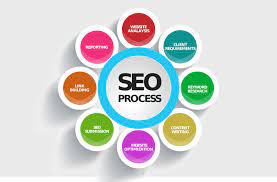
Key SEO Strategies for Internet Marketing Success:
To harness the power of SEO effectively, consider implementing the following strategies:
- Keyword Research: Identify relevant keywords that reflect what your target audience is searching for online.
- On-Page Optimization: Optimise your website’s content, meta tags, headings, and images to align with targeted keywords.
- Quality Content Creation: Produce engaging and informative content that resonates with users and encourages them to stay on your site.
- Link Building: Acquire high-quality backlinks from reputable websites to boost your site’s authority and credibility.
- User Experience (UX) Improvement: Ensure that your website is user-friendly, fast-loading, and mobile-responsive for a positive user experience.
In conclusion, SEO is an essential component of successful internet marketing strategies. By investing time and resources into optimising your website for search engines, you can enhance visibility, attract targeted traffic, build credibility, and achieve long-term growth for your business online.
22 Common Questions About SEO and Its Role in Internet Marketing
- What is difference between SEO and online marketing?
- What is SEO and how it works?
- What is SEO example?
- What is a SEO in marketing?
- How SEO is done?
- Why is SEO important in Internet marketing?
- How do I use SEO in digital marketing?
- How is SEO used in digital marketing?
- What are the 4 types of SEO?
- What are the 3 types of SEO?
- What is SEO and how it will work?
- What is SEO marketing for beginners?
- What is SEO role in marketing?
- What is SEO marketing and how it works?
- What is Internet marketing in SEO?
- What are the 4 stages of SEO?
- How to use SEO in online marketing?
- What are the four types of SEO?
- How Internet marketing is different from SEO marketing?
- What is an example of an SEO?
- How much does SEO cost in the UK?
- What is SEO for beginners?
What is difference between SEO and online marketing?
In the realm of internet marketing, a common query often arises regarding the distinction between SEO and online marketing. While SEO (Search Engine Optimization) is a specific subset of online marketing, focusing primarily on improving a website’s visibility in search engine results through organic tactics such as keyword optimization and content enhancement, online marketing encompasses a broader spectrum of strategies aimed at promoting products or services over the internet. Online marketing includes various channels such as social media marketing, email marketing, pay-per-click advertising, and content marketing, all working together to drive traffic, generate leads, and increase conversions. In essence, SEO is a vital component of online marketing that contributes to enhancing a website’s search engine rankings and overall digital presence within the larger framework of online promotional activities.
What is SEO and how it works?
Search Engine Optimization (SEO) is a fundamental aspect of internet marketing that focuses on improving a website’s visibility and ranking on search engine results pages. In essence, SEO involves implementing various strategies and techniques to enhance a website’s relevance and authority in the eyes of search engines like Google. This includes optimising website content, meta tags, images, and other elements to align with targeted keywords that users are likely to search for. By improving these elements and acquiring high-quality backlinks from reputable sources, websites can increase their chances of appearing higher in search results, driving organic traffic and ultimately boosting online visibility and engagement.
What is SEO example?
In the realm of internet marketing, a common query often arises: “What is SEO, and can you provide an example?” Search Engine Optimization (SEO) is the practice of enhancing a website’s visibility on search engine results pages through various strategies. An example of SEO in action would be a business optimising its website with relevant keywords, high-quality content, and user-friendly design to rank higher on search engine results for specific search queries. By implementing SEO techniques effectively, businesses can attract more organic traffic and improve their online presence, ultimately leading to increased visibility and potential customer engagement.
What is a SEO in marketing?
In the realm of internet marketing, SEO, which stands for Search Engine Optimization, plays a pivotal role in enhancing a website’s visibility and attracting organic traffic. SEO in marketing refers to the practice of optimising various elements of a website to improve its ranking on search engine results pages for specific keywords relevant to the business or industry. By strategically implementing SEO techniques such as keyword research, on-page optimization, and link building, marketers aim to increase their website’s chances of being discovered by users searching for related products or services online. Ultimately, SEO in marketing is about driving targeted traffic to a website and improving its overall online presence to achieve business objectives.
How SEO is done?
Search Engine Optimization (SEO) is the process of improving a website’s visibility on search engine results pages through various strategies and techniques. SEO is done by conducting thorough keyword research to identify relevant terms that users are searching for, optimizing on-page elements such as meta tags, headings, and content, building high-quality backlinks from reputable sites, improving website performance and user experience, and regularly monitoring and adjusting strategies based on analytics data. Effective SEO involves a combination of technical expertise, content creation, and continuous refinement to enhance a website’s ranking and attract organic traffic from search engines.
Why is SEO important in Internet marketing?
Search Engine Optimization (SEO) is paramount in Internet marketing due to its pivotal role in enhancing a website’s visibility and driving organic traffic. By strategically optimising a site’s content, structure, and performance, SEO helps businesses rank higher on search engine results pages for relevant keywords. This increased visibility not only attracts more visitors but also targets a specific audience interested in the products or services offered. Ultimately, SEO builds credibility, establishes trust with users, and provides a cost-effective marketing strategy that yields long-term benefits for businesses looking to succeed online.
How do I use SEO in digital marketing?
In digital marketing, utilising SEO involves implementing strategies to enhance a website’s visibility and ranking on search engine results pages. To effectively use SEO in digital marketing, businesses should focus on conducting thorough keyword research to identify relevant terms that their target audience is searching for. Optimising website content, meta tags, and headings with these keywords can help improve organic search performance. Additionally, creating high-quality, engaging content that provides value to users can attract more traffic and increase the chances of conversion. Link building, improving website user experience, and monitoring analytics are also key aspects of integrating SEO into a comprehensive digital marketing strategy.
How is SEO used in digital marketing?
SEO plays a vital role in digital marketing by enhancing a website’s visibility and driving organic traffic through search engine results. By strategically implementing SEO techniques such as keyword research, on-page optimization, and link building, businesses can improve their online presence and attract targeted audiences searching for relevant products or services. SEO not only helps websites rank higher in search engine results pages but also builds credibility, increases brand visibility, and ultimately contributes to the overall success of digital marketing campaigns.
What are the 4 types of SEO?
In the realm of internet marketing SEO, one frequently asked question is, “What are the 4 types of SEO?” The four main types of SEO are on-page SEO, off-page SEO, technical SEO, and local SEO. On-page SEO focuses on optimising individual web pages to improve their search engine rankings and attract organic traffic. Off-page SEO involves activities outside the website to enhance its authority and relevance, such as link building. Technical SEO deals with the backend elements of a website to improve its crawling and indexing by search engines. Lastly, local SEO targets specific geographic locations to help businesses appear in local search results and connect with nearby customers effectively. Understanding these different types of SEO is essential for creating a comprehensive digital marketing strategy that drives online success.
What are the 3 types of SEO?
In the realm of internet marketing SEO, it is common to encounter the frequently asked question: “What are the 3 types of SEO?” The three main types of SEO are on-page SEO, off-page SEO, and technical SEO. On-page SEO focuses on optimising individual web pages to improve their search engine rankings and attract organic traffic. Off-page SEO involves activities outside of your website, such as link building and social media marketing, to enhance your site’s authority and credibility. Technical SEO deals with the backend aspects of a website, including site speed, mobile-friendliness, and structured data markup, to ensure optimal performance and indexing by search engines. Understanding and implementing these three types of SEO strategies are essential for a comprehensive approach to improving your online visibility and driving organic traffic to your website.
What is SEO and how it will work?
Search Engine Optimization (SEO) is a fundamental aspect of internet marketing that focuses on improving a website’s visibility and ranking on search engine results pages. SEO works by implementing various strategies and techniques to enhance a website’s relevance and authority in the eyes of search engines like Google. This involves optimising content, meta tags, keywords, and technical aspects of a site to make it more attractive to search engine algorithms. By following best practices and staying up-to-date with the latest trends in SEO, businesses can increase their online presence, drive organic traffic, and ultimately achieve better visibility and higher rankings on search engines.
What is SEO marketing for beginners?
SEO marketing for beginners is a fundamental aspect of digital marketing that focuses on improving a website’s visibility in search engine results pages. Search Engine Optimization (SEO) involves various strategies and techniques aimed at enhancing a website’s relevance and authority to rank higher for specific keywords. For beginners, SEO marketing entails learning how to optimise website content, structure, and performance to attract organic traffic and improve online presence. By understanding the basics of SEO, beginners can create a solid foundation for implementing effective marketing strategies that drive targeted traffic and boost brand visibility in the competitive online landscape.
What is SEO role in marketing?
Search Engine Optimization (SEO) plays a pivotal role in marketing by enhancing a website’s visibility on search engine results pages. SEO helps businesses attract organic traffic by optimising their online presence for relevant keywords. By improving a website’s ranking, SEO increases the likelihood of reaching a targeted audience interested in the products or services offered. Ultimately, SEO contributes to building credibility, increasing brand awareness, and driving valuable traffic that can lead to conversions and business growth in the competitive digital landscape.
What is SEO marketing and how it works?
SEO marketing, also known as Search Engine Optimization marketing, is a fundamental strategy in the realm of digital marketing. It involves optimising a website to improve its visibility on search engine results pages for specific keywords relevant to the business. By implementing various techniques such as keyword research, on-page optimisation, and link building, SEO aims to increase organic traffic and enhance a website’s ranking in search engine algorithms. Ultimately, SEO marketing works by making a website more attractive and accessible to both search engines and users, leading to higher visibility, targeted traffic, and improved online presence for businesses.
What is Internet marketing in SEO?
Internet marketing in SEO refers to the strategies and techniques used to promote a website or online business through search engine optimisation. It involves enhancing a website’s visibility on search engine results pages by targeting specific keywords relevant to the business and industry. Internet marketing in SEO aims to drive organic traffic to a website, increase its online presence, and improve its ranking on search engines like Google. By implementing effective SEO tactics such as keyword research, on-page optimisation, and link building, businesses can attract more visitors, generate leads, and ultimately boost their online success.
What are the 4 stages of SEO?
Understanding the four stages of SEO is crucial for implementing an effective digital marketing strategy. The first stage is the initial assessment, where thorough research and analysis are conducted to identify target keywords, assess competitors, and evaluate the current state of the website. The second stage involves on-page optimization, focusing on refining website content, meta tags, and internal linking structure to improve search engine visibility. Off-page optimization is the third stage, which entails building quality backlinks from authoritative sources to boost domain authority and enhance online reputation. The final stage is continuous monitoring and adaptation, where performance metrics are tracked, algorithms are updated, and strategies are adjusted to maintain and improve search rankings over time.
How to use SEO in online marketing?
Utilising SEO in online marketing involves implementing a range of strategies to enhance a website’s visibility and attract organic traffic from search engines. To effectively use SEO in online marketing, businesses should focus on conducting thorough keyword research to identify relevant terms that their target audience is searching for. Optimising website content, meta tags, and headings with these keywords is essential for improving search engine rankings. Additionally, building high-quality backlinks, creating engaging content, and ensuring a positive user experience on the website are key factors in leveraging SEO for successful online marketing campaigns. By integrating these tactics strategically, businesses can maximise their online presence and reach their desired audience effectively.
What are the four types of SEO?
In the realm of internet marketing SEO, one frequently asked question is: “What are the four types of SEO?” The four main types of SEO are on-page SEO, off-page SEO, technical SEO, and local SEO. On-page SEO focuses on optimizing individual web pages to improve search engine rankings and attract organic traffic. Off-page SEO involves activities outside your website to enhance its online authority and credibility. Technical SEO deals with the technical aspects of a website to ensure it is easily crawlable and indexable by search engines. Lastly, local SEO targets local search results to help businesses connect with nearby customers effectively. Understanding these four types of SEO is essential for creating a comprehensive digital marketing strategy that drives visibility and engagement online.
How Internet marketing is different from SEO marketing?
Internet marketing and SEO marketing are closely related but distinct concepts in the digital realm. Internet marketing encompasses a broader range of strategies and tactics aimed at promoting products or services online, including SEO as one of its components. SEO marketing, on the other hand, specifically focuses on optimising a website to improve its visibility and ranking in search engine results pages. While internet marketing involves various channels such as social media, email marketing, content marketing, and paid advertising, SEO marketing hones in on organic search traffic through targeted keyword optimisation and website enhancements. Both disciplines play crucial roles in driving online success, with internet marketing serving as the overarching strategy and SEO marketing serving as a key tactic within that strategy.
What is an example of an SEO?
An example of SEO (Search Engine Optimization) in internet marketing is the process of optimising a website’s content, structure, and performance to improve its visibility on search engine results pages. For instance, by conducting keyword research and strategically incorporating relevant keywords into website content, meta tags, and headings, a business can increase its chances of ranking higher for specific search queries. Additionally, implementing on-page optimization techniques such as improving site speed, mobile responsiveness, and user experience can further enhance a website’s SEO performance and attract more organic traffic from search engines.
How much does SEO cost in the UK?
When it comes to the cost of SEO services in the UK, the pricing can vary depending on several factors such as the scope of work, the competitiveness of the industry, and the level of expertise required. Generally, SEO services in the UK can range from a few hundred pounds to several thousand pounds per month. It’s important for businesses to consider their specific goals and budget when determining how much to invest in SEO. Working with a reputable agency that offers transparent pricing and customised strategies tailored to your needs can help ensure you get the best value for your investment in improving your online visibility and driving organic traffic to your website.
What is SEO for beginners?
Search Engine Optimization (SEO) for beginners is a fundamental aspect of digital marketing aimed at improving a website’s visibility on search engine results pages. In simple terms, SEO involves implementing strategies and techniques to enhance a website’s content, structure, and performance in order to rank higher for relevant keywords. For newcomers to the world of SEO, it is essential to understand the basics such as keyword research, on-page optimization, and link building. By mastering these foundational concepts, beginners can start their journey towards increasing organic traffic, attracting targeted audiences, and ultimately achieving online success.