Unlocking the Potential of SEM in Digital Marketing: Strategies for Success

The Power of SEM in Digital Marketing

The Power of SEM in Digital Marketing

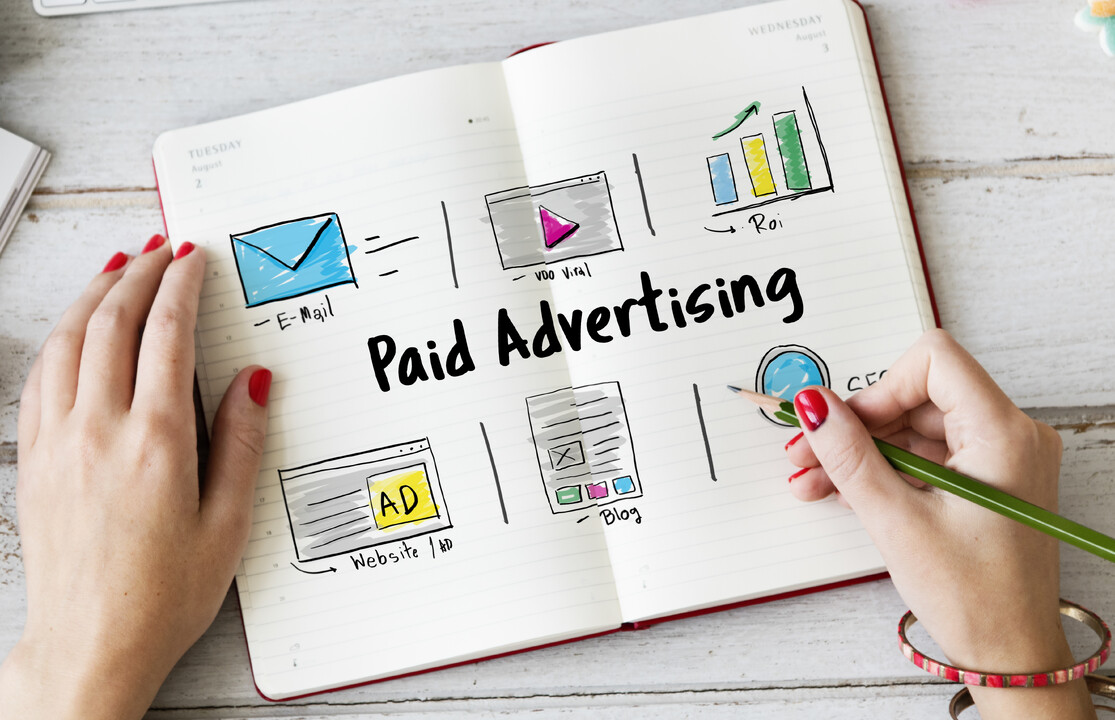
Search Engine Marketing (SEM) is a powerful tool in the world of digital marketing that allows businesses to reach their target audience effectively. SEM involves promoting websites by increasing their visibility in search engine results pages through paid advertising.

Key Components of SEM:

  • Pay-Per-Click (PPC) Advertising: PPC ads appear at the top of search engine results pages, and advertisers only pay when users click on their ads. This model ensures that businesses get value for their investment.
  • Keyword Research: Choosing the right keywords is crucial for SEM success. By targeting relevant keywords, businesses can connect with users actively searching for their products or services.
  • Ad Copywriting: Crafting compelling ad copy is essential to attract clicks and drive traffic to a website. Well-written ads can increase click-through rates and conversions.
  • Landing Page Optimization: Landing pages play a critical role in converting visitors into customers. Optimising landing pages for user experience and relevance can improve conversion rates.

The Benefits of SEM:

SEM offers several benefits for businesses looking to enhance their online presence:

  • Increased Visibility: By appearing at the top of search results, businesses can increase their visibility and reach a wider audience.
  • Precise Targeting: SEM allows for precise targeting based on factors such as location, device, and user behaviour, ensuring that ads reach the right audience.
  • Measurable Results: SEM provides detailed analytics that allow businesses to track the performance of their campaigns and make data-driven decisions to optimise results.
  • Faster Results: Unlike organic search engine optimisation (SEO), which takes time to yield results, SEM delivers immediate visibility and traffic to websites.

In conclusion, Search Engine Marketing is a valuable tool for businesses seeking to boost their online presence and drive targeted traffic to their websites. By leveraging the power of SEM effectively, businesses can achieve tangible results and grow their customer base in the competitive digital landscape.


15 Frequently Asked Questions About Search Engine Marketing (SEM) in Digital Marketing

  1. What is an example of SEM?
  2. What is the concept of SEM?
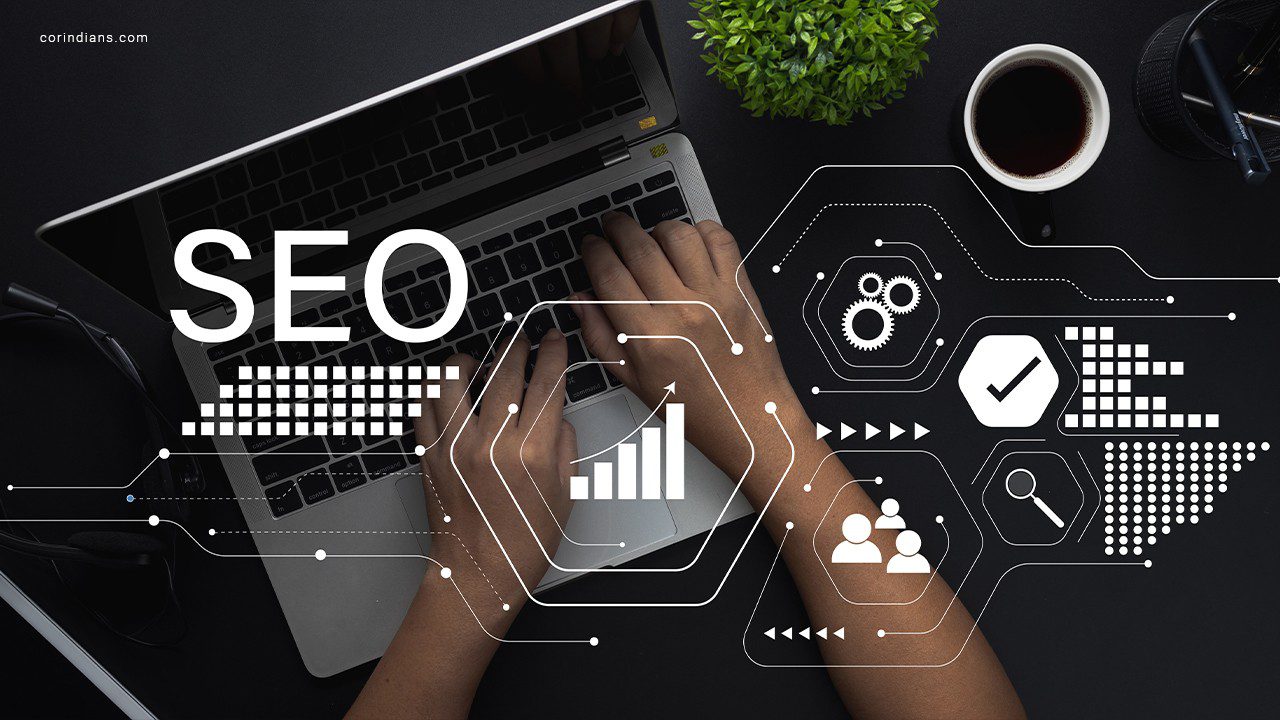
  3. What is SEO vs SEM?
  4. Whats SEM means?
  5. What is the difference between SEO and SEM?
  6. Is SEM or SEO better?
  7. What is SEO vs SEM vs PPC?
  8. What is SEM and SMM in digital marketing?
  9. What is SEM and SEO in digital marketing?
  10. What is SEM and its types?
  11. What is SEM analysis in marketing?
  12. What is SEM with an example?
  13. What is an example of SEM marketing?
  14. What is SEM in digital marketing?
  15. What is difference between SEO and SEM?

What is an example of SEM?

An example of Search Engine Marketing (SEM) is the use of pay-per-click (PPC) advertising on search engines such as Google. In this scenario, businesses bid on specific keywords related to their products or services, and their ads appear at the top of search engine results pages when users search for those keywords. When a user clicks on the ad, the business pays a fee to the search engine. This form of SEM allows businesses to target a specific audience actively searching for their offerings and drive traffic to their website effectively.

What is the concept of SEM?

The concept of Search Engine Marketing (SEM) revolves around the strategic use of paid advertising to enhance a website’s visibility in search engine results pages. SEM involves various techniques, such as pay-per-click (PPC) advertising, keyword research, ad copywriting, and landing page optimisation, to attract targeted traffic and drive conversions. By utilising SEM effectively, businesses can increase their online presence, reach a specific audience actively searching for their products or services, and achieve measurable results through data-driven campaigns. SEM plays a crucial role in digital marketing by providing businesses with a powerful tool to connect with potential customers and grow their online presence in a competitive digital landscape.

What is SEO vs SEM?

In the realm of digital marketing, a common question that arises is the difference between SEO (Search Engine Optimisation) and SEM (Search Engine Marketing). While both strategies aim to enhance a website’s visibility in search engine results, they operate in distinct ways. SEO focuses on organic methods to improve a website’s ranking in search results, such as optimising content and meta tags. On the other hand, SEM involves paid advertising to appear at the top of search engine results pages through strategies like pay-per-click (PPC) campaigns. Understanding the nuances between SEO and SEM is crucial for businesses looking to develop a comprehensive digital marketing strategy that maximises their online presence and reach.

Whats SEM means?

Search Engine Marketing (SEM) refers to a digital marketing strategy that involves promoting websites by increasing their visibility in search engine results pages through paid advertising. SEM encompasses various tactics, such as pay-per-click (PPC) advertising, keyword research, ad copywriting, and landing page optimization. By utilising SEM effectively, businesses can enhance their online presence, reach their target audience, and drive relevant traffic to their websites. SEM allows businesses to achieve measurable results, precise targeting, increased visibility, and faster outcomes compared to organic search engine optimisation (SEO).

What is the difference between SEO and SEM?

When discussing Search Engine Marketing (SEM) and Search Engine Optimisation (SEO), it is important to understand the key differences between the two strategies. SEO focuses on improving a website’s organic visibility in search engine results through techniques such as keyword optimisation, content creation, and link building. On the other hand, SEM involves paid advertising to increase a website’s visibility in search engine results pages. While SEO is a long-term strategy that aims to improve organic rankings, SEM provides immediate visibility through paid ads that appear at the top of search results. Both SEO and SEM are essential components of a comprehensive digital marketing strategy, each offering unique benefits for businesses looking to enhance their online presence and reach their target audience effectively.

Is SEM or SEO better?

When considering the question of whether SEM or SEO is better for digital marketing, it’s essential to understand that both strategies serve distinct purposes and can complement each other effectively. Search Engine Marketing (SEM) involves paid advertising to increase visibility in search engine results pages, offering immediate visibility and control over targeting. On the other hand, Search Engine Optimization (SEO) focuses on organic methods to improve website rankings and long-term visibility. While SEM can deliver quick results and targeted traffic, SEO builds sustainable organic traffic over time. Ultimately, the choice between SEM and SEO depends on specific goals, budget considerations, and the desired timeline for results in a comprehensive digital marketing strategy.

What is SEO vs SEM vs PPC?

In the realm of digital marketing, understanding the distinctions between SEO, SEM, and PPC is crucial for crafting effective online strategies. Search Engine Optimization (SEO) focuses on improving a website’s organic visibility in search engine results by optimising content and adhering to search engine guidelines. On the other hand, Search Engine Marketing (SEM) encompasses various strategies to enhance a website’s visibility through paid advertising methods like Pay-Per-Click (PPC) campaigns. While SEO and SEM are broader concepts, PPC specifically refers to a model where advertisers pay each time their ad is clicked. Each approach plays a unique role in driving traffic and achieving marketing goals, with SEO building long-term organic traffic, SEM incorporating both paid and organic tactics, and PPC offering immediate visibility through paid ads. By understanding the nuances of SEO vs SEM vs PPC, businesses can tailor their digital marketing efforts to maximise online presence and reach their target audience effectively.

What is SEM and SMM in digital marketing?

In the realm of digital marketing, SEM (Search Engine Marketing) and SMM (Social Media Marketing) are two essential strategies that businesses utilise to enhance their online presence and connect with their target audience. SEM involves promoting websites through paid advertising on search engine results pages, such as Google Ads, to increase visibility and drive traffic. On the other hand, SMM focuses on leveraging social media platforms like Facebook, Instagram, and Twitter to engage with users, build brand awareness, and drive conversions. Both SEM and SMM play crucial roles in a comprehensive digital marketing strategy, offering unique benefits in reaching and engaging with potential customers across different online channels.

What is SEM and SEO in digital marketing?

In digital marketing, Search Engine Marketing (SEM) and Search Engine Optimisation (SEO) are two essential strategies that businesses often utilise to enhance their online visibility and attract relevant traffic to their websites. SEM involves paid advertising to appear prominently in search engine results pages, driving immediate traffic to a website. On the other hand, SEO focuses on improving a website’s organic visibility by optimising its content, structure, and technical aspects to rank higher in search results over time. While SEM offers instant visibility through paid ads, SEO aims for sustainable long-term growth by enhancing a website’s relevance and authority in the eyes of search engines. Both SEM and SEO play crucial roles in a comprehensive digital marketing strategy, complementing each other to maximise online presence and reach the target audience effectively.

What is SEM and its types?

Search Engine Marketing (SEM) is a digital marketing strategy that involves promoting websites by increasing their visibility in search engine results pages through paid advertising. SEM encompasses various types, with the most common being Pay-Per-Click (PPC) advertising. In PPC, advertisers bid on keywords relevant to their target audience, and their ads appear at the top of search results. Other types of SEM include display advertising, remarketing, and shopping ads. Each type of SEM serves different purposes but ultimately aims to drive traffic, increase brand awareness, and generate leads for businesses seeking to reach their target audience effectively in the digital landscape.

What is SEM analysis in marketing?

SEM analysis in marketing refers to the process of evaluating and interpreting data related to Search Engine Marketing campaigns. This analysis involves examining various metrics such as click-through rates, conversion rates, cost per click, and keyword performance to assess the effectiveness of SEM strategies. By conducting SEM analysis, marketers can gain valuable insights into the performance of their campaigns, identify areas for improvement, and make data-driven decisions to optimise their marketing efforts. Ultimately, SEM analysis plays a crucial role in maximising the ROI of marketing budgets and achieving business objectives in the digital landscape.

What is SEM with an example?

Search Engine Marketing (SEM) is a digital marketing strategy that involves promoting websites by increasing their visibility in search engine results pages through paid advertising. An example of SEM is when a company bids on specific keywords related to their products or services and creates ads that appear at the top of search results when users search for those keywords. When a user clicks on the ad, the company pays a fee, hence the term Pay-Per-Click (PPC) advertising. This targeted approach allows businesses to reach potential customers actively searching for relevant information and drive traffic to their website, ultimately leading to increased brand visibility and potential conversions.

What is an example of SEM marketing?

An example of Search Engine Marketing (SEM) marketing is a company bidding on keywords related to their products or services to display ads at the top of search engine results pages. When users search for those specific keywords, they may see the company’s ad prominently featured above organic search results. By utilising SEM strategies like pay-per-click advertising, businesses can target relevant keywords and attract potential customers actively searching for their offerings, ultimately driving traffic to their website and increasing conversions.

What is SEM in digital marketing?

Search Engine Marketing (SEM) in digital marketing refers to the practice of promoting websites by increasing their visibility in search engine results pages through paid advertising. SEM encompasses various strategies, such as pay-per-click (PPC) advertising, keyword research, ad copywriting, and landing page optimisation. By leveraging SEM techniques, businesses can enhance their online presence, reach their target audience effectively, and drive relevant traffic to their websites. SEM allows businesses to appear at the top of search results, ensuring increased visibility and precise targeting based on user behaviour and demographics. Additionally, SEM provides measurable results through detailed analytics, enabling businesses to track campaign performance and make informed decisions to optimise their digital marketing efforts.

What is difference between SEO and SEM?

In the realm of digital marketing, a common question that arises is the difference between Search Engine Optimization (SEO) and Search Engine Marketing (SEM). While both strategies aim to increase a website’s visibility in search engine results, they operate in distinct ways. SEO focuses on improving organic search rankings through tactics like keyword optimization and content creation, with the goal of driving unpaid traffic to a site. On the other hand, SEM involves paid advertising to enhance visibility in search engine results pages, often through pay-per-click campaigns. While SEO is a long-term strategy that builds organic traffic over time, SEM offers more immediate results through targeted paid ads. Understanding the nuances between SEO and SEM is crucial for businesses looking to effectively navigate the digital marketing landscape and maximise their online presence.

digital marketing products

Unlocking the Potential of Cutting-Edge Digital Marketing Products

The Power of Digital Marketing Products

The Power of Digital Marketing Products

In today’s fast-paced digital world, businesses are constantly seeking innovative ways to reach and engage with their target audience. Digital marketing products have emerged as powerful tools to help companies enhance their online presence, drive traffic, and boost conversion rates.

What are Digital Marketing Products?

Digital marketing products encompass a wide range of tools and strategies designed to promote products or services through online channels. These products can include:

  • Search Engine Optimization (SEO): Optimising website content to improve search engine rankings and increase organic traffic.
  • Pay-Per-Click (PPC) Advertising: Running targeted ads on search engines or social media platforms to drive relevant traffic to a website.
  • Email Marketing: Sending personalised emails to nurture leads, build relationships, and promote products or services.
  • Social Media Marketing: Utilising social media platforms to engage with followers, share content, and attract new customers.
  • Content Marketing: Creating valuable and relevant content to attract and retain a specific audience.

The Benefits of Digital Marketing Products

Implementing digital marketing products can offer businesses numerous advantages, including:

  • Increased Visibility: By utilising SEO and PPC advertising, businesses can improve their online visibility and reach a wider audience.
  • Targeted Advertising: With digital marketing products, companies can target specific demographics based on interests, behaviour, location, and more.
  • Data-Driven Insights: Digital marketing products provide valuable data and analytics that allow businesses to track performance, measure success, and make informed decisions.
  • Cost-Effective Solutions: Compared to traditional marketing methods, digital marketing products often offer a higher return on investment (ROI) at a lower cost.

The Future of Digital Marketing Products

As technology continues to evolve, the landscape of digital marketing products is constantly changing. Businesses must stay informed about the latest trends and innovations in order to remain competitive in the digital marketplace. By embracing new technologies and strategies, companies can leverage the power of digital marketing products to achieve their goals and grow their business online.


Essential FAQs About Digital Marketing Products: Understanding Their Benefits, Types, and Trends

  1. What are digital marketing products?
  2. How can digital marketing products benefit my business?
  3. What types of digital marketing products are available?
  4. What is the difference between SEO and PPC advertising?
  5. How can social media marketing help promote my brand?
  6. What role does content marketing play in digital marketing?
  7. How do I measure the success of my digital marketing campaigns?
  8. Are email marketing campaigns still effective in the age of social media?
  9. What trends should I be aware of in the field of digital marketing products?

What are digital marketing products?

Digital marketing products encompass a diverse array of tools and strategies used by businesses to promote their products or services through online channels. These products can include search engine optimization (SEO) techniques to improve website visibility, pay-per-click (PPC) advertising for targeted online ads, email marketing campaigns to engage with customers, social media marketing efforts to connect with audiences, and content marketing initiatives to provide valuable information. These digital marketing products play a crucial role in enhancing online presence, driving traffic, and ultimately boosting conversion rates for businesses in the ever-evolving digital landscape.

How can digital marketing products benefit my business?

Digital marketing products can benefit your business in numerous ways. By leveraging tools such as search engine optimisation (SEO), pay-per-click (PPC) advertising, email marketing, social media marketing, and content marketing, you can enhance your online visibility, attract targeted audiences, generate leads, and ultimately drive conversions. These products provide valuable data insights that enable you to track performance, measure success, and make informed decisions to optimise your marketing strategies. With the cost-effective nature of digital marketing products compared to traditional methods, businesses can achieve a higher return on investment and reach a wider audience effectively. Embracing digital marketing products can help propel your business forward in the competitive online landscape.

What types of digital marketing products are available?

In the realm of digital marketing, a diverse array of products exists to cater to the varying needs and objectives of businesses seeking to enhance their online presence. Common types of digital marketing products include Search Engine Optimization (SEO) services, Pay-Per-Click (PPC) advertising solutions, Email Marketing platforms, Social Media Marketing tools, and Content Marketing services. Each product serves a unique purpose in helping businesses reach their target audience, drive engagement, and ultimately achieve their marketing goals in the digital landscape. By leveraging these different digital marketing products strategically, businesses can create comprehensive and effective online marketing campaigns tailored to their specific requirements.

What is the difference between SEO and PPC advertising?

When it comes to digital marketing products, a common question that arises is the difference between SEO (Search Engine Optimization) and PPC (Pay-Per-Click) advertising. SEO involves optimising website content and structure to improve organic search engine rankings, aiming to drive traffic naturally without direct payment for clicks. On the other hand, PPC advertising involves creating targeted ads that appear on search engine results pages or social media platforms, with businesses paying each time a user clicks on their ad. While SEO focuses on long-term visibility and organic growth, PPC offers immediate visibility and control over ad placement based on specific targeting criteria. Both strategies play vital roles in a comprehensive digital marketing campaign, each with its unique benefits and objectives tailored to meet different marketing goals.

How can social media marketing help promote my brand?

Social media marketing can significantly enhance brand promotion by providing a platform to engage with a vast audience, build brand awareness, and foster customer relationships. Through strategic social media campaigns, businesses can create compelling content that resonates with their target demographic, drive traffic to their website, and generate leads. By leveraging the power of social media platforms to share updates, promotions, and valuable information, brands can increase visibility, establish credibility, and ultimately boost brand loyalty. The interactive nature of social media allows for direct communication with customers, enabling brands to receive feedback, address concerns promptly, and tailor their marketing efforts to meet consumer needs effectively.

What role does content marketing play in digital marketing?

Content marketing plays a crucial role in digital marketing by serving as the foundation for engaging and connecting with target audiences. Through strategic content creation and distribution, businesses can provide valuable information, establish authority in their industry, and build relationships with customers. High-quality content not only attracts and retains the attention of users but also drives organic traffic to websites, improves search engine rankings, and ultimately contributes to conversions. In essence, content marketing is an essential component of a comprehensive digital marketing strategy that helps businesses showcase their expertise, foster trust with consumers, and achieve long-term success in the online landscape.

How do I measure the success of my digital marketing campaigns?

Measuring the success of digital marketing campaigns is essential for evaluating their effectiveness and making informed decisions for future strategies. Key performance indicators (KPIs) such as website traffic, conversion rates, click-through rates, and return on investment (ROI) are commonly used to assess the impact of digital marketing efforts. Tracking these metrics provides valuable insights into the performance of campaigns, allowing businesses to identify what is working well and where improvements can be made. By analysing data and metrics, businesses can gauge the success of their digital marketing campaigns and make data-driven adjustments to optimise results.

Are email marketing campaigns still effective in the age of social media?

In the age of social media, a frequently asked question is whether email marketing campaigns are still effective. Despite the rise of social media platforms, email marketing remains a powerful tool for businesses to engage with their audience. Email campaigns offer a direct and personalised way to communicate with customers, nurture leads, and drive conversions. With targeted messaging, automation tools, and advanced analytics, email marketing can deliver high ROI and complement a company’s overall digital marketing strategy. When integrated strategically with social media efforts, email campaigns can effectively reach and resonate with audiences in a more personalised manner.

Staying abreast of the latest trends in the field of digital marketing products is crucial for businesses looking to stay ahead in the competitive online landscape. Some key trends to be aware of include the increasing importance of artificial intelligence and machine learning in personalising customer experiences, the rise of voice search and smart speakers shaping SEO strategies, the growing significance of video content across social media platforms, and the emphasis on data privacy and compliance with regulations such as GDPR. By keeping up-to-date with these trends and adapting digital marketing strategies accordingly, businesses can effectively engage their target audience and drive meaningful results in today’s dynamic digital environment.

web marketing agency

Elevate Your Online Presence with a Leading Web Marketing Agency

The Role of a Web Marketing Agency in Boosting Your Online Presence

The Role of a Web Marketing Agency in Boosting Your Online Presence

In today’s digital age, having a strong online presence is crucial for the success of any business. A web marketing agency plays a vital role in helping businesses navigate the complexities of the online world and reach their target audience effectively.

What Does a Web Marketing Agency Do?

A web marketing agency specialises in creating and implementing digital marketing strategies to promote businesses online. This includes a range of services such as search engine optimisation (SEO), pay-per-click advertising (PPC), social media marketing, content creation, email marketing, and more.

The Benefits of Hiring a Web Marketing Agency

By partnering with a web marketing agency, businesses can benefit in several ways:

  • Expertise: Web marketing agencies have the knowledge and experience to develop effective strategies that drive results.
  • Time-Saving: Outsourcing your digital marketing efforts to an agency allows you to focus on other aspects of your business.
  • Increased Visibility: A web marketing agency can help improve your search engine rankings and increase your online visibility.
  • Targeted Campaigns: Agencies can create targeted campaigns that reach your specific audience, leading to higher conversion rates.
  • Data-Driven Approach: Web marketing agencies use data and analytics to track performance and make informed decisions for continuous improvement.

Choosing the Right Web Marketing Agency

When selecting a web marketing agency for your business, consider factors such as their track record, expertise in your industry, communication style, and pricing. It’s essential to choose an agency that aligns with your goals and values to ensure a successful partnership.

In Conclusion

A web marketing agency can be a valuable asset for businesses looking to establish or enhance their online presence. By leveraging the expertise and resources of an agency, businesses can effectively connect with their target audience, drive traffic to their website, and ultimately increase revenue.


Essential Tips for Success in a Web Marketing Agency

  1. Understand your target audience and tailor your marketing strategies to appeal to them.
  2. Utilise various digital marketing channels such as social media, SEO, and email marketing to reach a wider audience.
  3. Create high-quality and engaging content that showcases your expertise and attracts potential clients.
  4. Stay updated with the latest trends in web marketing to remain competitive in the industry.
  5. Build strong relationships with clients by providing excellent customer service and delivering results.
  6. Track your performance metrics regularly to measure the success of your campaigns and make necessary adjustments.

Understand your target audience and tailor your marketing strategies to appeal to them.

To maximise the effectiveness of your web marketing efforts, it is crucial to have a deep understanding of your target audience. By identifying their preferences, behaviours, and needs, you can tailor your marketing strategies to resonate with them effectively. This personalised approach not only helps in capturing their attention but also in building lasting relationships with your audience, leading to higher engagement and conversions.

Utilise various digital marketing channels such as social media, SEO, and email marketing to reach a wider audience.

To maximise your online visibility and engage a broader audience, it is essential to leverage a variety of digital marketing channels offered by a web marketing agency. By incorporating strategies across platforms like social media, search engine optimisation (SEO), and email marketing, businesses can effectively target different segments of their audience and enhance their overall online presence. This multi-channel approach not only increases brand awareness but also boosts engagement and drives traffic to your website, ultimately leading to improved conversion rates and business growth.

Create high-quality and engaging content that showcases your expertise and attracts potential clients.

Creating high-quality and engaging content is a cornerstone of successful digital marketing strategies. A web marketing agency can help businesses showcase their expertise and attract potential clients by crafting compelling content that resonates with their target audience. By sharing valuable insights, industry knowledge, and unique perspectives through various channels such as blogs, social media, and videos, businesses can establish credibility, build trust with customers, and ultimately drive conversions. Quality content not only educates and informs but also serves as a powerful tool to differentiate a brand in a competitive online landscape.

To stay competitive in the industry, it is essential for businesses to stay updated with the latest trends in web marketing. The digital landscape is constantly evolving, and new technologies and strategies emerge regularly. By keeping abreast of these developments, a web marketing agency can adapt its approach to meet changing consumer behaviours and preferences. This proactive approach not only ensures that businesses remain relevant in the online space but also allows them to capitalise on emerging opportunities for growth and success.

Build strong relationships with clients by providing excellent customer service and delivering results.

To build strong relationships with clients, a web marketing agency must prioritise excellent customer service and consistently deliver tangible results. By actively listening to clients’ needs, offering transparent communication, and exceeding expectations with successful outcomes, the agency can establish trust and loyalty. Providing exceptional customer service not only fosters long-term partnerships but also showcases the agency’s commitment to client satisfaction and success in the competitive digital landscape.

Track your performance metrics regularly to measure the success of your campaigns and make necessary adjustments.

Tracking your performance metrics regularly is essential when working with a web marketing agency. By monitoring key indicators such as website traffic, conversion rates, and engagement levels, you can effectively evaluate the success of your campaigns and identify areas for improvement. This data-driven approach allows you to make informed decisions and implement necessary adjustments to optimise your online marketing efforts for better results. Regularly analysing performance metrics ensures that your strategies remain aligned with your business goals and helps you stay ahead in the competitive digital landscape.

internet marketing strategy

Crafting an Effective Internet Marketing Strategy for Online Success

The Importance of a Strong Internet Marketing Strategy

In today’s digital age, having a robust internet marketing strategy is essential for businesses looking to thrive in the online realm. With the vast opportunities that the internet offers, it is crucial for companies to establish a solid online presence and effectively reach their target audience. Here are some key reasons why a well-defined internet marketing strategy is vital for success:

Increased Visibility

One of the primary goals of internet marketing is to enhance visibility and make your brand more accessible to potential customers. Through strategies such as search engine optimisation (SEO), social media marketing, and pay-per-click advertising, businesses can improve their online visibility and attract more traffic to their websites.

Targeted Audience Reach

Internet marketing allows businesses to target specific audience segments based on demographics, interests, behaviour, and other factors. By tailoring your marketing messages to resonate with your target audience, you can increase engagement and drive conversions more effectively.

Cost-Effectiveness

Compared to traditional marketing channels, internet marketing is often more cost-effective and offers a higher return on investment. With tools like email marketing, content marketing, and social media advertising, businesses can reach a large audience at a fraction of the cost of traditional advertising methods.

Data-Driven Insights

One of the significant advantages of internet marketing is the ability to gather valuable data and insights about customer behaviour and preferences. By analysing metrics such as website traffic, click-through rates, conversion rates, and more, businesses can make informed decisions to optimise their marketing campaigns for better results.

Competitive Advantage

In today’s competitive business landscape, having a strong internet marketing strategy can give you a competitive edge over rivals. By staying ahead of digital trends, engaging with your audience effectively, and delivering valuable content consistently, you can position your brand as a leader in your industry.

In conclusion, investing in an effective internet marketing strategy is crucial for businesses looking to succeed in the digital age. By leveraging the power of online channels and implementing targeted campaigns tailored to your audience’s needs, you can drive growth, increase brand awareness, and achieve long-term success in the ever-evolving digital landscape.


Essential FAQs on Internet Marketing Strategies: Key Concepts and Examples

  1. What is internet marketing and examples?
  2. What is an example of internet marketing strategy?
  3. What is Internet marketing with example?
  4. What are the 5 key components of internet marketing?
  5. What is internet strategy in marketing?
  6. What are the 7 steps of Internet marketing strategy?
  7. What are the 4 types of market strategies?
  8. What is the Internet marketing strategy?
  9. What are 3 examples of internet marketing?
  10. What are the four 4 types of marketing strategies?
  11. What is an internet marketing strategy?
  12. What Internet marketing strategy is most effective?
  13. What are the popular internet marketing strategies?
  14. What are the four core strategies of Internet marketing?
  15. What is internet marketing strategy?

What is internet marketing and examples?

Internet marketing refers to the use of online channels and digital technologies to promote products or services, engage with customers, and drive business growth. Examples of internet marketing strategies include search engine optimisation (SEO) to improve website visibility on search engines like Google, social media marketing to connect with audiences on platforms such as Facebook and Instagram, email marketing campaigns to nurture leads and build customer relationships, pay-per-click advertising for targeted online ads, content marketing through blogs and videos to provide valuable information to users, and affiliate marketing partnerships to expand reach through collaboration with other businesses. These diverse strategies showcase the versatility and effectiveness of internet marketing in reaching and engaging with audiences in the digital landscape.

What is an example of internet marketing strategy?

An example of an internet marketing strategy is content marketing. Content marketing involves creating and distributing valuable, relevant, and consistent content to attract and engage a target audience. This can include blog posts, articles, videos, infographics, and social media posts that provide useful information or entertainment to users. By implementing a content marketing strategy, businesses can build brand awareness, establish credibility, drive website traffic, and ultimately convert leads into customers. Content marketing is a versatile and effective approach that can help businesses connect with their audience in meaningful ways and achieve their marketing goals online.

What is Internet marketing with example?

Internet marketing, also known as online marketing, refers to the practice of promoting products or services using digital channels such as websites, social media, email, and search engines. An example of internet marketing is a company running a targeted Facebook advertising campaign to promote its new line of skincare products to a specific demographic group. Through strategic ad placement and engaging content, the company can reach potential customers who are likely interested in skincare products and drive them to visit their website or make a purchase online. Internet marketing allows businesses to connect with their target audience effectively, increase brand visibility, and drive sales through various online channels.

What are the 5 key components of internet marketing?

When considering the key components of internet marketing, it is essential to focus on five crucial elements that form the foundation of a successful online strategy. These components include search engine optimisation (SEO) to enhance visibility and organic traffic, social media marketing for engaging with audiences and building brand presence, content marketing to provide valuable and relevant information to attract and retain customers, email marketing for personalised communication and lead nurturing, and analytics to measure performance and make data-driven decisions for continuous improvement. By incorporating these five key components into an integrated internet marketing strategy, businesses can effectively reach their target audience, drive engagement, and achieve sustainable growth in the digital landscape.

What is internet strategy in marketing?

An internet marketing strategy, also known as an online marketing strategy, refers to a comprehensive plan that outlines how a business will leverage various online channels and platforms to promote its products or services, engage with its target audience, and achieve its marketing objectives. This strategy typically includes tactics such as search engine optimisation (SEO), social media marketing, content marketing, email campaigns, pay-per-click advertising, and more. By developing a well-defined internet marketing strategy, businesses can effectively reach their target audience, drive traffic to their website, generate leads, and ultimately increase sales and revenue in the competitive digital landscape.

What are the 7 steps of Internet marketing strategy?

Developing a successful internet marketing strategy involves several key steps to ensure maximum effectiveness. The seven steps of an internet marketing strategy typically include defining your target audience, conducting market research, setting clear objectives and goals, creating compelling content, implementing various online marketing tactics such as SEO and social media, analysing performance metrics to measure success, and continuously refining and optimising your strategy based on data-driven insights. By following these strategic steps meticulously, businesses can enhance their online presence, engage with their target audience effectively, and achieve sustainable growth in the competitive digital landscape.

What are the 4 types of market strategies?

In the realm of internet marketing strategy, there are four primary types of market strategies that businesses often utilise to achieve their goals. These include market penetration, product development, market development, and diversification. Market penetration involves increasing market share for existing products within current markets. Product development focuses on introducing new products to existing markets. Market development seeks to enter new markets with existing products. Diversification entails expanding into new markets with new products, offering a comprehensive approach to business growth and sustainability in the digital landscape.

What is the Internet marketing strategy?

The internet marketing strategy encompasses a comprehensive plan of action designed to promote a business or brand online effectively. It involves various tactics such as search engine optimisation (SEO), social media marketing, content marketing, email campaigns, pay-per-click advertising, and more. The primary goal of an internet marketing strategy is to increase online visibility, attract target audiences, drive website traffic, generate leads, and ultimately boost conversions and sales. By aligning these digital marketing efforts with business objectives and audience preferences, businesses can create a cohesive strategy that maximises their online presence and delivers measurable results.

What are 3 examples of internet marketing?

Internet marketing encompasses a wide range of strategies and tactics aimed at promoting products or services online. Three common examples of internet marketing include search engine optimisation (SEO), social media marketing, and email marketing. SEO involves optimising a website’s content and structure to improve its visibility in search engine results, driving organic traffic and increasing online presence. Social media marketing utilises platforms like Facebook, Instagram, and Twitter to engage with audiences, build brand awareness, and drive conversions through targeted advertising and engaging content. Email marketing involves sending personalised messages to subscribers to promote products, share updates, and nurture customer relationships effectively. These internet marketing techniques play a crucial role in reaching and engaging with target audiences in the digital landscape.

What are the four 4 types of marketing strategies?

In the realm of internet marketing strategy, businesses often explore four key types of marketing strategies to achieve their goals effectively. These include market penetration, product development, market development, and diversification. Market penetration involves increasing sales of existing products in current markets, while product development focuses on introducing new products to existing markets. Market development seeks to enter new markets with existing products, and diversification entails expanding into new markets with new products. By understanding and implementing these distinct marketing strategies, businesses can tailor their approach to suit their objectives and target audience for optimal results in the competitive online landscape.

What is an internet marketing strategy?

An internet marketing strategy refers to a comprehensive plan that outlines how a business will leverage online channels to promote its products or services, engage with its target audience, and achieve its marketing objectives. This strategic approach typically involves a combination of digital tactics such as search engine optimisation (SEO), social media marketing, content marketing, email campaigns, and paid advertising to drive traffic, generate leads, and ultimately convert prospects into customers. By defining clear goals, identifying target audiences, and selecting the most effective online tactics, businesses can develop a cohesive internet marketing strategy that helps them stand out in the competitive digital landscape and achieve sustainable growth.

What Internet marketing strategy is most effective?

When it comes to determining the most effective internet marketing strategy, there is no one-size-fits-all answer. The effectiveness of a marketing strategy depends on various factors, including the nature of the business, target audience, industry trends, and budget constraints. Some commonly used and successful internet marketing strategies include search engine optimisation (SEO), content marketing, social media advertising, email marketing, and pay-per-click (PPC) advertising. To identify the most effective strategy for your business, it is essential to conduct thorough research, analyse data metrics, and continuously monitor and adjust your campaigns to maximise results and achieve your specific goals.

One of the most frequently asked questions in the realm of internet marketing strategy is, “What are the popular internet marketing strategies?” Businesses and marketers often seek to understand the various approaches that can help them effectively promote their products or services online. Some popular internet marketing strategies include search engine optimisation (SEO), social media marketing, content marketing, email marketing, pay-per-click (PPC) advertising, influencer marketing, and affiliate marketing. Each of these strategies offers unique benefits and can be tailored to suit different business objectives and target audiences. By combining these tactics strategically, businesses can create a comprehensive internet marketing strategy that drives engagement, increases visibility, and ultimately leads to business growth.

What are the four core strategies of Internet marketing?

When it comes to Internet marketing strategy, there are four core strategies that businesses often focus on to achieve success. These include search engine optimisation (SEO) to improve online visibility and organic traffic, content marketing to engage and educate target audiences, social media marketing to connect with customers and build brand loyalty, and pay-per-click (PPC) advertising for targeted reach and immediate results. By integrating these core strategies effectively, businesses can create a comprehensive Internet marketing plan that drives traffic, boosts conversions, and enhances overall online presence.

What is internet marketing strategy?

An internet marketing strategy refers to a comprehensive plan of action designed to promote a business, product, or service online. It encompasses various digital marketing tactics such as search engine optimisation (SEO), social media marketing, content marketing, email marketing, and pay-per-click advertising. The goal of an internet marketing strategy is to increase online visibility, attract target audiences, drive website traffic, generate leads, and ultimately boost sales and conversions. By strategically utilising a mix of online channels and tactics, businesses can effectively reach their target audience, engage with customers, and achieve their marketing objectives in the digital realm.

seo internet marketing company

Unlocking Success: The Role of an SEO Internet Marketing Company

SEO Internet Marketing Company: Boosting Your Online Presence

The Power of SEO Internet Marketing Company

In today’s digital age, having a strong online presence is essential for the success of any business. This is where an SEO internet marketing company can make a significant difference. By utilising the power of search engine optimisation (SEO) techniques, these companies help businesses improve their visibility online and attract more organic traffic to their websites.

What Does an SEO Internet Marketing Company Do?

An SEO internet marketing company specialises in enhancing a website’s search engine ranking through various strategies such as keyword research, on-page optimisation, link building, and content creation. By implementing these tactics effectively, they can help businesses climb the search engine results pages (SERPs) and reach their target audience more efficiently.

The Benefits of Hiring an SEO Internet Marketing Company

  • Increased Visibility: By improving your website’s ranking on search engines, an SEO company can help you stand out in a crowded online marketplace.
  • Targeted Traffic: Through targeted keyword strategies, you can attract visitors who are actively searching for your products or services.
  • Improved User Experience: SEO companies focus on creating user-friendly websites that not only rank well but also provide a positive experience for visitors.
  • Measurable Results: With analytics tools, you can track the performance of your SEO efforts and make data-driven decisions to further enhance your online presence.

Choosing the Right SEO Internet Marketing Company

When selecting an SEO internet marketing company for your business, it is essential to consider their experience, expertise, and track record of success. Look for a company that understands your industry and goals and can tailor their strategies to meet your specific needs.

By partnering with a reputable SEO internet marketing company, you can take your online presence to new heights and stay ahead of the competition in the digital landscape.


Essential FAQs About Choosing and Working with an SEO Internet Marketing Company

  1. What is an SEO internet marketing company?
  2. How can an SEO internet marketing company help my business?
  3. What services do SEO internet marketing companies offer?
  4. How long does it take to see results from SEO services?
  5. What factors should I consider when choosing an SEO internet marketing company?
  6. Do I need to have a big budget to hire an SEO company?
  7. Can an SEO company guarantee first-page rankings on search engines?
  8. How can I measure the success of SEO efforts by an internet marketing company?

What is an SEO internet marketing company?

An SEO internet marketing company is a specialised agency that focuses on improving a website’s online visibility and search engine ranking through strategic techniques such as keyword research, on-page optimisation, link building, and content creation. By employing these tactics effectively, an SEO internet marketing company helps businesses attract more organic traffic to their websites and reach their target audience more efficiently. These companies play a crucial role in enhancing a business’s online presence and driving growth in the competitive digital landscape.

How can an SEO internet marketing company help my business?

An SEO internet marketing company can significantly benefit your business by enhancing its online visibility and attracting more targeted traffic to your website. Through strategic search engine optimisation techniques, such as keyword research, on-page optimisation, and link building, these companies can improve your website’s search engine ranking and help you reach a wider audience. By increasing your online presence, an SEO internet marketing company can drive organic traffic to your site, generate leads, and ultimately boost your business’s growth and profitability in the competitive digital landscape.

What services do SEO internet marketing companies offer?

SEO internet marketing companies offer a wide range of services tailored to enhance a business’s online visibility and drive organic traffic to their websites. These services typically include keyword research, on-page and off-page SEO optimisation, content creation and optimisation, link building, website audits, analytics tracking, and strategic consulting. By leveraging these services, SEO internet marketing companies help businesses improve their search engine rankings, attract targeted traffic, enhance user experience, and ultimately achieve their online marketing goals.

How long does it take to see results from SEO services?

When considering SEO services, a common question that arises is, “How long does it take to see results?” The timeline for seeing tangible results from SEO efforts can vary depending on various factors such as the competitiveness of the industry, the current state of the website, and the strategies implemented. While some improvements may be noticeable in a matter of weeks, significant changes in search engine rankings and organic traffic often require several months of consistent optimisation and monitoring. Patience is key when investing in SEO services, as the long-term benefits of improved visibility and sustained growth are well worth the wait.

What factors should I consider when choosing an SEO internet marketing company?

When considering which SEO internet marketing company to choose, several key factors should be taken into account to ensure you make the right decision. Firstly, assess the company’s experience and track record in delivering successful SEO campaigns for businesses similar to yours. Look for transparency in their methodologies and communication practices to ensure you are kept informed throughout the process. Consider their approach to keyword research, on-page optimisation, link building, and content creation to determine if it aligns with your goals. Additionally, evaluate their ability to provide measurable results through analytics and reporting. By carefully considering these factors, you can select an SEO internet marketing company that best suits your needs and helps boost your online presence effectively.

Do I need to have a big budget to hire an SEO company?

When considering hiring an SEO internet marketing company, one common question that arises is whether a big budget is necessary. The answer to this question varies depending on the specific goals and requirements of your business. While having a larger budget can certainly open up more opportunities for comprehensive SEO strategies and faster results, it is not always a requirement. Many SEO companies offer tailored packages to accommodate businesses of all sizes and budgets. By discussing your goals and budget constraints with a reputable SEO company, you can find a solution that aligns with your needs and helps you achieve your online marketing objectives effectively.

Can an SEO company guarantee first-page rankings on search engines?

When considering hiring an SEO internet marketing company, a common question that arises is whether they can guarantee first-page rankings on search engines. It’s important to understand that while reputable SEO companies can employ effective strategies to improve your website’s visibility and ranking, guaranteeing a specific position on the first page of search engine results is not realistic. Search engine algorithms are complex and constantly evolving, making it impossible to guarantee specific rankings. A trustworthy SEO company will focus on implementing best practices and providing transparent reporting on the progress of your SEO efforts, aiming to improve your overall online presence and drive organic traffic to your website.

How can I measure the success of SEO efforts by an internet marketing company?

To measure the success of SEO efforts by an internet marketing company, various key performance indicators (KPIs) can be used. These include tracking organic traffic growth, monitoring keyword rankings, assessing conversion rates, analysing backlink profiles, and evaluating overall website visibility on search engine results pages. Additionally, tools like Google Analytics and Google Search Console provide valuable data on website performance and user behaviour that can help gauge the effectiveness of SEO strategies implemented by the internet marketing company. Regular reporting and analysis of these metrics are crucial in determining the impact of SEO efforts and making informed decisions to further enhance online visibility and drive business growth.

local internet marketing

Unlocking the Potential of Local Internet Marketing Strategies

The Power of Local Internet Marketing

The Power of Local Internet Marketing

In today’s digital age, local internet marketing has become a crucial strategy for businesses looking to connect with their target audience in specific geographic locations. By focusing on localised online tactics, businesses can effectively reach potential customers in their area and drive foot traffic to physical stores or increase online sales.

Benefits of Local Internet Marketing

Targeted Reach: Local internet marketing allows businesses to target consumers based on their location, increasing the relevance of marketing messages and promotions.

Increased Visibility: By optimising online content for local search terms and using platforms like Google My Business, businesses can improve their visibility in local search results.

Cost-Effective: Compared to traditional advertising methods, local internet marketing can be more cost-effective and offer a higher return on investment due to its targeted approach.

Strategies for Local Internet Marketing

Local SEO: Optimise your website and online content for local keywords and phrases to improve your ranking in local search results.

Google My Business: Create and optimise your Google My Business profile with accurate business information, photos, and customer reviews to enhance your online presence locally.

Local Content Marketing: Produce relevant and engaging content that resonates with your local audience to drive engagement and build brand loyalty.

The Future of Local Internet Marketing

As technology continues to advance, the importance of local internet marketing will only grow. Businesses that invest in targeted digital strategies tailored to their specific locations will have a competitive edge in reaching and engaging with their local customer base.

Contact us today to learn how we can help you harness the power of local internet marketing for your business.


7 Essential Tips for Effective Local Internet Marketing

  1. Optimise your website for local keywords and phrases.
  2. Create and maintain a Google My Business listing.
  3. Engage with local customers on social media platforms.
  4. Encourage satisfied customers to leave positive reviews online.
  5. Collaborate with other local businesses for cross-promotion opportunities.
  6. Attend or sponsor local events to increase visibility in the community.
  7. Utilise geo-targeted advertising to reach potential customers in your area.

Optimise your website for local keywords and phrases.

To maximise your impact in local internet marketing, it is essential to optimise your website for local keywords and phrases. By incorporating relevant terms that reflect the specific location of your target audience, you can significantly improve your website’s visibility in local search results. This strategic approach not only enhances your chances of being discovered by local customers but also increases the effectiveness of your online marketing efforts in reaching the right audience at the right time.

Create and maintain a Google My Business listing.

Creating and maintaining a Google My Business listing is a vital tip for local internet marketing success. By ensuring that your business information is accurate and up-to-date on this platform, you can improve your visibility in local search results and provide potential customers with essential details about your products or services. Regularly updating your Google My Business listing with photos, reviews, and promotions can help you attract more local customers and build trust in your brand within the community.

Engage with local customers on social media platforms.

Engaging with local customers on social media platforms is a valuable tip for effective local internet marketing. By actively interacting with your community on platforms such as Facebook, Instagram, and Twitter, you can build relationships, increase brand awareness, and drive traffic to your business. Responding to comments, sharing local events or news, and running targeted ads can help you connect with your audience on a more personal level and establish a strong online presence within your local market.

Encourage satisfied customers to leave positive reviews online.

Encouraging satisfied customers to leave positive reviews online is a powerful strategy in local internet marketing. Positive reviews not only enhance your online reputation but also influence potential customers’ purchasing decisions. By actively seeking feedback from happy customers and guiding them to share their experiences on platforms like Google My Business or review websites, businesses can build trust, credibility, and visibility within their local community. This word-of-mouth marketing approach can significantly impact brand perception and attract new customers looking for reliable products or services backed by genuine testimonials.

Collaborate with other local businesses for cross-promotion opportunities.

Collaborating with other local businesses for cross-promotion opportunities is a strategic tip in local internet marketing. By partnering with complementary businesses in the same area, you can expand your reach and tap into each other’s customer bases. Cross-promotion allows you to leverage each other’s online platforms and promotional channels to increase visibility and attract new customers. This collaborative approach not only strengthens relationships within the local business community but also creates a win-win situation where all parties involved benefit from the shared exposure and mutual support.

Attend or sponsor local events to increase visibility in the community.

Attending or sponsoring local events is a valuable tip for enhancing visibility in the community through local internet marketing. By actively participating in or supporting events that resonate with the target audience, businesses can establish a strong presence and build relationships with potential customers. This not only boosts brand awareness locally but also provides opportunities to showcase products or services in a meaningful way, fostering community engagement and loyalty. Additionally, leveraging social media and online platforms to share event highlights can further amplify visibility and reinforce the business’s connection with the local community.

Utilise geo-targeted advertising to reach potential customers in your area.

By utilising geo-targeted advertising in your local internet marketing strategy, you can effectively reach potential customers in your specific area. This targeted approach allows you to tailor your advertising messages and promotions to resonate with the local audience, increasing the likelihood of engagement and conversion. By focusing on reaching customers in your geographical location, you can maximise the impact of your marketing efforts and drive more relevant traffic to your business, whether online or offline.

digital marketing for dentists

Enhancing Dental Practices: The Power of Digital Marketing for Dentists

Digital Marketing for Dentists

The Importance of Digital Marketing for Dentists

In today’s digital age, having a strong online presence is crucial for businesses across all industries, including dental practices. Digital marketing offers dentists a powerful tool to reach and engage with both existing and potential patients in a cost-effective and efficient manner.

Benefits of Digital Marketing for Dentists

Increased Visibility: By implementing digital marketing strategies such as search engine optimization (SEO) and pay-per-click (PPC) advertising, dentists can improve their visibility online and attract more patients to their practice.

Targeted Advertising: Digital marketing allows dentists to target specific demographics and geographic locations, ensuring that their marketing efforts reach the right audience who are more likely to convert into patients.

Building Trust and Credibility: A well-maintained website, active social media presence, and positive online reviews can help dentists build trust and credibility with potential patients, leading to increased patient loyalty and retention.

Digital Marketing Strategies for Dentists

Website Optimization: A user-friendly and mobile-responsive website that showcases services, testimonials, and contact information is essential for attracting new patients.

Content Marketing: Creating informative blog posts, videos, or infographics about dental health topics can help position dentists as experts in their field and attract organic traffic to their website.

Social Media Marketing: Engaging with patients on platforms like Facebook, Instagram, or LinkedIn can help dentists connect with their audience on a more personal level and drive brand awareness.

The Future of Digital Marketing in Dentistry

The field of digital marketing is constantly evolving, with new trends and technologies emerging regularly. Dentists who embrace digital marketing strategies and stay up-to-date with the latest trends are more likely to stay ahead of the competition and grow their patient base in the long run.


Top 9 Digital Marketing Strategies for Dentists to Boost Practice Visibility and Engagement

  1. Create a professional website for your dental practice with clear information about services and contact details.
  2. Utilize search engine optimization (SEO) techniques to improve your website’s visibility in search engine results.
  3. Engage with potential patients on social media platforms like Facebook, Instagram, and Twitter.
  4. Share informative content related to dental health and treatments to establish credibility and attract followers.
  5. Consider running targeted online advertising campaigns to reach local audiences looking for dental services.
  6. Encourage satisfied patients to leave positive reviews on platforms like Google My Business and Yelp.
  7. Offer online appointment scheduling options to make it convenient for patients to book visits.
  8. Use email marketing campaigns to keep patients informed about promotions, new services, and important dental tips.
  9. Monitor your digital marketing efforts regularly by analysing website traffic, social media engagement, and campaign performance.

Create a professional website for your dental practice with clear information about services and contact details.

Creating a professional website for your dental practice with clear information about services and contact details is essential for establishing a strong online presence. A well-designed website not only showcases the range of services you offer but also provides potential patients with easy access to important contact information. By ensuring that your website is user-friendly and informative, you can attract more patients and build credibility in the digital space, ultimately driving the success of your dental practice.

Utilize search engine optimization (SEO) techniques to improve your website’s visibility in search engine results.

By utilising search engine optimisation (SEO) techniques, dentists can enhance their website’s visibility in search engine results, making it easier for potential patients to find them online. Implementing SEO strategies such as keyword optimisation, meta tags, and quality content can help improve the website’s ranking on search engine results pages, ultimately driving more organic traffic to the site. This increased visibility can lead to greater online exposure for the dental practice and attract more patients seeking dental services.

Engage with potential patients on social media platforms like Facebook, Instagram, and Twitter.

To maximise their online presence and connect with potential patients effectively, dentists should actively engage with audiences on popular social media platforms such as Facebook, Instagram, and Twitter. By sharing informative content, responding to inquiries promptly, and showcasing their expertise in dental care, dentists can build trust and credibility with their target audience. Social media engagement not only helps dentists reach a wider demographic but also fosters meaningful relationships with patients, ultimately leading to increased brand awareness and patient loyalty.

Sharing informative content related to dental health and treatments is a valuable tip for dentists looking to enhance their digital marketing strategy. By providing educational and engaging content, such as articles, videos, or infographics, dentists can establish credibility as experts in their field and build trust with their audience. This approach not only helps attract followers on social media platforms and website visitors but also positions the dentist as a reliable source of information, ultimately leading to increased patient loyalty and retention.

Consider running targeted online advertising campaigns to reach local audiences looking for dental services.

Dentists can significantly benefit from running targeted online advertising campaigns to reach local audiences actively seeking dental services. By focusing their marketing efforts on specific geographic locations and demographics, dentists can effectively connect with potential patients in their area who are in need of dental care. This strategy not only increases visibility within the local community but also enhances the chances of attracting qualified leads and converting them into loyal patients.

Encourage satisfied patients to leave positive reviews on platforms like Google My Business and Yelp.

Encouraging satisfied patients to leave positive reviews on platforms such as Google My Business and Yelp can significantly benefit a dentist’s online reputation and credibility. Positive reviews act as social proof for potential patients, showcasing the quality of service and care provided by the dental practice. By actively seeking feedback from happy patients and guiding them to share their experiences online, dentists can enhance their visibility, attract new clients, and build trust within the community.

Offer online appointment scheduling options to make it convenient for patients to book visits.

By offering online appointment scheduling options, dentists can enhance the convenience and accessibility of their services for patients. This digital marketing tip allows patients to easily book visits at their own convenience, reducing the need for phone calls or in-person appointments. Providing online scheduling options not only streamlines the booking process but also demonstrates a commitment to patient satisfaction and modern healthcare practices. It can help dentists attract tech-savvy patients who prefer the ease of booking appointments online, ultimately improving overall patient experience and practice efficiency.

Use email marketing campaigns to keep patients informed about promotions, new services, and important dental tips.

Utilising email marketing campaigns is a valuable strategy for dentists to keep their patients informed about promotions, new services, and essential dental tips. By regularly sending out targeted emails, dentists can maintain a direct line of communication with their patients, enhancing engagement and loyalty. These campaigns not only help in promoting special offers and introducing new services but also serve as a platform to share valuable dental advice and tips, positioning the dental practice as a trusted source of information in the minds of patients.

Monitor your digital marketing efforts regularly by analysing website traffic, social media engagement, and campaign performance.

It is essential for dentists to monitor their digital marketing efforts regularly by analysing website traffic, social media engagement, and campaign performance. By keeping a close eye on these key metrics, dentists can gain valuable insights into the effectiveness of their marketing strategies and make informed decisions to optimise their online presence. Tracking website traffic helps dentists understand how visitors interact with their site, while monitoring social media engagement provides valuable feedback on audience preferences and interests. Analysing campaign performance allows dentists to identify what is working well and what areas may need improvement, ultimately leading to a more successful digital marketing strategy.

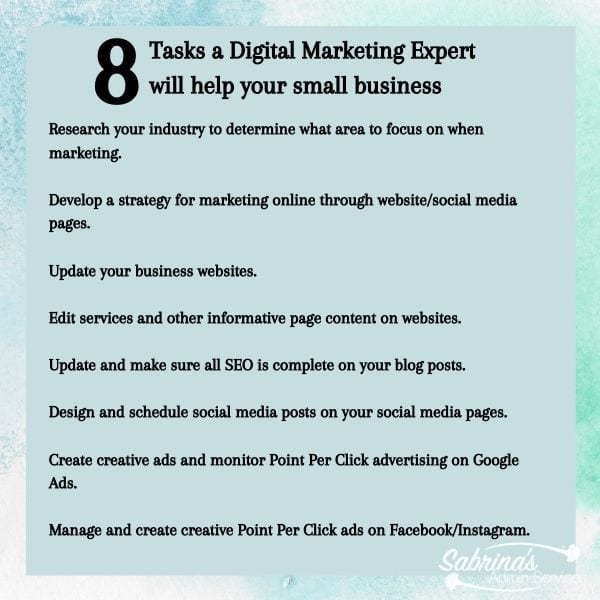
digital marketing for small business

Empowering Small Businesses Through Effective Digital Marketing Strategies

Digital Marketing for Small Business

The Power of Digital Marketing for Small Businesses

In today’s digital age, having a strong online presence is essential for the success of any small business. Digital marketing offers a cost-effective and efficient way for small businesses to reach their target audience, build brand awareness, and drive sales. Here are some key benefits of digital marketing for small businesses:

Increased Visibility

With digital marketing strategies such as search engine optimisation (SEO) and social media marketing, small businesses can increase their online visibility and reach a wider audience. By optimising their website and content for search engines, businesses can attract more organic traffic and improve their search engine rankings.

Targeted Advertising

Digital marketing allows small businesses to target specific demographics, interests, and behaviours of their ideal customers. Through tools like Google Ads and Facebook Ads, businesses can create highly targeted advertising campaigns to reach potential customers who are most likely to convert.

Cost-Effective Marketing

Compared to traditional forms of advertising such as print or TV ads, digital marketing is more cost-effective and measurable. Small businesses can allocate their budget more efficiently by investing in digital channels that provide a higher return on investment (ROI).

Engagement and Interaction

Digital marketing enables small businesses to engage with their audience in real-time through social media platforms, email marketing, and interactive content. By building relationships with customers online, businesses can foster brand loyalty and encourage repeat business.

Data-Driven Insights

One of the key advantages of digital marketing is the ability to track and analyse data in real-time. Small businesses can gain valuable insights into customer behaviour, preferences, and trends to make informed decisions about their marketing strategies.

Conclusion

Embracing digital marketing is crucial for the growth and success of small businesses in today’s competitive market. By leveraging the power of digital channels effectively, small businesses can level the playing field with larger competitors and establish a strong online presence that resonates with their target audience.


Top 5 FAQs on Digital Marketing for Small Businesses: Strategies, Benefits, and Common Pitfalls

  1. 1. What is digital marketing and how can it benefit my small business?
  2. 2. Which digital marketing strategies are most effective for small businesses with limited budgets?
  3. 3. How can I measure the success of my digital marketing efforts for my small business?
  4. 4. What role does social media play in the digital marketing strategy for small businesses?
  5. 5. Are there any common pitfalls to avoid when implementing a digital marketing plan for a small business?

1. What is digital marketing and how can it benefit my small business?

Digital marketing encompasses various online strategies and tactics used to promote products or services through digital channels such as websites, social media, email, search engines, and more. For small businesses, digital marketing offers a cost-effective way to increase brand visibility, reach a targeted audience, and drive customer engagement. By leveraging digital tools like social media advertising, search engine optimisation (SEO), and email campaigns, small businesses can effectively connect with potential customers, build brand awareness, and ultimately boost sales. Digital marketing provides measurable results and valuable insights that help small businesses refine their strategies for optimal success in the competitive online landscape.

2. Which digital marketing strategies are most effective for small businesses with limited budgets?

When it comes to small businesses with limited budgets, focusing on cost-effective digital marketing strategies is essential. Some of the most effective strategies include search engine optimisation (SEO) to improve organic visibility and attract relevant traffic, social media marketing to engage with target audiences and build brand awareness, email marketing for direct communication with customers, content marketing to provide valuable information and establish authority, and leveraging local search optimisation to target customers in specific geographic areas. By strategically allocating resources and prioritising these key strategies, small businesses can maximise their online presence and achieve tangible results within their budget constraints.

3. How can I measure the success of my digital marketing efforts for my small business?

Measuring the success of digital marketing efforts for a small business is crucial for evaluating the effectiveness of the strategies implemented. Key performance indicators (KPIs) such as website traffic, conversion rates, click-through rates, social media engagement, and return on investment (ROI) can provide valuable insights into the impact of digital marketing campaigns. By tracking and analysing these metrics regularly, small business owners can assess the performance of their digital marketing efforts, identify areas for improvement, and make informed decisions to achieve their business goals.

4. What role does social media play in the digital marketing strategy for small businesses?

Social media plays a pivotal role in the digital marketing strategy for small businesses by providing a powerful platform to engage with their target audience, build brand awareness, and drive traffic to their website. Through social media channels such as Facebook, Instagram, Twitter, and LinkedIn, small businesses can create meaningful connections with customers, share valuable content, and showcase their products or services. Social media also allows businesses to run targeted advertising campaigns to reach specific demographics and increase brand visibility. By leveraging the reach and influence of social media platforms, small businesses can enhance their online presence and establish a loyal community of followers who can advocate for their brand.

5. Are there any common pitfalls to avoid when implementing a digital marketing plan for a small business?

When implementing a digital marketing plan for a small business, it is essential to be aware of common pitfalls that can hinder its success. One common mistake is not defining clear goals and objectives at the outset, which can lead to a lack of direction and focus in the marketing efforts. Another pitfall is neglecting to target the right audience effectively, as reaching the wrong demographic can result in wasted resources and ineffective campaigns. Additionally, failing to track and analyse data regularly can prevent small businesses from making informed decisions and optimising their strategies for better results. By being mindful of these pitfalls and taking proactive measures to address them, small businesses can maximise the effectiveness of their digital marketing efforts and achieve their desired outcomes.

internet marketing seo

Unlocking the Power of SEO in Internet Marketing Strategies

The Power of SEO in Internet Marketing

The Power of SEO in Internet Marketing

Search Engine Optimization (SEO) plays a crucial role in the world of internet marketing. It is the practice of enhancing your website’s visibility on search engine results pages to drive organic traffic and improve online presence.

SEO involves a combination of strategies and techniques aimed at improving your website’s ranking for relevant keywords that potential customers are searching for. By optimising your site’s content, structure, and performance, you can attract more visitors and increase your chances of converting them into customers.

Benefits of SEO in Internet Marketing:

  • Increased Visibility: By appearing higher in search engine results, your website is more likely to be seen by users searching for products or services related to your business.
  • Targeted Traffic: SEO helps you reach a specific audience interested in what you offer, increasing the likelihood of generating leads and sales.
  • Builds Credibility: A well-optimised website with high rankings conveys trust and authority to users, establishing your brand as a reputable source in your industry.
  • Cost-Effective Marketing: Compared to traditional advertising methods, SEO offers a cost-effective way to attract quality traffic over the long term.
  • Analytics and Insights: SEO tools provide valuable data on user behaviour, keyword performance, and other metrics that can help you refine your marketing strategy for better results.

Key SEO Strategies for Internet Marketing Success:

To harness the power of SEO effectively, consider implementing the following strategies:

  1. Keyword Research: Identify relevant keywords that reflect what your target audience is searching for online.
  2. On-Page Optimization: Optimise your website’s content, meta tags, headings, and images to align with targeted keywords.
  3. Quality Content Creation: Produce engaging and informative content that resonates with users and encourages them to stay on your site.
  4. Link Building: Acquire high-quality backlinks from reputable websites to boost your site’s authority and credibility.
  5. User Experience (UX) Improvement: Ensure that your website is user-friendly, fast-loading, and mobile-responsive for a positive user experience.

In conclusion, SEO is an essential component of successful internet marketing strategies. By investing time and resources into optimising your website for search engines, you can enhance visibility, attract targeted traffic, build credibility, and achieve long-term growth for your business online.


22 Common Questions About SEO and Its Role in Internet Marketing

  1. What is difference between SEO and online marketing?
  2. What is SEO and how it works?
  3. What is SEO example?
  4. What is a SEO in marketing?
  5. How SEO is done?
  6. Why is SEO important in Internet marketing?
  7. How do I use SEO in digital marketing?
  8. How is SEO used in digital marketing?
  9. What are the 4 types of SEO?
  10. What are the 3 types of SEO?
  11. What is SEO and how it will work?
  12. What is SEO marketing for beginners?
  13. What is SEO role in marketing?
  14. What is SEO marketing and how it works?
  15. What is Internet marketing in SEO?
  16. What are the 4 stages of SEO?
  17. How to use SEO in online marketing?
  18. What are the four types of SEO?
  19. How Internet marketing is different from SEO marketing?
  20. What is an example of an SEO?
  21. How much does SEO cost in the UK?
  22. What is SEO for beginners?

What is difference between SEO and online marketing?

In the realm of internet marketing, a common query often arises regarding the distinction between SEO and online marketing. While SEO (Search Engine Optimization) is a specific subset of online marketing, focusing primarily on improving a website’s visibility in search engine results through organic tactics such as keyword optimization and content enhancement, online marketing encompasses a broader spectrum of strategies aimed at promoting products or services over the internet. Online marketing includes various channels such as social media marketing, email marketing, pay-per-click advertising, and content marketing, all working together to drive traffic, generate leads, and increase conversions. In essence, SEO is a vital component of online marketing that contributes to enhancing a website’s search engine rankings and overall digital presence within the larger framework of online promotional activities.

What is SEO and how it works?

Search Engine Optimization (SEO) is a fundamental aspect of internet marketing that focuses on improving a website’s visibility and ranking on search engine results pages. In essence, SEO involves implementing various strategies and techniques to enhance a website’s relevance and authority in the eyes of search engines like Google. This includes optimising website content, meta tags, images, and other elements to align with targeted keywords that users are likely to search for. By improving these elements and acquiring high-quality backlinks from reputable sources, websites can increase their chances of appearing higher in search results, driving organic traffic and ultimately boosting online visibility and engagement.

What is SEO example?

In the realm of internet marketing, a common query often arises: “What is SEO, and can you provide an example?” Search Engine Optimization (SEO) is the practice of enhancing a website’s visibility on search engine results pages through various strategies. An example of SEO in action would be a business optimising its website with relevant keywords, high-quality content, and user-friendly design to rank higher on search engine results for specific search queries. By implementing SEO techniques effectively, businesses can attract more organic traffic and improve their online presence, ultimately leading to increased visibility and potential customer engagement.

What is a SEO in marketing?

In the realm of internet marketing, SEO, which stands for Search Engine Optimization, plays a pivotal role in enhancing a website’s visibility and attracting organic traffic. SEO in marketing refers to the practice of optimising various elements of a website to improve its ranking on search engine results pages for specific keywords relevant to the business or industry. By strategically implementing SEO techniques such as keyword research, on-page optimization, and link building, marketers aim to increase their website’s chances of being discovered by users searching for related products or services online. Ultimately, SEO in marketing is about driving targeted traffic to a website and improving its overall online presence to achieve business objectives.

How SEO is done?

Search Engine Optimization (SEO) is the process of improving a website’s visibility on search engine results pages through various strategies and techniques. SEO is done by conducting thorough keyword research to identify relevant terms that users are searching for, optimizing on-page elements such as meta tags, headings, and content, building high-quality backlinks from reputable sites, improving website performance and user experience, and regularly monitoring and adjusting strategies based on analytics data. Effective SEO involves a combination of technical expertise, content creation, and continuous refinement to enhance a website’s ranking and attract organic traffic from search engines.

Why is SEO important in Internet marketing?

Search Engine Optimization (SEO) is paramount in Internet marketing due to its pivotal role in enhancing a website’s visibility and driving organic traffic. By strategically optimising a site’s content, structure, and performance, SEO helps businesses rank higher on search engine results pages for relevant keywords. This increased visibility not only attracts more visitors but also targets a specific audience interested in the products or services offered. Ultimately, SEO builds credibility, establishes trust with users, and provides a cost-effective marketing strategy that yields long-term benefits for businesses looking to succeed online.

How do I use SEO in digital marketing?

In digital marketing, utilising SEO involves implementing strategies to enhance a website’s visibility and ranking on search engine results pages. To effectively use SEO in digital marketing, businesses should focus on conducting thorough keyword research to identify relevant terms that their target audience is searching for. Optimising website content, meta tags, and headings with these keywords can help improve organic search performance. Additionally, creating high-quality, engaging content that provides value to users can attract more traffic and increase the chances of conversion. Link building, improving website user experience, and monitoring analytics are also key aspects of integrating SEO into a comprehensive digital marketing strategy.

How is SEO used in digital marketing?

SEO plays a vital role in digital marketing by enhancing a website’s visibility and driving organic traffic through search engine results. By strategically implementing SEO techniques such as keyword research, on-page optimization, and link building, businesses can improve their online presence and attract targeted audiences searching for relevant products or services. SEO not only helps websites rank higher in search engine results pages but also builds credibility, increases brand visibility, and ultimately contributes to the overall success of digital marketing campaigns.

What are the 4 types of SEO?

In the realm of internet marketing SEO, one frequently asked question is, “What are the 4 types of SEO?” The four main types of SEO are on-page SEO, off-page SEO, technical SEO, and local SEO. On-page SEO focuses on optimising individual web pages to improve their search engine rankings and attract organic traffic. Off-page SEO involves activities outside the website to enhance its authority and relevance, such as link building. Technical SEO deals with the backend elements of a website to improve its crawling and indexing by search engines. Lastly, local SEO targets specific geographic locations to help businesses appear in local search results and connect with nearby customers effectively. Understanding these different types of SEO is essential for creating a comprehensive digital marketing strategy that drives online success.

What are the 3 types of SEO?

In the realm of internet marketing SEO, it is common to encounter the frequently asked question: “What are the 3 types of SEO?” The three main types of SEO are on-page SEO, off-page SEO, and technical SEO. On-page SEO focuses on optimising individual web pages to improve their search engine rankings and attract organic traffic. Off-page SEO involves activities outside of your website, such as link building and social media marketing, to enhance your site’s authority and credibility. Technical SEO deals with the backend aspects of a website, including site speed, mobile-friendliness, and structured data markup, to ensure optimal performance and indexing by search engines. Understanding and implementing these three types of SEO strategies are essential for a comprehensive approach to improving your online visibility and driving organic traffic to your website.

What is SEO and how it will work?

Search Engine Optimization (SEO) is a fundamental aspect of internet marketing that focuses on improving a website’s visibility and ranking on search engine results pages. SEO works by implementing various strategies and techniques to enhance a website’s relevance and authority in the eyes of search engines like Google. This involves optimising content, meta tags, keywords, and technical aspects of a site to make it more attractive to search engine algorithms. By following best practices and staying up-to-date with the latest trends in SEO, businesses can increase their online presence, drive organic traffic, and ultimately achieve better visibility and higher rankings on search engines.

What is SEO marketing for beginners?

SEO marketing for beginners is a fundamental aspect of digital marketing that focuses on improving a website’s visibility in search engine results pages. Search Engine Optimization (SEO) involves various strategies and techniques aimed at enhancing a website’s relevance and authority to rank higher for specific keywords. For beginners, SEO marketing entails learning how to optimise website content, structure, and performance to attract organic traffic and improve online presence. By understanding the basics of SEO, beginners can create a solid foundation for implementing effective marketing strategies that drive targeted traffic and boost brand visibility in the competitive online landscape.

What is SEO role in marketing?

Search Engine Optimization (SEO) plays a pivotal role in marketing by enhancing a website’s visibility on search engine results pages. SEO helps businesses attract organic traffic by optimising their online presence for relevant keywords. By improving a website’s ranking, SEO increases the likelihood of reaching a targeted audience interested in the products or services offered. Ultimately, SEO contributes to building credibility, increasing brand awareness, and driving valuable traffic that can lead to conversions and business growth in the competitive digital landscape.

What is SEO marketing and how it works?

SEO marketing, also known as Search Engine Optimization marketing, is a fundamental strategy in the realm of digital marketing. It involves optimising a website to improve its visibility on search engine results pages for specific keywords relevant to the business. By implementing various techniques such as keyword research, on-page optimisation, and link building, SEO aims to increase organic traffic and enhance a website’s ranking in search engine algorithms. Ultimately, SEO marketing works by making a website more attractive and accessible to both search engines and users, leading to higher visibility, targeted traffic, and improved online presence for businesses.

What is Internet marketing in SEO?

Internet marketing in SEO refers to the strategies and techniques used to promote a website or online business through search engine optimisation. It involves enhancing a website’s visibility on search engine results pages by targeting specific keywords relevant to the business and industry. Internet marketing in SEO aims to drive organic traffic to a website, increase its online presence, and improve its ranking on search engines like Google. By implementing effective SEO tactics such as keyword research, on-page optimisation, and link building, businesses can attract more visitors, generate leads, and ultimately boost their online success.

What are the 4 stages of SEO?

Understanding the four stages of SEO is crucial for implementing an effective digital marketing strategy. The first stage is the initial assessment, where thorough research and analysis are conducted to identify target keywords, assess competitors, and evaluate the current state of the website. The second stage involves on-page optimization, focusing on refining website content, meta tags, and internal linking structure to improve search engine visibility. Off-page optimization is the third stage, which entails building quality backlinks from authoritative sources to boost domain authority and enhance online reputation. The final stage is continuous monitoring and adaptation, where performance metrics are tracked, algorithms are updated, and strategies are adjusted to maintain and improve search rankings over time.

How to use SEO in online marketing?

Utilising SEO in online marketing involves implementing a range of strategies to enhance a website’s visibility and attract organic traffic from search engines. To effectively use SEO in online marketing, businesses should focus on conducting thorough keyword research to identify relevant terms that their target audience is searching for. Optimising website content, meta tags, and headings with these keywords is essential for improving search engine rankings. Additionally, building high-quality backlinks, creating engaging content, and ensuring a positive user experience on the website are key factors in leveraging SEO for successful online marketing campaigns. By integrating these tactics strategically, businesses can maximise their online presence and reach their desired audience effectively.

What are the four types of SEO?

In the realm of internet marketing SEO, one frequently asked question is: “What are the four types of SEO?” The four main types of SEO are on-page SEO, off-page SEO, technical SEO, and local SEO. On-page SEO focuses on optimizing individual web pages to improve search engine rankings and attract organic traffic. Off-page SEO involves activities outside your website to enhance its online authority and credibility. Technical SEO deals with the technical aspects of a website to ensure it is easily crawlable and indexable by search engines. Lastly, local SEO targets local search results to help businesses connect with nearby customers effectively. Understanding these four types of SEO is essential for creating a comprehensive digital marketing strategy that drives visibility and engagement online.

How Internet marketing is different from SEO marketing?

Internet marketing and SEO marketing are closely related but distinct concepts in the digital realm. Internet marketing encompasses a broader range of strategies and tactics aimed at promoting products or services online, including SEO as one of its components. SEO marketing, on the other hand, specifically focuses on optimising a website to improve its visibility and ranking in search engine results pages. While internet marketing involves various channels such as social media, email marketing, content marketing, and paid advertising, SEO marketing hones in on organic search traffic through targeted keyword optimisation and website enhancements. Both disciplines play crucial roles in driving online success, with internet marketing serving as the overarching strategy and SEO marketing serving as a key tactic within that strategy.

What is an example of an SEO?

An example of SEO (Search Engine Optimization) in internet marketing is the process of optimising a website’s content, structure, and performance to improve its visibility on search engine results pages. For instance, by conducting keyword research and strategically incorporating relevant keywords into website content, meta tags, and headings, a business can increase its chances of ranking higher for specific search queries. Additionally, implementing on-page optimization techniques such as improving site speed, mobile responsiveness, and user experience can further enhance a website’s SEO performance and attract more organic traffic from search engines.

How much does SEO cost in the UK?

When it comes to the cost of SEO services in the UK, the pricing can vary depending on several factors such as the scope of work, the competitiveness of the industry, and the level of expertise required. Generally, SEO services in the UK can range from a few hundred pounds to several thousand pounds per month. It’s important for businesses to consider their specific goals and budget when determining how much to invest in SEO. Working with a reputable agency that offers transparent pricing and customised strategies tailored to your needs can help ensure you get the best value for your investment in improving your online visibility and driving organic traffic to your website.

What is SEO for beginners?

Search Engine Optimization (SEO) for beginners is a fundamental aspect of digital marketing aimed at improving a website’s visibility on search engine results pages. In simple terms, SEO involves implementing strategies and techniques to enhance a website’s content, structure, and performance in order to rank higher for relevant keywords. For newcomers to the world of SEO, it is essential to understand the basics such as keyword research, on-page optimization, and link building. By mastering these foundational concepts, beginners can start their journey towards increasing organic traffic, attracting targeted audiences, and ultimately achieving online success.

seo content marketing

Unlocking Success: The Impact of SEO Content Marketing Strategies

SEO Content Marketing

The Power of SEO Content Marketing

SEO content marketing is a strategic approach that combines search engine optimization (SEO) techniques with valuable and relevant content creation to attract and engage target audiences. This powerful combination not only improves a website’s visibility in search engine results but also drives organic traffic and enhances user experience.

Key Elements of SEO Content Marketing:

  • Keyword Research: Identifying relevant keywords that your target audience is searching for is essential for creating SEO-friendly content.
  • High-Quality Content: Producing informative, engaging, and original content that addresses the needs and interests of your audience is crucial for SEO success.
  • On-Page Optimization: Optimizing meta tags, headings, images, and internal links to improve the visibility of your content in search engine results.
  • Link Building: Earning high-quality backlinks from reputable websites can boost your site’s authority and improve its search engine rankings.
  • User Experience: Ensuring that your website is user-friendly, mobile-responsive, and provides valuable information to visitors can enhance SEO performance.

The Benefits of SEO Content Marketing:

By implementing an effective SEO content marketing strategy, businesses can enjoy several benefits, including:

  • Increased Visibility: Ranking higher in search engine results can lead to increased visibility and exposure to a wider audience.
  • Organic Traffic Growth: Creating high-quality content that resonates with users can attract organic traffic over time without relying on paid advertising.
  • Better User Engagement: Providing valuable and relevant information can enhance user engagement and encourage repeat visits to your website.
  • Improved Brand Authority: Establishing expertise through valuable content can build trust with your audience and position your brand as a thought leader in your industry.
  • Multichannel Integration: Integrating SEO content across various digital channels can create a cohesive brand presence and reach customers at different touchpoints.

In conclusion, SEO content marketing is a powerful strategy that combines the best practices of SEO with compelling content creation to drive organic traffic, improve search engine rankings, and enhance user experience. By investing in quality content that resonates with your target audience, businesses can achieve long-term success in the competitive digital landscape.


17 Frequently Asked Questions About the Intersection of SEO and Content Marketing

  1. Does content marketing include SEO?
  2. What is an example of SEO?
  3. Is SEO a type of content marketing?
  4. What is content marketing in SEO?
  5. Why is content marketing good for SEO?
  6. How can I improve my SEO and content marketing?
  7. Which is the best strategy SEO or content marketing?
  8. What are the 3 types of SEO?
  9. How to use content marketing for SEO?
  10. What are the 4 stages of SEO?
  11. What are 3 main areas of SEO?
  12. Is SEO considered content marketing?
  13. Does SEO help with content marketing?
  14. What are the 4 types of SEO?
  15. What is SEO and how it works?
  16. What are the 7 types of SEO?
  17. How does SEO work with content?

Does content marketing include SEO?

In the realm of digital marketing, the relationship between content marketing and SEO is closely intertwined. While content marketing focuses on creating valuable, relevant, and engaging content to attract and retain a target audience, SEO plays a critical role in ensuring that this content is discoverable by search engines and ranks well in search results. In essence, content marketing and SEO work hand in hand to drive organic traffic, enhance user experience, and improve online visibility. Therefore, it is safe to say that effective content marketing strategies often incorporate SEO best practices to maximise their impact and reach a wider audience online.

What is an example of SEO?

An example of SEO (Search Engine Optimization) in the context of content marketing could be creating a blog post that is optimised for specific keywords related to your business or industry. By conducting thorough keyword research and strategically incorporating those keywords into the content, meta tags, and headings, you can improve the visibility of the blog post in search engine results. This optimisation can help your content rank higher for relevant search queries, driving organic traffic to your website and increasing the chances of attracting potential customers who are actively searching for information related to your products or services.

Is SEO a type of content marketing?

In the realm of digital marketing, the relationship between SEO and content marketing is often a topic of discussion. While SEO (search engine optimisation) and content marketing are distinct strategies, they are closely intertwined in achieving online success. SEO focuses on improving a website’s visibility in search engine results through tactics like keyword research and on-page optimisation, while content marketing involves creating valuable and engaging content to attract and retain an audience. Therefore, it can be said that SEO is not a type of content marketing per se, but rather a complementary tool that enhances the effectiveness of content marketing efforts by ensuring that the right audience discovers and engages with the content.

What is content marketing in SEO?

Content marketing in SEO refers to the strategic practice of creating and distributing valuable, relevant, and engaging content to attract and retain a target audience while also boosting search engine visibility. In essence, content marketing in SEO involves crafting high-quality content that not only meets the needs and interests of users but also aligns with search engine algorithms to improve organic search rankings. By focusing on creating informative and compelling content that resonates with both users and search engines, businesses can enhance their online presence, drive organic traffic, and establish authority in their industry through effective SEO content marketing strategies.

Why is content marketing good for SEO?

Content marketing is beneficial for SEO because it plays a crucial role in enhancing a website’s visibility and ranking on search engine results pages. By creating high-quality, relevant, and engaging content that aligns with the interests and needs of the target audience, businesses can attract organic traffic, earn backlinks from reputable sources, and establish authority in their industry. Search engines like Google value fresh and valuable content, making content marketing an effective strategy to improve search engine rankings and drive sustainable organic traffic to a website. Additionally, well-crafted content can enhance user experience, increase user engagement, and ultimately contribute to a stronger online presence for businesses looking to succeed in the digital landscape.

How can I improve my SEO and content marketing?

To enhance your SEO and content marketing efforts, it is essential to focus on several key areas. Firstly, conducting thorough keyword research to identify relevant terms and phrases that your target audience is searching for can help guide your content creation strategy. Producing high-quality, informative content that addresses the needs and interests of your audience is crucial for engaging users and improving search engine visibility. Additionally, optimising on-page elements such as meta tags, headings, and internal links can further boost your SEO performance. Building a strong backlink profile from reputable websites and ensuring a seamless user experience on your site are also important factors in enhancing both SEO and content marketing success. By consistently monitoring performance metrics and adapting your strategies based on data-driven insights, you can continuously improve your SEO and content marketing efforts for long-term growth and success.

Which is the best strategy SEO or content marketing?

When considering the question of whether SEO or content marketing is the best strategy, it’s important to understand that both elements are integral to a successful digital marketing approach. SEO focuses on optimizing a website’s visibility in search engine results, while content marketing involves creating valuable and engaging content to attract and retain audiences. In reality, the most effective strategy combines both SEO and content marketing techniques synergistically. By integrating SEO practices into high-quality content creation, businesses can enhance their online presence, drive organic traffic, and improve user engagement. Ultimately, a holistic approach that leverages the strengths of both SEO and content marketing is key to achieving sustainable growth and visibility in the digital landscape.

What are the 3 types of SEO?

In the realm of SEO, there are three primary types that play crucial roles in enhancing a website’s visibility and search engine rankings. The first type is On-Page SEO, which involves optimizing individual web pages with relevant keywords, meta tags, and high-quality content to improve their search engine performance. The second type is Off-Page SEO, which focuses on building external links from reputable websites to increase a site’s authority and credibility in the eyes of search engines. Lastly, Technical SEO involves optimizing the technical aspects of a website, such as site speed, mobile-friendliness, and structured data markup, to ensure optimal crawling and indexing by search engines. Mastering these three types of SEO can significantly boost a website’s online presence and drive organic traffic.

How to use content marketing for SEO?

To effectively utilise content marketing for SEO, businesses must focus on creating high-quality, relevant content that aligns with their target audience’s interests and needs. Conducting thorough keyword research to identify valuable search terms and incorporating them strategically into the content is essential for improving search engine visibility. Additionally, optimising on-page elements such as meta tags, headings, and internal links can enhance the content’s SEO performance. By consistently producing engaging and informative content that resonates with users and earns quality backlinks from reputable sources, businesses can strengthen their SEO efforts and drive organic traffic to their website.

What are the 4 stages of SEO?

Understanding the four stages of SEO is crucial for implementing a successful SEO content marketing strategy. The first stage is “Technical SEO,” which involves optimizing website infrastructure, such as site speed and mobile-friendliness. The second stage is “On-Page SEO,” focusing on keyword research, content optimization, and meta tags. The third stage is “Off-Page SEO,” which includes link building and establishing domain authority through high-quality backlinks. Finally, the fourth stage is “Local SEO,” targeting local audiences through location-based keywords and Google My Business optimization. By navigating through these stages effectively, businesses can enhance their online visibility and attract targeted organic traffic to their websites.

What are 3 main areas of SEO?

When it comes to SEO, there are three main areas that play a crucial role in improving a website’s visibility and search engine rankings. These areas include on-page SEO, off-page SEO, and technical SEO. On-page SEO focuses on optimizing individual web pages with relevant keywords, high-quality content, meta tags, and internal linking structure. Off-page SEO involves building quality backlinks from reputable websites to increase a site’s authority and credibility. Technical SEO deals with the technical aspects of a website, such as site speed, mobile-friendliness, and indexing issues, to ensure optimal performance in search engine results. Mastering these three key areas of SEO is essential for achieving success in the competitive digital landscape.

Is SEO considered content marketing?

In the realm of digital marketing, the question often arises: Is SEO considered content marketing? While SEO (search engine optimization) and content marketing are distinct strategies, they are closely intertwined and complement each other in driving online success. SEO focuses on optimizing a website’s visibility in search engine results through technical and strategic means, while content marketing revolves around creating valuable and engaging content to attract and retain a target audience. In essence, SEO lays the foundation for content visibility, while content marketing provides the substance that captivates and converts users. When effectively combined, SEO and content marketing work harmoniously to enhance online presence, drive organic traffic, and deliver meaningful experiences to users.

Does SEO help with content marketing?

Yes, SEO plays a crucial role in content marketing by enhancing the visibility and reach of your content. Search engine optimisation (SEO) techniques help to improve the ranking of your content in search engine results pages, making it more likely to be discovered by users searching for relevant information. By incorporating SEO best practices such as keyword research, on-page optimisation, and link building into your content marketing strategy, you can attract organic traffic, increase website visibility, and ultimately drive engagement with your target audience. In essence, SEO and content marketing work hand in hand to maximise the impact and effectiveness of your digital marketing efforts.

What are the 4 types of SEO?

In the realm of SEO content marketing, understanding the four main types of SEO is crucial for crafting an effective digital strategy. The four types of SEO include on-page SEO, off-page SEO, technical SEO, and local SEO. On-page SEO focuses on optimizing individual web pages to improve search engine rankings and user experience. Off-page SEO involves building external links and social signals to enhance a website’s authority and credibility. Technical SEO deals with the backend elements of a website to ensure it is easily crawled and indexed by search engines. Lastly, local SEO targets geographically specific searches to help businesses attract local customers. Mastering these four types of SEO can significantly impact a website’s visibility and organic traffic growth.

What is SEO and how it works?

SEO, or Search Engine Optimization, is a fundamental aspect of digital marketing that focuses on improving a website’s visibility and ranking in search engine results pages. SEO works by implementing various strategies and techniques to enhance a website’s relevance and authority in the eyes of search engines like Google. This involves optimizing content with relevant keywords, improving website structure and performance, earning high-quality backlinks, and providing a positive user experience. By aligning with search engine algorithms and best practices, SEO helps websites attract organic traffic, increase visibility, and ultimately drive more valuable leads and conversions.

What are the 7 types of SEO?

When it comes to SEO content marketing, understanding the different types of SEO is crucial for developing a comprehensive strategy. The 7 types of SEO encompass various aspects of optimisation, including on-page, off-page, technical, local, mobile, e-commerce, and voice search. Each type plays a unique role in improving a website’s visibility and ranking on search engine results pages. By incorporating these different types of SEO into your content marketing efforts, you can enhance your online presence and attract more organic traffic to your website.

How does SEO work with content?

When it comes to the relationship between SEO and content, they work hand in hand to enhance a website’s visibility and relevance in search engine results. SEO focuses on optimising various elements of a website to improve its ranking, while content plays a crucial role in providing valuable information that attracts and engages users. By incorporating relevant keywords, creating high-quality and engaging content, and optimising on-page elements, businesses can effectively align their SEO efforts with their content strategy to drive organic traffic, improve search engine rankings, and ultimately enhance the overall user experience.