
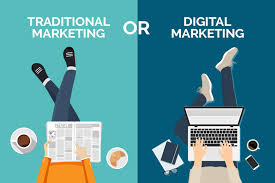
marketing and digital marketing

Unlocking Success: The Power of Digital Marketing in Modern Marketing Strategies

Marketing and Digital Marketing

The Evolution of Marketing: From Traditional to Digital

Marketing has always been a crucial aspect of business growth and success. It is the process of promoting and selling products or services to consumers. Over the years, marketing techniques have evolved significantly, adapting to changes in consumer behaviour and technological advancements.

Traditional Marketing

In the past, traditional marketing methods such as print ads, TV commercials, billboards, and direct mail were dominant. While these approaches were effective in reaching a broad audience, they often lacked personalisation and real-time interaction with consumers. Traditional marketing relied heavily on mass media to deliver messages to potential customers.

Digital Marketing

With the rise of the internet and digital technologies, a new era of marketing emerged – digital marketing. Digital marketing encompasses a range of online tactics including search engine optimisation (SEO), social media marketing, email campaigns, content marketing, and more. Unlike traditional marketing, digital marketing allows for targeted advertising based on user demographics, interests, and online behaviour.

The Benefits of Digital Marketing

  • Targeted Reach: Digital marketing enables businesses to target specific audiences with precision.
  • Cost-Effective: Compared to traditional methods, digital marketing is often more cost-effective and offers better return on investment.
  • Real-Time Analytics: With digital tools, marketers can track campaign performance in real-time and make data-driven decisions.
  • Interactivity: Digital platforms allow for two-way communication between brands and consumers, fostering engagement and loyalty.
  • Global Reach: The internet has made it possible for businesses to reach global markets with ease through digital channels.

The Future of Marketing

As technology continues to advance rapidly, the future of marketing is likely to be even more focused on personalisation, automation, artificial intelligence (AI), virtual reality (VR), and augmented reality (AR). Businesses that embrace these digital trends will be better positioned to connect with their target audience in meaningful ways and drive sustainable growth in the digital age.


Unlocking Success: 9 Key Advantages of Marketing and Digital Marketing

  1. Targeted Reach
  2. Cost-Effective
  3. Real-Time Analytics
  4. Interactivity
  5. Global Reach
  6. Personalisation
  7. Measurable Results
  8. Brand Visibility
  9. Adaptability


Challenges in Modern Marketing: Navigating Digital Saturation, Data Privacy, and Rapid Changes

  1. 1. Digital saturation
  2. 2. Data privacy concerns
  3. 3. Rapid changes

Targeted Reach

One significant advantage of digital marketing is its ability to offer targeted reach, enabling businesses to pinpoint specific audiences with precision. Unlike traditional marketing methods that cast a wide net, digital marketing allows for tailored messaging and personalised content delivery based on user demographics, interests, and online behaviour. This targeted approach not only increases the effectiveness of marketing campaigns but also enhances engagement and conversion rates by reaching the right audience with the right message at the right time.

Cost-Effective

In comparison to traditional marketing approaches, digital marketing stands out for its cost-effectiveness, providing businesses with a higher return on investment (ROI). By leveraging online platforms and targeted strategies, digital marketing enables companies to reach their target audience more efficiently and at a lower cost. This advantage allows businesses to allocate their marketing budget more wisely, maximising the impact of their campaigns and driving measurable results that contribute to long-term success.

Real-Time Analytics

Real-Time Analytics is a powerful advantage of both traditional marketing and digital marketing strategies. With the ability to track campaign performance in real-time, marketers can gather valuable insights into how their marketing efforts are resonating with the target audience. By analysing data promptly, marketers can make informed, data-driven decisions to optimise campaigns, allocate resources effectively, and adjust strategies on the fly to maximise results. This proactive approach allows businesses to stay agile and responsive in a dynamic market landscape, ultimately leading to improved ROI and better overall marketing outcomes.

Interactivity

Interactivity is a key advantage of digital marketing, allowing brands to engage in meaningful conversations with their target audience. Through digital platforms, such as social media, websites, and email campaigns, brands can establish a two-way communication channel with consumers. This interactive approach fosters engagement, builds relationships, and creates opportunities for valuable feedback and insights. By actively involving consumers in the marketing process, brands can better understand their needs and preferences, leading to more personalised and effective marketing strategies.

Global Reach

In today’s interconnected world, the pro of global reach in marketing and digital marketing is a game-changer for businesses seeking to expand their presence beyond borders. Through digital channels, companies can effortlessly tap into international markets, reaching diverse audiences across the globe with tailored messages and offerings. This unparalleled accessibility not only opens up new opportunities for growth and revenue but also allows businesses to establish a truly global brand presence that resonates with customers worldwide.

Personalisation

Personalisation is a key advantage of digital marketing, enabling businesses to deliver customised messages that resonate with their target audience. By leveraging user demographics and behaviour data, digital marketers can create highly targeted campaigns that speak directly to the interests and preferences of individual consumers. This tailored approach not only enhances engagement but also increases the likelihood of conversion, as users are more likely to respond positively to content that is relevant to their needs. In a competitive online landscape, personalisation sets businesses apart by creating meaningful connections and fostering customer loyalty.

Measurable Results

One significant advantage of digital marketing is the ability to achieve measurable results. The performance of digital campaigns can be accurately tracked, analysed, and measured in real-time using various analytics tools. This data-driven approach allows marketers to gain valuable insights into the effectiveness of their strategies, identify areas for improvement, and make informed decisions to optimise future campaigns. By monitoring key performance indicators (KPIs) such as click-through rates, conversion rates, and engagement metrics, businesses can continuously refine their digital marketing efforts to achieve better outcomes and maximise return on investment.

Brand Visibility

Digital marketing strategies play a crucial role in enhancing brand visibility by leveraging the vast reach of online platforms. Through targeted tactics such as search engine optimisation (SEO), social media marketing, and content creation, businesses can significantly boost their presence on the internet. This increased visibility not only helps in reaching a wider audience but also fosters brand recognition and trust among consumers navigating the digital landscape. By strategically positioning brands across various online channels, digital marketing effectively elevates their visibility and establishes a strong online presence in today’s competitive market environment.

Adaptability

In the realm of marketing and digital marketing, one significant advantage lies in adaptability. Digital marketing tactics possess the unique ability to be swiftly adjusted in response to market trends or shifts in consumer preferences. This agility allows businesses to stay ahead of the curve, pivot their strategies effectively, and capitalise on emerging opportunities in a dynamic and ever-evolving landscape. By harnessing the power of adaptability, organisations can optimise their campaigns for maximum impact and relevance, ensuring that they remain competitive and responsive to the changing needs of their target audience.

1. Digital saturation

In the realm of marketing and digital marketing, one significant con is the issue of digital saturation. The vast array of digital marketing channels available today poses a risk of oversaturation and heightened competition in the online space. This saturation can make it increasingly challenging for businesses to differentiate themselves and stand out amidst the sea of content and advertisements vying for consumers’ attention. As a result, companies must navigate this crowded landscape strategically to ensure their messages resonate with their target audience effectively.

2. Data privacy concerns

The con of data privacy concerns in marketing and digital marketing is a significant issue that cannot be overlooked. The collection and utilisation of personal data in digital marketing practices bring about ethical dilemmas regarding privacy and data protection. This raises valid concerns among consumers, who may feel uneasy about the handling of their personal information. If not managed carefully, these practices can result in a backlash from consumers who value their privacy rights and expect transparency in how their data is being used. Marketers must navigate this delicate balance between leveraging consumer data for targeted marketing purposes while respecting individual privacy rights to maintain trust and credibility in the digital landscape.

3. Rapid changes

In the realm of marketing and digital marketing, one significant drawback is the rapid pace of change. The dynamic nature of digital marketing necessitates swift adaptation to evolving strategies and technologies. This constant state of flux demands vigilant monitoring and frequent adjustments to remain current and effective in reaching target audiences. Failure to keep pace with these rapid changes can result in missed opportunities and diminished impact on consumers in an ever-evolving digital landscape.
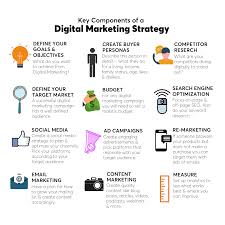
digital marketing campaigns

Unlocking Success: Maximising Your Digital Marketing Campaigns

The Power of Digital Marketing Campaigns

The Power of Digital Marketing Campaigns

In today’s digital age, the landscape of marketing has evolved significantly. Businesses are increasingly turning to digital marketing campaigns to reach their target audience, drive engagement, and ultimately boost sales. Digital marketing campaigns offer a range of benefits that traditional marketing methods simply cannot match.

Targeted Reach

One of the key advantages of digital marketing campaigns is the ability to target specific demographics with precision. Through tools like social media advertising and Google AdWords, businesses can tailor their messages to reach the right audience at the right time. This targeted approach not only increases the effectiveness of campaigns but also ensures that marketing budgets are spent efficiently.

Measurable Results

Unlike traditional marketing methods where measuring ROI can be challenging, digital marketing campaigns provide detailed analytics that allow businesses to track performance in real-time. Metrics such as website traffic, conversion rates, and engagement levels can be monitored closely, enabling marketers to make data-driven decisions and optimise their strategies for better results.

Cost-Effective Solutions

Digital marketing campaigns offer cost-effective solutions for businesses of all sizes. Compared to traditional advertising channels like print or TV, digital platforms often have lower entry barriers and allow for more flexibility in budget allocation. This means that even small businesses with limited resources can run targeted campaigns that deliver significant returns on investment.

Enhanced Customer Engagement

Interactivity is a key feature of digital marketing campaigns that sets them apart from traditional methods. Through social media contests, email newsletters, live chats, and other tools, businesses can engage with their audience in real-time and build meaningful relationships. This two-way communication fosters brand loyalty and encourages customers to become advocates for the business.

Adaptability and Innovation

In the fast-paced world of digital marketing, staying ahead of trends is crucial for success. Digital marketing campaigns allow businesses to experiment with new ideas quickly and adapt their strategies based on feedback and performance data. This agility enables businesses to innovate constantly and stay relevant in an ever-changing market.

In conclusion, digital marketing campaigns have revolutionised the way businesses promote their products and services. By harnessing the power of targeted reach, measurable results, cost-effective solutions, enhanced customer engagement, adaptability, and innovation, businesses can create impactful campaigns that resonate with their audience and drive growth.


Eight Key Advantages of Digital Marketing Campaigns: From Targeted Reach to Enhanced Brand Loyalty

  1. Targeted reach to specific demographics
  2. Measurable results with detailed analytics
  3. Cost-effective solutions for businesses of all sizes
  4. Enhanced customer engagement through interactivity
  5. Ability to adapt and innovate quickly based on data
  6. Global reach beyond geographical limitations
  7. Improved brand visibility and recognition online
  8. Increased brand loyalty through personalised communication


Exploring the Challenges of Digital Marketing Campaigns: Overcoming Information Overload, Ad Blocking, and More

  1. 1. Information Overload
  2. 2. Ad Blocking
  3. 3. Privacy Concerns
  4. 4. Technical Challenges
  5. 5. Competition
  6. 6. Rapid Changes
  7. 7. Negative Feedback Amplification

Targeted reach to specific demographics

A significant advantage of digital marketing campaigns is their ability to achieve targeted reach to specific demographics with precision. By utilising tools such as social media advertising and Google AdWords, businesses can tailor their messages to resonate with the right audience at the right time. This focused approach not only enhances the effectiveness of campaigns but also ensures that marketing efforts are directed towards individuals who are most likely to be interested in the products or services being promoted. Ultimately, this targeted reach helps businesses maximise their marketing ROI and establish meaningful connections with their target demographic.

Measurable results with detailed analytics

One of the key advantages of digital marketing campaigns is the ability to obtain measurable results through detailed analytics. By leveraging tools and platforms that provide in-depth data insights, businesses can track the performance of their campaigns in real-time. This allows marketers to monitor key metrics such as website traffic, conversion rates, engagement levels, and more. With access to such valuable data, businesses can make informed decisions, optimise their strategies, and allocate resources effectively to maximise the impact of their digital marketing efforts.

Cost-effective solutions for businesses of all sizes

Digital marketing campaigns offer a cost-effective solution for businesses of all sizes, providing a level playing field for both small startups and established corporations to reach their target audience without breaking the bank. Unlike traditional advertising channels that often come with high costs and limited flexibility, digital platforms allow businesses to allocate their budgets strategically, ensuring that every pound spent delivers maximum impact. This affordability and scalability make digital marketing campaigns a valuable tool for businesses looking to achieve measurable results within their financial constraints.

Enhanced customer engagement through interactivity

Enhanced customer engagement through interactivity is a key advantage of digital marketing campaigns. By leveraging tools such as social media contests, email newsletters, live chats, and interactive content, businesses can create meaningful interactions with their audience in real-time. This two-way communication not only fosters a sense of connection and loyalty but also allows businesses to gather valuable feedback and insights from their customers. Ultimately, by engaging customers actively through digital channels, businesses can build stronger relationships and drive brand advocacy for long-term success.

Ability to adapt and innovate quickly based on data

One of the key advantages of digital marketing campaigns is their ability to adapt and innovate swiftly based on data-driven insights. By closely monitoring performance metrics such as website traffic, engagement rates, and conversion numbers, businesses can make informed decisions in real-time to optimise their strategies for better results. This agility allows companies to experiment with new ideas, adjust their tactics on the fly, and stay ahead of trends in the dynamic digital landscape. Ultimately, the ability to adapt and innovate quickly based on data empowers businesses to continuously refine their campaigns for maximum impact and effectiveness.

Global reach beyond geographical limitations

Digital marketing campaigns offer businesses a significant advantage by providing a global reach beyond geographical limitations. Through online channels such as social media, search engines, and email marketing, businesses can connect with audiences worldwide, breaking down barriers of distance and time zones. This expansive reach allows businesses to target specific international markets, expand their customer base, and increase brand visibility on a global scale, ultimately driving growth and opportunities for success in diverse regions around the world.

Improved brand visibility and recognition online

In the realm of digital marketing campaigns, one notable advantage is the enhanced brand visibility and recognition that businesses can achieve online. By strategically promoting their brand across various digital channels such as social media, search engines, and websites, companies can increase their online presence and reach a wider audience. This heightened visibility not only helps in attracting potential customers but also reinforces brand recognition among existing ones, ultimately establishing a stronger brand identity in the digital space.

Increased brand loyalty through personalised communication

Digital marketing campaigns excel in fostering increased brand loyalty through personalised communication. By leveraging data analytics and customer insights, businesses can tailor their messages and offers to individual preferences and behaviours. This personalised approach makes customers feel valued and understood, leading to stronger emotional connections with the brand. As a result, customers are more likely to remain loyal, engage with the brand on a deeper level, and become advocates who actively promote the business to others. This emphasis on personalised communication not only enhances customer satisfaction but also contributes to long-term brand loyalty and sustainable growth for the business.

1. Information Overload

In the realm of digital marketing campaigns, a significant drawback lies in the phenomenon of information overload. With consumers being inundated by a constant stream of digital marketing messages across various platforms, there is a risk of overwhelming them and causing message fatigue. The sheer volume of promotional content can dilute the impact of individual messages, making it challenging for businesses to capture and retain the attention of their target audience amidst the noise of competing brands and advertisements. This oversaturation may lead to decreased engagement and effectiveness of marketing efforts, highlighting the importance of crafting targeted and compelling content that cuts through the clutter to resonate with consumers.

2. Ad Blocking

Many internet users utilise ad-blocking software as a means to enhance their browsing experience by reducing the intrusion of ads. This practice poses a significant challenge for digital marketing campaigns, as the visibility and reach of advertisements are hindered. Ad blocking undermines the effectiveness of targeted advertising efforts, limiting the exposure of brands to potential customers. Marketers must navigate this conundrum by exploring alternative strategies that focus on creating engaging content and building authentic relationships with their audience to circumvent the barriers posed by ad blockers.

3. Privacy Concerns

Data privacy concerns have become a significant drawback of digital marketing campaigns, with consumers increasingly worried about the handling of their personal information. The collection and use of data for targeted advertising purposes have sparked debates on privacy rights and ethical considerations. As businesses gather more data to tailor their campaigns, there is a growing need for transparency and accountability to address these valid consumer concerns.

4. Technical Challenges

One significant drawback of digital marketing campaigns is the technical challenges that businesses may face when implementing and managing complex digital marketing tools and platforms. Without the required expertise, navigating the intricacies of these tools can prove to be a daunting task. From setting up tracking pixels to integrating various software systems, businesses may find themselves overwhelmed by the technical aspects of digital marketing. This can lead to inefficiencies in campaign execution and hinder the ability to fully leverage the potential of digital marketing strategies.

5. Competition

In the realm of digital marketing campaigns, one significant drawback is the intense competition that businesses face in the online landscape. The sheer volume of brands vying for consumer attention creates a crowded and competitive environment where standing out becomes a daunting challenge. With countless competitors all striving to capture the same audience’s interest, businesses must navigate through a sea of noise to ensure their message is heard and their brand is noticed. This fierce competition underscores the importance of developing unique strategies and compelling content to differentiate oneself in a saturated digital market.

6. Rapid Changes

One significant drawback of digital marketing campaigns is the rapid pace at which trends in the digital landscape change. Keeping up with these constant shifts demands continuous monitoring and quick adaptation to ensure that marketing strategies remain relevant and effective. Failure to stay abreast of emerging trends and technologies can result in campaigns becoming outdated and ineffective, highlighting the challenging nature of navigating the ever-evolving digital marketing environment.

7. Negative Feedback Amplification

In the realm of digital marketing campaigns, a significant drawback lies in the potential for negative feedback amplification. In today’s interconnected online world, any unfavourable reviews or criticism regarding a campaign can swiftly gain traction and spread widely across various platforms. This rapid dissemination of negative feedback has the power to tarnish a brand’s reputation and undermine the effectiveness of the entire marketing effort. Managing and mitigating such instances of negative amplification requires careful monitoring, swift response strategies, and a proactive approach to maintaining brand credibility in the digital sphere.