internet marketing strategy

Crafting an Effective Internet Marketing Strategy for Online Success

The Importance of a Strong Internet Marketing Strategy

In today’s digital age, having a robust internet marketing strategy is essential for businesses looking to thrive in the online realm. With the vast opportunities that the internet offers, it is crucial for companies to establish a solid online presence and effectively reach their target audience. Here are some key reasons why a well-defined internet marketing strategy is vital for success:

Increased Visibility

One of the primary goals of internet marketing is to enhance visibility and make your brand more accessible to potential customers. Through strategies such as search engine optimisation (SEO), social media marketing, and pay-per-click advertising, businesses can improve their online visibility and attract more traffic to their websites.

Targeted Audience Reach

Internet marketing allows businesses to target specific audience segments based on demographics, interests, behaviour, and other factors. By tailoring your marketing messages to resonate with your target audience, you can increase engagement and drive conversions more effectively.

Cost-Effectiveness

Compared to traditional marketing channels, internet marketing is often more cost-effective and offers a higher return on investment. With tools like email marketing, content marketing, and social media advertising, businesses can reach a large audience at a fraction of the cost of traditional advertising methods.

Data-Driven Insights

One of the significant advantages of internet marketing is the ability to gather valuable data and insights about customer behaviour and preferences. By analysing metrics such as website traffic, click-through rates, conversion rates, and more, businesses can make informed decisions to optimise their marketing campaigns for better results.

Competitive Advantage

In today’s competitive business landscape, having a strong internet marketing strategy can give you a competitive edge over rivals. By staying ahead of digital trends, engaging with your audience effectively, and delivering valuable content consistently, you can position your brand as a leader in your industry.

In conclusion, investing in an effective internet marketing strategy is crucial for businesses looking to succeed in the digital age. By leveraging the power of online channels and implementing targeted campaigns tailored to your audience’s needs, you can drive growth, increase brand awareness, and achieve long-term success in the ever-evolving digital landscape.


Essential FAQs on Internet Marketing Strategies: Key Concepts and Examples

  1. What is internet marketing and examples?
  2. What is an example of internet marketing strategy?
  3. What is Internet marketing with example?
  4. What are the 5 key components of internet marketing?
  5. What is internet strategy in marketing?
  6. What are the 7 steps of Internet marketing strategy?
  7. What are the 4 types of market strategies?
  8. What is the Internet marketing strategy?
  9. What are 3 examples of internet marketing?
  10. What are the four 4 types of marketing strategies?
  11. What is an internet marketing strategy?
  12. What Internet marketing strategy is most effective?
  13. What are the popular internet marketing strategies?
  14. What are the four core strategies of Internet marketing?
  15. What is internet marketing strategy?

What is internet marketing and examples?

Internet marketing refers to the use of online channels and digital technologies to promote products or services, engage with customers, and drive business growth. Examples of internet marketing strategies include search engine optimisation (SEO) to improve website visibility on search engines like Google, social media marketing to connect with audiences on platforms such as Facebook and Instagram, email marketing campaigns to nurture leads and build customer relationships, pay-per-click advertising for targeted online ads, content marketing through blogs and videos to provide valuable information to users, and affiliate marketing partnerships to expand reach through collaboration with other businesses. These diverse strategies showcase the versatility and effectiveness of internet marketing in reaching and engaging with audiences in the digital landscape.

What is an example of internet marketing strategy?

An example of an internet marketing strategy is content marketing. Content marketing involves creating and distributing valuable, relevant, and consistent content to attract and engage a target audience. This can include blog posts, articles, videos, infographics, and social media posts that provide useful information or entertainment to users. By implementing a content marketing strategy, businesses can build brand awareness, establish credibility, drive website traffic, and ultimately convert leads into customers. Content marketing is a versatile and effective approach that can help businesses connect with their audience in meaningful ways and achieve their marketing goals online.

What is Internet marketing with example?

Internet marketing, also known as online marketing, refers to the practice of promoting products or services using digital channels such as websites, social media, email, and search engines. An example of internet marketing is a company running a targeted Facebook advertising campaign to promote its new line of skincare products to a specific demographic group. Through strategic ad placement and engaging content, the company can reach potential customers who are likely interested in skincare products and drive them to visit their website or make a purchase online. Internet marketing allows businesses to connect with their target audience effectively, increase brand visibility, and drive sales through various online channels.

What are the 5 key components of internet marketing?

When considering the key components of internet marketing, it is essential to focus on five crucial elements that form the foundation of a successful online strategy. These components include search engine optimisation (SEO) to enhance visibility and organic traffic, social media marketing for engaging with audiences and building brand presence, content marketing to provide valuable and relevant information to attract and retain customers, email marketing for personalised communication and lead nurturing, and analytics to measure performance and make data-driven decisions for continuous improvement. By incorporating these five key components into an integrated internet marketing strategy, businesses can effectively reach their target audience, drive engagement, and achieve sustainable growth in the digital landscape.

What is internet strategy in marketing?

An internet marketing strategy, also known as an online marketing strategy, refers to a comprehensive plan that outlines how a business will leverage various online channels and platforms to promote its products or services, engage with its target audience, and achieve its marketing objectives. This strategy typically includes tactics such as search engine optimisation (SEO), social media marketing, content marketing, email campaigns, pay-per-click advertising, and more. By developing a well-defined internet marketing strategy, businesses can effectively reach their target audience, drive traffic to their website, generate leads, and ultimately increase sales and revenue in the competitive digital landscape.

What are the 7 steps of Internet marketing strategy?

Developing a successful internet marketing strategy involves several key steps to ensure maximum effectiveness. The seven steps of an internet marketing strategy typically include defining your target audience, conducting market research, setting clear objectives and goals, creating compelling content, implementing various online marketing tactics such as SEO and social media, analysing performance metrics to measure success, and continuously refining and optimising your strategy based on data-driven insights. By following these strategic steps meticulously, businesses can enhance their online presence, engage with their target audience effectively, and achieve sustainable growth in the competitive digital landscape.

What are the 4 types of market strategies?

In the realm of internet marketing strategy, there are four primary types of market strategies that businesses often utilise to achieve their goals. These include market penetration, product development, market development, and diversification. Market penetration involves increasing market share for existing products within current markets. Product development focuses on introducing new products to existing markets. Market development seeks to enter new markets with existing products. Diversification entails expanding into new markets with new products, offering a comprehensive approach to business growth and sustainability in the digital landscape.

What is the Internet marketing strategy?

The internet marketing strategy encompasses a comprehensive plan of action designed to promote a business or brand online effectively. It involves various tactics such as search engine optimisation (SEO), social media marketing, content marketing, email campaigns, pay-per-click advertising, and more. The primary goal of an internet marketing strategy is to increase online visibility, attract target audiences, drive website traffic, generate leads, and ultimately boost conversions and sales. By aligning these digital marketing efforts with business objectives and audience preferences, businesses can create a cohesive strategy that maximises their online presence and delivers measurable results.

What are 3 examples of internet marketing?

Internet marketing encompasses a wide range of strategies and tactics aimed at promoting products or services online. Three common examples of internet marketing include search engine optimisation (SEO), social media marketing, and email marketing. SEO involves optimising a website’s content and structure to improve its visibility in search engine results, driving organic traffic and increasing online presence. Social media marketing utilises platforms like Facebook, Instagram, and Twitter to engage with audiences, build brand awareness, and drive conversions through targeted advertising and engaging content. Email marketing involves sending personalised messages to subscribers to promote products, share updates, and nurture customer relationships effectively. These internet marketing techniques play a crucial role in reaching and engaging with target audiences in the digital landscape.

What are the four 4 types of marketing strategies?

In the realm of internet marketing strategy, businesses often explore four key types of marketing strategies to achieve their goals effectively. These include market penetration, product development, market development, and diversification. Market penetration involves increasing sales of existing products in current markets, while product development focuses on introducing new products to existing markets. Market development seeks to enter new markets with existing products, and diversification entails expanding into new markets with new products. By understanding and implementing these distinct marketing strategies, businesses can tailor their approach to suit their objectives and target audience for optimal results in the competitive online landscape.

What is an internet marketing strategy?

An internet marketing strategy refers to a comprehensive plan that outlines how a business will leverage online channels to promote its products or services, engage with its target audience, and achieve its marketing objectives. This strategic approach typically involves a combination of digital tactics such as search engine optimisation (SEO), social media marketing, content marketing, email campaigns, and paid advertising to drive traffic, generate leads, and ultimately convert prospects into customers. By defining clear goals, identifying target audiences, and selecting the most effective online tactics, businesses can develop a cohesive internet marketing strategy that helps them stand out in the competitive digital landscape and achieve sustainable growth.

What Internet marketing strategy is most effective?

When it comes to determining the most effective internet marketing strategy, there is no one-size-fits-all answer. The effectiveness of a marketing strategy depends on various factors, including the nature of the business, target audience, industry trends, and budget constraints. Some commonly used and successful internet marketing strategies include search engine optimisation (SEO), content marketing, social media advertising, email marketing, and pay-per-click (PPC) advertising. To identify the most effective strategy for your business, it is essential to conduct thorough research, analyse data metrics, and continuously monitor and adjust your campaigns to maximise results and achieve your specific goals.

One of the most frequently asked questions in the realm of internet marketing strategy is, “What are the popular internet marketing strategies?” Businesses and marketers often seek to understand the various approaches that can help them effectively promote their products or services online. Some popular internet marketing strategies include search engine optimisation (SEO), social media marketing, content marketing, email marketing, pay-per-click (PPC) advertising, influencer marketing, and affiliate marketing. Each of these strategies offers unique benefits and can be tailored to suit different business objectives and target audiences. By combining these tactics strategically, businesses can create a comprehensive internet marketing strategy that drives engagement, increases visibility, and ultimately leads to business growth.

What are the four core strategies of Internet marketing?

When it comes to Internet marketing strategy, there are four core strategies that businesses often focus on to achieve success. These include search engine optimisation (SEO) to improve online visibility and organic traffic, content marketing to engage and educate target audiences, social media marketing to connect with customers and build brand loyalty, and pay-per-click (PPC) advertising for targeted reach and immediate results. By integrating these core strategies effectively, businesses can create a comprehensive Internet marketing plan that drives traffic, boosts conversions, and enhances overall online presence.

What is internet marketing strategy?

An internet marketing strategy refers to a comprehensive plan of action designed to promote a business, product, or service online. It encompasses various digital marketing tactics such as search engine optimisation (SEO), social media marketing, content marketing, email marketing, and pay-per-click advertising. The goal of an internet marketing strategy is to increase online visibility, attract target audiences, drive website traffic, generate leads, and ultimately boost sales and conversions. By strategically utilising a mix of online channels and tactics, businesses can effectively reach their target audience, engage with customers, and achieve their marketing objectives in the digital realm.

best online marketing companies

Discover the Top-Rated Best Online Marketing Companies for Your Business

Best Online Marketing Companies

The Top Online Marketing Companies Setting the Standard for Success

In today’s digital age, online marketing has become essential for businesses looking to reach their target audience effectively. With numerous online marketing companies vying for attention, it can be challenging to identify the best ones that truly deliver results. Here are some of the top online marketing companies that are setting the standard for success:

Digital Giants

Digital Giants is a powerhouse in the online marketing industry, known for its innovative strategies and cutting-edge campaigns. They specialise in SEO, social media marketing, and pay-per-click advertising, helping businesses of all sizes increase their online visibility and drive conversions.

Web Wizards

Web Wizards is renowned for its creative approach to online marketing. Their team of experts excels in website design, content creation, and email marketing, offering comprehensive solutions to enhance brand presence and engage audiences effectively.

Social Savvy

Social Savvy is a leader in social media marketing, helping businesses leverage platforms like Facebook, Instagram, and Twitter to connect with customers and build relationships. Their strategic campaigns drive engagement and foster brand loyalty in a competitive digital landscape.

Search Masters

Search Masters specialises in search engine optimisation (SEO), empowering businesses to rank higher on search engine results pages and attract organic traffic. With a data-driven approach and proven techniques, they help clients achieve long-term success in the ever-evolving world of online marketing.

Content Creators Co.

Content Creators Co. is dedicated to crafting compelling content that resonates with target audiences across various digital platforms. From blog posts to videos to infographics, their creative team delivers engaging content that drives traffic, boosts brand awareness, and generates leads for clients.

These top online marketing companies are at the forefront of driving digital success for businesses worldwide. Whether you’re looking to increase your online visibility, engage with your audience on social media, or improve your search engine rankings, partnering with one of these industry leaders can help you achieve your goals effectively.


Essential FAQs for Selecting the Best Online Marketing Company

  1. 1. How do I choose the best online marketing company for my business?
  2. 2. What services do top online marketing companies typically offer?
  3. 3. How can online marketing benefit my business in today’s digital landscape?
  4. 4. What criteria should I consider when evaluating online marketing companies?
  5. 5. Are there any case studies or success stories from businesses that have worked with top online marketing companies?
  6. 6. What are the key trends shaping the future of online marketing and how can a reputable company help me stay ahead?

1. How do I choose the best online marketing company for my business?

When selecting the best online marketing company for your business, it is crucial to consider several key factors. Firstly, assess the company’s track record and experience in the industry. Look for a firm that has a proven history of delivering successful online marketing campaigns for businesses similar to yours. Secondly, evaluate the range of services offered by the company and ensure they align with your specific marketing goals and needs. Additionally, consider the team’s expertise and creativity in devising innovative strategies tailored to your brand. Lastly, prioritize clear communication and transparency throughout the partnership to ensure alignment on objectives and expectations. By carefully evaluating these aspects, you can choose an online marketing company that will effectively promote your business and drive growth in the digital landscape.

2. What services do top online marketing companies typically offer?

Top online marketing companies typically offer a wide range of services designed to help businesses enhance their online presence and achieve their marketing goals effectively. These services often include search engine optimisation (SEO) to improve website visibility on search engines, social media marketing to engage with target audiences on platforms like Facebook and Instagram, pay-per-click (PPC) advertising for targeted online advertising campaigns, content creation to drive engagement and brand awareness, email marketing for direct communication with customers, and website design and development to create user-friendly and visually appealing online platforms. By providing a comprehensive suite of services, top online marketing companies can tailor their strategies to meet the unique needs of each client and deliver measurable results in the competitive digital landscape.

3. How can online marketing benefit my business in today’s digital landscape?

In today’s digital landscape, online marketing can significantly benefit your business by increasing brand visibility, reaching a wider audience, and driving targeted traffic to your website. Through strategic online marketing efforts such as search engine optimisation (SEO), social media marketing, and pay-per-click advertising, businesses can enhance their online presence and connect with potential customers in a more personalised way. Online marketing also allows for precise tracking and analysis of campaign performance, enabling businesses to make data-driven decisions and optimise their strategies for maximum impact. Embracing online marketing in today’s digital world is essential for staying competitive, building brand authority, and ultimately driving growth for your business.

4. What criteria should I consider when evaluating online marketing companies?

When evaluating online marketing companies, there are several key criteria to consider to ensure you choose the best fit for your business needs. Firstly, look at the company’s track record and experience in the industry. A proven history of successful campaigns and satisfied clients can indicate their expertise and reliability. Secondly, consider their range of services and whether they align with your specific goals, whether it’s SEO, social media marketing, or content creation. Thirdly, assess their communication and transparency – a good online marketing company should keep you informed throughout the process and be responsive to your queries. Lastly, don’t forget to review their pricing structure to ensure it fits within your budget while still offering quality services that drive results for your business.

5. Are there any case studies or success stories from businesses that have worked with top online marketing companies?

Businesses that have collaborated with top online marketing companies often showcase their success stories and case studies to highlight the tangible results achieved through strategic digital campaigns. These case studies provide valuable insights into how businesses have leveraged the expertise of online marketing firms to increase brand awareness, drive website traffic, boost conversions, and ultimately grow their bottom line. By sharing real-world examples of successful partnerships with top online marketing companies, businesses can demonstrate the effectiveness of working with industry leaders in achieving their digital marketing objectives.

In response to the frequently asked question about the key trends shaping the future of online marketing, it is crucial to recognise that the digital landscape is continually evolving. Some key trends that are shaping the future of online marketing include the rise of artificial intelligence, personalisation strategies, video content dominance, voice search optimisation, and the increasing importance of mobile marketing. A reputable online marketing company can help you stay ahead by staying abreast of these trends and implementing innovative strategies tailored to your business needs. They can provide expertise in leveraging emerging technologies, creating engaging content, optimising for voice search, and developing mobile-friendly campaigns to ensure that your brand remains competitive and relevant in a rapidly changing digital environment.

how to structure a digital marketing strategy

Crafting a Successful Digital Marketing Strategy: A Guide on How to Structure Your Approach

Structuring a Digital Marketing Strategy for Success

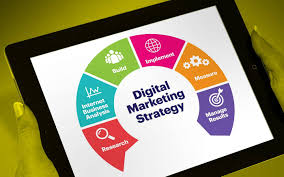
In today’s fast-paced digital landscape, having a well-defined digital marketing strategy is essential for businesses looking to stand out and reach their target audience effectively. A structured approach ensures that your marketing efforts are cohesive, measurable, and aligned with your business goals. Here are key steps to help you structure a successful digital marketing strategy:

Define Your Objectives

Start by clearly outlining your marketing objectives. Whether it’s increasing brand awareness, driving website traffic, generating leads, or boosting sales, your objectives should be specific, measurable, achievable, relevant, and time-bound (SMART).

Know Your Target Audience

Understanding your target audience is crucial for crafting a successful digital marketing strategy. Conduct market research to identify who your ideal customers are, their demographics, preferences, behaviours, and online habits. This information will guide your messaging and channel selection.

Choose the Right Channels

Selecting the most appropriate digital channels to reach your target audience is key. Consider channels such as social media platforms (e.g., Facebook, Instagram), search engines (e.g., Google), email marketing, content marketing, and paid advertising. Tailor your channel selection based on where your audience is most active.

Develop Compelling Content

Create high-quality content that resonates with your target audience and aligns with your brand voice. Content can include blog posts, videos, infographics, case studies, whitepapers, and more. Engaging content helps attract and retain customers while building brand credibility.

Implement SEO Strategies

Search engine optimisation (SEO) plays a vital role in improving your website’s visibility in search engine results pages (SERPs). Optimise your website’s content with relevant keywords, meta tags, headings, and backlinks to increase organic traffic and enhance search engine rankings.

Monitor and Analyse Performance

Regularly monitor the performance of your digital marketing efforts using analytics tools like Google Analytics. Track key metrics such as website traffic, conversion rates, click-through rates (CTR), engagement levels, and return on investment (ROI). Use data insights to refine your strategy for better results.

Adapt and Evolve

Digital marketing is dynamic and ever-changing. Stay agile by continuously evaluating the effectiveness of your strategies and adapting to market trends and consumer preferences. Be willing to experiment with new approaches to stay ahead of the competition.

A well-structured digital marketing strategy sets the foundation for achieving business growth and establishing a strong online presence. By following these steps and remaining flexible in your approach, you can create a roadmap that drives success in the digital realm.


9 Key Benefits of Structuring a Digital Marketing Strategy for Success and Growth

  1. 1. Clear objectives provide a roadmap for success.
  2. 2. Understanding your target audience leads to more effective targeting.
  3. 3. Choosing the right channels maximises reach and engagement.
  4. 4. Compelling content builds brand credibility and customer loyalty.
  5. 5. SEO strategies improve visibility and organic traffic.
  6. 6. Monitoring performance allows for data-driven decision-making.
  7. 7. Adaptability ensures relevance in a dynamic digital landscape.
  8. 8. Structured strategy fosters consistency in messaging and branding.
  9. 9. Well-defined strategies lead to measurable results and ROI.


Challenges in Structuring a Digital Marketing Strategy: Overcomplication, Inflexibility, and Resource Demands

  1. Overcomplication
  2. Lack of Flexibility
  3. Resource Intensive

1. Clear objectives provide a roadmap for success.

Having clear objectives in place when structuring a digital marketing strategy is crucial as they serve as a roadmap for success. By defining specific and measurable goals, businesses can align their marketing efforts with their overall vision and track progress effectively. Clear objectives provide focus, direction, and purpose to the strategy, guiding decision-making processes and ensuring that resources are allocated efficiently. With a well-defined roadmap in place, businesses can navigate the complex digital landscape with confidence, making informed decisions that lead to tangible results and business growth.

2. Understanding your target audience leads to more effective targeting.

Understanding your target audience is a fundamental pro of structuring a digital marketing strategy as it enables businesses to engage in more effective targeting. By gaining insights into the demographics, preferences, behaviours, and online habits of their ideal customers, companies can tailor their marketing messages and content to resonate with the specific needs and interests of their audience. This targeted approach not only increases the relevance and impact of marketing campaigns but also enhances engagement levels and ultimately drives better results in terms of customer acquisition and retention.

3. Choosing the right channels maximises reach and engagement.

Choosing the right channels for your digital marketing strategy is crucial as it allows you to maximise your reach and engagement with your target audience. By selecting the most appropriate channels based on where your audience is most active, you can effectively deliver your message and content to the right people at the right time. This targeted approach not only increases the likelihood of reaching potential customers but also enhances engagement levels as you connect with individuals in spaces where they are already present and receptive to your messaging. Ultimately, choosing the right channels ensures that your digital marketing efforts are optimised for maximum impact and effectiveness.

4. Compelling content builds brand credibility and customer loyalty.

Compelling content plays a pivotal role in building brand credibility and fostering customer loyalty within a structured digital marketing strategy. By creating engaging and valuable content that resonates with your target audience, you establish your brand as an authority in your industry, gaining trust and credibility. Consistent delivery of high-quality content not only attracts customers but also keeps them engaged, encouraging repeat interactions and fostering long-term relationships. Ultimately, compelling content acts as a powerful tool to strengthen brand reputation, enhance customer loyalty, and drive sustainable business growth.

5. SEO strategies improve visibility and organic traffic.

Implementing SEO strategies is a crucial aspect of structuring a digital marketing strategy as it significantly enhances visibility and drives organic traffic to your website. By optimising your website with relevant keywords, meta tags, and high-quality content, you can improve your search engine rankings and attract more qualified visitors who are actively searching for products or services like yours. This increased visibility not only boosts your online presence but also helps in generating valuable leads and conversions, ultimately contributing to the overall success of your digital marketing efforts.

6. Monitoring performance allows for data-driven decision-making.

Monitoring performance in a digital marketing strategy enables businesses to make informed, data-driven decisions. By tracking key metrics and analysing performance data, companies gain valuable insights into the effectiveness of their marketing efforts. This allows them to identify what is working well and what areas need improvement, leading to more strategic decision-making based on concrete evidence rather than assumptions. Data-driven decision-making empowers businesses to optimise their digital marketing strategies for better results and a higher return on investment.

7. Adaptability ensures relevance in a dynamic digital landscape.

In the realm of digital marketing, adaptability stands out as a crucial advantage that ensures relevance and effectiveness in a constantly evolving landscape. By remaining flexible and open to change, businesses can swiftly adjust their strategies to align with shifting trends, consumer behaviours, and technological advancements. This proactive approach not only helps maintain relevance but also enables businesses to stay ahead of the curve, seize new opportunities, and navigate challenges successfully in the dynamic digital environment.

8. Structured strategy fosters consistency in messaging and branding.

An organised digital marketing strategy promotes consistency in messaging and branding, ensuring that your brand identity remains cohesive across all online channels. By structuring your strategy, you can maintain a unified voice and visual style in your communications, which helps build brand recognition and trust among your target audience. Consistent messaging reinforces your brand values and positioning, making it easier for customers to identify and connect with your brand wherever they encounter it online.

9. Well-defined strategies lead to measurable results and ROI.

When a digital marketing strategy is well-defined, it paves the way for measurable results and a clear return on investment (ROI). By establishing specific objectives, identifying target audiences, selecting appropriate channels, creating compelling content, implementing SEO strategies, and monitoring performance metrics, businesses can track the effectiveness of their efforts and quantify the impact on their bottom line. This focus on measurability allows companies to optimise their strategies based on data-driven insights and ensure that every marketing pound spent delivers tangible results in terms of ROI.

Overcomplication

Overcomplication in structuring a digital marketing strategy can be a significant drawback. When the strategy becomes overly complex, it can result in confusion among team members and hinder efficient execution. Too many moving parts, intricate processes, or convoluted objectives may obscure the core goals of the strategy and make it challenging to track progress effectively. Simplifying the approach and focusing on clear, actionable steps can help avoid this pitfall and ensure that the digital marketing strategy remains streamlined and effective.

Lack of Flexibility

One significant drawback of a structured digital marketing strategy is the lack of flexibility it may entail. A rigid framework could hinder the agility needed to swiftly respond to shifting market dynamics or emerging trends. In today’s fast-paced digital landscape, being able to adapt and pivot quickly is essential for staying competitive and effectively engaging with your target audience. Without the ability to adjust strategies in real-time, businesses risk falling behind and missing out on valuable opportunities for growth and innovation.

Resource Intensive

One notable challenge in structuring a digital marketing strategy is its resource-intensive nature. The process of developing and executing a well-defined strategy demands a substantial investment of time, energy, and financial resources. From conducting market research to creating compelling content, managing multiple digital channels, and monitoring performance metrics, every aspect of the strategy requires dedicated resources to ensure effectiveness and success. Businesses must carefully allocate resources to support their digital marketing initiatives while balancing the need for optimal results within budget constraints.

best digital marketing

Unlocking Success: Best Practices for Digital Marketing in the UK

The Power of Digital Marketing: Strategies for Success

In today’s fast-paced and highly competitive business landscape, digital marketing has become a crucial tool for reaching and engaging with target audiences. With the right strategies in place, businesses can effectively promote their products or services, build brand awareness, and drive conversions. Let’s explore some of the best digital marketing practices that can help your business thrive in the digital realm.

Search Engine Optimization (SEO)

SEO is a cornerstone of digital marketing that focuses on improving a website’s visibility in search engine results. By optimising your website’s content and structure according to relevant keywords and best practices, you can increase organic traffic and attract potential customers who are actively searching for your offerings.

Content Marketing

Content is king in the digital world, and a well-crafted content marketing strategy can help you engage with your audience, establish thought leadership, and drive conversions. Whether it’s blog posts, videos, infographics, or social media updates, valuable and relevant content can attract and retain customers while building trust in your brand.

Social Media Marketing

Social media platforms provide businesses with a powerful channel to connect with their target audience on a personal level. By creating compelling social media campaigns, sharing engaging content, and interacting with followers, businesses can boost brand awareness, drive website traffic, and foster customer loyalty.

Email Marketing

Email marketing remains one of the most effective tools for nurturing leads and converting prospects into customers. By delivering personalised messages to subscribers based on their preferences and behaviour, businesses can drive engagement, promote products or services, and generate sales.

Pay-Per-Click Advertising (PPC)

PPC advertising allows businesses to reach their target audience through paid ads displayed on search engines or social media platforms. By bidding on relevant keywords and targeting specific demographics, businesses can drive immediate traffic to their websites and achieve measurable results in terms of clicks, conversions, and ROI.

Analytics and Data-driven Decision Making

Analytical tools provide valuable insights into the performance of digital marketing campaigns by tracking key metrics such as website traffic, conversion rates, click-through rates, and more. By analysing this data regularly and making data-driven decisions based on performance insights, businesses can optimise their strategies for maximum effectiveness.

In conclusion,digital marketing offers businesses unparalleled opportunities to reach their target audience,engage with customers,and achieve measurable results online.Whether you’re just starting out or looking to enhance your existing strategies,implementing these best practiceswould undoubtedly set you on the path to success in the ever-evolving digital landscape.


Top 5 FAQs About Effective Digital Marketing Strategies

  1. What is digital marketing and why is it important?
  2. What are the key components of a successful digital marketing strategy?
  3. How can I measure the effectiveness of my digital marketing efforts?
  4. What are the latest trends in digital marketing that businesses should be aware of?
  5. How can I choose the right digital marketing channels for my business?

What is digital marketing and why is it important?

Digital marketing encompasses a range of online strategies and tactics aimed at promoting products or services through digital channels such as websites, social media, email, search engines, and more. Its importance lies in its ability to reach a vast audience, engage with customers in real-time, and track performance metrics accurately. In today’s digital age, where consumers are increasingly turning to the internet for information and purchases, a strong digital marketing presence is essential for businesses to stay competitive, build brand awareness, drive traffic, generate leads, and ultimately increase revenue. By leveraging the power of digital marketing, businesses can connect with their target audience effectively and adapt to the ever-changing dynamics of the online marketplace.

What are the key components of a successful digital marketing strategy?

A successful digital marketing strategy comprises several key components that work together to achieve desired outcomes. Firstly, a well-defined target audience is essential, as understanding their needs and preferences is crucial for crafting relevant and engaging content. Search engine optimisation (SEO) plays a vital role in improving online visibility and driving organic traffic to the website. Content marketing, including high-quality and valuable content across various channels, helps build brand authority and attract potential customers. Social media engagement allows businesses to interact with their audience, increase brand awareness, and drive website traffic. Email marketing enables personalised communication with subscribers, nurturing leads and converting them into loyal customers. Additionally, effective data analysis and continuous optimisation based on performance metrics are key for refining strategies and achieving long-term success in the dynamic digital landscape.

How can I measure the effectiveness of my digital marketing efforts?

Measuring the effectiveness of your digital marketing efforts is essential for evaluating the success of your strategies and making informed decisions to optimise future campaigns. Key performance indicators (KPIs) such as website traffic, conversion rates, click-through rates, social media engagement, and return on investment (ROI) can provide valuable insights into the impact of your digital marketing initiatives. By analysing these metrics regularly and comparing them against predefined goals, you can determine what is working well and where adjustments may be needed to improve overall performance. Utilising analytics tools and tracking software can help you track and measure the success of your digital marketing efforts accurately, allowing you to refine your approach for maximum effectiveness.

In the dynamic world of digital marketing, staying abreast of the latest trends is essential for businesses aiming to stay competitive and relevant. Some of the current trends that businesses should be aware of include the rise of artificial intelligence and machine learning in personalising customer experiences, the increasing importance of video content for engaging audiences across platforms, the growing significance of voice search optimization with the proliferation of smart devices, and the emphasis on sustainability and ethical practices in brand messaging. By embracing these trends and adapting their strategies accordingly, businesses can effectively connect with their target audience and drive success in today’s digital landscape.

How can I choose the right digital marketing channels for my business?

When it comes to selecting the most suitable digital marketing channels for your business, it is essential to consider your target audience, business goals, and budget constraints. Conducting thorough market research to understand where your audience spends their time online can help you identify the most effective channels to reach them. Additionally, evaluating the strengths and weaknesses of each channel, such as social media, email marketing, SEO, or PPC advertising, can guide you in making informed decisions based on which platforms align best with your business objectives. By testing different channels and monitoring their performance through analytics, you can refine your strategy over time and focus on the channels that yield the best results for your business.

digital marketing analytics

Unlocking Success: Harnessing the Power of Digital Marketing Analytics

The Power of Digital Marketing Analytics

In today’s digital age, data is king. Understanding the performance of your digital marketing efforts is crucial for making informed decisions and maximising your return on investment. This is where digital marketing analytics comes into play, providing valuable insights into the effectiveness of your campaigns and helping you optimise your strategies for success.

What is Digital Marketing Analytics?

Digital marketing analytics involves the collection, analysis, and interpretation of data from various online channels to evaluate the performance of marketing campaigns. By tracking key metrics such as website traffic, conversion rates, engagement levels, and customer behaviour, businesses can gain a deeper understanding of their audience and make data-driven decisions to improve their marketing efforts.

The Benefits of Digital Marketing Analytics

Measure Performance: Analytics tools allow you to track the performance of your campaigns in real-time, giving you insights into what’s working and what’s not.

Identify Trends: By analysing data over time, you can identify trends and patterns that can help you anticipate changes in consumer behaviour and adjust your strategies accordingly.

Optimise Campaigns: With analytics data, you can pinpoint areas for improvement and make adjustments to optimise your campaigns for better results.

ROI Tracking: By measuring the impact of your marketing efforts against your investment, you can determine the return on investment (ROI) of each campaign and allocate resources more effectively.

Key Metrics to Track

When it comes to digital marketing analytics, there are several key metrics that businesses should track to gauge the success of their campaigns:

  • Traffic Sources: Understand where your website traffic is coming from – whether it’s organic search, social media, or paid advertising.
  • Conversion Rate: Measure how effectively your website converts visitors into leads or customers.
  • Bounce Rate: Monitor the percentage of visitors who leave your site without engaging further – a high bounce rate may indicate issues with user experience or content relevance.
  • Social Media Engagement: Track likes, shares, comments, and other interactions on social media platforms to gauge audience engagement with your content.

The Future of Digital Marketing Analytics

The field of digital marketing analytics is constantly evolving with advancements in technology and data analysis tools. As businesses continue to harness the power of data-driven insights for strategic decision-making, we can expect to see even more sophisticated analytics solutions that provide deeper levels of insight and personalisation for targeted marketing campaigns.

In conclusion, digital marketing analytics is a powerful tool that empowers businesses to make smarter decisions based on real-time data. By leveraging analytics tools effectively, businesses can drive growth, improve customer engagement, and stay ahead in today’s competitive digital landscape.


8 Essential Tips for Mastering Digital Marketing Analytics in the UK

  1. Set clear goals and objectives for your digital marketing campaigns.
  2. Use tools like Google Analytics to track website traffic and user behaviour.
  3. Regularly analyse key performance indicators (KPIs) to measure the success of your campaigns.
  4. Implement A/B testing to optimize your marketing strategies based on data-driven insights.
  5. Utilize heatmaps and click tracking to understand how users interact with your website.
  6. Monitor social media metrics to gauge the effectiveness of your social media marketing efforts.
  7. Segment your audience data to tailor personalised marketing messages for different customer groups.
  8. Stay updated with industry trends and advancements in digital marketing analytics tools.

Set clear goals and objectives for your digital marketing campaigns.

Setting clear goals and objectives for your digital marketing campaigns is essential for success. By defining specific targets such as increasing website traffic, improving conversion rates, or boosting brand awareness, you provide a clear direction for your efforts and enable more accurate measurement of your campaign’s performance. Clear goals not only help you focus your resources effectively but also allow you to tailor your strategies to achieve the desired outcomes. With well-defined objectives in place, you can track progress more efficiently, make data-driven decisions, and ultimately optimise your digital marketing efforts for maximum impact.

Use tools like Google Analytics to track website traffic and user behaviour.

To enhance your digital marketing strategy, it is essential to utilise tools such as Google Analytics to monitor website traffic and user behaviour effectively. By leveraging the insights provided by Google Analytics, you can gain a comprehensive understanding of how users interact with your website, which pages they visit most frequently, how long they stay on each page, and where they come from. This valuable data allows you to make informed decisions about your marketing efforts, optimise your website for better user experience, and tailor your campaigns to target specific audiences more effectively.

Regularly analyse key performance indicators (KPIs) to measure the success of your campaigns.

Regularly analysing key performance indicators (KPIs) is essential for measuring the success of your digital marketing campaigns. By monitoring metrics such as website traffic, conversion rates, and engagement levels, you can gain valuable insights into the effectiveness of your strategies and make data-driven decisions to optimise your campaigns for better results. Tracking KPIs allows you to identify trends, spot areas for improvement, and ultimately maximise the return on investment of your marketing efforts. Consistent analysis of KPIs enables you to stay agile and responsive in a dynamic digital landscape, ensuring that your campaigns are on track to meet your business objectives.

Implement A/B testing to optimize your marketing strategies based on data-driven insights.

Implementing A/B testing in your digital marketing strategy can be a game-changer when it comes to optimising your campaigns based on data-driven insights. By testing different variations of your content, design, or messaging with a sample audience, you can gather valuable data on what resonates best with your target audience. This allows you to make informed decisions on which elements are most effective in driving engagement and conversions, ultimately leading to more successful and impactful marketing strategies.

Utilize heatmaps and click tracking to understand how users interact with your website.

To enhance your understanding of user behaviour on your website, it is recommended to utilise heatmaps and click tracking tools. Heatmaps visually represent where users are clicking, scrolling, and spending the most time on your web pages. By analysing this data, you can gain valuable insights into how users interact with your website, identify areas of high engagement or potential friction points, and make informed decisions to optimise the user experience for better conversions and engagement.

Monitor social media metrics to gauge the effectiveness of your social media marketing efforts.

Monitoring social media metrics is essential to evaluate the effectiveness of your social media marketing efforts. By tracking key metrics such as likes, shares, comments, and engagement rates on social media platforms, businesses can gain valuable insights into how their audience is interacting with their content. This data allows businesses to identify trends, measure the impact of their social media campaigns, and make informed decisions to optimise their strategies for better results. Social media metrics provide a window into the performance of your social media marketing efforts and help you tailor your approach to better resonate with your target audience.

Segment your audience data to tailor personalised marketing messages for different customer groups.

Segmenting your audience data is a valuable strategy in digital marketing analytics that allows you to tailor personalised marketing messages for different customer groups. By dividing your audience into distinct segments based on demographics, behaviour, or preferences, you can create targeted campaigns that resonate with each group’s specific needs and interests. This approach not only enhances the relevance of your marketing messages but also improves engagement and conversion rates by delivering content that speaks directly to the individual characteristics of each segment. Effective audience segmentation can lead to more effective marketing strategies and ultimately drive better results for your business.

To excel in digital marketing analytics, it is essential to stay informed about industry trends and the latest advancements in analytics tools. By keeping up-to-date with emerging technologies and best practices, businesses can leverage new opportunities to enhance their data analysis capabilities and gain a competitive edge in the digital landscape. Continuous learning and adaptation to industry developments ensure that your digital marketing strategies remain relevant and effective in reaching your target audience with precision and impact.

digital marketing campaign strategy

Crafting an Effective Digital Marketing Campaign Strategy: A Guide to Success

Digital Marketing Campaign Strategy: A Guide to Success

Digital Marketing Campaign Strategy: A Guide to Success

In today’s digital age, a well-planned marketing campaign can make all the difference in reaching and engaging your target audience. A successful digital marketing campaign strategy involves careful planning, execution, and evaluation to ensure maximum impact and return on investment.

Define Your Goals

The first step in crafting a digital marketing campaign strategy is to clearly define your goals. Are you looking to increase brand awareness, drive website traffic, generate leads, or boost sales? Understanding your objectives will guide the rest of your strategy.

Know Your Audience

Understanding your target audience is crucial for a successful campaign. Conduct market research to identify their demographics, preferences, and online behaviour. This information will help you tailor your messaging and choose the right channels to reach them effectively.

Choose the Right Channels

With numerous digital channels available, such as social media, email marketing, search engine optimisation (SEO), pay-per-click (PPC) advertising, and content marketing, it’s important to select the ones that align with your goals and target audience. Each channel has its strengths and can be utilised strategically for maximum impact.

Create Compelling Content

Content is king in digital marketing. Whether it’s blog posts, videos, infographics, or social media posts, creating high-quality and relevant content is essential for engaging your audience and driving action. Tailor your content to each channel and stage of the customer journey for optimal results.

Implement Tracking and Analytics

To measure the success of your campaign strategy, implement tracking tools and analytics to monitor key performance indicators (KPIs) such as website traffic, conversion rates, click-through rates, and engagement metrics. Use this data to evaluate the effectiveness of your campaign and make informed decisions for future strategies.

Optimise and Iterate

A successful digital marketing campaign strategy is not set in stone. Continuously monitor performance metrics, gather feedback from your audience, and test different approaches to optimise your campaigns for better results. By iterating on what works best, you can refine your strategy over time for greater success.

By following these key steps in crafting a digital marketing campaign strategy tailored to your goals and audience, you can position your brand for success in the competitive digital landscape.


9 Key Advantages of a Digital Marketing Campaign Strategy

  1. 1. Targeted reach
  2. 2. Cost-effective
  3. 3. Measurable results
  4. 4. Increased brand visibility
  5. 5. Flexible and adaptable
  6. 6. Enhanced engagement
  7. 7. Global reach
  8. 8. Improved targeting accuracy
  9. 9. Scalability


Challenges in Digital Marketing Campaigns: Navigating Saturation, Ad Fatigue, Privacy Concerns, and Rapid Changes

  1. 1. Saturation
  2. 2. Ad Fatigue
  3. 3. Data Privacy Concerns
  4. 4. Rapid Changes

1. Targeted reach

Digital marketing offers a significant advantage in targeted reach by enabling businesses to pinpoint specific audiences based on factors such as demographics, interests, and online behaviour. This precision targeting ensures that marketing messages reach the right people at the right time, increasing the likelihood of engagement and conversion. By tailoring content and advertisements to suit the preferences of these targeted audiences, businesses can maximise the effectiveness of their campaigns and achieve higher ROI compared to traditional marketing methods.

2. Cost-effective

In comparison to traditional marketing approaches, digital marketing campaigns are known for their cost-effectiveness, making them a preferred choice for businesses of all sizes. By utilising digital channels such as social media, email, and search engines, companies can reach a wider audience at a fraction of the cost of traditional methods. This affordability factor combined with the ability to precisely target specific demographics leads to a higher return on investment, making digital marketing an attractive option for maximising marketing budgets and achieving measurable results.

3. Measurable results

One significant advantage of implementing a digital marketing campaign strategy is the ability to achieve measurable results. By utilising analytics tools, you can track the performance of your campaigns in real-time, allowing you to gather valuable data on key metrics such as website traffic, conversion rates, and engagement levels. This data-driven approach empowers you to make informed decisions and adjustments to your strategy, ultimately leading to better outcomes and a more effective marketing campaign overall.

4. Increased brand visibility

Digital marketing campaign strategy offers the significant advantage of increased brand visibility. By leveraging various online channels, businesses can expand their reach and connect with a broader audience, ultimately boosting brand awareness. Through targeted messaging and strategic placement, digital marketing enables brands to make a lasting impression on potential customers, enhancing recognition and establishing a strong online presence in today’s competitive marketplace.

5. Flexible and adaptable

One significant advantage of digital marketing campaign strategy is its flexibility and adaptability. By closely monitoring performance data and market trends, businesses can easily adjust their strategies to stay relevant and competitive in the ever-evolving digital landscape. This ability to pivot and refine tactics based on real-time insights allows companies to optimise their campaigns for maximum impact, ensuring that they remain agile and responsive to changing consumer behaviour and industry dynamics.

6. Enhanced engagement

Enhanced engagement is a significant advantage of a well-executed digital marketing campaign strategy. By incorporating interactive content like videos, quizzes, and polls, brands can captivate their audience and foster meaningful interactions. These engaging elements not only grab attention but also encourage active participation, creating a more immersive and memorable experience for consumers. Through enhanced engagement, businesses can build stronger connections with their target audience, increase brand loyalty, and ultimately drive better results in their digital marketing efforts.

7. Global reach

One significant advantage of digital marketing campaign strategy is its global reach. By leveraging digital channels, businesses can transcend geographical boundaries and connect with a vast international audience. This unparalleled reach allows companies of all sizes to expand their market presence and engage with potential customers worldwide, opening up new opportunities for growth and brand recognition on a global scale.

8. Improved targeting accuracy

With digital marketing campaign strategy, businesses benefit from improved targeting accuracy through advanced options that enable precise identification of ideal customers. By utilising these sophisticated targeting tools, companies can focus their efforts on reaching the right audience segments, leading to increased conversion rates and more effective engagement with potential customers. This enhanced precision in targeting ensures that marketing messages resonate with the intended recipients, ultimately driving better results and maximising the return on investment.

9. Scalability

One significant advantage of digital marketing campaign strategy is its scalability. Businesses can easily adjust the scale of their digital marketing efforts to align with their growth trajectory or respond promptly to shifts in market dynamics. Whether expanding operations or adapting to changing consumer behaviour, the flexibility of digital marketing allows for swift and efficient adjustments to ensure continued relevance and effectiveness in reaching target audiences.

1. Saturation

In the realm of digital marketing campaign strategy, one significant challenge is the issue of saturation. The online landscape is inundated with a multitude of marketing messages vying for consumer attention, creating a competitive environment where standing out becomes increasingly difficult. With an abundance of content and advertisements bombarding audiences across various digital channels, capturing and retaining their attention poses a formidable hurdle for marketers aiming to make an impact in this crowded space.

2. Ad Fatigue

One significant drawback of digital marketing campaign strategy is ad fatigue, where consumers become overwhelmed by the sheer volume of digital advertisements they encounter. This phenomenon can result in a negative impact on the effectiveness of marketing messages, as consumers may start to ignore or actively block ads due to repetitive exposure. Ad fatigue poses a challenge for marketers to find a balance between reaching their target audience and avoiding oversaturation that could lead to diminishing returns on their advertising efforts.

3. Data Privacy Concerns

Data privacy concerns present a significant challenge for digital marketing campaign strategies. With the rise of regulations like GDPR and heightened consumer awareness about data protection, businesses face limitations in implementing targeted campaigns that rely on personal data. The need to navigate strict privacy laws and respect user preferences can hinder the effectiveness of traditional personalised marketing tactics, requiring marketers to find innovative ways to engage audiences without compromising their privacy rights. Balancing effective targeting with respect for consumer privacy is a delicate yet essential aspect of modern digital marketing strategies.

4. Rapid Changes

One significant drawback of digital marketing campaign strategy is the rapid changes that occur in the digital landscape. The fast-paced nature of the online world means that trends and technologies evolve swiftly, making it essential for businesses to continuously adapt their strategies to stay relevant and effective. This constant need for adjustment can be challenging and time-consuming, requiring resources to be allocated towards staying abreast of new developments and implementing changes to ensure campaigns remain impactful in an ever-changing environment.

online marketing services

Unlock Your Potential with Professional Online Marketing Services

Article: Online Marketing Services

The Power of Online Marketing Services

In today’s digital age, online marketing services play a crucial role in helping businesses reach their target audience and achieve their marketing goals. With the increasing reliance on the internet for information and shopping, having a strong online presence is essential for success.

What are Online Marketing Services?

Online marketing services encompass a range of strategies and techniques aimed at promoting a business or brand on the internet. These services may include:

  • Search Engine Optimization (SEO): Optimising website content to improve search engine rankings and increase organic traffic.
  • Pay-Per-Click (PPC) Advertising: Running targeted ads on search engines and social media platforms to drive traffic and conversions.
  • Social Media Marketing: Engaging with audiences on social media platforms to build brand awareness and drive engagement.
  • Email Marketing: Sending targeted emails to prospects and customers to promote products or services.
  • Content Marketing: Creating valuable and relevant content to attract and retain a target audience.
  • Analytics and Reporting: Monitoring campaign performance and providing insights for continuous improvement.

The Benefits of Online Marketing Services

By leveraging online marketing services, businesses can benefit in various ways, including:

  • Increased Visibility: By improving search engine rankings and running targeted ads, businesses can increase their visibility online.
  • Targeted Reach: Online marketing allows businesses to target specific demographics, interests, and behaviours to reach their ideal customers.
  • Better Engagement: Social media marketing enables businesses to engage with their audience in real-time, fostering relationships and building brand loyalty.
  • Data-Driven Decisions: Through analytics tools, businesses can track the performance of their campaigns and make data-driven decisions for future strategies.

In Conclusion

In conclusion, online marketing services are essential for businesses looking to succeed in today’s competitive digital landscape. By implementing effective strategies tailored to their goals, businesses can enhance their online presence, attract new customers, and drive growth. Investing in online marketing services is an investment in the future success of your business.


Six Essential Tips for Enhancing Your Online Marketing Services

  1. 1. Create a strong online presence by having a professional website.
  2. 2. Utilize social media platforms to engage with your audience and promote your services.
  3. 3. Invest in search engine optimization (SEO) to improve your website’s visibility on search engines.
  4. 4. Consider running targeted online advertising campaigns to reach potential customers.
  5. 5. Offer valuable content such as blogs, videos, or infographics to attract and retain customers.
  6. 6. Monitor and analyse the performance of your online marketing efforts to make data-driven decisions for improvement.

1. Create a strong online presence by having a professional website.

To establish a strong online presence and make a lasting impression on potential customers, it is crucial to have a professional website. A well-designed and user-friendly website not only showcases your brand’s identity and offerings but also serves as a central hub for all your online marketing efforts. With a professional website, you can build credibility, enhance brand visibility, and provide visitors with a positive experience that encourages them to engage with your business further. Investing in a professional website is the foundation for success in the digital realm and sets the stage for effective online marketing strategies to thrive.

2. Utilize social media platforms to engage with your audience and promote your services.

To maximise the impact of your online marketing efforts, it is crucial to leverage social media platforms effectively. By actively engaging with your audience on platforms like Facebook, Instagram, and Twitter, you can build a strong connection with potential customers and promote your services in a more personalised and interactive way. Sharing valuable content, responding to comments and messages promptly, and running targeted ad campaigns can help you create a vibrant online community around your brand, ultimately driving awareness and boosting conversions.

3. Invest in search engine optimization (SEO) to improve your website’s visibility on search engines.

Investing in search engine optimization (SEO) is a crucial tip for enhancing your online marketing strategy. By optimising your website’s content and structure according to SEO best practices, you can improve its visibility on search engines like Google. This means that when potential customers search for relevant keywords related to your business, your website is more likely to appear higher in the search results, increasing organic traffic and potential leads. SEO is a long-term investment that can yield significant benefits in terms of brand exposure and online presence.

4. Consider running targeted online advertising campaigns to reach potential customers.

Consider running targeted online advertising campaigns to reach potential customers. By leveraging the power of online advertising, businesses can strategically target their ads to specific demographics, interests, and behaviours, increasing the likelihood of reaching potential customers who are most likely to engage with their products or services. This focused approach not only maximises the effectiveness of marketing efforts but also helps businesses achieve a higher return on investment by reaching the right audience at the right time.

5. Offer valuable content such as blogs, videos, or infographics to attract and retain customers.

Offering valuable content, such as blogs, videos, or infographics, is a key tip in online marketing services. By providing informative and engaging content, businesses can attract the attention of their target audience and keep them engaged. Valuable content not only helps to drive traffic to a website but also plays a crucial role in retaining customers by establishing credibility and building trust. It is an effective way to showcase expertise, address customer needs, and differentiate a brand in the competitive online landscape.

6. Monitor and analyse the performance of your online marketing efforts to make data-driven decisions for improvement.

Monitoring and analysing the performance of your online marketing efforts is a crucial tip to ensure the success of your digital strategies. By collecting and reviewing data on key metrics such as website traffic, conversion rates, and engagement levels, you can gain valuable insights into what is working well and where improvements are needed. Making data-driven decisions based on this analysis allows you to refine your online marketing campaigns, target your audience more effectively, and ultimately achieve better results.

marketers

Empowering Marketers: Strategies for Success in the Digital Age

The Role of Marketers in Today’s Business Landscape

The Role of Marketers in Today’s Business Landscape

Marketers play a crucial role in shaping the success of businesses in today’s dynamic and competitive landscape. With the ever-evolving digital age and changing consumer behaviours, the role of marketers has become more complex and multifaceted than ever before.

Understanding Consumer Needs

One of the primary responsibilities of marketers is to understand and analyse consumer needs, preferences, and behaviours. By conducting market research and gathering insights, marketers can identify trends, anticipate changes, and tailor their strategies to meet the evolving demands of the target audience.

Building Brand Awareness

Marketers are instrumental in building brand awareness and creating a strong brand identity. Through strategic branding initiatives, advertising campaigns, and engaging content creation, marketers can help businesses differentiate themselves in the market and establish a lasting connection with their customers.

Driving Sales and Revenue

Effective marketing strategies are essential for driving sales and revenue growth. Marketers leverage various channels such as social media, email marketing, SEO, and PPC advertising to reach potential customers, generate leads, and convert them into loyal patrons of the brand.

Adapting to Digital Trends

In today’s digital age, marketers must stay abreast of the latest technological advancements and digital trends to remain competitive. From utilising data analytics for targeted marketing campaigns to embracing influencer partnerships for brand promotion, marketers need to be agile and innovative in their approach.

Measuring Performance and ROI

Marketers are tasked with measuring the performance of their campaigns and assessing the return on investment (ROI) of their marketing efforts. By tracking key performance indicators (KPIs) such as conversion rates, click-through rates, and customer acquisition costs, marketers can evaluate the effectiveness of their strategies and make data-driven decisions for future initiatives.

In Conclusion

In conclusion, marketers play a pivotal role in driving business growth, fostering customer relationships, and staying ahead of the competition in today’s fast-paced business environment. Their strategic insights, creativity, and ability to adapt to changing market dynamics make them indispensable assets for any organisation looking to thrive in the digital era.


Key Benefits of Marketers: Understanding Consumers, Building Brands, Driving Sales, Embracing Digital Trends, and Making Data-Driven Decisions

  1. Marketers help businesses understand and meet consumer needs.
  2. They are instrumental in building brand awareness and loyalty.
  3. Marketers drive sales and revenue growth through effective strategies.
  4. They adapt to digital trends to stay competitive in the market.
  5. Marketers measure performance and ROI to make data-driven decisions.


Challenges Facing Marketers: Measuring ROI, Keeping Up with Digital Trends, and Balancing Short-Term vs. Long-Term Goals

  1. Marketers may face challenges in accurately measuring the impact and ROI of their campaigns, leading to difficulties in justifying marketing spend.
  2. Some marketers may struggle with staying updated on the rapidly evolving digital trends and technologies, potentially hindering the effectiveness of their strategies.
  3. There can be a tendency for marketers to focus more on short-term gains rather than long-term brand building, which could undermine the overall sustainability of marketing efforts.

Marketers help businesses understand and meet consumer needs.

Marketers serve as invaluable guides for businesses in comprehending and fulfilling consumer needs effectively. By conducting thorough market research and analysing consumer behaviours, marketers provide crucial insights that enable businesses to tailor their products and services to align with the desires and preferences of their target audience. This proactive approach not only enhances customer satisfaction but also fosters long-lasting relationships between businesses and consumers, ultimately driving success and growth in the competitive marketplace.

They are instrumental in building brand awareness and loyalty.

Marketers play a vital role in building brand awareness and fostering loyalty among consumers. Through strategic branding initiatives, engaging advertising campaigns, and targeted messaging, marketers create a strong brand identity that resonates with the target audience. By consistently delivering value and engaging with customers across various touchpoints, marketers help establish trust and emotional connections that lead to long-term loyalty. Their efforts not only attract new customers but also retain existing ones, ultimately contributing to the growth and sustainability of the brand in a competitive marketplace.

Marketers drive sales and revenue growth through effective strategies.

Marketers are instrumental in driving sales and revenue growth through the implementation of effective strategies tailored to meet the dynamic demands of the market. By leveraging their expertise in consumer behaviour, market trends, and communication channels, marketers can identify opportunities, engage with potential customers, and ultimately convert leads into loyal patrons of the brand. Their ability to craft compelling campaigns, utilise digital tools, and measure performance metrics allows them to maximise ROI and contribute significantly to the financial success of businesses.

Marketers demonstrate their agility and strategic acumen by adeptly adapting to digital trends to ensure their competitiveness in the market. In the ever-evolving landscape of technology and consumer behaviour, marketers leverage the latest digital tools and platforms to reach and engage with their target audience effectively. By embracing innovation and staying current with digital advancements, marketers position themselves as valuable assets to businesses seeking to thrive in the dynamic digital age.

Marketers measure performance and ROI to make data-driven decisions.

Marketers play a crucial role in analysing and measuring the performance of their campaigns to determine the return on investment (ROI) and make data-driven decisions. By tracking key metrics and evaluating the effectiveness of their strategies, marketers can identify what is working well and where improvements are needed. This analytical approach allows them to optimise their marketing efforts, allocate resources efficiently, and ultimately drive better results for the business.

Marketers may face challenges in accurately measuring the impact and ROI of their campaigns, leading to difficulties in justifying marketing spend.

Marketers often encounter challenges in accurately measuring the impact and return on investment (ROI) of their campaigns, which can result in difficulties when it comes to justifying marketing expenditure. Due to the complex and interconnected nature of modern marketing channels, attributing specific outcomes directly to a single campaign can be a daunting task. This lack of precise measurement can make it challenging for marketers to demonstrate the tangible results and effectiveness of their strategies to stakeholders and decision-makers within the organisation, potentially hindering future budget allocations and strategic planning.

Some marketers may face challenges in keeping pace with the rapidly evolving digital trends and technologies, which could impede the effectiveness of their strategies. In today’s fast-changing digital landscape, staying updated on the latest tools, platforms, and consumer behaviours is crucial for successful marketing campaigns. Marketers who struggle to adapt to these advancements risk falling behind their competitors and missing out on valuable opportunities to engage with their target audience effectively. Continuous learning and professional development are essential for marketers to overcome this con and remain competitive in the ever-evolving digital realm.

There can be a tendency for marketers to focus more on short-term gains rather than long-term brand building, which could undermine the overall sustainability of marketing efforts.

One significant drawback of marketers is their tendency to prioritise short-term gains over long-term brand building. This focus on immediate results can lead to a neglect of the essential aspects of establishing a strong and sustainable brand identity. By prioritising quick wins, marketers may overlook the importance of cultivating lasting relationships with customers, which are vital for long-term success in the competitive market landscape. This short-sighted approach could ultimately undermine the overall sustainability and effectiveness of marketing efforts in the long run.

online marketing campaign

Unlocking Success: Mastering Your Online Marketing Campaign Strategy

The Power of Online Marketing Campaigns

In today’s digital age, online marketing campaigns have become essential for businesses looking to reach their target audience and drive growth. Whether you are a small start-up or a large corporation, leveraging the power of online marketing can significantly impact your brand’s visibility and success.

What is an Online Marketing Campaign?

An online marketing campaign is a strategic effort to promote a product, service, or brand through various online channels. These campaigns can take many forms, including social media advertising, email marketing, search engine optimisation (SEO), content marketing, and more. The goal is to engage with potential customers, generate leads, and ultimately convert them into loyal clients.

The Benefits of Online Marketing Campaigns

One of the key advantages of online marketing campaigns is their ability to reach a highly targeted audience. Through data analytics and audience segmentation, businesses can tailor their messages to specific demographics, interests, and behaviours. This level of personalisation increases the likelihood of converting leads into sales.

Online marketing campaigns also offer measurable results. Unlike traditional marketing methods such as print advertising or TV commercials, digital campaigns provide detailed analytics that track engagement metrics like click-through rates, conversion rates, and return on investment (ROI). This data allows businesses to refine their strategies for optimal performance.

Tips for a Successful Online Marketing Campaign

When planning an online marketing campaign, it’s essential to define clear objectives and target audience segments. Understanding your goals will help you choose the most effective channels and messaging strategies to achieve them.

Consistent branding across all digital touchpoints is crucial for building trust and credibility with your audience. Ensure that your messaging aligns with your brand values and resonates with your target market.

Regularly monitor and analyse the performance of your campaign using key performance indicators (KPIs) such as website traffic, conversion rates, and customer engagement metrics. Use this data to make informed decisions and optimise your campaign for better results.

In Conclusion

Online marketing campaigns have revolutionised the way businesses connect with consumers in the digital age. By leveraging the power of online channels and data-driven strategies, businesses can effectively promote their products or services to a global audience while maximising their return on investment. Embrace the opportunities that online marketing presents and watch your business thrive in the digital landscape.


Essential Tips for Crafting a Successful Online Marketing Campaign

  1. Define clear goals and objectives for your campaign
  2. Identify your target audience to tailor your message effectively
  3. Create engaging and relevant content to attract and retain customers
  4. Utilize various online channels such as social media, email, and SEO optimisation
  5. Monitor campaign performance using analytics tools to make data-driven decisions
  6. Test different strategies and tactics to find what works best for your business
  7. Stay updated on the latest trends in online marketing to stay competitive
  8. Engage with your audience through interactive content and timely responses

Define clear goals and objectives for your campaign

Defining clear goals and objectives for your online marketing campaign is crucial for its success. By clearly outlining what you aim to achieve, whether it’s increasing brand awareness, generating leads, or driving sales, you provide a roadmap for your campaign strategy. These defined goals not only help align your team’s efforts but also enable you to measure the effectiveness of your campaign accurately. With well-defined objectives, you can tailor your messaging and tactics to meet specific outcomes, leading to a more focused and impactful online marketing campaign.

Identify your target audience to tailor your message effectively

Identifying your target audience is a crucial step in creating a successful online marketing campaign. By understanding the demographics, interests, and behaviours of your audience, you can tailor your message effectively to resonate with them. This personalised approach not only increases engagement but also enhances the chances of converting leads into loyal customers. Knowing your target audience allows you to craft compelling content that speaks directly to their needs and interests, ultimately driving better results for your campaign.

Create engaging and relevant content to attract and retain customers

Creating engaging and relevant content is a crucial aspect of any successful online marketing campaign. By producing content that resonates with your target audience, you can capture their attention, build trust, and establish your brand as a valuable resource. Engaging content not only attracts new customers but also helps retain existing ones by providing them with valuable information and insights. Whether it’s through blog posts, social media updates, videos, or infographics, delivering high-quality and relevant content is key to fostering long-lasting relationships with your audience in the digital realm.

Utilize various online channels such as social media, email, and SEO optimisation

To maximise the impact of your online marketing campaign, it is crucial to leverage a diverse range of online channels. By utilising platforms like social media, email marketing, and SEO optimisation, businesses can reach a wider audience and engage with potential customers in different ways. Social media platforms offer opportunities for real-time interaction and community building, while email marketing allows for targeted messaging and personalised communication. Additionally, SEO optimisation helps improve visibility in search engine results, driving organic traffic to your website. By integrating these various online channels into your campaign strategy, you can enhance brand awareness, generate leads, and ultimately boost conversions for your business.

Monitor campaign performance using analytics tools to make data-driven decisions

Monitoring campaign performance using analytics tools is crucial for making informed, data-driven decisions in online marketing campaigns. By tracking key metrics such as website traffic, conversion rates, and customer engagement, businesses can gain valuable insights into the effectiveness of their strategies. This data allows marketers to identify areas for improvement, optimise campaign performance, and allocate resources more efficiently to achieve the desired results. Ultimately, leveraging analytics tools empowers businesses to adapt and refine their online marketing campaigns for maximum impact and return on investment.

Test different strategies and tactics to find what works best for your business

Testing different strategies and tactics is a crucial aspect of running a successful online marketing campaign. By experimenting with various approaches, businesses can gain valuable insights into what resonates best with their target audience and drives the desired results. Whether it’s testing different ad creatives, refining email marketing techniques, or exploring new social media platforms, the process of trial and error can help businesses identify the most effective strategies to achieve their marketing goals. Continuous testing and adaptation based on data-driven results are key to optimising performance and maximising the impact of online marketing efforts for long-term success.

To stay competitive in the ever-evolving landscape of online marketing, it is crucial to stay updated on the latest trends and innovations. By keeping abreast of industry developments, emerging technologies, and shifting consumer behaviours, businesses can adapt their online marketing strategies to remain relevant and competitive. Whether it’s harnessing the power of social media influencers, implementing artificial intelligence in marketing automation, or exploring new content formats, staying informed allows businesses to stay ahead of the curve and maximise their impact in the digital realm.

Engage with your audience through interactive content and timely responses

To maximise the effectiveness of your online marketing campaign, it is crucial to engage with your audience through interactive content and provide timely responses. Interactive content, such as polls, quizzes, and live Q&A sessions, not only captivates your audience but also encourages active participation and feedback. Additionally, responding promptly to comments, messages, and inquiries shows that you value customer engagement and fosters a sense of connection and trust with your audience. By actively engaging with your audience and providing timely responses, you can enhance the overall success of your online marketing efforts and build lasting relationships with your customers.

b2b digital marketing

Unlocking Success: The Power of B2B Digital Marketing Strategies

The Power of B2B Digital Marketing: Strategies for Success

In the fast-paced world of business-to-business (B2B) marketing, digital strategies have become essential for reaching and engaging target audiences effectively. With the rise of digital technologies and online platforms, businesses now have a wealth of opportunities to connect with other businesses and drive growth through innovative marketing tactics.

Understanding B2B Digital Marketing

B2B digital marketing refers to the use of digital channels and tools to promote products or services to other businesses. Unlike business-to-consumer (B2C) marketing, B2B marketing typically involves longer sales cycles, multiple decision-makers, and a focus on building relationships rather than making quick transactions.

Key Strategies for Success

Content Marketing: Producing high-quality content that addresses the pain points and challenges of your target audience is crucial in B2B digital marketing. Whether it’s blog posts, whitepapers, case studies, or videos, valuable content can position your business as an industry leader and attract potential clients.

Email Marketing: Email remains a powerful tool in B2B marketing campaigns. Personalised email campaigns that provide relevant information and offers can nurture leads, build trust, and ultimately drive conversions.

Social Media Marketing: Utilising social media platforms like LinkedIn, Twitter, and Facebook can help you reach a wider audience in the B2B space. Engaging with industry influencers, sharing valuable content, and participating in relevant discussions can enhance your brand visibility and credibility.

Search Engine Optimisation (SEO): Optimising your website for search engines is essential for attracting organic traffic from businesses searching for solutions like yours. By incorporating relevant keywords, creating quality backlinks, and improving site speed, you can improve your search engine rankings and drive more qualified leads to your site.

The Future of B2B Digital Marketing

As technology continues to evolve rapidly, the landscape of B2B digital marketing is constantly changing. Emerging trends such as artificial intelligence (AI), chatbots, account-based marketing (ABM), and data analytics are shaping the future of how businesses connect with each other online.

To stay ahead in the competitive world of B2B marketing, businesses must adapt to these trends and embrace innovative strategies that resonate with their target audience. By leveraging the power of digital technologies effectively, B2B marketers can unlock new opportunities for growth and success in today’s interconnected world.


Five Key Advantages of B2B Digital Marketing: Precision, Savings, Insights, Reach, and Engagement

  1. 1. Targeted Approach
  2. 2. Cost-Effective
  3. 3. Data-Driven Insights
  4. 4. Global Reach
  5. 5. Enhanced Customer Engagement


Challenges in B2B Digital Marketing: Navigating Longer Sales Cycles, High Competition, Limited Reach, Resource Demands, and Trust Building

  1. Longer Sales Cycles
  2. High Competition
  3. Limited Reach
  4. Resource Intensive
  5. Trust Building

1. Targeted Approach

One of the key advantages of B2B digital marketing is its targeted approach, enabling businesses to focus their efforts on specific industries, job roles, and company sizes with a high level of precision. By tailoring marketing campaigns to reach the most relevant audience segments, businesses can maximise their impact and increase the likelihood of engaging with potential clients who are genuinely interested in their products or services. This targeted approach not only improves the efficiency of marketing efforts but also enhances the overall effectiveness of reaching and converting valuable leads within the B2B space.

2. Cost-Effective

In the realm of B2B digital marketing, one notable advantage is its cost-effectiveness. When contrasted with traditional B2B marketing approaches, digital strategies frequently yield a superior return on investment while keeping costs at a minimum. By leveraging online platforms and tools efficiently, businesses can reach their target audience more effectively and achieve their marketing goals without breaking the bank. This cost-efficient aspect of B2B digital marketing makes it an attractive option for businesses looking to maximise their marketing budget and drive results in a resourceful manner.

3. Data-Driven Insights

One significant advantage of B2B digital marketing is the access to data-driven insights. Through digital tools, businesses can gather valuable data and analytics that offer deep insights into their marketing efforts. By tracking performance metrics, measuring success rates, and analysing customer behaviour, businesses can make informed decisions to optimise their strategies and achieve better results. This data-driven approach not only enhances the effectiveness of marketing campaigns but also allows businesses to adapt quickly to changing market trends and customer preferences.

4. Global Reach

With online platforms, one significant advantage of B2B digital marketing is the ability to achieve a global reach without being restricted by geographical boundaries. This means that B2B marketers can connect with potential clients and partners from around the world, expanding their reach and tapping into new markets that were previously inaccessible. By leveraging digital tools and strategies, businesses can transcend physical limitations and establish meaningful relationships with a diverse range of international stakeholders, driving growth and opportunities on a global scale.

5. Enhanced Customer Engagement

Enhanced Customer Engagement is a significant advantage of B2B digital marketing. By delivering personalised content and utilising interactive channels, businesses can create meaningful connections with their clients and prospects. This approach not only helps in building trust and credibility but also fosters stronger relationships that are essential for long-term success in the competitive B2B landscape. Ultimately, enhanced customer engagement leads to increased loyalty, improved customer retention, and higher chances of converting leads into valuable business partnerships.

Longer Sales Cycles

In the realm of B2B digital marketing, one significant drawback is the presence of longer sales cycles. Due to the intricate nature of decision-making processes in the business-to-business sphere, conversions are frequently delayed as companies navigate through complex evaluation stages. This extended timeline can pose challenges for businesses aiming to achieve quick results and may require a strategic approach to nurturing leads effectively over an extended period to ultimately secure conversions.

High Competition

In the realm of B2B digital marketing, one significant drawback is the prevalence of high competition. The B2B landscape is fiercely competitive, with numerous businesses vying for the attention of potential clients. This intense competition poses a challenge for companies looking to differentiate themselves and make a lasting impression on their target audience. Standing out amidst the sea of competitors requires strategic planning, innovative approaches, and a deep understanding of market dynamics to effectively capture the attention and interest of prospective clients in a crowded digital marketplace.

Limited Reach

One significant drawback of B2B digital marketing is the limitation in reaching specific target audiences, particularly when focusing on niche industries or niche products/services. Due to the specialized nature of these sectors, identifying and engaging with the right businesses can prove challenging. The narrow scope of these audiences may require more tailored and personalised marketing approaches to effectively capture their attention and generate meaningful leads. This limitation in reach can hinder the overall effectiveness of B2B digital marketing efforts, highlighting the importance of strategic planning and creative solutions to overcome this con.

Resource Intensive

One significant drawback of B2B digital marketing is its resource-intensive nature. Successfully implementing effective B2B digital marketing strategies demands a substantial investment of resources, including time, budget, and expertise. Businesses need to allocate dedicated personnel, financial resources for tools and platforms, and ongoing training to stay abreast of the latest trends and technologies in the digital marketing landscape. This can pose a challenge for smaller companies or those with limited resources, making it difficult to compete effectively in the ever-evolving digital marketplace.

Trust Building

In the realm of B2B digital marketing, one significant challenge lies in trust building. Establishing trust and credibility with other businesses can be a slow and arduous process, primarily because businesses tend to be cautious when considering partnerships with unfamiliar entities. The lack of face-to-face interactions and personal connections in the digital space can further complicate the trust-building process, requiring B2B marketers to employ strategic tactics and transparent communication to overcome this obstacle and foster meaningful relationships based on reliability and integrity.