
The Power of a Strategic Digital Advertising Strategy
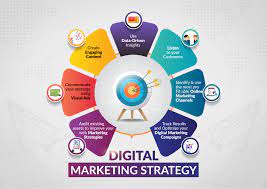
In today’s fast-paced digital landscape, having a well-thought-out digital advertising strategy is crucial for businesses looking to stand out and reach their target audience effectively. With the rise of online platforms and social media channels, the opportunities for reaching potential customers have never been greater. However, without a clear strategy in place, businesses may find themselves lost in the vast sea of digital noise.
Understanding Your Audience
One of the key elements of a successful digital advertising strategy is understanding your target audience. By conducting thorough market research and analysing data, businesses can gain valuable insights into the preferences, behaviours, and demographics of their potential customers. This information allows businesses to create targeted ads that resonate with their audience and drive engagement.
Choosing the Right Platforms
With so many digital advertising platforms available, from social media to search engines to display networks, it can be challenging to determine where to invest your advertising budget. A strategic approach involves selecting the platforms that align with your business goals and target audience. For example, if you are targeting a younger demographic, platforms like Instagram or Snapchat may be more effective than traditional display ads.
Crafting Compelling Ad Creative
The success of a digital advertising campaign often hinges on the quality of the ad creative. Eye-catching visuals, compelling copywriting, and a clear call-to-action are essential components of an effective ad. By testing different variations of ad creative and analysing performance metrics, businesses can refine their approach and maximise results.
Optimising Performance Through Data Analysis
An integral part of any digital advertising strategy is ongoing monitoring and analysis of campaign performance. By tracking key metrics such as click-through rates, conversion rates, and return on investment, businesses can identify what is working well and where improvements can be made. This data-driven approach allows businesses to optimise their campaigns in real-time for better results.
Conclusion
In conclusion, a strategic digital advertising strategy is essential for businesses looking to succeed in today’s competitive online environment. By understanding your audience, choosing the right platforms, crafting compelling ad creative, and optimising performance through data analysis, businesses can create impactful campaigns that drive results. With the right approach and ongoing refinement, digital advertising can be a powerful tool for reaching new customers and growing your business.
Exploring Digital Advertising Strategy: Key Questions and Insights
- What is a digital advertising strategy?
- What are the four digital marketing strategies?
- How does it work a digital advertising strategy?
- What are the 5 main strategies of digital marketing?
- What is digital strategy in advertising?
- What are the four types of digital advertising?
- What are the 7 C’s of digital marketing?
- How do you create a digital advertising strategy?
What is a digital advertising strategy?
A digital advertising strategy is a comprehensive plan that outlines how a business will use digital channels to reach its target audience, promote its products or services, and achieve its marketing objectives. It involves identifying the most effective platforms for reaching the target audience, creating engaging ad creative, setting clear goals and KPIs, and continuously monitoring and optimising campaign performance. A well-defined digital advertising strategy is essential for businesses to maximise their online presence, drive brand awareness, generate leads, and ultimately increase conversions. By leveraging data-driven insights and staying abreast of industry trends, businesses can develop strategic digital advertising campaigns that deliver tangible results in today’s competitive digital landscape.
What are the four digital marketing strategies?
When it comes to digital marketing strategies, there are four key approaches that businesses often leverage to enhance their online presence and reach their target audience effectively. These strategies include search engine optimisation (SEO), social media marketing, email marketing, and pay-per-click advertising (PPC). SEO focuses on improving a website’s visibility in search engine results, while social media marketing involves engaging with audiences on platforms like Facebook, Instagram, and Twitter. Email marketing allows businesses to communicate directly with customers through personalised messages, and PPC advertising enables businesses to target specific audiences through paid ads. By incorporating these four strategies into a cohesive digital marketing plan, businesses can maximise their online reach and drive meaningful results.
How does it work a digital advertising strategy?
A digital advertising strategy works by leveraging various online platforms and channels to promote a business or product to a specific target audience. It involves identifying the goals and objectives of the campaign, understanding the target audience through data analysis, selecting the most suitable advertising platforms, creating engaging ad content, and continuously monitoring and optimising performance based on key metrics. By strategically planning and implementing digital advertising campaigns, businesses can effectively reach their target audience, drive engagement, and ultimately achieve their desired outcomes in the competitive digital landscape.
What are the 5 main strategies of digital marketing?
When it comes to digital marketing strategies, there are five main approaches that businesses often employ to maximise their online presence and reach their target audience effectively. These strategies include search engine optimisation (SEO) to improve website visibility in search engine results, social media marketing to engage with customers on popular platforms, content marketing to provide valuable and relevant content to attract and retain customers, pay-per-click (PPC) advertising for targeted ad placements, and email marketing for direct communication with customers. By utilising a combination of these strategies strategically, businesses can enhance their digital marketing efforts and achieve their goals in the competitive online landscape.
What is digital strategy in advertising?
Digital strategy in advertising refers to the comprehensive plan and approach that businesses develop to leverage digital channels for promoting their products or services. It encompasses a range of tactics, including selecting the most suitable digital platforms, defining target audiences, creating engaging ad content, and analysing performance metrics to optimise campaign effectiveness. A well-crafted digital advertising strategy aims to maximise reach, engagement, and ultimately conversions by aligning business objectives with the unique opportunities offered by online marketing channels. By strategically utilising digital tools and techniques, businesses can enhance brand visibility, drive traffic to their websites, and cultivate meaningful relationships with their target audience in the ever-evolving digital landscape.
What are the four types of digital advertising?
In the realm of digital advertising strategy, understanding the four main types of digital advertising is crucial for businesses aiming to maximise their online presence and engage with their target audience effectively. The four primary types of digital advertising include display advertising, search advertising, social media advertising, and video advertising. Display advertising involves visually appealing banner ads placed on websites to attract users’ attention. Search advertising utilises pay-per-click (PPC) campaigns to appear prominently in search engine results. Social media advertising leverages platforms like Facebook and Instagram to target specific demographics with tailored ads. Video advertising engages audiences through compelling video content across various online platforms. By incorporating these diverse forms of digital advertising into their strategies, businesses can enhance brand visibility and drive meaningful engagement with their audience.
What are the 7 C’s of digital marketing?
The 7 C’s of digital marketing encompass key principles that guide a successful digital advertising strategy. These include Customer-centricity, Content, Context, Consistency, Creativity, Channels, and Conversion. Customer-centricity emphasises understanding and meeting the needs of the target audience. Content refers to creating engaging and valuable content that resonates with customers. Context involves delivering the right message at the right time and place. Consistency ensures a cohesive brand experience across all touchpoints. Creativity encourages innovative approaches to capture audience attention. Channels focus on selecting the most effective platforms to reach customers. Conversion aims at turning leads into loyal customers through strategic actions. By incorporating these 7 C’s into their digital marketing strategies, businesses can enhance their online presence and drive meaningful engagement with their audience.
How do you create a digital advertising strategy?
Creating a successful digital advertising strategy involves several key steps. Firstly, it is essential to define clear objectives and goals for your campaign, whether it’s increasing brand awareness, driving website traffic, or generating leads. Next, understanding your target audience through thorough research is crucial in crafting tailored messaging that resonates with them. Selecting the right digital advertising platforms based on your audience demographics and behaviour is also vital. Additionally, creating compelling ad creative that captures attention and includes a strong call-to-action can significantly impact campaign performance. Regularly monitoring and analysing campaign data allows for ongoing optimisation to ensure the strategy remains effective and delivers the desired results.