digital media and marketing

Mastering the Art of Digital Media and Marketing: A Guide to Success in the Online World

The Power of Digital Media and Marketing

The Power of Digital Media and Marketing

Digital media and marketing have revolutionised the way businesses connect with their audiences in today’s fast-paced world. With the rise of the internet and social media, companies now have unprecedented opportunities to reach and engage with consumers on a global scale.

What is Digital Media?

Digital media refers to any form of content that is stored in digital format and can be shared electronically. This includes websites, social media platforms, online videos, podcasts, and more. The beauty of digital media lies in its ability to be easily accessed, shared, and interacted with by users across various devices.

The Role of Digital Marketing

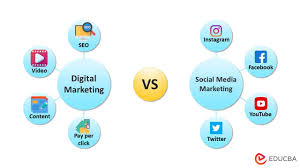
Digital marketing utilises digital channels such as social media, search engines, email, and websites to promote products or services to target audiences. It allows businesses to tailor their marketing efforts based on consumer behaviour, preferences, and demographics. By leveraging data analytics and targeting capabilities, digital marketing enables companies to deliver personalised messages that resonate with their customers.

The Benefits of Digital Media and Marketing

There are numerous benefits to incorporating digital media and marketing into your business strategy:

  • Wider Reach: With digital platforms, you can reach a larger audience across different geographical locations.
  • Increased Engagement: Interactive content such as videos or polls can boost engagement levels with your target audience.
  • Cost-Effective: Digital marketing campaigns are often more cost-effective than traditional advertising methods like print or TV ads.
  • Real-Time Analytics: You can track the performance of your campaigns in real-time and make adjustments for better results.
  • Targeted Advertising: Digital marketing allows you to target specific demographics or interests for more effective advertising.

The Future of Digital Media and Marketing

As technology continues to evolve, so too will the landscape of digital media and marketing. Artificial intelligence, virtual reality, voice search, and other emerging technologies will shape the future of how businesses connect with consumers online. Staying ahead of these trends will be crucial for companies looking to remain competitive in the digital age.

In conclusion, embracing digital media and marketing is essential for businesses seeking to thrive in today’s interconnected world. By leveraging the power of digital channels, companies can build brand awareness, engage with customers on a personal level, and drive business growth like never before.


8 Essential Tips for Mastering Digital Media and Marketing

  1. Understand your target audience to tailor your content and messaging effectively.
  2. Consistently engage with your audience through various digital channels to build relationships.
  3. Utilize data analytics to track and measure the performance of your digital marketing campaigns.
  4. Create high-quality, relevant, and shareable content to attract and retain customers.
  5. Stay updated with the latest trends in digital media and marketing to stay ahead of the competition.
  6. Mobile-first” approach is crucial as mobile usage continues to rise globally.
  7. SEO” or Search Engine Optimization is key for increasing visibility on search engines.
  8. Social media influencers” can be powerful tools for reaching a wider audience and building credibility.

Understand your target audience to tailor your content and messaging effectively.

To maximise the impact of your digital media and marketing efforts, it is crucial to have a deep understanding of your target audience. By gaining insights into their preferences, behaviours, and demographics, you can tailor your content and messaging in a way that resonates with them effectively. This personalised approach not only enhances engagement but also increases the likelihood of converting leads into loyal customers. Understanding your target audience is the cornerstone of successful digital marketing strategies that drive meaningful connections and deliver tangible results.

Consistently engage with your audience through various digital channels to build relationships.

Consistently engaging with your audience through a variety of digital channels is a key strategy in building lasting relationships with your customers. By maintaining a presence on platforms where your target audience is active, such as social media, email newsletters, and online forums, you can foster meaningful interactions and create a sense of community around your brand. This ongoing engagement not only helps to strengthen customer loyalty but also allows you to gather valuable feedback and insights that can inform your marketing strategies and enhance the overall customer experience.

Utilize data analytics to track and measure the performance of your digital marketing campaigns.

To maximise the effectiveness of your digital marketing campaigns, it is essential to utilise data analytics to track and measure their performance. By analysing key metrics such as website traffic, conversion rates, and customer engagement, you can gain valuable insights into the success of your marketing efforts. This data-driven approach allows you to make informed decisions, optimise your strategies in real-time, and ultimately enhance the overall impact of your digital media initiatives.

Create high-quality, relevant, and shareable content to attract and retain customers.

Creating high-quality, relevant, and shareable content is a key tip in digital media and marketing. By producing content that resonates with your target audience, you can capture their attention, build trust, and establish your brand as a valuable resource. Shareable content not only attracts new customers but also helps retain existing ones by keeping them engaged and connected to your brand. Whether it’s informative articles, engaging videos, or interactive infographics, investing in quality content creation is essential for driving customer engagement and loyalty in today’s competitive digital landscape.

Staying updated with the latest trends in digital media and marketing is crucial for businesses aiming to stay ahead of the competition. By keeping abreast of emerging technologies, consumer behaviours, and industry best practices, companies can adapt their strategies to remain relevant and competitive in the ever-evolving digital landscape. Embracing new trends allows businesses to innovate, engage with their target audience effectively, and ultimately drive success in today’s dynamic market environment.

Mobile-first” approach is crucial as mobile usage continues to rise globally.

In today’s digital landscape, adopting a “mobile-first” approach is imperative as mobile usage continues to soar on a global scale. With more and more people accessing the internet and engaging with content through their mobile devices, businesses must prioritise mobile-friendly strategies to effectively reach and connect with their target audience. By ensuring that websites, ads, and content are optimised for mobile viewing, companies can enhance user experience, increase engagement, and stay ahead in the ever-evolving realm of digital media and marketing.

SEO” or Search Engine Optimization is key for increasing visibility on search engines.

“SEO, or Search Engine Optimization, plays a crucial role in enhancing visibility on search engines. By implementing effective SEO strategies, businesses can improve their website’s ranking in search results, making it easier for potential customers to find them online. Optimizing content with relevant keywords, improving site speed and user experience, and building quality backlinks are just some of the ways SEO can help drive organic traffic to a website. Investing in SEO is essential for businesses looking to boost their online presence and attract more qualified leads through improved search engine visibility.”

Social media influencers” can be powerful tools for reaching a wider audience and building credibility.

Utilising “social media influencers” can be a potent strategy in digital media and marketing. These individuals have the ability to connect with a vast audience and establish trust and credibility within their niche. By partnering with social media influencers whose values align with your brand, you can effectively amplify your message, increase brand awareness, and engage with a wider demographic. Leveraging the influence of these individuals can be a valuable asset in expanding your reach and solidifying your brand’s reputation in the digital landscape.

digital marketing rmit

Empowering Future Marketers: Digital Marketing Programme at RMIT University

Digital Marketing at RMIT: Empowering Future Marketers

Digital Marketing at RMIT: Empowering Future Marketers

RMIT University is paving the way for the next generation of digital marketers with its cutting-edge Digital Marketing programme. Designed to equip students with the skills and knowledge needed to thrive in today’s rapidly evolving digital landscape, this programme offers a comprehensive education that combines theory with practical experience.

Why Choose Digital Marketing at RMIT?

At RMIT, students are immersed in a dynamic learning environment that encourages creativity, critical thinking, and innovation. The programme covers a wide range of topics, including social media marketing, search engine optimisation (SEO), content marketing, data analytics, and more.

Students have the opportunity to work on real-world projects and campaigns, gaining hands-on experience that prepares them for success in the industry. With access to state-of-the-art facilities and industry-leading instructors, RMIT ensures that graduates are well-equipped to meet the challenges of today’s digital marketing landscape.

The Benefits of Studying Digital Marketing at RMIT

Upon completion of the programme, graduates emerge as skilled digital marketers ready to make an impact in various industries. They possess a deep understanding of consumer behaviour online, strategic planning skills, and the ability to leverage digital tools effectively.

RMIT’s strong industry connections also provide students with networking opportunities and access to internships and job placements. This invaluable exposure allows students to gain practical insights into the workings of the digital marketing field and kickstart their careers with confidence.

Join RMIT’s Digital Marketing Programme Today

If you are passionate about leveraging technology to drive business growth and engage audiences in innovative ways, then RMIT’s Digital Marketing programme is the perfect choice for you. Prepare yourself for a rewarding career in one of the most dynamic and fast-paced industries by enrolling in this exciting programme at RMIT University.

Contact RMIT today to learn more about how you can become a part of this transformative learning experience!


7 Essential Tips for Mastering Digital Marketing at RMIT

  1. Understand your target audience and their preferences.
  2. Create engaging and relevant content for your digital channels.
  3. Utilize social media platforms to reach a wider audience.
  4. Optimize your website for search engines (SEO) to increase visibility.
  5. Use email marketing campaigns to nurture leads and retain customers.
  6. Monitor and analyse data to measure the effectiveness of your digital marketing strategies.
  7. Stay updated with the latest trends and technologies in digital marketing.

Understand your target audience and their preferences.

To excel in digital marketing at RMIT, it is crucial to grasp the significance of understanding your target audience and their preferences. By delving deep into the demographics, behaviours, and interests of your audience, you can tailor your marketing strategies to resonate with them effectively. This insight enables you to create compelling content, deliver targeted campaigns, and build meaningful relationships with your audience, ultimately driving success in the digital landscape.

Create engaging and relevant content for your digital channels.

Creating engaging and relevant content for your digital channels is a crucial tip in digital marketing, especially when studying at RMIT. By crafting content that resonates with your target audience, you can capture their attention, build brand loyalty, and drive meaningful interactions. RMIT’s Digital Marketing programme emphasises the importance of creating compelling content that adds value to users’ online experience, equipping students with the skills to produce impactful material that stands out in today’s competitive digital landscape.

Utilize social media platforms to reach a wider audience.

To maximise your digital marketing efforts at RMIT, it is essential to utilise social media platforms effectively in order to expand your reach and engage with a broader audience. By leveraging the power of platforms such as Facebook, Instagram, Twitter, and LinkedIn, you can connect with prospective students, alumni, industry professionals, and other stakeholders to promote RMIT’s digital marketing programme and showcase the value it offers. Engaging content, targeted advertising campaigns, and strategic use of social media tools can help you amplify your message and attract a diverse audience to explore the opportunities available through RMIT’s innovative digital marketing programme.

Optimize your website for search engines (SEO) to increase visibility.

To enhance your online presence and reach a wider audience, it is crucial to optimise your website for search engines (SEO). By incorporating relevant keywords, improving site structure, and creating high-quality content, you can increase visibility and attract more organic traffic to your website. RMIT’s Digital Marketing programme equips students with the knowledge and skills needed to master SEO techniques and drive measurable results in the competitive digital landscape.

Use email marketing campaigns to nurture leads and retain customers.

Email marketing campaigns are a powerful tool in the digital marketer’s arsenal, especially when it comes to nurturing leads and retaining customers. By crafting targeted and personalised emails, businesses can engage with their audience on a more personal level, providing valuable content, promotions, and updates that keep them interested and informed. Through strategic email campaigns, RMIT students learn how to build strong relationships with leads, convert them into loyal customers, and drive long-term success for businesses in the ever-evolving digital landscape.

Monitor and analyse data to measure the effectiveness of your digital marketing strategies.

Monitoring and analysing data is a crucial aspect of digital marketing strategies taught at RMIT. By tracking key metrics and performance indicators, marketers can gain valuable insights into the effectiveness of their campaigns. This data-driven approach enables students to make informed decisions, optimise their strategies, and achieve measurable results in reaching target audiences and achieving marketing objectives. Through hands-on experience with data analytics tools, students learn how to interpret data accurately, identify trends, and make strategic adjustments to ensure the success of their digital marketing efforts.

To excel in the field of digital marketing at RMIT, it is crucial to stay abreast of the ever-evolving trends and technologies shaping the industry. By keeping yourself updated with the latest advancements in digital marketing, you can adapt your strategies to remain competitive and drive impactful results. Embracing new trends and technologies not only enhances your skill set but also positions you as a forward-thinker in the dynamic world of digital marketing.

online marketing analytics

Unlocking Success: Harnessing the Power of Online Marketing Analytics

The Power of Online Marketing Analytics

In today’s digital age, online marketing analytics have become essential tools for businesses looking to maximise their online presence and drive success. By utilising data-driven insights, businesses can gain a deeper understanding of their audience, track the performance of their marketing efforts, and make informed decisions to optimise their strategies.

Understanding Your Audience

Online marketing analytics provide valuable information about your audience demographics, behaviour patterns, and preferences. By analysing this data, businesses can create targeted campaigns that resonate with their target market, leading to higher engagement and conversion rates.

Tracking Performance

With online marketing analytics, businesses can track the performance of their campaigns in real-time. From website traffic to social media engagement and email open rates, these insights help businesses monitor the effectiveness of their marketing efforts and make adjustments as needed to improve results.

Optimising Strategies

One of the key benefits of online marketing analytics is the ability to identify what works and what doesn’t in your marketing strategies. By analysing data on campaign performance, customer interactions, and conversion rates, businesses can refine their strategies for better outcomes and higher ROI.

Measuring Success

Online marketing analytics provide measurable results that allow businesses to gauge the success of their campaigns accurately. Whether it’s tracking sales conversions or monitoring website traffic growth, these metrics help businesses assess their performance and make data-driven decisions for future initiatives.

The Future of Online Marketing

As technology continues to evolve, online marketing analytics will play an increasingly vital role in shaping the future of digital marketing. Businesses that leverage data insights effectively will have a competitive edge in reaching their target audience, driving engagement, and achieving business growth.

Embrace the power of online marketing analytics today to unlock new opportunities for your business’s online success.


Eight Key Benefits of Online Marketing Analytics for Business Success

  1. 1. Data-driven insights for informed decision-making.
  2. 2. Targeted campaigns to reach the right audience.
  3. 3. Real-time tracking of marketing performance.
  4. 4. Improved understanding of customer behaviour and preferences.
  5. 5. Ability to measure and analyse campaign success accurately.
  6. 6. Cost-effective way to optimise marketing strategies.
  7. 7. Enhanced ROI through data-driven optimizations.
  8. 8. Competitive advantage in the digital marketplace.


Seven Drawbacks of Online Marketing Analytics: Navigating Data Overload, Privacy Issues, and More

  1. 1. Data Overload
  2. 2. Privacy Concerns
  3. 3. Costly Tools
  4. 4. Skill Requirements
  5. 5. Time-Consuming
  6. 6. Inaccurate Data
  7. 7. Overreliance on Data

1. Data-driven insights for informed decision-making.

Online marketing analytics offer a significant advantage through data-driven insights that enable businesses to make informed decisions. By analysing key metrics such as audience demographics, engagement rates, and conversion data, businesses can gain valuable insights into the effectiveness of their marketing strategies. This wealth of information empowers decision-makers to adjust their tactics, allocate resources more efficiently, and tailor their campaigns to better meet the needs and preferences of their target audience. Ultimately, leveraging data-driven insights from online marketing analytics leads to smarter decision-making and more successful outcomes in the competitive digital landscape.

2. Targeted campaigns to reach the right audience.

Online marketing analytics empower businesses to create targeted campaigns that effectively reach the right audience. By analysing data on audience demographics, behaviour, and preferences, businesses can tailor their marketing messages to resonate with specific segments of their target market. This precision targeting not only increases the likelihood of engaging with the right audience but also improves conversion rates by delivering relevant content to those most likely to respond positively. Ultimately, targeted campaigns enabled by online marketing analytics help businesses maximise the impact of their marketing efforts and drive success in reaching their desired audience.

3. Real-time tracking of marketing performance.

Online marketing analytics offer the invaluable advantage of real-time tracking of marketing performance. This means that businesses can monitor the effectiveness of their marketing campaigns as they unfold, allowing for immediate adjustments to be made based on live data insights. By having access to up-to-the-minute information on key metrics such as website traffic, social media engagement, and conversion rates, businesses can make informed decisions promptly to optimise their strategies for maximum impact and ROI. This real-time tracking capability empowers businesses to stay agile and responsive in their marketing efforts, ensuring they are always on top of their game in the dynamic digital landscape.

4. Improved understanding of customer behaviour and preferences.

Online marketing analytics offer businesses a significant advantage by providing an enhanced understanding of customer behaviour and preferences. By analysing data on how customers interact with online platforms, businesses can gain valuable insights into what drives customer decisions, preferences, and actions. This deeper understanding enables businesses to tailor their marketing strategies to better meet customer needs, increase engagement, and ultimately drive conversions. With this knowledge at their fingertips, businesses can make informed decisions that lead to more effective and targeted marketing campaigns that resonate with their target audience.

5. Ability to measure and analyse campaign success accurately.

One significant advantage of online marketing analytics is the ability to measure and analyse campaign success accurately. By tracking key performance metrics such as click-through rates, conversion rates, and engagement levels, businesses can gain valuable insights into the effectiveness of their marketing campaigns. This data-driven approach allows businesses to make informed decisions based on concrete evidence, leading to improved strategies and better outcomes in achieving their marketing goals.

6. Cost-effective way to optimise marketing strategies.

Online marketing analytics offer a cost-effective way for businesses to optimise their marketing strategies. By analysing data on campaign performance, customer behaviour, and conversion rates, businesses can identify areas for improvement and make informed decisions to enhance the effectiveness of their marketing efforts. This data-driven approach allows businesses to allocate their resources more efficiently, targeting the right audience with the right message at the right time, ultimately maximising their return on investment without unnecessary spending.

7. Enhanced ROI through data-driven optimizations.

One significant advantage of online marketing analytics is the ability to enhance Return on Investment (ROI) through data-driven optimizations. By analysing key performance metrics and consumer behaviour patterns, businesses can identify areas for improvement in their marketing strategies. This data-driven approach allows for targeted adjustments and refinements to campaigns, leading to increased efficiency and effectiveness in reaching the target audience. Ultimately, leveraging online marketing analytics for optimisations can result in a higher ROI and better overall performance of digital marketing initiatives.

8. Competitive advantage in the digital marketplace.

Online marketing analytics provide businesses with a significant competitive advantage in the digital marketplace by offering valuable insights into consumer behaviour, market trends, and campaign performance. By leveraging data-driven strategies, businesses can stay ahead of competitors, identify new opportunities for growth, and tailor their marketing efforts to meet the evolving needs of their target audience. This proactive approach allows businesses to make informed decisions that drive success and differentiate them from competitors in the fast-paced digital landscape.

1. Data Overload

One significant drawback of online marketing analytics is the issue of data overload. The sheer volume of data generated can overwhelm businesses, making it difficult to sift through and extract valuable insights. This abundance of information can lead to confusion and hinder decision-making processes, as businesses may struggle to identify the most relevant metrics amidst the sea of data. As a result, the challenge lies in effectively managing and interpreting the data to derive actionable strategies that drive meaningful results.

2. Privacy Concerns

Privacy concerns are a significant con of online marketing analytics. Collecting and analysing user data for marketing purposes can raise red flags among consumers who value their privacy. This practice can lead to mistrust and apprehension, potentially damaging a brand’s reputation in the eyes of its target audience. Businesses must tread carefully when handling sensitive user data to maintain trust and credibility with their customers while still leveraging the power of analytics for marketing strategies.

3. Costly Tools

One significant drawback of online marketing analytics is the cost associated with implementing sophisticated tools and platforms. For small businesses operating on limited budgets, investing in robust analytics solutions can be financially challenging. The expense of acquiring and maintaining these tools may deter smaller enterprises from harnessing the full potential of data-driven insights to enhance their online marketing strategies. As a result, some businesses may struggle to compete effectively in the digital landscape due to the prohibitive costs involved in accessing advanced analytics capabilities.

4. Skill Requirements

One significant drawback of online marketing analytics is the skill requirements involved. Effectively interpreting and utilising the data provided by online marketing analytics demand specialised skills and expertise that not all businesses may have in-house. Understanding complex metrics, drawing meaningful insights, and implementing data-driven strategies often require a level of proficiency that may be beyond the capabilities of some teams. This can lead to challenges in fully harnessing the potential of online marketing analytics and leveraging them to drive business growth effectively.

5. Time-Consuming

One significant drawback of online marketing analytics is the time-consuming nature of analysing and interpreting data from marketing campaigns. This process can be resource-intensive, requiring dedicated time and effort to extract meaningful insights. As a result, businesses may find themselves diverting valuable resources away from other essential activities, potentially impacting overall productivity and efficiency. Balancing the need for data analysis with other business priorities becomes a challenge in leveraging online marketing analytics effectively.

6. Inaccurate Data

One significant drawback of online marketing analytics is the potential for inaccurate data. When incorrect or incomplete data inputs are used, the results generated may be skewed, ultimately leading to misguided decisions and suboptimal outcomes for businesses. Relying on flawed data can hinder the effectiveness of marketing strategies, making it crucial for businesses to ensure the accuracy and completeness of their data inputs to derive meaningful insights and make informed decisions.

7. Overreliance on Data

An inherent con of online marketing analytics is the risk of overreliance on data, which can lead to overlooking qualitative aspects of consumer behaviour and market trends that go beyond what data can reveal. While analytics provide valuable insights into metrics and performance, they may not capture the full spectrum of customer emotions, motivations, or external factors influencing purchasing decisions. Businesses must strike a balance between data-driven decision-making and incorporating qualitative analysis to ensure a comprehensive understanding of their target audience and market landscape.

digital campaign

Unlocking Success: The Impact of a Strategic Digital Campaign

The Power of a Successful Digital Campaign

The Power of a Successful Digital Campaign

In today’s digital age, a well-executed digital campaign can be a game-changer for businesses looking to reach their target audience effectively. A digital campaign refers to the strategic use of online platforms and tools to promote products, services, or messages to a specific audience.

One of the key advantages of a digital campaign is its ability to reach a large and targeted audience at a relatively low cost compared to traditional marketing methods. With the right strategy in place, businesses can engage with potential customers across various online channels such as social media, email marketing, search engines, and websites.

Furthermore, digital campaigns offer real-time data and analytics that provide valuable insights into the performance of the campaign. By tracking metrics such as click-through rates, conversion rates, and engagement levels, businesses can measure the effectiveness of their campaigns and make data-driven decisions to optimise future efforts.

Personalisation is another significant benefit of digital campaigns. By leveraging user data and preferences, businesses can tailor their messages and content to resonate with individual customers on a more personal level. This personalised approach not only enhances customer experience but also increases the likelihood of conversion and brand loyalty.

Moreover, digital campaigns allow for greater flexibility and agility in adapting to changing market conditions or consumer trends. With the ability to quickly adjust strategies based on real-time feedback, businesses can stay ahead of the competition and remain relevant in an ever-evolving digital landscape.

In conclusion, a successful digital campaign has the power to elevate a business’s online presence, drive engagement with target audiences, generate leads and conversions, and ultimately contribute to overall business growth. By harnessing the potential of digital marketing channels effectively, businesses can unlock new opportunities for success in today’s competitive marketplace.


Essential Insights: Answering 9 Common Questions About Digital Campaigns

  1. How do you start a digital campaign?
  2. What is the best digital campaign?
  3. What is a digital campaign meaning?
  4. How do digital campaigns work?
  5. What is the advantage of digital campaign?
  6. What do you mean by digital campaign?
  7. What is a digital campaign?
  8. What is an example of a digital marketing campaign?
  9. What should a digital campaign include?

How do you start a digital campaign?

When embarking on a digital campaign, the initial steps are crucial in setting the foundation for success. To start a digital campaign effectively, it is essential to begin with a clear understanding of your objectives and target audience. Define your goals, whether they are to increase brand awareness, drive website traffic, or boost sales. Conduct thorough research to identify your target audience’s demographics, preferences, and online behaviour. Next, develop a comprehensive strategy that outlines the channels, tactics, and messaging you will use to reach and engage with your audience. Set measurable KPIs to track the performance of your campaign and make data-driven adjustments as needed. By following a strategic approach from the outset, you can maximise the effectiveness of your digital campaign and achieve your desired outcomes.

What is the best digital campaign?

When it comes to identifying the best digital campaign, there is no one-size-fits-all answer. The effectiveness of a digital campaign depends on various factors, including the goals of the business, target audience, budget, industry trends, and the chosen digital marketing channels. What may work well for one company may not necessarily yield the same results for another. It is essential to tailor a digital campaign specifically to meet the unique needs and objectives of each individual business. Conducting thorough research, setting clear objectives, and continuously monitoring and adjusting strategies based on performance data are key elements in determining the success of a digital campaign.

What is a digital campaign meaning?

A digital campaign refers to a strategic marketing initiative that utilises online platforms and tools to promote products, services, or messages to a specific audience. It involves the coordinated use of various digital channels such as social media, email marketing, search engines, and websites to reach and engage with target customers effectively. The primary goal of a digital campaign is to drive brand awareness, increase customer engagement, generate leads or conversions, and ultimately achieve business objectives in the digital space. By leveraging data-driven insights and personalised content, businesses can create impactful digital campaigns that resonate with their audience and deliver measurable results.

How do digital campaigns work?

Digital campaigns work by leveraging various online platforms and tools to promote products, services, or messages to a specific target audience. These campaigns typically involve strategic planning, content creation, and targeted distribution across channels such as social media, search engines, email marketing, and websites. By defining clear objectives, identifying the target audience, and selecting the most appropriate digital channels, businesses can effectively reach and engage with their desired customers. Monitoring key performance metrics and analysing data allows for continuous optimisation of the campaign to maximise its impact and achieve desired outcomes. Ultimately, digital campaigns work by combining creativity, technology, and data-driven insights to deliver compelling messages that resonate with audiences and drive desired actions.

What is the advantage of digital campaign?

One of the key advantages of a digital campaign lies in its ability to reach a targeted audience efficiently and cost-effectively in today’s digital landscape. By leveraging online platforms such as social media, search engines, and email marketing, businesses can engage with potential customers on a more personal level and tailor their messages to resonate with individual preferences. Additionally, the real-time data and analytics provided by digital campaigns offer valuable insights into performance metrics, enabling businesses to measure the effectiveness of their strategies and make informed decisions for future optimisation. The flexibility and agility of digital campaigns also allow businesses to adapt quickly to changing market conditions, ensuring they stay competitive and relevant in an ever-evolving digital environment.

What do you mean by digital campaign?

A digital campaign refers to a strategic marketing initiative that utilises online platforms and tools to promote products, services, or messages to a specific audience. It involves the targeted use of digital channels such as social media, email marketing, search engines, and websites to engage with potential customers and drive desired outcomes. Digital campaigns are designed to reach a wide audience in a cost-effective manner while providing real-time data and analytics for measuring performance and making informed decisions. Personalisation and flexibility are key aspects of digital campaigns, allowing businesses to tailor their messaging to individual preferences and adapt strategies quickly in response to market dynamics.

What is a digital campaign?

A digital campaign is a strategic initiative that utilises various online platforms and tools to promote products, services, or messages to a specific target audience. In essence, it involves the coordinated use of digital marketing channels such as social media, email marketing, search engines, and websites to engage with potential customers and drive desired outcomes. By leveraging the power of digital technologies, businesses can reach a wider audience, track performance metrics in real-time, personalise messaging for individual consumers, and adapt their strategies quickly to achieve marketing objectives effectively.

What is an example of a digital marketing campaign?

An example of a digital marketing campaign is the “Share a Coke” campaign launched by Coca-Cola. This innovative campaign personalised Coca-Cola bottles with popular names and encouraged customers to share photos of their personalised bottles on social media using the hashtag #ShareACoke. The campaign not only created a buzz on social platforms but also fostered user engagement and generated user-generated content, resulting in increased brand awareness and customer loyalty. By leveraging digital channels effectively, Coca-Cola successfully connected with its audience in a fun and interactive way, showcasing the power of a creative and well-executed digital marketing campaign.

What should a digital campaign include?

A successful digital campaign should encompass a well-thought-out strategy that includes key elements to maximise its effectiveness. Firstly, defining clear campaign objectives and target audience is crucial to ensure the message resonates with the right people. Engaging and relevant content tailored to the preferences of the audience is essential for capturing their attention. Utilising multiple online channels such as social media, email marketing, search engine optimisation, and display advertising can help reach a wider audience. Tracking and analysing campaign performance through data metrics allows for continuous optimisation and improvement. Lastly, incorporating a call-to-action to encourage desired actions from the audience is vital for driving conversions and achieving campaign goals.

marketing company

Elevate Your Brand with a Leading Marketing Company in the UK

The Role of a Marketing Company in Today’s Business Landscape

The Role of a Marketing Company in Today’s Business Landscape

In today’s highly competitive business environment, the role of a marketing company has become more crucial than ever. Marketing companies play a vital role in helping businesses reach their target audience, build brand awareness, and drive sales. They are experts in creating and implementing strategic marketing campaigns that effectively promote products and services.

Marketing companies utilise a range of tools and techniques to achieve their clients’ marketing goals. From digital marketing strategies such as social media campaigns, search engine optimisation (SEO), and pay-per-click advertising to traditional marketing methods like print ads and direct mail, these companies have the expertise to craft tailored solutions for each client.

One of the key advantages of hiring a marketing company is access to specialised knowledge and skills. Marketing professionals stay up-to-date with the latest industry trends and best practices, ensuring that their clients benefit from cutting-edge strategies that deliver results. By outsourcing their marketing efforts to a dedicated agency, businesses can focus on their core operations while leaving the promotional activities in capable hands.

Furthermore, marketing companies bring a fresh perspective to the table. They can offer insights and ideas that may not have been considered internally, providing innovative approaches to reaching target audiences and differentiating brands from competitors. This outside perspective can be invaluable in developing effective marketing campaigns that resonate with consumers.

Ultimately, the role of a marketing company is to help businesses thrive in today’s dynamic marketplace. By leveraging their expertise, creativity, and strategic thinking, these companies empower brands to connect with customers in meaningful ways and achieve sustainable growth.


7 Essential Marketing Tips to Elevate Your Company’s Success

  1. Understand your target audience to tailor your marketing strategies effectively.
  2. Utilise social media platforms to engage with customers and build brand awareness.
  3. Create compelling content that showcases your company’s unique selling points.
  4. Invest in SEO to improve online visibility and attract more organic traffic.
  5. Collaborate with influencers or other businesses for mutual promotion and reach a wider audience.
  6. Track and analyse key performance metrics to measure the success of your marketing campaigns.
  7. Stay updated on industry trends and adapt your strategies accordingly to stay competitive.

Understand your target audience to tailor your marketing strategies effectively.

To maximise the effectiveness of your marketing strategies, it is essential to have a deep understanding of your target audience. By comprehensively grasping the demographics, preferences, behaviours, and needs of your audience, you can tailor your marketing efforts to resonate with them on a personal level. This targeted approach allows you to craft messages and campaigns that are more likely to capture their attention, engage them effectively, and ultimately drive conversions. Understanding your target audience is the cornerstone of successful marketing campaigns that yield tangible results and foster long-lasting relationships with customers.

Utilise social media platforms to engage with customers and build brand awareness.

In today’s digital age, it is essential for marketing companies to utilise social media platforms effectively to engage with customers and build brand awareness. By creating compelling content, interacting with followers, and leveraging the reach of popular social networks, marketing companies can establish a strong online presence for their clients. Engaging with customers on platforms like Facebook, Instagram, and Twitter not only allows businesses to communicate directly with their target audience but also helps in fostering brand loyalty and driving customer engagement. Through strategic social media management, marketing companies can showcase their clients’ unique value propositions and create meaningful connections that resonate with consumers in an increasingly competitive market landscape.

Create compelling content that showcases your company’s unique selling points.

To effectively market your company, it is essential to create compelling content that highlights your unique selling points. By showcasing what sets your business apart from competitors, such as innovative products, exceptional customer service, or a strong brand ethos, you can capture the attention of your target audience and differentiate yourself in the market. Engaging content that effectively communicates your company’s strengths and values will resonate with consumers and help build brand loyalty over time.

Invest in SEO to improve online visibility and attract more organic traffic.

Investing in SEO is a strategic move for any marketing company looking to enhance online visibility and drive organic traffic to their clients’ websites. By optimising website content, meta tags, and back-end coding, SEO efforts can improve search engine rankings and make it easier for potential customers to discover the business online. With a focus on relevant keywords and quality content, SEO not only increases visibility but also attracts highly targeted organic traffic, leading to better engagement and conversion rates. In today’s digital landscape, prioritising SEO is key to staying competitive and maximising online reach for businesses of all sizes.

Collaborate with influencers or other businesses for mutual promotion and reach a wider audience.

Collaborating with influencers or other businesses for mutual promotion is a highly effective strategy to expand your reach and engage with a wider audience. By partnering with influencers who have a strong following or aligning with complementary businesses, you can leverage their existing audience to increase brand visibility and credibility. This collaborative approach not only helps in reaching new potential customers but also allows for creative cross-promotional opportunities that can drive engagement and foster brand loyalty. Embracing such partnerships can be a valuable asset in enhancing your marketing efforts and achieving greater impact in today’s competitive business landscape.

Track and analyse key performance metrics to measure the success of your marketing campaigns.

To ensure the effectiveness of your marketing campaigns, it is essential to track and analyse key performance metrics. By monitoring metrics such as website traffic, conversion rates, click-through rates, and engagement levels, you can gain valuable insights into the impact of your marketing efforts. This data allows you to make informed decisions, identify areas for improvement, and optimise your strategies for better results. Tracking and analysing key performance metrics is a fundamental practice that enables marketing companies to measure success accurately and refine their campaigns for maximum impact in today’s competitive business landscape.

To stay competitive in the ever-evolving business landscape, it is essential for marketing companies to stay updated on industry trends and adapt their strategies accordingly. By keeping a pulse on the latest developments in marketing techniques, consumer behaviour, and technology advancements, marketing companies can position themselves as innovative leaders in the field. This proactive approach not only allows them to anticipate changes in the market but also enables them to tailor their strategies to meet the evolving needs of their clients and target audience effectively. By staying ahead of the curve and embracing change, marketing companies can maintain a competitive edge and drive success for their clients in a dynamic and competitive marketplace.

Exploring the Best Digital Campaigns: Examples of Industry Excellence

Best Digital Campaigns

The Power of Digital Campaigns: Examples of the Best in the Industry

In today’s digital age, a successful marketing campaign can make all the difference for a brand looking to stand out in a crowded marketplace. Digital campaigns have the power to engage audiences, drive brand awareness, and ultimately lead to increased sales and customer loyalty. Let’s explore some of the best digital campaigns that have captured our attention:

Nike’s “Dream Crazy” Campaign

Nike’s “Dream Crazy” campaign featuring Colin Kaepernick sparked conversations worldwide. The powerful message of believing in your dreams and standing up for what you believe in resonated with audiences across different demographics. This campaign not only showcased Nike’s commitment to social issues but also generated significant buzz and engagement on social media.

Coca-Cola’s “Share a Coke” Campaign

Coca-Cola’s “Share a Coke” campaign took personalisation to a new level by replacing its logo with popular names on their bottles and cans. This simple yet effective idea encouraged consumers to share a Coke with friends and family, leading to increased brand loyalty and sales. The campaign was widely praised for its creativity and ability to connect with consumers on a personal level.

Airbnb’s #WeAccept Campaign

Airbnb’s #WeAccept campaign was launched in response to the global refugee crisis, promoting acceptance and inclusivity. The company aired a powerful Super Bowl ad highlighting the importance of diversity and unity, which struck a chord with audiences worldwide. This campaign showcased Airbnb as a socially responsible brand that values diversity and equality.

Old Spice’s “The Man Your Man Could Smell Like” Campaign

Old Spice’s iconic “The Man Your Man Could Smell Like” campaign revolutionised how brands engage with consumers online. The humorous commercials featuring Isaiah Mustafa quickly went viral, creating a cult following for the brand among younger audiences. This campaign demonstrated the importance of creativity and humour in capturing audience attention in the digital space.

These examples highlight the impact that well-executed digital campaigns can have on brand perception and consumer engagement. By leveraging creativity, storytelling, and technology, brands can create memorable experiences that resonate with their target audience and drive business results.


Top 5 Tips for Crafting Successful Digital Campaigns

  1. Define clear objectives and goals for your digital campaign.
  2. Understand your target audience to create relevant and engaging content.
  3. Utilize multiple digital channels to reach a wider audience.
  4. Monitor and analyse campaign performance to make data-driven decisions for optimization.
  5. Continuously test and iterate on different elements of your campaign for improvement.

Define clear objectives and goals for your digital campaign.

To run a successful digital campaign, it is crucial to define clear objectives and goals from the outset. By establishing specific targets such as increasing brand awareness, driving website traffic, or generating leads, you can create a focused strategy that aligns with your overall marketing objectives. Clear objectives not only provide direction for your campaign but also enable you to measure its success effectively. Whether aiming to boost engagement on social media or drive conversions on your website, setting clear goals ensures that your digital campaign remains purposeful and results-driven.

Understand your target audience to create relevant and engaging content.

To create successful digital campaigns, it is crucial to understand your target audience thoroughly. By gaining insights into their preferences, behaviours, and needs, you can tailor your content to resonate with them effectively. Crafting relevant and engaging content that speaks directly to your audience’s interests and challenges is key to capturing their attention and driving meaningful interactions. By prioritising audience understanding in your campaign strategy, you can build stronger connections with your target demographic and increase the likelihood of achieving your marketing goals.

Utilize multiple digital channels to reach a wider audience.

To create successful digital campaigns, it is essential to utilise multiple digital channels effectively in order to reach a wider audience. By diversifying your approach and leveraging various online platforms such as social media, email marketing, search engine optimisation, and display advertising, you can maximise your campaign’s visibility and engagement. This multi-channel strategy allows you to connect with audiences across different touchpoints, increasing the likelihood of reaching and resonating with a broader range of potential customers.

Monitor and analyse campaign performance to make data-driven decisions for optimization.

Monitoring and analysing campaign performance is crucial in the realm of digital marketing. By tracking key metrics and interpreting data insights, businesses can make informed decisions to optimise their campaigns for maximum effectiveness. Data-driven strategies allow for a deeper understanding of audience behaviour, enabling marketers to refine targeting, messaging, and overall campaign execution. This iterative process of measurement and adjustment based on real-time data not only improves ROI but also ensures that digital campaigns remain relevant and impactful in today’s dynamic online landscape.

Continuously test and iterate on different elements of your campaign for improvement.

In the realm of best digital campaigns, a crucial tip for success is to continuously test and iterate on various elements of your campaign to drive improvement. By engaging in ongoing testing and refinement, you can gather valuable insights into what resonates most with your audience and refine your strategies accordingly. This iterative approach allows you to adapt to changing trends, preferences, and market dynamics, ultimately enhancing the effectiveness and impact of your digital campaigns.

digital marketing analysis

Unlocking Success: The Power of Digital Marketing Analysis

The Importance of Digital Marketing Analysis

The Importance of Digital Marketing Analysis

In today’s digital age, businesses rely heavily on digital marketing to reach their target audience and drive growth. However, implementing digital marketing strategies without proper analysis can lead to missed opportunities and wasted resources. This is where digital marketing analysis plays a crucial role in ensuring the success of your online campaigns.

Understanding Your Audience

One of the key benefits of digital marketing analysis is gaining insights into your target audience. By analysing data such as demographics, behaviour patterns, and preferences, you can tailor your marketing efforts to effectively engage with your audience. This targeted approach not only improves engagement but also increases conversion rates.

Measuring Campaign Performance

Digital marketing analysis allows you to track the performance of your campaigns in real-time. By monitoring key metrics such as click-through rates, conversion rates, and return on investment (ROI), you can identify what is working well and what needs improvement. This data-driven approach enables you to make informed decisions and optimise your strategies for better results.

Identifying Trends and Opportunities

Another advantage of digital marketing analysis is the ability to identify emerging trends and opportunities in the market. By analysing industry trends, competitor activities, and consumer behaviour, you can stay ahead of the curve and adapt your strategies accordingly. This proactive approach helps you capitalise on new opportunities and maintain a competitive edge.

Optimising Budget Allocation

Effective budget allocation is essential for maximising the impact of your digital marketing efforts. Through thorough analysis, you can determine which channels are delivering the best results and allocate your budget accordingly. By focusing on high-performing channels and tactics, you can achieve greater efficiency and maximise your return on investment.

Conclusion

In conclusion, digital marketing analysis is a fundamental aspect of any successful online strategy. By leveraging data insights to understand your audience, measure campaign performance, identify trends, and optimise budget allocation, you can drive meaningful results for your business. Embrace the power of digital marketing analysis to unlock new opportunities and propel your brand towards success in the ever-evolving digital landscape.


Essential Tips for Effective Digital Marketing Analysis: A Comprehensive Guide

  1. Set clear goals and objectives for your digital marketing analysis.
  2. Use a variety of tools to track and measure key performance indicators (KPIs).
  3. Regularly review and analyse data to identify trends and patterns.
  4. Segment your audience to better understand their behaviour and preferences.
  5. Monitor the performance of different marketing channels to optimise your strategies.
  6. Utilise A/B testing to compare the effectiveness of different approaches or creatives.
  7. Stay updated with industry trends and changes in algorithms that may affect your analysis.
  8. Collaborate with other teams, such as sales or product development, to gain insights from different perspectives.
  9. Document your findings and insights for future reference and continuous improvement.

Set clear goals and objectives for your digital marketing analysis.

Setting clear goals and objectives for your digital marketing analysis is essential for driving effective strategies and achieving measurable results. By defining specific goals, such as increasing website traffic, improving conversion rates, or enhancing brand awareness, you can align your analysis efforts with your business objectives. Clear goals provide focus and direction, guiding your data collection and analysis towards meaningful insights that inform decision-making and drive success in your digital marketing campaigns.

Use a variety of tools to track and measure key performance indicators (KPIs).

To enhance the effectiveness of digital marketing analysis, it is crucial to utilise a diverse range of tools to track and measure key performance indicators (KPIs). By employing tools specifically designed for monitoring metrics such as website traffic, conversion rates, social media engagement, and email campaign performance, businesses can gain valuable insights into the success of their digital marketing efforts. This comprehensive approach allows for a more thorough evaluation of performance data, enabling informed decision-making and targeted optimisation strategies to drive better results in the competitive online landscape.

Regularly reviewing and analysing data is a fundamental tip in digital marketing analysis. By consistently monitoring key metrics and performance indicators, businesses can uncover valuable trends and patterns that provide insights into consumer behaviour and campaign effectiveness. This proactive approach not only helps in understanding what strategies are working well but also enables businesses to adapt quickly to changing market dynamics. Identifying trends and patterns through data analysis empowers businesses to make informed decisions, optimise their digital marketing efforts, and stay ahead of the competition in the fast-paced online landscape.

Segment your audience to better understand their behaviour and preferences.

Segmenting your audience is a valuable tip in digital marketing analysis as it allows you to gain deeper insights into the behaviour and preferences of different groups within your target market. By dividing your audience into segments based on factors such as demographics, interests, and buying habits, you can tailor your marketing strategies to better resonate with each segment. This approach not only enhances engagement but also enables you to deliver more personalised and relevant content, ultimately leading to improved campaign performance and customer satisfaction.

Monitor the performance of different marketing channels to optimise your strategies.

Monitoring the performance of various marketing channels is a crucial tip in digital marketing analysis. By tracking metrics such as engagement rates, conversion rates, and ROI across different channels, businesses can gain valuable insights into which platforms are most effective in reaching their target audience. This data-driven approach enables marketers to identify strengths and weaknesses in their strategies, allowing them to allocate resources more efficiently and optimise their campaigns for maximum impact. Regularly evaluating the performance of marketing channels ensures that businesses stay agile and responsive in the ever-changing digital landscape.

Utilise A/B testing to compare the effectiveness of different approaches or creatives.

Utilising A/B testing in digital marketing analysis is a valuable strategy to compare the effectiveness of different approaches or creatives. By conducting controlled experiments where two versions (A and B) of a campaign element are tested against each other, you can gather data on which variation performs better in terms of engagement, conversions, or other key metrics. This method allows you to make informed decisions based on concrete evidence, enabling you to refine your strategies and maximise the impact of your digital marketing efforts.

To ensure the effectiveness of your digital marketing analysis, it is crucial to stay informed about industry trends and keep abreast of any changes in algorithms that could impact your data interpretation. By staying updated with the latest developments, you can adapt your analysis techniques accordingly and make informed decisions that align with current best practices. This proactive approach not only enhances the accuracy of your analysis but also allows you to capitalise on emerging opportunities in the dynamic digital landscape.

Collaborate with other teams, such as sales or product development, to gain insights from different perspectives.

Collaborating with other teams, such as sales or product development, is a valuable tip in digital marketing analysis. By working together and sharing insights from different perspectives, businesses can gain a more comprehensive understanding of their target audience, market trends, and overall performance of their digital marketing efforts. This collaborative approach not only fosters innovation but also allows for the alignment of marketing strategies with broader business objectives, leading to more effective and impactful campaigns.

Document your findings and insights for future reference and continuous improvement.

It is crucial to document your findings and insights from digital marketing analysis for future reference and continuous improvement. By keeping a record of key data points, trends, and outcomes, you can create a valuable resource that informs future strategies and decision-making. This documentation not only serves as a reference point for evaluating past performance but also enables you to identify patterns over time and make informed adjustments to enhance the effectiveness of your digital marketing efforts. Consistent documentation ensures that lessons learned are retained and applied towards achieving ongoing success in your digital marketing campaigns.

digital marketing agency strategy

Crafting a Winning Digital Marketing Agency Strategy: Key Elements for Success

The Essential Elements of a Successful Digital Marketing Agency Strategy

In today’s digital age, having a strong online presence is crucial for businesses to thrive. A well-crafted digital marketing strategy is key to reaching and engaging with your target audience effectively. Let’s explore the essential elements that make up a successful digital marketing agency strategy.

Understanding Your Audience

One of the first steps in developing a successful digital marketing strategy is understanding your target audience. Conducting thorough market research to identify their demographics, preferences, and online behaviour will help you tailor your campaigns to resonate with them.

Setting Clear Objectives

Clearly defined goals are essential for measuring the success of your digital marketing efforts. Whether it’s increasing website traffic, generating leads, or boosting sales, setting specific, measurable objectives will guide your strategy and help you track progress.

Utilising Multiple Channels

A successful digital marketing strategy leverages various online channels to reach a wider audience. From social media and email marketing to search engine optimisation (SEO) and pay-per-click (PPC) advertising, using a mix of channels ensures maximum exposure for your brand.

Content Creation and Distribution

Compelling content plays a vital role in engaging with your audience and driving conversions. Creating high-quality content that is relevant and valuable to your target market, and distributing it across different platforms, can help establish your brand as an authority in your industry.

Data Analysis and Optimization

Data-driven decision-making is key to refining and improving your digital marketing strategies over time. Regularly analysing performance metrics such as website traffic, conversion rates, and engagement levels allows you to identify what works best and make informed adjustments for optimal results.

Building Strong Relationships

Cultivating strong relationships with your audience through personalised communication and engagement is essential for long-term success. Interacting with customers on social media, responding to queries promptly, and seeking feedback can help build trust and loyalty towards your brand.

Continuous Learning and Adaptation

The digital landscape is constantly evolving, so it’s crucial for digital marketing agencies to stay updated on industry trends and best practices. Embracing innovation, experimenting with new strategies, and adapting to changes will ensure that your agency remains competitive in the ever-changing online environment.

In conclusion, a successful digital marketing agency strategy combines a deep understanding of the target audience, clear objectives, multi-channel approach, compelling content creation, data analysis for optimization, building relationships with customers, as well as continuous learning and adaptation. By incorporating these essential elements into your strategy, you can effectively navigate the complex world of digital marketing and achieve sustainable growth for your business.


9 Key Advantages of a Digital Marketing Agency Strategy

  1. Increased brand visibility and awareness online
  2. Targeted reach to specific audiences based on demographics and interests
  3. Cost-effective compared to traditional marketing methods
  4. Measurable results to track the success of campaigns
  5. Ability to adjust strategies in real-time for optimal performance
  6. Enhanced engagement with customers through interactive content
  7. Improved lead generation and conversion rates
  8. Access to a global market without geographical limitations
  9. Opportunity for continuous growth and adaptation in a dynamic digital landscape


Challenges in Digital Marketing Agency Strategies: Navigating High Competition, Constant Changes, and Resource Demands

  1. High Competition
  2. Constant Changes
  3. Resource Intensive

Increased brand visibility and awareness online

One significant advantage of implementing a digital marketing agency strategy is the notable increase in brand visibility and awareness online. By leveraging various digital channels such as social media, search engines, and content marketing, businesses can reach a broader audience and establish a strong online presence. This heightened visibility not only helps in attracting potential customers but also enhances brand recognition and credibility in the competitive digital landscape. As more people become aware of the brand through strategic online campaigns, it paves the way for increased engagement, loyalty, and ultimately, business growth.

Targeted reach to specific audiences based on demographics and interests

One key advantage of a digital marketing agency strategy is its ability to achieve targeted reach to specific audiences based on demographics and interests. By leveraging data analytics and online tools, digital marketers can precisely identify and engage with the most relevant audience segments for a particular campaign. This targeted approach ensures that marketing messages are tailored to resonate with the right people, increasing the likelihood of driving conversions and achieving desired outcomes. Ultimately, reaching specific audiences based on their demographics and interests can lead to higher engagement, improved brand perception, and increased return on investment for businesses employing digital marketing strategies.

Cost-effective compared to traditional marketing methods

One significant advantage of a digital marketing agency strategy is its cost-effectiveness when compared to traditional marketing methods. Digital marketing allows businesses to reach a larger audience at a fraction of the cost of traditional advertising channels such as print or TV ads. With targeted online campaigns, businesses can allocate their budget more efficiently, ensuring that their message reaches the right people at the right time. This affordability makes digital marketing an attractive option for businesses of all sizes looking to maximise their marketing efforts within a limited budget.

Measurable results to track the success of campaigns

One significant advantage of a digital marketing agency strategy is the ability to deliver measurable results that allow businesses to track the success of their campaigns effectively. By utilising analytics tools and performance metrics, companies can gain valuable insights into the impact of their digital marketing efforts. This data-driven approach enables businesses to measure key indicators such as website traffic, conversion rates, engagement levels, and ROI, providing clear visibility into the effectiveness of their campaigns and allowing for informed decision-making to optimize future strategies.

Ability to adjust strategies in real-time for optimal performance

One significant advantage of a digital marketing agency strategy is its ability to adapt and adjust strategies in real-time for optimal performance. Unlike traditional marketing methods, digital marketing allows for quick monitoring of campaign effectiveness through data analysis. This real-time feedback enables agencies to make immediate adjustments based on performance metrics, ensuring that resources are allocated efficiently and strategies are continuously refined to achieve the best possible results. This agility and responsiveness are key factors in driving success and staying ahead in the dynamic digital landscape.

Enhanced engagement with customers through interactive content

One key advantage of a digital marketing agency strategy is the ability to enhance engagement with customers through interactive content. By creating compelling and interactive content such as quizzes, polls, videos, and live streams, businesses can captivate their audience and encourage active participation. This not only fosters a stronger connection with customers but also provides valuable insights into their preferences and behaviours, enabling businesses to tailor their marketing efforts more effectively. Interactive content creates a memorable and immersive experience for customers, leading to increased brand awareness, loyalty, and ultimately driving conversions.

Improved lead generation and conversion rates

One of the significant advantages of a well-executed digital marketing agency strategy is the marked improvement in lead generation and conversion rates. By strategically targeting the right audience through various online channels and delivering tailored messages that resonate with their needs and interests, businesses can attract high-quality leads and nurture them through the sales funnel more effectively. This targeted approach not only increases the quantity of leads but also enhances the likelihood of converting these leads into loyal customers, ultimately driving business growth and profitability.

Access to a global market without geographical limitations

One significant advantage of a digital marketing agency strategy is the ability to access a global market without geographical limitations. Through online channels such as social media, search engines, and email marketing, businesses can reach and engage with audiences worldwide, breaking down traditional barriers of location. This expanded reach allows companies to tap into new markets, connect with diverse customer segments, and increase brand visibility on a global scale. By leveraging digital marketing strategies effectively, businesses can transcend geographical boundaries and unlock growth opportunities beyond their local regions.

Opportunity for continuous growth and adaptation in a dynamic digital landscape

One significant advantage of a digital marketing agency strategy is the opportunity for continuous growth and adaptation in a dynamic digital landscape. Unlike traditional marketing methods, digital marketing allows businesses to adjust their strategies in real-time based on data insights and industry trends. This agility enables companies to stay ahead of the competition, experiment with new approaches, and seize emerging opportunities for expansion and innovation. By embracing change and continuously evolving their tactics, businesses can thrive in the ever-changing digital environment and achieve sustainable growth over time.

High Competition

In the realm of digital marketing agency strategy, one significant challenge is the high level of competition that prevails in the digital landscape. With a multitude of agencies vying for attention and clients, standing out from the crowd can be a daunting task. The intense competition forces agencies to constantly innovate, refine their approaches, and demonstrate unique value propositions to attract and retain clients in an environment where differentiation is key to success.

Constant Changes

One significant challenge of digital marketing agency strategy is the constant changes within the industry. The rapid evolution of new technologies and emerging trends demands agencies to be agile and adaptable in order to remain relevant and competitive. Keeping up with these continuous shifts can be a daunting task, requiring constant learning and quick implementation of innovative strategies to effectively engage with target audiences in the ever-changing digital landscape.

Resource Intensive

One significant drawback of digital marketing agency strategies is their resource-intensive nature. The process of developing and implementing effective digital marketing campaigns demands a considerable investment of time, manpower, and financial resources. This can present challenges for some agencies, especially smaller ones with limited budgets or staff capacity. Balancing the need for high-quality digital marketing initiatives with the available resources can be a delicate task that requires careful planning and strategic decision-making to ensure sustainable success in the long run.

internet marketing

Unlocking Success: The Impact of Internet Marketing Strategies in the UK

The Power of Internet Marketing

The Power of Internet Marketing

Internet marketing, also known as online marketing or digital marketing, has revolutionised the way businesses promote their products and services. In today’s digital age, having a strong online presence is crucial for reaching and engaging with your target audience effectively.

One of the key advantages of internet marketing is its ability to reach a global audience. With the click of a button, businesses can connect with potential customers from around the world, breaking down geographical barriers and expanding their market reach.

Internet marketing offers a wide range of tools and strategies to help businesses attract, engage, and convert customers. From search engine optimisation (SEO) to social media marketing, email campaigns to pay-per-click advertising, there are numerous ways to drive traffic to your website and increase brand awareness.

Furthermore, internet marketing provides valuable insights into consumer behaviour and preferences through analytics tools. By analysing data such as website traffic, click-through rates, and conversion rates, businesses can make informed decisions to optimise their online campaigns for better results.

In conclusion, internet marketing is a powerful tool for businesses looking to grow their online presence and reach their target audience effectively. By leveraging the diverse range of digital marketing strategies available, businesses can enhance their visibility, drive traffic to their websites, and ultimately boost sales and revenue.


7 Essential Tips for Mastering Internet Marketing: Engaging Your Audience and Boosting Brand Visibility

  1. Understand your target audience and tailor your marketing strategies to meet their needs and preferences.
  2. Create high-quality, engaging content that provides value to your audience and encourages them to interact with your brand.
  3. Utilize social media platforms effectively to engage with customers, build relationships, and drive traffic to your website.
  4. Optimize your website for search engines (SEO) to improve visibility and attract organic traffic.
  5. Invest in online advertising channels such as Google Ads or social media ads to reach a wider audience and increase brand awareness.
  6. Monitor and analyse key performance indicators (KPIs) regularly to track the success of your marketing campaigns and make data-driven decisions.
  7. Stay updated on the latest trends and technologies in internet marketing to adapt quickly and stay ahead of the competition.

Understand your target audience and tailor your marketing strategies to meet their needs and preferences.

Understanding your target audience is a fundamental aspect of successful internet marketing. By gaining insights into the demographics, behaviours, and preferences of your audience, you can tailor your marketing strategies to resonate with them effectively. Whether it’s creating personalised content, engaging on specific social media platforms, or offering products/services that cater to their needs, aligning your marketing efforts with the interests of your target audience can lead to higher engagement, increased conversions, and long-term customer loyalty.

Create high-quality, engaging content that provides value to your audience and encourages them to interact with your brand.

Creating high-quality, engaging content is a fundamental tip in internet marketing that can significantly impact your brand’s online presence. By offering valuable and relevant content to your audience, you not only establish credibility and authority in your industry but also foster a deeper connection with your customers. Encouraging interaction through compelling content such as informative articles, entertaining videos, or interactive social media posts can drive engagement and build a loyal following for your brand. Remember, in the digital landscape, content is king, and delivering valuable content that resonates with your audience is key to successful internet marketing strategies.

Utilize social media platforms effectively to engage with customers, build relationships, and drive traffic to your website.

Utilising social media platforms effectively is a crucial tip in internet marketing. By engaging with customers on platforms such as Facebook, Instagram, and Twitter, businesses can build meaningful relationships and establish a loyal customer base. Through regular interaction, sharing valuable content, and responding to inquiries promptly, businesses can create a strong online presence that resonates with their target audience. Moreover, leveraging social media channels can drive significant traffic to your website, increasing brand visibility and ultimately leading to higher conversion rates.

Optimize your website for search engines (SEO) to improve visibility and attract organic traffic.

To enhance your online presence and attract a steady stream of organic traffic, it is essential to optimise your website for search engines (SEO). By implementing SEO best practices such as keyword research, meta tags optimisation, and high-quality content creation, you can improve your website’s visibility in search engine results pages. This not only helps potential customers find your site more easily but also increases the likelihood of attracting organic traffic interested in your products or services. Investing time and effort in SEO can yield long-term benefits for your online business by driving relevant traffic and improving overall visibility.

Invest in online advertising channels such as Google Ads or social media ads to reach a wider audience and increase brand awareness.

Investing in online advertising channels such as Google Ads or social media ads is a strategic tip in internet marketing that can significantly enhance a business’s reach and brand visibility. By utilising these platforms, businesses can target specific demographics, interests, and behaviours to reach a wider audience effectively. This targeted approach not only increases brand awareness but also drives traffic to the website, ultimately leading to potential conversions and sales. Incorporating online advertising into the marketing strategy can yield impressive results in expanding the business’s online presence and engaging with a broader customer base.

Monitor and analyse key performance indicators (KPIs) regularly to track the success of your marketing campaigns and make data-driven decisions.

Monitoring and analysing key performance indicators (KPIs) regularly is essential in internet marketing to gauge the effectiveness of your campaigns and make informed, data-driven decisions. By tracking metrics such as website traffic, conversion rates, click-through rates, and engagement levels, businesses can gain valuable insights into the performance of their marketing efforts. This data allows for adjustments to be made in real-time to optimise strategies for better results and ultimately drive success in reaching target audiences and achieving marketing objectives.

To succeed in internet marketing, it is crucial to stay updated on the latest trends and technologies in the digital landscape. By remaining informed and adaptive, businesses can quickly adjust their strategies to stay ahead of the competition. Keeping abreast of emerging tools and techniques allows marketers to leverage new opportunities, reach their target audience more effectively, and ultimately achieve greater success in the ever-evolving online marketplace.

marketers

Empowering Marketers: Strategies for Success in the Digital Age

The Role of Marketers in Today’s Business Landscape

The Role of Marketers in Today’s Business Landscape

Marketers play a crucial role in shaping the success of businesses in today’s dynamic and competitive landscape. With the ever-evolving digital age and changing consumer behaviours, the role of marketers has become more complex and multifaceted than ever before.

Understanding Consumer Needs

One of the primary responsibilities of marketers is to understand and analyse consumer needs, preferences, and behaviours. By conducting market research and gathering insights, marketers can identify trends, anticipate changes, and tailor their strategies to meet the evolving demands of the target audience.

Building Brand Awareness

Marketers are instrumental in building brand awareness and creating a strong brand identity. Through strategic branding initiatives, advertising campaigns, and engaging content creation, marketers can help businesses differentiate themselves in the market and establish a lasting connection with their customers.

Driving Sales and Revenue

Effective marketing strategies are essential for driving sales and revenue growth. Marketers leverage various channels such as social media, email marketing, SEO, and PPC advertising to reach potential customers, generate leads, and convert them into loyal patrons of the brand.

Adapting to Digital Trends

In today’s digital age, marketers must stay abreast of the latest technological advancements and digital trends to remain competitive. From utilising data analytics for targeted marketing campaigns to embracing influencer partnerships for brand promotion, marketers need to be agile and innovative in their approach.

Measuring Performance and ROI

Marketers are tasked with measuring the performance of their campaigns and assessing the return on investment (ROI) of their marketing efforts. By tracking key performance indicators (KPIs) such as conversion rates, click-through rates, and customer acquisition costs, marketers can evaluate the effectiveness of their strategies and make data-driven decisions for future initiatives.

In Conclusion

In conclusion, marketers play a pivotal role in driving business growth, fostering customer relationships, and staying ahead of the competition in today’s fast-paced business environment. Their strategic insights, creativity, and ability to adapt to changing market dynamics make them indispensable assets for any organisation looking to thrive in the digital era.


Key Benefits of Marketers: Understanding Consumers, Building Brands, Driving Sales, Embracing Digital Trends, and Making Data-Driven Decisions

  1. Marketers help businesses understand and meet consumer needs.
  2. They are instrumental in building brand awareness and loyalty.
  3. Marketers drive sales and revenue growth through effective strategies.
  4. They adapt to digital trends to stay competitive in the market.
  5. Marketers measure performance and ROI to make data-driven decisions.


Challenges Facing Marketers: Measuring ROI, Keeping Up with Digital Trends, and Balancing Short-Term vs. Long-Term Goals

  1. Marketers may face challenges in accurately measuring the impact and ROI of their campaigns, leading to difficulties in justifying marketing spend.
  2. Some marketers may struggle with staying updated on the rapidly evolving digital trends and technologies, potentially hindering the effectiveness of their strategies.
  3. There can be a tendency for marketers to focus more on short-term gains rather than long-term brand building, which could undermine the overall sustainability of marketing efforts.

Marketers help businesses understand and meet consumer needs.

Marketers serve as invaluable guides for businesses in comprehending and fulfilling consumer needs effectively. By conducting thorough market research and analysing consumer behaviours, marketers provide crucial insights that enable businesses to tailor their products and services to align with the desires and preferences of their target audience. This proactive approach not only enhances customer satisfaction but also fosters long-lasting relationships between businesses and consumers, ultimately driving success and growth in the competitive marketplace.

They are instrumental in building brand awareness and loyalty.

Marketers play a vital role in building brand awareness and fostering loyalty among consumers. Through strategic branding initiatives, engaging advertising campaigns, and targeted messaging, marketers create a strong brand identity that resonates with the target audience. By consistently delivering value and engaging with customers across various touchpoints, marketers help establish trust and emotional connections that lead to long-term loyalty. Their efforts not only attract new customers but also retain existing ones, ultimately contributing to the growth and sustainability of the brand in a competitive marketplace.

Marketers drive sales and revenue growth through effective strategies.

Marketers are instrumental in driving sales and revenue growth through the implementation of effective strategies tailored to meet the dynamic demands of the market. By leveraging their expertise in consumer behaviour, market trends, and communication channels, marketers can identify opportunities, engage with potential customers, and ultimately convert leads into loyal patrons of the brand. Their ability to craft compelling campaigns, utilise digital tools, and measure performance metrics allows them to maximise ROI and contribute significantly to the financial success of businesses.

Marketers demonstrate their agility and strategic acumen by adeptly adapting to digital trends to ensure their competitiveness in the market. In the ever-evolving landscape of technology and consumer behaviour, marketers leverage the latest digital tools and platforms to reach and engage with their target audience effectively. By embracing innovation and staying current with digital advancements, marketers position themselves as valuable assets to businesses seeking to thrive in the dynamic digital age.

Marketers measure performance and ROI to make data-driven decisions.

Marketers play a crucial role in analysing and measuring the performance of their campaigns to determine the return on investment (ROI) and make data-driven decisions. By tracking key metrics and evaluating the effectiveness of their strategies, marketers can identify what is working well and where improvements are needed. This analytical approach allows them to optimise their marketing efforts, allocate resources efficiently, and ultimately drive better results for the business.

Marketers may face challenges in accurately measuring the impact and ROI of their campaigns, leading to difficulties in justifying marketing spend.

Marketers often encounter challenges in accurately measuring the impact and return on investment (ROI) of their campaigns, which can result in difficulties when it comes to justifying marketing expenditure. Due to the complex and interconnected nature of modern marketing channels, attributing specific outcomes directly to a single campaign can be a daunting task. This lack of precise measurement can make it challenging for marketers to demonstrate the tangible results and effectiveness of their strategies to stakeholders and decision-makers within the organisation, potentially hindering future budget allocations and strategic planning.

Some marketers may face challenges in keeping pace with the rapidly evolving digital trends and technologies, which could impede the effectiveness of their strategies. In today’s fast-changing digital landscape, staying updated on the latest tools, platforms, and consumer behaviours is crucial for successful marketing campaigns. Marketers who struggle to adapt to these advancements risk falling behind their competitors and missing out on valuable opportunities to engage with their target audience effectively. Continuous learning and professional development are essential for marketers to overcome this con and remain competitive in the ever-evolving digital realm.

There can be a tendency for marketers to focus more on short-term gains rather than long-term brand building, which could undermine the overall sustainability of marketing efforts.

One significant drawback of marketers is their tendency to prioritise short-term gains over long-term brand building. This focus on immediate results can lead to a neglect of the essential aspects of establishing a strong and sustainable brand identity. By prioritising quick wins, marketers may overlook the importance of cultivating lasting relationships with customers, which are vital for long-term success in the competitive market landscape. This short-sighted approach could ultimately undermine the overall sustainability and effectiveness of marketing efforts in the long run.