marketing and seo services

Unlocking Success: Maximising Business Potential with Marketing and SEO Services

Marketing and SEO Services

The Importance of Marketing and SEO Services in Today’s Digital Landscape

In the fast-paced world of digital marketing, having a strong online presence is crucial for businesses looking to thrive and succeed. This is where marketing and SEO services play a vital role in helping companies reach their target audience, increase brand visibility, and drive traffic to their websites.

What are Marketing Services?

Marketing services encompass a range of strategies and tactics aimed at promoting products or services to potential customers. This includes activities such as social media marketing, email campaigns, content creation, paid advertising, and more. Effective marketing services help businesses connect with their target audience, build brand awareness, and ultimately drive sales.

The Role of SEO Services

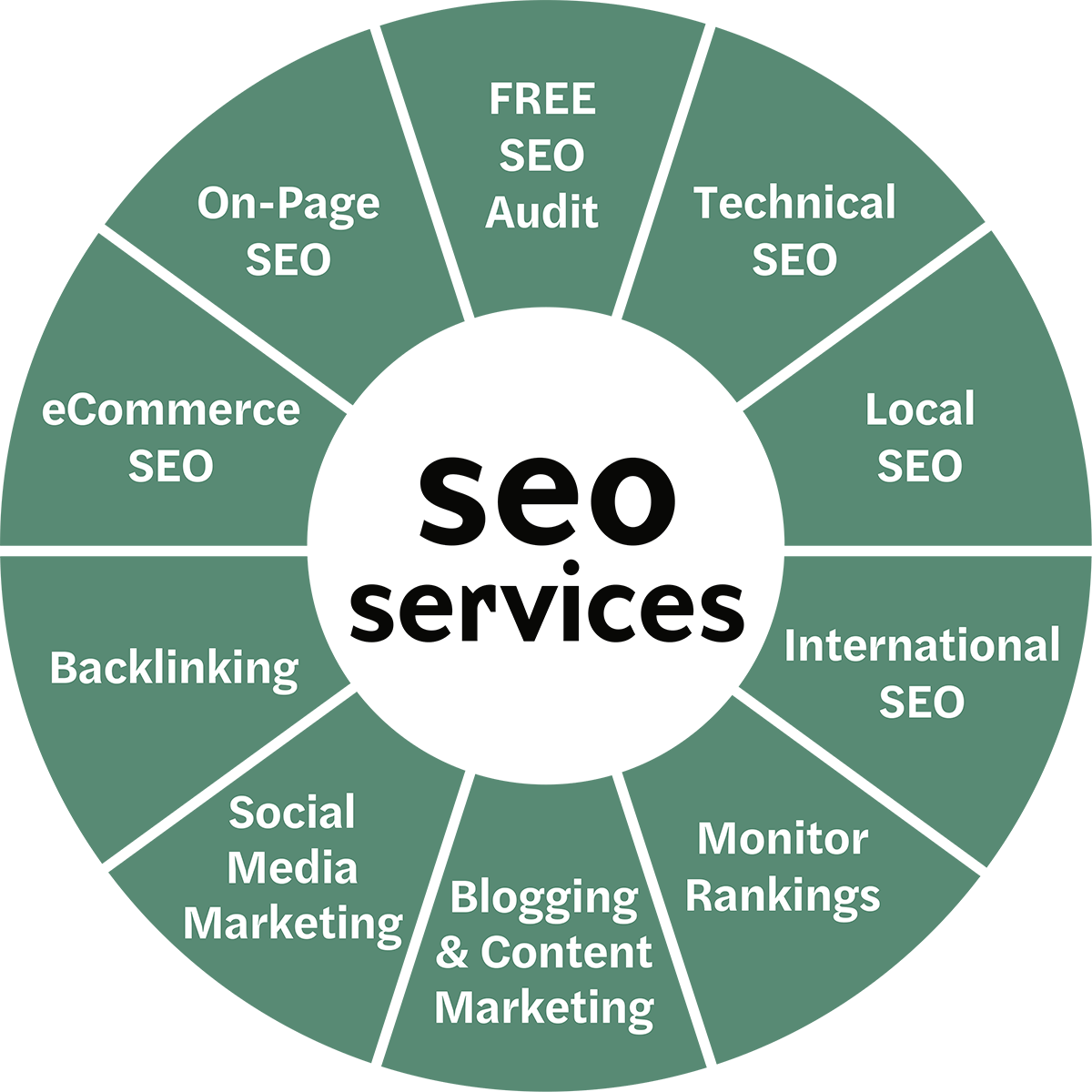
SEO (Search Engine Optimization) services are designed to improve a website’s visibility on search engine results pages. By optimising various elements of a website, such as keywords, meta tags, and backlinks, SEO services help businesses rank higher in search engine listings. This increased visibility not only drives organic traffic to the website but also enhances credibility and trust among users.

The Benefits of Combining Marketing and SEO Services

When marketing and SEO services work hand in hand, businesses can experience a range of benefits:

  • Increased Online Visibility: By implementing effective SEO strategies alongside marketing efforts, businesses can improve their online visibility and reach a wider audience.
  • Enhanced Brand Awareness: Consistent marketing campaigns coupled with strong SEO practices help build brand recognition among consumers.
  • Higher Website Traffic: Improved search engine rankings lead to increased organic traffic to the website, resulting in more potential leads and conversions.
  • Better User Experience: Optimising a website for both search engines and users through SEO services enhances the overall user experience, leading to higher engagement levels.

In Conclusion

In today’s competitive digital landscape, investing in marketing and SEO services is essential for businesses looking to stay ahead of the curve. By leveraging these powerful tools effectively, companies can boost their online presence, attract quality leads, and ultimately grow their business successfully.


8 Essential Tips for Enhancing Your Marketing and SEO Strategy

  1. 1. Conduct keyword research to identify relevant search terms for your target audience.
  2. 2. Optimise your website’s on-page elements, such as meta tags and headings, for better SEO performance.
  3. 3. Create high-quality and engaging content that is valuable to your audience and incorporates relevant keywords.
  4. 4. Utilise social media platforms to promote your services and engage with potential customers.
  5. 5. Build backlinks from reputable websites to improve your site’s authority and search engine rankings.
  6. 6. Regularly monitor and analyse your website’s performance using tools like Google Analytics to make data-driven decisions.
  7. 7. Stay updated on the latest SEO trends and algorithms to adapt your strategies accordingly.
  8. 8. Consider investing in paid advertising, such as Google Ads, to complement your organic SEO efforts.

1. Conduct keyword research to identify relevant search terms for your target audience.

Conducting thorough keyword research is a crucial step in any successful marketing and SEO strategy. By identifying the most relevant search terms for your target audience, you can tailor your content and website to align with what users are actively searching for online. Understanding the specific keywords that resonate with your audience not only helps improve your search engine rankings but also ensures that your content is reaching the right people at the right time. This targeted approach enhances user experience, drives organic traffic to your site, and ultimately boosts your online visibility and brand credibility.

2. Optimise your website’s on-page elements, such as meta tags and headings, for better SEO performance.

To enhance your website’s search engine optimisation (SEO) performance, it is crucial to optimise key on-page elements like meta tags and headings. By carefully crafting relevant meta tags and structuring headings with targeted keywords, you can improve your website’s visibility in search engine results. These on-page elements not only help search engines understand the content of your website better but also make it easier for users to find and navigate your site. Implementing these optimisation techniques can significantly boost your SEO efforts and drive more organic traffic to your website.

3. Create high-quality and engaging content that is valuable to your audience and incorporates relevant keywords.

Creating high-quality and engaging content that provides value to your target audience while incorporating relevant keywords is a fundamental tip for successful marketing and SEO services. By producing content that resonates with your audience’s needs and interests, you not only establish credibility and trust but also improve your website’s search engine visibility. Including strategic keywords in your content helps search engines understand the relevance of your pages to user queries, ultimately driving organic traffic to your site. This approach not only enhances user experience but also boosts your chances of ranking higher in search results, leading to increased brand exposure and potential conversions.

4. Utilise social media platforms to promote your services and engage with potential customers.

Utilising social media platforms to promote your services and engage with potential customers is a highly effective tip in the realm of marketing and SEO services. Social media provides a powerful avenue for businesses to connect with their target audience, share valuable content, and build relationships that can lead to increased brand awareness and customer loyalty. By leveraging the reach and engagement capabilities of platforms such as Facebook, Instagram, Twitter, and LinkedIn, businesses can not only showcase their offerings but also interact directly with customers, gather feedback, and drive traffic to their website. Incorporating social media into your marketing strategy can significantly enhance your online presence and help you establish a strong digital footprint in today’s competitive landscape.

Building backlinks from reputable websites is a crucial strategy to enhance your site’s authority and improve search engine rankings. When high-quality websites link back to your content, search engines view your site as more trustworthy and relevant, leading to a boost in organic traffic and visibility. By focusing on acquiring backlinks from authoritative sources within your industry, you can establish credibility, increase your site’s domain authority, and ultimately strengthen your online presence. This proactive approach to link building plays a significant role in driving long-term success for your digital marketing and SEO efforts.

6. Regularly monitor and analyse your website’s performance using tools like Google Analytics to make data-driven decisions.

Regularly monitoring and analysing your website’s performance using tools like Google Analytics is a crucial tip for effective marketing and SEO services. By leveraging data-driven insights, businesses can gain valuable information about their website traffic, user behaviour, and conversion rates. This allows them to make informed decisions, identify areas for improvement, and optimise their online strategies to maximise results. Monitoring performance metrics consistently helps businesses stay agile in the ever-evolving digital landscape, enabling them to adapt quickly and stay ahead of the competition.

To maximise the effectiveness of your marketing and SEO services, it is crucial to stay informed about the latest SEO trends and algorithms. By staying updated on industry developments, you can adapt your strategies accordingly to ensure that your online presence remains competitive and relevant. This proactive approach not only helps you stay ahead of the curve but also allows you to make informed decisions that drive better results for your business in the ever-evolving digital landscape.

8. Consider investing in paid advertising, such as Google Ads, to complement your organic SEO efforts.

Consider investing in paid advertising, such as Google Ads, to complement your organic SEO efforts. Paid advertising can be a strategic addition to your marketing mix, allowing you to target specific audiences, increase brand visibility, and drive immediate traffic to your website. By combining paid advertising with organic SEO strategies, you can maximise your online presence and reach a wider audience effectively. This integrated approach can help you achieve faster results and enhance the overall performance of your digital marketing campaigns.
ecommerce ppc agency

Unlocking Success: The Role of an Ecommerce PPC Agency in Driving Online Sales

The Power of Ecommerce PPC Agencies in Driving Online Sales

The Power of Ecommerce PPC Agencies in Driving Online Sales

In the competitive landscape of ecommerce, having a strong online presence is crucial for success. One effective way to boost your visibility and drive sales is through Pay-Per-Click (PPC) advertising. Ecommerce PPC agencies specialise in creating and managing targeted PPC campaigns that help businesses reach their target audience and generate valuable leads.

Why Choose an Ecommerce PPC Agency?

Running successful PPC campaigns requires expertise and knowledge of the digital advertising landscape. Ecommerce PPC agencies have the skills and experience to maximise your ROI by creating customised strategies tailored to your business goals.

These agencies conduct thorough keyword research, create compelling ad copy, and monitor campaign performance to ensure optimal results. By leveraging data-driven insights and industry best practices, ecommerce PPC agencies can help you achieve higher conversion rates and increase revenue.

The Benefits of Working with an Ecommerce PPC Agency

  • Targeted Advertising: Ecommerce PPC agencies can target specific demographics, locations, and interests to reach potential customers who are more likely to convert.
  • Improved Visibility: By appearing at the top of search engine results pages, your business gains increased visibility and attracts qualified traffic to your website.
  • Cost-Effective Solutions: With PPC advertising, you only pay when users click on your ads, making it a cost-effective way to drive traffic and generate leads.
  • Data-Driven Decisions: Ecommerce PPC agencies analyse campaign data in real-time to make informed decisions that optimise performance and deliver measurable results.

In Conclusion

Partnering with an ecommerce PPC agency can give your online business a competitive edge by enhancing brand awareness, increasing website traffic, and driving conversions. By entrusting your digital advertising efforts to experts in the field, you can focus on what you do best while reaping the benefits of a targeted and efficient marketing strategy.


Understanding Ecommerce PPC Agencies: Key FAQs Answered

  1. What is Amazon PPC agency?
  2. What is PPC ecommerce?
  3. How much do PPC consultants charge?
  4. What is a PPC agency?
  5. What is PPC in eCommerce?
  6. How much does an agency charge for PPC?
  7. What are PPC agencies?
  8. Is PPC good for ecommerce?

What is Amazon PPC agency?

An Amazon PPC agency is a specialised service provider that helps businesses advertise and promote their products on the Amazon platform through Pay-Per-Click (PPC) campaigns. These agencies have expertise in creating and managing targeted advertising strategies specifically for Amazon, aiming to increase product visibility, drive traffic, and boost sales for sellers on the e-commerce giant. By leveraging data-driven insights and industry best practices, an Amazon PPC agency can help businesses maximise their return on investment (ROI) and achieve their sales goals within the competitive marketplace of Amazon.

What is PPC ecommerce?

PPC ecommerce, or Pay-Per-Click ecommerce, refers to a digital advertising model where businesses pay a fee each time their ad is clicked by online users. In the context of ecommerce, PPC advertising is a strategic approach used by businesses to promote their products or services online and drive traffic to their websites. By bidding on relevant keywords and targeting specific audiences, businesses can display ads on search engine results pages and other online platforms to attract potential customers. PPC ecommerce allows businesses to reach their target audience effectively, increase brand visibility, and generate valuable leads that can lead to increased sales and revenue.

How much do PPC consultants charge?

When it comes to the cost of hiring PPC consultants for ecommerce campaigns, pricing can vary depending on several factors. PPC consultants typically charge based on the scope of work involved, the complexity of the campaign, and the level of expertise required. Some consultants may offer hourly rates, while others may provide package deals or performance-based pricing models. It’s important to discuss your specific needs and budget with potential consultants to get a clear understanding of their pricing structure and ensure that it aligns with your goals and expectations for your ecommerce PPC strategy.

What is a PPC agency?

A PPC agency, short for Pay-Per-Click agency, is a professional service provider that specialises in creating and managing online advertising campaigns for businesses. PPC advertising involves placing ads on digital platforms such as search engines and social media channels, and businesses pay a fee each time a user clicks on their ad. A PPC agency helps businesses maximise the effectiveness of their campaigns by conducting keyword research, crafting compelling ad copy, setting budgets, monitoring performance metrics, and making data-driven adjustments to optimise results. By partnering with a PPC agency, businesses can increase their online visibility, drive targeted traffic to their websites, and ultimately boost conversions and sales.

What is PPC in eCommerce?

In the realm of ecommerce, PPC (Pay-Per-Click) advertising plays a pivotal role in driving targeted traffic to online stores and generating sales. PPC in ecommerce refers to a digital marketing strategy where businesses pay a fee each time their ad is clicked by a potential customer. This form of online advertising allows ecommerce retailers to bid on relevant keywords that are likely to be used by their target audience when searching for products or services. By leveraging PPC campaigns, ecommerce businesses can increase their visibility on search engine results pages, attract qualified leads, and ultimately boost conversions. The effectiveness of PPC in ecommerce lies in its ability to deliver measurable results and provide a cost-effective way to reach potential customers at the right moment in their buying journey.

How much does an agency charge for PPC?

When it comes to the cost of PPC services provided by an agency, the pricing can vary depending on various factors such as the scope of the campaign, the competitiveness of the industry, and the specific goals of the client. Ecommerce PPC agencies typically offer different pricing models, including flat fees, percentage of ad spend, or performance-based pricing. It is essential for businesses to discuss their budget and objectives with the agency to determine a tailored pricing structure that aligns with their needs and ensures a successful PPC campaign that maximises return on investment.

What are PPC agencies?

PPC agencies, short for Pay-Per-Click agencies, are specialised firms that offer services to create and manage online advertising campaigns for businesses. These agencies focus on leveraging paid search platforms, such as Google Ads and Bing Ads, to drive targeted traffic to a company’s website. Through strategic keyword research, ad creation, and campaign optimisation, PPC agencies help businesses increase their online visibility, attract potential customers, and ultimately boost conversions. By utilising data-driven insights and industry expertise, PPC agencies play a vital role in maximising return on investment for businesses looking to enhance their digital marketing efforts.

Is PPC good for ecommerce?

Many businesses in the ecommerce industry often wonder, “Is PPC good for ecommerce?” The answer is a resounding yes. Pay-Per-Click (PPC) advertising is highly beneficial for ecommerce businesses looking to increase online visibility, drive targeted traffic to their websites, and boost sales. With PPC campaigns, businesses can target specific keywords related to their products or services, reach a relevant audience, and only pay when users click on their ads. This cost-effective advertising method allows ecommerce companies to track performance metrics, refine their strategies based on data insights, and achieve measurable results in terms of conversions and revenue generation. Overall, leveraging PPC for ecommerce can be a powerful tool in enhancing brand awareness, attracting potential customers, and ultimately growing online sales.

marketing online agency

Unlocking Success: The Role of an Online Marketing Agency in Your Business Growth

The Power of Online Marketing Agencies in Boosting Your Business

In today’s digital age, having a strong online presence is essential for the success of any business. With the vast competition in the online space, it can be challenging for companies to stand out and reach their target audience effectively. This is where online marketing agencies play a crucial role in helping businesses thrive and grow.

What is an Online Marketing Agency?

An online marketing agency is a professional team of experts who specialise in digital marketing strategies to promote businesses online. These agencies offer a wide range of services, including search engine optimisation (SEO), pay-per-click advertising (PPC), social media marketing, content creation, email marketing, and more. Their goal is to increase brand visibility, drive traffic to websites, generate leads, and ultimately boost sales for their clients.

The Benefits of Working with an Online Marketing Agency

Collaborating with an online marketing agency can provide numerous benefits for your business:

  • Expertise: Online marketing agencies have a team of professionals with expertise in various digital marketing techniques. They stay updated on the latest trends and best practices to ensure that your business receives top-notch services.
  • Customised Strategies: Every business is unique, and online marketing agencies understand this. They create customised strategies tailored to meet the specific goals and needs of each client.
  • Cost-Effective Solutions: Outsourcing your digital marketing efforts to an agency can be more cost-effective than hiring an in-house team. You save on recruitment costs, training expenses, and overheads while benefiting from the expertise of seasoned professionals.
  • Data-Driven Approach: Online marketing agencies rely on data analytics to measure the performance of campaigns accurately. They track key metrics and make data-driven decisions to optimise results and maximise ROI.

Choosing the Right Online Marketing Agency

When selecting an online marketing agency for your business, it’s essential to consider factors such as their experience, track record, client testimonials, range of services offered, communication style, and pricing structure. A reputable agency will work closely with you to understand your objectives and develop strategies that align with your brand identity.

By partnering with a trusted online marketing agency, you can unlock the full potential of your business in the digital landscape. Embrace the power of online marketing and watch your brand soar to new heights!


Top 10 Frequently Asked Questions About Online Marketing Agencies

  1. What are the big 5 marketing agencies?
  2. Who are the big 5 advertising agencies?
  3. What is a marketing agency do?
  4. What are the 4 types of online marketing?
  5. How much does an online marketing agency cost?
  6. What is an online marketing agency?
  7. What are the top 5 advertising agencies in the world?
  8. What is an online agency?
  9. Which agency is best for digital marketing?
  10. Which company is best for online marketing?

What are the big 5 marketing agencies?

When it comes to the big players in the marketing industry, the “Big 5” marketing agencies are often referred to as WPP, Omnicom Group, Publicis Groupe, Interpublic Group, and Dentsu. These global marketing conglomerates have a significant presence and influence in the advertising and communications sector, offering a wide range of services to clients worldwide. Each of these agencies has its unique strengths and capabilities, making them key players in shaping the landscape of modern marketing strategies and campaigns.

Who are the big 5 advertising agencies?

The “Big 5” advertising agencies, often referred to as the “Madison Avenue Big Five,” are WPP, Omnicom Group, Publicis Groupe, Interpublic Group of Companies (IPG), and Dentsu Group. These global advertising conglomerates have a significant presence in the industry and are known for their extensive portfolios of clients, innovative campaigns, and strategic marketing solutions. Each of these agencies has a rich history and a strong reputation for delivering top-notch advertising services across various media channels, making them key players in the world of marketing and advertising.

What is a marketing agency do?

A marketing agency plays a pivotal role in helping businesses navigate the complex world of digital marketing. From creating tailored strategies to executing targeted campaigns, a marketing agency is dedicated to promoting brands online effectively. These agencies utilise a range of tools and techniques, such as SEO, PPC, social media marketing, and content creation, to enhance brand visibility, drive traffic, generate leads, and ultimately boost sales for their clients. By leveraging their expertise and industry knowledge, marketing agencies act as strategic partners that guide businesses towards achieving their online marketing goals with precision and impact.

What are the 4 types of online marketing?

In the realm of online marketing, there are four main types of strategies that businesses commonly utilise to promote their products or services. These include search engine optimisation (SEO), which focuses on improving a website’s visibility in search engine results; pay-per-click advertising (PPC), where advertisers pay a fee each time their ad is clicked; social media marketing, which involves leveraging social platforms to engage with audiences and build brand awareness; and email marketing, a direct communication channel for reaching and nurturing leads. Each type plays a unique role in an overall digital marketing strategy, offering businesses diverse avenues to connect with their target audience and drive growth.

How much does an online marketing agency cost?

The cost of hiring an online marketing agency can vary depending on several factors, such as the scope of services required, the level of expertise needed, and the size of your business. Online marketing agencies typically offer a range of pricing models, including monthly retainers, project-based fees, or performance-based pricing. It’s essential to discuss your specific needs with potential agencies to receive accurate quotes tailored to your requirements. Investing in a reputable online marketing agency can yield significant returns for your business by enhancing brand visibility, driving traffic, and increasing conversions in the competitive digital landscape.

What is an online marketing agency?

An online marketing agency is a professional service provider that specialises in leveraging digital channels to promote businesses and reach their target audience effectively. These agencies offer a range of services, including search engine optimisation (SEO), pay-per-click advertising (PPC), social media marketing, content creation, email marketing, and more. By harnessing the power of online platforms, an online marketing agency helps businesses enhance their brand visibility, drive traffic to their websites, generate leads, and ultimately increase sales. With a team of experts well-versed in the latest digital marketing trends and strategies, an online marketing agency plays a vital role in helping businesses thrive in the competitive online landscape.

What are the top 5 advertising agencies in the world?

When it comes to the top advertising agencies in the world, several renowned firms stand out for their creativity, innovation, and impact on the industry. Some of the top names often mentioned in discussions about leading advertising agencies globally include Wieden+Kennedy, Ogilvy & Mather, BBDO Worldwide, DDB Worldwide, and TBWA\Worldwide. These agencies have a strong track record of producing memorable campaigns for global brands and setting new standards in the advertising world. Their creative prowess and strategic approach have earned them prestigious accolades and solidified their positions as industry leaders.

What is an online agency?

An online agency, also known as a digital marketing agency, is a professional firm that specialises in providing a range of digital marketing services to help businesses establish and enhance their online presence. These agencies leverage various online channels such as search engines, social media platforms, email marketing, and content creation to promote brands, drive website traffic, generate leads, and increase sales. With expertise in areas like search engine optimisation (SEO), pay-per-click advertising (PPC), and social media management, online agencies play a vital role in helping businesses navigate the complexities of the digital landscape and achieve their marketing goals effectively.

Which agency is best for digital marketing?

When it comes to choosing the best agency for digital marketing, there is no one-size-fits-all answer. The ideal agency for your business will depend on various factors such as your industry, target audience, budget, and specific marketing goals. It’s essential to research and compare different agencies, considering their expertise, track record, client testimonials, and range of services offered. Ultimately, the best agency for digital marketing is one that understands your unique needs and can provide customised strategies to help you achieve your objectives effectively.

Which company is best for online marketing?

When looking for the best online marketing company, it’s essential to consider various factors to determine the right fit for your business. The “best” company will vary depending on your specific needs, goals, budget, and industry. It’s recommended to research different agencies, read client reviews and case studies, evaluate their expertise in relevant digital marketing services, such as SEO, PPC, social media marketing, and content creation. Ultimately, the best online marketing company for you will be one that aligns with your objectives and values, communicates effectively, and delivers measurable results to help your business thrive in the competitive online landscape.

digital mkt

Unlocking Success: Navigating the Digital Marketing Landscape in the UK

The Power of Digital Marketing in Today’s Business Landscape

The Power of Digital Marketing in Today’s Business Landscape

In the digital age, where consumers are constantly connected through various online channels, the significance of digital marketing cannot be overstated. Digital marketing has revolutionised the way businesses reach and engage with their target audience, offering unparalleled opportunities for growth and success.

One of the key advantages of digital marketing is its ability to precisely target specific demographics and tailor messaging to individual preferences. Through tools such as social media advertising, email campaigns, and search engine optimisation (SEO), businesses can reach potential customers with relevant content at the right time.

Furthermore, digital marketing provides valuable insights into consumer behaviour and campaign performance through data analytics. By tracking key metrics such as website traffic, click-through rates, and conversion rates, businesses can refine their strategies for optimal results.

Another benefit of digital marketing is its cost-effectiveness compared to traditional forms of advertising. With digital channels, businesses can reach a wider audience at a fraction of the cost, making it accessible to companies of all sizes.

Moreover, digital marketing offers a level playing field for businesses to compete in the global marketplace. Small businesses can leverage digital platforms to showcase their products or services alongside industry giants, reaching audiences far beyond their local market.

As technology continues to evolve and consumer preferences shift towards online interactions, the importance of digital marketing will only continue to grow. Businesses that embrace digital strategies and adapt to changing trends will position themselves for long-term success in today’s competitive business landscape.

Whether you are a start-up looking to establish your online presence or an established company seeking to expand your reach, investing in digital marketing is essential for staying relevant and competitive in the modern business world.


Essential FAQs on Digital Marketing: Strategies, Importance, and Overcoming Challenges

  1. What is digital marketing and why is it important?
  2. What are the key components of a successful digital marketing strategy?
  3. How can social media platforms be leveraged for digital marketing purposes?
  4. What is search engine optimisation (SEO) and how does it impact digital marketing?
  5. How can businesses measure the effectiveness of their digital marketing campaigns?
  6. What are some common challenges faced by businesses in implementing digital marketing strategies?

What is digital marketing and why is it important?

Digital marketing encompasses all online activities aimed at promoting products or services through digital channels such as websites, social media, email, search engines, and more. Its importance lies in its ability to reach a vast audience in a targeted and cost-effective manner. In today’s digital age, where consumers are increasingly reliant on online platforms for information and purchases, digital marketing offers businesses the opportunity to connect with their target market, build brand awareness, drive traffic to their websites, generate leads, and ultimately increase sales. By leveraging the power of digital marketing strategies and tools, businesses can stay competitive in a constantly evolving marketplace and effectively engage with their customers in meaningful ways.

What are the key components of a successful digital marketing strategy?

When considering the key components of a successful digital marketing strategy, several crucial elements come into play. Firstly, a well-defined target audience is essential to tailor messaging and content that resonates with potential customers. Effective use of various digital channels such as social media, email marketing, search engine optimisation (SEO), and pay-per-click (PPC) advertising is vital for reaching and engaging with the target audience. Additionally, compelling and relevant content that provides value to the audience is crucial for building brand credibility and trust. Regular monitoring and analysis of key performance indicators (KPIs) allow for continuous optimisation of the strategy to ensure maximum effectiveness and return on investment. An integrated approach that aligns all these components cohesively is fundamental to driving success in the dynamic landscape of digital marketing.

How can social media platforms be leveraged for digital marketing purposes?

Social media platforms offer a powerful avenue for businesses to enhance their digital marketing efforts. By leveraging social media channels effectively, businesses can engage with their target audience in real-time, build brand awareness, drive website traffic, and generate leads. Through strategic content creation, targeted advertising campaigns, and community engagement, businesses can cultivate a loyal following and establish a strong online presence. Social media platforms also provide valuable data insights that can inform marketing strategies and help businesses tailor their messaging to resonate with their audience. Overall, utilising social media for digital marketing purposes can yield significant benefits in terms of brand visibility, customer engagement, and ultimately, business growth.

What is search engine optimisation (SEO) and how does it impact digital marketing?

Search Engine Optimisation (SEO) is a fundamental aspect of digital marketing that focuses on improving a website’s visibility and ranking in search engine results pages. By optimising various elements such as keywords, meta tags, and content quality, SEO aims to enhance a website’s relevance and authority in the eyes of search engines like Google. The impact of SEO on digital marketing is significant, as it directly influences organic traffic, website credibility, and overall online presence. A well-executed SEO strategy can drive targeted traffic to a website, increase brand visibility, and ultimately lead to higher conversion rates and business growth. In today’s competitive online landscape, understanding and implementing effective SEO practices are essential for businesses looking to succeed in digital marketing.

How can businesses measure the effectiveness of their digital marketing campaigns?

In the realm of digital marketing, a frequently asked question revolves around how businesses can measure the effectiveness of their digital marketing campaigns. To gauge the success of their efforts, businesses can employ various metrics and tools such as website analytics, click-through rates, conversion rates, social media engagement, and return on investment (ROI) analysis. By tracking these key performance indicators, businesses can assess the impact of their digital marketing initiatives, identify areas for improvement, and make data-driven decisions to optimise their strategies for maximum effectiveness and success in reaching their target audience.

What are some common challenges faced by businesses in implementing digital marketing strategies?

Implementing digital marketing strategies can present various challenges for businesses. One common hurdle is the rapid pace of technological advancements, which requires companies to stay updated with the latest trends and tools to remain competitive. Additionally, navigating the vast and ever-changing digital landscape can be overwhelming, making it challenging for businesses to identify the most effective channels and tactics for reaching their target audience. Budget constraints and resource limitations also pose significant challenges, as investing in digital marketing initiatives often requires a balance between cost-effectiveness and desired outcomes. Overcoming these challenges demands strategic planning, continuous learning, and adaptability to ensure successful implementation of digital marketing strategies in today’s dynamic business environment.

Unlocking the True Digital Marketing Meaning: Strategies for Success

The Meaning of Digital Marketing

The Meaning of Digital Marketing

Digital marketing is a dynamic and ever-evolving field that encompasses all online marketing efforts to promote products or services using digital channels. In today’s digital age, businesses leverage various digital technologies and platforms to connect with their target audience in a strategic and impactful way.

Key Components of Digital Marketing

There are several key components that make up digital marketing:

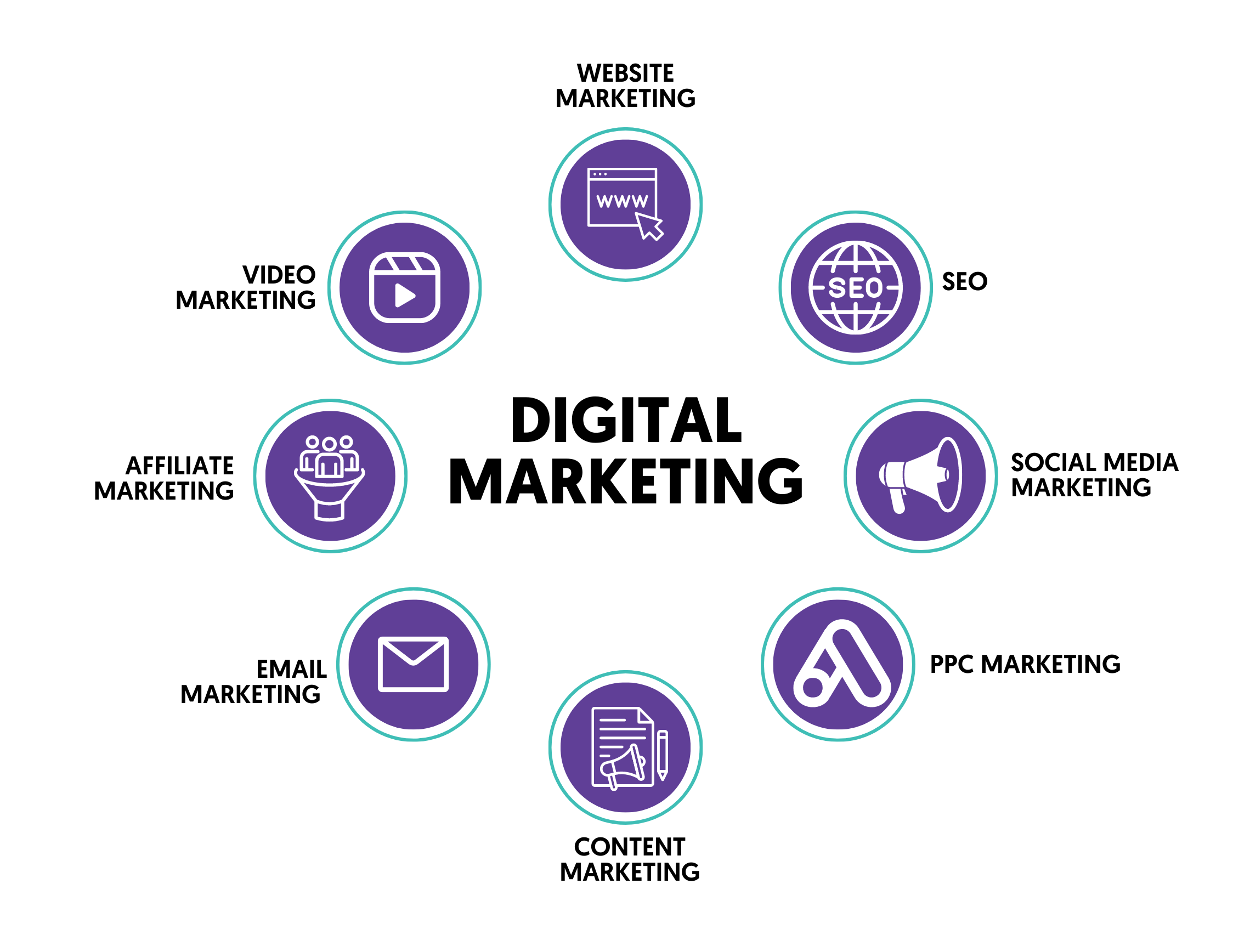
  • Search Engine Optimization (SEO): SEO involves optimizing your website to improve its visibility in search engine results pages, driving organic traffic.
  • Content Marketing: Content marketing focuses on creating and distributing valuable, relevant content to attract and engage a specific audience.
  • Social Media Marketing: Social media marketing involves promoting your brand and content on social media platforms to increase brand awareness and drive traffic.
  • Email Marketing: Email marketing involves sending targeted emails to prospects and customers to nurture leads and build customer relationships.
  • Pay-Per-Click (PPC) Advertising: PPC advertising allows businesses to place ads on search engines or websites and pay a fee each time the ad is clicked.

The Importance of Digital Marketing

In today’s highly competitive business landscape, digital marketing plays a crucial role in reaching and engaging target audiences effectively. It offers businesses the opportunity to connect with customers in real-time, track performance metrics accurately, and adjust strategies based on data-driven insights.

The Future of Digital Marketing

As technology continues to advance rapidly, the future of digital marketing holds exciting possibilities. Artificial intelligence, machine learning, augmented reality, and other emerging technologies will further revolutionize how businesses interact with consumers online. Staying ahead of these trends will be essential for businesses looking to stay competitive in the digital marketplace.

In conclusion, digital marketing is more than just a buzzword—it is a powerful tool that can help businesses thrive in the digital age by reaching the right audience with the right message at the right time.


Understanding Digital Marketing: Key Roles, Concepts, and Examples Explained

  1. What does a job in digital marketing do?
  2. What does a digital marketer do?
  3. Why is it called digital marketing?
  4. What is digital marketing in easy words?
  5. What is digital marketing example?
  6. What are the 5 key of digital marketing?
  7. What is meant by digital marketing?

What does a job in digital marketing do?

A job in digital marketing involves developing and implementing online strategies to promote products or services, increase brand awareness, and engage with target audiences through various digital channels. Professionals in this field utilise a range of digital marketing techniques such as SEO, content marketing, social media management, email campaigns, and online advertising to drive traffic, generate leads, and ultimately boost conversions for businesses. They analyse data and metrics to measure the effectiveness of campaigns, identify trends, and make informed decisions to optimise marketing efforts. A career in digital marketing requires creativity, analytical skills, adaptability to changing trends, and a deep understanding of consumer behaviour in the online space.

What does a digital marketer do?

A digital marketer is responsible for developing and implementing online marketing strategies to promote products or services through various digital channels. Their role involves creating engaging content, managing social media platforms, executing email campaigns, analysing data to track performance, and optimising digital advertising efforts. Digital marketers work to enhance brand visibility, drive website traffic, generate leads, and ultimately increase conversions. They stay up-to-date with the latest trends in digital technology and consumer behaviour to ensure their marketing efforts are effective and aligned with the overall business goals.

Why is it called digital marketing?

Digital marketing is named as such because it refers to the use of digital technologies and channels to promote products or services to consumers. Unlike traditional marketing methods that rely on physical materials and offline interactions, digital marketing harnesses the power of the internet, mobile devices, social media platforms, and other digital mediums to reach target audiences. The term “digital” highlights the shift towards online strategies and tactics in response to the increasing importance of digital platforms in today’s interconnected world. By leveraging these digital tools, businesses can connect with their audience in a more targeted, measurable, and cost-effective manner, driving engagement and conversions in the digital realm.

What is digital marketing in easy words?

Digital marketing, in simple terms, refers to the use of online channels and platforms to promote products or services. It involves various strategies such as search engine optimization (SEO), social media marketing, email campaigns, and pay-per-click advertising to reach and engage target audiences. Essentially, digital marketing leverages the power of the internet to connect businesses with potential customers in a more targeted and measurable way compared to traditional marketing methods.

What is digital marketing example?

Digital marketing encompasses a wide range of strategies and tactics used by businesses to promote their products or services online. An example of digital marketing could be a company running a targeted Facebook advertising campaign to reach a specific demographic group interested in their products. By creating engaging ad content and leveraging Facebook’s targeting capabilities, the company can effectively connect with potential customers, drive traffic to their website, and ultimately increase sales. This example demonstrates how digital marketing utilises online platforms to engage with audiences in a more personalised and measurable way compared to traditional marketing methods.

What are the 5 key of digital marketing?

In the realm of digital marketing, understanding the five key components is essential for crafting successful online strategies. These components include Search Engine Optimization (SEO), Content Marketing, Social Media Marketing, Email Marketing, and Pay-Per-Click (PPC) Advertising. SEO focuses on improving website visibility in search engine results, while content marketing aims to engage audiences with valuable content. Social media marketing leverages platforms to boost brand awareness, email marketing nurtures customer relationships through targeted campaigns, and PPC advertising enables businesses to drive traffic through paid ads. Mastering these five pillars of digital marketing is crucial for businesses looking to thrive in the digital landscape and connect effectively with their target audience.

What is meant by digital marketing?

Digital marketing refers to the practice of promoting products or services using various online channels and digital technologies. It encompasses a wide range of strategies and tactics aimed at reaching and engaging target audiences through platforms such as search engines, social media, email, and websites. In essence, digital marketing leverages the power of the internet to connect businesses with their customers in a more personalised and interactive manner. By utilising tools like SEO, content marketing, social media advertising, and email campaigns, businesses can enhance their online presence, drive traffic to their websites, and ultimately generate leads and conversions.

online marketing strategy

Unlocking Success: The Power of an Effective Online Marketing Strategy

Article: Online Marketing Strategy

The Importance of an Effective Online Marketing Strategy

In today’s digital age, having a strong online presence is crucial for the success of any business. An effective online marketing strategy plays a key role in reaching and engaging with your target audience, driving traffic to your website, and ultimately converting leads into customers.

Understanding Your Audience

The first step in developing an online marketing strategy is to understand your target audience. By identifying their needs, preferences, and online behaviour, you can tailor your marketing efforts to resonate with them effectively. This could involve creating targeted content, running social media campaigns, or using email marketing to reach out to potential customers.

Utilising Multiple Channels

Diversifying your online marketing channels can help maximise your reach and impact. From search engine optimisation (SEO) to pay-per-click (PPC) advertising, social media marketing, and email campaigns, each channel offers unique opportunities to connect with your audience at different stages of their buyer’s journey.

Consistent Branding and Messaging

Consistency is key when it comes to branding and messaging across all your online marketing efforts. By maintaining a cohesive brand identity and delivering a consistent message across different channels, you can build trust with your audience and establish a strong brand presence in the digital space.

Measuring Success and Iterating

An essential aspect of any online marketing strategy is tracking and analysing the performance of your campaigns. By monitoring key metrics such as website traffic, conversion rates, click-through rates, and engagement levels, you can gain valuable insights into what works best for your business. Use this data to refine your strategies continuously and improve the effectiveness of your online marketing efforts.

Conclusion

In conclusion, developing an effective online marketing strategy is essential for businesses looking to thrive in the digital landscape. By understanding your audience, utilising multiple channels, maintaining consistent branding and messaging, and measuring success iteratively, you can create impactful campaigns that drive results and help you achieve your business goals.


Top 5 Tips for Crafting an Effective Online Marketing Strategy

  1. Understand your target audience and their online behaviour.
  2. Create a strong online presence through website and social media channels.
  3. Utilize SEO techniques to improve visibility in search engine results.
  4. Engage with your audience through content marketing and email campaigns.
  5. Monitor and analyse data to track the effectiveness of your online marketing efforts.

Understand your target audience and their online behaviour.

To create a successful online marketing strategy, it is essential to understand your target audience and their online behaviour. By gaining insights into the preferences, needs, and habits of your audience, you can tailor your marketing efforts to effectively engage with them. This understanding allows you to create targeted content, personalised campaigns, and strategic messaging that resonates with your audience, ultimately leading to higher engagement and conversion rates.

Create a strong online presence through website and social media channels.

To establish a robust online presence and effectively engage with your target audience, it is crucial to focus on creating a strong presence across both your website and social media channels. Your website serves as the digital storefront for your business, offering valuable information about your products or services. Meanwhile, social media platforms provide an interactive space to connect with customers, share relevant content, and build relationships. By strategically leveraging both platforms, you can enhance brand visibility, drive traffic to your website, and cultivate a loyal online community that actively engages with your brand.

Utilize SEO techniques to improve visibility in search engine results.

To enhance your online visibility and attract organic traffic to your website, it is crucial to incorporate SEO techniques into your online marketing strategy. By optimising your website for search engines, such as creating relevant content, using appropriate keywords, and improving site structure, you can increase your chances of appearing higher in search engine results pages. This not only boosts your visibility but also helps drive quality traffic to your site, ultimately leading to improved brand awareness and potential customer conversions.

Engage with your audience through content marketing and email campaigns.

To enhance your online marketing strategy, it is crucial to actively engage with your audience through content marketing and email campaigns. By creating valuable and relevant content that resonates with your target audience, you can establish a connection and build trust with them. Additionally, utilising email campaigns allows you to deliver personalised messages directly to your subscribers, keeping them informed about your products or services and nurturing relationships over time. This approach not only helps in driving engagement but also in converting leads into loyal customers who are more likely to advocate for your brand.

Monitor and analyse data to track the effectiveness of your online marketing efforts.

Monitoring and analysing data is a fundamental tip in developing a successful online marketing strategy. By tracking key metrics such as website traffic, conversion rates, click-through rates, and engagement levels, businesses can gain valuable insights into the effectiveness of their digital campaigns. This data-driven approach allows companies to identify what is working well and what areas need improvement, enabling them to make informed decisions to optimise their online marketing efforts for better results and return on investment.