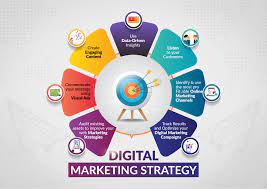
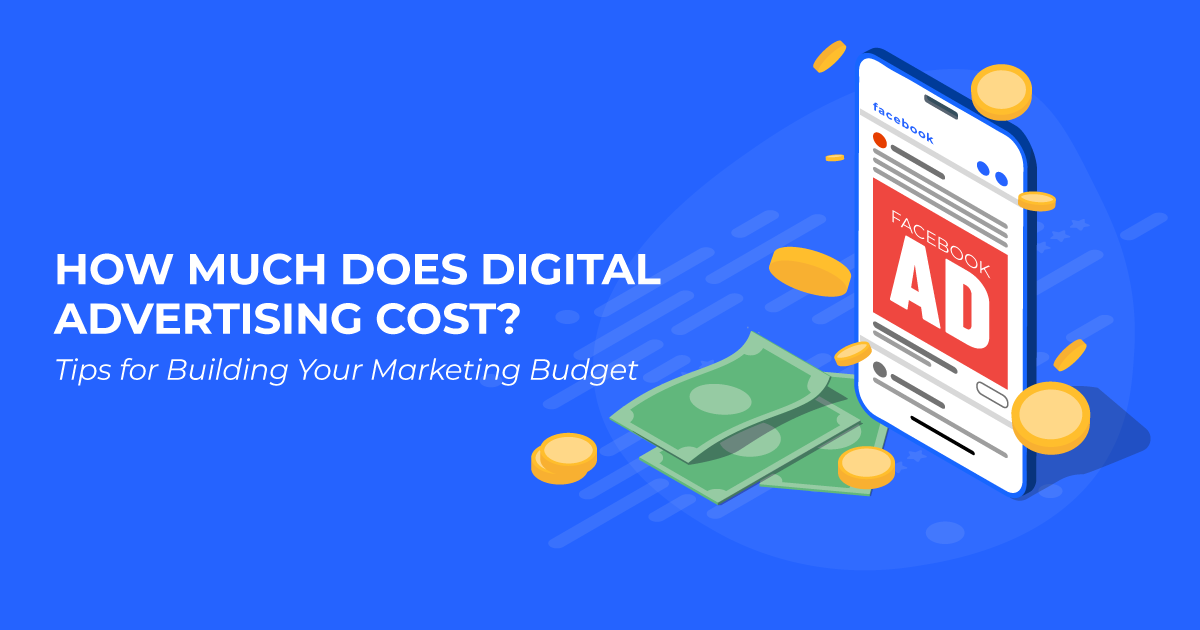
online advertising costs

Online Advertising Costs: A Practical Guide to Budgeting for Your Campaigns

Online Advertising Costs: What Should You Budget?

Online advertising can help businesses reach new customers, generate enquiries and increase sales. But there is no single price for an online campaign. Costs vary according to the platform, audience, competition, campaign objectives and the way the advertising is managed.

Understanding how online advertising is charged can help you set a sensible budget, compare options and judge whether your campaigns are delivering value.

How online advertising is priced

Most digital advertising platforms offer several pricing models. The right one depends on what you want people to do after seeing an advert.

  • Cost per click (CPC): You pay when someone clicks on your advert. This is common in search advertising and can suit campaigns focused on website visits or enquiries.
  • Cost per thousand impressions (CPM): You pay for every thousand times an advert is shown. CPM is often used to build awareness and reach a particular audience.
  • Cost per acquisition (CPA): You measure spend against a completed action, such as a purchase, booking or enquiry. The platform may optimise towards that action, but the actual cost depends on campaign performance.
  • Cost per view (CPV): Video platforms may charge when someone watches a video for a set period or interacts with it.

These terms describe ways of buying or measuring advertising. They do not guarantee a particular result. A low cost per click, for example, is not necessarily good value if those clicks do not lead to useful outcomes.

What affects the cost?

Competition

Advertisers often compete to reach the same people. Popular search terms, locations and audience groups can attract higher prices, particularly in competitive industries such as finance, property and legal services.

Your audience and location

The size and specificity of your target audience can affect costs. Reaching people in a small area or targeting a narrow set of interests may reduce the available audience, while broad campaigns can generate more reach but may include people who are less likely to become customers.

Campaign objective and format

A campaign designed to generate purchases may need different creative, targeting and tracking from one intended to introduce a new brand to potential customers. Search adverts, display banners, social media adverts and video campaigns also have different pricing and production requirements.

Ad quality and relevance

Platforms consider factors such as how relevant an advert is to its audience and the experience offered by the landing page. Strong, clear adverts and useful landing pages can support better performance. They cannot remove competition, but they can help make a budget work harder.

Seasonality

Advertising prices and audience behaviour can change throughout the year. Demand may rise around seasonal events, holidays or key shopping periods. It is worth allowing for these variations when planning a campaign.

Budgeting for an online campaign

There is no universal minimum budget that suits every business. A useful starting point is to decide what the campaign needs to achieve, how many potential customers you want to reach and what a valuable outcome is worth to your business.

Set a test budget that is large enough to gather meaningful information, but small enough to manage the risk. Allow time to test different adverts, audiences and landing pages. Once you know which combinations are working, you can make informed decisions about whether to increase, adjust or pause your spend.

It is also important to distinguish between media spend and the other costs involved in running a campaign. Your total budget may include:

  • Advertising spend paid to platforms such as Google, Meta or LinkedIn
  • Campaign planning and management
  • Copywriting, design, photography or video production
  • Website or landing-page work
  • Analytics, tracking and reporting

If you work with an agency or freelancer, check how their fees are structured. They may charge a fixed fee, an hourly rate, a percentage of advertising spend or a combination. Ask what is included and whether platform spend is billed separately. In the UK, also check whether prices are quoted inclusive or exclusive of VAT.

How to assess whether advertising is worth the cost

Measure campaigns against outcomes that matter to your business, not just clicks or impressions. Depending on your objective, useful measures might include:

  • Cost per qualified enquiry
  • Cost per sale or booking
  • Conversion rate
  • Revenue generated compared with advertising spend
  • New customers acquired and their longer-term value

Accurate measurement depends on setting up conversion tracking properly. Make sure you know which actions are being counted, how calls or offline sales are recorded, and whether the figures include repeat customers. Results can also take time to assess, especially for businesses with longer sales cycles.

Ways to make your budget go further

  • Be specific about your objective: Choose a clear goal before selecting a platform or campaign format.
  • Target thoughtfully: Focus on relevant locations, audiences and search terms, then refine based on results.
  • Improve the landing page: Make it easy for visitors to understand your offer and take the next step.
  • Test one change at a time: Comparing adverts or audiences systematically makes results easier to interpret.
  • Review performance regularly: Use reliable data to adjust spend rather than making decisions based on impressions alone.
  • Allow for creative costs: Effective advertising relies on good messaging and suitable images or video, not just media spend.

The bottom line

Online advertising costs depend on your market, your goals and the way your campaigns are planned and managed. The most useful budget is not necessarily the largest one; it is a budget tied to clear objectives, measured against meaningful results and adjusted as you learn.

Before launching a campaign, work out what you can afford, clarify all fees and decide how success will be measured. That gives you a stronger basis for comparing channels and investing with confidence.


Eight Advantages of Cost-Effective Online Advertising for Businesses

  1. Flexible budgets suit businesses of different sizes.
  2. You can control daily or monthly spend.
  3. Costs are measurable in real time.
  4. Campaigns can be adjusted quickly.
  5. Targeting helps reduce wasted spend.
  6. You can test adverts before scaling up.
  7. Clear metrics help assess return on investment.
  8. Different pricing models suit different goals.


Challenges of Online Advertising: Rising Costs, Uncertain Results, and Additional Fees

  1. Costs can rise quickly in competitive markets.
  2. Results are not guaranteed, even with a sizeable budget.
  3. Creative, management and tracking fees can add to media spend.

Flexible budgets suit businesses of different sizes.

Online advertising offers flexible budgets, making it accessible to businesses of all sizes. You can start with a modest amount, set daily or campaign spending limits, and adjust your budget as results come in. This lets small businesses test what works without committing to a large upfront spend, while larger organisations can scale successful campaigns to reach more people.

You can control daily or monthly spend.

A key advantage of online advertising is the control it gives you over your budget. You can set a daily or monthly spending limit to suit your business, then adjust it as your needs change. This makes it easier to manage costs, test different campaigns and avoid spending more than planned.

Costs are measurable in real time.

One of the key advantages of online advertising costs is that they can be measured in real time. You can monitor spend, clicks, impressions and conversions as a campaign runs, making it easier to see what is working and where your budget is going. If an advert is underperforming, you can adjust the targeting, creative or spend promptly, helping you make informed decisions and get more value from your budget.

Campaigns can be adjusted quickly.

One of the key advantages of online advertising is that campaigns can be adjusted quickly. If an advert is not reaching the right audience or delivering the results you want, you can change its budget, targeting, message or creative without waiting for a new print run or media booking. This flexibility makes it easier to respond to performance and market changes, test different approaches and focus your spend on what works best.

Targeting helps reduce wasted spend.

One of the key advantages of online advertising is the ability to target specific audiences. By focusing your budget on people most likely to be interested in your products or services—based on factors such as location, interests, search behaviour or demographics—you can avoid paying to reach as many irrelevant users. This can reduce wasted spend and help make each advertising pound work harder.

You can test adverts before scaling up.

One of the advantages of online advertising is that you can test adverts on a small budget before committing more money. Try different headlines, images, audiences or offers, then compare the results to see what attracts the right customers. Once you’ve identified what works, you can scale up with greater confidence, while pausing or refining adverts that aren’t delivering value.

Clear metrics help assess return on investment.

Clear metrics make it easier to assess the return on investment from online advertising. By tracking measures such as clicks, enquiries, sales and cost per conversion, businesses can see which campaigns are delivering value and where their budget is being spent effectively. This insight helps them refine their adverts, adjust spending and focus on the channels that contribute most to their goals.

Different pricing models suit different goals.

One of the advantages of online advertising is the choice of pricing models, allowing businesses to match spend to their goals. For example, cost-per-click can suit campaigns focused on website visits, while cost-per-thousand-impressions can help build brand awareness. If the priority is generating leads or sales, measuring cost per acquisition can make it easier to assess how much each result costs. Choosing the right model helps businesses plan campaigns around the outcomes that matter to them.

Costs can rise quickly in competitive markets.

In competitive markets, online advertising costs can rise quickly as businesses bid against one another for the same keywords, audiences and placements. This can push up the price of each click or impression, making it harder to stay within budget—particularly for smaller businesses. Regularly reviewing campaign performance, refining targeting and setting clear spending limits can help keep costs under control.

Results are not guaranteed, even with a sizeable budget.

A sizeable advertising budget does not guarantee results. Campaign performance depends on factors such as audience demand, competition, the quality of your adverts and landing pages, and how well the campaign is managed. You may spend a significant amount without generating the expected number of clicks, enquiries or sales, so it is important to set realistic expectations, monitor performance and adjust your approach as you learn.

Creative, management and tracking fees can add to media spend.

The cost of an online advertising campaign can be higher than the media spend alone. Creating effective adverts may involve copywriting, design, photography or video production, while campaign management and performance tracking can bring further fees. These additional costs should be included in your budget from the outset, so you have a realistic picture of the total investment and can judge whether the campaign is delivering value.
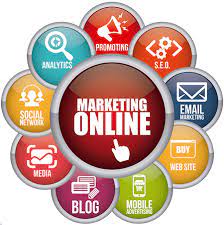
online marketing solutions

Online Marketing Solutions: A Practical Guide to Growing Your Business

Online Marketing Solutions: A Practical Guide to Growing Your Business

Online marketing helps businesses reach potential customers, build brand awareness and encourage sales through digital channels. From search engines and social media to email and paid advertising, there are many ways to connect with an audience. The best approach is not to use every channel at once, but to choose the right mix for your goals, customers and budget.

What are online marketing solutions?

Online marketing solutions are the strategies, services and tools businesses use to promote their products or services on the internet. They can include planning a digital strategy, creating content, improving a website, running advertising campaigns and measuring results.

Some businesses manage these activities in-house, while others work with a digital marketing agency or specialist. In either case, effective marketing starts with a clear understanding of who you want to reach and what you want them to do.

Key online marketing channels

Search engine optimisation

Search engine optimisation (SEO) helps improve a website’s visibility in unpaid search results. It can involve researching relevant search terms, creating useful content, improving page structure and making sure a website works well on mobile devices. SEO takes time, but can help attract people who are actively looking for information, products or services.

Pay-per-click advertising

Pay-per-click (PPC) advertising places paid adverts on search engines and other platforms. Businesses typically pay when someone clicks an advert. PPC can bring visitors to a website quickly and allows campaigns to be targeted by factors such as location, interests or search terms. Setting a clear budget and regularly reviewing performance helps keep campaigns focused.

Social media marketing

Social media gives businesses a way to share updates, showcase their work and communicate with customers. The most suitable platforms depend on the audience and the type of business. A consistent schedule, engaging content and genuine interaction are often more effective than simply posting frequently.

Content marketing

Content marketing involves creating and sharing useful material, such as articles, guides, videos or case studies. Good content can answer customer questions, demonstrate expertise and support other marketing activity. It should be created for a clear audience and offer genuine value rather than simply promoting a product.

Email marketing

Email marketing enables businesses to keep in touch with people who have chosen to hear from them. Newsletters, product updates and tailored offers can help build lasting customer relationships. Emails should be relevant, easy to read and sent in line with applicable privacy and marketing rules.

How to choose the right solution

Start by setting specific objectives. These might include increasing enquiries, growing online sales, raising awareness in a particular area or encouraging existing customers to return. Then consider your audience, available budget, internal skills and the time you can commit.

It is also important to understand how different channels work together. For example, an informative article may help attract visitors through search, while social media can help distribute it and email can share it with existing contacts. A joined-up plan makes it easier to deliver a consistent message.

Measure what matters

Tracking results helps show whether your marketing is working and where improvements may be needed. Useful measures could include relevant website visits, enquiries, sales, email sign-ups or the cost of acquiring a customer. The right measures depend on your objectives, so avoid focusing on numbers that do not connect to business outcomes.

Review performance regularly, test changes and use the findings to refine your approach. Online marketing is rarely a one-off task; customer behaviour, platforms and competition can all change over time.

Build a sustainable online marketing plan

Successful online marketing is built on a clear strategy, useful content and ongoing measurement. By choosing channels that suit your audience, setting realistic goals and improving your activity over time, your business can make better use of its digital presence and create stronger connections with customers.


Maximise Your Business Potential: 8 Advantages of Online Marketing Solutions

  1. Reach a wider audience online.
  2. Target customers by location and interests.
  3. Track campaign performance in real time.
  4. Adjust budgets to suit your business.
  5. Build brand awareness across digital channels.
  6. Generate leads and sales around the clock.
  7. Connect with customers through engaging content.
  8. Refine campaigns using measurable results.


Challenges of Online Marketing Solutions: Cost, Time, Competition, and Maintenance

  1. Can be costly to maintain.
  2. Results may take time.
  3. Competition is often intense.
  4. Requires regular monitoring.

Reach a wider audience online.

Online marketing solutions can help your business reach a wider audience than traditional methods alone. With a website, search engines, social media and digital advertising, you can connect with potential customers across the UK and beyond—not just people in your local area. You can also tailor your message to specific audiences, helping your business appear in front of people who are more likely to be interested in what you offer.

Target customers by location and interests.

Online marketing solutions make it possible to target customers by location and interests, helping businesses reach people who are more likely to be interested in their products or services. Campaigns can focus on a particular town, region or service area, while audience settings can reflect relevant interests and preferences. This helps make marketing more relevant, use budgets efficiently and connect with potential customers at the right time.

Track campaign performance in real time.

A key advantage of online marketing solutions is the ability to track campaign performance in real time. Businesses can monitor activity such as website visits, advert clicks, enquiries and sales as it happens, making it easier to see what is working and where improvements may be needed. This timely insight allows campaigns, budgets and messages to be adjusted quickly, helping businesses make informed decisions and use their marketing spend more effectively.

Adjust budgets to suit your business.

Online marketing solutions make it easier to adjust your budget to suit your business. You can start with a modest spend, focus on the channels most likely to reach your audience and increase investment as you see what works. Campaign budgets can also be reviewed and changed as your priorities, cash flow or business needs shift, helping you stay in control of your marketing costs.

Build brand awareness across digital channels.

Online marketing solutions can help your business build brand awareness across digital channels, from search engines and social media to email and online advertising. By sharing a consistent message and useful content where your audience spends time, you can make your brand more familiar, strengthen recognition and stay visible to potential customers as they research their options.

Generate leads and sales around the clock.

Online marketing solutions can help your business generate leads and sales around the clock. Your website, online shop and digital campaigns can reach potential customers even when your team is offline, making it easier for people to discover your services, explore your products and enquire or buy at a time that suits them.

Connect with customers through engaging content.

Online marketing solutions help businesses connect with customers through engaging, useful content that speaks to their interests and needs. Whether it’s an informative article, a helpful video or a social media post, relevant content can encourage people to interact with your brand, build trust and keep your business in mind when they’re ready to make a decision.

Refine campaigns using measurable results.

A key advantage of online marketing is the ability to refine campaigns using measurable results. Businesses can track performance indicators such as website visits, enquiries, sales and advertising costs to see what is working and where changes may be needed. By using this insight to adjust targeting, messaging and budgets, they can make more informed decisions and focus their efforts on the approaches that deliver the greatest value.

Can be costly to maintain.

Online marketing solutions can be costly to maintain, particularly when they involve ongoing advertising spend, specialist support, content creation and regular website updates. Costs may also rise as a business expands its campaigns or adopts new tools. Setting a realistic budget, reviewing performance regularly and focusing investment on the channels that deliver the most value can help keep spending under control.

Results may take time.

One drawback of online marketing is that results may take time. Strategies such as search engine optimisation and content marketing often need consistent effort before they improve visibility, attract visitors or generate enquiries. This means businesses may need patience and ongoing investment, rather than expecting immediate returns. Setting realistic expectations and tracking progress over time can help show whether the approach is moving in the right direction.

Competition is often intense.

One drawback of online marketing is the intense competition for people’s attention. Businesses often target the same audiences across search engines, social media and other digital channels, which can make it harder to stand out. This may drive up advertising costs and mean that gaining visibility takes sustained effort, strong content and a clear point of difference.

Requires regular monitoring.

Online marketing solutions require regular monitoring to remain effective. Campaign performance, customer behaviour and platform algorithms can change, so businesses need to review results, update content and adjust budgets or targeting. This takes time and ongoing attention, and without it, marketing activity may become less effective or spend money without delivering the desired results.

seo sem marketing

Unlocking the Potential: SEO and SEM Strategies for Effective Marketing

The Power of SEO and SEM Marketing

The Power of SEO and SEM Marketing

In the digital age, having a strong online presence is crucial for businesses looking to reach their target audience and drive growth. Search Engine Optimization (SEO) and Search Engine Marketing (SEM) are two powerful tools that can help businesses improve their visibility and attract more customers.

Search Engine Optimization (SEO)

SEO is the process of optimizing your website to rank higher in search engine results pages organically. By using relevant keywords, creating high-quality content, and improving website performance, businesses can increase their chances of appearing at the top of search engine results for relevant queries. This not only drives more traffic to their website but also enhances brand credibility and trust among users.

Search Engine Marketing (SEM)

SEM involves paid advertising efforts to promote a website’s visibility in search engine results pages. Through tools like Google Ads, businesses can create targeted ads that appear at the top of search results for specific keywords. SEM allows businesses to reach a wider audience quickly and generate immediate traffic to their websites. By carefully managing ad campaigns and monitoring performance metrics, businesses can maximise their return on investment through SEM.

The Benefits of SEO and SEM

Both SEO and SEM play complementary roles in enhancing a business’s online presence:

  • Increased Visibility: By appearing at the top of search engine results, businesses can attract more clicks and visits to their websites.
  • Targeted Traffic: SEO helps attract organic traffic from users actively searching for relevant information, while SEM allows businesses to target specific demographics with paid ads.
  • Improved Brand Awareness: Consistent visibility in search results boosts brand recognition and trust among potential customers.
  • Measurable Results: Both SEO and SEM provide valuable data on user behaviour, allowing businesses to track performance metrics and adjust strategies accordingly.

In Conclusion

SEO and SEM are essential components of a successful digital marketing strategy. By leveraging these tools effectively, businesses can enhance their online visibility, attract more customers, and ultimately drive growth in today’s competitive digital landscape.


18 Common Questions About SEO and SEM Marketing Explained

  1. What is SEO and SEM?
  2. What is SEM in marketing?
  3. Is SEO or SEM paid?
  4. What is an SEO in marketing?
  5. What is SEO in digital marketing?
  6. What is SEM used for in marketing?
  7. What is a SEO in marketing?
  8. What does SEO SEM means?
  9. What is SEO vs SEM vs SMO?
  10. What is SEM and SEO in digital marketing?
  11. What is SEM mean in marketing?
  12. What is the role of SEO and SEM in a marketing campaign?
  13. How to do marketing on SEO and SEM?
  14. Which is better SEO or SEM?
  15. Are SEM and SEO the same?
  16. Is SEO or SEM better?
  17. What does SEO and SEM do?
  18. Is Google Ads SEO or SEM?

What is SEO and SEM?

Search Engine Optimization (SEO) and Search Engine Marketing (SEM) are two fundamental pillars of digital marketing that play a crucial role in enhancing a business’s online visibility and driving traffic to its website. SEO involves optimising a website’s content, structure, and performance to rank higher in organic search results, thereby attracting more relevant traffic. On the other hand, SEM focuses on paid advertising strategies to promote a website through targeted ads that appear at the top of search engine results for specific keywords. Both SEO and SEM are essential tools for businesses looking to increase their online presence, attract potential customers, and achieve success in the competitive digital landscape.

What is SEM in marketing?

In the realm of digital marketing, SEM, which stands for Search Engine Marketing, plays a pivotal role in enhancing a company’s online visibility and driving targeted traffic to its website. SEM involves the strategic use of paid advertising campaigns to promote a business’s presence in search engine results pages. By utilising tools like Google Ads, businesses can create tailored ads that appear prominently when users search for specific keywords related to their products or services. This proactive approach allows companies to reach their target audience effectively and generate immediate traffic, making SEM an indispensable component of a comprehensive digital marketing strategy.

Is SEO or SEM paid?

In the realm of digital marketing, it is important to distinguish between Search Engine Optimization (SEO) and Search Engine Marketing (SEM) in terms of payment structure. SEO focuses on organic strategies to improve a website’s visibility in search engine results without direct payment to search engines. On the other hand, SEM involves paid advertising efforts, such as pay-per-click (PPC) campaigns, where businesses pay for their ads to appear in prominent positions on search engine results pages. While SEO does not involve direct payments for placement, SEM requires businesses to allocate a budget for ad placements and clicks. Both SEO and SEM are valuable tools in enhancing online presence, with each offering distinct advantages based on the business goals and budget considerations.

What is an SEO in marketing?

In the realm of marketing, SEO, which stands for Search Engine Optimization, plays a pivotal role in enhancing a website’s visibility and organic traffic through strategic techniques. Essentially, SEO in marketing involves the process of optimising various elements of a website to improve its ranking on search engine results pages. By focusing on factors such as keyword research, content quality, and user experience, businesses can tailor their online presence to meet the criteria set by search engines like Google. This concerted effort not only boosts a website’s chances of appearing higher in search results but also contributes to building credibility and trust with users seeking relevant information or products online.

What is SEO in digital marketing?

In the realm of digital marketing, SEO, which stands for Search Engine Optimization, plays a pivotal role in enhancing a website’s visibility and ranking on search engine results pages. SEO involves a strategic approach to optimizing various elements of a website, such as content, keywords, and user experience, with the goal of improving organic traffic from search engines. By understanding and implementing SEO best practices, businesses can increase their online presence, attract more relevant visitors to their site, and ultimately achieve higher conversion rates. In essence, SEO is the cornerstone of successful digital marketing efforts that aim to drive sustainable growth and establish a strong online presence in today’s competitive landscape.

What is SEM used for in marketing?

Search Engine Marketing (SEM) plays a crucial role in marketing by providing businesses with a powerful tool to enhance their online visibility and reach their target audience effectively. SEM is primarily used to promote websites through paid advertising efforts on search engines like Google. By creating targeted ads that appear at the top of search results for specific keywords, businesses can increase their online presence, drive traffic to their websites, and generate leads or sales. SEM allows businesses to reach a wider audience quickly and measurably, making it an essential component of any comprehensive digital marketing strategy aiming to achieve tangible results in today’s competitive online landscape.

What is a SEO in marketing?

In the realm of marketing, SEO, which stands for Search Engine Optimization, plays a vital role in enhancing a company’s online visibility and reach. SEO involves implementing strategies to improve a website’s ranking on search engine results pages organically. By focusing on relevant keywords, high-quality content creation, and technical optimization, businesses can increase their chances of appearing at the top of search results for specific queries. Ultimately, SEO helps businesses attract more organic traffic, build brand credibility, and connect with their target audience effectively in the digital landscape.

What does SEO SEM means?

Search Engine Optimization (SEO) and Search Engine Marketing (SEM) are two crucial components of digital marketing strategies aimed at improving a website’s visibility and driving traffic. SEO focuses on optimising a website to rank higher in organic search results, while SEM involves paid advertising efforts to enhance visibility in search engine results pages. In essence, SEO aims to attract organic traffic through content optimisation and keyword targeting, while SEM utilises paid ads to target specific audiences and drive immediate traffic to a website. Together, SEO and SEM play complementary roles in boosting online presence and achieving marketing objectives effectively.

What is SEO vs SEM vs SMO?

When it comes to digital marketing strategies, understanding the differences between SEO, SEM, and SMO is crucial for businesses aiming to enhance their online presence. Search Engine Optimization (SEO) focuses on improving a website’s organic visibility in search engine results by optimising content and website structure. Search Engine Marketing (SEM), on the other hand, involves paid advertising to drive immediate traffic and increase visibility through targeted ads. Social Media Optimization (SMO) aims to boost a brand’s presence on social media platforms by engaging with users and creating shareable content. Each of these strategies plays a unique role in driving traffic, improving brand awareness, and reaching target audiences effectively in the competitive online landscape.

What is SEM and SEO in digital marketing?

In the realm of digital marketing, Search Engine Marketing (SEM) and Search Engine Optimization (SEO) are two key strategies that businesses employ to enhance their online visibility and attract potential customers. SEM involves paid advertising efforts to promote a website’s visibility in search engine results pages, while SEO focuses on optimising a website’s content and structure to improve organic search rankings. Both SEM and SEO play vital roles in driving traffic to websites, increasing brand awareness, and ultimately boosting business growth in the competitive digital landscape. By understanding the nuances of SEM and SEO, businesses can craft comprehensive digital marketing strategies that effectively reach their target audience and achieve their marketing goals.

What is SEM mean in marketing?

In the realm of marketing, SEM stands for Search Engine Marketing. SEM encompasses paid advertising efforts that businesses undertake to enhance their online visibility in search engine results pages. Through the strategic use of tools like Google Ads, businesses can create targeted ads that appear prominently in search results for specific keywords relevant to their products or services. SEM allows companies to reach a broader audience quickly and generate immediate traffic to their websites, ultimately driving brand awareness and customer engagement in the competitive digital landscape.

What is the role of SEO and SEM in a marketing campaign?

In a marketing campaign, the roles of Search Engine Optimization (SEO) and Search Engine Marketing (SEM) are crucial for enhancing online visibility and driving targeted traffic to a business’s website. SEO focuses on optimising website content and structure to improve organic search engine rankings, thereby increasing visibility among users searching for relevant information. On the other hand, SEM involves paid advertising strategies to place ads at the top of search engine results pages, allowing businesses to reach a wider audience and generate immediate traffic. Together, SEO and SEM work hand in hand to boost brand awareness, attract potential customers, and achieve measurable results that contribute to the overall success of a marketing campaign.

How to do marketing on SEO and SEM?

When it comes to marketing through SEO and SEM, the key lies in understanding the unique strategies and techniques that each method offers. For SEO marketing, businesses should focus on optimising their website with relevant keywords, creating high-quality content, and improving user experience to enhance organic visibility in search engine results. On the other hand, SEM marketing involves setting up targeted ad campaigns through platforms like Google Ads to reach a specific audience quickly. By combining both SEO and SEM efforts strategically, businesses can maximise their online presence, attract more traffic, and ultimately achieve their marketing goals effectively in the digital landscape.

Which is better SEO or SEM?

When considering the question of whether SEO or SEM is better for your digital marketing strategy, it’s important to understand that both SEO and SEM serve distinct purposes and can complement each other effectively. SEO focuses on improving organic search visibility over time through strategies like keyword optimization and content creation, while SEM involves paid advertising to generate immediate traffic and leads. The choice between SEO and SEM depends on your specific goals, timeline, and budget. For long-term sustainable growth, investing in SEO can help establish a strong online presence. On the other hand, if you seek quick results and are willing to allocate a budget for advertising, SEM can provide immediate visibility. Ultimately, a combination of both SEO and SEM tailored to your business objectives is often the most effective approach in maximising online visibility and driving results.

Are SEM and SEO the same?

When it comes to digital marketing, a common question that arises is whether Search Engine Marketing (SEM) and Search Engine Optimization (SEO) are the same. While both SEM and SEO aim to improve a website’s visibility in search engine results, they differ in their approaches. SEO focuses on optimizing a website’s content and structure to rank organically in search results, while SEM involves paid advertising efforts to promote a website’s visibility through targeted ads. In essence, SEO is about enhancing organic search traffic over time, while SEM provides immediate visibility through paid campaigns. Understanding the nuances between SEM and SEO is essential for businesses looking to develop a comprehensive digital marketing strategy that maximises their online presence effectively.

Is SEO or SEM better?

When considering whether SEO or SEM is better for your digital marketing strategy, it’s essential to understand their distinct roles and benefits. SEO focuses on improving organic search visibility by optimising website content and structure, helping businesses rank higher in search engine results over time. On the other hand, SEM involves paid advertising to instantly boost visibility and drive targeted traffic to a website. The choice between SEO and SEM depends on your specific goals, timeline, and budget. While SEO offers long-term benefits and credibility, SEM provides immediate results and precise targeting options. Ultimately, a combination of both strategies can maximise your online presence and deliver optimal results for your business objectives.

What does SEO and SEM do?

SEO (Search Engine Optimization) and SEM (Search Engine Marketing) play crucial roles in enhancing a business’s online visibility and driving traffic to their website. SEO focuses on improving a website’s organic search rankings by using relevant keywords, creating quality content, and enhancing user experience. On the other hand, SEM involves paid advertising efforts to promote a website’s visibility in search engine results pages through targeted ads. Both SEO and SEM work together to increase a business’s online presence, attract more visitors, and ultimately boost brand awareness and customer engagement in the competitive digital landscape.

Is Google Ads SEO or SEM?

When considering the question “Is Google Ads SEO or SEM?”, it’s important to understand the distinction between the two. Google Ads, formerly known as Google AdWords, falls under the category of Search Engine Marketing (SEM). SEM involves paid advertising efforts to promote a website’s visibility in search engine results pages. Google Ads allows businesses to create targeted ads that appear at the top of search results for specific keywords, helping them reach a wider audience and generate immediate traffic. On the other hand, Search Engine Optimization (SEO) focuses on optimising a website to rank higher in search engine results organically. While both SEO and SEM are crucial for enhancing online visibility, Google Ads specifically aligns with SEM strategies by providing a platform for paid advertising campaigns.

online marketing strategy

Unlocking Success: The Power of an Effective Online Marketing Strategy

Article: Online Marketing Strategy

The Importance of an Effective Online Marketing Strategy

In today’s digital age, having a strong online presence is crucial for the success of any business. An effective online marketing strategy plays a key role in reaching and engaging with your target audience, driving traffic to your website, and ultimately converting leads into customers.

Understanding Your Audience

The first step in developing an online marketing strategy is to understand your target audience. By identifying their needs, preferences, and online behaviour, you can tailor your marketing efforts to resonate with them effectively. This could involve creating targeted content, running social media campaigns, or using email marketing to reach out to potential customers.

Utilising Multiple Channels

Diversifying your online marketing channels can help maximise your reach and impact. From search engine optimisation (SEO) to pay-per-click (PPC) advertising, social media marketing, and email campaigns, each channel offers unique opportunities to connect with your audience at different stages of their buyer’s journey.

Consistent Branding and Messaging

Consistency is key when it comes to branding and messaging across all your online marketing efforts. By maintaining a cohesive brand identity and delivering a consistent message across different channels, you can build trust with your audience and establish a strong brand presence in the digital space.

Measuring Success and Iterating

An essential aspect of any online marketing strategy is tracking and analysing the performance of your campaigns. By monitoring key metrics such as website traffic, conversion rates, click-through rates, and engagement levels, you can gain valuable insights into what works best for your business. Use this data to refine your strategies continuously and improve the effectiveness of your online marketing efforts.

Conclusion

In conclusion, developing an effective online marketing strategy is essential for businesses looking to thrive in the digital landscape. By understanding your audience, utilising multiple channels, maintaining consistent branding and messaging, and measuring success iteratively, you can create impactful campaigns that drive results and help you achieve your business goals.


Top 5 Tips for Crafting an Effective Online Marketing Strategy

  1. Understand your target audience and their online behaviour.
  2. Create a strong online presence through website and social media channels.
  3. Utilize SEO techniques to improve visibility in search engine results.
  4. Engage with your audience through content marketing and email campaigns.
  5. Monitor and analyse data to track the effectiveness of your online marketing efforts.

Understand your target audience and their online behaviour.

To create a successful online marketing strategy, it is essential to understand your target audience and their online behaviour. By gaining insights into the preferences, needs, and habits of your audience, you can tailor your marketing efforts to effectively engage with them. This understanding allows you to create targeted content, personalised campaigns, and strategic messaging that resonates with your audience, ultimately leading to higher engagement and conversion rates.

Create a strong online presence through website and social media channels.

To establish a robust online presence and effectively engage with your target audience, it is crucial to focus on creating a strong presence across both your website and social media channels. Your website serves as the digital storefront for your business, offering valuable information about your products or services. Meanwhile, social media platforms provide an interactive space to connect with customers, share relevant content, and build relationships. By strategically leveraging both platforms, you can enhance brand visibility, drive traffic to your website, and cultivate a loyal online community that actively engages with your brand.

Utilize SEO techniques to improve visibility in search engine results.

To enhance your online visibility and attract organic traffic to your website, it is crucial to incorporate SEO techniques into your online marketing strategy. By optimising your website for search engines, such as creating relevant content, using appropriate keywords, and improving site structure, you can increase your chances of appearing higher in search engine results pages. This not only boosts your visibility but also helps drive quality traffic to your site, ultimately leading to improved brand awareness and potential customer conversions.

Engage with your audience through content marketing and email campaigns.

To enhance your online marketing strategy, it is crucial to actively engage with your audience through content marketing and email campaigns. By creating valuable and relevant content that resonates with your target audience, you can establish a connection and build trust with them. Additionally, utilising email campaigns allows you to deliver personalised messages directly to your subscribers, keeping them informed about your products or services and nurturing relationships over time. This approach not only helps in driving engagement but also in converting leads into loyal customers who are more likely to advocate for your brand.

Monitor and analyse data to track the effectiveness of your online marketing efforts.

Monitoring and analysing data is a fundamental tip in developing a successful online marketing strategy. By tracking key metrics such as website traffic, conversion rates, click-through rates, and engagement levels, businesses can gain valuable insights into the effectiveness of their digital campaigns. This data-driven approach allows companies to identify what is working well and what areas need improvement, enabling them to make informed decisions to optimise their online marketing efforts for better results and return on investment.