The Power of Digital Marketing in Today’s Business Landscape
In the digital age, where consumers are constantly connected through various online channels, the significance of digital marketing cannot be overstated. Digital marketing has revolutionised the way businesses reach and engage with their target audience, offering unparalleled opportunities for growth and success.
One of the key advantages of digital marketing is its ability to precisely target specific demographics and tailor messaging to individual preferences. Through tools such as social media advertising, email campaigns, and search engine optimisation (SEO), businesses can reach potential customers with relevant content at the right time.
Furthermore, digital marketing provides valuable insights into consumer behaviour and campaign performance through data analytics. By tracking key metrics such as website traffic, click-through rates, and conversion rates, businesses can refine their strategies for optimal results.
Another benefit of digital marketing is its cost-effectiveness compared to traditional forms of advertising. With digital channels, businesses can reach a wider audience at a fraction of the cost, making it accessible to companies of all sizes.
Moreover, digital marketing offers a level playing field for businesses to compete in the global marketplace. Small businesses can leverage digital platforms to showcase their products or services alongside industry giants, reaching audiences far beyond their local market.
As technology continues to evolve and consumer preferences shift towards online interactions, the importance of digital marketing will only continue to grow. Businesses that embrace digital strategies and adapt to changing trends will position themselves for long-term success in today’s competitive business landscape.
Whether you are a start-up looking to establish your online presence or an established company seeking to expand your reach, investing in digital marketing is essential for staying relevant and competitive in the modern business world.
Essential FAQs on Digital Marketing: Strategies, Importance, and Overcoming Challenges
- What is digital marketing and why is it important?
- What are the key components of a successful digital marketing strategy?
- How can social media platforms be leveraged for digital marketing purposes?
- What is search engine optimisation (SEO) and how does it impact digital marketing?
- How can businesses measure the effectiveness of their digital marketing campaigns?
- What are some common challenges faced by businesses in implementing digital marketing strategies?
What is digital marketing and why is it important?
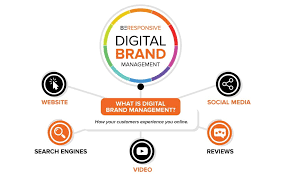
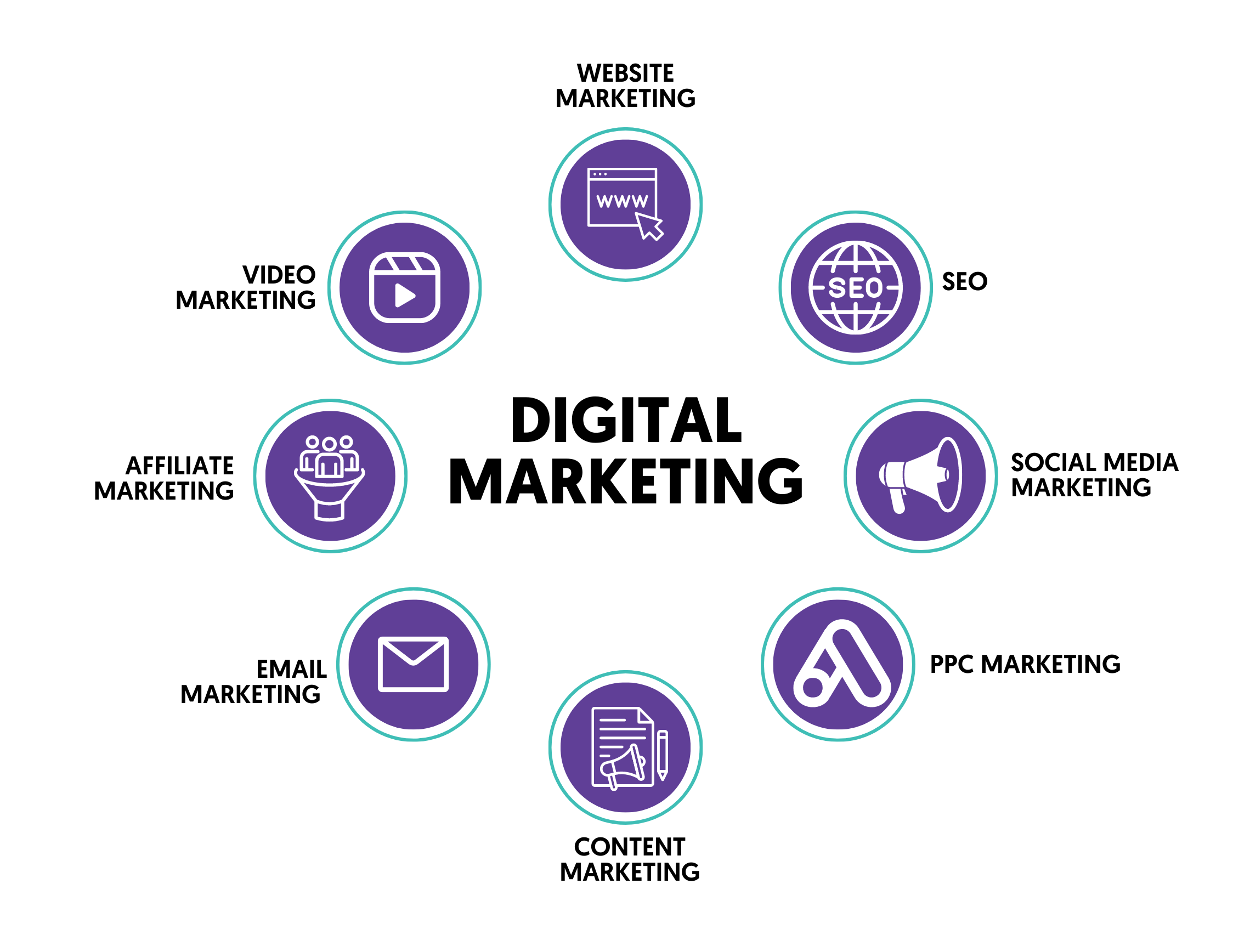
Digital marketing encompasses all online activities aimed at promoting products or services through digital channels such as websites, social media, email, search engines, and more. Its importance lies in its ability to reach a vast audience in a targeted and cost-effective manner. In today’s digital age, where consumers are increasingly reliant on online platforms for information and purchases, digital marketing offers businesses the opportunity to connect with their target market, build brand awareness, drive traffic to their websites, generate leads, and ultimately increase sales. By leveraging the power of digital marketing strategies and tools, businesses can stay competitive in a constantly evolving marketplace and effectively engage with their customers in meaningful ways.
What are the key components of a successful digital marketing strategy?
When considering the key components of a successful digital marketing strategy, several crucial elements come into play. Firstly, a well-defined target audience is essential to tailor messaging and content that resonates with potential customers. Effective use of various digital channels such as social media, email marketing, search engine optimisation (SEO), and pay-per-click (PPC) advertising is vital for reaching and engaging with the target audience. Additionally, compelling and relevant content that provides value to the audience is crucial for building brand credibility and trust. Regular monitoring and analysis of key performance indicators (KPIs) allow for continuous optimisation of the strategy to ensure maximum effectiveness and return on investment. An integrated approach that aligns all these components cohesively is fundamental to driving success in the dynamic landscape of digital marketing.
How can social media platforms be leveraged for digital marketing purposes?
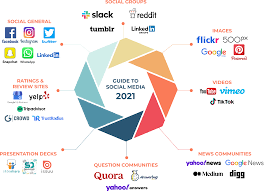
Social media platforms offer a powerful avenue for businesses to enhance their digital marketing efforts. By leveraging social media channels effectively, businesses can engage with their target audience in real-time, build brand awareness, drive website traffic, and generate leads. Through strategic content creation, targeted advertising campaigns, and community engagement, businesses can cultivate a loyal following and establish a strong online presence. Social media platforms also provide valuable data insights that can inform marketing strategies and help businesses tailor their messaging to resonate with their audience. Overall, utilising social media for digital marketing purposes can yield significant benefits in terms of brand visibility, customer engagement, and ultimately, business growth.
What is search engine optimisation (SEO) and how does it impact digital marketing?
Search Engine Optimisation (SEO) is a fundamental aspect of digital marketing that focuses on improving a website’s visibility and ranking in search engine results pages. By optimising various elements such as keywords, meta tags, and content quality, SEO aims to enhance a website’s relevance and authority in the eyes of search engines like Google. The impact of SEO on digital marketing is significant, as it directly influences organic traffic, website credibility, and overall online presence. A well-executed SEO strategy can drive targeted traffic to a website, increase brand visibility, and ultimately lead to higher conversion rates and business growth. In today’s competitive online landscape, understanding and implementing effective SEO practices are essential for businesses looking to succeed in digital marketing.
How can businesses measure the effectiveness of their digital marketing campaigns?
In the realm of digital marketing, a frequently asked question revolves around how businesses can measure the effectiveness of their digital marketing campaigns. To gauge the success of their efforts, businesses can employ various metrics and tools such as website analytics, click-through rates, conversion rates, social media engagement, and return on investment (ROI) analysis. By tracking these key performance indicators, businesses can assess the impact of their digital marketing initiatives, identify areas for improvement, and make data-driven decisions to optimise their strategies for maximum effectiveness and success in reaching their target audience.
What are some common challenges faced by businesses in implementing digital marketing strategies?
Implementing digital marketing strategies can present various challenges for businesses. One common hurdle is the rapid pace of technological advancements, which requires companies to stay updated with the latest trends and tools to remain competitive. Additionally, navigating the vast and ever-changing digital landscape can be overwhelming, making it challenging for businesses to identify the most effective channels and tactics for reaching their target audience. Budget constraints and resource limitations also pose significant challenges, as investing in digital marketing initiatives often requires a balance between cost-effectiveness and desired outcomes. Overcoming these challenges demands strategic planning, continuous learning, and adaptability to ensure successful implementation of digital marketing strategies in today’s dynamic business environment.