
media marketing company

Elevate Your Brand with a Leading Media Marketing Company

The Role of a Media Marketing Company in Today’s Digital Landscape

In the fast-paced and ever-evolving world of digital marketing, the role of a media marketing company has become increasingly vital for businesses looking to reach and engage their target audience effectively. A media marketing company is tasked with developing and implementing strategic marketing campaigns across various media channels to help clients achieve their marketing objectives and drive growth.

Understanding the Importance of Media Marketing

Media marketing encompasses a wide range of activities, including social media management, content creation, online advertising, influencer partnerships, and more. In today’s digital landscape, where consumers are constantly bombarded with information from multiple sources, standing out from the crowd requires a well-thought-out and cohesive media marketing strategy.

A skilled media marketing company understands the nuances of different media platforms and knows how to leverage them to maximise reach and engagement. By creating compelling content tailored to the preferences of target audiences and utilising data-driven insights to optimise campaign performance, a media marketing company can help businesses cut through the noise and connect with potential customers in meaningful ways.

The Role of Data in Media Marketing

Data plays a crucial role in modern media marketing efforts. A reputable media marketing company utilises analytics tools to track key performance indicators, measure campaign success, and make informed decisions based on real-time data. By analysing metrics such as website traffic, click-through rates, conversion rates, and social media engagement levels, marketers can refine their strategies for better results.

Building Brand Awareness and Driving Conversions

One of the primary goals of a media marketing company is to build brand awareness and drive conversions for its clients. Through targeted advertising campaigns, engaging social media content, influencer collaborations, and other tactics, a media marketing company can help businesses increase their visibility online and attract potential customers who are likely to convert into loyal followers or paying customers.

Conclusion

In conclusion, a media marketing company plays a crucial role in helping businesses navigate the complex world of digital marketing. By leveraging expertise in various media channels, data-driven insights, and creative strategies tailored to client objectives, a skilled media marketing company can make a significant impact on brand visibility, audience engagement, and ultimately business growth in today’s competitive digital landscape.


Top 5 Advantages of Partnering with a Media Marketing Company

  1. Expertise in leveraging various media channels for maximum reach and engagement.
  2. Ability to create compelling content tailored to target audience preferences.
  3. Utilisation of data-driven insights to optimise campaign performance and ROI.
  4. Experience in building brand awareness and driving conversions effectively.
  5. Professional guidance on navigating the complex world of digital marketing.


Challenges Faced by Media Marketing Companies: Navigating Competition, Platform Changes, and Client Expectations

  1. High competition in the industry can make it challenging for a media marketing company to stand out.
  2. Constant changes in algorithms and policies of social media platforms can impact the effectiveness of campaigns.
  3. Media marketing campaigns require ongoing monitoring and adjustments, which can be time-consuming.
  4. Relying heavily on data analytics may lead to overlooking the human aspect of marketing and customer relationships.
  5. Managing multiple client accounts simultaneously can result in divided attention and potential quality issues.
  6. Client expectations for quick results in media marketing may not always align with the time needed to build sustainable strategies.

Expertise in leveraging various media channels for maximum reach and engagement.

A key advantage of partnering with a media marketing company is their expertise in harnessing the power of diverse media channels to achieve maximum reach and engagement. By understanding the unique characteristics and audience demographics of each platform, these professionals can tailor content and strategies to effectively resonate with target audiences across multiple channels. Whether it’s through social media, online advertising, influencer partnerships, or other avenues, their ability to leverage various media channels ensures that businesses can connect with their audience in meaningful ways and drive impactful results in today’s competitive digital landscape.

Ability to create compelling content tailored to target audience preferences.

One key advantage of partnering with a media marketing company is their ability to create compelling content that is specifically tailored to the preferences of the target audience. By understanding the unique interests, behaviours, and demographics of the intended audience, a skilled media marketing company can develop content that resonates with viewers and prompts them to engage with the brand. This tailored approach not only enhances brand visibility but also fosters meaningful connections with potential customers, ultimately driving higher levels of engagement and conversion rates.

Utilisation of data-driven insights to optimise campaign performance and ROI.

One significant advantage of partnering with a media marketing company is their adept utilisation of data-driven insights to optimise campaign performance and return on investment (ROI). By analysing key metrics such as audience engagement, conversion rates, and click-through rates, these companies can make informed decisions and adjustments to marketing strategies in real-time. This data-driven approach not only maximises the effectiveness of campaigns but also ensures that resources are allocated efficiently, ultimately leading to improved ROI for businesses seeking to enhance their online presence and drive growth.

Experience in building brand awareness and driving conversions effectively.

With a wealth of experience in building brand awareness and driving conversions effectively, a media marketing company stands out as a valuable partner for businesses seeking to enhance their online presence and reach their target audience. By leveraging their expertise in crafting strategic campaigns across various media channels, these companies can help clients establish a strong brand identity, increase visibility, and ultimately drive meaningful engagement that leads to conversions. Through a combination of creative content, data-driven insights, and proven marketing tactics, a reputable media marketing company can deliver tangible results that propel businesses towards their growth objectives in today’s competitive digital landscape.

Professional guidance on navigating the complex world of digital marketing.

A key benefit of partnering with a media marketing company is the professional guidance they provide in navigating the complex world of digital marketing. With their expertise and industry knowledge, these professionals can help businesses develop strategic marketing plans tailored to their specific goals and target audience. By staying abreast of the latest trends, tools, and best practices in digital marketing, a media marketing company can offer valuable insights and recommendations to ensure that businesses make informed decisions that drive success in the ever-evolving digital landscape.

High competition in the industry can make it challenging for a media marketing company to stand out.

In the highly competitive landscape of the media marketing industry, standing out can be a significant challenge for companies operating in this space. With numerous agencies vying for clients’ attention and striving to showcase their unique value propositions, distinguishing oneself from competitors becomes increasingly difficult. The abundance of options available to businesses seeking media marketing services means that companies must work even harder to differentiate themselves through innovative strategies, exceptional client service, and demonstrable results to carve out a niche and establish a strong reputation in the industry.

Constant changes in algorithms and policies of social media platforms can impact the effectiveness of campaigns.

One significant drawback of working with a media marketing company is the challenge posed by the constant changes in algorithms and policies of social media platforms. These frequent updates can have a direct impact on the effectiveness of marketing campaigns, as strategies that once yielded positive results may suddenly become less effective or even obsolete. Adapting to these changes requires continuous monitoring, quick adjustments, and a deep understanding of each platform’s evolving guidelines, making it a constant challenge for businesses and marketing companies to maintain consistent campaign performance in the ever-shifting landscape of social media.

Media marketing campaigns require ongoing monitoring and adjustments, which can be time-consuming.

One significant drawback of media marketing campaigns is the continuous need for monitoring and adjustments, which can be a time-consuming process. Managing multiple media channels, analysing campaign performance metrics, and making necessary tweaks to optimise results demand constant attention and resources. This ongoing monitoring and adjustment requirement can place a strain on resources and personnel within a media marketing company, potentially impacting the efficiency and effectiveness of campaign management.

Relying heavily on data analytics may lead to overlooking the human aspect of marketing and customer relationships.

One significant drawback of media marketing companies relying heavily on data analytics is the potential overlooking of the human aspect of marketing and customer relationships. While data analytics provide valuable insights into consumer behaviour and campaign performance, an over-reliance on data may result in a disconnect from the emotional and personal elements that drive meaningful interactions with customers. Building genuine relationships with customers requires empathy, understanding, and a human touch that cannot be fully captured by data alone. By prioritising metrics over human connection, media marketing companies risk losing sight of the importance of fostering authentic relationships with their audience, which are essential for long-term brand loyalty and customer satisfaction.

Managing multiple client accounts simultaneously can result in divided attention and potential quality issues.

Managing multiple client accounts simultaneously within a media marketing company can pose a significant challenge, as it may lead to divided attention and potential quality issues. When marketers are juggling numerous accounts concurrently, there is a risk of spreading themselves too thin, which can impact the level of attention and focus dedicated to each client’s unique needs and objectives. This division of resources may result in decreased quality of work, delayed responses to client requests, and a lack of personalised attention, ultimately affecting the overall effectiveness and success of the marketing campaigns being implemented. It is essential for media marketing companies to carefully manage their workload and resources to ensure that each client receives the dedicated focus and high-quality service they deserve.

Client expectations for quick results in media marketing may not always align with the time needed to build sustainable strategies.

One notable drawback of working with a media marketing company is the potential misalignment between client expectations for immediate results and the time required to develop sustainable marketing strategies. In today’s fast-paced digital landscape, clients often seek quick outcomes and instant gratification from their marketing efforts. However, building a strong and enduring presence in the digital realm demands time, patience, and a well-thought-out strategy that may not yield instant results. This discrepancy in expectations can sometimes lead to frustration and unrealistic demands on the part of clients, highlighting the importance of clear communication and managing expectations in media marketing partnerships.
digital mkt

Unlocking Success: Navigating the Digital Marketing Landscape in the UK

The Power of Digital Marketing in Today’s Business Landscape

The Power of Digital Marketing in Today’s Business Landscape

In the digital age, where consumers are constantly connected through various online channels, the significance of digital marketing cannot be overstated. Digital marketing has revolutionised the way businesses reach and engage with their target audience, offering unparalleled opportunities for growth and success.

One of the key advantages of digital marketing is its ability to precisely target specific demographics and tailor messaging to individual preferences. Through tools such as social media advertising, email campaigns, and search engine optimisation (SEO), businesses can reach potential customers with relevant content at the right time.

Furthermore, digital marketing provides valuable insights into consumer behaviour and campaign performance through data analytics. By tracking key metrics such as website traffic, click-through rates, and conversion rates, businesses can refine their strategies for optimal results.

Another benefit of digital marketing is its cost-effectiveness compared to traditional forms of advertising. With digital channels, businesses can reach a wider audience at a fraction of the cost, making it accessible to companies of all sizes.

Moreover, digital marketing offers a level playing field for businesses to compete in the global marketplace. Small businesses can leverage digital platforms to showcase their products or services alongside industry giants, reaching audiences far beyond their local market.

As technology continues to evolve and consumer preferences shift towards online interactions, the importance of digital marketing will only continue to grow. Businesses that embrace digital strategies and adapt to changing trends will position themselves for long-term success in today’s competitive business landscape.

Whether you are a start-up looking to establish your online presence or an established company seeking to expand your reach, investing in digital marketing is essential for staying relevant and competitive in the modern business world.


Essential FAQs on Digital Marketing: Strategies, Importance, and Overcoming Challenges

  1. What is digital marketing and why is it important?
  2. What are the key components of a successful digital marketing strategy?
  3. How can social media platforms be leveraged for digital marketing purposes?
  4. What is search engine optimisation (SEO) and how does it impact digital marketing?
  5. How can businesses measure the effectiveness of their digital marketing campaigns?
  6. What are some common challenges faced by businesses in implementing digital marketing strategies?

What is digital marketing and why is it important?

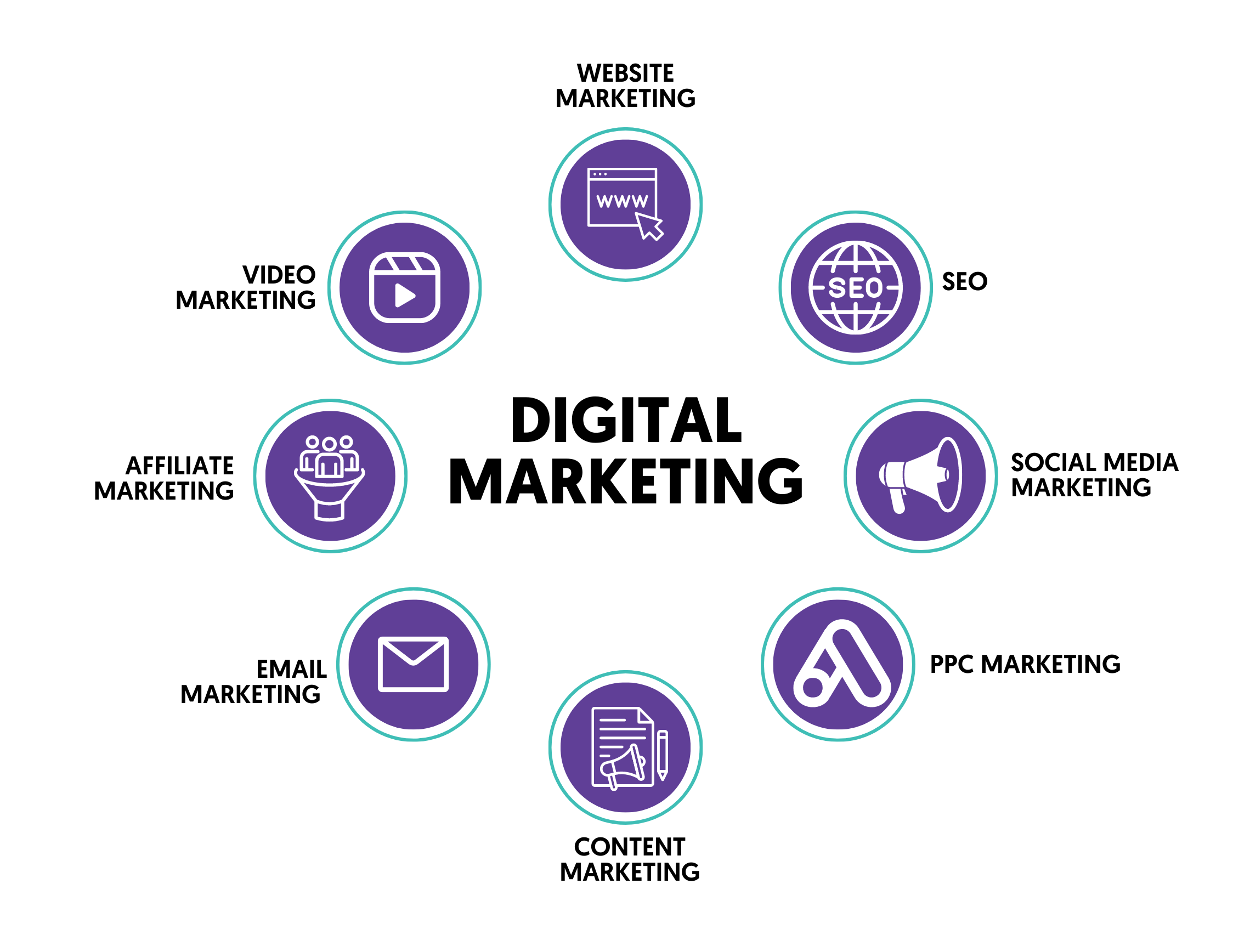
Digital marketing encompasses all online activities aimed at promoting products or services through digital channels such as websites, social media, email, search engines, and more. Its importance lies in its ability to reach a vast audience in a targeted and cost-effective manner. In today’s digital age, where consumers are increasingly reliant on online platforms for information and purchases, digital marketing offers businesses the opportunity to connect with their target market, build brand awareness, drive traffic to their websites, generate leads, and ultimately increase sales. By leveraging the power of digital marketing strategies and tools, businesses can stay competitive in a constantly evolving marketplace and effectively engage with their customers in meaningful ways.

What are the key components of a successful digital marketing strategy?

When considering the key components of a successful digital marketing strategy, several crucial elements come into play. Firstly, a well-defined target audience is essential to tailor messaging and content that resonates with potential customers. Effective use of various digital channels such as social media, email marketing, search engine optimisation (SEO), and pay-per-click (PPC) advertising is vital for reaching and engaging with the target audience. Additionally, compelling and relevant content that provides value to the audience is crucial for building brand credibility and trust. Regular monitoring and analysis of key performance indicators (KPIs) allow for continuous optimisation of the strategy to ensure maximum effectiveness and return on investment. An integrated approach that aligns all these components cohesively is fundamental to driving success in the dynamic landscape of digital marketing.

How can social media platforms be leveraged for digital marketing purposes?

Social media platforms offer a powerful avenue for businesses to enhance their digital marketing efforts. By leveraging social media channels effectively, businesses can engage with their target audience in real-time, build brand awareness, drive website traffic, and generate leads. Through strategic content creation, targeted advertising campaigns, and community engagement, businesses can cultivate a loyal following and establish a strong online presence. Social media platforms also provide valuable data insights that can inform marketing strategies and help businesses tailor their messaging to resonate with their audience. Overall, utilising social media for digital marketing purposes can yield significant benefits in terms of brand visibility, customer engagement, and ultimately, business growth.

What is search engine optimisation (SEO) and how does it impact digital marketing?

Search Engine Optimisation (SEO) is a fundamental aspect of digital marketing that focuses on improving a website’s visibility and ranking in search engine results pages. By optimising various elements such as keywords, meta tags, and content quality, SEO aims to enhance a website’s relevance and authority in the eyes of search engines like Google. The impact of SEO on digital marketing is significant, as it directly influences organic traffic, website credibility, and overall online presence. A well-executed SEO strategy can drive targeted traffic to a website, increase brand visibility, and ultimately lead to higher conversion rates and business growth. In today’s competitive online landscape, understanding and implementing effective SEO practices are essential for businesses looking to succeed in digital marketing.

How can businesses measure the effectiveness of their digital marketing campaigns?

In the realm of digital marketing, a frequently asked question revolves around how businesses can measure the effectiveness of their digital marketing campaigns. To gauge the success of their efforts, businesses can employ various metrics and tools such as website analytics, click-through rates, conversion rates, social media engagement, and return on investment (ROI) analysis. By tracking these key performance indicators, businesses can assess the impact of their digital marketing initiatives, identify areas for improvement, and make data-driven decisions to optimise their strategies for maximum effectiveness and success in reaching their target audience.

What are some common challenges faced by businesses in implementing digital marketing strategies?

Implementing digital marketing strategies can present various challenges for businesses. One common hurdle is the rapid pace of technological advancements, which requires companies to stay updated with the latest trends and tools to remain competitive. Additionally, navigating the vast and ever-changing digital landscape can be overwhelming, making it challenging for businesses to identify the most effective channels and tactics for reaching their target audience. Budget constraints and resource limitations also pose significant challenges, as investing in digital marketing initiatives often requires a balance between cost-effectiveness and desired outcomes. Overcoming these challenges demands strategic planning, continuous learning, and adaptability to ensure successful implementation of digital marketing strategies in today’s dynamic business environment.

digital media

Unleashing the Power of Digital Media: A Guide to Navigating the Digital Landscape

The Impact of Digital Media in Today’s World

The Impact of Digital Media in Today’s World

Digital media has revolutionised the way we communicate, consume information, and interact with the world around us. In this digital age, the influence of digital media is pervasive and continues to shape our lives in profound ways.

What is Digital Media?

Digital media encompasses a wide range of online platforms and technologies that enable the creation, distribution, and consumption of content in various forms such as text, images, videos, and audio. From social media networks to streaming services, digital media has transformed how we connect with others and access entertainment.

The Role of Digital Media in Society

Digital media plays a crucial role in shaping public discourse, sharing news and information, and influencing opinions. Social media platforms have become powerful tools for individuals and organisations to engage with audiences on a global scale.

The Evolution of Digital Marketing

Businesses have embraced digital media as a key component of their marketing strategies. Online advertising, influencer partnerships, and content marketing have become essential tactics for reaching target audiences effectively in the digital realm.

The Future of Digital Media

As technology continues to advance rapidly, the future of digital media holds endless possibilities. Virtual reality (VR), augmented reality (AR), artificial intelligence (AI), and other emerging technologies are poised to redefine how we experience digital content and interact with the digital world.

Conclusion

In conclusion, digital media has become an integral part of our daily lives, transforming how we communicate, consume information, and engage with the world around us. As we navigate this ever-evolving landscape of digital innovation, it is essential to harness the power of digital media responsibly and ethically for the betterment of society.


Top 8 Tips for Mastering Digital Media Engagement and Strategy

  1. 1. Create engaging and relevant content for your target audience.
  2. 2. Use high-quality images and videos to capture attention.
  3. 3. Interact with your audience through comments and messages to build relationships.
  4. 4. Utilize analytics tools to track performance and make data-driven decisions.
  5. 5. Stay updated on the latest trends in digital media to remain competitive.
  6. 6. Collaborate with influencers or other brands for wider reach.
  7. 7. Implement SEO strategies to improve visibility on search engines.
  8. 8. Monitor and respond promptly to feedback to show that you value your audience.

1. Create engaging and relevant content for your target audience.

To maximise the impact of your digital media strategy, it is crucial to create engaging and relevant content tailored specifically for your target audience. By understanding the preferences, interests, and needs of your audience, you can develop content that resonates with them and encourages meaningful interactions. Whether it’s informative articles, captivating visuals, or interactive videos, delivering valuable and engaging content will help strengthen your connection with your audience and drive engagement across digital platforms.

2. Use high-quality images and videos to capture attention.

In the realm of digital media, employing high-quality images and videos is a strategic tip to captivate audience attention effectively. Visually appealing content not only enhances the overall aesthetic of digital platforms but also serves as a powerful tool to engage and retain viewers. By utilising crisp images and compelling videos, businesses can create a memorable and immersive experience for their target audience, ultimately increasing brand visibility and fostering stronger connections with consumers in today’s visually-driven online landscape.

3. Interact with your audience through comments and messages to build relationships.

Interacting with your audience through comments and messages is a valuable tip in the realm of digital media. By engaging with your audience in a meaningful way, you can foster relationships, build trust, and create a sense of community around your brand or content. Responding to comments and messages shows that you value your audience’s input and are willing to listen to their feedback, ultimately strengthening the connection between you and your followers. This interactive approach not only enhances user experience but also helps in building a loyal and engaged online community.

4. Utilize analytics tools to track performance and make data-driven decisions.

Utilising analytics tools to track performance and make data-driven decisions is a crucial tip in the realm of digital media. By leveraging these tools effectively, businesses can gain valuable insights into the performance of their online campaigns, websites, and content. Analysing data allows for a deeper understanding of audience behaviour, preferences, and trends, enabling organisations to make informed decisions that drive success in the digital landscape. Embracing analytics empowers businesses to optimise their strategies, refine their approaches, and ultimately achieve better results in reaching and engaging with their target audience.

To remain competitive in the digital landscape, it is crucial to stay updated on the latest trends in digital media. By keeping abreast of emerging technologies, changing consumer behaviours, and innovative strategies, businesses can adapt and evolve their digital presence to stay ahead of the curve. Being proactive in monitoring and implementing new trends in digital media not only helps organisations maintain relevance but also opens up opportunities for growth and success in a rapidly evolving online environment.

6. Collaborate with influencers or other brands for wider reach.

Collaborating with influencers or other brands is a valuable tip in leveraging digital media for broader outreach and engagement. By partnering with influencers who have a strong online presence and a dedicated following, businesses can tap into new audiences and increase brand visibility. Additionally, collaborating with complementary brands can create synergies that benefit both parties and enhance the overall reach of marketing campaigns. Strategic partnerships in the digital space can amplify brand messaging, foster credibility, and drive meaningful connections with consumers in today’s competitive online landscape.

7. Implement SEO strategies to improve visibility on search engines.

Implementing SEO strategies is essential for enhancing visibility on search engines in the digital landscape. By optimising website content with relevant keywords, meta tags, and quality backlinks, businesses can improve their search engine rankings and attract more organic traffic. A strong SEO strategy not only increases online visibility but also helps in reaching a wider audience and driving sustainable growth in the competitive online market.

8. Monitor and respond promptly to feedback to show that you value your audience.

Monitoring and responding promptly to feedback is a crucial tip in digital media that demonstrates a genuine appreciation for your audience. By actively engaging with feedback, whether positive or negative, you show that you value the opinions and experiences of your audience. This proactive approach not only helps in building trust and loyalty but also allows you to address any concerns or issues promptly, leading to improved relationships with your audience and enhancing the overall effectiveness of your digital media strategy.