
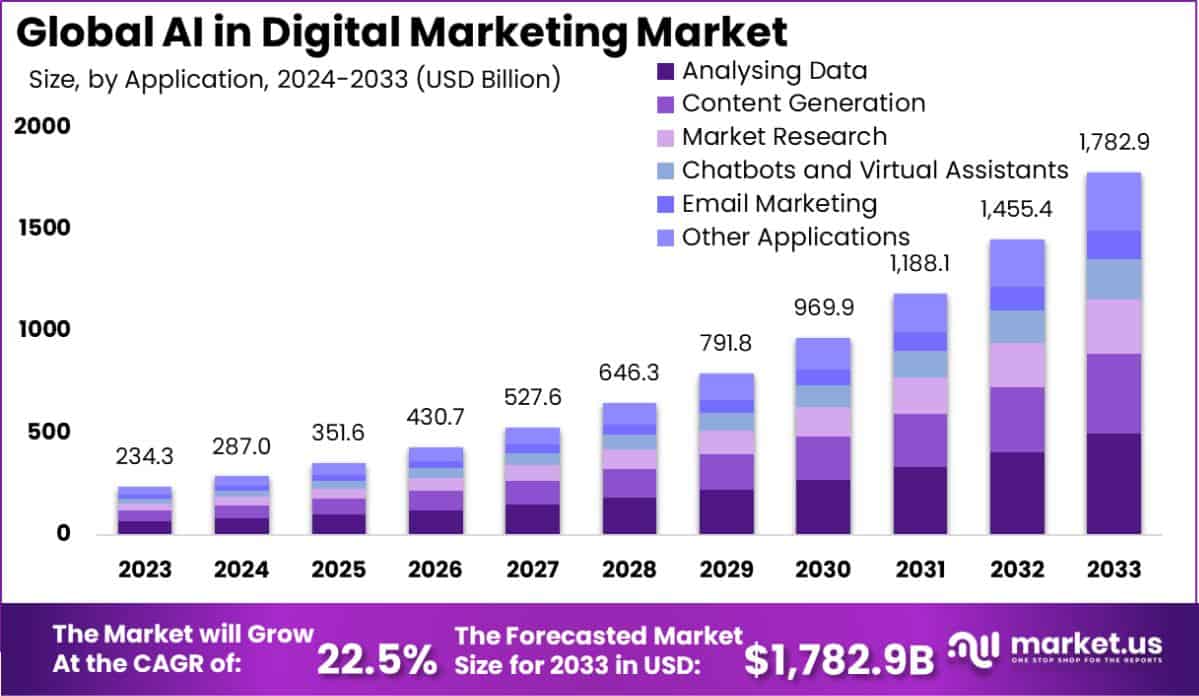
ai digital marketing

Revolutionising Strategies: The Role of AI in Digital Marketing

The Impact of AI on Digital Marketing

In recent years, artificial intelligence (AI) has revolutionised various industries, and digital marketing is no exception. As businesses strive to connect with consumers in more personalised and efficient ways, AI technologies have become invaluable tools for marketers looking to enhance their strategies and achieve better results.

Understanding AI in Digital Marketing

AI in digital marketing refers to the use of machine learning algorithms and data analytics to automate processes, personalise customer experiences, and optimise marketing efforts. From chatbots to predictive analytics, AI offers a range of applications that help businesses understand consumer behaviour and make data-driven decisions.

Personalisation at Scale

One of the most significant benefits of AI in digital marketing is its ability to provide personalisation at scale. By analysing vast amounts of data, AI can identify patterns in consumer behaviour and preferences. This allows marketers to create tailored content that resonates with individual users, leading to higher engagement rates and improved customer satisfaction.

Enhanced Customer Insights

AI-powered tools can process and analyse large datasets much faster than humans ever could. This capability enables marketers to gain deeper insights into customer demographics, purchasing habits, and online behaviours. With these insights, businesses can refine their target audience segments and craft more effective marketing campaigns.

Automating Routine Tasks

AI technology excels at automating repetitive tasks such as email marketing campaigns, social media posting, and customer service inquiries through chatbots. By automating these tasks, marketers can focus on more strategic initiatives while ensuring consistency and efficiency in their operations.

Predictive Analytics for Better Decision-Making

Predictive analytics is another area where AI is making a significant impact. By analysing historical data alongside current trends, AI can forecast future behaviours and outcomes. This capability allows marketers to anticipate market changes, optimise resource allocation, and develop proactive strategies that align with consumer demands.

The Future of AI in Digital Marketing

The integration of AI into digital marketing is still evolving. As technology advances, we can expect even more sophisticated applications that will further transform how businesses engage with their audiences. From voice search optimisation to augmented reality experiences, the possibilities are vast.

In conclusion, AI has become an essential component of modern digital marketing strategies. Its ability to deliver personalised experiences, enhance customer insights, automate tasks, and predict future trends makes it an invaluable asset for any business aiming to thrive in the competitive digital landscape.


Exploring AI in Digital Marketing: Answering Common Questions on Strategies, Benefits, Integration, and Tools

  1. What is AI digital marketing?
  2. How does AI impact digital marketing strategies?
  3. What are the benefits of using AI in digital marketing?
  4. Can AI personalise marketing campaigns effectively?
  5. How can businesses integrate AI into their digital marketing efforts?
  6. What are some popular AI tools used in digital marketing?

What is AI digital marketing?

AI digital marketing refers to the integration of artificial intelligence technologies into digital marketing practices to enhance efficiency, personalisation, and decision-making. By leveraging machine learning algorithms and data analytics, AI enables marketers to automate routine tasks, such as email campaigns and social media management, while providing deeper insights into consumer behaviour. This technology allows businesses to deliver personalised content at scale, predict future trends through predictive analytics, and optimise their strategies based on real-time data. Ultimately, AI digital marketing empowers companies to connect with their audiences more effectively and achieve better results in a competitive online environment.

How does AI impact digital marketing strategies?

AI significantly impacts digital marketing strategies by enhancing personalisation, improving customer insights, automating routine tasks, and enabling predictive analytics. With AI, marketers can analyse vast amounts of data to understand consumer behaviour and preferences, allowing them to tailor content and campaigns more effectively. This level of personalisation leads to higher engagement rates and improved customer satisfaction. Additionally, AI automates repetitive tasks such as email marketing and social media management, freeing up time for marketers to focus on strategic initiatives. Predictive analytics powered by AI helps businesses anticipate market trends and make informed decisions, ensuring that their marketing strategies are both proactive and data-driven. Overall, AI enables more efficient and effective digital marketing efforts that can adapt quickly to changing consumer demands.

What are the benefits of using AI in digital marketing?

AI offers numerous benefits in digital marketing, transforming how businesses engage with their audiences. One of the primary advantages is enhanced personalisation; AI can analyse vast amounts of data to tailor content and recommendations to individual preferences, leading to more meaningful customer interactions. Additionally, AI improves efficiency by automating routine tasks such as email campaigns and social media management, allowing marketers to focus on strategic initiatives. The technology also provides valuable insights through predictive analytics, enabling businesses to anticipate consumer behaviour and optimise marketing strategies accordingly. Overall, AI empowers marketers to deliver more targeted, effective campaigns while saving time and resources.

Can AI personalise marketing campaigns effectively?

Yes, AI can effectively personalise marketing campaigns by leveraging data-driven insights to tailor content and offers to individual preferences. Through machine learning algorithms, AI analyses vast amounts of consumer data, including browsing behaviour, purchase history, and demographic information. This analysis enables marketers to segment their audience more precisely and deliver highly relevant content that resonates with each user. As a result, consumers receive personalised experiences that increase engagement and conversion rates. Moreover, AI continuously learns from new data, allowing it to refine its personalisation strategies over time and adapt to changing consumer behaviours. This dynamic approach ensures that marketing campaigns remain effective and aligned with audience expectations.

How can businesses integrate AI into their digital marketing efforts?

Integrating AI into digital marketing efforts involves several strategic steps that businesses can undertake to enhance their marketing capabilities. Firstly, companies should identify areas where AI can add value, such as personalising customer experiences, automating routine tasks, or analysing data for insights. Implementing AI-powered tools like chatbots can improve customer service by providing instant responses and support. Additionally, businesses can utilise AI-driven analytics platforms to process large datasets and gain valuable insights into consumer behaviour and market trends. It’s also essential to ensure that the team is trained to use these technologies effectively and that there is a robust data infrastructure in place to support AI applications. By gradually incorporating AI technologies into their existing marketing strategies, businesses can improve efficiency, drive engagement, and ultimately achieve better results.

In the realm of digital marketing, several AI tools have gained popularity for their ability to streamline processes and enhance campaign effectiveness. Google Analytics employs AI to provide insights into website traffic and user behaviour, enabling marketers to make data-driven decisions. Chatbots, such as those powered by platforms like Drift or Intercom, utilise natural language processing to engage with customers in real-time, improving customer service and lead generation. Tools like HubSpot and Salesforce incorporate AI to personalise email marketing campaigns and manage customer relationships more efficiently. Additionally, content creation tools like Copy.ai use machine learning algorithms to generate compelling copy for various marketing channels. These tools collectively empower marketers to optimise their strategies and achieve better results with less manual effort.
best digital marketing firms

Unveiling the Best Digital Marketing Firms Setting Industry Standards

The Top Digital Marketing Firms Leading the Industry

Digital marketing has become an essential component of modern business strategies, and the demand for expert services in this field continues to grow. As businesses strive to reach their target audience in the online realm, the role of digital marketing firms has never been more crucial. Here are some of the best digital marketing firms that are setting industry standards and delivering exceptional results for their clients:

Wunderman Thompson

Wunderman Thompson is a global marketing agency known for its innovative approach to digital marketing. With a focus on data-driven strategies and creative solutions, they help brands connect with their audience in meaningful ways.

Ogilvy

Ogilvy is a renowned advertising agency with a strong presence in the digital marketing space. They combine creativity and strategic thinking to develop campaigns that resonate with consumers and drive results for their clients.

Digitas

Digitas is a digital marketing agency that specialises in creating personalised experiences for consumers across various digital channels. Their data-driven approach helps brands deliver targeted messages that engage and inspire their audience.

Merkle

Merkle is a performance marketing agency that focuses on delivering measurable results for its clients. With expertise in data analytics and customer relationship management, they help businesses optimise their digital marketing efforts for maximum impact.

VMLY&R

VMLY&R is a global brand experience agency that excels in creating integrated digital campaigns that drive engagement and loyalty. Their holistic approach to digital marketing ensures that brands deliver consistent messaging across all touchpoints.

These are just a few examples of the top digital marketing firms leading the industry today. Each of these agencies brings unique strengths and capabilities to the table, helping businesses navigate the complex world of digital marketing with confidence and success.

Whether you are looking to enhance your online presence, engage with your target audience more effectively, or drive conversions through strategic campaigns, partnering with a reputable digital marketing firm can help you achieve your goals and stay ahead of the competition in today’s competitive marketplace.


Top 5 FAQs on Selecting the Best Digital Marketing Firms for Optimal Results

  1. 1. What criteria should I consider when choosing the best digital marketing firm for my business?
  2. 2. How can a top digital marketing firm help improve my online presence and brand visibility?
  3. 3. What are some key services that leading digital marketing firms offer to their clients?
  4. 4. How do I determine the success of a digital marketing campaign managed by a reputable agency?
  5. 5. What sets the best digital marketing firms apart from others in terms of delivering results and ROI?

1. What criteria should I consider when choosing the best digital marketing firm for my business?

When selecting the best digital marketing firm for your business, several key criteria should be taken into consideration to ensure a successful partnership. Firstly, evaluate the firm’s track record and experience in delivering results for clients within your industry. Look for case studies and client testimonials to gauge their effectiveness. Secondly, consider the range of services offered by the firm and whether they align with your specific marketing goals and objectives. Additionally, assess the team’s expertise in areas such as SEO, social media, content marketing, and paid advertising to determine if they can meet your needs comprehensively. Lastly, communication and transparency are vital factors – choose a firm that values open dialogue, provides regular updates on progress, and is responsive to your queries and feedback. By carefully evaluating these criteria, you can select a digital marketing firm that is best suited to help you achieve your business objectives.

2. How can a top digital marketing firm help improve my online presence and brand visibility?

A top digital marketing firm can significantly enhance your online presence and brand visibility through a range of strategic initiatives. By leveraging their expertise in areas such as search engine optimisation (SEO), social media marketing, content creation, and digital advertising, these firms can help increase your website’s visibility in search engine results, attract and engage with your target audience on social platforms, create compelling content that resonates with users, and drive targeted traffic to your website. Through data-driven analysis and continuous optimisation, a top digital marketing firm can tailor customised strategies to improve brand awareness, boost online visibility, and ultimately drive growth for your business in the digital landscape.

3. What are some key services that leading digital marketing firms offer to their clients?

Leading digital marketing firms offer a comprehensive range of services to help their clients achieve success in the online realm. Some key services include strategic planning and consulting, search engine optimisation (SEO), pay-per-click (PPC) advertising, social media marketing, content creation and marketing, email marketing, web design and development, data analytics and reporting, and online reputation management. These services are designed to enhance brand visibility, drive targeted traffic to websites, engage with audiences across various digital channels, and ultimately generate leads and conversions for businesses. By utilising a combination of these services tailored to meet the specific needs of each client, top digital marketing firms are able to deliver impactful results and help businesses thrive in the competitive digital landscape.

4. How do I determine the success of a digital marketing campaign managed by a reputable agency?

Determining the success of a digital marketing campaign managed by a reputable agency involves assessing key performance indicators (KPIs) specific to your campaign goals. These KPIs may include metrics such as website traffic, conversion rates, engagement levels, lead generation, and return on investment (ROI). By analysing these metrics and comparing them against predetermined benchmarks, you can evaluate the effectiveness of the campaign in achieving its objectives. Additionally, tracking qualitative feedback from customers and monitoring brand sentiment can provide valuable insights into the overall impact of the campaign on your target audience. Regular reporting and communication with the agency can help ensure transparency and alignment in assessing the success of the digital marketing efforts.

5. What sets the best digital marketing firms apart from others in terms of delivering results and ROI?

When it comes to distinguishing the best digital marketing firms from others in terms of delivering results and ROI, several key factors come into play. Firstly, top firms have a deep understanding of the latest digital trends and technologies, allowing them to craft innovative strategies that resonate with target audiences. Additionally, they prioritise data-driven decision-making, leveraging analytics to track performance and make informed adjustments for optimal outcomes. Furthermore, the best firms excel in creating personalised experiences for consumers, tailoring content and messaging to engage and convert effectively. Ultimately, a commitment to continuous improvement, transparency in communication, and a focus on achieving tangible results for clients are what truly set the best digital marketing firms apart in delivering exceptional ROI.

digital media

Unleashing the Power of Digital Media: A Guide to Navigating the Digital Landscape

The Impact of Digital Media in Today’s World

The Impact of Digital Media in Today’s World

Digital media has revolutionised the way we communicate, consume information, and interact with the world around us. In this digital age, the influence of digital media is pervasive and continues to shape our lives in profound ways.

What is Digital Media?

Digital media encompasses a wide range of online platforms and technologies that enable the creation, distribution, and consumption of content in various forms such as text, images, videos, and audio. From social media networks to streaming services, digital media has transformed how we connect with others and access entertainment.

The Role of Digital Media in Society

Digital media plays a crucial role in shaping public discourse, sharing news and information, and influencing opinions. Social media platforms have become powerful tools for individuals and organisations to engage with audiences on a global scale.

The Evolution of Digital Marketing

Businesses have embraced digital media as a key component of their marketing strategies. Online advertising, influencer partnerships, and content marketing have become essential tactics for reaching target audiences effectively in the digital realm.

The Future of Digital Media

As technology continues to advance rapidly, the future of digital media holds endless possibilities. Virtual reality (VR), augmented reality (AR), artificial intelligence (AI), and other emerging technologies are poised to redefine how we experience digital content and interact with the digital world.

Conclusion

In conclusion, digital media has become an integral part of our daily lives, transforming how we communicate, consume information, and engage with the world around us. As we navigate this ever-evolving landscape of digital innovation, it is essential to harness the power of digital media responsibly and ethically for the betterment of society.


Top 8 Tips for Mastering Digital Media Engagement and Strategy

  1. 1. Create engaging and relevant content for your target audience.
  2. 2. Use high-quality images and videos to capture attention.
  3. 3. Interact with your audience through comments and messages to build relationships.
  4. 4. Utilize analytics tools to track performance and make data-driven decisions.
  5. 5. Stay updated on the latest trends in digital media to remain competitive.
  6. 6. Collaborate with influencers or other brands for wider reach.
  7. 7. Implement SEO strategies to improve visibility on search engines.
  8. 8. Monitor and respond promptly to feedback to show that you value your audience.

1. Create engaging and relevant content for your target audience.

To maximise the impact of your digital media strategy, it is crucial to create engaging and relevant content tailored specifically for your target audience. By understanding the preferences, interests, and needs of your audience, you can develop content that resonates with them and encourages meaningful interactions. Whether it’s informative articles, captivating visuals, or interactive videos, delivering valuable and engaging content will help strengthen your connection with your audience and drive engagement across digital platforms.

2. Use high-quality images and videos to capture attention.

In the realm of digital media, employing high-quality images and videos is a strategic tip to captivate audience attention effectively. Visually appealing content not only enhances the overall aesthetic of digital platforms but also serves as a powerful tool to engage and retain viewers. By utilising crisp images and compelling videos, businesses can create a memorable and immersive experience for their target audience, ultimately increasing brand visibility and fostering stronger connections with consumers in today’s visually-driven online landscape.

3. Interact with your audience through comments and messages to build relationships.

Interacting with your audience through comments and messages is a valuable tip in the realm of digital media. By engaging with your audience in a meaningful way, you can foster relationships, build trust, and create a sense of community around your brand or content. Responding to comments and messages shows that you value your audience’s input and are willing to listen to their feedback, ultimately strengthening the connection between you and your followers. This interactive approach not only enhances user experience but also helps in building a loyal and engaged online community.

4. Utilize analytics tools to track performance and make data-driven decisions.

Utilising analytics tools to track performance and make data-driven decisions is a crucial tip in the realm of digital media. By leveraging these tools effectively, businesses can gain valuable insights into the performance of their online campaigns, websites, and content. Analysing data allows for a deeper understanding of audience behaviour, preferences, and trends, enabling organisations to make informed decisions that drive success in the digital landscape. Embracing analytics empowers businesses to optimise their strategies, refine their approaches, and ultimately achieve better results in reaching and engaging with their target audience.

To remain competitive in the digital landscape, it is crucial to stay updated on the latest trends in digital media. By keeping abreast of emerging technologies, changing consumer behaviours, and innovative strategies, businesses can adapt and evolve their digital presence to stay ahead of the curve. Being proactive in monitoring and implementing new trends in digital media not only helps organisations maintain relevance but also opens up opportunities for growth and success in a rapidly evolving online environment.

6. Collaborate with influencers or other brands for wider reach.

Collaborating with influencers or other brands is a valuable tip in leveraging digital media for broader outreach and engagement. By partnering with influencers who have a strong online presence and a dedicated following, businesses can tap into new audiences and increase brand visibility. Additionally, collaborating with complementary brands can create synergies that benefit both parties and enhance the overall reach of marketing campaigns. Strategic partnerships in the digital space can amplify brand messaging, foster credibility, and drive meaningful connections with consumers in today’s competitive online landscape.

7. Implement SEO strategies to improve visibility on search engines.

Implementing SEO strategies is essential for enhancing visibility on search engines in the digital landscape. By optimising website content with relevant keywords, meta tags, and quality backlinks, businesses can improve their search engine rankings and attract more organic traffic. A strong SEO strategy not only increases online visibility but also helps in reaching a wider audience and driving sustainable growth in the competitive online market.

8. Monitor and respond promptly to feedback to show that you value your audience.

Monitoring and responding promptly to feedback is a crucial tip in digital media that demonstrates a genuine appreciation for your audience. By actively engaging with feedback, whether positive or negative, you show that you value the opinions and experiences of your audience. This proactive approach not only helps in building trust and loyalty but also allows you to address any concerns or issues promptly, leading to improved relationships with your audience and enhancing the overall effectiveness of your digital media strategy.

digital marketing strategist google

Unlocking Success: The Role of a Google Digital Marketing Strategist

The Role of a Digital Marketing Strategist at Google

In the fast-paced world of digital marketing, Google plays a central role in shaping strategies and driving success for businesses online. A Digital Marketing Strategist at Google is a key player in helping companies navigate the complexities of the digital landscape and achieve their marketing objectives.

Responsibilities of a Digital Marketing Strategist at Google

One of the primary responsibilities of a Digital Marketing Strategist at Google is to develop and implement comprehensive digital marketing campaigns that leverage Google’s suite of tools and platforms. This includes creating targeted advertising campaigns on Google Ads, utilising data insights from Google Analytics to optimise performance, and maximising visibility through organic search with SEO best practices.

Furthermore, a Digital Marketing Strategist at Google is tasked with staying abreast of industry trends and updates to ensure that their strategies are cutting-edge and effective. They must also collaborate with cross-functional teams to align marketing efforts with overall business goals and drive growth.

Skills Required for Success

To excel as a Digital Marketing Strategist at Google, individuals need a combination of technical expertise, analytical skills, and creativity. Proficiency in using tools such as Google Ads, Google Analytics, and Search Console is essential, as is the ability to interpret data to make informed decisions.

Moreover, strong communication skills are vital for effectively conveying strategy recommendations to stakeholders and driving consensus within teams. Adaptability and a willingness to learn are also crucial traits for navigating the ever-evolving digital landscape.

The Impact of a Digital Marketing Strategist at Google

A skilled Digital Marketing Strategist at Google can make a significant impact on the success of businesses by crafting targeted campaigns that reach the right audiences at the right time. By leveraging Google’s powerful platforms and insights, they can drive brand awareness, generate leads, and ultimately increase conversions for their clients.

In conclusion, the role of a Digital Marketing Strategist at Google is instrumental in helping businesses harness the full potential of digital marketing to achieve their objectives in an increasingly competitive online environment.


9 Essential Tips for Mastering Digital Marketing Strategies with Google

  1. Stay updated with Google’s algorithm changes to adapt your strategies accordingly.
  2. Utilize Google Analytics to track website performance and user behaviour.
  3. Optimize your website for mobile devices as Google prioritizes mobile-friendly sites.
  4. Create high-quality, relevant content that aligns with Google’s search intent guidelines.
  5. Implement SEO best practices to improve organic search rankings on Google.
  6. Use Google Ads effectively to reach targeted audiences and drive conversions.
  7. Leverage Google My Business for local SEO and enhancing online visibility.
  8. Regularly monitor and analyse key performance indicators (KPIs) using tools like Google Data Studio.
  9. Engage with the digital marketing community through platforms like Google forums and webinars.

Stay updated with Google’s algorithm changes to adapt your strategies accordingly.

To thrive as a Digital Marketing Strategist at Google, it is crucial to stay informed about Google’s algorithm changes and updates. By keeping abreast of these developments, strategists can adapt their marketing strategies proactively to ensure optimal performance and visibility online. Being aware of the latest algorithm changes allows them to adjust tactics, refine approaches, and stay ahead of the curve in the dynamic world of digital marketing.

Utilize Google Analytics to track website performance and user behaviour.

To maximise the effectiveness of digital marketing strategies, it is crucial for a Digital Marketing Strategist at Google to utilise Google Analytics to track website performance and user behaviour. By leveraging the insights provided by Google Analytics, strategists can gain valuable data on how users interact with a website, which pages are most popular, where traffic is coming from, and much more. This data allows for informed decision-making and enables strategists to optimise campaigns, improve user experience, and ultimately drive better results for their clients.

Optimize your website for mobile devices as Google prioritizes mobile-friendly sites.

To maximise your digital marketing strategy on Google, it is crucial to prioritise mobile optimization for your website. Given Google’s emphasis on mobile-friendly sites, ensuring that your website is responsive and user-friendly on mobile devices can significantly impact your search engine rankings and overall online visibility. By optimising your website for mobile devices, you not only cater to the growing number of mobile users but also align with Google’s preferences, ultimately enhancing the user experience and driving traffic to your site.

Create high-quality, relevant content that aligns with Google’s search intent guidelines.

To succeed as a Digital Marketing Strategist at Google, it is crucial to create high-quality, relevant content that aligns with Google’s search intent guidelines. By understanding the search intent behind user queries, strategists can tailor content that not only attracts visitors but also provides valuable information that meets their needs. Adhering to Google’s guidelines ensures that the content remains visible and ranks well in search results, ultimately driving organic traffic and engagement for businesses online.

Implement SEO best practices to improve organic search rankings on Google.

By implementing SEO best practices, a digital marketing strategist at Google can enhance a website’s visibility and improve its organic search rankings on the search engine. This involves optimising website content, meta tags, and back-end structure to align with Google’s algorithms and user intent. By focusing on relevant keywords, high-quality content, and user experience, the strategist can drive organic traffic to the site and increase its chances of appearing prominently in search results. This strategic approach not only boosts the website’s online presence but also establishes a strong foundation for long-term success in digital marketing efforts.

Use Google Ads effectively to reach targeted audiences and drive conversions.

Utilising Google Ads effectively is a crucial strategy for Digital Marketing Strategists at Google to reach specific target audiences and boost conversion rates. By crafting targeted ad campaigns that align with audience interests and search behaviours, strategists can maximise visibility and engagement. Leveraging the diverse targeting options within Google Ads, such as demographics, keywords, and remarketing, allows for precise audience segmentation and tailored messaging. This strategic approach not only increases the likelihood of reaching potential customers but also enhances the chances of converting leads into valuable customers, ultimately driving business growth and success in the digital realm.

Leverage Google My Business for local SEO and enhancing online visibility.

To enhance online visibility and improve local SEO efforts, digital marketing strategists at Google can leverage the power of Google My Business. By optimising and regularly updating their business listings on Google My Business, companies can ensure that their information is accurate and up-to-date for potential customers searching for local services or products. This not only helps businesses appear in relevant local search results but also increases trust and credibility among consumers looking for nearby solutions. Utilising Google My Business effectively is a valuable strategy for digital marketing strategists to boost online visibility and drive traffic to physical locations.

Regularly monitor and analyse key performance indicators (KPIs) using tools like Google Data Studio.

To excel as a Digital Marketing Strategist at Google, it is essential to regularly monitor and analyse key performance indicators (KPIs) using tools like Google Data Studio. By tracking metrics such as website traffic, conversion rates, and engagement levels, strategists can gain valuable insights into the effectiveness of their campaigns and make data-driven decisions to optimise performance. Google Data Studio provides a comprehensive platform for visualising and interpreting data, enabling strategists to identify trends, spot opportunities for improvement, and demonstrate the impact of their strategies on business outcomes.

Engage with the digital marketing community through platforms like Google forums and webinars.

To enhance your expertise as a digital marketing strategist at Google, it is essential to engage actively with the digital marketing community through platforms such as Google forums and webinars. By participating in discussions, sharing insights, and learning from industry experts, you can stay updated on the latest trends, best practices, and tools in the dynamic world of digital marketing. Networking with like-minded professionals can provide valuable connections and fresh perspectives that can help elevate your strategies and drive success in your role.

marketing campaigns

Mastering the Art of Effective Marketing Campaigns

The Power of Effective Marketing Campaigns

The Power of Effective Marketing Campaigns

Marketing campaigns play a crucial role in promoting products and services, building brand awareness, and engaging with target audiences. A well-executed marketing campaign can drive sales, increase customer loyalty, and ultimately contribute to the success of a business.

Key Elements of Successful Marketing Campaigns

Successful marketing campaigns often share some key elements that set them apart. These elements include:

  • Clear Objectives: A successful campaign starts with clearly defined goals and objectives. Whether it’s increasing brand visibility, generating leads, or boosting sales, having specific targets in mind is essential.
  • Target Audience Understanding: Knowing your target audience is crucial for crafting a campaign that resonates with them. Understanding their needs, preferences, and behaviours allows you to tailor your messaging effectively.
  • Compelling Creative Content: Creative content is the heart of any marketing campaign. From eye-catching visuals to persuasive copywriting, compelling content can capture attention and drive engagement.
  • Multichannel Approach: Leveraging multiple channels such as social media, email marketing, and traditional advertising can help reach a wider audience and maximise campaign impact.
  • Measurable Results: Tracking and measuring the results of a marketing campaign is essential for evaluating its success. Key performance indicators (KPIs) help determine the effectiveness of the campaign and identify areas for improvement.

The Impact of Digital Marketing Campaigns

In today’s digital age, digital marketing campaigns have become increasingly important for businesses looking to connect with consumers online. From social media ads to email newsletters, digital channels offer unique opportunities to reach audiences in a targeted and cost-effective way.

Furthermore, digital marketing campaigns allow for real-time tracking and analysis, providing valuable insights into audience engagement and campaign performance. This data-driven approach enables marketers to make informed decisions and optimise their strategies for better results.

In Conclusion

Effective marketing campaigns are essential for businesses seeking to stand out in a competitive marketplace. By understanding the key elements of successful campaigns and leveraging digital channels effectively, businesses can create impactful campaigns that resonate with their target audiences and drive results.

Contact us today to learn how we can help you create powerful marketing campaigns that elevate your brand and achieve your business goals.


Five Essential Tips for Crafting Successful Marketing Campaigns

  1. Understand your target audience and tailor your message to resonate with them.
  2. Utilise multiple marketing channels to reach a wider audience.
  3. Create compelling and engaging content that stands out from the competition.
  4. Monitor and analyse the performance of your campaigns to make data-driven decisions for improvements.
  5. Consistency is key – ensure your brand messaging is cohesive across all platforms.

Understand your target audience and tailor your message to resonate with them.

To maximise the impact of your marketing campaigns, it is essential to understand your target audience thoroughly and customise your messaging to resonate with their needs, preferences, and behaviours. By crafting messages that speak directly to the interests and concerns of your audience, you can establish a stronger connection and increase engagement. Tailoring your message ensures that it is relevant and compelling, ultimately leading to more effective communication and better results for your marketing efforts.

Utilise multiple marketing channels to reach a wider audience.

To maximise the reach and impact of your marketing campaigns, it is essential to utilise multiple marketing channels. By diversifying your approach and leveraging various platforms such as social media, email marketing, and traditional advertising, you can effectively engage with a wider audience and increase brand visibility. Each channel offers unique opportunities to connect with different segments of your target market, allowing you to amplify your message and drive engagement across multiple touchpoints. Embracing a multichannel strategy not only expands your reach but also enhances the overall effectiveness of your campaigns by reaching diverse audiences through their preferred communication channels.

Create compelling and engaging content that stands out from the competition.

To enhance the effectiveness of your marketing campaigns, it is crucial to create compelling and engaging content that sets your brand apart from the competition. By crafting content that resonates with your target audience and captures their attention, you can establish a strong connection with potential customers and differentiate your brand in a crowded marketplace. Emphasising creativity and uniqueness in your content can help drive engagement, foster brand loyalty, and ultimately drive the success of your marketing campaigns.

Monitor and analyse the performance of your campaigns to make data-driven decisions for improvements.

Monitoring and analysing the performance of your marketing campaigns is essential for making informed, data-driven decisions that can lead to significant improvements. By tracking key metrics and analysing the results, you can gain valuable insights into what is working well and what areas may need adjustment. This data-driven approach allows you to optimise your campaigns, refine your strategies, and ultimately achieve better outcomes by focusing on what resonates most with your target audience.

Consistency is key – ensure your brand messaging is cohesive across all platforms.

Consistency is paramount when it comes to marketing campaigns. It is crucial to maintain a cohesive brand message across all platforms to establish a strong and recognisable brand identity. By ensuring consistency in your messaging, you create a sense of trust and reliability among your target audience, reinforcing your brand values and positioning in their minds. Whether it’s social media, email marketing, or traditional advertising, maintaining a unified voice and visual style helps to reinforce your brand’s image and enhance overall campaign effectiveness.