

hubspot digital marketing

HubSpot Digital Marketing: A Practical Guide for Growing Your Business

HubSpot Digital Marketing: A Practical Guide for Growing Businesses

Digital marketing works best when its different parts are connected. Your website, email campaigns, social media, content and sales activity should all support the same goals. HubSpot is a platform designed to bring many of these activities together, helping businesses attract potential customers, build relationships and measure results.

Whether you are new to digital marketing or looking to improve an established strategy, understanding how HubSpot can be used is a useful starting point.

What is HubSpot digital marketing?

HubSpot digital marketing means using HubSpot’s tools and customer data to plan, deliver and assess online marketing activity. Depending on the products and features a business uses, the platform can support tasks such as:

  • Creating and managing website pages and landing pages
  • Publishing blogs and other content
  • Sending marketing emails
  • Managing social media activity
  • Capturing and organising leads
  • Automating follow-up communications
  • Reporting on campaign performance

HubSpot also includes a customer relationship management system, commonly known as a CRM. This can help marketing and sales teams keep relevant customer information in one place and understand how someone has interacted with a business.

How HubSpot can support your marketing strategy

Attract the right audience

Useful content can help bring prospective customers to your website. With HubSpot, businesses can plan and publish blog articles, guides and landing pages, then use search engine optimisation (SEO) practices to improve their chances of being found in search results.

The key is to create content that answers genuine questions. Before writing, consider what your audience needs to know, what problems they are trying to solve and what action they may want to take next.

Convert visitors into leads

A website visit is only the beginning of a customer relationship. Forms, calls to action and landing pages can encourage visitors to take a next step, such as requesting a consultation, downloading a guide or signing up for updates.

Keep forms relevant and straightforward. Asking for too much information too early can discourage people from completing them. Make it clear what someone will receive and how their details will be used.

Nurture relationships with email and automation

Email marketing can help a business stay in touch with people who have chosen to hear from it. HubSpot can be used to organise contacts, send targeted campaigns and build automated workflows for suitable follow-up activity.

Automation should make communications more timely and relevant, rather than simply increasing the number of messages sent. For example, a new subscriber might receive a short welcome series related to the content they requested. Make sure your email practices comply with UK data protection and electronic marketing rules, including the UK GDPR and Privacy and Electronic Communications Regulations (PECR).

Connect marketing and sales

Marketing activity can generate enquiries, while sales teams handle conversations and opportunities. When both teams work from consistent information, it is easier to understand a lead’s history and agree how to follow up. A shared CRM can help create that continuity, provided the data is kept accurate and the teams agree on how it should be used.

Measuring performance in HubSpot

Reporting can help you understand what is working and where to make improvements. The most useful measures depend on your business goals, but may include:

  • Website visits and traffic sources
  • Search visibility and engagement with content
  • Landing-page conversion rates
  • Email engagement, such as clicks and unsubscribes
  • Lead quality and progression through the sales process
  • Campaign outcomes, such as enquiries or revenue

It is important to look beyond surface-level figures. A high number of page views may not be valuable if those visitors are unlikely to become customers. Choose measures that relate to your objectives and review them regularly.

Getting started with HubSpot

  1. Set clear goals. Decide what you want your marketing to achieve, such as increasing qualified enquiries or improving repeat business.
  2. Understand your audience. Identify the people you want to reach, their needs and the questions they commonly ask.
  3. Review your existing activity. Take stock of your website, content, email lists and customer data before adding new campaigns.
  4. Organise your CRM. Agree how contacts and opportunities will be recorded, and remove or correct outdated information where appropriate.
  5. Start with a manageable campaign. Test one clear activity, such as a helpful guide supported by a landing page and a relevant email.
  6. Measure and refine. Review the results, learn from them and make considered changes.

Common mistakes to avoid

HubSpot can provide a broad range of features, but using more tools does not automatically lead to better marketing. Common pitfalls include setting up automation without a clear purpose, collecting data that is never maintained, sending generic emails to every contact and tracking metrics that do not connect to business outcomes.

It is also easy to focus on the platform rather than the customer. A well-configured system can support a strong strategy, but it cannot replace useful content, clear messaging or thoughtful service.

Making HubSpot work for your business

HubSpot can help businesses bring marketing activity, customer information and reporting closer together. Its greatest value comes when the platform is configured around clear goals and supported by consistent processes. Start with the needs of your audience, choose a small number of meaningful objectives and build your approach step by step.

With a considered strategy and regular review, HubSpot can become a practical part of a more joined-up digital marketing programme.


Maximise Your HubSpot Strategy: 6 Essential Tips for Effective Digital Marketing

  1. Use HubSpot forms to capture leads from key landing pages.
  2. Segment contacts to send more relevant email campaigns.
  3. Automate follow-ups for new leads with simple workflows.
  4. Track campaign performance using HubSpot reports.
  5. Optimise landing pages for mobile and fast loading.
  6. Use lead scoring to prioritise promising prospects.

Use HubSpot forms to capture leads from key landing pages.

Use HubSpot forms on key landing pages to turn interested visitors into potential customers. Keep each form simple, asking only for the details you genuinely need, and make the benefit of submitting it clear—whether that’s receiving a guide, booking a consultation or requesting a quote. Connect form submissions to your CRM so your team can organise enquiries, follow up promptly and understand which pages are generating leads. Remember to explain how you’ll use people’s information and follow relevant UK data protection and electronic marketing requirements.

Segment contacts to send more relevant email campaigns.

Segmenting your contacts in HubSpot helps you send email campaigns that are more relevant to each audience. Group contacts by factors such as their interests, previous purchases, location or stage in the customer journey, then tailor your content and offers to suit their needs. More targeted emails can improve engagement and build stronger customer relationships, while giving recipients a better reason to open and act on your messages.

Automate follow-ups for new leads with simple workflows.

Automate follow-ups for new leads with simple HubSpot workflows to make sure enquiries receive a timely, consistent response. For example, when someone fills in a form, you could send a relevant confirmation email, notify the right team member and schedule a reminder to follow up. Keep each workflow focused, personalise messages where possible and review performance regularly, so automation feels helpful rather than impersonal. Ensure your process also follows UK data protection and electronic marketing rules.

Track campaign performance using HubSpot reports.

Track campaign performance using HubSpot reports to see which activities are delivering results and where there’s room to improve. Monitor relevant measures such as website visits, email engagement, lead conversions and enquiries, linking each one to a clear campaign goal. Review the data regularly and use what you learn to refine your messaging, audience targeting and next steps.

Optimise landing pages for mobile and fast loading.

Optimise your HubSpot landing pages for mobile by using a responsive design, clear headings, easy-to-tap buttons and concise forms. Keep loading times fast by compressing images, limiting unnecessary scripts and removing elements that do not support the page’s goal. A quick, easy-to-use landing page helps visitors stay engaged and makes it simpler for them to take the next step, whether they are browsing on a phone, tablet or computer.

Use lead scoring to prioritise promising prospects.

Use lead scoring to help your team focus on the prospects most likely to become customers. In HubSpot, assign points based on relevant details and behaviours, such as a prospect’s industry, job role, visits to key pages or engagement with your emails. Agree clear criteria with your sales team, then review and refine the scoring over time to keep it useful. A well-designed system can guide timely, relevant follow-up without treating a score as a substitute for personal judgement.
best digital marketing firms

Unveiling the Best Digital Marketing Firms Setting Industry Standards

The Top Digital Marketing Firms Leading the Industry

Digital marketing has become an essential component of modern business strategies, and the demand for expert services in this field continues to grow. As businesses strive to reach their target audience in the online realm, the role of digital marketing firms has never been more crucial. Here are some of the best digital marketing firms that are setting industry standards and delivering exceptional results for their clients:

Wunderman Thompson

Wunderman Thompson is a global marketing agency known for its innovative approach to digital marketing. With a focus on data-driven strategies and creative solutions, they help brands connect with their audience in meaningful ways.

Ogilvy

Ogilvy is a renowned advertising agency with a strong presence in the digital marketing space. They combine creativity and strategic thinking to develop campaigns that resonate with consumers and drive results for their clients.

Digitas

Digitas is a digital marketing agency that specialises in creating personalised experiences for consumers across various digital channels. Their data-driven approach helps brands deliver targeted messages that engage and inspire their audience.

Merkle

Merkle is a performance marketing agency that focuses on delivering measurable results for its clients. With expertise in data analytics and customer relationship management, they help businesses optimise their digital marketing efforts for maximum impact.

VMLY&R

VMLY&R is a global brand experience agency that excels in creating integrated digital campaigns that drive engagement and loyalty. Their holistic approach to digital marketing ensures that brands deliver consistent messaging across all touchpoints.

These are just a few examples of the top digital marketing firms leading the industry today. Each of these agencies brings unique strengths and capabilities to the table, helping businesses navigate the complex world of digital marketing with confidence and success.

Whether you are looking to enhance your online presence, engage with your target audience more effectively, or drive conversions through strategic campaigns, partnering with a reputable digital marketing firm can help you achieve your goals and stay ahead of the competition in today’s competitive marketplace.


Top 5 FAQs on Selecting the Best Digital Marketing Firms for Optimal Results

  1. 1. What criteria should I consider when choosing the best digital marketing firm for my business?
  2. 2. How can a top digital marketing firm help improve my online presence and brand visibility?
  3. 3. What are some key services that leading digital marketing firms offer to their clients?
  4. 4. How do I determine the success of a digital marketing campaign managed by a reputable agency?
  5. 5. What sets the best digital marketing firms apart from others in terms of delivering results and ROI?

1. What criteria should I consider when choosing the best digital marketing firm for my business?

When selecting the best digital marketing firm for your business, several key criteria should be taken into consideration to ensure a successful partnership. Firstly, evaluate the firm’s track record and experience in delivering results for clients within your industry. Look for case studies and client testimonials to gauge their effectiveness. Secondly, consider the range of services offered by the firm and whether they align with your specific marketing goals and objectives. Additionally, assess the team’s expertise in areas such as SEO, social media, content marketing, and paid advertising to determine if they can meet your needs comprehensively. Lastly, communication and transparency are vital factors – choose a firm that values open dialogue, provides regular updates on progress, and is responsive to your queries and feedback. By carefully evaluating these criteria, you can select a digital marketing firm that is best suited to help you achieve your business objectives.

2. How can a top digital marketing firm help improve my online presence and brand visibility?

A top digital marketing firm can significantly enhance your online presence and brand visibility through a range of strategic initiatives. By leveraging their expertise in areas such as search engine optimisation (SEO), social media marketing, content creation, and digital advertising, these firms can help increase your website’s visibility in search engine results, attract and engage with your target audience on social platforms, create compelling content that resonates with users, and drive targeted traffic to your website. Through data-driven analysis and continuous optimisation, a top digital marketing firm can tailor customised strategies to improve brand awareness, boost online visibility, and ultimately drive growth for your business in the digital landscape.

3. What are some key services that leading digital marketing firms offer to their clients?

Leading digital marketing firms offer a comprehensive range of services to help their clients achieve success in the online realm. Some key services include strategic planning and consulting, search engine optimisation (SEO), pay-per-click (PPC) advertising, social media marketing, content creation and marketing, email marketing, web design and development, data analytics and reporting, and online reputation management. These services are designed to enhance brand visibility, drive targeted traffic to websites, engage with audiences across various digital channels, and ultimately generate leads and conversions for businesses. By utilising a combination of these services tailored to meet the specific needs of each client, top digital marketing firms are able to deliver impactful results and help businesses thrive in the competitive digital landscape.

4. How do I determine the success of a digital marketing campaign managed by a reputable agency?

Determining the success of a digital marketing campaign managed by a reputable agency involves assessing key performance indicators (KPIs) specific to your campaign goals. These KPIs may include metrics such as website traffic, conversion rates, engagement levels, lead generation, and return on investment (ROI). By analysing these metrics and comparing them against predetermined benchmarks, you can evaluate the effectiveness of the campaign in achieving its objectives. Additionally, tracking qualitative feedback from customers and monitoring brand sentiment can provide valuable insights into the overall impact of the campaign on your target audience. Regular reporting and communication with the agency can help ensure transparency and alignment in assessing the success of the digital marketing efforts.

5. What sets the best digital marketing firms apart from others in terms of delivering results and ROI?

When it comes to distinguishing the best digital marketing firms from others in terms of delivering results and ROI, several key factors come into play. Firstly, top firms have a deep understanding of the latest digital trends and technologies, allowing them to craft innovative strategies that resonate with target audiences. Additionally, they prioritise data-driven decision-making, leveraging analytics to track performance and make informed adjustments for optimal outcomes. Furthermore, the best firms excel in creating personalised experiences for consumers, tailoring content and messaging to engage and convert effectively. Ultimately, a commitment to continuous improvement, transparency in communication, and a focus on achieving tangible results for clients are what truly set the best digital marketing firms apart in delivering exceptional ROI.

crm digital marketing

Unlocking Success: The Synergy of CRM and Digital Marketing Strategies

CRM Digital Marketing

The Power of CRM in Digital Marketing

In today’s digital age, Customer Relationship Management (CRM) has become an indispensable tool for businesses looking to enhance their marketing efforts. CRM systems not only help in managing customer interactions but also play a crucial role in shaping effective digital marketing strategies.

Personalized Customer Experience

One of the key benefits of integrating CRM into digital marketing is the ability to create personalised customer experiences. By leveraging customer data stored in the CRM system, businesses can tailor their marketing campaigns to target specific demographics, preferences, and behaviours. This level of personalisation leads to higher engagement rates and improved customer satisfaction.

Improved Targeting and Segmentation

CRM enables businesses to segment their customer base effectively, allowing for targeted marketing campaigns. By categorising customers based on factors such as purchase history, interests, and communication preferences, marketers can deliver relevant content that resonates with each segment. This targeted approach results in higher conversion rates and better ROI on marketing investments.

Enhanced Lead Management

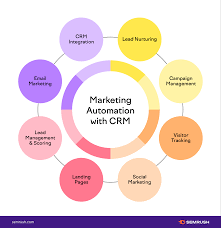
CRM systems streamline lead management processes by tracking leads from initial contact to conversion. Marketers can easily track lead interactions, nurture prospects through automated workflows, and identify high-potential leads for further engagement. This seamless lead management process ensures that no opportunity falls through the cracks and helps in maximising sales opportunities.

Data-Driven Decision Making

By centralising customer data and interactions, CRM empowers marketers to make data-driven decisions. Analytics tools integrated into CRM systems provide valuable insights into campaign performance, customer behaviour trends, and ROI metrics. Armed with this data, businesses can refine their digital marketing strategies for optimal results and continuous improvement.

Conclusion

CRM has revolutionised the way businesses approach digital marketing by enabling personalised experiences, targeted campaigns, efficient lead management, and informed decision making. Embracing CRM as a core component of your digital marketing strategy can help you build stronger relationships with customers, drive revenue growth, and stay ahead in today’s competitive landscape.


Enhancing Digital Marketing with CRM: 8 Essential Tips for Success

  1. Personalise your communications to build stronger relationships with customers.
  2. Use CRM data to segment your audience and target specific groups with tailored messages.
  3. Automate marketing processes to save time and improve efficiency.
  4. Integrate CRM with other digital marketing tools for a seamless workflow.
  5. Track customer interactions across various channels to gain insights and improve engagement strategies.
  6. Provide valuable content that addresses the needs and interests of your target audience.
  7. Regularly analyse CRM data to measure the effectiveness of your marketing campaigns and make informed decisions.
  8. Invest in training for your team to maximise the benefits of CRM in digital marketing.

Personalise your communications to build stronger relationships with customers.

Personalising your communications is a vital tip in CRM digital marketing as it allows businesses to establish stronger relationships with customers. By tailoring messages, offers, and content to individual preferences and behaviours, businesses can create a more engaging and relevant experience for customers. This personal touch not only fosters customer loyalty but also increases the likelihood of conversions and long-term brand advocacy. Effective personalisation demonstrates that you understand and value your customers, ultimately leading to improved satisfaction and retention rates.

Use CRM data to segment your audience and target specific groups with tailored messages.

Utilising CRM data to segment your audience and target specific groups with customised messages is a powerful strategy in digital marketing. By analysing customer information stored in the CRM system, businesses can categorise their audience based on demographics, behaviours, and preferences. This segmentation allows for the delivery of targeted messages that resonate with each group, increasing engagement and driving conversions. Tailoring marketing efforts to address the unique needs of different segments enhances the overall effectiveness of campaigns and fosters stronger connections with customers.

Automate marketing processes to save time and improve efficiency.

Automating marketing processes is a valuable tip in CRM digital marketing that can significantly benefit businesses. By leveraging automation tools within CRM systems, companies can save time and enhance efficiency in their marketing campaigns. Automating tasks such as email campaigns, lead nurturing, and customer segmentation not only streamlines processes but also allows marketers to focus on strategic initiatives and creative aspects of their campaigns. This approach not only increases productivity but also ensures consistent and timely communication with customers, ultimately leading to improved engagement and better results.

Integrate CRM with other digital marketing tools for a seamless workflow.

Integrating CRM with other digital marketing tools is a valuable tip to enhance your digital marketing efforts. By seamlessly connecting your CRM system with tools such as email marketing platforms, social media management software, and analytics tools, you can create a unified workflow that streamlines processes and improves efficiency. This integration allows for better data sharing, automated workflows, and a more cohesive approach to customer engagement across various channels. Ultimately, integrating CRM with other digital marketing tools enables you to deliver more targeted and personalised campaigns that resonate with your audience, leading to improved results and customer satisfaction.

Track customer interactions across various channels to gain insights and improve engagement strategies.

Tracking customer interactions across multiple channels is a crucial tip in CRM digital marketing. By monitoring how customers engage with your brand across different touchpoints such as social media, email, and website interactions, businesses can gain valuable insights into customer preferences and behaviours. This data allows marketers to create more targeted and effective engagement strategies, delivering personalised experiences that resonate with customers. By leveraging these insights, businesses can enhance customer satisfaction, drive loyalty, and ultimately improve their overall marketing performance.

Provide valuable content that addresses the needs and interests of your target audience.

To succeed in CRM digital marketing, it is essential to provide valuable content that resonates with the needs and interests of your target audience. By understanding the challenges and preferences of your customers, you can create content that not only engages them but also adds value to their experience. Tailoring your messaging to address specific pain points and interests demonstrates a customer-centric approach, fostering stronger relationships and increasing brand loyalty. In a competitive digital landscape, delivering relevant and valuable content is key to capturing and retaining the attention of your target audience.

Regularly analyse CRM data to measure the effectiveness of your marketing campaigns and make informed decisions.

Regularly analysing CRM data is a crucial tip in CRM digital marketing. By consistently reviewing the data captured within the CRM system, businesses can evaluate the performance of their marketing campaigns and gain valuable insights into customer interactions. This analytical approach allows marketers to make informed decisions based on real-time data, identify areas for improvement, and refine their strategies for better results. Ultimately, leveraging CRM data analysis empowers businesses to optimise their marketing efforts and enhance customer engagement in a targeted and effective manner.

Invest in training for your team to maximise the benefits of CRM in digital marketing.

Investing in training for your team is crucial to maximise the benefits of CRM in digital marketing. By providing comprehensive training on how to effectively utilise CRM systems, your team can enhance their understanding of customer data management, segmentation strategies, lead nurturing techniques, and data analysis. Equipping your team with the necessary skills and knowledge will not only improve the efficiency of your digital marketing campaigns but also empower them to make informed decisions based on actionable insights derived from CRM data. Training ensures that your team can fully leverage the capabilities of CRM to deliver personalised customer experiences, drive targeted campaigns, and ultimately achieve greater success in your digital marketing efforts.