
digital marketing strategy consultant

Unlocking Success: The Role of a Digital Marketing Strategy Consultant

The Role of a Digital Marketing Strategy Consultant

In today’s fast-paced digital landscape, businesses are constantly seeking ways to stand out and reach their target audience effectively. This is where a digital marketing strategy consultant plays a crucial role. A digital marketing strategy consultant is an expert who helps businesses develop and implement strategic plans to achieve their marketing goals in the online realm.

Key Responsibilities

A digital marketing strategy consultant works closely with businesses to understand their objectives, target audience, and competitive landscape. They conduct thorough research and analysis to identify opportunities for growth and create data-driven strategies that align with the overall business goals.

Some key responsibilities of a digital marketing strategy consultant include:

  • Developing comprehensive digital marketing plans tailored to the specific needs of each client.
  • Implementing strategies across various online channels such as social media, search engine optimisation (SEO), email marketing, and pay-per-click (PPC) advertising.
  • Monitoring and analysing campaign performance to make data-driven decisions and optimise results.
  • Providing valuable insights and recommendations to improve overall marketing effectiveness.
  • Staying up-to-date with the latest trends and technologies in digital marketing to ensure clients remain competitive in the market.

The Benefits of Hiring a Digital Marketing Strategy Consultant

By enlisting the services of a digital marketing strategy consultant, businesses can gain several advantages:

  • Expertise: Consultants bring specialised knowledge and experience to the table, helping businesses navigate the complexities of digital marketing.
  • Fresh Perspective: Consultants offer an external viewpoint that can uncover new opportunities and innovative approaches for reaching target audiences.
  • Efficiency: With a clear roadmap in place, businesses can streamline their marketing efforts and allocate resources more effectively.
  • Metric-Driven Results: Consultants focus on measurable outcomes, allowing businesses to track progress and make informed decisions based on data.

In Conclusion

A digital marketing strategy consultant plays a vital role in helping businesses navigate the ever-evolving world of online marketing. By leveraging their expertise and insights, businesses can develop effective strategies that drive growth, increase brand visibility, and ultimately achieve success in the digital space.


Crafting Success: Essential Tips for Digital Marketing Strategy Consultants

  1. Understand the client’s business goals and target audience thoroughly.
  2. Conduct a comprehensive analysis of the current digital marketing strategies in place.
  3. Create a customised digital marketing plan tailored to the client’s needs and budget.
  4. Stay updated with the latest trends and technologies in digital marketing.
  5. Focus on data-driven decision-making to track performance and make adjustments as needed.
  6. Provide regular reports and insights to demonstrate the effectiveness of the strategies implemented.

Understand the client’s business goals and target audience thoroughly.

To excel as a digital marketing strategy consultant, it is imperative to thoroughly understand the client’s business goals and target audience. By delving deep into the client’s objectives and gaining insights into their target demographic, consultants can tailor bespoke strategies that resonate with the audience and align with the overarching business goals. This foundational understanding not only ensures that marketing efforts are focused and effective but also establishes a solid framework for driving meaningful results in the digital realm.

Conduct a comprehensive analysis of the current digital marketing strategies in place.

To maximise the effectiveness of a digital marketing strategy consultant, it is essential to conduct a thorough analysis of the existing digital marketing strategies in place. By evaluating current practices, identifying strengths and weaknesses, and understanding what has worked well or needs improvement, the consultant can develop tailored recommendations for enhancing the overall digital marketing approach. This analysis serves as a crucial foundation for creating a strategic roadmap that aligns with the business goals and optimises performance across various online channels.

Create a customised digital marketing plan tailored to the client’s needs and budget.

Creating a customised digital marketing plan tailored to the client’s specific needs and budget is essential for the success of any business. A digital marketing strategy consultant can work closely with the client to understand their unique goals, target audience, and available resources. By developing a personalised plan that aligns with these factors, the consultant can maximise the impact of the marketing efforts while staying within budget constraints. This tailored approach ensures that every aspect of the digital strategy is designed to deliver optimal results and drive growth for the client’s business.

To excel as a digital marketing strategy consultant, it is essential to stay updated with the latest trends and technologies in the dynamic field of digital marketing. By keeping abreast of emerging tools, platforms, and strategies, consultants can offer innovative solutions to clients and ensure their marketing efforts remain relevant and effective in an ever-evolving digital landscape. Continuous learning and adaptation to new trends are key to delivering impactful results and staying ahead of the competition in the fast-paced world of digital marketing.

Focus on data-driven decision-making to track performance and make adjustments as needed.

To excel as a digital marketing strategy consultant, it is essential to prioritise data-driven decision-making. By closely monitoring key performance indicators and metrics, consultants can track the effectiveness of marketing campaigns and strategies. This approach enables them to identify areas for improvement, make timely adjustments, and optimise outcomes for their clients. Embracing data-driven insights empowers consultants to deliver results that are not only measurable but also tailored to meet the evolving needs of businesses in the dynamic digital landscape.

Provide regular reports and insights to demonstrate the effectiveness of the strategies implemented.

To ensure the success of digital marketing strategies, it is essential for a digital marketing strategy consultant to provide regular reports and insights that demonstrate the effectiveness of the implemented strategies. By tracking key performance indicators and analysing data, consultants can offer valuable feedback to clients on the progress of their campaigns. These reports not only showcase the impact of the strategies but also help in making informed decisions for future marketing efforts. Regular reporting fosters transparency and accountability, allowing clients to have a clear understanding of the return on investment and the overall effectiveness of their digital marketing initiatives.
b2b digital marketing strategy

Unlocking Success: The Essential Guide to B2B Digital Marketing Strategy

The Power of B2B Digital Marketing Strategy

In the dynamic world of business-to-business (B2B) marketing, having a well-defined digital strategy is essential for success. With the rise of digital technologies and online platforms, B2B companies have more opportunities than ever to reach and engage with their target audience in a meaningful way.

Understanding B2B Digital Marketing

B2B digital marketing involves the use of online channels and tactics to promote products or services to other businesses. Unlike business-to-consumer (B2C) marketing, B2B marketing often focuses on building relationships, providing valuable information, and addressing the specific needs of other businesses.

The Key Elements of a Successful B2B Digital Marketing Strategy:

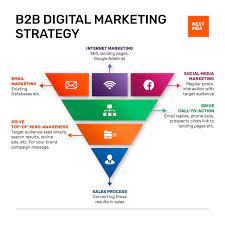
  1. Targeted Content: Creating high-quality, relevant content that addresses the pain points and challenges of your target audience is crucial in B2B marketing. This can include blog posts, whitepapers, case studies, and more.
  2. SEO and SEM: Optimising your website for search engines (SEO) and using search engine marketing (SEM) tactics such as pay-per-click advertising can help increase your visibility online and drive targeted traffic to your site.
  3. Social Media Marketing: Utilising social media platforms like LinkedIn, Twitter, and Facebook to share content, engage with prospects, and build relationships with key stakeholders in the industry.
  4. Email Marketing: Sending targeted email campaigns to nurture leads, provide valuable information, and keep your audience engaged with your brand over time.
  5. Data Analysis: Monitoring key performance indicators (KPIs) such as website traffic, conversion rates, lead generation metrics, and more to track the effectiveness of your digital marketing efforts and make data-driven decisions for future strategies.

The Benefits of a Strong B2B Digital Marketing Strategy

A well-executed B2B digital marketing strategy can offer numerous benefits for businesses looking to grow their customer base and increase revenue. Some key advantages include:

  • Increased Brand Awareness: By establishing a strong online presence through targeted digital marketing efforts, you can enhance brand visibility among potential customers in your industry.
  • Lead Generation: Effective digital marketing tactics such as content marketing and SEO can help attract qualified leads to your website who are more likely to convert into customers.
  • Improved Customer Engagement: Engaging with prospects through social media, email campaigns, and other channels allows you to build relationships with potential clients over time and nurture them through the sales funnel.
  • Metric-Driven Results: Digital marketing provides valuable data insights that allow you to measure the success of your campaigns in real-time and make adjustments as needed to optimise performance.

In conclusion, developing a robust B2B digital marketing strategy is essential for businesses looking to stay competitive in today’s digital landscape. By leveraging the power of online channels effectively, B2B companies can reach their target audience more efficiently, drive lead generation efforts, build lasting relationships with clients, and ultimately achieve their business goals.


Top 5 Benefits of a B2B Digital Marketing Strategy: Boost Visibility, Generate Leads, Engage Customers, Gain Insights, and Save Costs

  1. Increased brand visibility among target B2B audience
  2. Effective lead generation through targeted digital tactics
  3. Enhanced customer engagement and relationship building
  4. Access to valuable data insights for informed decision-making
  5. Cost-effective compared to traditional B2B marketing methods


Challenges in B2B Digital Marketing: Navigating High Competition, Prolonged Sales Cycles, and Resource Demands

  1. High Competition
  2. Longer Sales Cycles
  3. Resource Intensive

Increased brand visibility among target B2B audience

One significant advantage of implementing a B2B digital marketing strategy is the increased brand visibility among the target B2B audience. By strategically leveraging online channels and tailored content, businesses can enhance their presence in front of key decision-makers and industry professionals. This heightened visibility not only helps to establish brand authority and credibility but also increases the likelihood of being top-of-mind when potential clients are seeking solutions within the industry. Ultimately, greater brand visibility among the target B2B audience can lead to enhanced recognition, trust, and engagement, paving the way for meaningful business relationships and opportunities.

Effective lead generation through targeted digital tactics

One of the key advantages of a B2B digital marketing strategy is its ability to drive effective lead generation through targeted digital tactics. By utilising channels such as content marketing, SEO, social media, and email campaigns, businesses can reach their specific target audience with tailored messages that address their needs and pain points. This targeted approach not only attracts qualified leads to the business but also increases the likelihood of converting these leads into valuable customers. Ultimately, effective lead generation through targeted digital tactics allows B2B companies to maximise their marketing efforts and achieve tangible results in terms of acquiring new business opportunities.

Enhanced customer engagement and relationship building

An important advantage of implementing a B2B digital marketing strategy is the ability to enhance customer engagement and build strong relationships with clients. By leveraging various online channels such as social media, email campaigns, and targeted content, businesses can interact with their audience on a more personal level, providing valuable information and addressing their specific needs. This proactive approach not only fosters trust and loyalty but also allows companies to better understand their customers’ preferences and tailor their offerings accordingly, ultimately leading to long-term relationships and repeat business.

Access to valuable data insights for informed decision-making

One significant advantage of implementing a B2B digital marketing strategy is the access to valuable data insights that can guide informed decision-making. By analysing key performance indicators such as website traffic, conversion rates, and lead generation metrics, businesses can gain a deeper understanding of their target audience’s behaviour and preferences. This data-driven approach enables companies to make strategic adjustments to their marketing efforts, optimise campaign performance, and ultimately achieve better results. With actionable insights derived from digital analytics, businesses can make informed decisions that drive growth and success in the competitive B2B landscape.

Cost-effective compared to traditional B2B marketing methods

One significant advantage of a B2B digital marketing strategy is its cost-effectiveness when compared to traditional B2B marketing methods. By leveraging online channels such as social media, email campaigns, and search engine marketing, businesses can reach a larger audience at a fraction of the cost of traditional print or TV advertising. Digital marketing allows for targeted campaigns that focus on specific demographics or industries, reducing wastage and ensuring that marketing budgets are allocated efficiently. This cost-effective approach not only helps businesses save money but also provides a higher return on investment by reaching the right audience with tailored messaging.

High Competition

In the realm of B2B digital marketing, one significant drawback is the intense competition that businesses face. With numerous companies all striving to capture the attention of the same target audience, standing out in a crowded digital landscape can be a daunting task. The high level of competition means that businesses must work even harder to differentiate themselves, craft compelling messaging, and deliver valuable content that resonates with their audience to effectively cut through the noise and make a lasting impact.

Longer Sales Cycles

One significant drawback of B2B digital marketing strategy is the longer sales cycles involved. Unlike in B2C marketing, where transactions can be more immediate, B2B sales cycles tend to be extended and intricate. This means that businesses need to invest a considerable amount of effort and resources into nurturing leads over an extended period to guide them through the complex buying process. The prolonged nature of these sales cycles can pose challenges in terms of maintaining momentum, managing expectations, and ensuring consistent engagement with potential clients throughout the decision-making journey.

Resource Intensive

One significant drawback of implementing a comprehensive B2B digital marketing strategy is its resource-intensive nature. To execute such a strategy effectively, businesses need to allocate substantial time, expertise, and financial resources. This can pose a challenge for some companies, especially smaller businesses or those with limited budgets, as the investment required may be beyond their means. The need for skilled professionals, advanced tools and technologies, and ongoing monitoring and optimisation can make it difficult for some businesses to fully embrace the potential benefits of B2B digital marketing.