search engine marketing

Unlocking Success: The Power of Search Engine Marketing Strategies

Search Engine Marketing

The Power of Search Engine Marketing

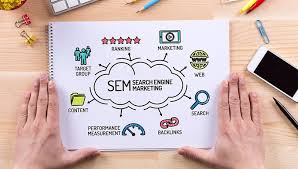
Search Engine Marketing (SEM) is a powerful digital marketing strategy that aims to increase a website’s visibility in search engine results pages through paid advertising. It involves the use of techniques such as pay-per-click (PPC) advertising, search engine optimisation (SEO), and other tactics to drive traffic and generate leads.

Key Components of SEM:

  • PPC Advertising: With PPC campaigns, advertisers bid on specific keywords relevant to their target audience. Ads are displayed on search engine results pages, and advertisers only pay when users click on their ads.
  • SEO: Search Engine Optimisation focuses on improving a website’s organic ranking in search engine results. By optimising content, meta tags, and other elements, websites can attract more organic traffic and improve visibility.
  • Keyword Research: Identifying relevant keywords that potential customers use when searching online is crucial for SEM success. Keyword research helps target the right audience and improve campaign performance.
  • Landing Page Optimisation: Creating compelling landing pages that align with ad messaging is essential for converting visitors into leads or customers. Optimising landing pages can improve conversion rates and maximise ROI.

The Benefits of SEM:

SEM offers numerous benefits for businesses looking to enhance their online presence and reach their target audience effectively:

  • Increased Visibility: By appearing at the top of search engine results pages, businesses can gain greater visibility and attract more qualified leads.
  • Precise Targeting: SEM allows advertisers to target specific demographics, locations, and interests, ensuring ads reach the right audience at the right time.
  • Measurable Results: SEM provides detailed analytics that allow businesses to track performance metrics such as click-through rates, conversions, and return on investment (ROI).
  • Faster Results: Unlike organic SEO efforts that take time to yield results, SEM can generate immediate traffic and leads for businesses looking to boost their online presence quickly.

In Conclusion

In today’s competitive digital landscape, Search Engine Marketing has become a vital tool for businesses seeking to stand out online. By leveraging SEM strategies effectively, businesses can drive targeted traffic to their websites, increase brand awareness, and ultimately achieve their marketing goals.


9 Essential Tips for Effective Search Engine Marketing Success

  1. Use relevant keywords in your ad copy to attract the right audience.
  2. Optimise your landing pages for conversions to improve the effectiveness of your ads.
  3. Regularly monitor and adjust your bids to maximise ROI.
  4. Utilise ad extensions to provide more information and stand out in search results.
  5. Test different ad creatives to see what resonates best with your target audience.
  6. Utilise negative keywords to prevent your ads from showing for irrelevant searches.
  7. Monitor and analyse performance data to make informed decisions about campaign optimisation.
  8. Consider local targeting if you have a geographically specific audience.
  9. Stay updated on industry trends and algorithm changes to adapt your strategy accordingly.

Use relevant keywords in your ad copy to attract the right audience.

Utilising relevant keywords in your ad copy is a crucial tip in Search Engine Marketing to effectively attract the right audience to your website. By incorporating keywords that align with what your target audience is searching for, you increase the chances of your ads appearing to users who are actively seeking the products or services you offer. This strategy not only enhances the visibility of your ads but also improves the quality of traffic directed to your site, ultimately leading to higher click-through rates and better overall campaign performance.

Optimise your landing pages for conversions to improve the effectiveness of your ads.

To enhance the performance of your search engine marketing campaigns, it is crucial to optimise your landing pages for conversions. By aligning the content and design of your landing pages with the messaging of your ads, you can create a seamless user experience that encourages visitors to take action. Implementing clear calls-to-action, relevant information, and user-friendly design elements can significantly improve the effectiveness of your ads and increase the likelihood of converting clicks into valuable leads or customers.

Regularly monitor and adjust your bids to maximise ROI.

Regularly monitoring and adjusting your bids is a crucial tip in Search Engine Marketing to maximise Return on Investment (ROI). By keeping a close eye on the performance of your pay-per-click (PPC) campaigns and making necessary bid adjustments, you can ensure that you are getting the most out of your advertising budget. By analysing data such as click-through rates, conversion rates, and cost per acquisition, you can make informed decisions to optimise your bids for better results and ultimately improve the overall effectiveness of your SEM campaigns.

Utilise ad extensions to provide more information and stand out in search results.

By utilising ad extensions in your search engine marketing campaigns, you can enhance the visibility of your ads and provide users with additional information that can make your listing stand out in search results. Ad extensions allow you to include extra details such as links to specific pages on your website, contact information, location details, and more, giving potential customers a clearer picture of what your business offers. By taking advantage of ad extensions, you can improve the effectiveness of your ads and increase the likelihood of attracting clicks from users actively searching for products or services like yours.

Test different ad creatives to see what resonates best with your target audience.

Testing different ad creatives is a crucial tip in search engine marketing to determine what resonates best with your target audience. By experimenting with various ad formats, messaging, and visuals, you can gain valuable insights into what captures the attention of your audience and drives engagement. This iterative approach allows you to refine your advertising strategy, improve click-through rates, and ultimately maximise the effectiveness of your SEM campaigns. Embracing testing and optimisation ensures that your ads are tailored to meet the specific preferences and needs of your target audience, leading to better results and a higher return on investment.

Utilise negative keywords to prevent your ads from showing for irrelevant searches.

Utilising negative keywords in your search engine marketing campaigns is a crucial strategy to ensure that your ads are not displayed for irrelevant searches. By identifying and adding negative keywords to your campaign, you can prevent your ads from appearing in search results that are not closely related to your target audience or offering. This helps to improve the relevance of your ads, increase click-through rates, and ultimately maximise the effectiveness of your SEM efforts by reaching the right audience with the right intent.

Monitor and analyse performance data to make informed decisions about campaign optimisation.

To maximise the effectiveness of your search engine marketing campaigns, it is essential to continuously monitor and analyse performance data. By reviewing key metrics such as click-through rates, conversion rates, and return on investment, you can gain valuable insights into the success of your campaigns. This data-driven approach enables you to make informed decisions about optimising your campaigns, adjusting targeting strategies, refining ad messaging, and allocating budget effectively. By staying vigilant and responsive to performance data, you can enhance the overall efficiency and impact of your search engine marketing efforts.

Consider local targeting if you have a geographically specific audience.

When implementing a search engine marketing strategy, it is essential to consider local targeting if your business caters to a geographically specific audience. By focusing on localised keywords, location-based ad campaigns, and optimising your website for local search, you can effectively reach potential customers in your target area. This approach not only increases the relevance of your ads but also enhances the chances of connecting with local prospects who are actively seeking your products or services in their vicinity. Incorporating local targeting in your SEM efforts can lead to higher engagement rates, improved conversion rates, and ultimately drive more foot traffic or online sales from your local audience.

It is crucial for businesses engaging in Search Engine Marketing to stay informed about industry trends and algorithm changes. By keeping abreast of the latest developments, businesses can adapt their strategies effectively to align with search engine requirements and user preferences. Being proactive in monitoring changes allows businesses to stay ahead of the curve, enhance their online visibility, and maximise the impact of their SEM efforts.

international digital marketing

Mastering the Art of International Digital Marketing: Strategies for Global Success

The Power of International Digital Marketing

In today’s interconnected world, businesses are no longer limited by geographical boundaries when it comes to reaching their target audience. International digital marketing has emerged as a powerful tool for companies looking to expand their global footprint and connect with customers around the world.

One of the key advantages of international digital marketing is its ability to transcend physical barriers and engage with diverse audiences in different countries. Through strategic use of online channels such as social media, search engine optimisation (SEO), email marketing, and content creation, businesses can tailor their messages to resonate with specific cultural nuances and preferences.

Moreover, international digital marketing offers a cost-effective way for companies to promote their products or services on a global scale. Compared to traditional marketing methods like print advertising or TV commercials, digital marketing allows for precise targeting and measurement of campaign performance, enabling businesses to optimise their strategies for maximum impact.

Successful international digital marketing requires a deep understanding of local markets, languages, and consumer behaviours. By conducting thorough market research and leveraging data analytics tools, businesses can identify opportunities for growth and develop targeted campaigns that speak directly to the needs and interests of their international audience.

Furthermore, international digital marketing enables companies to build brand awareness and credibility on a global level. By establishing a strong online presence across multiple countries, businesses can enhance their reputation and attract new customers who may have never been exposed to their brand otherwise.

In conclusion, international digital marketing presents an exciting opportunity for businesses to expand their reach beyond borders and connect with audiences worldwide. By harnessing the power of digital technology and embracing cultural diversity, companies can unlock new growth opportunities and drive success in the global marketplace.


Top 5 Tips for Effective International Digital Marketing Strategies

  1. Understand cultural differences and tailor your content accordingly.
  2. Localize your website and digital assets for different markets.
  3. Utilize social media platforms popular in the target countries.
  4. Consider language nuances and idioms when creating content.
  5. Stay up-to-date with international SEO trends and best practices.

Understand cultural differences and tailor your content accordingly.

To succeed in international digital marketing, it is crucial to acknowledge and respect cultural differences and nuances in various markets. By understanding the unique preferences, values, and behaviours of different audiences, businesses can tailor their content and messaging to resonate effectively with each target demographic. This personalised approach not only enhances engagement and relevance but also demonstrates a commitment to building authentic connections with consumers around the world.

Localize your website and digital assets for different markets.

To maximise the effectiveness of your international digital marketing efforts, it is crucial to localise your website and digital assets for different markets. By tailoring your content, language, and design to resonate with the cultural preferences and expectations of specific regions, you can create a more engaging and relevant experience for your target audience. Localisation goes beyond mere translation; it involves adapting your messaging and imagery to reflect the nuances of each market, ultimately enhancing user engagement and driving conversions. Investing in localisation demonstrates a commitment to understanding and connecting with customers on a personal level, leading to increased brand loyalty and success in diverse global markets.

To maximise the effectiveness of international digital marketing efforts, it is essential to utilise social media platforms that are popular in the target countries. By understanding the social media preferences and behaviours of specific regions, businesses can tailor their content and engagement strategies to resonate with local audiences. This approach not only helps to increase brand visibility and engagement but also fosters stronger connections with potential customers in different cultural contexts.

Consider language nuances and idioms when creating content.

When delving into international digital marketing, it is crucial to consider language nuances and idioms when crafting content for different target audiences. Understanding the subtleties of language in various regions can make a significant impact on how your message is received and interpreted by potential customers. By incorporating local idioms and cultural references appropriately, businesses can establish a deeper connection with their international audience and convey their message in a way that resonates authentically with local communities.

To succeed in international digital marketing, it is crucial to stay up-to-date with international SEO trends and best practices. Search engine optimisation plays a vital role in ensuring that your online content is discoverable by global audiences. By keeping abreast of the latest developments in international SEO, such as localised keyword research, multilingual content optimisation, and geo-targeting strategies, businesses can improve their visibility in search engine results across different countries and languages. This proactive approach to SEO not only enhances website traffic and conversions but also helps businesses stay competitive in the ever-evolving digital landscape.

healthcare digital marketing

Transforming Healthcare Through Digital Marketing Strategies

Healthcare Digital Marketing

The Impact of Digital Marketing in Healthcare

In today’s digital age, the healthcare industry is leveraging the power of digital marketing to reach and engage with patients in innovative ways. Digital marketing has revolutionised how healthcare providers connect with their target audience, improve patient outcomes, and enhance overall healthcare experiences.

Benefits of Healthcare Digital Marketing

Digital marketing offers numerous benefits to healthcare organisations:

  • Increased Patient Engagement: Through social media, email campaigns, and online content, healthcare providers can engage with patients on a more personal level, providing valuable information and building trust.
  • Enhanced Brand Awareness: Effective digital marketing strategies can help healthcare organisations increase their visibility and establish a strong brand presence in the competitive healthcare landscape.
  • Precise Targeting: Digital marketing allows healthcare providers to target specific demographics and tailor their messages to reach the right audience at the right time.
  • Data-Driven Insights: By analysing digital marketing data and metrics, healthcare organisations can gain valuable insights into patient behaviour, preferences, and trends, enabling them to make informed decisions.
  • Improved Patient Education: Through online resources such as blogs, videos, and webinars, healthcare providers can educate patients about various health conditions, treatments, and preventive care measures.

The Future of Healthcare Digital Marketing

As technology continues to advance rapidly, the future of healthcare digital marketing holds even greater potential. From personalised medicine to telehealth services, digital marketing will play a crucial role in shaping the future of healthcare delivery and patient engagement.


Seven Essential Tips for Effective Healthcare Digital Marketing

  1. 1. Utilise social media platforms to engage with your audience and share valuable healthcare information.
  2. 2. Create a user-friendly website that is mobile-responsive for easy access on different devices.
  3. 3. Implement SEO strategies to improve your online visibility and attract more potential patients.
  4. 4. Develop informative and visually appealing content such as blogs, videos, and infographics to educate your audience.
  5. 5. Use email marketing campaigns to stay connected with patients, promote services, and share relevant updates.
  6. 6. Collaborate with influencers or healthcare professionals to reach a wider audience and build credibility.
  7. 7. Monitor analytics regularly to track the performance of your digital marketing efforts and make data-driven decisions.

1. Utilise social media platforms to engage with your audience and share valuable healthcare information.

Utilising social media platforms is a valuable tip in healthcare digital marketing to effectively engage with your audience and share important healthcare information. By leveraging the reach and interactivity of platforms such as Facebook, Twitter, and Instagram, healthcare providers can connect with patients on a more personal level, foster trust, and deliver relevant content that educates and empowers individuals to make informed health decisions. This proactive approach not only enhances patient engagement but also strengthens the provider-patient relationship, ultimately leading to improved health outcomes and a more connected healthcare community.

2. Create a user-friendly website that is mobile-responsive for easy access on different devices.

Creating a user-friendly website that is mobile-responsive is a crucial tip in healthcare digital marketing. In today’s mobile-centric world, patients expect easy access to healthcare information and services on their smartphones and tablets. A mobile-responsive website ensures that users can navigate the site seamlessly on various devices, providing a positive user experience and encouraging engagement. By prioritising mobile responsiveness, healthcare providers can reach a wider audience and enhance patient satisfaction with convenient access to valuable health resources.

3. Implement SEO strategies to improve your online visibility and attract more potential patients.

Implementing SEO strategies is essential in healthcare digital marketing to enhance online visibility and attract a larger pool of potential patients. By optimising your website with relevant keywords, creating high-quality content, and improving your site’s technical aspects, you can increase your search engine rankings and make it easier for patients to find you online. SEO not only helps drive organic traffic to your website but also establishes your authority in the healthcare industry, ultimately leading to more patient inquiries and appointments.

4. Develop informative and visually appealing content such as blogs, videos, and infographics to educate your audience.

To enhance your healthcare digital marketing strategy, it is essential to develop informative and visually appealing content, including blogs, videos, and infographics. By creating engaging content that educates your audience about various health topics, treatments, and preventive care measures, you can establish credibility, build trust with patients, and differentiate your brand in the competitive healthcare landscape. Visual elements such as videos and infographics can make complex medical information more digestible and engaging for your audience, leading to increased patient engagement and improved overall healthcare experiences.

5. Use email marketing campaigns to stay connected with patients, promote services, and share relevant updates.

Utilising email marketing campaigns is a valuable strategy in healthcare digital marketing to maintain a strong connection with patients, promote services effectively, and share pertinent updates. By sending targeted and informative emails, healthcare providers can keep patients engaged, informed, and aware of the latest developments in healthcare services. This approach not only enhances patient communication but also helps to build trust and loyalty towards the healthcare organisation.

6. Collaborate with influencers or healthcare professionals to reach a wider audience and build credibility.

Collaborating with influencers or healthcare professionals is a strategic tip in healthcare digital marketing to expand reach and establish credibility. By partnering with individuals who have a strong influence in the healthcare industry, organisations can tap into their existing audience base and leverage their expertise to engage with a wider demographic. This collaboration not only helps in reaching a larger audience but also enhances the brand’s credibility and trustworthiness, as it is endorsed by respected figures within the healthcare community. Leveraging influencers or healthcare professionals can significantly boost visibility and foster stronger connections with patients and stakeholders in the digital space.

7. Monitor analytics regularly to track the performance of your digital marketing efforts and make data-driven decisions.

Monitoring analytics regularly is a crucial tip in healthcare digital marketing. By tracking the performance of your digital marketing efforts through data analysis, you can gain valuable insights into the effectiveness of your strategies. This data-driven approach allows healthcare providers to make informed decisions, optimise campaigns, and adjust tactics to better engage with patients and improve overall outcomes. Regular monitoring of analytics ensures that your digital marketing efforts remain aligned with your goals and continually evolve to meet the changing needs of your target audience.