b2b digital marketing strategy

Unlocking Success: The Essential Guide to B2B Digital Marketing Strategy

The Power of B2B Digital Marketing Strategy

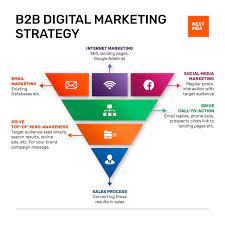
In the dynamic world of business-to-business (B2B) marketing, having a well-defined digital strategy is essential for success. With the rise of digital technologies and online platforms, B2B companies have more opportunities than ever to reach and engage with their target audience in a meaningful way.

Understanding B2B Digital Marketing

B2B digital marketing involves the use of online channels and tactics to promote products or services to other businesses. Unlike business-to-consumer (B2C) marketing, B2B marketing often focuses on building relationships, providing valuable information, and addressing the specific needs of other businesses.

The Key Elements of a Successful B2B Digital Marketing Strategy:

  1. Targeted Content: Creating high-quality, relevant content that addresses the pain points and challenges of your target audience is crucial in B2B marketing. This can include blog posts, whitepapers, case studies, and more.
  2. SEO and SEM: Optimising your website for search engines (SEO) and using search engine marketing (SEM) tactics such as pay-per-click advertising can help increase your visibility online and drive targeted traffic to your site.
  3. Social Media Marketing: Utilising social media platforms like LinkedIn, Twitter, and Facebook to share content, engage with prospects, and build relationships with key stakeholders in the industry.
  4. Email Marketing: Sending targeted email campaigns to nurture leads, provide valuable information, and keep your audience engaged with your brand over time.
  5. Data Analysis: Monitoring key performance indicators (KPIs) such as website traffic, conversion rates, lead generation metrics, and more to track the effectiveness of your digital marketing efforts and make data-driven decisions for future strategies.

The Benefits of a Strong B2B Digital Marketing Strategy

A well-executed B2B digital marketing strategy can offer numerous benefits for businesses looking to grow their customer base and increase revenue. Some key advantages include:

  • Increased Brand Awareness: By establishing a strong online presence through targeted digital marketing efforts, you can enhance brand visibility among potential customers in your industry.
  • Lead Generation: Effective digital marketing tactics such as content marketing and SEO can help attract qualified leads to your website who are more likely to convert into customers.
  • Improved Customer Engagement: Engaging with prospects through social media, email campaigns, and other channels allows you to build relationships with potential clients over time and nurture them through the sales funnel.
  • Metric-Driven Results: Digital marketing provides valuable data insights that allow you to measure the success of your campaigns in real-time and make adjustments as needed to optimise performance.

In conclusion, developing a robust B2B digital marketing strategy is essential for businesses looking to stay competitive in today’s digital landscape. By leveraging the power of online channels effectively, B2B companies can reach their target audience more efficiently, drive lead generation efforts, build lasting relationships with clients, and ultimately achieve their business goals.


Top 5 Benefits of a B2B Digital Marketing Strategy: Boost Visibility, Generate Leads, Engage Customers, Gain Insights, and Save Costs

  1. Increased brand visibility among target B2B audience
  2. Effective lead generation through targeted digital tactics
  3. Enhanced customer engagement and relationship building
  4. Access to valuable data insights for informed decision-making
  5. Cost-effective compared to traditional B2B marketing methods


Challenges in B2B Digital Marketing: Navigating High Competition, Prolonged Sales Cycles, and Resource Demands

  1. High Competition
  2. Longer Sales Cycles
  3. Resource Intensive

Increased brand visibility among target B2B audience

One significant advantage of implementing a B2B digital marketing strategy is the increased brand visibility among the target B2B audience. By strategically leveraging online channels and tailored content, businesses can enhance their presence in front of key decision-makers and industry professionals. This heightened visibility not only helps to establish brand authority and credibility but also increases the likelihood of being top-of-mind when potential clients are seeking solutions within the industry. Ultimately, greater brand visibility among the target B2B audience can lead to enhanced recognition, trust, and engagement, paving the way for meaningful business relationships and opportunities.

Effective lead generation through targeted digital tactics

One of the key advantages of a B2B digital marketing strategy is its ability to drive effective lead generation through targeted digital tactics. By utilising channels such as content marketing, SEO, social media, and email campaigns, businesses can reach their specific target audience with tailored messages that address their needs and pain points. This targeted approach not only attracts qualified leads to the business but also increases the likelihood of converting these leads into valuable customers. Ultimately, effective lead generation through targeted digital tactics allows B2B companies to maximise their marketing efforts and achieve tangible results in terms of acquiring new business opportunities.

Enhanced customer engagement and relationship building

An important advantage of implementing a B2B digital marketing strategy is the ability to enhance customer engagement and build strong relationships with clients. By leveraging various online channels such as social media, email campaigns, and targeted content, businesses can interact with their audience on a more personal level, providing valuable information and addressing their specific needs. This proactive approach not only fosters trust and loyalty but also allows companies to better understand their customers’ preferences and tailor their offerings accordingly, ultimately leading to long-term relationships and repeat business.

Access to valuable data insights for informed decision-making

One significant advantage of implementing a B2B digital marketing strategy is the access to valuable data insights that can guide informed decision-making. By analysing key performance indicators such as website traffic, conversion rates, and lead generation metrics, businesses can gain a deeper understanding of their target audience’s behaviour and preferences. This data-driven approach enables companies to make strategic adjustments to their marketing efforts, optimise campaign performance, and ultimately achieve better results. With actionable insights derived from digital analytics, businesses can make informed decisions that drive growth and success in the competitive B2B landscape.

Cost-effective compared to traditional B2B marketing methods

One significant advantage of a B2B digital marketing strategy is its cost-effectiveness when compared to traditional B2B marketing methods. By leveraging online channels such as social media, email campaigns, and search engine marketing, businesses can reach a larger audience at a fraction of the cost of traditional print or TV advertising. Digital marketing allows for targeted campaigns that focus on specific demographics or industries, reducing wastage and ensuring that marketing budgets are allocated efficiently. This cost-effective approach not only helps businesses save money but also provides a higher return on investment by reaching the right audience with tailored messaging.

High Competition

In the realm of B2B digital marketing, one significant drawback is the intense competition that businesses face. With numerous companies all striving to capture the attention of the same target audience, standing out in a crowded digital landscape can be a daunting task. The high level of competition means that businesses must work even harder to differentiate themselves, craft compelling messaging, and deliver valuable content that resonates with their audience to effectively cut through the noise and make a lasting impact.

Longer Sales Cycles

One significant drawback of B2B digital marketing strategy is the longer sales cycles involved. Unlike in B2C marketing, where transactions can be more immediate, B2B sales cycles tend to be extended and intricate. This means that businesses need to invest a considerable amount of effort and resources into nurturing leads over an extended period to guide them through the complex buying process. The prolonged nature of these sales cycles can pose challenges in terms of maintaining momentum, managing expectations, and ensuring consistent engagement with potential clients throughout the decision-making journey.

Resource Intensive

One significant drawback of implementing a comprehensive B2B digital marketing strategy is its resource-intensive nature. To execute such a strategy effectively, businesses need to allocate substantial time, expertise, and financial resources. This can pose a challenge for some companies, especially smaller businesses or those with limited budgets, as the investment required may be beyond their means. The need for skilled professionals, advanced tools and technologies, and ongoing monitoring and optimisation can make it difficult for some businesses to fully embrace the potential benefits of B2B digital marketing.

saas content marketing agency

Unlocking Success: The Role of a SaaS Content Marketing Agency

The Power of SaaS Content Marketing Agencies

The Power of SaaS Content Marketing Agencies

In the competitive world of Software as a Service (SaaS), effective marketing is crucial for success. SaaS companies rely on reaching and engaging their target audience to drive conversions and grow their customer base. This is where SaaS content marketing agencies play a vital role.

What is a SaaS Content Marketing Agency?

A SaaS content marketing agency specialises in creating and distributing valuable, relevant, and consistent content to attract and retain a clearly defined audience for SaaS businesses. These agencies understand the unique challenges and opportunities within the SaaS industry and tailor their strategies to meet the specific needs of SaaS companies.

The Benefits of Working with a SaaS Content Marketing Agency

Expertise: SaaS content marketing agencies have a deep understanding of the SaaS landscape and know how to create content that resonates with target audiences in this industry.

Strategy Development: These agencies can develop comprehensive content marketing strategies that align with the goals and objectives of SaaS businesses, helping them achieve long-term success.

Content Creation: From blog posts and whitepapers to videos and infographics, SaaS content marketing agencies produce high-quality content that educates, informs, and engages potential customers.

SEO Optimisation: By incorporating search engine optimisation (SEO) best practices into their content creation process, these agencies help improve the visibility of SaaS businesses online.

Conclusion

In conclusion, partnering with a SaaS content marketing agency can give your SaaS business a competitive edge in the digital landscape. By leveraging their expertise, strategic approach, and creative content creation capabilities, you can effectively reach your target audience, drive conversions, and ultimately grow your business in the dynamic world of SaaS.


Understanding SaaS Content Marketing Agencies: Key Services and Benefits

  1. What services do SaaS content marketing agencies offer?
  2. How can a SaaS content marketing agency help my business?
  3. What makes SaaS content marketing agencies different from traditional marketing agencies?
  4. How do SaaS content marketing agencies measure the success of their campaigns?
  5. What should I look for when choosing a SaaS content marketing agency?

What services do SaaS content marketing agencies offer?

SaaS content marketing agencies offer a range of services tailored to meet the specific needs of Software as a Service businesses. These services typically include content strategy development, content creation such as blog posts, articles, whitepapers, and videos, search engine optimisation (SEO) to improve online visibility, social media marketing to engage with audiences, email marketing campaigns to nurture leads, and analytics and reporting to track performance and make data-driven decisions. By providing a comprehensive suite of services, SaaS content marketing agencies help SaaS companies effectively reach their target audience, drive conversions, and grow their business in the competitive digital landscape.

How can a SaaS content marketing agency help my business?

A SaaS content marketing agency can significantly benefit your business by leveraging its expertise in creating and distributing tailored content to engage your target audience effectively. These agencies understand the nuances of the SaaS industry and can develop strategic content marketing plans that align with your business goals. From crafting compelling blog posts and informative whitepapers to producing engaging videos and infographics, a SaaS content marketing agency can enhance your online presence, drive traffic to your website, generate leads, and ultimately boost conversions. By harnessing their skills in SEO optimisation and content strategy, these agencies can help position your SaaS business as a thought leader in the industry, increasing brand visibility and attracting potential customers.

What makes SaaS content marketing agencies different from traditional marketing agencies?

SaaS content marketing agencies differentiate themselves from traditional marketing agencies through their specialised focus on creating and distributing content tailored specifically for the Software as a Service (SaaS) industry. These agencies possess a deep understanding of the unique challenges and opportunities within the SaaS landscape, allowing them to develop targeted strategies that resonate with SaaS audiences. Unlike traditional marketing agencies that may offer a broad range of services, SaaS content marketing agencies leverage their expertise to craft high-quality content, implement SEO best practices, and drive engagement that is specifically designed to meet the needs of SaaS businesses. By aligning their efforts with the nuances of the SaaS sector, these agencies can deliver tailored solutions that help SaaS companies stand out in a competitive digital marketplace.

How do SaaS content marketing agencies measure the success of their campaigns?

SaaS content marketing agencies measure the success of their campaigns through a variety of key performance indicators (KPIs) tailored to the unique goals of SaaS businesses. Common metrics include website traffic, lead generation, conversion rates, customer acquisition cost, customer lifetime value, and overall return on investment (ROI). By analysing these KPIs, agencies can track the effectiveness of their content marketing efforts, identify areas for improvement, and demonstrate the tangible impact of their campaigns on the growth and success of SaaS companies.

What should I look for when choosing a SaaS content marketing agency?

When selecting a SaaS content marketing agency, there are several key factors to consider to ensure you make the right choice for your business. Firstly, look for an agency with experience and expertise in the SaaS industry, as they will understand the unique challenges and opportunities that come with marketing SaaS products. Additionally, consider their track record of success with previous clients and their ability to develop tailored strategies that align with your business goals. It is also important to assess their content creation capabilities, SEO knowledge, and overall approach to digital marketing to ensure they can effectively reach and engage your target audience. Transparency, communication, and a collaborative working style are also essential qualities to look for in a SaaS content marketing agency to foster a successful partnership.

digital influencer marketing

Unlocking the Potential of Digital Influencer Marketing Strategies

The Power of Digital Influencer Marketing

In today’s digital age, traditional advertising methods are no longer as effective in reaching and engaging with target audiences. This shift has led to the rise of digital influencer marketing as a powerful strategy for brands to connect with consumers in a more authentic and impactful way.

Digital influencers, also known as social media influencers, have amassed large followings on platforms such as Instagram, YouTube, and TikTok. These individuals have built credibility and trust with their audience through their content and personality, making them influential voices in their respective niches.

Benefits of Digital Influencer Marketing

One of the key benefits of digital influencer marketing is the ability to reach a highly targeted audience. By partnering with influencers whose followers align with your brand’s target demographic, you can effectively expand your reach and drive engagement.

Furthermore, digital influencer marketing offers a level of authenticity that traditional advertising often lacks. When an influencer promotes a product or service, their audience perceives it as a genuine recommendation rather than a paid advertisement. This authenticity can lead to higher levels of trust and loyalty among consumers.

Best Practices for Digital Influencer Marketing

When implementing a digital influencer marketing campaign, it is important to carefully select influencers whose values and content align with your brand. Authenticity is key in influencer partnerships, so choosing influencers who genuinely resonate with your brand message is crucial for success.

Additionally, clear communication and transparency are essential in influencer collaborations. Clearly outline expectations, deliverables, and compensation agreements to ensure a smooth partnership process and avoid any misunderstandings down the line.

The Future of Digital Influencer Marketing

As social media continues to evolve and new platforms emerge, the landscape of digital influencer marketing will also continue to change. Brands that adapt to these shifts and embrace innovative strategies for working with influencers will be well-positioned to succeed in this dynamic space.

In conclusion, digital influencer marketing offers brands a unique opportunity to connect with consumers in an authentic and engaging way. By leveraging the influence and reach of digital influencers, brands can enhance their visibility, credibility, and ultimately drive growth in an increasingly competitive digital marketplace.


Understanding Digital Influencer Marketing: Top 9 Frequently Asked Questions

  1. What is an example of influencer marketing?
  2. Do influencers do digital marketing?
  3. How is influencer marketing used?
  4. What is influencer marketing in digital marketing?
  5. What are the 4 types of influencers?
  6. What means digital influencer?
  7. How do I start influencer marketing?
  8. How to become digital influencer?
  9. What is the use of influencers in digital marketing?

What is an example of influencer marketing?

An example of influencer marketing can be seen in the collaboration between a popular beauty influencer and a cosmetic brand. In this scenario, the beauty influencer creates engaging content, such as makeup tutorials and product reviews, featuring the brand’s products. By leveraging the influencer’s credibility and reach, the cosmetic brand is able to showcase its products to a wider audience in an authentic and relatable way. This partnership not only boosts brand awareness but also drives consumer interest and engagement, ultimately leading to increased sales and brand loyalty.

Do influencers do digital marketing?

Influencers play a significant role in digital marketing by leveraging their online presence and influence to promote products and services to their followers. Through sponsored posts, product reviews, affiliate marketing, and collaborations with brands, influencers effectively engage with their audience and drive consumer behaviour. By creating authentic and relatable content, influencers seamlessly integrate marketing messages into their platforms, making them valuable partners for brands looking to reach target audiences in a more personalised and engaging manner.

How is influencer marketing used?

Influencer marketing is utilised as a strategic approach by brands to leverage the influence and reach of digital influencers in order to promote their products or services to a targeted audience. Brands collaborate with influencers who have established credibility and a loyal following on social media platforms to create authentic content that resonates with their audience. This partnership allows brands to tap into the influencer’s engaged community, increase brand awareness, drive engagement, and ultimately, generate leads and sales. By harnessing the power of influencer marketing, brands can effectively connect with consumers in a more organic and relatable manner, leading to greater brand visibility and customer trust.

What is influencer marketing in digital marketing?

In the realm of digital marketing, influencer marketing refers to a strategic approach where brands collaborate with individuals who have established credibility and influence within specific online communities or social media platforms. These digital influencers, through their engaging content and authentic connection with their followers, have the power to sway consumer behaviour and preferences. By partnering with influencers, brands can leverage their reach and impact to promote products or services in a more organic and relatable manner, effectively tapping into the influencer’s audience to drive brand awareness, engagement, and ultimately, conversions.

What are the 4 types of influencers?

In the realm of digital influencer marketing, influencers can be categorised into four main types based on their reach, engagement, and content style. The first type is the Mega-Influencers, who have a massive following of over a million followers and typically include celebrities and well-known personalities. Next are Macro-Influencers, who have follower counts ranging from 100,000 to one million and often focus on specific niches. Micro-Influencers have smaller but highly engaged audiences, typically between 10,000 to 100,000 followers, making them ideal for niche marketing. Lastly, Nano-Influencers have the smallest following of under 10,000 followers but boast high engagement rates and strong relationships with their audience. Each type of influencer offers unique advantages for brands looking to connect with their target audiences effectively in the digital space.

What means digital influencer?

A digital influencer is an individual who has established credibility and influence within a specific niche or industry through their online presence, typically on social media platforms such as Instagram, YouTube, or TikTok. These influencers have built a loyal following by creating engaging content that resonates with their audience, allowing them to sway opinions, shape trends, and drive purchasing decisions. Digital influencers often collaborate with brands to promote products or services to their followers in a more authentic and relatable manner compared to traditional advertising methods.

How do I start influencer marketing?

To embark on influencer marketing, it is essential to begin by defining your goals and identifying the target audience you wish to reach through influencer partnerships. Conduct thorough research to find influencers whose values, content style, and audience align with your brand. Establish clear objectives for the campaign, whether it be increasing brand awareness, driving sales, or expanding reach. Develop a comprehensive strategy outlining the type of content collaboration, budget allocation, and key performance indicators to measure success. Effective communication with influencers and transparent expectations are crucial for building successful partnerships in influencer marketing. By carefully planning and executing your influencer marketing strategy, you can leverage the power of digital influencers to enhance your brand’s visibility and engagement with your target audience.

How to become digital influencer?

Becoming a digital influencer requires a combination of dedication, authenticity, and strategic content creation. To start on the path to becoming a digital influencer, it is essential to identify your niche and target audience. Develop your unique voice and style that resonates with your followers, and consistently create high-quality content that adds value to their lives. Engage with your audience regularly, build relationships with other influencers in your niche, and stay up-to-date with industry trends. Authenticity is key in building trust with your audience, so be genuine and transparent in your interactions. By staying committed to providing valuable content and fostering a strong community around your brand, you can establish yourself as a successful digital influencer over time.

What is the use of influencers in digital marketing?

In digital marketing, the use of influencers plays a crucial role in enhancing brand visibility, credibility, and engagement with target audiences. Influencers have the ability to reach and connect with consumers on a personal level, leveraging their authenticity and influence to promote products or services in a more relatable way. By partnering with influencers who resonate with their target demographic, brands can tap into the influencer’s loyal following and leverage their influence to drive brand awareness, increase customer trust, and ultimately boost sales. Influencers act as trusted advocates for brands, bridging the gap between businesses and consumers in a crowded digital landscape.