
How to Choose the Right Digital Marketing Partner

How to Choose the Right Digital Marketing Partner

Growing a business online takes more than a presence on social media or a well-designed website. It takes a clear strategy, consistent effort and the ability to understand what is working. A digital marketing partner can bring these elements together, helping your business reach the right people and make more of its online opportunities.

What is a digital marketing partner?

A digital marketing partner works with your business to plan, deliver and improve marketing across digital channels. Depending on your needs, this might include search engine optimisation (SEO), paid advertising, content, social media, email marketing, website design or analytics.

The word “partner” matters. The best relationship is not simply about outsourcing a list of tasks. It is a collaborative process built around your goals, your customers and the realities of your business.

Why work with a digital marketing partner?

Digital marketing can be difficult to manage alongside the day-to-day demands of running a business. A trusted partner can offer specialist skills, an outside perspective and a more joined-up approach to your marketing.

  • Access to expertise: Draw on experience across different channels without needing to build every capability in-house.
  • A clearer strategy: Connect marketing activity to business objectives, rather than relying on disconnected campaigns.
  • More time to focus: Get support with planning and delivery while your team concentrates on its core work.
  • Ongoing improvement: Review performance, learn from the results and refine activity over time.

What should you look for?

A focus on your business goals

Marketing should support a clear outcome, whether that is generating qualified enquiries, increasing online sales or building awareness in a particular market. A good partner will ask questions about your business before recommending channels or tactics.

Clear communication

You should know what is being done, why it is being done and how progress will be reported. Look for straightforward explanations, agreed responsibilities and regular conversations that leave room for questions and feedback.

A joined-up approach

Digital channels often work best when they support one another. For example, useful content can support SEO, while paid advertising can help bring that content to a wider audience. A partner should consider how the different parts of your marketing fit together.

Useful reporting

Reports should help you make decisions, not just present a long list of figures. Ask how performance will be measured and how the results will relate to your objectives. The right measures will depend on the work, but they should give you a meaningful view of progress.

An honest and realistic outlook

Digital marketing takes time, testing and consistent attention. Be cautious of guarantees that sound too good to be true. A reliable partner will explain what is achievable, outline the factors that may affect results and be open about what needs to improve.

Questions to ask before you choose

Before appointing a digital marketing partner, consider asking:

  • How will you learn about our business and customers?
  • Which activities do you recommend, and why?
  • Who will manage our work and keep us updated?
  • How will you measure progress?
  • What will you need from our team?
  • How will the strategy change if results or priorities change?

Make the partnership work

A successful relationship depends on collaboration. Share your business priorities, customer insights and feedback. Agree on realistic goals and make sure everyone understands their role. Your marketing partner should bring expertise and guidance, while your team brings the knowledge and perspective that only comes from being close to the business.

It is also worth reviewing the partnership regularly. Look at what has been delivered, what the results suggest and whether the activity still reflects your priorities. Regular reviews help keep the work relevant as your business and the digital landscape evolve.

Find a digital marketing partner that fits

The right digital marketing partner will do more than carry out individual tasks. They will take the time to understand your business, communicate clearly and help you make informed decisions about your online growth.

Start with your goals, ask thoughtful questions and look for a working relationship based on trust and transparency. With the right support, digital marketing can become a more focused, measurable and valuable part of your business.


Understanding the Role and Responsibilities of a Digital Marketing Partner: Key FAQs Answered

  1. What does it mean to be a marketing partner?
  2. What do marketing partners do?
  3. What is a Google marketing partner?
  4. What is the role of a marketing partner?
  5. What exactly does a digital marketer do?
  6. What is digital marketing partner?
  7. What does a digital marketing person do?
  8. What are the positions on a digital marketing team?
  9. What is the 3-3-3 rule for marketing?

What does it mean to be a marketing partner?

Being a marketing partner means working collaboratively with a business to understand its goals, reach the right audience and support sustainable growth. Rather than simply carrying out individual tasks, a marketing partner helps shape the strategy, recommends suitable channels, delivers agreed activity and reviews performance over time. The relationship is built on clear communication, shared priorities and a good understanding of the business, so marketing decisions are connected to real needs and objectives.

What do marketing partners do?

Marketing partners help businesses plan, deliver and improve their marketing. Depending on your needs, they may provide expertise in areas such as strategy, branding, SEO, paid advertising, content, social media, email campaigns and performance reporting. A good marketing partner takes time to understand your goals and customers, recommends suitable activities and works with your team to measure results and refine the approach.

What is a Google marketing partner?

A Google marketing partner is a company that has met Google’s requirements for the Google Partners programme, which focuses on Google Ads expertise, campaign performance and client growth. Partner status can indicate that an agency has certified professionals and experience managing Google Ads campaigns, but it does not guarantee results or mean Google endorses every service the company provides. Check that the partner’s experience, approach and reporting suit your business needs.

What is the role of a marketing partner?

A marketing partner works alongside your business to plan and deliver marketing that supports your goals. They can provide specialist expertise, help identify the right audiences and channels, manage campaigns, and measure performance. Rather than simply carrying out individual tasks, a good partner takes time to understand your business, communicates clearly and uses results to refine the approach.

What exactly does a digital marketer do?

A digital marketer helps a business reach and engage customers online. Their work may include planning campaigns, creating content, managing social media, improving a website’s visibility in search results, running paid adverts and analysing performance. The exact responsibilities vary depending on the business and its goals, but the aim is to use suitable digital channels to build awareness, attract potential customers and support growth.

What is digital marketing partner?

A digital marketing partner is a person or agency that works with your business to plan, deliver and improve your online marketing. Depending on your goals, they may support areas such as search engine optimisation (SEO), paid advertising, social media, content, email marketing or website development. Rather than simply completing one-off tasks, a good partner takes time to understand your business and customers, recommends suitable strategies and measures progress against agreed objectives.

What does a digital marketing person do?

A digital marketing person helps a business attract and engage customers online. Their work may include planning campaigns, managing social media, creating content, improving a website’s visibility in search results, running online adverts and reviewing performance data. The exact responsibilities vary, but the aim is to reach the right audience, support business goals and improve results over time.

What are the positions on a digital marketing team?

A digital marketing team may include a digital marketing manager or strategist to plan campaigns and coordinate activity, alongside specialists in SEO, paid advertising, social media, content, email marketing, web design and analytics. Larger teams may also have copywriters, designers, developers and account managers, while smaller businesses often combine several roles or work with an external digital marketing partner. The positions needed depend on your goals, budget and the channels you use.

What is the 3-3-3 rule for marketing?

The 3-3-3 rule for marketing has no single agreed definition, but it is often used as a simple reminder to capture someone’s attention quickly, communicate a clear and relevant message, and follow up consistently. In digital campaigns, that can mean using the opening seconds of an advert or post to earn attention, focusing on a few key benefits rather than overwhelming people with information, and planning timely follow-up across suitable channels. The exact interpretation varies, so it is best treated as a practical guideline rather than a fixed marketing formula.

digital influencer marketing

Unlocking the Potential of Digital Influencer Marketing Strategies

The Power of Digital Influencer Marketing

In today’s digital age, traditional advertising methods are no longer as effective in reaching and engaging with target audiences. This shift has led to the rise of digital influencer marketing as a powerful strategy for brands to connect with consumers in a more authentic and impactful way.

Digital influencers, also known as social media influencers, have amassed large followings on platforms such as Instagram, YouTube, and TikTok. These individuals have built credibility and trust with their audience through their content and personality, making them influential voices in their respective niches.

Benefits of Digital Influencer Marketing

One of the key benefits of digital influencer marketing is the ability to reach a highly targeted audience. By partnering with influencers whose followers align with your brand’s target demographic, you can effectively expand your reach and drive engagement.

Furthermore, digital influencer marketing offers a level of authenticity that traditional advertising often lacks. When an influencer promotes a product or service, their audience perceives it as a genuine recommendation rather than a paid advertisement. This authenticity can lead to higher levels of trust and loyalty among consumers.

Best Practices for Digital Influencer Marketing

When implementing a digital influencer marketing campaign, it is important to carefully select influencers whose values and content align with your brand. Authenticity is key in influencer partnerships, so choosing influencers who genuinely resonate with your brand message is crucial for success.

Additionally, clear communication and transparency are essential in influencer collaborations. Clearly outline expectations, deliverables, and compensation agreements to ensure a smooth partnership process and avoid any misunderstandings down the line.

The Future of Digital Influencer Marketing

As social media continues to evolve and new platforms emerge, the landscape of digital influencer marketing will also continue to change. Brands that adapt to these shifts and embrace innovative strategies for working with influencers will be well-positioned to succeed in this dynamic space.

In conclusion, digital influencer marketing offers brands a unique opportunity to connect with consumers in an authentic and engaging way. By leveraging the influence and reach of digital influencers, brands can enhance their visibility, credibility, and ultimately drive growth in an increasingly competitive digital marketplace.


Understanding Digital Influencer Marketing: Top 9 Frequently Asked Questions

  1. What is an example of influencer marketing?
  2. Do influencers do digital marketing?
  3. How is influencer marketing used?
  4. What is influencer marketing in digital marketing?
  5. What are the 4 types of influencers?
  6. What means digital influencer?
  7. How do I start influencer marketing?
  8. How to become digital influencer?
  9. What is the use of influencers in digital marketing?

What is an example of influencer marketing?

An example of influencer marketing can be seen in the collaboration between a popular beauty influencer and a cosmetic brand. In this scenario, the beauty influencer creates engaging content, such as makeup tutorials and product reviews, featuring the brand’s products. By leveraging the influencer’s credibility and reach, the cosmetic brand is able to showcase its products to a wider audience in an authentic and relatable way. This partnership not only boosts brand awareness but also drives consumer interest and engagement, ultimately leading to increased sales and brand loyalty.

Do influencers do digital marketing?

Influencers play a significant role in digital marketing by leveraging their online presence and influence to promote products and services to their followers. Through sponsored posts, product reviews, affiliate marketing, and collaborations with brands, influencers effectively engage with their audience and drive consumer behaviour. By creating authentic and relatable content, influencers seamlessly integrate marketing messages into their platforms, making them valuable partners for brands looking to reach target audiences in a more personalised and engaging manner.

How is influencer marketing used?

Influencer marketing is utilised as a strategic approach by brands to leverage the influence and reach of digital influencers in order to promote their products or services to a targeted audience. Brands collaborate with influencers who have established credibility and a loyal following on social media platforms to create authentic content that resonates with their audience. This partnership allows brands to tap into the influencer’s engaged community, increase brand awareness, drive engagement, and ultimately, generate leads and sales. By harnessing the power of influencer marketing, brands can effectively connect with consumers in a more organic and relatable manner, leading to greater brand visibility and customer trust.

What is influencer marketing in digital marketing?

In the realm of digital marketing, influencer marketing refers to a strategic approach where brands collaborate with individuals who have established credibility and influence within specific online communities or social media platforms. These digital influencers, through their engaging content and authentic connection with their followers, have the power to sway consumer behaviour and preferences. By partnering with influencers, brands can leverage their reach and impact to promote products or services in a more organic and relatable manner, effectively tapping into the influencer’s audience to drive brand awareness, engagement, and ultimately, conversions.

What are the 4 types of influencers?

In the realm of digital influencer marketing, influencers can be categorised into four main types based on their reach, engagement, and content style. The first type is the Mega-Influencers, who have a massive following of over a million followers and typically include celebrities and well-known personalities. Next are Macro-Influencers, who have follower counts ranging from 100,000 to one million and often focus on specific niches. Micro-Influencers have smaller but highly engaged audiences, typically between 10,000 to 100,000 followers, making them ideal for niche marketing. Lastly, Nano-Influencers have the smallest following of under 10,000 followers but boast high engagement rates and strong relationships with their audience. Each type of influencer offers unique advantages for brands looking to connect with their target audiences effectively in the digital space.

What means digital influencer?

A digital influencer is an individual who has established credibility and influence within a specific niche or industry through their online presence, typically on social media platforms such as Instagram, YouTube, or TikTok. These influencers have built a loyal following by creating engaging content that resonates with their audience, allowing them to sway opinions, shape trends, and drive purchasing decisions. Digital influencers often collaborate with brands to promote products or services to their followers in a more authentic and relatable manner compared to traditional advertising methods.

How do I start influencer marketing?

To embark on influencer marketing, it is essential to begin by defining your goals and identifying the target audience you wish to reach through influencer partnerships. Conduct thorough research to find influencers whose values, content style, and audience align with your brand. Establish clear objectives for the campaign, whether it be increasing brand awareness, driving sales, or expanding reach. Develop a comprehensive strategy outlining the type of content collaboration, budget allocation, and key performance indicators to measure success. Effective communication with influencers and transparent expectations are crucial for building successful partnerships in influencer marketing. By carefully planning and executing your influencer marketing strategy, you can leverage the power of digital influencers to enhance your brand’s visibility and engagement with your target audience.

How to become digital influencer?

Becoming a digital influencer requires a combination of dedication, authenticity, and strategic content creation. To start on the path to becoming a digital influencer, it is essential to identify your niche and target audience. Develop your unique voice and style that resonates with your followers, and consistently create high-quality content that adds value to their lives. Engage with your audience regularly, build relationships with other influencers in your niche, and stay up-to-date with industry trends. Authenticity is key in building trust with your audience, so be genuine and transparent in your interactions. By staying committed to providing valuable content and fostering a strong community around your brand, you can establish yourself as a successful digital influencer over time.

What is the use of influencers in digital marketing?

In digital marketing, the use of influencers plays a crucial role in enhancing brand visibility, credibility, and engagement with target audiences. Influencers have the ability to reach and connect with consumers on a personal level, leveraging their authenticity and influence to promote products or services in a more relatable way. By partnering with influencers who resonate with their target demographic, brands can tap into the influencer’s loyal following and leverage their influence to drive brand awareness, increase customer trust, and ultimately boost sales. Influencers act as trusted advocates for brands, bridging the gap between businesses and consumers in a crowded digital landscape.

client-centric approach

Unlocking Success: The Power of a Client-Centric Approach

The Power of a Client-Centric Approach

The Power of a Client-Centric Approach

In today’s competitive business landscape, companies are realising the importance of adopting a client-centric approach to drive success and foster long-term relationships. A client-centric approach revolves around prioritising the needs and preferences of clients at every touchpoint of their journey with a business.

Understanding Client-Centricity

Client-centricity goes beyond providing excellent products or services; it involves truly understanding the client’s goals, challenges, and expectations. By putting the client at the centre of decision-making processes, businesses can tailor their offerings to meet specific needs and deliver exceptional value.

The Benefits of a Client-Centric Approach

Enhanced Customer Satisfaction: By actively listening to clients and addressing their concerns promptly, businesses can enhance customer satisfaction levels and build trust.

Improved Retention Rates: When clients feel valued and understood, they are more likely to remain loyal to a brand over time, leading to improved retention rates.

Increased Referrals: Satisfied clients are more inclined to recommend a business to others, resulting in organic growth through word-of-mouth referrals.

Implementing a Client-Centric Strategy

To embrace a client-centric approach effectively, businesses should:

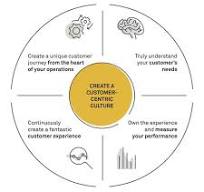
  • Listen Actively: Encourage feedback from clients and use it to continuously improve products and services.
  • Personalise Interactions: Tailor communication and offerings based on individual client preferences and behaviours.
  • Cultivate Relationships: Build trust by maintaining open lines of communication and demonstrating genuine care for clients’ success.

In Conclusion

A client-centric approach is not just a trend but a fundamental shift in how businesses operate. By prioritising the needs and experiences of clients, companies can differentiate themselves in the market, drive customer loyalty, and achieve sustainable growth in the long run.


Five Essential Tips for a Client-Centric Approach: Building Trust and Personalised Solutions

  1. Understand your clients’ needs and preferences.
  2. Communicate clearly and effectively with your clients.
  3. Provide personalised solutions to meet individual client requirements.
  4. Listen actively to your clients’ feedback and concerns.
  5. Build strong relationships based on trust and mutual respect.

Understand your clients’ needs and preferences.

To truly embody a client-centric approach, it is essential to delve deep into understanding your clients’ needs and preferences. By actively listening and empathising with their challenges and aspirations, businesses can tailor their products and services to align perfectly with what clients value most. This not only fosters stronger relationships but also ensures that every interaction is meaningful and contributes to a positive client experience. Embracing this tip not only showcases a commitment to putting clients first but also paves the way for long-term loyalty and satisfaction.

Communicate clearly and effectively with your clients.

Clear and effective communication with clients is a cornerstone of a client-centric approach. By ensuring that information is conveyed transparently and in a manner that resonates with the client, businesses can build trust and understanding. Open lines of communication allow for feedback, clarification, and alignment on goals, ultimately leading to stronger relationships and mutual success. Prioritising clear communication demonstrates respect for the client’s perspective and fosters a collaborative partnership built on transparency and empathy.

Provide personalised solutions to meet individual client requirements.

In adopting a client-centric approach, it is essential to provide personalised solutions that cater to the unique requirements of each individual client. By understanding their specific needs and preferences, businesses can tailor their offerings to deliver a bespoke experience that resonates with clients on a personal level. This personalised approach not only enhances customer satisfaction but also fosters stronger relationships built on trust and mutual understanding.

Listen actively to your clients’ feedback and concerns.

Listening actively to your clients’ feedback and concerns is a crucial aspect of adopting a client-centric approach. By paying attention to what clients have to say, businesses can gain valuable insights into their needs and preferences. This proactive listening not only helps in addressing any issues promptly but also demonstrates a genuine commitment to understanding and meeting clients’ expectations effectively. Ultimately, actively listening to clients fosters stronger relationships, enhances customer satisfaction, and lays the foundation for long-term success in today’s competitive business environment.

Build strong relationships based on trust and mutual respect.

Building strong relationships based on trust and mutual respect is a fundamental aspect of a client-centric approach. By fostering trust and mutual respect with clients, businesses can create a foundation for long-lasting partnerships. When clients feel valued and respected, they are more likely to engage with the business positively, provide honest feedback, and remain loyal over time. This approach not only enhances customer satisfaction but also leads to increased client retention and advocacy, ultimately driving business growth and success.