
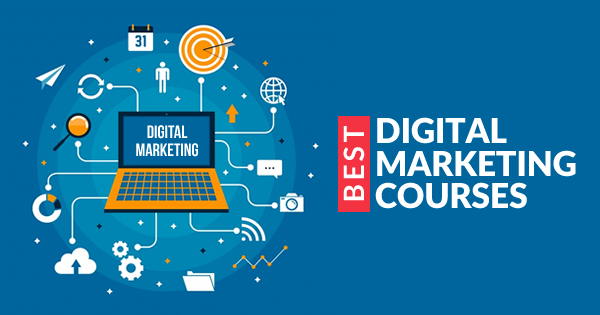
The Power of Digital Marketing: Strategies for Success
In today’s fast-paced and highly competitive business landscape, digital marketing has become a crucial tool for reaching and engaging with target audiences. With the right strategies in place, businesses can effectively promote their products or services, build brand awareness, and drive conversions. Let’s explore some of the best digital marketing practices that can help your business thrive in the digital realm.
Search Engine Optimization (SEO)
SEO is a cornerstone of digital marketing that focuses on improving a website’s visibility in search engine results. By optimising your website’s content and structure according to relevant keywords and best practices, you can increase organic traffic and attract potential customers who are actively searching for your offerings.
Content Marketing
Content is king in the digital world, and a well-crafted content marketing strategy can help you engage with your audience, establish thought leadership, and drive conversions. Whether it’s blog posts, videos, infographics, or social media updates, valuable and relevant content can attract and retain customers while building trust in your brand.
Social Media Marketing
Social media platforms provide businesses with a powerful channel to connect with their target audience on a personal level. By creating compelling social media campaigns, sharing engaging content, and interacting with followers, businesses can boost brand awareness, drive website traffic, and foster customer loyalty.
Email Marketing
Email marketing remains one of the most effective tools for nurturing leads and converting prospects into customers. By delivering personalised messages to subscribers based on their preferences and behaviour, businesses can drive engagement, promote products or services, and generate sales.
Pay-Per-Click Advertising (PPC)
PPC advertising allows businesses to reach their target audience through paid ads displayed on search engines or social media platforms. By bidding on relevant keywords and targeting specific demographics, businesses can drive immediate traffic to their websites and achieve measurable results in terms of clicks, conversions, and ROI.
Analytics and Data-driven Decision Making
Analytical tools provide valuable insights into the performance of digital marketing campaigns by tracking key metrics such as website traffic, conversion rates, click-through rates, and more. By analysing this data regularly and making data-driven decisions based on performance insights, businesses can optimise their strategies for maximum effectiveness.
In conclusion,digital marketing offers businesses unparalleled opportunities to reach their target audience,engage with customers,and achieve measurable results online.Whether you’re just starting out or looking to enhance your existing strategies,implementing these best practiceswould undoubtedly set you on the path to success in the ever-evolving digital landscape.
Top 5 FAQs About Effective Digital Marketing Strategies
- What is digital marketing and why is it important?
- What are the key components of a successful digital marketing strategy?
- How can I measure the effectiveness of my digital marketing efforts?
- What are the latest trends in digital marketing that businesses should be aware of?
- How can I choose the right digital marketing channels for my business?
What is digital marketing and why is it important?
Digital marketing encompasses a range of online strategies and tactics aimed at promoting products or services through digital channels such as websites, social media, email, search engines, and more. Its importance lies in its ability to reach a vast audience, engage with customers in real-time, and track performance metrics accurately. In today’s digital age, where consumers are increasingly turning to the internet for information and purchases, a strong digital marketing presence is essential for businesses to stay competitive, build brand awareness, drive traffic, generate leads, and ultimately increase revenue. By leveraging the power of digital marketing, businesses can connect with their target audience effectively and adapt to the ever-changing dynamics of the online marketplace.
What are the key components of a successful digital marketing strategy?
A successful digital marketing strategy comprises several key components that work together to achieve desired outcomes. Firstly, a well-defined target audience is essential, as understanding their needs and preferences is crucial for crafting relevant and engaging content. Search engine optimisation (SEO) plays a vital role in improving online visibility and driving organic traffic to the website. Content marketing, including high-quality and valuable content across various channels, helps build brand authority and attract potential customers. Social media engagement allows businesses to interact with their audience, increase brand awareness, and drive website traffic. Email marketing enables personalised communication with subscribers, nurturing leads and converting them into loyal customers. Additionally, effective data analysis and continuous optimisation based on performance metrics are key for refining strategies and achieving long-term success in the dynamic digital landscape.
How can I measure the effectiveness of my digital marketing efforts?
Measuring the effectiveness of your digital marketing efforts is essential for evaluating the success of your strategies and making informed decisions to optimise future campaigns. Key performance indicators (KPIs) such as website traffic, conversion rates, click-through rates, social media engagement, and return on investment (ROI) can provide valuable insights into the impact of your digital marketing initiatives. By analysing these metrics regularly and comparing them against predefined goals, you can determine what is working well and where adjustments may be needed to improve overall performance. Utilising analytics tools and tracking software can help you track and measure the success of your digital marketing efforts accurately, allowing you to refine your approach for maximum effectiveness.
What are the latest trends in digital marketing that businesses should be aware of?
In the dynamic world of digital marketing, staying abreast of the latest trends is essential for businesses aiming to stay competitive and relevant. Some of the current trends that businesses should be aware of include the rise of artificial intelligence and machine learning in personalising customer experiences, the increasing importance of video content for engaging audiences across platforms, the growing significance of voice search optimization with the proliferation of smart devices, and the emphasis on sustainability and ethical practices in brand messaging. By embracing these trends and adapting their strategies accordingly, businesses can effectively connect with their target audience and drive success in today’s digital landscape.
How can I choose the right digital marketing channels for my business?
When it comes to selecting the most suitable digital marketing channels for your business, it is essential to consider your target audience, business goals, and budget constraints. Conducting thorough market research to understand where your audience spends their time online can help you identify the most effective channels to reach them. Additionally, evaluating the strengths and weaknesses of each channel, such as social media, email marketing, SEO, or PPC advertising, can guide you in making informed decisions based on which platforms align best with your business objectives. By testing different channels and monitoring their performance through analytics, you can refine your strategy over time and focus on the channels that yield the best results for your business.