
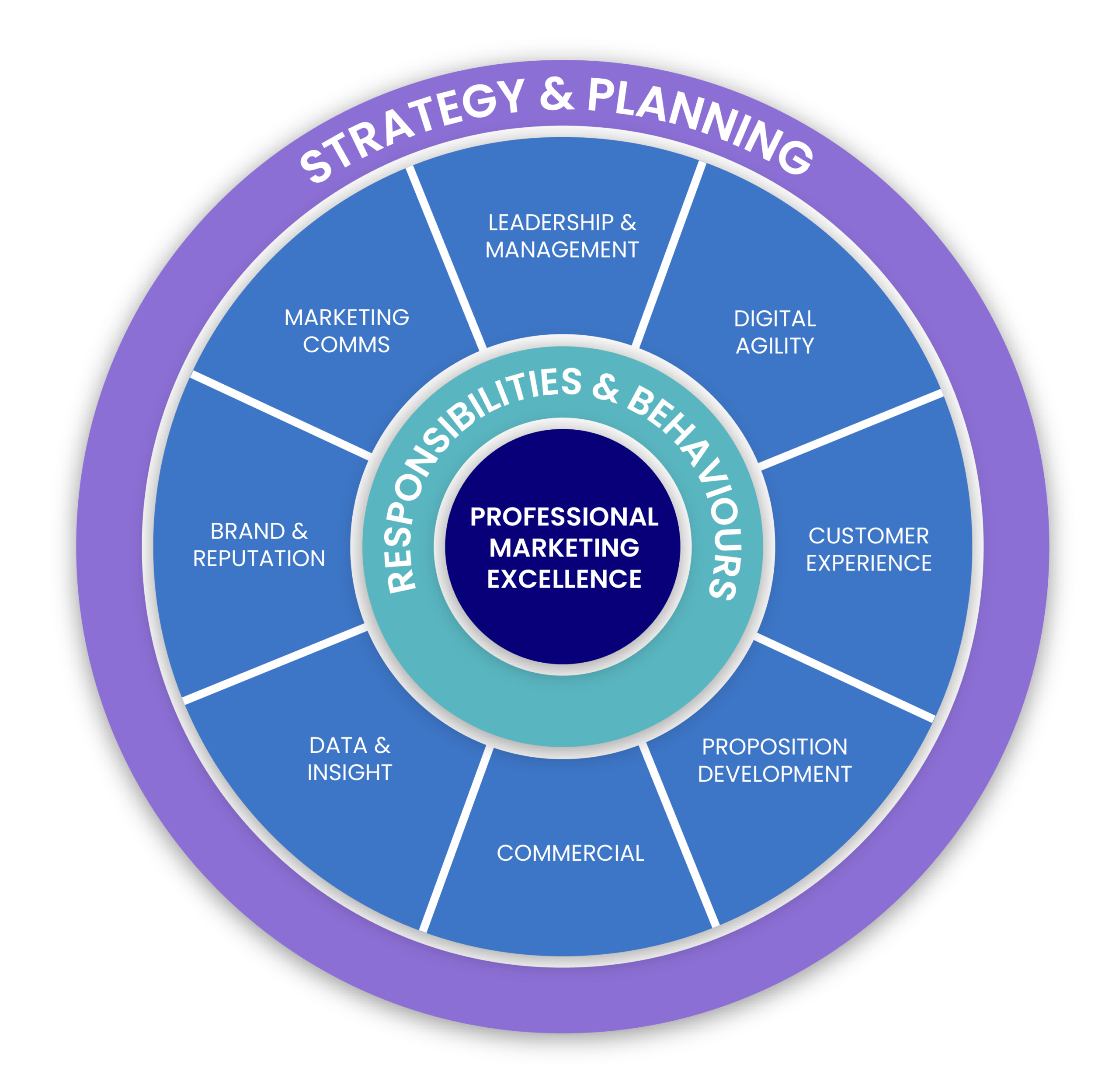
cim digital marketing

CIM Digital Marketing: Skills, Qualifications and Career Opportunities

CIM and Digital Marketing: Building Skills for a Changing Industry

Digital marketing has become an essential part of how organisations attract customers, build relationships and grow. From search engines and social media to email, content and paid advertising, businesses need people who can bring digital channels together and use them effectively. The Chartered Institute of Marketing (CIM) offers professional learning and qualifications to help marketers develop the knowledge and skills to meet that challenge.

What is CIM?

The Chartered Institute of Marketing is a professional body for marketers. It provides training, qualifications, resources and opportunities for professional development. Its courses are designed for people at different stages of their careers, from those starting out to experienced marketers looking to strengthen their strategic capabilities.

CIM’s digital marketing learning covers the principles and practices behind online marketing. Depending on the course and level, this may include planning digital activity, understanding audiences, creating content, using data and evaluating campaign performance.

What does digital marketing involve?

Digital marketing is the promotion of products, services or organisations through online channels. It can include:

  • Search engine optimisation (SEO): improving a website’s visibility in organic search results.
  • Paid search and digital advertising: reaching audiences through paid placements across search engines, websites and platforms.
  • Social media marketing: using social platforms to share content, engage audiences and support business goals.
  • Content marketing: creating useful and relevant material to inform, attract or retain customers.
  • Email marketing: communicating with subscribers and customers through targeted email campaigns.
  • Analytics and measurement: assessing results to understand what is working and where activity could improve.

These channels are most effective when they support a clear strategy. That means understanding the audience, setting measurable objectives, choosing suitable channels and reviewing performance regularly.

Why study digital marketing with CIM?

A structured course can help learners build a broad understanding of digital marketing rather than focusing on a single platform or tactic. CIM study may be useful for people who want to:

  • develop practical marketing knowledge;
  • understand how digital channels contribute to wider business objectives;
  • improve their ability to plan and evaluate campaigns;
  • strengthen their professional credentials; or
  • prepare for a move into a marketing role or a new area of responsibility.

Courses and qualification requirements can change, so prospective learners should check the current CIM website for details of available programmes, entry criteria, assessment methods and approved study options.

Skills that matter in digital marketing

Digital tools and platforms change frequently, but several underlying skills remain valuable. Marketers need to communicate clearly, think critically and understand how customer needs shape decisions. They also benefit from being comfortable with data, able to test ideas and willing to adapt when results or circumstances change.

Strategic thinking is especially important. A strong campaign is not simply a collection of posts or adverts; it has a defined purpose and fits the organisation’s wider marketing activity. Marketers should be able to explain what success looks like, choose appropriate measures and use the findings to make informed improvements.

Choosing the right learning path

The best route depends on your experience, career goals and preferred way of learning. Before enrolling, consider your current knowledge, the time you can commit and the areas you want to develop. Compare course content and assessment formats, and check whether the programme suits your role or intended career direction.

It is also worth considering how you will apply what you learn. Practical projects, workplace experience and regular reflection can help turn course concepts into useful skills. Digital marketing changes quickly, so ongoing learning is often just as important as gaining a qualification.

Conclusion

CIM digital marketing study can provide a structured way to develop marketing knowledge and build confidence across online channels. For aspiring and established marketers alike, the value comes from combining recognised learning with practical experience, curiosity and a commitment to measuring results. In a fast-moving industry, those foundations can help professionals make more informed decisions and create digital activity that supports real business objectives.


Understanding CIM Digital Marketing: Answers to 8 Common Questions

  1. Is CIM Level 6 a degree?
  2. Is CIM digital marketing worth it?
  3. Is CIM equivalent to a degree?
  4. What is CIM qualification?
  5. How much does a CIM course cost?
  6. What is CIM qualification equivalent to?
  7. What is CIM marketing qualification?
  8. Is CIM hard to pass?

Is CIM Level 6 a degree?

No. A CIM Level 6 qualification is not a university degree, but it is set at the same level as a bachelor’s degree on the UK qualifications framework. It provides advanced professional marketing knowledge and may support career progression, but it does not award a bachelor’s degree. Check the specific qualification and its recognition with CIM or the relevant education provider.

Is CIM digital marketing worth it?

CIM digital marketing qualifications can be worthwhile if you want structured learning, a recognised professional credential and a stronger understanding of how digital channels support wider marketing objectives. They may be particularly useful for people starting a marketing career or looking to build on practical experience. The value depends on your goals, budget and preferred way of learning, so compare the course content, costs and assessment requirements with other options before enrolling. A qualification can strengthen your knowledge, but practical experience and keeping up with changes in the digital industry remain important.

Is CIM equivalent to a degree?

CIM qualifications are professional marketing qualifications, not university degrees, so they are not generally considered equivalent to a bachelor’s degree. Some awards may be positioned at a comparable level within a qualifications framework, but that does not make them the same qualification or guarantee they will meet a university or employer’s degree requirements. Check the specific CIM award and the criteria of the organisation you are applying to.

What is CIM qualification?

A CIM qualification is a professional marketing qualification awarded by the Chartered Institute of Marketing (CIM). It helps learners develop practical knowledge and skills in areas such as marketing strategy, planning and digital marketing. Qualifications are available at different levels, so the right option depends on your experience and career goals; course content, entry requirements and assessments vary by programme.

How much does a CIM course cost?

The cost of a CIM course varies depending on the qualification, study centre and learning format. You may also need to budget for registration, assessment and membership fees, which may be charged separately, as well as VAT where applicable. Check the latest fees with CIM or an approved study centre, and ask whether payment plans or funding options are available.

What is CIM qualification equivalent to?

A CIM qualification’s equivalent depends on its level. In the UK, CIM qualifications are mapped to the Regulated Qualifications Framework (RQF): for example, Level 4 is broadly comparable in level to the first year of undergraduate study, while Level 6 is at bachelor’s-degree level and Level 7 is at postgraduate level. This describes the level of learning, not an automatic equivalence to a university degree or the same subject-specific credits. Check the details of the particular CIM qualification with CIM or the relevant awarding body.

What is CIM marketing qualification?

A CIM marketing qualification is a professional qualification awarded by the Chartered Institute of Marketing, designed to develop practical marketing knowledge and skills. CIM offers programmes at different levels, from introductory study to advanced qualifications, covering areas such as marketing strategy, customer insight, planning and digital marketing. The right option depends on your experience and career goals, so check CIM’s current course details for entry requirements, assessments and available study routes.

Is CIM hard to pass?

CIM can be challenging, but it is achievable with consistent preparation. The difficulty depends on your experience, the qualification and its assessment format, which may include assignments, case studies or exams. Make sure you understand the syllabus and assessment criteria, set aside regular study time and practise applying marketing concepts to real business situations. With a clear plan and steady effort, many learners find the workload manageable.

certified digital marketer

Unlocking Success: The Expertise of a Certified Digital Marketer

Certified Digital Marketer: Navigating the Digital Landscape with Expertise

The Role of a Certified Digital Marketer in Today’s Business World

In the fast-paced digital age, businesses are constantly seeking ways to reach and engage with their target audiences online. This is where a certified digital marketer plays a crucial role. With expertise in various digital marketing strategies and tools, these professionals help companies navigate the complex digital landscape and achieve their marketing goals effectively.

What Does It Mean to Be a Certified Digital Marketer?

A certified digital marketer is someone who has undergone specific training and obtained certification in various aspects of digital marketing. This includes areas such as search engine optimisation (SEO), social media marketing, content marketing, email marketing, pay-per-click (PPC) advertising, and more. By earning certifications from reputable organisations or institutions, these professionals demonstrate their knowledge and skills in using digital channels to drive business growth.

The Skills and Expertise of a Certified Digital Marketer

Certified digital marketers possess a range of skills that are essential for success in today’s competitive online environment. These skills include:

  • Data Analysis: Understanding and interpreting data to measure the effectiveness of digital campaigns and make informed decisions.
  • Content Creation: Developing engaging content that resonates with target audiences across different digital platforms.
  • Marketing Automation: Utilising automation tools to streamline marketing processes and improve efficiency.
  • Strategic Planning: Creating comprehensive digital marketing strategies aligned with business objectives.
  • Continuous Learning: Staying updated on the latest trends and best practices in digital marketing to remain competitive.

The Value of Hiring a Certified Digital Marketer

Businesses that work with certified digital marketers benefit from their expertise in developing targeted campaigns, analysing performance metrics, and optimising strategies for maximum impact. These professionals can help companies increase brand awareness, generate leads, drive website traffic, and ultimately boost sales conversions through effective digital marketing tactics.

In Conclusion

A certified digital marketer plays a vital role in helping businesses thrive in the ever-evolving digital landscape. By leveraging their skills and expertise, companies can establish a strong online presence, engage with their target audience effectively, and achieve sustainable growth in today’s competitive market.


Top 7 Advantages of Hiring a Certified Digital Marketer

  1. Expertise in various digital marketing strategies
  2. Ability to drive targeted traffic to websites
  3. Proficiency in analysing data and measuring campaign performance
  4. Skills in creating engaging content for online audiences
  5. Knowledge of SEO best practices to improve search engine rankings
  6. Experience in managing social media campaigns effectively
  7. Capability to adapt to evolving digital trends and technologies


Challenges of Certified Digital Marketing: High Costs, Constant Changes, and Certification Overload

  1. Costly Certification Process
  2. Rapidly Changing Landscape
  3. Certification Overload

Expertise in various digital marketing strategies

A certified digital marketer brings invaluable expertise in various digital marketing strategies, allowing businesses to navigate the complex online landscape with confidence and precision. From search engine optimisation (SEO) to social media marketing, content creation, email campaigns, and pay-per-click (PPC) advertising, these professionals possess the knowledge and skills needed to develop tailored strategies that drive engagement, increase brand visibility, and ultimately boost conversions. By leveraging their diverse skill set, a certified digital marketer can help businesses effectively reach their target audiences and achieve measurable results in today’s competitive digital environment.

Ability to drive targeted traffic to websites

Certified digital marketers possess the valuable skill of driving targeted traffic to websites, which is essential for increasing brand visibility and attracting potential customers. By leveraging their expertise in various digital marketing strategies such as SEO, PPC advertising, and social media marketing, these professionals can effectively reach the right audience segments and direct them to relevant website content. This targeted approach not only boosts website traffic but also enhances the quality of visitors, leading to higher conversion rates and improved overall online performance for businesses.

Proficiency in analysing data and measuring campaign performance

Certified digital marketers excel in analysing data and measuring campaign performance, a skill crucial for driving successful digital marketing strategies. By interpreting key metrics and insights, they can evaluate the effectiveness of campaigns, identify areas for improvement, and make data-driven decisions to optimise marketing efforts. With their proficiency in data analysis, certified digital marketers can track performance indicators accurately, refine targeting strategies, and ultimately enhance ROI for businesses in the competitive online landscape.

Skills in creating engaging content for online audiences

Certified digital marketers excel in creating compelling and engaging content tailored to capture the attention of online audiences. With their expertise in crafting relevant and captivating content, these professionals have a keen understanding of audience preferences and behaviours, allowing them to develop content strategies that resonate with target demographics. By leveraging their skills in creating engaging content, certified digital marketers can drive increased traffic, enhance brand visibility, and foster meaningful connections with online audiences, ultimately contributing to the overall success of digital marketing campaigns.

Knowledge of SEO best practices to improve search engine rankings

Certified digital marketers bring valuable expertise in SEO best practices to enhance search engine rankings for businesses. By utilising their knowledge of keyword research, on-page optimisation, link building strategies, and technical SEO elements, these professionals can help improve a company’s online visibility and organic traffic. Implementing effective SEO tactics not only boosts search engine rankings but also increases website credibility, drives quality leads, and ultimately enhances the overall online presence of the business.

Experience in managing social media campaigns effectively

Having experience in managing social media campaigns effectively is a valuable pro of a certified digital marketer. With expertise in creating and executing targeted strategies across various social media platforms, these professionals can help businesses enhance their online presence, engage with their audience, and drive meaningful interactions. By leveraging their knowledge of social media analytics and trends, certified digital marketers can optimise campaigns for maximum reach and impact, ultimately contributing to the overall success of a company’s digital marketing efforts.

Certified digital marketers possess the invaluable pro of being able to adapt swiftly to the ever-changing landscape of digital trends and technologies. Their continuous learning mindset allows them to stay abreast of the latest advancements in the digital realm, enabling them to implement innovative strategies and leverage emerging technologies effectively. This capability not only ensures that their marketing efforts remain relevant and impactful but also positions them as valuable assets in helping businesses navigate and thrive in the dynamic digital environment.

Costly Certification Process

The cost of obtaining certifications in various digital marketing areas can pose a significant challenge for aspiring professionals in the field. The process often demands a substantial financial investment, as well as a considerable amount of time dedicated to training and studying. This financial burden may deter individuals from pursuing certification, limiting access to valuable educational opportunities and potentially hindering career advancement in the competitive digital marketing industry.

Rapidly Changing Landscape

In the realm of digital marketing, one significant challenge faced by certified professionals is the rapidly changing landscape of the industry. The evolution of digital marketing strategies, technologies, and platforms occurs at a swift pace, necessitating constant adaptation and learning. Certified digital marketers must proactively update their skills and knowledge to keep up with the latest trends and best practices in order to remain relevant and competitive in this dynamic environment.

Certification Overload

In the realm of certified digital marketers, a significant con to consider is the phenomenon of Certification Overload. While holding numerous certifications may seem impressive on paper, relying solely on these credentials without substantial practical experience can hinder one’s ability to achieve genuine success in the real world. It is crucial to recognise that hands-on experience plays a pivotal role in applying theoretical knowledge effectively and navigating the complexities of digital marketing strategies with confidence and proficiency. Striking a balance between certifications and practical experience is essential for aspiring digital marketers to truly excel in their field and deliver tangible results for their clients or employers.