The Power of Digital Marketing Advertising
In today’s fast-paced digital world, businesses are increasingly turning to digital marketing advertising to reach their target audiences. This dynamic approach to marketing leverages the internet and online-based technologies to promote products and services, offering a range of benefits that traditional marketing strategies simply cannot match.
What is Digital Marketing Advertising?
Digital marketing advertising encompasses a variety of strategies designed to connect with consumers online. It includes search engine optimisation (SEO), pay-per-click (PPC) advertising, social media marketing, email campaigns, and content marketing, among others. These techniques allow businesses to engage with potential customers in a more personalised and interactive manner.
Benefits of Digital Marketing Advertising
- Cost-Effectiveness: Compared to traditional media such as television or print, digital marketing often requires a smaller budget while reaching a wider audience.
- Targeted Reach: Digital platforms allow businesses to target specific demographics based on age, location, interests, and behaviours. This ensures that the message reaches the most relevant audience.
- Measurable Results: Analytics tools provide detailed insights into campaign performance. Businesses can track metrics such as click-through rates, conversion rates, and return on investment (ROI) in real-time.
- Flexibility and Adaptability: Campaigns can be adjusted quickly based on performance data. This flexibility allows for ongoing optimisation and improvement.
- Enhanced Engagement: Through interactive content like videos, quizzes, and polls, brands can engage users more effectively than static advertisements.
The Future of Digital Marketing Advertising
The future of digital marketing advertising looks promising as technology continues to evolve. Emerging trends such as artificial intelligence (AI), machine learning, and augmented reality (AR) are set to revolutionise how brands interact with their audiences. Personalisation will become even more sophisticated, offering consumers tailored experiences that resonate on an individual level.
The rise of voice search and smart devices is also expected to shape the landscape further. Marketers will need to adapt their strategies to accommodate these new technologies by optimising content for voice queries and creating seamless experiences across multiple devices.
Conclusion
Digital marketing advertising is an essential component of any modern business strategy. Its ability to deliver precise targeting, measurable results, and engaging content makes it an invaluable tool for reaching today’s tech-savvy consumers. As technology advances, those who embrace these changes will be well-positioned for success in the ever-evolving digital marketplace.
If your business hasn’t yet explored the potential of digital marketing advertising, now is the time to start harnessing its power for growth and success.
Exploring Digital Marketing and Advertising: Answers to 23 Common Questions
- What are the top 7 types of digital marketing?
- Is digital marketing part of advertising?
- Is advertising part of digital marketing?
- What is digital marketing vs digital advertising?
- How is digital advertising done?
- What is digital advertising types?
- Is advertising a digital marketing?
- Does digital marketing include advertising?
- What is the process of digital advertising?
- What is digital advertising vs digital marketing?
- What are digital marketing ads?
- What is an example of digital marketing?
- How to do digital advertising?
- How do I advertise on digital marketing?
- How do you do digital advertising?
- What are the 5 methods of digital marketing?
- What are the types of advertisement in digital marketing?
- What are ads in digital marketing?
- How to advertise for digital marketing?
- What is the 3 3 3 rule in marketing?
- What is digital marketing in advertising?
- What is digital marketing advertising?
- What is digital marketing and advertising?
What are the top 7 types of digital marketing?
In the realm of digital marketing, there are seven key types that businesses often leverage to reach their target audiences effectively. These include search engine optimisation (SEO), pay-per-click (PPC) advertising, social media marketing, content marketing, email marketing, affiliate marketing, and influencer marketing. Each type offers unique benefits and plays a crucial role in a comprehensive digital marketing strategy. From improving search engine rankings to engaging with customers on social platforms and leveraging the credibility of influencers, these diverse approaches allow businesses to connect with their audience in meaningful ways and drive results in the competitive online landscape.
Is digital marketing part of advertising?
The relationship between digital marketing and advertising is often a topic of discussion among businesses and marketers. While advertising is a broader term that encompasses various promotional activities aimed at reaching and engaging audiences, digital marketing is a specific subset of advertising that focuses on leveraging online channels and technologies to achieve marketing objectives. In essence, digital marketing is indeed part of the larger umbrella of advertising, but it distinguishes itself by its reliance on digital platforms such as social media, search engines, email, and websites to deliver targeted messages to consumers in a more interactive and measurable way. This distinction highlights the importance of incorporating digital strategies into overall advertising efforts to stay relevant in today’s increasingly online-centric landscape.
Is advertising part of digital marketing?
The relationship between advertising and digital marketing is often a topic of discussion among businesses and marketers. Advertising is indeed a fundamental component of digital marketing, encompassing various online strategies such as pay-per-click (PPC) ads, social media promotions, display advertising, and more. In the context of digital marketing, advertising plays a crucial role in reaching target audiences, driving traffic to websites, generating leads, and ultimately converting prospects into customers. By leveraging the power of digital platforms for advertising purposes, businesses can enhance their visibility, engage with consumers in meaningful ways, and achieve their marketing objectives effectively in the digital realm.
What is digital marketing vs digital advertising?
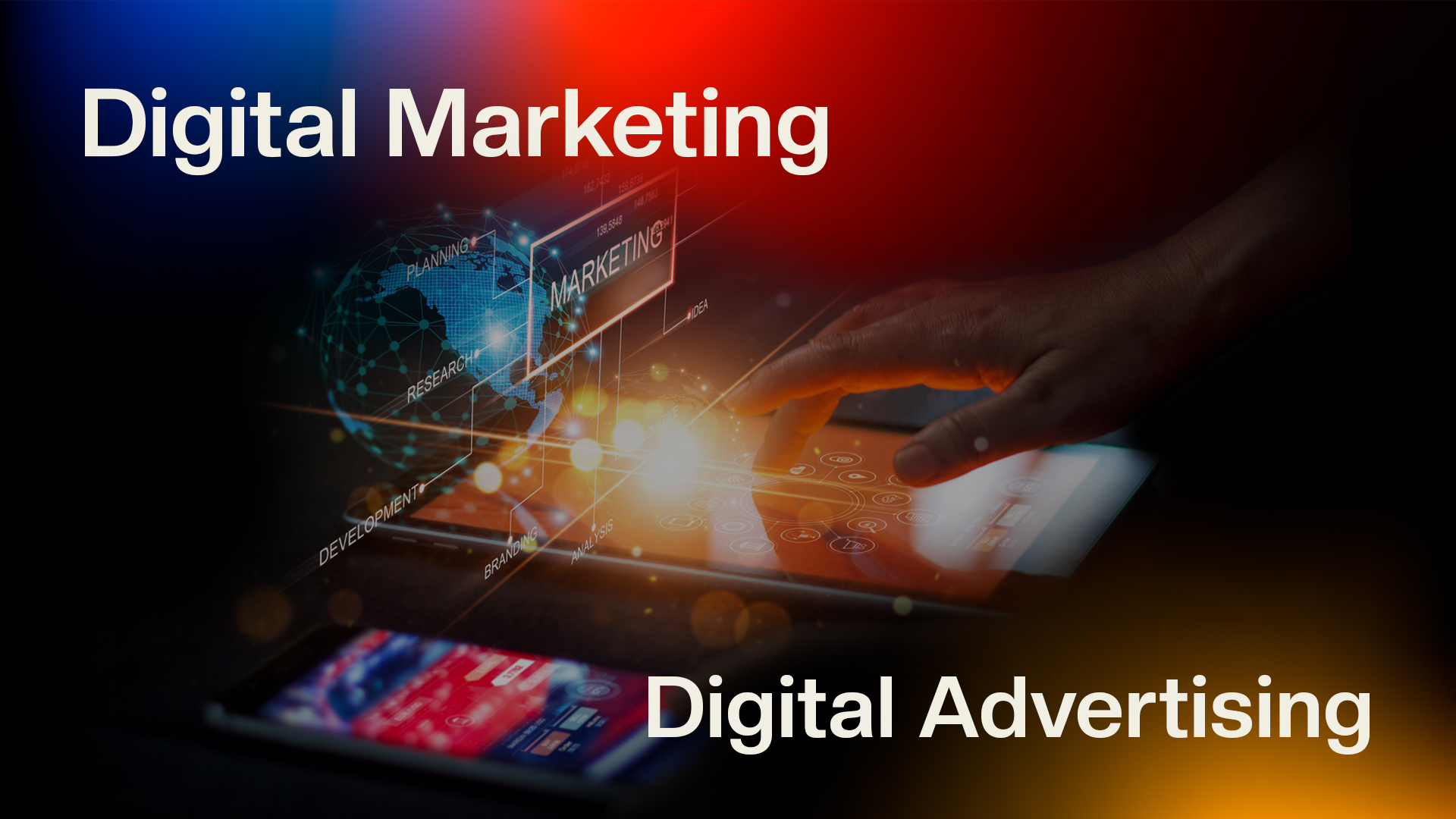
Digital marketing and digital advertising are often used interchangeably, but they refer to distinct aspects of online promotion. Digital marketing encompasses a broader strategy that includes various online tactics to engage and interact with audiences, such as SEO, content marketing, email campaigns, and social media management. On the other hand, digital advertising specifically focuses on paid promotional activities across digital channels like search engines, social media platforms, and display networks to reach targeted audiences efficiently. While digital marketing aims to build brand awareness and nurture customer relationships over time, digital advertising is more immediate in driving conversions and generating leads through paid placements. Both components are essential in a comprehensive online marketing strategy to achieve optimal results and meet specific business objectives effectively.
How is digital advertising done?
Digital advertising is executed through a variety of online channels and platforms to reach and engage with target audiences. The process typically involves creating compelling ad content, selecting the appropriate digital channels such as social media, search engines, display networks, or email marketing, and setting specific targeting parameters based on demographics, interests, behaviours, and other relevant factors. Additionally, digital advertising often utilises data analytics and tracking tools to measure the effectiveness of campaigns in real-time, allowing for continuous optimisation and refinement to maximise results. By leveraging the capabilities of digital technology, businesses can strategically deliver their messages to the right people at the right time in a cost-effective and measurable way.
What is digital advertising types?
Digital advertising encompasses various types of strategies and approaches to reach and engage with audiences online. Some common types of digital advertising include search engine marketing (SEM), which involves placing ads on search engine results pages to drive traffic to websites; display advertising, where visual ads are placed on websites or social media platforms; social media advertising, which involves promoting content or products on popular social networks like Facebook, Instagram, and Twitter; and video advertising, where video content is used to capture the attention of viewers on platforms like YouTube. Each type of digital advertising offers unique benefits and opportunities for businesses to connect with their target audience in a meaningful way.
Is advertising a digital marketing?
The distinction between advertising and digital marketing lies in their scope and approach. Advertising is a component of digital marketing, encompassing the promotion of products or services through various channels such as online display ads, social media ads, search engine marketing, and email campaigns. Digital marketing, on the other hand, includes a broader range of strategies beyond advertising, such as content marketing, SEO, social media management, and data analytics. While advertising is a key element of digital marketing, the latter involves a more comprehensive approach to engaging with audiences and driving business growth in the online space.
Does digital marketing include advertising?
The question of whether digital marketing includes advertising is a common one in the realm of online marketing strategies. In essence, digital marketing encompasses a broad range of tactics aimed at promoting products or services through digital channels. Advertising, as a subset of digital marketing, plays a crucial role in reaching and engaging target audiences effectively. From pay-per-click campaigns to social media ads and display advertising, these promotional efforts are integral to any comprehensive digital marketing strategy. Therefore, it can be said that advertising is indeed a key component of digital marketing, working hand in hand with other techniques to achieve desired outcomes and drive business growth in the digital landscape.
What is the process of digital advertising?
The process of digital advertising involves several key steps to effectively reach and engage target audiences online. It typically begins with defining campaign objectives and identifying the target demographic. Research is conducted to understand consumer behaviour and preferences, which informs the selection of appropriate digital channels such as social media, search engines, or display networks. Next, compelling ad creatives are developed to capture the audience’s attention and convey the brand message. Once the ads are live, performance metrics are closely monitored to assess the campaign’s effectiveness, allowing for adjustments to be made in real-time for optimal results. Continuous analysis and refinement are essential components of the process to ensure that digital advertising efforts drive meaningful engagement and deliver a positive return on investment for businesses.
What is digital advertising vs digital marketing?
Digital advertising and digital marketing are often used interchangeably, but they refer to slightly different aspects of online promotion. Digital advertising specifically focuses on paid promotional activities that aim to reach a targeted audience through various channels such as display ads, social media ads, search engine marketing, and more. On the other hand, digital marketing encompasses a broader spectrum of strategies that not only include advertising but also involve organic methods like content marketing, email campaigns, SEO, social media engagement, and website optimisation. While digital advertising is a subset of digital marketing, the latter encompasses a comprehensive approach to building brand awareness, engaging with customers, and driving conversions through both paid and non-paid online tactics.
What are digital marketing ads?
Digital marketing ads refer to the promotional messages and content displayed on digital platforms to promote products or services. These ads can take various forms, including banner ads, social media ads, search engine ads, video ads, and native advertising. The primary goal of digital marketing ads is to attract the attention of target audiences online and drive them to take a specific action, such as visiting a website, making a purchase, or signing up for a newsletter. By leveraging the vast reach and targeting capabilities of digital channels, businesses can effectively connect with their desired demographic in a more personalised and interactive way compared to traditional advertising methods.
What is an example of digital marketing?
An example of digital marketing is social media advertising, where businesses promote their products or services on platforms like Facebook, Instagram, or Twitter. Through targeted ads, businesses can reach specific demographics based on users’ interests, behaviours, and online activities. These ads can include compelling visuals, engaging copy, and interactive elements to capture the audience’s attention and drive them to take action, such as visiting a website or making a purchase. Social media advertising is just one of the many examples of how digital marketing leverages online channels to connect with consumers in a more direct and impactful way.
How to do digital advertising?
When it comes to digital advertising, a common question that arises is, “How to do digital advertising?” Digital advertising involves a range of strategies and techniques aimed at promoting products or services online. To embark on successful digital advertising campaigns, businesses typically start by defining their target audience, setting clear objectives, selecting the right digital platforms for reaching their audience, creating compelling ad content, and monitoring campaign performance through analytics. By understanding the intricacies of digital advertising and utilising the available tools effectively, businesses can engage with their target market in a meaningful way and drive desired outcomes for their brand.
How do I advertise on digital marketing?
To advertise on digital marketing, businesses can utilise a variety of channels and strategies to reach their target audience effectively. Firstly, businesses can invest in search engine marketing (SEM) through platforms like Google Ads to display ads in search results based on relevant keywords. Social media advertising on platforms such as Facebook, Instagram, and LinkedIn allows for highly targeted campaigns based on user demographics and interests. Email marketing is another powerful tool where businesses can promote products or services directly to their subscribers. Content marketing through blogs, videos, and infographics also plays a crucial role in engaging audiences and driving traffic to websites. By incorporating a mix of these digital marketing channels, businesses can create comprehensive advertising campaigns that maximise reach and engagement with their desired audience.
How do you do digital advertising?
Digital advertising involves a strategic approach to reaching and engaging with target audiences online. To do digital advertising effectively, businesses typically start by defining their goals and identifying their target market. They then select the most appropriate digital advertising channels, such as social media platforms, search engines, or display networks, based on where their audience is most active. Creating compelling ad creatives that resonate with the target audience is crucial for capturing attention and driving engagement. Monitoring and analysing key performance metrics allow businesses to refine their campaigns for optimal results. By continuously testing and iterating on strategies, businesses can fine-tune their digital advertising efforts to achieve maximum impact and return on investment.
What are the 5 methods of digital marketing?
In the realm of digital marketing, there are five key methods that businesses commonly utilise to engage with their target audiences and promote their products or services. These methods include search engine optimisation (SEO), which focuses on improving a website’s visibility in search engine results; pay-per-click (PPC) advertising, where businesses pay for ad placements based on user clicks; social media marketing, which involves leveraging social platforms to connect with customers; email marketing, a direct communication channel for promoting offers and updates to subscribers; and content marketing, the creation and distribution of valuable content to attract and retain customers. Each of these methods plays a vital role in a comprehensive digital marketing strategy, offering unique opportunities to reach and resonate with consumers in today’s competitive online landscape.
What are the types of advertisement in digital marketing?
In digital marketing, there are various types of advertisements that businesses can utilise to reach their target audience effectively. Some common types of digital marketing advertisements include search engine marketing (SEM), display advertising, social media advertising, video advertising, email marketing, influencer marketing, and native advertising. Each type offers unique advantages and can be tailored to suit specific goals and target demographics. By leveraging a combination of these advertisement types strategically, businesses can enhance their online presence, engage with customers, and drive conversions in the competitive digital landscape.
What are ads in digital marketing?
In the realm of digital marketing, ads play a crucial role in reaching and engaging target audiences online. These advertisements are promotional messages displayed on various digital platforms such as websites, social media networks, search engines, and mobile apps. They are designed to attract the attention of users and encourage them to take a specific action, whether it’s clicking through to a website, making a purchase, signing up for a newsletter, or engaging with content. Ads in digital marketing come in various formats, including display ads, video ads, search ads, social media ads, and native ads, each tailored to suit different marketing objectives and audience preferences. By leveraging the power of targeted messaging and strategic placement, digital ads help businesses increase brand visibility, drive traffic to their websites, generate leads, and ultimately boost conversions.
How to advertise for digital marketing?
When it comes to advertising for digital marketing, the key lies in crafting a comprehensive strategy that leverages the various channels and tools available in the digital landscape. Start by defining your target audience and goals to tailor your message effectively. Utilise search engine optimisation (SEO) to improve visibility on search engines, invest in pay-per-click (PPC) advertising for targeted reach, engage with audiences through social media platforms, and create compelling content that resonates with your target demographic. Regularly monitor and analyse campaign performance using analytics tools to make data-driven decisions and optimise your advertising efforts for maximum impact. By combining these elements strategically, businesses can create a robust digital marketing advertising campaign that drives results and enhances brand visibility online.
What is the 3 3 3 rule in marketing?
The 3 3 3 rule in marketing refers to a strategy that suggests dividing your content creation efforts into three equal parts: one-third for promoting your products or services directly, one-third for sharing industry-related content or valuable information, and one-third for engaging with your audience on a personal level. This approach aims to strike a balance between promotional content, educational material, and building relationships with your target audience. By following the 3 3 3 rule, businesses can create a well-rounded marketing strategy that resonates with customers and drives meaningful interactions across digital channels.
What is digital marketing in advertising?
Digital marketing in advertising refers to the use of online platforms and technologies to promote products or services to a targeted audience. It encompasses a wide range of strategies, such as search engine optimisation (SEO), social media marketing, email campaigns, pay-per-click (PPC) advertising, and content marketing. By leveraging digital channels like websites, social media platforms, search engines, and email, businesses can reach potential customers in a more personalised and interactive way compared to traditional advertising methods. Digital marketing in advertising allows companies to tailor their messaging to specific demographics, track campaign performance in real-time, and engage with consumers on a deeper level through various forms of multimedia content.
What is digital marketing advertising?
Digital marketing advertising refers to the use of online platforms and technologies to promote products or services to a target audience. It encompasses a wide range of strategies, including search engine optimisation (SEO), pay-per-click (PPC) advertising, social media marketing, email campaigns, and content marketing. By leveraging digital channels such as websites, social media platforms, search engines, and email, businesses can engage with consumers in a more targeted and interactive way compared to traditional marketing methods. Digital marketing advertising allows companies to reach specific demographics based on factors like location, interests, and online behaviour, ultimately driving brand awareness, engagement, and conversions in the digital realm.
What is digital marketing and advertising?
Digital marketing and advertising encompass a range of online strategies and techniques used by businesses to promote their products or services to a targeted audience. It involves leveraging digital channels such as social media, search engines, email, and websites to reach potential customers in a more interactive and personalised way. From creating engaging content to running targeted ads, digital marketing aims to increase brand awareness, drive website traffic, generate leads, and ultimately boost sales. In essence, digital marketing and advertising are the modern tools that businesses use to connect with their audiences in the digital age.