digital media marketing

Unleashing the Potential of Digital Media Marketing: Strategies for Success

The Power of Digital Media Marketing

The Power of Digital Media Marketing

In today’s digital age, the way businesses market their products and services has undergone a significant transformation. Digital media marketing has become a powerful tool for reaching and engaging with target audiences in a more personalised and effective manner.

Digital media marketing encompasses a wide range of online channels and platforms, including social media, search engines, email, websites, and mobile apps. By leveraging these digital channels strategically, businesses can connect with their customers in real-time, build brand awareness, drive traffic to their websites, and ultimately increase sales.

Benefits of Digital Media Marketing

  • Targeted Reach: With digital media marketing, businesses can target specific demographics, interests, and behaviours to reach the right audience for their products or services.
  • Measurable Results: Unlike traditional marketing methods, digital media marketing allows for precise tracking and analysis of campaign performance metrics such as website traffic, conversions, click-through rates, and more.
  • Cost-Effective: Digital media marketing offers various cost-effective options compared to traditional advertising channels. Businesses can reach a larger audience at a fraction of the cost.
  • Engagement: Through interactive content such as videos, social media posts, and blogs, businesses can engage with their audience on a more personal level and build lasting relationships.
  • Global Reach: With the internet breaking down geographical barriers, digital media marketing enables businesses to expand their reach beyond local markets to a global audience.

Trends in Digital Media Marketing

The landscape of digital media marketing is constantly evolving with new trends emerging regularly. Some current trends include influencer marketing, voice search optimization, chatbots for customer service, interactive content like AR/VR experiences, and personalised messaging based on user behaviour.

As technology continues to advance and consumer behaviours shift towards online interactions, businesses must adapt their digital media marketing strategies to stay relevant and competitive in today’s market.

In conclusion, digital media marketing offers immense opportunities for businesses to connect with their target audience effectively in the digital realm. By embracing the power of digital channels and staying abreast of emerging trends, businesses can drive growth and success in the ever-evolving landscape of online marketing.


9 Essential Tips for Mastering Digital Media Marketing

  1. Identify your target audience and tailor your content to their preferences.
  2. Utilise various digital platforms such as social media, email, and search engines for marketing.
  3. Create engaging and shareable content to increase brand visibility.
  4. Utilise analytics tools to track the performance of your campaigns and make data-driven decisions.
  5. Stay updated with the latest trends in digital marketing to remain competitive.
  6. Interact with your audience through comments, messages, and feedback to build a loyal customer base.
  7. Collaborate with influencers or other brands for wider reach and credibility.
  8. Optimise your website for mobile devices as a significant portion of internet users access content through mobiles.
  9. Run targeted advertising campaigns to reach specific demographics or interests.

Identify your target audience and tailor your content to their preferences.

To maximise the effectiveness of your digital media marketing efforts, it is essential to identify your target audience and tailor your content to their preferences. Understanding the demographics, interests, and behaviours of your audience allows you to create personalised and relevant content that resonates with them. By crafting messages that speak directly to the needs and interests of your target audience, you can increase engagement, build brand loyalty, and ultimately drive conversions. This strategic approach not only enhances the effectiveness of your marketing campaigns but also fosters stronger connections with your customers in the digital landscape.

Utilise various digital platforms such as social media, email, and search engines for marketing.

To maximise the impact of digital media marketing, it is essential to utilise a diverse range of online platforms. By leveraging channels like social media, email, and search engines strategically, businesses can reach their target audience effectively and engage with them in meaningful ways. Social media platforms offer the opportunity to connect with customers in real-time and build brand awareness, while email marketing allows for direct communication and personalised messaging. Additionally, search engine marketing enables businesses to enhance their online visibility and drive traffic to their websites. By incorporating these digital platforms into their marketing strategies, businesses can create a comprehensive and dynamic online presence that resonates with their audience.

Create engaging and shareable content to increase brand visibility.

Creating engaging and shareable content is a crucial tip in digital media marketing to enhance brand visibility. By crafting content that resonates with the target audience, businesses can capture their attention and encourage them to share it with others, thereby expanding the reach of the brand. Engaging content that sparks conversation, evokes emotions, or provides value to the audience is more likely to be shared across social media platforms, leading to increased brand awareness and visibility in the digital space.

Utilise analytics tools to track the performance of your campaigns and make data-driven decisions.

To maximise the effectiveness of your digital media marketing campaigns, it is essential to utilise analytics tools to track their performance meticulously. By leveraging data-driven insights provided by these tools, businesses can gain valuable information on key metrics such as website traffic, user engagement, conversion rates, and more. This data empowers marketers to make informed decisions, optimise their strategies in real-time, and refine their campaigns for better results. Ultimately, harnessing analytics tools enables businesses to enhance the efficiency and impact of their digital marketing efforts in a targeted and measurable way.

To stay competitive in the ever-evolving landscape of digital media marketing, it is crucial to stay updated with the latest trends and advancements in the industry. By keeping abreast of emerging technologies, consumer behaviours, and innovative strategies, businesses can adapt their digital marketing efforts to meet the changing needs of their target audience. Remaining informed about current trends allows businesses to stay ahead of the curve, engage with customers in meaningful ways, and ultimately maintain a competitive edge in the digital marketplace.

Interact with your audience through comments, messages, and feedback to build a loyal customer base.

To build a loyal customer base through digital media marketing, it is essential to actively engage with your audience. By responding to comments, messages, and feedback from customers in a timely and personalised manner, businesses can foster a sense of connection and trust. This interaction not only shows that you value your customers’ opinions but also helps in building long-lasting relationships that can lead to increased brand loyalty and advocacy. Embracing this approach not only enhances customer satisfaction but also strengthens the overall reputation and credibility of the business in the digital space.

Collaborate with influencers or other brands for wider reach and credibility.

Collaborating with influencers or other brands in your digital media marketing strategy can significantly enhance your reach and credibility. By partnering with individuals or companies that have a strong following or reputation in your industry, you can tap into their existing audience and leverage their influence to promote your products or services. This collaboration not only expands your brand’s visibility to a wider demographic but also lends credibility and authenticity to your marketing efforts, as consumers are more likely to trust recommendations from familiar faces or trusted brands. In today’s competitive digital landscape, strategic partnerships with influencers and brands can be a powerful way to amplify your message and connect with potential customers on a deeper level.

Optimise your website for mobile devices as a significant portion of internet users access content through mobiles.

To maximise the effectiveness of your digital media marketing efforts, it is crucial to optimise your website for mobile devices. With a significant portion of internet users accessing content through mobiles, ensuring that your website is mobile-friendly can enhance user experience and engagement. By creating a responsive design that adapts seamlessly to various screen sizes and devices, you can cater to the growing number of mobile users and improve accessibility to your content, ultimately driving traffic and conversions on your site.

Run targeted advertising campaigns to reach specific demographics or interests.

Running targeted advertising campaigns is a key strategy in digital media marketing to effectively reach specific demographics or interests. By tailoring advertisements to resonate with the preferences and characteristics of a particular audience segment, businesses can maximise their campaign’s impact and engagement. This approach not only increases the likelihood of reaching potential customers who are more likely to convert but also allows for a more efficient allocation of marketing resources. Targeted advertising campaigns enable businesses to deliver personalised messages that speak directly to the needs and interests of their target audience, ultimately driving higher levels of engagement and conversion rates in the digital landscape.
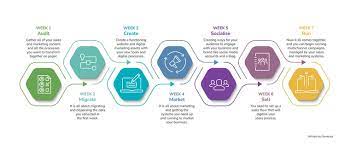
digital marketing transformation

Unlocking Success: The Power of Digital Marketing Transformation in Today’s Business Landscape

Digital Marketing Transformation

The Power of Digital Marketing Transformation

In today’s fast-paced digital landscape, businesses are constantly evolving to stay ahead of the curve. One key aspect of this evolution is the transformation of traditional marketing strategies into digital marketing solutions. Digital marketing transformation is not just a trend; it is a necessity for businesses looking to thrive in the digital age.

What is Digital Marketing Transformation?

Digital marketing transformation involves the integration of digital technologies and data-driven strategies to enhance marketing efforts and reach target audiences more effectively. It encompasses a shift from traditional methods such as print ads and billboards to online channels like social media, search engine optimisation (SEO), email marketing, and more.

The Benefits of Digital Marketing Transformation

Embracing digital marketing transformation offers businesses numerous benefits, including:

  • Increased Reach: Digital platforms allow businesses to reach a global audience instantaneously, breaking geographical barriers.
  • Targeted Advertising: Data analytics enable precise targeting of specific demographics, increasing the efficiency of advertising campaigns.
  • Measurable Results: Digital marketing provides real-time analytics that allow businesses to track campaign performance and adjust strategies accordingly.
  • Cost-Effectiveness: Compared to traditional marketing methods, digital marketing often offers a higher return on investment due to its targeted approach.
  • Enhanced Customer Engagement: Interactive features like social media engagement and personalised content help businesses connect with their audience on a deeper level.

Key Strategies for Successful Digital Marketing Transformation

To successfully implement digital marketing transformation, businesses should consider the following strategies:

  1. Data-Driven Decision Making: Utilise data analytics to understand customer behaviour and preferences, allowing for more targeted campaigns.
  2. Multichannel Approach: Engage with customers across various online platforms to maximise visibility and engagement.
  3. Ongoing Learning and Adaptation: Stay up-to-date with industry trends and continuously adapt strategies to remain competitive in the digital space.

In Conclusion

Digital marketing transformation is not just an option for businesses; it is a vital component of staying relevant in today’s increasingly digital world. By embracing digital technologies and adopting data-driven strategies, businesses can unlock new opportunities for growth, engagement, and success in the ever-evolving marketplace.

Contact us today to learn how we can help your business navigate the realm of digital marketing transformation!


6 Essential Tips for Mastering Digital Marketing Transformation

  1. Understand your target audience and their online behaviour.
  2. Create a strong online presence across various digital platforms.
  3. Utilise data analytics to track and measure the performance of your digital marketing efforts.
  4. Invest in search engine optimisation (SEO) to improve visibility and ranking on search engines.
  5. Engage with your audience through interactive content such as videos, quizzes, and polls.
  6. Stay updated with the latest digital marketing trends and technologies to adapt and evolve your strategies.

Understand your target audience and their online behaviour.

To succeed in digital marketing transformation, it is crucial to understand your target audience and their online behaviour. By gaining insights into the preferences, habits, and demographics of your audience, you can tailor your digital marketing strategies to effectively reach and engage with them. Understanding how your target audience interacts online allows you to create targeted campaigns that resonate with their interests, leading to increased brand awareness, customer engagement, and ultimately, business growth.

Create a strong online presence across various digital platforms.

Creating a strong online presence across a variety of digital platforms is essential for successful digital marketing transformation. By establishing a consistent and engaging presence on platforms such as social media, search engines, and email marketing, businesses can reach a wider audience, increase brand visibility, and foster meaningful connections with customers. This multichannel approach not only enhances brand recognition but also allows for targeted communication tailored to different segments of the target market, ultimately driving engagement and conversion rates.

Utilise data analytics to track and measure the performance of your digital marketing efforts.

By utilising data analytics to track and measure the performance of your digital marketing efforts, you can gain valuable insights into the effectiveness of your strategies. Data-driven analysis allows you to understand customer behaviour, identify trends, and make informed decisions to optimise your campaigns for maximum impact. Tracking key metrics and performance indicators enables you to refine your approach, target specific demographics more effectively, and ultimately enhance the overall success of your digital marketing initiatives.

Invest in search engine optimisation (SEO) to improve visibility and ranking on search engines.

Investing in search engine optimisation (SEO) is a crucial step in digital marketing transformation. By focusing on SEO strategies, businesses can enhance their online visibility and improve their ranking on search engines like Google. This not only increases the likelihood of attracting organic traffic to their website but also helps them reach a wider audience of potential customers actively searching for products or services in their industry. Prioritising SEO as part of the digital marketing strategy can lead to long-term benefits by establishing a strong online presence and driving sustainable growth for the business.

Engage with your audience through interactive content such as videos, quizzes, and polls.

To enhance your digital marketing transformation, it is crucial to engage with your audience through interactive content like videos, quizzes, and polls. These interactive elements not only capture the attention of your target audience but also encourage active participation and feedback. By incorporating such engaging content into your digital strategy, you can create a more immersive and personalised experience for your audience, fostering stronger connections and driving higher levels of engagement with your brand.

To thrive in the realm of digital marketing transformation, it is crucial to stay abreast of the latest trends and technologies shaping the industry. By continuously updating your knowledge and embracing new tools, you can adapt your strategies effectively and evolve with the ever-changing digital landscape. Keeping pace with emerging trends allows businesses to remain competitive, engage with their target audience more effectively, and drive meaningful results in their digital marketing efforts.

digital marketing transformation

Navigating the Era of Digital Marketing Transformation

Digital Marketing Transformation: Embracing the Future

Digital Marketing Transformation: Embracing the Future

In today’s fast-paced digital landscape, businesses are constantly evolving to stay ahead of the competition. One key area that has seen significant transformation in recent years is digital marketing. As technology continues to advance and consumer behaviours shift, companies must adapt their marketing strategies to effectively engage with their target audience.

The Shift Towards Digital

Gone are the days when traditional marketing methods alone could drive success for businesses. With the rise of the internet and social media, digital marketing has become essential for reaching and connecting with customers in a meaningful way. From social media advertising to email campaigns and search engine optimisation, digital channels offer a plethora of opportunities for businesses to promote their products and services.

Personalisation and Data-Driven Insights

One of the key advantages of digital marketing is the ability to personalise content based on user preferences and behaviour. By leveraging data analytics and insights, companies can create targeted campaigns that resonate with their audience on a more individual level. This personalised approach not only enhances customer experience but also improves conversion rates and ROI.

Embracing Technology

Advancements in technology such as artificial intelligence, machine learning, and automation have revolutionised the way businesses execute their marketing strategies. AI-powered tools can analyse vast amounts of data in real-time, enabling marketers to make informed decisions quickly and efficiently. Automation streamlines processes, saving time and resources while ensuring consistency across campaigns.

Adapting to Changing Trends

As consumer preferences evolve, so must digital marketing strategies. Businesses need to stay abreast of emerging trends such as voice search, video content, influencer marketing, and interactive experiences to remain relevant in today’s competitive market. By staying agile and responsive to changing trends, companies can position themselves for long-term success in the digital realm.

The Future of Digital Marketing

Looking ahead, digital marketing will continue to evolve at a rapid pace as technology advances and consumer expectations shift. Companies that embrace this transformation and invest in innovative strategies will be best positioned to thrive in an increasingly digital world. By staying proactive, adaptive, and customer-centric, businesses can unlock new opportunities for growth and engagement.


Understanding Digital Marketing Transformation: Key Questions and Insights for Businesses

  1. What is digital marketing transformation?
  2. Why is digital marketing transformation important for businesses?
  3. How can digital marketing transformation benefit my company?
  4. What are the key trends driving digital marketing transformation?
  5. How can businesses adapt to the changing landscape of digital marketing?
  6. What role does data analytics play in digital marketing transformation?
  7. Are there risks involved in implementing digital marketing transformation strategies?
  8. How can companies measure the success of their digital marketing transformation efforts?

What is digital marketing transformation?

Digital marketing transformation refers to the strategic overhaul of traditional marketing practices to adapt to the digital landscape. It involves leveraging technology, data analytics, and online channels to engage with target audiences in more personalised and effective ways. This process encompasses shifting from conventional marketing methods towards digital strategies that are agile, data-driven, and customer-centric. Digital marketing transformation enables businesses to stay competitive in a rapidly evolving digital environment by embracing innovation, automation, and continual adaptation to meet the changing needs and preferences of consumers.

Why is digital marketing transformation important for businesses?

In today’s digital age, digital marketing transformation is crucial for businesses seeking to stay competitive and relevant in an increasingly online world. By embracing digital marketing transformation, companies can effectively reach their target audience through various online channels, engage with customers on a more personal level, and drive meaningful interactions that lead to increased brand awareness and loyalty. Furthermore, leveraging data-driven insights and advanced technologies allows businesses to optimise their marketing strategies, improve efficiency, and ultimately achieve better results. In essence, digital marketing transformation is essential for businesses to adapt to changing consumer behaviours, stay ahead of the curve, and unlock new growth opportunities in the dynamic landscape of the digital realm.

How can digital marketing transformation benefit my company?

Digital marketing transformation can significantly benefit your company by enhancing its ability to reach and engage with a broader audience more effectively. By adopting digital marketing strategies, your business can leverage data-driven insights to tailor campaigns that resonate with specific customer segments, thus improving conversion rates and return on investment. Furthermore, digital marketing provides the flexibility to quickly adapt to market changes and consumer trends, ensuring your company remains competitive. It also allows for more efficient allocation of resources through automation and advanced analytics, freeing up time for your team to focus on strategic initiatives. Ultimately, embracing digital marketing transformation can lead to increased brand visibility, improved customer relationships, and sustainable business growth.

In the realm of digital marketing transformation, understanding the key trends that are propelling change is crucial for businesses seeking to stay ahead of the curve. From the increasing focus on personalisation and data-driven insights to the adoption of emerging technologies like artificial intelligence and automation, these trends are reshaping how companies engage with their target audience. Furthermore, the shift towards mobile-first strategies, the rise of influencer marketing, and the importance of sustainability and ethical practices are also driving forces behind the evolution of digital marketing. By embracing these key trends and incorporating them into their strategies, businesses can navigate the ever-changing digital landscape with agility and innovation.

How can businesses adapt to the changing landscape of digital marketing?

In response to the frequently asked question on digital marketing transformation, businesses can adapt to the changing landscape by prioritising agility, innovation, and data-driven decision-making. It is essential for companies to stay informed about emerging trends and technologies in digital marketing, as well as continuously monitor and analyse consumer behaviour to tailor their strategies accordingly. By fostering a culture of adaptability and embracing new tools and techniques, businesses can effectively navigate the evolving digital landscape and position themselves for sustained success in reaching and engaging with their target audience.

What role does data analytics play in digital marketing transformation?

Data analytics plays a crucial role in digital marketing transformation by providing valuable insights that drive strategic decision-making and campaign optimisation. By analysing data from various sources, such as website traffic, social media engagement, and customer interactions, businesses can gain a deeper understanding of their target audience’s preferences and behaviours. This data-driven approach allows marketers to personalise content, target specific demographics more effectively, measure the success of campaigns accurately, and identify areas for improvement. Ultimately, data analytics empowers companies to make informed decisions that lead to increased ROI, better customer engagement, and overall success in the ever-evolving digital landscape.

Are there risks involved in implementing digital marketing transformation strategies?

Implementing digital marketing transformation strategies can indeed carry certain risks that businesses should be aware of. One potential risk is the need for substantial investment in technology and resources to support the transformation process. Additionally, there may be challenges in integrating new digital tools and platforms seamlessly with existing systems, which could disrupt operations if not managed effectively. Another risk is the rapid pace of change in the digital landscape, requiring companies to continuously adapt their strategies to stay competitive. However, with careful planning, a clear vision, and a willingness to embrace innovation, these risks can be mitigated, and businesses can reap the rewards of successful digital marketing transformation.

How can companies measure the success of their digital marketing transformation efforts?

In the realm of digital marketing transformation, a common query revolves around how companies can gauge the effectiveness of their endeavours. To measure the success of their digital marketing transformation efforts, companies can employ a range of key performance indicators (KPIs) tailored to their specific goals. Metrics such as website traffic, conversion rates, customer engagement, lead generation, return on investment (ROI), and brand visibility can provide valuable insights into the impact of digital marketing initiatives. By analysing these KPIs and leveraging data analytics tools, companies can track progress, identify areas for improvement, and make informed decisions to optimise their digital marketing strategies for sustained growth and success.

digital marketing techniques

Mastering Effective Digital Marketing Techniques for Online Success

The Power of Digital Marketing Techniques in Today’s Business Landscape

In the fast-paced digital age, traditional marketing strategies are no longer sufficient to capture the attention of modern consumers. Businesses must adapt and embrace innovative digital marketing techniques to stay relevant and competitive in the ever-evolving online landscape.

Search Engine Optimization (SEO)

SEO is a fundamental digital marketing technique that focuses on improving a website’s visibility in search engine results. By optimising website content, keywords, and meta tags, businesses can increase their organic traffic and reach a wider audience. A strong SEO strategy is essential for driving quality traffic and boosting online presence.

Content Marketing

Content marketing involves creating and distributing valuable, relevant content to attract and engage target audiences. From blog posts and videos to social media updates and infographics, compelling content can help businesses build brand awareness, establish authority in their industry, and drive customer engagement.

Social Media Marketing

Social media platforms have become powerful tools for connecting with customers and building brand loyalty. Through targeted social media campaigns, businesses can reach specific demographics, drive website traffic, generate leads, and foster meaningful interactions with their audience. Engaging content that resonates with followers is key to successful social media marketing.

Email Marketing

Email marketing remains a highly effective digital marketing technique for nurturing leads and converting prospects into customers. Personalised email campaigns that deliver relevant content, promotions, and updates can help businesses build relationships with their audience, drive sales conversions, and increase customer retention.

Pay-Per-Click Advertising (PPC)

PPC advertising allows businesses to bid on keywords to display targeted ads on search engines or websites. With PPC campaigns, businesses pay only when users click on their ads, making it a cost-effective way to drive immediate traffic to websites and generate leads. Strategic keyword selection and ad placement are essential for maximising the ROI of PPC campaigns.

Data Analytics

Data analytics plays a crucial role in measuring the effectiveness of digital marketing techniques. By analysing key metrics such as website traffic, conversion rates, click-through rates, and engagement levels, businesses can gain valuable insights into consumer behaviour and preferences. Data-driven decisions enable businesses to refine their digital marketing strategies for optimal results.

In conclusion, digital marketing techniques offer endless possibilities for businesses looking to expand their online reach, engage with customers effectively, and drive business growth. By leveraging the power of SEO, content marketing, social media marketing, email campaigns…


Essential FAQs on Digital Marketing Techniques: A Comprehensive Guide

  1. What is digital marketing and why is it important?
  2. How can search engine optimization (SEO) benefit my business?
  3. What are the key components of a successful content marketing strategy?
  4. How can social media marketing help me reach my target audience?
  5. What are the best practices for email marketing campaigns?
  6. How does pay-per-click (PPC) advertising work and when should I use it?
  7. What role does data analytics play in digital marketing strategies?
  8. How can I measure the success of my digital marketing efforts?
  9. What are some emerging trends in digital marketing techniques?

What is digital marketing and why is it important?

Digital marketing encompasses a range of online strategies and tactics aimed at promoting products or services through digital channels such as websites, social media, email, search engines, and more. It is essential in today’s digital age as it allows businesses to reach a global audience, engage with customers in real-time, track and measure results accurately, and adapt campaigns quickly based on data insights. Digital marketing offers cost-effective ways to connect with target audiences, build brand awareness, drive website traffic, generate leads, and ultimately increase sales conversions. Embracing digital marketing techniques is crucial for businesses to stay competitive, establish a strong online presence, and achieve long-term success in the ever-evolving digital landscape.

How can search engine optimization (SEO) benefit my business?

Search engine optimization (SEO) can greatly benefit your business by improving your online visibility and driving organic traffic to your website. By implementing effective SEO strategies, you can enhance your website’s ranking in search engine results pages, making it easier for potential customers to find you online. Increased visibility means more opportunities for your business to attract qualified leads and convert them into customers. Additionally, a strong SEO presence can help establish credibility and trust with your target audience, ultimately leading to long-term success and sustainable growth for your business in the competitive digital landscape.

What are the key components of a successful content marketing strategy?

A successful content marketing strategy comprises several key components that work together to drive engagement, build brand awareness, and attract and retain customers. Firstly, understanding the target audience is crucial in creating content that resonates with their interests and needs. High-quality, relevant, and valuable content is essential for establishing credibility and authority in the industry. Consistency in publishing content across various platforms helps maintain audience interest and visibility. Utilising SEO techniques to optimise content for search engines enhances discoverability. Moreover, incorporating a mix of formats such as blog posts, videos, infographics, and social media updates can cater to different preferences and increase engagement levels. Monitoring performance metrics and analysing data allows for continuous improvement and adjustment of the content strategy to achieve desired outcomes.

How can social media marketing help me reach my target audience?

Social media marketing is a powerful tool that can help businesses effectively reach their target audience in today’s digital landscape. By leveraging social media platforms such as Facebook, Instagram, Twitter, and LinkedIn, businesses can connect with specific demographics, engage with potential customers, and build brand awareness. Through targeted content creation, strategic ad campaigns, and interactive engagement with followers, businesses can tailor their messaging to resonate with their target audience and drive meaningful interactions. Social media marketing enables businesses to reach a wider audience, increase website traffic, generate leads, and ultimately convert followers into loyal customers by fostering relationships and building trust through authentic communication.

What are the best practices for email marketing campaigns?

When it comes to email marketing campaigns, implementing best practices is essential for achieving success and driving engagement with your audience. Some key best practices include personalisation to make emails more relevant and tailored to individual recipients, segmenting your email lists based on demographics or behaviours to deliver targeted content, creating compelling subject lines that grab attention and encourage opens, ensuring mobile responsiveness for optimal viewing on all devices, and regularly testing and analysing campaign performance to refine strategies and improve results. By following these best practices, businesses can maximise the effectiveness of their email marketing campaigns and enhance customer relationships.

How does pay-per-click (PPC) advertising work and when should I use it?

Pay-per-click (PPC) advertising is a digital marketing technique where businesses bid on keywords to display targeted ads on search engines or websites. When users search for relevant terms, these ads appear prominently, and businesses pay a fee each time someone clicks on their ad. PPC advertising is effective for generating immediate traffic to websites, increasing brand visibility, and driving conversions. Businesses should consider using PPC when they want to reach a specific audience quickly, promote new products or services, increase website traffic, or complement their organic search efforts. By strategically selecting keywords, monitoring campaign performance, and refining ad targeting, businesses can maximise the impact of their PPC campaigns and achieve their marketing goals efficiently.

What role does data analytics play in digital marketing strategies?

Data analytics plays a pivotal role in digital marketing strategies by providing valuable insights into consumer behaviour, preferences, and trends. By analysing data metrics such as website traffic, conversion rates, click-through rates, and engagement levels, businesses can make informed decisions to optimise their marketing campaigns for maximum effectiveness. Data analytics enables businesses to track the performance of their digital marketing efforts, identify areas for improvement, and refine their strategies to better target their audience and achieve measurable results. In today’s competitive online landscape, leveraging data analytics is essential for driving successful digital marketing campaigns and staying ahead of the curve.

How can I measure the success of my digital marketing efforts?

Measuring the success of your digital marketing efforts is essential for evaluating the effectiveness of your strategies and identifying areas for improvement. Key performance indicators (KPIs) such as website traffic, conversion rates, click-through rates, engagement metrics, and return on investment (ROI) can provide valuable insights into the performance of your campaigns. By tracking and analysing these metrics using tools like Google Analytics and social media analytics platforms, you can assess the impact of your digital marketing activities, identify what is working well, and make data-driven decisions to optimise your future strategies for greater success.

In the dynamic realm of digital marketing, businesses are constantly seeking to stay ahead by embracing emerging trends that shape the industry. Some of the key emerging trends in digital marketing techniques include the rise of artificial intelligence and machine learning for personalised customer experiences, the increasing importance of voice search optimization to cater to voice-activated devices, the growing significance of influencer marketing for authentic brand promotion, the adoption of interactive content such as quizzes and polls to enhance user engagement, and the evolution of augmented reality (AR) and virtual reality (VR) experiences for immersive brand storytelling. Embracing these emerging trends can help businesses navigate the ever-changing digital landscape and connect with their target audience in innovative ways.

digital marketing techniques

Maximising Business Growth Through Effective Digital Marketing Techniques

Digital Marketing Techniques

The Power of Digital Marketing Techniques

In today’s digital age, businesses are constantly seeking innovative ways to reach and engage with their target audience. Digital marketing techniques have become essential tools for companies looking to expand their online presence and drive growth. Let’s explore some effective strategies that can help businesses succeed in the digital realm:

Search Engine Optimization (SEO)

SEO is crucial for improving a website’s visibility in search engine results. By optimising website content and structure, businesses can increase organic traffic and attract more qualified leads.

Content Marketing

Creating valuable and relevant content helps businesses establish authority in their industry and build trust with their audience. Content marketing includes blogs, videos, infographics, and social media posts that engage users and drive conversions.

Social Media Marketing

Social media platforms provide a powerful channel for businesses to connect with their target audience, build brand awareness, and drive traffic to their website. Engaging content, targeted ads, and influencer partnerships can all enhance a company’s social media presence.

Email Marketing

Email marketing remains a cost-effective way to nurture leads and retain customers. Personalised email campaigns can deliver tailored messages to subscribers, promoting products or services and driving conversions.

Pay-Per-Click (PPC) Advertising

PPC advertising allows businesses to reach a specific audience through targeted ads on search engines or social media platforms. By paying only when users click on the ad, companies can maximise their ROI and track campaign performance effectively.

Data Analytics

Data analytics play a crucial role in evaluating the success of digital marketing campaigns. By analysing key metrics such as website traffic, conversion rates, and customer behaviour, businesses can refine their strategies for better results.

In conclusion, digital marketing techniques offer endless possibilities for businesses to connect with consumers in the digital landscape. By leveraging these strategies effectively, companies can enhance brand visibility, drive engagement, and achieve sustainable growth in today’s competitive market.


Exploring the Advantages of Digital Marketing: Enhancing Visibility, Targeting Audiences, and Levelling the Playing Field

  1. Increased brand visibility and awareness in the digital space.
  2. Targeted reach to specific audiences based on demographics, interests, and behaviour.
  3. Cost-effective compared to traditional marketing methods like print or TV ads.
  4. Real-time tracking and analytics to measure campaign performance and ROI.
  5. Ability to engage with customers in a personalised and interactive manner.
  6. Opportunity for small businesses to compete with larger competitors on a level playing field.


Exploring the Drawbacks of Digital Marketing: From Saturation to Measurement Challenges

  1. 1. Saturation
  2. 2. Information Overload
  3. 3. Ad Blindness
  4. 4. Privacy Concerns
  5. 5. Rapid Changes
  6. 6. Budget Constraints
  7. 7. Measurement Challenges

Increased brand visibility and awareness in the digital space.

One significant advantage of utilising digital marketing techniques is the enhanced brand visibility and awareness it offers in the vast digital space. By strategically implementing tactics such as search engine optimisation, social media marketing, and content creation, businesses can boost their online presence and reach a wider audience. This increased visibility not only helps in attracting potential customers but also reinforces brand recognition and credibility, ultimately leading to improved brand awareness among target demographics. In today’s competitive market, establishing a strong digital footprint is essential for standing out amidst the noise and capturing the attention of consumers.

Targeted reach to specific audiences based on demographics, interests, and behaviour.

Digital marketing techniques offer businesses the invaluable advantage of targeted reach to specific audiences based on demographics, interests, and behaviour. By leveraging data analytics and sophisticated targeting tools, companies can tailor their marketing messages to resonate with the right audience segments. This personalised approach not only increases the likelihood of engaging potential customers but also enhances overall campaign effectiveness by delivering relevant content that aligns with the preferences and behaviours of the target audience. Ultimately, this precision targeting capability empowers businesses to maximise their marketing ROI and drive meaningful interactions with their desired customer base.

Cost-effective compared to traditional marketing methods like print or TV ads.

Digital marketing techniques offer a significant advantage in terms of cost-effectiveness when compared to traditional marketing methods such as print or TV ads. With digital marketing, businesses can reach a wider audience at a fraction of the cost, making it an attractive option for companies with limited budgets. By utilising online channels like social media, email campaigns, and search engine optimisation, businesses can achieve targeted results without the hefty price tag associated with traditional advertising mediums. This affordability factor allows businesses of all sizes to compete on a level playing field in the digital arena and maximise their return on investment.

Real-time tracking and analytics to measure campaign performance and ROI.

One significant advantage of digital marketing techniques is the ability to utilise real-time tracking and analytics to measure campaign performance and return on investment (ROI). By monitoring key metrics such as website traffic, click-through rates, conversions, and customer engagement in real-time, businesses can gain valuable insights into the effectiveness of their marketing efforts. This data-driven approach allows companies to make informed decisions, optimise campaigns on the fly, and allocate resources more efficiently to maximise ROI.

Ability to engage with customers in a personalised and interactive manner.

Digital marketing techniques offer businesses the invaluable advantage of engaging with customers in a personalised and interactive manner. Through targeted content, tailored email campaigns, and interactive social media posts, companies can establish meaningful connections with their audience on a one-to-one level. This personalised approach not only enhances customer satisfaction but also fosters brand loyalty and encourages active participation, ultimately leading to increased conversions and long-term relationships with customers.

Opportunity for small businesses to compete with larger competitors on a level playing field.

Digital marketing techniques level the playing field for small businesses, offering them the opportunity to compete with larger competitors on equal footing. Through targeted strategies such as SEO, social media marketing, and email campaigns, small businesses can reach their target audience effectively and build brand awareness without the need for a large advertising budget. This accessibility to a global market allows small businesses to showcase their unique offerings and compete based on the quality of their products or services rather than sheer financial resources. In this digital landscape, creativity and innovation can help small businesses stand out and thrive alongside industry giants.

1. Saturation

In the realm of digital marketing, one significant drawback is the issue of saturation. The online landscape is overflowing with businesses vying for attention, making it increasingly difficult for companies to distinguish themselves from their competitors. With countless brands utilising similar digital marketing techniques, standing out and capturing the target audience’s interest poses a considerable challenge. This saturation can lead to fierce competition, diminishing the effectiveness of marketing efforts and requiring businesses to devise innovative strategies to break through the noise and make a lasting impact on consumers.

2. Information Overload

In the realm of digital marketing techniques, a significant drawback is the issue of information overload. With the constant bombardment of online content and advertisements, consumers often find themselves overwhelmed with a surplus of information, ultimately resulting in reduced attention spans. This saturation of digital material can make it challenging for businesses to capture and maintain the focus of their target audience amidst the sea of competing messages vying for attention. As a consequence, companies must navigate this conundrum strategically to ensure that their marketing efforts cut through the noise and resonate effectively with consumers in an increasingly crowded digital landscape.

3. Ad Blindness

In the realm of digital marketing techniques, one significant drawback is the phenomenon of ad blindness. As technology advances and online advertising becomes more prevalent, many users have grown accustomed to ignoring or even actively blocking digital ads. This trend poses a challenge for businesses trying to reach their target audience effectively, as ad blindness diminishes the impact and effectiveness of advertising efforts in capturing users’ attention and driving engagement. Marketers must find creative ways to overcome this hurdle and deliver compelling content that resonates with audiences amidst the sea of digital noise.

4. Privacy Concerns

Privacy concerns have emerged as a significant drawback of digital marketing techniques. With the increasing focus on data privacy, consumers have become more cautious about how their personal information is collected and used online. This heightened awareness has prompted stricter regulations and limitations on targeted advertising practices, impacting the way businesses can reach and engage with their target audience. As a result, companies must navigate these privacy concerns carefully to build trust with consumers and ensure compliance with evolving data protection laws.

5. Rapid Changes

One significant drawback of digital marketing techniques is the rapid pace at which trends and technologies change. Businesses must continuously adjust their strategies to keep up with the ever-evolving digital landscape. This constant need for adaptation can be challenging and time-consuming, as what works today may not be effective tomorrow. Staying relevant in the face of rapid changes requires businesses to invest significant resources in monitoring trends, experimenting with new approaches, and staying ahead of the competition. Failure to adapt swiftly can result in missed opportunities and decreased effectiveness of marketing efforts.

6. Budget Constraints

Budget constraints pose a significant challenge for small businesses looking to implement effective digital marketing campaigns. The investment required for successful digital marketing strategies can be substantial, making it difficult for smaller companies with limited financial resources to compete with larger corporations. This financial barrier may hinder small businesses from fully utilising the potential of digital marketing techniques to reach their target audience and achieve their business objectives. Finding cost-effective solutions or alternative strategies becomes essential for overcoming this con and maximising the impact of digital marketing within budget limitations.

7. Measurement Challenges

One significant drawback of digital marketing techniques is the challenge of measurement. Evaluating the effectiveness of digital marketing campaigns can be daunting due to the vast array of metrics available and the necessity for precise data analysis. Businesses often struggle to interpret these metrics accurately, leading to uncertainty about the true impact of their digital marketing efforts. Inaccurate measurement can hinder decision-making processes and make it difficult to assess the return on investment, ultimately affecting the overall success of a digital marketing strategy.

digital marketing summit

Unleashing Innovation at the Digital Marketing Summit: A Gateway to Growth

The Power of Digital Marketing Summit: Unleashing Innovation and Growth

In today’s fast-paced digital landscape, staying ahead of the curve is crucial for businesses looking to make an impact. Enter the Digital Marketing Summit – a gathering of industry experts, thought leaders, and innovators coming together to explore the latest trends, strategies, and technologies shaping the future of digital marketing.

Why Attend a Digital Marketing Summit?

Attending a Digital Marketing Summit offers a unique opportunity to gain valuable insights, network with like-minded professionals, and stay abreast of the ever-evolving digital marketing landscape. From keynote presentations to interactive workshops and panel discussions, these summits provide a platform for learning, collaboration, and inspiration.

Key Benefits of Participating

  • Knowledge Sharing: Learn from industry experts about best practices, emerging trends, and innovative strategies that can help elevate your digital marketing efforts.
  • Networking Opportunities: Connect with peers, potential partners, and industry influencers to expand your professional network and foster new collaborations.
  • Inspiration: Gain fresh perspectives and insights that can spark creativity and drive innovation within your own marketing initiatives.
  • Practical Takeaways: Acquire actionable tips, tools, and techniques that you can implement immediately to enhance your digital marketing campaigns.

The Future of Digital Marketing

The digital marketing landscape is constantly evolving, driven by advancements in technology, changes in consumer behaviour, and shifting market dynamics. By participating in a Digital Marketing Summit, you can stay informed about the latest trends such as AI-driven marketing strategies, influencer collaborations, personalised customer experiences, data analytics insights – all of which are shaping the future of digital marketing.

Conclusion

A Digital Marketing Summit is not just an event – it’s an opportunity to immerse yourself in a world of innovation, creativity, and growth. Whether you’re a seasoned marketer looking to stay ahead of the curve or a newcomer eager to learn from industry experts, attending a summit can be a game-changer for your professional development and business success. Embrace the power of digital marketing summits and unlock new possibilities for your brand’s journey towards success in the digital age.


Maximise Your Experience: 9 Essential Tips for Navigating a Digital Marketing Summit

  1. Plan your schedule in advance to attend key sessions and workshops.
  2. Network with industry professionals to build valuable connections.
  3. Stay updated on the latest trends and technologies in digital marketing.
  4. Engage with speakers by asking questions and participating in discussions.
  5. Take notes during sessions to retain valuable information and insights.
  6. Utilise social media platforms to share highlights from the summit.
  7. Visit exhibitor booths to learn about new tools and services available in the market.
  8. Participate in interactive activities or contests for a chance to win prizes or recognition.
  9. Follow up with contacts after the summit to maintain relationships and explore potential collaborations.

Plan your schedule in advance to attend key sessions and workshops.

Planning your schedule in advance is a crucial tip for making the most of your experience at a Digital Marketing Summit. By identifying key sessions and workshops that align with your interests and goals, you can ensure that you don’t miss out on valuable insights and networking opportunities. Setting aside time to attend these important sessions allows you to maximise your learning potential, engage with industry experts, and gain practical takeaways that can positively impact your digital marketing strategies. Prioritising your schedule in advance helps you make the most of every moment at the summit, ensuring a productive and enriching experience.

Network with industry professionals to build valuable connections.

Networking with industry professionals at a Digital Marketing Summit is a valuable opportunity to establish meaningful connections that can propel your career and business forward. By engaging with like-minded individuals, sharing insights, and building relationships, you not only expand your professional network but also open doors to potential collaborations, partnerships, and new opportunities. These connections can lead to valuable knowledge exchanges, mentorship opportunities, and even future business ventures, making networking an essential component of maximising the benefits of attending a Digital Marketing Summit.

Staying updated on the latest trends and technologies in digital marketing is essential for staying competitive in today’s rapidly evolving landscape. By keeping abreast of new developments, strategies, and tools, businesses can adapt their marketing efforts to meet changing consumer preferences and market demands. Attending a Digital Marketing Summit provides a valuable opportunity to learn about cutting-edge innovations, industry best practices, and emerging trends that can help businesses stay ahead of the curve and drive success in their digital marketing campaigns.

Engage with speakers by asking questions and participating in discussions.

To make the most of your experience at a Digital Marketing Summit, it is highly beneficial to actively engage with speakers by asking insightful questions and participating in discussions. By interacting with industry experts and thought leaders, you not only gain valuable knowledge and perspectives but also establish connections that can lead to new opportunities and collaborations. Sharing your thoughts, seeking clarification, and contributing to the dialogue can enhance your learning experience and help you stay informed about the latest trends shaping the digital marketing landscape. Remember, active participation is key to maximising the benefits of attending a Digital Marketing Summit.

Take notes during sessions to retain valuable information and insights.

Taking notes during sessions at a Digital Marketing Summit is a valuable practice to retain key information and insights shared by industry experts and thought leaders. By jotting down key points, strategies, and tips, you can create a personalised reference guide that will help you recall important details long after the summit has ended. These notes can serve as a valuable resource for implementing new ideas, refining your digital marketing strategies, and staying ahead in the ever-evolving landscape of digital marketing.

Utilise social media platforms to share highlights from the summit.

One effective tip to maximise the impact of a Digital Marketing Summit is to leverage social media platforms to share key highlights and insights gained during the event. By actively engaging with your audience on platforms such as Twitter, LinkedIn, and Instagram, you can extend the reach of the summit beyond its physical confines, spark discussions, and generate buzz around the valuable learnings and experiences acquired. Sharing real-time updates, quotes from speakers, photos, and videos not only showcases your participation but also positions your brand as an active player in the digital marketing space, fostering connections and building credibility within the industry.

Visit exhibitor booths to learn about new tools and services available in the market.

Visiting exhibitor booths at a Digital Marketing Summit is a valuable tip for attendees looking to stay informed about the latest tools and services available in the market. By exploring these booths, participants can discover innovative solutions, cutting-edge technologies, and new services that can enhance their digital marketing strategies. Engaging with exhibitors provides a hands-on opportunity to learn about industry trends, compare offerings, and make informed decisions on incorporating new tools into their marketing arsenal. It’s a great way to stay ahead of the competition and ensure that your digital marketing efforts remain relevant and effective in today’s dynamic landscape.

Participate in interactive activities or contests for a chance to win prizes or recognition.

Participating in interactive activities or contests at a Digital Marketing Summit not only adds an element of fun and engagement to the event but also offers a valuable opportunity to showcase your skills and creativity. By taking part in these activities, you not only stand a chance to win exciting prizes or recognition but also get to network with fellow attendees, exchange ideas, and gain inspiration from others in the industry. Whether it’s a creative challenge, a quiz, or a hands-on workshop, getting involved in these interactive sessions can enhance your overall summit experience and leave you with new insights and connections that can benefit your digital marketing efforts in the long run.

Follow up with contacts after the summit to maintain relationships and explore potential collaborations.

After attending a Digital Marketing Summit, it is essential to follow up with contacts to nurture relationships and explore potential collaborations. By reaching out to the connections made during the summit, you can solidify your network, exchange ideas, and possibly form strategic partnerships that could benefit your business in the long run. Maintaining these relationships demonstrates professionalism, fosters trust, and opens doors to new opportunities for growth and innovation in the dynamic world of digital marketing.

digital marketing strategist google

Unlocking Success: The Role of a Google Digital Marketing Strategist

The Role of a Digital Marketing Strategist at Google

In the fast-paced world of digital marketing, Google plays a central role in shaping strategies and driving success for businesses online. A Digital Marketing Strategist at Google is a key player in helping companies navigate the complexities of the digital landscape and achieve their marketing objectives.

Responsibilities of a Digital Marketing Strategist at Google

One of the primary responsibilities of a Digital Marketing Strategist at Google is to develop and implement comprehensive digital marketing campaigns that leverage Google’s suite of tools and platforms. This includes creating targeted advertising campaigns on Google Ads, utilising data insights from Google Analytics to optimise performance, and maximising visibility through organic search with SEO best practices.

Furthermore, a Digital Marketing Strategist at Google is tasked with staying abreast of industry trends and updates to ensure that their strategies are cutting-edge and effective. They must also collaborate with cross-functional teams to align marketing efforts with overall business goals and drive growth.

Skills Required for Success

To excel as a Digital Marketing Strategist at Google, individuals need a combination of technical expertise, analytical skills, and creativity. Proficiency in using tools such as Google Ads, Google Analytics, and Search Console is essential, as is the ability to interpret data to make informed decisions.

Moreover, strong communication skills are vital for effectively conveying strategy recommendations to stakeholders and driving consensus within teams. Adaptability and a willingness to learn are also crucial traits for navigating the ever-evolving digital landscape.

The Impact of a Digital Marketing Strategist at Google

A skilled Digital Marketing Strategist at Google can make a significant impact on the success of businesses by crafting targeted campaigns that reach the right audiences at the right time. By leveraging Google’s powerful platforms and insights, they can drive brand awareness, generate leads, and ultimately increase conversions for their clients.

In conclusion, the role of a Digital Marketing Strategist at Google is instrumental in helping businesses harness the full potential of digital marketing to achieve their objectives in an increasingly competitive online environment.


9 Essential Tips for Mastering Digital Marketing Strategies with Google

  1. Stay updated with Google’s algorithm changes to adapt your strategies accordingly.
  2. Utilize Google Analytics to track website performance and user behaviour.
  3. Optimize your website for mobile devices as Google prioritizes mobile-friendly sites.
  4. Create high-quality, relevant content that aligns with Google’s search intent guidelines.
  5. Implement SEO best practices to improve organic search rankings on Google.
  6. Use Google Ads effectively to reach targeted audiences and drive conversions.
  7. Leverage Google My Business for local SEO and enhancing online visibility.
  8. Regularly monitor and analyse key performance indicators (KPIs) using tools like Google Data Studio.
  9. Engage with the digital marketing community through platforms like Google forums and webinars.

Stay updated with Google’s algorithm changes to adapt your strategies accordingly.

To thrive as a Digital Marketing Strategist at Google, it is crucial to stay informed about Google’s algorithm changes and updates. By keeping abreast of these developments, strategists can adapt their marketing strategies proactively to ensure optimal performance and visibility online. Being aware of the latest algorithm changes allows them to adjust tactics, refine approaches, and stay ahead of the curve in the dynamic world of digital marketing.

Utilize Google Analytics to track website performance and user behaviour.

To maximise the effectiveness of digital marketing strategies, it is crucial for a Digital Marketing Strategist at Google to utilise Google Analytics to track website performance and user behaviour. By leveraging the insights provided by Google Analytics, strategists can gain valuable data on how users interact with a website, which pages are most popular, where traffic is coming from, and much more. This data allows for informed decision-making and enables strategists to optimise campaigns, improve user experience, and ultimately drive better results for their clients.

Optimize your website for mobile devices as Google prioritizes mobile-friendly sites.

To maximise your digital marketing strategy on Google, it is crucial to prioritise mobile optimization for your website. Given Google’s emphasis on mobile-friendly sites, ensuring that your website is responsive and user-friendly on mobile devices can significantly impact your search engine rankings and overall online visibility. By optimising your website for mobile devices, you not only cater to the growing number of mobile users but also align with Google’s preferences, ultimately enhancing the user experience and driving traffic to your site.

Create high-quality, relevant content that aligns with Google’s search intent guidelines.

To succeed as a Digital Marketing Strategist at Google, it is crucial to create high-quality, relevant content that aligns with Google’s search intent guidelines. By understanding the search intent behind user queries, strategists can tailor content that not only attracts visitors but also provides valuable information that meets their needs. Adhering to Google’s guidelines ensures that the content remains visible and ranks well in search results, ultimately driving organic traffic and engagement for businesses online.

Implement SEO best practices to improve organic search rankings on Google.

By implementing SEO best practices, a digital marketing strategist at Google can enhance a website’s visibility and improve its organic search rankings on the search engine. This involves optimising website content, meta tags, and back-end structure to align with Google’s algorithms and user intent. By focusing on relevant keywords, high-quality content, and user experience, the strategist can drive organic traffic to the site and increase its chances of appearing prominently in search results. This strategic approach not only boosts the website’s online presence but also establishes a strong foundation for long-term success in digital marketing efforts.

Use Google Ads effectively to reach targeted audiences and drive conversions.

Utilising Google Ads effectively is a crucial strategy for Digital Marketing Strategists at Google to reach specific target audiences and boost conversion rates. By crafting targeted ad campaigns that align with audience interests and search behaviours, strategists can maximise visibility and engagement. Leveraging the diverse targeting options within Google Ads, such as demographics, keywords, and remarketing, allows for precise audience segmentation and tailored messaging. This strategic approach not only increases the likelihood of reaching potential customers but also enhances the chances of converting leads into valuable customers, ultimately driving business growth and success in the digital realm.

Leverage Google My Business for local SEO and enhancing online visibility.

To enhance online visibility and improve local SEO efforts, digital marketing strategists at Google can leverage the power of Google My Business. By optimising and regularly updating their business listings on Google My Business, companies can ensure that their information is accurate and up-to-date for potential customers searching for local services or products. This not only helps businesses appear in relevant local search results but also increases trust and credibility among consumers looking for nearby solutions. Utilising Google My Business effectively is a valuable strategy for digital marketing strategists to boost online visibility and drive traffic to physical locations.

Regularly monitor and analyse key performance indicators (KPIs) using tools like Google Data Studio.

To excel as a Digital Marketing Strategist at Google, it is essential to regularly monitor and analyse key performance indicators (KPIs) using tools like Google Data Studio. By tracking metrics such as website traffic, conversion rates, and engagement levels, strategists can gain valuable insights into the effectiveness of their campaigns and make data-driven decisions to optimise performance. Google Data Studio provides a comprehensive platform for visualising and interpreting data, enabling strategists to identify trends, spot opportunities for improvement, and demonstrate the impact of their strategies on business outcomes.

Engage with the digital marketing community through platforms like Google forums and webinars.

To enhance your expertise as a digital marketing strategist at Google, it is essential to engage actively with the digital marketing community through platforms such as Google forums and webinars. By participating in discussions, sharing insights, and learning from industry experts, you can stay updated on the latest trends, best practices, and tools in the dynamic world of digital marketing. Networking with like-minded professionals can provide valuable connections and fresh perspectives that can help elevate your strategies and drive success in your role.

digital marketing strategy for product launch

Crafting an Effective Digital Marketing Strategy for a Successful Product Launch

Digital Marketing Strategy for Product Launch

The Importance of a Strong Digital Marketing Strategy for Product Launch

Launching a new product in today’s competitive market requires more than just developing a great product. A well-planned digital marketing strategy is essential to ensure that your product reaches the right audience and generates excitement and interest. Here are key steps to consider when creating a digital marketing strategy for your product launch:

Define Your Target Audience

Understanding your target audience is crucial for crafting a successful digital marketing campaign. Conduct market research to identify the demographics, interests, and online behaviour of your potential customers. This information will help you tailor your messaging and choose the most effective digital channels.

Build Anticipation with Teasers

Create anticipation and buzz around your upcoming product by releasing teasers on social media, email newsletters, and your website. Teasers can include sneak peeks, behind-the-scenes footage, or countdowns to the launch date. Engaging content will pique curiosity and build excitement among your audience.

Utilise Social Media Platforms

Social media platforms are powerful tools for reaching a wide audience and building brand awareness. Develop a social media strategy that includes regular posts, engaging visuals, interactive polls or contests, and influencer partnerships to amplify your message. Use targeted advertising to reach specific segments of your audience.

Create Compelling Content

Content marketing plays a vital role in educating consumers about your new product and its benefits. Develop high-quality content such as blog posts, videos, infographics, and case studies that showcase the value proposition of your product. Share this content across various online channels to attract and engage potential customers.

Implement SEO Strategies

Optimising your website and content for search engines is essential for increasing visibility and driving organic traffic to your product launch page. Conduct keyword research related to your product and incorporate relevant keywords into your website copy, meta tags, and headings to improve search engine rankings.

Monitor Performance Metrics

Track key performance metrics such as website traffic, conversion rates, social media engagement, email open rates, and sales figures to evaluate the effectiveness of your digital marketing efforts. Use analytics tools to gain insights into customer behaviour and make data-driven decisions to optimise your strategy.

Conclusion

A well-executed digital marketing strategy can significantly impact the success of your product launch by generating awareness, driving traffic, and converting leads into customers. By following these key steps and continuously refining your approach based on performance data, you can maximise the impact of your digital marketing efforts and achieve a successful product launch.


8 Essential Tips for Crafting an Effective Digital Marketing Strategy for Your Product Launch

  1. Define your target audience clearly to tailor your marketing efforts effectively.
  2. Create a compelling story around your product to engage and captivate your audience.
  3. Utilise social media platforms to create buzz and generate interest before the launch.
  4. Implement SEO strategies to ensure your product is easily discoverable online.
  5. Consider using influencer marketing to reach a wider audience and build credibility.
  6. Utilise email marketing campaigns to keep potential customers informed and engaged.
  7. Monitor analytics and track key performance indicators to evaluate the success of your campaign.
  8. Offer exclusive deals or promotions for early adopters to incentivize purchases.

Define your target audience clearly to tailor your marketing efforts effectively.

Defining your target audience clearly is a fundamental aspect of creating a successful digital marketing strategy for a product launch. By understanding the demographics, preferences, and behaviours of your potential customers, you can tailor your marketing efforts to resonate with them effectively. This targeted approach allows you to craft messaging that speaks directly to the needs and interests of your audience, increasing the likelihood of engagement and conversion. Identifying your target audience ensures that your digital marketing efforts are focused and strategic, ultimately leading to a more impactful product launch campaign.

Create a compelling story around your product to engage and captivate your audience.

Creating a compelling narrative around your product is a powerful strategy to engage and captivate your audience during a product launch. By crafting a story that resonates with your target market, you can evoke emotions, build connections, and differentiate your product from competitors. A well-told story not only captures attention but also creates a memorable experience that drives interest and loyalty among consumers. Incorporating storytelling into your digital marketing strategy adds depth and meaning to your product, making it more relatable and impactful to potential customers.

Utilise social media platforms to create buzz and generate interest before the launch.

Utilising social media platforms to create buzz and generate interest before the launch of a new product is a crucial component of a successful digital marketing strategy. By strategically leveraging the reach and engagement opportunities offered by social media, businesses can build anticipation, connect with their target audience, and spark conversations that drive excitement around the upcoming product. Through compelling content, interactive posts, and influencer collaborations, brands can cultivate a sense of exclusivity and intrigue that motivates followers to stay tuned for the big reveal. This pre-launch buzz not only increases brand visibility but also lays the foundation for a successful product launch by priming potential customers and generating early interest in what’s to come.

Implement SEO strategies to ensure your product is easily discoverable online.

Implementing SEO strategies is crucial for ensuring that your product is easily discoverable online. By conducting keyword research, optimising your website content, and improving your search engine rankings, you can increase visibility and attract potential customers searching for products like yours. SEO helps to enhance the online presence of your product, making it more likely to be found by users actively looking for solutions that your product offers. By incorporating SEO tactics into your digital marketing strategy, you can improve the chances of reaching a wider audience and driving organic traffic to your product launch page.

Consider using influencer marketing to reach a wider audience and build credibility.

Consider incorporating influencer marketing into your digital marketing strategy for a product launch to expand your reach and establish credibility. Leveraging influencers who have a strong following and influence in your target market can help you connect with a wider audience authentically. By partnering with influencers to promote your new product, you can tap into their engaged followers and benefit from their trust and authority, enhancing the credibility of your brand and increasing the likelihood of reaching potential customers who may be interested in your offering.

Utilise email marketing campaigns to keep potential customers informed and engaged.

Utilising email marketing campaigns is a valuable strategy to keep potential customers informed and engaged during a product launch. By sending targeted and personalised emails, businesses can provide updates, exclusive sneak peeks, and special offers to nurture relationships with their audience. Email marketing allows for direct communication with customers, helping to build anticipation and maintain interest in the upcoming product. Regular communication through email campaigns can drive engagement, encourage conversions, and ultimately contribute to the success of the product launch.

Monitor analytics and track key performance indicators to evaluate the success of your campaign.

Monitoring analytics and tracking key performance indicators are essential components of a successful digital marketing strategy for a product launch. By closely monitoring metrics such as website traffic, conversion rates, social media engagement, email open rates, and sales figures, you can gain valuable insights into the effectiveness of your campaign. Evaluating these KPIs allows you to measure the impact of your marketing efforts, identify areas for improvement, and make data-driven decisions to optimise your strategy for better results.

Offer exclusive deals or promotions for early adopters to incentivize purchases.

To maximise the impact of your digital marketing strategy for a product launch, consider offering exclusive deals or promotions to early adopters. By providing incentives such as special discounts or limited-time offers, you can create a sense of urgency and encourage customers to make a purchase decision quickly. This not only helps generate initial sales momentum but also builds loyalty among early adopters who feel valued for their support. Incentivising purchases in this way can drive traffic to your product launch and create buzz around your brand, setting a strong foundation for future success.

digital marketing strategy for product launch

Crafting an Effective Digital Marketing Strategy for a Successful Product Launch

Digital Marketing Strategy for Product Launch

Digital Marketing Strategy for Product Launch

Launching a new product is an exciting time for any business, but without a solid digital marketing strategy, your efforts may not reach their full potential. In today’s digital age, leveraging online channels effectively is crucial to create buzz, generate interest, and drive sales for your new product. Here are key components to consider when developing a digital marketing strategy for a product launch:

Define Your Target Audience

Understanding your target audience is essential to tailor your marketing efforts effectively. Identify the demographics, interests, and online behaviours of your ideal customers to create targeted campaigns that resonate with them.

Create Compelling Content

Content is king in the digital world. Develop engaging content that highlights the features and benefits of your new product. Utilise a mix of formats such as videos, blog posts, social media posts, and infographics to capture the attention of your audience.

Utilise Social Media Platforms

Social media platforms offer a powerful way to reach and engage with your target audience. Develop a social media strategy that includes regular posts, sponsored ads, influencer partnerships, and user-generated content to build excitement around your product launch.

Implement Search Engine Optimization (SEO)

Optimising your website and content for search engines is crucial to ensure that potential customers can find information about your new product easily. Conduct keyword research, optimise meta tags, and create high-quality content to improve your search engine rankings.

Leverage Email Marketing

Email marketing remains an effective tool for nurturing leads and converting prospects into customers. Build an email list of interested individuals and send targeted campaigns with exclusive offers, product updates, and personalised recommendations.

Monitor Performance and Adjust Strategy

Track key performance indicators (KPIs) such as website traffic, conversion rates, social media engagement, and email open rates to measure the success of your digital marketing efforts. Analyse data regularly and make adjustments to your strategy based on insights gained from performance metrics.

In conclusion, a well-planned digital marketing strategy can significantly impact the success of a product launch. By understanding your target audience, creating compelling content, utilising social media platforms effectively, implementing SEO best practices, leveraging email marketing campaigns, and monitoring performance metrics closely, you can maximise visibility and drive sales for your new product in the competitive digital landscape.


Essential FAQs on Crafting an Effective Digital Marketing Strategy for Product Launches

  1. 1. What are the key components of a digital marketing strategy for a product launch?
  2. 2. How important is defining the target audience when developing a digital marketing strategy for a product launch?
  3. 3. What role does social media play in promoting a new product during its launch?
  4. 4. Why is content creation crucial for the success of a digital marketing strategy for a product launch?
  5. 5. How can search engine optimization (SEO) benefit a product launch campaign?
  6. 6. What are some effective ways to utilise email marketing in promoting a new product?
  7. 7. How do you measure the performance of a digital marketing strategy for a product launch?
  8. 8. What are common pitfalls to avoid when planning and executing a digital marketing strategy for launching a new product?

1. What are the key components of a digital marketing strategy for a product launch?

When considering the key components of a digital marketing strategy for a product launch, it is essential to focus on defining the target audience, creating compelling content, utilising social media platforms effectively, implementing search engine optimisation (SEO) techniques, leveraging email marketing campaigns, and monitoring performance metrics. Understanding the demographics and behaviours of the target audience helps in tailoring campaigns that resonate with them. Compelling content in various formats captures attention and highlights the product’s features. Social media plays a vital role in engaging with potential customers, while SEO ensures visibility online. Email marketing helps nurture leads, and monitoring performance metrics allows for adjustments to maximise success in the competitive digital landscape.

2. How important is defining the target audience when developing a digital marketing strategy for a product launch?

Defining the target audience plays a crucial role in the success of a digital marketing strategy for a product launch. Understanding the demographics, preferences, and behaviours of the target audience allows businesses to create tailored campaigns that resonate with potential customers. By defining the target audience accurately, businesses can deliver personalised content, choose the most effective marketing channels, and maximise engagement. Ultimately, a well-defined target audience ensures that marketing efforts are focused and effective in reaching the right people with the right message at the right time.

3. What role does social media play in promoting a new product during its launch?

Social media plays a pivotal role in promoting a new product during its launch by providing a platform to reach and engage with a wide audience. Through social media channels, businesses can create buzz, generate excitement, and build anticipation for their new product. By leveraging features such as sponsored ads, influencer partnerships, live videos, and user-generated content, companies can effectively showcase the unique features and benefits of the product to potential customers. Social media also allows for real-time interaction with consumers, enabling businesses to address queries, gather feedback, and foster a sense of community around the new product. Overall, social media acts as a powerful tool in driving brand awareness, increasing visibility, and ultimately driving sales during a product launch campaign.

4. Why is content creation crucial for the success of a digital marketing strategy for a product launch?

Content creation is crucial for the success of a digital marketing strategy for a product launch because it serves as the foundation for engaging and informing your target audience. Compelling content showcases the unique features and benefits of your new product, capturing the attention of potential customers and driving interest. By creating high-quality content in various formats such as videos, blog posts, and social media updates, you can effectively communicate your brand message, build credibility, and establish a connection with your audience. Well-crafted content not only educates consumers about your product but also helps to differentiate your brand in a crowded marketplace, ultimately influencing purchasing decisions and contributing to the overall success of your product launch campaign.

5. How can search engine optimization (SEO) benefit a product launch campaign?

Search engine optimization (SEO) plays a crucial role in enhancing the visibility and reach of a product launch campaign. By optimising website content, meta tags, and keywords related to the new product, SEO helps improve search engine rankings, making it easier for potential customers to find information about the product online. Increased visibility on search engine results pages can drive organic traffic to the product website, generate leads, and ultimately boost sales. Additionally, SEO allows businesses to target specific keywords or phrases relevant to the product, attracting qualified leads who are actively searching for similar offerings. Overall, incorporating SEO into a product launch campaign can significantly increase brand awareness and maximise the impact of digital marketing efforts.

6. What are some effective ways to utilise email marketing in promoting a new product?

When it comes to promoting a new product through email marketing, there are several effective strategies to consider. Personalisation is key – segment your email list based on customer preferences and behaviours to deliver targeted and relevant content. Use enticing subject lines and compelling visuals to capture recipients’ attention and encourage them to open the email. Incorporate exclusive offers, product teasers, and engaging storytelling to pique interest and drive conversions. Additionally, leverage automation tools to send timely and personalised messages throughout the customer journey, from initial awareness to post-purchase follow-ups. By combining these tactics, you can maximise the impact of email marketing in promoting your new product effectively.

7. How do you measure the performance of a digital marketing strategy for a product launch?

Measuring the performance of a digital marketing strategy for a product launch is essential to determine its effectiveness and make informed decisions for future campaigns. Key performance indicators (KPIs) such as website traffic, conversion rates, social media engagement, email open rates, and sales figures are commonly used to evaluate the success of the strategy. By analysing these metrics closely, businesses can gain valuable insights into the impact of their digital marketing efforts, identify areas for improvement, and adjust their strategies to optimise results. Tracking performance metrics allows businesses to measure ROI, understand customer behaviour, and refine their approach to achieve their product launch objectives efficiently.

8. What are common pitfalls to avoid when planning and executing a digital marketing strategy for launching a new product?

When planning and executing a digital marketing strategy for launching a new product, it is crucial to be aware of common pitfalls that can hinder success. One common pitfall to avoid is neglecting thorough market research and failing to understand your target audience’s preferences and behaviours. Another pitfall is setting unrealistic goals or expectations without a clear understanding of the competitive landscape. Additionally, overlooking the importance of tracking and analysing data can lead to missed opportunities for optimisation. It is essential to stay flexible, adapt to feedback, and continuously refine your strategy to avoid these pitfalls and maximise the impact of your product launch campaign.

digital marketing strategy 2019

Unlocking Success: Navigating the Digital Marketing Strategy Landscape in 2019

Digital Marketing Strategy 2019

The Evolution of Digital Marketing Strategy in 2019

In 2019, digital marketing continued to evolve at a rapid pace, with new trends and strategies shaping the way businesses connect with their audiences online. A successful digital marketing strategy in 2019 required a blend of creativity, data-driven insights, and a focus on delivering personalized experiences to consumers.

Key Trends in Digital Marketing Strategy

One of the key trends that emerged in 2019 was the increasing importance of mobile marketing. With more people accessing the internet through mobile devices, businesses had to ensure that their digital marketing strategies were optimized for mobile platforms.

Personalization also played a significant role in digital marketing strategy in 2019. Consumers expected tailored experiences and relevant content, leading businesses to invest in data analytics and automation tools to deliver personalized messages at scale.

Data-Driven Decision Making

Data-driven decision making became essential for businesses looking to stay competitive in the digital landscape. By leveraging analytics tools and customer insights, companies could better understand their target audience and optimize their marketing efforts for maximum impact.

The Rise of Content Marketing

Content marketing continued to be a cornerstone of successful digital marketing strategies in 2019. High-quality, engaging content helped businesses attract and retain customers, build brand credibility, and improve search engine rankings.

Social Media Engagement

Social media platforms remained crucial for engaging with audiences and building brand awareness. In 2019, businesses focused on creating authentic connections with their followers through compelling social media content and interactive campaigns.

Conclusion

As we reflect on the digital marketing landscape of 2019, it is clear that innovation and adaptability were key drivers of success. Businesses that embraced new technologies, prioritized customer experience, and leveraged data insights were able to create impactful digital marketing strategies that resonated with their target audience.


Exploring Key Concepts and Strategies in Digital Marketing: FAQs on the 4 P’s, 7 C’s, 5 D’s, and More

  1. What are the 4 P’s of digital marketing?
  2. What are the 7 C’s of digital marketing?
  3. What are the strategies of digital marketing?
  4. What are the 5 D’s of digital marketing?
  5. What is the 70 20 10 rule in digital marketing?
  6. What are the 7 P’s of digital marketing?

What are the 4 P’s of digital marketing?

In digital marketing strategy for 2019, understanding the concept of the 4 P’s is crucial. The 4 P’s of digital marketing refer to Product, Price, Place, and Promotion. These fundamental elements serve as a framework for businesses to develop effective marketing strategies tailored to the digital landscape. By focusing on product offerings, pricing strategies, distribution channels, and promotional tactics, businesses can create a comprehensive and cohesive digital marketing plan that resonates with their target audience and drives success in the competitive online marketplace.

What are the 7 C’s of digital marketing?

The 7 C’s of digital marketing refer to a framework that outlines key elements for developing a successful digital marketing strategy in 2019. These 7 C’s include content, context, community, customization, communication, connection, and commerce. Each of these components plays a crucial role in engaging with audiences effectively, building brand awareness, and driving conversions in the dynamic digital landscape of 2019. By incorporating the 7 C’s into their digital marketing strategies, businesses can create meaningful connections with their target audience and achieve sustainable growth online.

What are the strategies of digital marketing?

In 2019, the question “What are the strategies of digital marketing?” was a frequently asked one as businesses sought to navigate the ever-changing digital landscape. Digital marketing strategies encompassed a wide range of approaches aimed at reaching and engaging target audiences online. From search engine optimisation (SEO) and content marketing to social media advertising and email campaigns, businesses explored diverse tactics to enhance their online presence and drive conversions. The key was to tailor these strategies to align with specific business goals, target audience preferences, and industry trends in order to achieve measurable success in the digital realm.

What are the 5 D’s of digital marketing?

In the realm of digital marketing strategy for 2019, a frequently asked question revolved around the concept of the “5 D’s of digital marketing.” These 5 D’s – Digital Devices, Digital Platforms, Digital Media, Digital Data, and Digital Technology – encapsulate the key elements that businesses need to consider when crafting their digital marketing strategies. Understanding and leveraging these 5 D’s effectively can help businesses navigate the complex digital landscape, engage with their target audience across various channels, and drive meaningful results in their online marketing efforts.

What is the 70 20 10 rule in digital marketing?

The 70 20 10 rule in digital marketing is a strategic framework that suggests how businesses should allocate their resources for content creation and distribution. According to this rule, 70% of the budget should be spent on proven and successful marketing strategies, 20% on innovative ideas that have the potential to deliver good results, and the remaining 10% on experimental or risky initiatives. By following the 70 20 10 rule, businesses can strike a balance between leveraging established tactics, exploring new opportunities, and taking calculated risks to drive growth and innovation in their digital marketing efforts.

What are the 7 P’s of digital marketing?

In the realm of digital marketing strategy in 2019, the concept of the 7 P’s of digital marketing emerged as a frequently asked question. The 7 P’s refer to the key elements that businesses need to consider when developing their digital marketing strategies. These include Product, Price, Place, Promotion, People, Process, and Physical Evidence. Each ‘P’ plays a crucial role in shaping a comprehensive and effective digital marketing plan that aligns with the goals and objectives of the business while meeting the needs and expectations of the target audience in the ever-evolving digital landscape.