marketing and digital marketing

Unlocking Success: The Power of Digital Marketing in Modern Marketing Strategies

Marketing and Digital Marketing

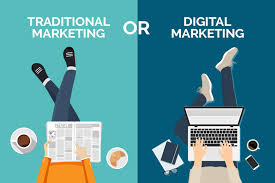
The Evolution of Marketing: From Traditional to Digital

Marketing has always been a crucial aspect of business growth and success. It is the process of promoting and selling products or services to consumers. Over the years, marketing techniques have evolved significantly, adapting to changes in consumer behaviour and technological advancements.

Traditional Marketing

In the past, traditional marketing methods such as print ads, TV commercials, billboards, and direct mail were dominant. While these approaches were effective in reaching a broad audience, they often lacked personalisation and real-time interaction with consumers. Traditional marketing relied heavily on mass media to deliver messages to potential customers.

Digital Marketing

With the rise of the internet and digital technologies, a new era of marketing emerged – digital marketing. Digital marketing encompasses a range of online tactics including search engine optimisation (SEO), social media marketing, email campaigns, content marketing, and more. Unlike traditional marketing, digital marketing allows for targeted advertising based on user demographics, interests, and online behaviour.

The Benefits of Digital Marketing

  • Targeted Reach: Digital marketing enables businesses to target specific audiences with precision.
  • Cost-Effective: Compared to traditional methods, digital marketing is often more cost-effective and offers better return on investment.
  • Real-Time Analytics: With digital tools, marketers can track campaign performance in real-time and make data-driven decisions.
  • Interactivity: Digital platforms allow for two-way communication between brands and consumers, fostering engagement and loyalty.
  • Global Reach: The internet has made it possible for businesses to reach global markets with ease through digital channels.

The Future of Marketing

As technology continues to advance rapidly, the future of marketing is likely to be even more focused on personalisation, automation, artificial intelligence (AI), virtual reality (VR), and augmented reality (AR). Businesses that embrace these digital trends will be better positioned to connect with their target audience in meaningful ways and drive sustainable growth in the digital age.


Unlocking Success: 9 Key Advantages of Marketing and Digital Marketing

  1. Targeted Reach
  2. Cost-Effective
  3. Real-Time Analytics
  4. Interactivity
  5. Global Reach
  6. Personalisation
  7. Measurable Results
  8. Brand Visibility
  9. Adaptability


Challenges in Modern Marketing: Navigating Digital Saturation, Data Privacy, and Rapid Changes

  1. 1. Digital saturation
  2. 2. Data privacy concerns
  3. 3. Rapid changes

Targeted Reach

One significant advantage of digital marketing is its ability to offer targeted reach, enabling businesses to pinpoint specific audiences with precision. Unlike traditional marketing methods that cast a wide net, digital marketing allows for tailored messaging and personalised content delivery based on user demographics, interests, and online behaviour. This targeted approach not only increases the effectiveness of marketing campaigns but also enhances engagement and conversion rates by reaching the right audience with the right message at the right time.

Cost-Effective

In comparison to traditional marketing approaches, digital marketing stands out for its cost-effectiveness, providing businesses with a higher return on investment (ROI). By leveraging online platforms and targeted strategies, digital marketing enables companies to reach their target audience more efficiently and at a lower cost. This advantage allows businesses to allocate their marketing budget more wisely, maximising the impact of their campaigns and driving measurable results that contribute to long-term success.

Real-Time Analytics

Real-Time Analytics is a powerful advantage of both traditional marketing and digital marketing strategies. With the ability to track campaign performance in real-time, marketers can gather valuable insights into how their marketing efforts are resonating with the target audience. By analysing data promptly, marketers can make informed, data-driven decisions to optimise campaigns, allocate resources effectively, and adjust strategies on the fly to maximise results. This proactive approach allows businesses to stay agile and responsive in a dynamic market landscape, ultimately leading to improved ROI and better overall marketing outcomes.

Interactivity

Interactivity is a key advantage of digital marketing, allowing brands to engage in meaningful conversations with their target audience. Through digital platforms, such as social media, websites, and email campaigns, brands can establish a two-way communication channel with consumers. This interactive approach fosters engagement, builds relationships, and creates opportunities for valuable feedback and insights. By actively involving consumers in the marketing process, brands can better understand their needs and preferences, leading to more personalised and effective marketing strategies.

Global Reach

In today’s interconnected world, the pro of global reach in marketing and digital marketing is a game-changer for businesses seeking to expand their presence beyond borders. Through digital channels, companies can effortlessly tap into international markets, reaching diverse audiences across the globe with tailored messages and offerings. This unparalleled accessibility not only opens up new opportunities for growth and revenue but also allows businesses to establish a truly global brand presence that resonates with customers worldwide.

Personalisation

Personalisation is a key advantage of digital marketing, enabling businesses to deliver customised messages that resonate with their target audience. By leveraging user demographics and behaviour data, digital marketers can create highly targeted campaigns that speak directly to the interests and preferences of individual consumers. This tailored approach not only enhances engagement but also increases the likelihood of conversion, as users are more likely to respond positively to content that is relevant to their needs. In a competitive online landscape, personalisation sets businesses apart by creating meaningful connections and fostering customer loyalty.

Measurable Results

One significant advantage of digital marketing is the ability to achieve measurable results. The performance of digital campaigns can be accurately tracked, analysed, and measured in real-time using various analytics tools. This data-driven approach allows marketers to gain valuable insights into the effectiveness of their strategies, identify areas for improvement, and make informed decisions to optimise future campaigns. By monitoring key performance indicators (KPIs) such as click-through rates, conversion rates, and engagement metrics, businesses can continuously refine their digital marketing efforts to achieve better outcomes and maximise return on investment.

Brand Visibility

Digital marketing strategies play a crucial role in enhancing brand visibility by leveraging the vast reach of online platforms. Through targeted tactics such as search engine optimisation (SEO), social media marketing, and content creation, businesses can significantly boost their presence on the internet. This increased visibility not only helps in reaching a wider audience but also fosters brand recognition and trust among consumers navigating the digital landscape. By strategically positioning brands across various online channels, digital marketing effectively elevates their visibility and establishes a strong online presence in today’s competitive market environment.

Adaptability

In the realm of marketing and digital marketing, one significant advantage lies in adaptability. Digital marketing tactics possess the unique ability to be swiftly adjusted in response to market trends or shifts in consumer preferences. This agility allows businesses to stay ahead of the curve, pivot their strategies effectively, and capitalise on emerging opportunities in a dynamic and ever-evolving landscape. By harnessing the power of adaptability, organisations can optimise their campaigns for maximum impact and relevance, ensuring that they remain competitive and responsive to the changing needs of their target audience.

1. Digital saturation

In the realm of marketing and digital marketing, one significant con is the issue of digital saturation. The vast array of digital marketing channels available today poses a risk of oversaturation and heightened competition in the online space. This saturation can make it increasingly challenging for businesses to differentiate themselves and stand out amidst the sea of content and advertisements vying for consumers’ attention. As a result, companies must navigate this crowded landscape strategically to ensure their messages resonate with their target audience effectively.

2. Data privacy concerns

The con of data privacy concerns in marketing and digital marketing is a significant issue that cannot be overlooked. The collection and utilisation of personal data in digital marketing practices bring about ethical dilemmas regarding privacy and data protection. This raises valid concerns among consumers, who may feel uneasy about the handling of their personal information. If not managed carefully, these practices can result in a backlash from consumers who value their privacy rights and expect transparency in how their data is being used. Marketers must navigate this delicate balance between leveraging consumer data for targeted marketing purposes while respecting individual privacy rights to maintain trust and credibility in the digital landscape.

3. Rapid changes

In the realm of marketing and digital marketing, one significant drawback is the rapid pace of change. The dynamic nature of digital marketing necessitates swift adaptation to evolving strategies and technologies. This constant state of flux demands vigilant monitoring and frequent adjustments to remain current and effective in reaching target audiences. Failure to keep pace with these rapid changes can result in missed opportunities and diminished impact on consumers in an ever-evolving digital landscape.

best digital marketing

Unlocking Success: Best Practices for Digital Marketing in the UK

The Power of Digital Marketing: Strategies for Success

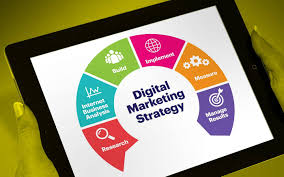
In today’s fast-paced and highly competitive business landscape, digital marketing has become a crucial tool for reaching and engaging with target audiences. With the right strategies in place, businesses can effectively promote their products or services, build brand awareness, and drive conversions. Let’s explore some of the best digital marketing practices that can help your business thrive in the digital realm.

Search Engine Optimization (SEO)

SEO is a cornerstone of digital marketing that focuses on improving a website’s visibility in search engine results. By optimising your website’s content and structure according to relevant keywords and best practices, you can increase organic traffic and attract potential customers who are actively searching for your offerings.

Content Marketing

Content is king in the digital world, and a well-crafted content marketing strategy can help you engage with your audience, establish thought leadership, and drive conversions. Whether it’s blog posts, videos, infographics, or social media updates, valuable and relevant content can attract and retain customers while building trust in your brand.

Social Media Marketing

Social media platforms provide businesses with a powerful channel to connect with their target audience on a personal level. By creating compelling social media campaigns, sharing engaging content, and interacting with followers, businesses can boost brand awareness, drive website traffic, and foster customer loyalty.

Email Marketing

Email marketing remains one of the most effective tools for nurturing leads and converting prospects into customers. By delivering personalised messages to subscribers based on their preferences and behaviour, businesses can drive engagement, promote products or services, and generate sales.

Pay-Per-Click Advertising (PPC)

PPC advertising allows businesses to reach their target audience through paid ads displayed on search engines or social media platforms. By bidding on relevant keywords and targeting specific demographics, businesses can drive immediate traffic to their websites and achieve measurable results in terms of clicks, conversions, and ROI.

Analytics and Data-driven Decision Making

Analytical tools provide valuable insights into the performance of digital marketing campaigns by tracking key metrics such as website traffic, conversion rates, click-through rates, and more. By analysing this data regularly and making data-driven decisions based on performance insights, businesses can optimise their strategies for maximum effectiveness.

In conclusion,digital marketing offers businesses unparalleled opportunities to reach their target audience,engage with customers,and achieve measurable results online.Whether you’re just starting out or looking to enhance your existing strategies,implementing these best practiceswould undoubtedly set you on the path to success in the ever-evolving digital landscape.

 

Top 5 FAQs About Effective Digital Marketing Strategies

  1. What is digital marketing and why is it important?
  2. What are the key components of a successful digital marketing strategy?
  3. How can I measure the effectiveness of my digital marketing efforts?
  4. What are the latest trends in digital marketing that businesses should be aware of?
  5. How can I choose the right digital marketing channels for my business?

What is digital marketing and why is it important?

Digital marketing encompasses a range of online strategies and tactics aimed at promoting products or services through digital channels such as websites, social media, email, search engines, and more. Its importance lies in its ability to reach a vast audience, engage with customers in real-time, and track performance metrics accurately. In today’s digital age, where consumers are increasingly turning to the internet for information and purchases, a strong digital marketing presence is essential for businesses to stay competitive, build brand awareness, drive traffic, generate leads, and ultimately increase revenue. By leveraging the power of digital marketing, businesses can connect with their target audience effectively and adapt to the ever-changing dynamics of the online marketplace.

What are the key components of a successful digital marketing strategy?

A successful digital marketing strategy comprises several key components that work together to achieve desired outcomes. Firstly, a well-defined target audience is essential, as understanding their needs and preferences is crucial for crafting relevant and engaging content. Search engine optimisation (SEO) plays a vital role in improving online visibility and driving organic traffic to the website. Content marketing, including high-quality and valuable content across various channels, helps build brand authority and attract potential customers. Social media engagement allows businesses to interact with their audience, increase brand awareness, and drive website traffic. Email marketing enables personalised communication with subscribers, nurturing leads and converting them into loyal customers. Additionally, effective data analysis and continuous optimisation based on performance metrics are key for refining strategies and achieving long-term success in the dynamic digital landscape.

How can I measure the effectiveness of my digital marketing efforts?

Measuring the effectiveness of your digital marketing efforts is essential for evaluating the success of your strategies and making informed decisions to optimise future campaigns. Key performance indicators (KPIs) such as website traffic, conversion rates, click-through rates, social media engagement, and return on investment (ROI) can provide valuable insights into the impact of your digital marketing initiatives. By analysing these metrics regularly and comparing them against predefined goals, you can determine what is working well and where adjustments may be needed to improve overall performance. Utilising analytics tools and tracking software can help you track and measure the success of your digital marketing efforts accurately, allowing you to refine your approach for maximum effectiveness.

In the dynamic world of digital marketing, staying abreast of the latest trends is essential for businesses aiming to stay competitive and relevant. Some of the current trends that businesses should be aware of include the rise of artificial intelligence and machine learning in personalising customer experiences, the increasing importance of video content for engaging audiences across platforms, the growing significance of voice search optimization with the proliferation of smart devices, and the emphasis on sustainability and ethical practices in brand messaging. By embracing these trends and adapting their strategies accordingly, businesses can effectively connect with their target audience and drive success in today’s digital landscape.

How can I choose the right digital marketing channels for my business?

When it comes to selecting the most suitable digital marketing channels for your business, it is essential to consider your target audience, business goals, and budget constraints. Conducting thorough market research to understand where your audience spends their time online can help you identify the most effective channels to reach them. Additionally, evaluating the strengths and weaknesses of each channel, such as social media, email marketing, SEO, or PPC advertising, can guide you in making informed decisions based on which platforms align best with your business objectives. By testing different channels and monitoring their performance through analytics, you can refine your strategy over time and focus on the channels that yield the best results for your business.

digital marketing near me

Unlocking Success: Harnessing the Power of Digital Marketing Near Me

The Importance of Digital Marketing Near Me

In today’s digital age, the significance of local digital marketing cannot be overstated. As businesses strive to connect with their target audience and drive growth, the concept of “digital marketing near me” has emerged as a powerful strategy to reach local customers effectively. Whether you are a small business or a large corporation, leveraging local digital marketing can have a significant impact on your success.

Connecting with Your Local Audience

One of the key advantages of implementing digital marketing strategies tailored to your local area is the ability to connect with your target audience on a personal level. By focusing on localised content and targeting specific geographical locations, you can engage with potential customers who are more likely to convert into loyal clients. This personalised approach helps build trust and credibility within your community.

Enhancing Brand Visibility

When you invest in local digital marketing efforts, you increase your brand’s visibility within your target market. By optimising your online presence for local search queries and utilising geotargeted advertising, you can ensure that your business appears prominently in relevant search results. This heightened visibility not only attracts more local customers but also sets you apart from competitors who may not be prioritising their local digital marketing strategies.

Driving Foot Traffic and Conversions

Local digital marketing initiatives such as Google My Business listings, local SEO optimisation, and targeted social media campaigns can drive foot traffic to your physical location and increase conversions. By providing potential customers with accurate information about your business, including address, contact details, opening hours, and customer reviews, you make it easier for them to choose your products or services over competitors.

Measuring Success and ROI

One of the significant advantages of digital marketing near me is the ability to track and measure the success of your campaigns accurately. By using analytics tools to monitor website traffic, engagement metrics, conversion rates, and other key performance indicators (KPIs), you can gain valuable insights into the effectiveness of your localised marketing efforts. This data-driven approach allows you to refine your strategies based on real-time feedback and maximise return on investment (ROI).

Embracing Local Digital Marketing

In conclusion, embracing digital marketing near me is essential for businesses looking to thrive in today’s competitive market landscape. By prioritising localised strategies that resonate with your community and leveraging the power of online platforms to reach nearby customers effectively, you can position your brand for success and sustainable growth. Invest in building strong relationships with local consumers through targeted digital marketing initiatives tailored to their needs and preferences.


Maximising Local Impact: The Top 6 Advantages of Digital Marketing Near You

  1. Enhances personal connection with local customers
  2. Increases brand visibility within the target market
  3. Drives foot traffic to physical locations
  4. Improves conversion rates by providing relevant information
  5. Enables accurate tracking of campaign performance and ROI
  6. Tailors marketing strategies to meet the specific needs of local audience


Challenges of Local Digital Marketing: Navigating Limited Reach, Competition, and Resources

  1. Limited Reach
  2. Increased Competition
  3. Dependency on Location
  4. Resource Intensive
  5. Limited Scalability

Enhances personal connection with local customers

One significant advantage of implementing digital marketing strategies tailored to local customers is the enhancement of personal connections with the community. By focusing on creating content and campaigns that resonate with the specific needs and interests of local customers, businesses can establish a sense of familiarity and trust. This personalised approach helps foster stronger relationships with the target audience, leading to increased loyalty and engagement. Through targeted messaging and relevant communication, businesses can demonstrate their understanding of local preferences, values, and concerns, ultimately building a deeper connection with customers in the area.

Increases brand visibility within the target market

One significant advantage of implementing digital marketing strategies tailored to local areas is the increase in brand visibility within the target market. By focusing on localised content and leveraging geotargeted advertising, businesses can ensure that their brand appears prominently in relevant search results, making it more visible to potential customers in the area. This heightened visibility not only attracts local consumers but also helps differentiate the brand from competitors who may not be prioritising their local digital marketing efforts.

Drives foot traffic to physical locations

An important benefit of implementing digital marketing strategies tailored to local areas is the ability to drive foot traffic to physical locations. By leveraging tools such as Google My Business listings, local SEO optimisation, and targeted social media campaigns, businesses can attract nearby customers to their brick-and-mortar stores or offices. Providing accurate information about the business’s location, contact details, and operating hours through online channels not only increases visibility but also encourages potential customers to visit the physical premises, ultimately leading to higher foot traffic and potential conversions.

Improves conversion rates by providing relevant information

Digital marketing near me improves conversion rates by providing relevant information to local customers. By tailoring content and advertising to specific geographical locations, businesses can offer potential clients the information they need at the right time and in the right place. This personalised approach not only enhances the customer experience but also increases the likelihood of converting leads into sales. When local consumers find accurate and pertinent information about products or services that meet their needs, they are more inclined to take action, resulting in higher conversion rates and improved business outcomes.

Enables accurate tracking of campaign performance and ROI

An important advantage of implementing digital marketing strategies tailored to local areas is the ability to accurately track campaign performance and return on investment (ROI). By utilising analytics tools and monitoring key performance indicators, businesses can gain valuable insights into the effectiveness of their localised marketing efforts. This data-driven approach allows for real-time assessment of the impact of campaigns, enabling businesses to make informed decisions, refine strategies, and maximise the ROI on their digital marketing investments.

Tailors marketing strategies to meet the specific needs of local audience

An important advantage of digital marketing near me is its ability to tailor marketing strategies to meet the specific needs of the local audience. By understanding the unique preferences, behaviours, and demographics of customers in a particular area, businesses can create targeted campaigns that resonate with local consumers on a personal level. This personalised approach not only increases engagement and brand loyalty but also drives conversions by delivering relevant content and offers that address the specific interests and concerns of the local community.

Limited Reach

One significant drawback of local digital marketing strategies is the limited reach they offer in comparison to broader, national campaigns. While focusing on targeting specific geographical areas can be effective for engaging with local audiences, it may result in missing out on potential customers outside of the designated region. Businesses seeking to expand their reach beyond local boundaries may find it challenging to achieve widespread brand awareness and customer acquisition solely through localised digital marketing efforts. To overcome this con, a balanced approach that combines both local and national digital marketing strategies may be necessary to maximise reach and impact across diverse target segments.

Increased Competition

An inherent con of implementing digital marketing strategies focused on local markets is the potential for increased competition from other businesses vying for the attention of the same audience. By narrowing the scope to target a specific geographic area, businesses may find themselves in a more saturated market where competitors are also vying for the same pool of local customers. This heightened competition can make it challenging to stand out and capture the attention of potential clients, requiring businesses to differentiate themselves through innovative strategies and compelling messaging to carve out their niche in the local market.

Dependency on Location

An inherent drawback of relying on digital marketing near me is the potential dependency on location. Businesses that heavily rely on local customers may encounter challenges during economic downturns or demographic shifts in the area. In such situations, where the local market experiences fluctuations or declines, businesses may struggle to maintain their customer base and revenue streams. This dependency on a specific location highlights the importance of diversifying marketing strategies and customer outreach efforts to mitigate the risks associated with external factors beyond the business’s control.

Resource Intensive

One significant drawback of digital marketing near me is its resource-intensive nature. Implementing and managing multiple local digital marketing campaigns can place a heavy demand on businesses in terms of time, effort, and budget. Creating tailored content for different local audiences, optimising for various geographical locations, and monitoring the performance of individual campaigns require dedicated resources and expertise. Moreover, allocating sufficient budget for each localised strategy can strain financial resources, especially for small businesses with limited marketing budgets. The need for ongoing maintenance and optimisation further adds to the resource burden, making it challenging for businesses to sustain multiple local digital marketing initiatives effectively.

Limited Scalability

One significant drawback of relying solely on digital marketing near me is the limited scalability it offers. While localised strategies can be highly effective in targeting a specific geographical area and engaging with local customers, they may struggle to scale beyond that region. This limitation can hinder businesses’ opportunities for expansion into new markets and reaching a broader audience. Without a more extensive reach, businesses may find it challenging to grow beyond their local boundaries and tap into new growth prospects outside their immediate vicinity.

digital marketing analytics

Unlocking Success: Harnessing the Power of Digital Marketing Analytics

The Power of Digital Marketing Analytics

In today’s digital age, data is king. Understanding the performance of your digital marketing efforts is crucial for making informed decisions and maximising your return on investment. This is where digital marketing analytics comes into play, providing valuable insights into the effectiveness of your campaigns and helping you optimise your strategies for success.

What is Digital Marketing Analytics?

Digital marketing analytics involves the collection, analysis, and interpretation of data from various online channels to evaluate the performance of marketing campaigns. By tracking key metrics such as website traffic, conversion rates, engagement levels, and customer behaviour, businesses can gain a deeper understanding of their audience and make data-driven decisions to improve their marketing efforts.

The Benefits of Digital Marketing Analytics

Measure Performance: Analytics tools allow you to track the performance of your campaigns in real-time, giving you insights into what’s working and what’s not.

Identify Trends: By analysing data over time, you can identify trends and patterns that can help you anticipate changes in consumer behaviour and adjust your strategies accordingly.

Optimise Campaigns: With analytics data, you can pinpoint areas for improvement and make adjustments to optimise your campaigns for better results.

ROI Tracking: By measuring the impact of your marketing efforts against your investment, you can determine the return on investment (ROI) of each campaign and allocate resources more effectively.

Key Metrics to Track

When it comes to digital marketing analytics, there are several key metrics that businesses should track to gauge the success of their campaigns:

  • Traffic Sources: Understand where your website traffic is coming from – whether it’s organic search, social media, or paid advertising.
  • Conversion Rate: Measure how effectively your website converts visitors into leads or customers.
  • Bounce Rate: Monitor the percentage of visitors who leave your site without engaging further – a high bounce rate may indicate issues with user experience or content relevance.
  • Social Media Engagement: Track likes, shares, comments, and other interactions on social media platforms to gauge audience engagement with your content.

The Future of Digital Marketing Analytics

The field of digital marketing analytics is constantly evolving with advancements in technology and data analysis tools. As businesses continue to harness the power of data-driven insights for strategic decision-making, we can expect to see even more sophisticated analytics solutions that provide deeper levels of insight and personalisation for targeted marketing campaigns.

In conclusion, digital marketing analytics is a powerful tool that empowers businesses to make smarter decisions based on real-time data. By leveraging analytics tools effectively, businesses can drive growth, improve customer engagement, and stay ahead in today’s competitive digital landscape.


8 Essential Tips for Mastering Digital Marketing Analytics in the UK

  1. Set clear goals and objectives for your digital marketing campaigns.
  2. Use tools like Google Analytics to track website traffic and user behaviour.
  3. Regularly analyse key performance indicators (KPIs) to measure the success of your campaigns.
  4. Implement A/B testing to optimize your marketing strategies based on data-driven insights.
  5. Utilize heatmaps and click tracking to understand how users interact with your website.
  6. Monitor social media metrics to gauge the effectiveness of your social media marketing efforts.
  7. Segment your audience data to tailor personalised marketing messages for different customer groups.
  8. Stay updated with industry trends and advancements in digital marketing analytics tools.

Set clear goals and objectives for your digital marketing campaigns.

Setting clear goals and objectives for your digital marketing campaigns is essential for success. By defining specific targets such as increasing website traffic, improving conversion rates, or boosting brand awareness, you provide a clear direction for your efforts and enable more accurate measurement of your campaign’s performance. Clear goals not only help you focus your resources effectively but also allow you to tailor your strategies to achieve the desired outcomes. With well-defined objectives in place, you can track progress more efficiently, make data-driven decisions, and ultimately optimise your digital marketing efforts for maximum impact.

Use tools like Google Analytics to track website traffic and user behaviour.

To enhance your digital marketing strategy, it is essential to utilise tools such as Google Analytics to monitor website traffic and user behaviour effectively. By leveraging the insights provided by Google Analytics, you can gain a comprehensive understanding of how users interact with your website, which pages they visit most frequently, how long they stay on each page, and where they come from. This valuable data allows you to make informed decisions about your marketing efforts, optimise your website for better user experience, and tailor your campaigns to target specific audiences more effectively.

Regularly analyse key performance indicators (KPIs) to measure the success of your campaigns.

Regularly analysing key performance indicators (KPIs) is essential for measuring the success of your digital marketing campaigns. By monitoring metrics such as website traffic, conversion rates, and engagement levels, you can gain valuable insights into the effectiveness of your strategies and make data-driven decisions to optimise your campaigns for better results. Tracking KPIs allows you to identify trends, spot areas for improvement, and ultimately maximise the return on investment of your marketing efforts. Consistent analysis of KPIs enables you to stay agile and responsive in a dynamic digital landscape, ensuring that your campaigns are on track to meet your business objectives.

Implement A/B testing to optimize your marketing strategies based on data-driven insights.

Implementing A/B testing in your digital marketing strategy can be a game-changer when it comes to optimising your campaigns based on data-driven insights. By testing different variations of your content, design, or messaging with a sample audience, you can gather valuable data on what resonates best with your target audience. This allows you to make informed decisions on which elements are most effective in driving engagement and conversions, ultimately leading to more successful and impactful marketing strategies.

Utilize heatmaps and click tracking to understand how users interact with your website.

To enhance your understanding of user behaviour on your website, it is recommended to utilise heatmaps and click tracking tools. Heatmaps visually represent where users are clicking, scrolling, and spending the most time on your web pages. By analysing this data, you can gain valuable insights into how users interact with your website, identify areas of high engagement or potential friction points, and make informed decisions to optimise the user experience for better conversions and engagement.

Monitor social media metrics to gauge the effectiveness of your social media marketing efforts.

Monitoring social media metrics is essential to evaluate the effectiveness of your social media marketing efforts. By tracking key metrics such as likes, shares, comments, and engagement rates on social media platforms, businesses can gain valuable insights into how their audience is interacting with their content. This data allows businesses to identify trends, measure the impact of their social media campaigns, and make informed decisions to optimise their strategies for better results. Social media metrics provide a window into the performance of your social media marketing efforts and help you tailor your approach to better resonate with your target audience.

Segment your audience data to tailor personalised marketing messages for different customer groups.

Segmenting your audience data is a valuable strategy in digital marketing analytics that allows you to tailor personalised marketing messages for different customer groups. By dividing your audience into distinct segments based on demographics, behaviour, or preferences, you can create targeted campaigns that resonate with each group’s specific needs and interests. This approach not only enhances the relevance of your marketing messages but also improves engagement and conversion rates by delivering content that speaks directly to the individual characteristics of each segment. Effective audience segmentation can lead to more effective marketing strategies and ultimately drive better results for your business.

To excel in digital marketing analytics, it is essential to stay informed about industry trends and the latest advancements in analytics tools. By keeping up-to-date with emerging technologies and best practices, businesses can leverage new opportunities to enhance their data analysis capabilities and gain a competitive edge in the digital landscape. Continuous learning and adaptation to industry developments ensure that your digital marketing strategies remain relevant and effective in reaching your target audience with precision and impact.

digital marketing campaign strategy

Crafting an Effective Digital Marketing Campaign Strategy: A Guide to Success

Digital Marketing Campaign Strategy: A Guide to Success

Digital Marketing Campaign Strategy: A Guide to Success

In today’s digital age, a well-planned marketing campaign can make all the difference in reaching and engaging your target audience. A successful digital marketing campaign strategy involves careful planning, execution, and evaluation to ensure maximum impact and return on investment.

Define Your Goals

The first step in crafting a digital marketing campaign strategy is to clearly define your goals. Are you looking to increase brand awareness, drive website traffic, generate leads, or boost sales? Understanding your objectives will guide the rest of your strategy.

Know Your Audience

Understanding your target audience is crucial for a successful campaign. Conduct market research to identify their demographics, preferences, and online behaviour. This information will help you tailor your messaging and choose the right channels to reach them effectively.

Choose the Right Channels

With numerous digital channels available, such as social media, email marketing, search engine optimisation (SEO), pay-per-click (PPC) advertising, and content marketing, it’s important to select the ones that align with your goals and target audience. Each channel has its strengths and can be utilised strategically for maximum impact.

Create Compelling Content

Content is king in digital marketing. Whether it’s blog posts, videos, infographics, or social media posts, creating high-quality and relevant content is essential for engaging your audience and driving action. Tailor your content to each channel and stage of the customer journey for optimal results.

Implement Tracking and Analytics

To measure the success of your campaign strategy, implement tracking tools and analytics to monitor key performance indicators (KPIs) such as website traffic, conversion rates, click-through rates, and engagement metrics. Use this data to evaluate the effectiveness of your campaign and make informed decisions for future strategies.

Optimise and Iterate

A successful digital marketing campaign strategy is not set in stone. Continuously monitor performance metrics, gather feedback from your audience, and test different approaches to optimise your campaigns for better results. By iterating on what works best, you can refine your strategy over time for greater success.

By following these key steps in crafting a digital marketing campaign strategy tailored to your goals and audience, you can position your brand for success in the competitive digital landscape.


9 Key Advantages of a Digital Marketing Campaign Strategy

  1. 1. Targeted reach
  2. 2. Cost-effective
  3. 3. Measurable results
  4. 4. Increased brand visibility
  5. 5. Flexible and adaptable
  6. 6. Enhanced engagement
  7. 7. Global reach
  8. 8. Improved targeting accuracy
  9. 9. Scalability


Challenges in Digital Marketing Campaigns: Navigating Saturation, Ad Fatigue, Privacy Concerns, and Rapid Changes

  1. 1. Saturation
  2. 2. Ad Fatigue
  3. 3. Data Privacy Concerns
  4. 4. Rapid Changes

1. Targeted reach

Digital marketing offers a significant advantage in targeted reach by enabling businesses to pinpoint specific audiences based on factors such as demographics, interests, and online behaviour. This precision targeting ensures that marketing messages reach the right people at the right time, increasing the likelihood of engagement and conversion. By tailoring content and advertisements to suit the preferences of these targeted audiences, businesses can maximise the effectiveness of their campaigns and achieve higher ROI compared to traditional marketing methods.

2. Cost-effective

In comparison to traditional marketing approaches, digital marketing campaigns are known for their cost-effectiveness, making them a preferred choice for businesses of all sizes. By utilising digital channels such as social media, email, and search engines, companies can reach a wider audience at a fraction of the cost of traditional methods. This affordability factor combined with the ability to precisely target specific demographics leads to a higher return on investment, making digital marketing an attractive option for maximising marketing budgets and achieving measurable results.

3. Measurable results

One significant advantage of implementing a digital marketing campaign strategy is the ability to achieve measurable results. By utilising analytics tools, you can track the performance of your campaigns in real-time, allowing you to gather valuable data on key metrics such as website traffic, conversion rates, and engagement levels. This data-driven approach empowers you to make informed decisions and adjustments to your strategy, ultimately leading to better outcomes and a more effective marketing campaign overall.

4. Increased brand visibility

Digital marketing campaign strategy offers the significant advantage of increased brand visibility. By leveraging various online channels, businesses can expand their reach and connect with a broader audience, ultimately boosting brand awareness. Through targeted messaging and strategic placement, digital marketing enables brands to make a lasting impression on potential customers, enhancing recognition and establishing a strong online presence in today’s competitive marketplace.

5. Flexible and adaptable

One significant advantage of digital marketing campaign strategy is its flexibility and adaptability. By closely monitoring performance data and market trends, businesses can easily adjust their strategies to stay relevant and competitive in the ever-evolving digital landscape. This ability to pivot and refine tactics based on real-time insights allows companies to optimise their campaigns for maximum impact, ensuring that they remain agile and responsive to changing consumer behaviour and industry dynamics.
6. Enhanced engagement

Enhanced engagement is a significant advantage of a well-executed digital marketing campaign strategy. By incorporating interactive content like videos, quizzes, and polls, brands can captivate their audience and foster meaningful interactions. These engaging elements not only grab attention but also encourage active participation, creating a more immersive and memorable experience for consumers. Through enhanced engagement, businesses can build stronger connections with their target audience, increase brand loyalty, and ultimately drive better results in their digital marketing efforts.

7. Global reach

One significant advantage of digital marketing campaign strategy is its global reach. By leveraging digital channels, businesses can transcend geographical boundaries and connect with a vast international audience. This unparalleled reach allows companies of all sizes to expand their market presence and engage with potential customers worldwide, opening up new opportunities for growth and brand recognition on a global scale.

8. Improved targeting accuracy

With digital marketing campaign strategy, businesses benefit from improved targeting accuracy through advanced options that enable precise identification of ideal customers. By utilising these sophisticated targeting tools, companies can focus their efforts on reaching the right audience segments, leading to increased conversion rates and more effective engagement with potential customers. This enhanced precision in targeting ensures that marketing messages resonate with the intended recipients, ultimately driving better results and maximising the return on investment.

9. Scalability

One significant advantage of digital marketing campaign strategy is its scalability. Businesses can easily adjust the scale of their digital marketing efforts to align with their growth trajectory or respond promptly to shifts in market dynamics. Whether expanding operations or adapting to changing consumer behaviour, the flexibility of digital marketing allows for swift and efficient adjustments to ensure continued relevance and effectiveness in reaching target audiences.

1. Saturation

In the realm of digital marketing campaign strategy, one significant challenge is the issue of saturation. The online landscape is inundated with a multitude of marketing messages vying for consumer attention, creating a competitive environment where standing out becomes increasingly difficult. With an abundance of content and advertisements bombarding audiences across various digital channels, capturing and retaining their attention poses a formidable hurdle for marketers aiming to make an impact in this crowded space.

2. Ad Fatigue

One significant drawback of digital marketing campaign strategy is ad fatigue, where consumers become overwhelmed by the sheer volume of digital advertisements they encounter. This phenomenon can result in a negative impact on the effectiveness of marketing messages, as consumers may start to ignore or actively block ads due to repetitive exposure. Ad fatigue poses a challenge for marketers to find a balance between reaching their target audience and avoiding oversaturation that could lead to diminishing returns on their advertising efforts.

3. Data Privacy Concerns

Data privacy concerns present a significant challenge for digital marketing campaign strategies. With the rise of regulations like GDPR and heightened consumer awareness about data protection, businesses face limitations in implementing targeted campaigns that rely on personal data. The need to navigate strict privacy laws and respect user preferences can hinder the effectiveness of traditional personalised marketing tactics, requiring marketers to find innovative ways to engage audiences without compromising their privacy rights. Balancing effective targeting with respect for consumer privacy is a delicate yet essential aspect of modern digital marketing strategies.

4. Rapid Changes

One significant drawback of digital marketing campaign strategy is the rapid changes that occur in the digital landscape. The fast-paced nature of the online world means that trends and technologies evolve swiftly, making it essential for businesses to continuously adapt their strategies to stay relevant and effective. This constant need for adjustment can be challenging and time-consuming, requiring resources to be allocated towards staying abreast of new developments and implementing changes to ensure campaigns remain impactful in an ever-changing environment.

online marketing services

Unlock Your Potential with Professional Online Marketing Services

Article: Online Marketing Services

The Power of Online Marketing Services

In today’s digital age, online marketing services play a crucial role in helping businesses reach their target audience and achieve their marketing goals. With the increasing reliance on the internet for information and shopping, having a strong online presence is essential for success.

What are Online Marketing Services?

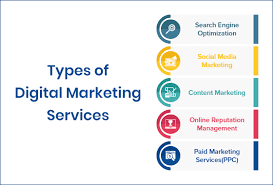
Online marketing services encompass a range of strategies and techniques aimed at promoting a business or brand on the internet. These services may include:

  • Search Engine Optimization (SEO): Optimising website content to improve search engine rankings and increase organic traffic.
  • Pay-Per-Click (PPC) Advertising: Running targeted ads on search engines and social media platforms to drive traffic and conversions.
  • Social Media Marketing: Engaging with audiences on social media platforms to build brand awareness and drive engagement.
  • Email Marketing: Sending targeted emails to prospects and customers to promote products or services.
  • Content Marketing: Creating valuable and relevant content to attract and retain a target audience.
  • Analytics and Reporting: Monitoring campaign performance and providing insights for continuous improvement.

The Benefits of Online Marketing Services

By leveraging online marketing services, businesses can benefit in various ways, including:

  • Increased Visibility: By improving search engine rankings and running targeted ads, businesses can increase their visibility online.
  • Targeted Reach: Online marketing allows businesses to target specific demographics, interests, and behaviours to reach their ideal customers.
  • Better Engagement: Social media marketing enables businesses to engage with their audience in real-time, fostering relationships and building brand loyalty.
  • Data-Driven Decisions: Through analytics tools, businesses can track the performance of their campaigns and make data-driven decisions for future strategies.

In Conclusion

In conclusion, online marketing services are essential for businesses looking to succeed in today’s competitive digital landscape. By implementing effective strategies tailored to their goals, businesses can enhance their online presence, attract new customers, and drive growth. Investing in online marketing services is an investment in the future success of your business.


Six Essential Tips for Enhancing Your Online Marketing Services

  1. 1. Create a strong online presence by having a professional website.
  2. 2. Utilize social media platforms to engage with your audience and promote your services.
  3. 3. Invest in search engine optimization (SEO) to improve your website’s visibility on search engines.
  4. 4. Consider running targeted online advertising campaigns to reach potential customers.
  5. 5. Offer valuable content such as blogs, videos, or infographics to attract and retain customers.
  6. 6. Monitor and analyse the performance of your online marketing efforts to make data-driven decisions for improvement.

1. Create a strong online presence by having a professional website.

To establish a strong online presence and make a lasting impression on potential customers, it is crucial to have a professional website. A well-designed and user-friendly website not only showcases your brand’s identity and offerings but also serves as a central hub for all your online marketing efforts. With a professional website, you can build credibility, enhance brand visibility, and provide visitors with a positive experience that encourages them to engage with your business further. Investing in a professional website is the foundation for success in the digital realm and sets the stage for effective online marketing strategies to thrive.

2. Utilize social media platforms to engage with your audience and promote your services.

To maximise the impact of your online marketing efforts, it is crucial to leverage social media platforms effectively. By actively engaging with your audience on platforms like Facebook, Instagram, and Twitter, you can build a strong connection with potential customers and promote your services in a more personalised and interactive way. Sharing valuable content, responding to comments and messages promptly, and running targeted ad campaigns can help you create a vibrant online community around your brand, ultimately driving awareness and boosting conversions.

3. Invest in search engine optimization (SEO) to improve your website’s visibility on search engines.

Investing in search engine optimization (SEO) is a crucial tip for enhancing your online marketing strategy. By optimising your website’s content and structure according to SEO best practices, you can improve its visibility on search engines like Google. This means that when potential customers search for relevant keywords related to your business, your website is more likely to appear higher in the search results, increasing organic traffic and potential leads. SEO is a long-term investment that can yield significant benefits in terms of brand exposure and online presence.

4. Consider running targeted online advertising campaigns to reach potential customers.

Consider running targeted online advertising campaigns to reach potential customers. By leveraging the power of online advertising, businesses can strategically target their ads to specific demographics, interests, and behaviours, increasing the likelihood of reaching potential customers who are most likely to engage with their products or services. This focused approach not only maximises the effectiveness of marketing efforts but also helps businesses achieve a higher return on investment by reaching the right audience at the right time.

5. Offer valuable content such as blogs, videos, or infographics to attract and retain customers.

Offering valuable content, such as blogs, videos, or infographics, is a key tip in online marketing services. By providing informative and engaging content, businesses can attract the attention of their target audience and keep them engaged. Valuable content not only helps to drive traffic to a website but also plays a crucial role in retaining customers by establishing credibility and building trust. It is an effective way to showcase expertise, address customer needs, and differentiate a brand in the competitive online landscape.

6. Monitor and analyse the performance of your online marketing efforts to make data-driven decisions for improvement.

Monitoring and analysing the performance of your online marketing efforts is a crucial tip to ensure the success of your digital strategies. By collecting and reviewing data on key metrics such as website traffic, conversion rates, and engagement levels, you can gain valuable insights into what is working well and where improvements are needed. Making data-driven decisions based on this analysis allows you to refine your online marketing campaigns, target your audience more effectively, and ultimately achieve better results.

marketers

Empowering Marketers: Strategies for Success in the Digital Age

The Role of Marketers in Today’s Business Landscape

The Role of Marketers in Today’s Business Landscape

Marketers play a crucial role in shaping the success of businesses in today’s dynamic and competitive landscape. With the ever-evolving digital age and changing consumer behaviours, the role of marketers has become more complex and multifaceted than ever before.

Understanding Consumer Needs

One of the primary responsibilities of marketers is to understand and analyse consumer needs, preferences, and behaviours. By conducting market research and gathering insights, marketers can identify trends, anticipate changes, and tailor their strategies to meet the evolving demands of the target audience.

Building Brand Awareness

Marketers are instrumental in building brand awareness and creating a strong brand identity. Through strategic branding initiatives, advertising campaigns, and engaging content creation, marketers can help businesses differentiate themselves in the market and establish a lasting connection with their customers.

Driving Sales and Revenue

Effective marketing strategies are essential for driving sales and revenue growth. Marketers leverage various channels such as social media, email marketing, SEO, and PPC advertising to reach potential customers, generate leads, and convert them into loyal patrons of the brand.

Adapting to Digital Trends

In today’s digital age, marketers must stay abreast of the latest technological advancements and digital trends to remain competitive. From utilising data analytics for targeted marketing campaigns to embracing influencer partnerships for brand promotion, marketers need to be agile and innovative in their approach.

Measuring Performance and ROI

Marketers are tasked with measuring the performance of their campaigns and assessing the return on investment (ROI) of their marketing efforts. By tracking key performance indicators (KPIs) such as conversion rates, click-through rates, and customer acquisition costs, marketers can evaluate the effectiveness of their strategies and make data-driven decisions for future initiatives.

In Conclusion

In conclusion, marketers play a pivotal role in driving business growth, fostering customer relationships, and staying ahead of the competition in today’s fast-paced business environment. Their strategic insights, creativity, and ability to adapt to changing market dynamics make them indispensable assets for any organisation looking to thrive in the digital era.


Key Benefits of Marketers: Understanding Consumers, Building Brands, Driving Sales, Embracing Digital Trends, and Making Data-Driven Decisions

  1. Marketers help businesses understand and meet consumer needs.
  2. They are instrumental in building brand awareness and loyalty.
  3. Marketers drive sales and revenue growth through effective strategies.
  4. They adapt to digital trends to stay competitive in the market.
  5. Marketers measure performance and ROI to make data-driven decisions.


Challenges Facing Marketers: Measuring ROI, Keeping Up with Digital Trends, and Balancing Short-Term vs. Long-Term Goals

  1. Marketers may face challenges in accurately measuring the impact and ROI of their campaigns, leading to difficulties in justifying marketing spend.
  2. Some marketers may struggle with staying updated on the rapidly evolving digital trends and technologies, potentially hindering the effectiveness of their strategies.
  3. There can be a tendency for marketers to focus more on short-term gains rather than long-term brand building, which could undermine the overall sustainability of marketing efforts.

Marketers help businesses understand and meet consumer needs.

Marketers serve as invaluable guides for businesses in comprehending and fulfilling consumer needs effectively. By conducting thorough market research and analysing consumer behaviours, marketers provide crucial insights that enable businesses to tailor their products and services to align with the desires and preferences of their target audience. This proactive approach not only enhances customer satisfaction but also fosters long-lasting relationships between businesses and consumers, ultimately driving success and growth in the competitive marketplace.

They are instrumental in building brand awareness and loyalty.

Marketers play a vital role in building brand awareness and fostering loyalty among consumers. Through strategic branding initiatives, engaging advertising campaigns, and targeted messaging, marketers create a strong brand identity that resonates with the target audience. By consistently delivering value and engaging with customers across various touchpoints, marketers help establish trust and emotional connections that lead to long-term loyalty. Their efforts not only attract new customers but also retain existing ones, ultimately contributing to the growth and sustainability of the brand in a competitive marketplace.

Marketers drive sales and revenue growth through effective strategies.

Marketers are instrumental in driving sales and revenue growth through the implementation of effective strategies tailored to meet the dynamic demands of the market. By leveraging their expertise in consumer behaviour, market trends, and communication channels, marketers can identify opportunities, engage with potential customers, and ultimately convert leads into loyal patrons of the brand. Their ability to craft compelling campaigns, utilise digital tools, and measure performance metrics allows them to maximise ROI and contribute significantly to the financial success of businesses.

Marketers demonstrate their agility and strategic acumen by adeptly adapting to digital trends to ensure their competitiveness in the market. In the ever-evolving landscape of technology and consumer behaviour, marketers leverage the latest digital tools and platforms to reach and engage with their target audience effectively. By embracing innovation and staying current with digital advancements, marketers position themselves as valuable assets to businesses seeking to thrive in the dynamic digital age.

Marketers measure performance and ROI to make data-driven decisions.

Marketers play a crucial role in analysing and measuring the performance of their campaigns to determine the return on investment (ROI) and make data-driven decisions. By tracking key metrics and evaluating the effectiveness of their strategies, marketers can identify what is working well and where improvements are needed. This analytical approach allows them to optimise their marketing efforts, allocate resources efficiently, and ultimately drive better results for the business.

Marketers may face challenges in accurately measuring the impact and ROI of their campaigns, leading to difficulties in justifying marketing spend.

Marketers often encounter challenges in accurately measuring the impact and return on investment (ROI) of their campaigns, which can result in difficulties when it comes to justifying marketing expenditure. Due to the complex and interconnected nature of modern marketing channels, attributing specific outcomes directly to a single campaign can be a daunting task. This lack of precise measurement can make it challenging for marketers to demonstrate the tangible results and effectiveness of their strategies to stakeholders and decision-makers within the organisation, potentially hindering future budget allocations and strategic planning.

Some marketers may face challenges in keeping pace with the rapidly evolving digital trends and technologies, which could impede the effectiveness of their strategies. In today’s fast-changing digital landscape, staying updated on the latest tools, platforms, and consumer behaviours is crucial for successful marketing campaigns. Marketers who struggle to adapt to these advancements risk falling behind their competitors and missing out on valuable opportunities to engage with their target audience effectively. Continuous learning and professional development are essential for marketers to overcome this con and remain competitive in the ever-evolving digital realm.

There can be a tendency for marketers to focus more on short-term gains rather than long-term brand building, which could undermine the overall sustainability of marketing efforts.

One significant drawback of marketers is their tendency to prioritise short-term gains over long-term brand building. This focus on immediate results can lead to a neglect of the essential aspects of establishing a strong and sustainable brand identity. By prioritising quick wins, marketers may overlook the importance of cultivating lasting relationships with customers, which are vital for long-term success in the competitive market landscape. This short-sighted approach could ultimately undermine the overall sustainability and effectiveness of marketing efforts in the long run.

online marketing campaign

Unlocking Success: Mastering Your Online Marketing Campaign Strategy

The Power of Online Marketing Campaigns

In today’s digital age, online marketing campaigns have become essential for businesses looking to reach their target audience and drive growth. Whether you are a small start-up or a large corporation, leveraging the power of online marketing can significantly impact your brand’s visibility and success.

What is an Online Marketing Campaign?

An online marketing campaign is a strategic effort to promote a product, service, or brand through various online channels. These campaigns can take many forms, including social media advertising, email marketing, search engine optimisation (SEO), content marketing, and more. The goal is to engage with potential customers, generate leads, and ultimately convert them into loyal clients.

The Benefits of Online Marketing Campaigns

One of the key advantages of online marketing campaigns is their ability to reach a highly targeted audience. Through data analytics and audience segmentation, businesses can tailor their messages to specific demographics, interests, and behaviours. This level of personalisation increases the likelihood of converting leads into sales.

Online marketing campaigns also offer measurable results. Unlike traditional marketing methods such as print advertising or TV commercials, digital campaigns provide detailed analytics that track engagement metrics like click-through rates, conversion rates, and return on investment (ROI). This data allows businesses to refine their strategies for optimal performance.

Tips for a Successful Online Marketing Campaign

When planning an online marketing campaign, it’s essential to define clear objectives and target audience segments. Understanding your goals will help you choose the most effective channels and messaging strategies to achieve them.

Consistent branding across all digital touchpoints is crucial for building trust and credibility with your audience. Ensure that your messaging aligns with your brand values and resonates with your target market.

Regularly monitor and analyse the performance of your campaign using key performance indicators (KPIs) such as website traffic, conversion rates, and customer engagement metrics. Use this data to make informed decisions and optimise your campaign for better results.

In Conclusion

Online marketing campaigns have revolutionised the way businesses connect with consumers in the digital age. By leveraging the power of online channels and data-driven strategies, businesses can effectively promote their products or services to a global audience while maximising their return on investment. Embrace the opportunities that online marketing presents and watch your business thrive in the digital landscape.


Essential Tips for Crafting a Successful Online Marketing Campaign

  1. Define clear goals and objectives for your campaign
  2. Identify your target audience to tailor your message effectively
  3. Create engaging and relevant content to attract and retain customers
  4. Utilize various online channels such as social media, email, and SEO optimisation
  5. Monitor campaign performance using analytics tools to make data-driven decisions
  6. Test different strategies and tactics to find what works best for your business
  7. Stay updated on the latest trends in online marketing to stay competitive
  8. Engage with your audience through interactive content and timely responses

Define clear goals and objectives for your campaign

Defining clear goals and objectives for your online marketing campaign is crucial for its success. By clearly outlining what you aim to achieve, whether it’s increasing brand awareness, generating leads, or driving sales, you provide a roadmap for your campaign strategy. These defined goals not only help align your team’s efforts but also enable you to measure the effectiveness of your campaign accurately. With well-defined objectives, you can tailor your messaging and tactics to meet specific outcomes, leading to a more focused and impactful online marketing campaign.

Identify your target audience to tailor your message effectively

Identifying your target audience is a crucial step in creating a successful online marketing campaign. By understanding the demographics, interests, and behaviours of your audience, you can tailor your message effectively to resonate with them. This personalised approach not only increases engagement but also enhances the chances of converting leads into loyal customers. Knowing your target audience allows you to craft compelling content that speaks directly to their needs and interests, ultimately driving better results for your campaign.

Create engaging and relevant content to attract and retain customers

Creating engaging and relevant content is a crucial aspect of any successful online marketing campaign. By producing content that resonates with your target audience, you can capture their attention, build trust, and establish your brand as a valuable resource. Engaging content not only attracts new customers but also helps retain existing ones by providing them with valuable information and insights. Whether it’s through blog posts, social media updates, videos, or infographics, delivering high-quality and relevant content is key to fostering long-lasting relationships with your audience in the digital realm.

Utilize various online channels such as social media, email, and SEO optimisation

To maximise the impact of your online marketing campaign, it is crucial to leverage a diverse range of online channels. By utilising platforms like social media, email marketing, and SEO optimisation, businesses can reach a wider audience and engage with potential customers in different ways. Social media platforms offer opportunities for real-time interaction and community building, while email marketing allows for targeted messaging and personalised communication. Additionally, SEO optimisation helps improve visibility in search engine results, driving organic traffic to your website. By integrating these various online channels into your campaign strategy, you can enhance brand awareness, generate leads, and ultimately boost conversions for your business.

Monitor campaign performance using analytics tools to make data-driven decisions

Monitoring campaign performance using analytics tools is crucial for making informed, data-driven decisions in online marketing campaigns. By tracking key metrics such as website traffic, conversion rates, and customer engagement, businesses can gain valuable insights into the effectiveness of their strategies. This data allows marketers to identify areas for improvement, optimise campaign performance, and allocate resources more efficiently to achieve the desired results. Ultimately, leveraging analytics tools empowers businesses to adapt and refine their online marketing campaigns for maximum impact and return on investment.

Test different strategies and tactics to find what works best for your business

Testing different strategies and tactics is a crucial aspect of running a successful online marketing campaign. By experimenting with various approaches, businesses can gain valuable insights into what resonates best with their target audience and drives the desired results. Whether it’s testing different ad creatives, refining email marketing techniques, or exploring new social media platforms, the process of trial and error can help businesses identify the most effective strategies to achieve their marketing goals. Continuous testing and adaptation based on data-driven results are key to optimising performance and maximising the impact of online marketing efforts for long-term success.

To stay competitive in the ever-evolving landscape of online marketing, it is crucial to stay updated on the latest trends and innovations. By keeping abreast of industry developments, emerging technologies, and shifting consumer behaviours, businesses can adapt their online marketing strategies to remain relevant and competitive. Whether it’s harnessing the power of social media influencers, implementing artificial intelligence in marketing automation, or exploring new content formats, staying informed allows businesses to stay ahead of the curve and maximise their impact in the digital realm.

Engage with your audience through interactive content and timely responses

To maximise the effectiveness of your online marketing campaign, it is crucial to engage with your audience through interactive content and provide timely responses. Interactive content, such as polls, quizzes, and live Q&A sessions, not only captivates your audience but also encourages active participation and feedback. Additionally, responding promptly to comments, messages, and inquiries shows that you value customer engagement and fosters a sense of connection and trust with your audience. By actively engaging with your audience and providing timely responses, you can enhance the overall success of your online marketing efforts and build lasting relationships with your customers.

b2b digital marketing

Unlocking Success: The Power of B2B Digital Marketing Strategies

The Power of B2B Digital Marketing: Strategies for Success

In the fast-paced world of business-to-business (B2B) marketing, digital strategies have become essential for reaching and engaging target audiences effectively. With the rise of digital technologies and online platforms, businesses now have a wealth of opportunities to connect with other businesses and drive growth through innovative marketing tactics.

Understanding B2B Digital Marketing

B2B digital marketing refers to the use of digital channels and tools to promote products or services to other businesses. Unlike business-to-consumer (B2C) marketing, B2B marketing typically involves longer sales cycles, multiple decision-makers, and a focus on building relationships rather than making quick transactions.

Key Strategies for Success

Content Marketing: Producing high-quality content that addresses the pain points and challenges of your target audience is crucial in B2B digital marketing. Whether it’s blog posts, whitepapers, case studies, or videos, valuable content can position your business as an industry leader and attract potential clients.

Email Marketing: Email remains a powerful tool in B2B marketing campaigns. Personalised email campaigns that provide relevant information and offers can nurture leads, build trust, and ultimately drive conversions.

Social Media Marketing: Utilising social media platforms like LinkedIn, Twitter, and Facebook can help you reach a wider audience in the B2B space. Engaging with industry influencers, sharing valuable content, and participating in relevant discussions can enhance your brand visibility and credibility.

Search Engine Optimisation (SEO): Optimising your website for search engines is essential for attracting organic traffic from businesses searching for solutions like yours. By incorporating relevant keywords, creating quality backlinks, and improving site speed, you can improve your search engine rankings and drive more qualified leads to your site.

The Future of B2B Digital Marketing

As technology continues to evolve rapidly, the landscape of B2B digital marketing is constantly changing. Emerging trends such as artificial intelligence (AI), chatbots, account-based marketing (ABM), and data analytics are shaping the future of how businesses connect with each other online.

To stay ahead in the competitive world of B2B marketing, businesses must adapt to these trends and embrace innovative strategies that resonate with their target audience. By leveraging the power of digital technologies effectively, B2B marketers can unlock new opportunities for growth and success in today’s interconnected world.


Five Key Advantages of B2B Digital Marketing: Precision, Savings, Insights, Reach, and Engagement

  1. 1. Targeted Approach
  2. 2. Cost-Effective
  3. 3. Data-Driven Insights
  4. 4. Global Reach
  5. 5. Enhanced Customer Engagement


Challenges in B2B Digital Marketing: Navigating Longer Sales Cycles, High Competition, Limited Reach, Resource Demands, and Trust Building

  1. Longer Sales Cycles
  2. High Competition
  3. Limited Reach
  4. Resource Intensive
  5. Trust Building

1. Targeted Approach

One of the key advantages of B2B digital marketing is its targeted approach, enabling businesses to focus their efforts on specific industries, job roles, and company sizes with a high level of precision. By tailoring marketing campaigns to reach the most relevant audience segments, businesses can maximise their impact and increase the likelihood of engaging with potential clients who are genuinely interested in their products or services. This targeted approach not only improves the efficiency of marketing efforts but also enhances the overall effectiveness of reaching and converting valuable leads within the B2B space.

2. Cost-Effective

In the realm of B2B digital marketing, one notable advantage is its cost-effectiveness. When contrasted with traditional B2B marketing approaches, digital strategies frequently yield a superior return on investment while keeping costs at a minimum. By leveraging online platforms and tools efficiently, businesses can reach their target audience more effectively and achieve their marketing goals without breaking the bank. This cost-efficient aspect of B2B digital marketing makes it an attractive option for businesses looking to maximise their marketing budget and drive results in a resourceful manner.

3. Data-Driven Insights

One significant advantage of B2B digital marketing is the access to data-driven insights. Through digital tools, businesses can gather valuable data and analytics that offer deep insights into their marketing efforts. By tracking performance metrics, measuring success rates, and analysing customer behaviour, businesses can make informed decisions to optimise their strategies and achieve better results. This data-driven approach not only enhances the effectiveness of marketing campaigns but also allows businesses to adapt quickly to changing market trends and customer preferences.

4. Global Reach

With online platforms, one significant advantage of B2B digital marketing is the ability to achieve a global reach without being restricted by geographical boundaries. This means that B2B marketers can connect with potential clients and partners from around the world, expanding their reach and tapping into new markets that were previously inaccessible. By leveraging digital tools and strategies, businesses can transcend physical limitations and establish meaningful relationships with a diverse range of international stakeholders, driving growth and opportunities on a global scale.

5. Enhanced Customer Engagement

Enhanced Customer Engagement is a significant advantage of B2B digital marketing. By delivering personalised content and utilising interactive channels, businesses can create meaningful connections with their clients and prospects. This approach not only helps in building trust and credibility but also fosters stronger relationships that are essential for long-term success in the competitive B2B landscape. Ultimately, enhanced customer engagement leads to increased loyalty, improved customer retention, and higher chances of converting leads into valuable business partnerships.

Longer Sales Cycles

In the realm of B2B digital marketing, one significant drawback is the presence of longer sales cycles. Due to the intricate nature of decision-making processes in the business-to-business sphere, conversions are frequently delayed as companies navigate through complex evaluation stages. This extended timeline can pose challenges for businesses aiming to achieve quick results and may require a strategic approach to nurturing leads effectively over an extended period to ultimately secure conversions.

High Competition

In the realm of B2B digital marketing, one significant drawback is the prevalence of high competition. The B2B landscape is fiercely competitive, with numerous businesses vying for the attention of potential clients. This intense competition poses a challenge for companies looking to differentiate themselves and make a lasting impression on their target audience. Standing out amidst the sea of competitors requires strategic planning, innovative approaches, and a deep understanding of market dynamics to effectively capture the attention and interest of prospective clients in a crowded digital marketplace.

Limited Reach

One significant drawback of B2B digital marketing is the limitation in reaching specific target audiences, particularly when focusing on niche industries or niche products/services. Due to the specialized nature of these sectors, identifying and engaging with the right businesses can prove challenging. The narrow scope of these audiences may require more tailored and personalised marketing approaches to effectively capture their attention and generate meaningful leads. This limitation in reach can hinder the overall effectiveness of B2B digital marketing efforts, highlighting the importance of strategic planning and creative solutions to overcome this con.

Resource Intensive

One significant drawback of B2B digital marketing is its resource-intensive nature. Successfully implementing effective B2B digital marketing strategies demands a substantial investment of resources, including time, budget, and expertise. Businesses need to allocate dedicated personnel, financial resources for tools and platforms, and ongoing training to stay abreast of the latest trends and technologies in the digital marketing landscape. This can pose a challenge for smaller companies or those with limited resources, making it difficult to compete effectively in the ever-evolving digital marketplace.

Trust Building

In the realm of B2B digital marketing, one significant challenge lies in trust building. Establishing trust and credibility with other businesses can be a slow and arduous process, primarily because businesses tend to be cautious when considering partnerships with unfamiliar entities. The lack of face-to-face interactions and personal connections in the digital space can further complicate the trust-building process, requiring B2B marketers to employ strategic tactics and transparent communication to overcome this obstacle and foster meaningful relationships based on reliability and integrity.

best digital marketing company

Elevate Your Online Presence with the Best Digital Marketing Company

The Best Digital Marketing Company: Elevating Your Online Presence

The Best Digital Marketing Company: Elevating Your Online Presence

In today’s digital age, having a strong online presence is crucial for the success of any business. This is where the best digital marketing company comes into play, helping businesses navigate the complex world of online marketing and reach their target audience effectively.

What Sets the Best Digital Marketing Company Apart?

The best digital marketing company stands out for its expertise, creativity, and results-driven approach. They have a team of experienced professionals who are well-versed in the latest digital marketing trends and strategies. From search engine optimisation (SEO) to social media marketing, they offer a comprehensive range of services to help businesses thrive in the competitive online landscape.

Benefits of Working with the Best Digital Marketing Company

Collaborating with the best digital marketing company can bring numerous benefits to your business. They can help you:

  • Increase brand visibility and awareness
  • Generate quality leads and drive conversions
  • Build a strong online reputation
  • Stay ahead of your competitors
  • Analyse data and optimise campaigns for maximum ROI

Choosing the Right Digital Marketing Partner

When selecting a digital marketing company to work with, it’s essential to consider their track record, client testimonials, and portfolio of work. Look for a company that understands your industry and target audience, and can tailor their services to meet your specific goals and objectives.

In Conclusion

The best digital marketing company can be a game-changer for your business, helping you unlock new opportunities and achieve success in the digital realm. By leveraging their expertise and strategic approach, you can take your online presence to new heights and connect with customers in meaningful ways.

Contact the best digital marketing company today to explore how they can transform your online presence and drive growth for your business.


Exploring the Top 27 FAQs About Leading Digital Marketing Companies

  1. Which country is best for digital marketing?
  2. What is the biggest digital marketing company?
  3. Which company is best in digital marketing?
  4. Who is the biggest digital marketing company?
  5. Which company is best for marketing?
  6. What is the best company for digital marketing?
  7. Who are the Big 6 digital marketing agencies?
  8. Which company is best for digital marketing job?
  9. Who is the god of digital marketing?
  10. Which is the world best marketing company?
  11. What is the biggest marketing company?
  12. Who is the best digital marketing company in the world?
  13. Who is the most popular digital marketer?
  14. What is the largest digital marketing agency in the world?
  15. What is the most popular digital marketing?
  16. Who is best digital marketer?
  17. Which is the best marketing company in world?
  18. Who are the largest digital marketing companies?
  19. What is the fastest growing digital agency?
  20. What is the biggest digital marketing company in the world?
  21. Who is the No 1 digital marketing company in India?
  22. Which company is best for digital marketing?
  23. Who is the best at digital marketing?
  24. Which companies are best for digital marketing?
  25. Which marketing is best in digital marketing?
  26. Who is the best digital marketer in the world?
  27. Which city is famous for digital marketing?

Which country is best for digital marketing?

When considering the best country for digital marketing, several factors come into play. Countries like the United States, the United Kingdom, and India are often regarded as leading hubs for digital marketing due to their advanced technology infrastructure, large online user base, and well-established digital marketing industry. However, the “best” country for digital marketing ultimately depends on specific business goals, target audience demographics, and budget considerations. It is essential to conduct thorough research and analysis to determine which country aligns best with your digital marketing objectives and can offer the most significant opportunities for success in reaching your target market effectively.

What is the biggest digital marketing company?

When it comes to identifying the biggest digital marketing company, the answer may vary depending on different factors such as revenue, global reach, client base, and services offered. Some of the largest digital marketing companies globally include well-established firms with a wide range of expertise in various digital marketing disciplines. These companies often have a significant presence in multiple markets and cater to diverse clients across industries. Ultimately, the biggest digital marketing company is typically recognised for its extensive resources, innovative strategies, and ability to deliver impactful results on a large scale.

Which company is best in digital marketing?

When it comes to the frequently asked question of which company is the best in digital marketing, the answer may vary depending on specific needs and objectives. The best digital marketing company for one business may not necessarily be the best fit for another. It is essential to consider factors such as expertise, industry experience, track record of success, and alignment with your goals when selecting a digital marketing partner. Conducting thorough research, reading client testimonials, and reviewing case studies can help in identifying a company that can deliver tailored solutions to elevate your online presence effectively.

Who is the biggest digital marketing company?

When it comes to identifying the biggest digital marketing company, there are several factors to consider, such as revenue, client base, global presence, and industry recognition. Companies like WPP, Omnicom Group, and Publicis Groupe are often regarded as some of the largest players in the digital marketing industry due to their extensive portfolios and worldwide reach. However, the size of a company does not always equate to being the best fit for every business. It’s essential for businesses to evaluate their specific needs and goals when choosing a digital marketing partner, ensuring that they find a company that aligns with their objectives and can deliver tailored solutions for optimal results.

Which company is best for marketing?

When seeking the best company for marketing services, it is essential to consider various factors such as industry expertise, track record of success, client testimonials, and tailored strategies. The best marketing company for one business may not necessarily be the best for another, as each company has unique needs and goals. It is crucial to research and compare different marketing companies to find the one that aligns with your specific requirements and can deliver results that meet or exceed your expectations. Ultimately, the best marketing company is one that understands your business objectives and can provide customised solutions to help you achieve them effectively in the competitive digital landscape.

What is the best company for digital marketing?

When seeking the best company for digital marketing, it is essential to consider a range of factors to determine the most suitable partner for your specific needs. The best company for digital marketing is one that aligns with your business goals, has a proven track record of success in your industry, offers a comprehensive suite of services tailored to your requirements, and demonstrates a deep understanding of the latest digital trends and strategies. By conducting thorough research, reading client testimonials, and evaluating past performance, you can identify the ideal digital marketing company that will help elevate your online presence and drive tangible results for your business.

Who are the Big 6 digital marketing agencies?

When it comes to the top players in the digital marketing industry, the Big 6 digital marketing agencies are often considered the leading authorities. These agencies, known for their expertise and extensive reach, include well-established names such as WPP, Omnicom Group, Publicis Groupe, Interpublic Group, Dentsu Group, and Havas Group. With their vast resources, diverse service offerings, and global presence, these agencies have earned a reputation for delivering innovative and effective digital marketing solutions to a wide range of clients across various industries.

Which company is best for digital marketing job?

When seeking the best company for a digital marketing job, it is essential to consider various factors such as the company’s reputation in the industry, the scope of projects they handle, their approach to digital marketing strategies, and opportunities for growth and learning. Look for companies that have a track record of delivering successful digital marketing campaigns, offer a supportive work environment that fosters creativity and innovation, and provide room for professional development. Ultimately, the best company for a digital marketing job is one that aligns with your career goals, values your contributions, and provides a platform for you to thrive and excel in the dynamic world of digital marketing.

Who is the god of digital marketing?

In the realm of digital marketing, the question often arises: Who is considered the god of digital marketing? While there may not be a single individual who holds this title, there are certainly industry leaders and experts who have made significant contributions to the field. Digital marketing is a dynamic and ever-evolving industry, with various professionals and thought leaders shaping its landscape. It is more about acknowledging the collective knowledge and expertise within the digital marketing community rather than attributing a single deity-like figure to reign over it.

Which is the world best marketing company?

When it comes to the frequently asked question of which is the world’s best marketing company, the answer can vary depending on specific criteria and industry preferences. There are many renowned marketing companies globally that excel in different aspects of digital marketing, such as strategy, creativity, and results. It is essential for businesses seeking a marketing partner to research and evaluate companies based on their expertise, track record, and alignment with their unique goals and objectives. Ultimately, the world’s best marketing company is one that delivers exceptional results tailored to meet the individual needs of each client.

What is the biggest marketing company?

When it comes to the question of the biggest marketing company in the digital realm, it is essential to consider various factors such as revenue, client base, global reach, and industry influence. The term “biggest” can be interpreted in different ways – whether in terms of market share, size of operations, or overall impact on the industry. Companies like WPP, Omnicom Group, and Publicis Groupe are often considered among the largest marketing conglomerates globally, with a diverse portfolio of services spanning advertising, public relations, digital marketing, and more. Ultimately, the definition of the “biggest” marketing company may vary depending on specific criteria and perspectives within the dynamic landscape of the marketing industry.

Who is the best digital marketing company in the world?

When it comes to determining the best digital marketing company in the world, the answer can vary depending on individual needs and preferences. Several factors contribute to what makes a digital marketing company stand out, including expertise, creativity, client satisfaction, and results achieved. It is essential for businesses to research and consider their specific requirements before selecting a digital marketing partner that aligns with their goals and values. Ultimately, the best digital marketing company for one business may not be the same for another, highlighting the importance of tailored solutions and personalised strategies in the ever-evolving digital landscape.

When it comes to identifying the most popular digital marketer, the landscape is ever-evolving and subjective. Various digital marketing experts have gained widespread recognition for their innovative strategies, impactful campaigns, and thought leadership in the industry. Names like Neil Patel, Gary Vaynerchuk, and Rand Fishkin often emerge in discussions about popular digital marketers due to their extensive experience, influential online presence, and ability to connect with audiences on a global scale. However, popularity can vary based on different metrics such as social media following, industry reputation, and overall impact within the digital marketing community. Ultimately, the most popular digital marketer may differ depending on individual perspectives and criteria for measuring influence in the dynamic world of digital marketing.

What is the largest digital marketing agency in the world?

When it comes to the frequently asked question of the largest digital marketing agency in the world, the answer often points to agencies like WPP, Publicis Groupe, and Omnicom Group. These global giants have established a significant presence in the digital marketing landscape, offering a wide range of services to clients across various industries. With their vast resources, extensive networks, and diverse expertise, these agencies have solidified their positions as leaders in the industry, catering to the digital marketing needs of multinational corporations and brands on a global scale.

In the realm of digital marketing, search engine optimisation (SEO) is widely regarded as one of the most popular and effective strategies for enhancing online visibility and driving organic traffic to websites. By optimising website content and structure to rank higher in search engine results pages, businesses can attract more qualified leads and increase their online presence. SEO’s ability to deliver long-term results and its critical role in shaping a successful digital marketing strategy make it a top choice for businesses looking to maximise their online reach and engagement.

Who is best digital marketer?

The question of who is the best digital marketer is subjective and can vary depending on individual preferences and specific criteria. The best digital marketer is often someone who demonstrates a deep understanding of digital marketing strategies, stays updated on industry trends, and delivers measurable results for their clients. They possess creativity, analytical skills, and the ability to adapt to changing landscapes in the digital realm. Ultimately, the best digital marketer is one who can effectively connect with target audiences, drive engagement, and help businesses achieve their online marketing goals.

Which is the best marketing company in world?

When it comes to determining the best marketing company in the world, it’s important to consider various factors such as expertise, track record, client satisfaction, and industry recognition. While there are many top marketing companies globally that excel in different aspects of digital marketing, the “best” company can vary depending on specific needs and objectives. It’s advisable for businesses to research and compare different marketing companies based on their services, specialisations, and success stories to find the one that aligns most closely with their requirements for achieving online success.

Who are the largest digital marketing companies?

When it comes to the question of who the largest digital marketing companies are, the answer can vary depending on various factors such as revenue, market share, and global presence. Some of the well-known names in the industry that often feature as the largest digital marketing companies include agencies like WPP, Omnicom Group, Publicis Groupe, and Dentsu Group. These companies have established themselves as key players in the digital marketing landscape, offering a wide range of services to clients worldwide and driving innovation in the field of online marketing.

What is the fastest growing digital agency?

The question “What is the fastest growing digital agency?” often arises in discussions about the dynamic landscape of digital marketing. In the ever-evolving realm of online services, identifying the fastest-growing digital agency can be a challenging task, as trends and growth rates can vary significantly. However, it is generally recognised that the fastest-growing digital agencies are those that demonstrate a combination of innovation, strategic vision, and a track record of delivering exceptional results for their clients. By staying ahead of industry trends, embracing new technologies, and fostering a culture of creativity and excellence, these agencies are able to achieve rapid growth and make a significant impact in the digital marketing world.

What is the biggest digital marketing company in the world?

When it comes to the biggest digital marketing company in the world, the answer can vary depending on various factors such as revenue, global reach, and services offered. Several renowned companies like WPP, Omnicom Group, and Publicis Groupe are among the top contenders for this title. These industry giants have a significant presence across multiple countries and offer a wide range of digital marketing services to clients worldwide. Their vast resources, extensive client base, and innovative strategies have solidified their positions as leaders in the digital marketing landscape on a global scale.

Who is the No 1 digital marketing company in India?

When it comes to determining the No 1 digital marketing company in India, it is important to consider various factors such as expertise, track record, client satisfaction, and industry recognition. While there are several top digital marketing companies in India known for their exceptional services and results, the title of the No 1 company may vary depending on specific criteria and individual preferences. Conducting thorough research, reading reviews, and seeking recommendations can help businesses identify the best digital marketing company in India that aligns with their goals and requirements.

Which company is best for digital marketing?

When searching for the best digital marketing company, it is essential to consider factors such as expertise, experience, and client satisfaction. The ideal company should have a proven track record of delivering successful digital marketing campaigns across various industries. Additionally, looking for testimonials and case studies can provide valuable insights into the company’s capabilities and results. Ultimately, the best digital marketing company is one that understands your unique business needs and goals, offering tailored solutions to help you achieve online success and growth.

Who is the best at digital marketing?

When it comes to determining who is the best at digital marketing, the answer can vary depending on specific needs and preferences. The best digital marketing company for one business may not be the same for another. Factors such as industry expertise, proven track record, innovative strategies, and client satisfaction all play a role in identifying the top performers in the field. It is essential for businesses to conduct thorough research, read reviews, and assess case studies to find a digital marketing partner that aligns with their goals and objectives.

Which companies are best for digital marketing?

When it comes to identifying the best companies for digital marketing, the answer can vary depending on specific needs and objectives. However, some key factors to consider when evaluating digital marketing companies include their expertise in various digital channels, track record of successful campaigns, client testimonials, industry recognition, and ability to tailor strategies to meet individual business goals. It’s essential to research and compare different companies to find the one that aligns best with your requirements and can deliver results that elevate your online presence effectively.

Which marketing is best in digital marketing?

In the realm of digital marketing, the question of which marketing strategy is best often arises. While there is no one-size-fits-all answer, it’s essential to consider various factors such as your business goals, target audience, and budget when determining the most effective marketing approach. Search engine optimisation (SEO), social media marketing, content marketing, email marketing, and pay-per-click (PPC) advertising are all popular digital marketing tactics that can yield significant results when implemented strategically. The best digital marketing company will work closely with you to understand your unique needs and recommend a tailored mix of strategies to maximise your online presence and drive tangible results for your business.

Who is the best digital marketer in the world?

The question of who is the best digital marketer in the world is subjective and can vary depending on individual perspectives and criteria. In the dynamic and ever-evolving field of digital marketing, there are numerous talented professionals and agencies who have made significant contributions and achieved remarkable success. Factors such as creativity, innovation, results-driven strategies, industry recognition, and client satisfaction play a role in determining the top digital marketers globally. It is essential to research and evaluate various digital marketing experts to find the right fit for your specific needs and goals.

Which city is famous for digital marketing?

London is renowned as a hub for digital marketing, known for its vibrant and innovative digital landscape. With a plethora of digital marketing agencies, tech startups, and creative talent, London stands out as a city that embraces cutting-edge digital strategies and trends. From SEO experts to social media gurus, the city attracts top talent in the industry and fosters a dynamic environment for businesses looking to elevate their online presence. Whether you are seeking expert consultancy or innovative solutions, London’s reputation as a centre for digital marketing excellence makes it a standout destination for those seeking top-notch services in the field.