amazon digital marketing strategy

Unlocking Success: Amazon’s Innovative Digital Marketing Strategy

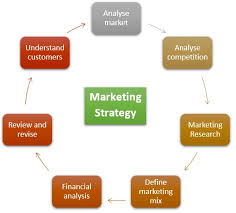
Amazon Digital Marketing Strategy

The Power of Amazon’s Digital Marketing Strategy

Amazon, the e-commerce giant, has revolutionised the way we shop online. Central to its success is its robust digital marketing strategy that encompasses a range of tactics to attract, engage, and retain customers.

Personalised Recommendations

One key aspect of Amazon’s strategy is its use of data analytics to provide personalised product recommendations to users. By analysing customer behaviour and purchase history, Amazon can suggest relevant products, increasing the likelihood of conversion and enhancing the overall shopping experience.

Search Engine Optimisation (SEO)

Amazon invests heavily in SEO to ensure its products appear prominently in search engine results. By optimising product listings with relevant keywords and high-quality content, Amazon improves visibility and drives traffic to its platform.

Social Media Engagement

Amazon leverages social media channels to engage with customers and promote its products. Through targeted advertising campaigns on platforms like Facebook and Instagram, Amazon reaches a wider audience and drives conversions by directing users to its website.

Email Marketing Campaigns

Email marketing is another integral part of Amazon’s strategy. By sending personalised emails with product recommendations, promotions, and exclusive offers, Amazon nurtures customer relationships and encourages repeat purchases.

Prime Membership Programme

The Prime membership programme is a key component of Amazon’s digital marketing strategy. By offering exclusive benefits such as free shipping, access to streaming services, and special discounts, Amazon incentivises customers to become loyal members who frequently engage with the platform.

Conclusion

In conclusion, Amazon’s digital marketing strategy is a multifaceted approach that combines data-driven insights with innovative tactics to drive customer engagement and loyalty. By staying at the forefront of digital trends and continuously refining its strategies, Amazon continues to dominate the e-commerce landscape.


Understanding Amazon’s Digital Marketing Strategy: Frequently Asked Questions

  1. What digital marketing channels does Amazon use?
  2. Can we do digital marketing on Amazon?
  3. What marketing technique does Amazon use?
  4. What are the digital marketing strategies?
  5. What marketing strategy did Amazon use?
  6. Does Amazon use digital marketing?
  7. What is Amazon digital marketing strategy?
  8. What marketing strategy does Amazon use?
  9. What type of digital marketing does Amazon use?

What digital marketing channels does Amazon use?

Amazon utilises a diverse range of digital marketing channels to reach and engage its vast customer base. Some of the key channels employed by Amazon include personalised recommendations based on user data analysis, search engine optimisation (SEO) to enhance product visibility in search results, social media platforms for targeted advertising campaigns, email marketing for customer engagement and retention, and the Prime membership programme to incentivise loyalty. By leveraging these channels effectively, Amazon maximises its reach and impact in the competitive digital landscape.

Can we do digital marketing on Amazon?

Yes, digital marketing on Amazon is not only possible but also highly effective for businesses looking to increase their online visibility and drive sales. Amazon offers a range of advertising solutions that allow sellers to promote their products to a targeted audience within the platform. From sponsored product ads that appear in search results to display ads that target specific customer segments, Amazon provides ample opportunities for businesses to reach potential customers and drive conversions. By leveraging Amazon’s digital marketing tools and strategies, sellers can enhance their brand presence, boost product visibility, and ultimately maximise their sales potential on the platform.

What marketing technique does Amazon use?

Amazon employs a multifaceted digital marketing strategy that encompasses various techniques to engage and attract customers. Some key marketing techniques used by Amazon include personalised recommendations based on user behaviour and purchase history, search engine optimisation (SEO) to enhance product visibility in search results, social media engagement through targeted advertising campaigns, email marketing to nurture customer relationships and drive repeat purchases, and the Prime membership programme offering exclusive benefits to incentivise customer loyalty. By integrating these techniques seamlessly, Amazon creates a comprehensive marketing approach that drives customer engagement and contributes to its success as an e-commerce giant.

What are the digital marketing strategies?

When it comes to Amazon’s digital marketing strategy, a variety of tactics are employed to maximise reach and engagement with customers. These strategies include personalised product recommendations based on data analytics, search engine optimisation (SEO) to enhance visibility in search results, social media engagement through targeted advertising campaigns, email marketing initiatives for customer retention and promotion, as well as the Prime membership programme offering exclusive benefits to drive loyalty. By integrating these diverse strategies, Amazon effectively leverages digital channels to attract, retain, and satisfy its customer base while staying ahead in the competitive e-commerce landscape.

What marketing strategy did Amazon use?

Amazon has employed a comprehensive and multi-faceted marketing strategy to establish itself as a global e-commerce powerhouse. From personalised product recommendations based on customer data analysis to search engine optimisation (SEO) tactics that enhance visibility, Amazon utilises a range of digital marketing techniques to attract and retain customers. The company also leverages social media platforms for targeted advertising and engages users through email marketing campaigns. Additionally, the Prime membership programme plays a significant role in fostering customer loyalty through exclusive benefits and incentives. Overall, Amazon’s strategic approach to digital marketing is characterised by its adaptability, innovation, and commitment to delivering a seamless shopping experience for its customers.

Does Amazon use digital marketing?

Yes, Amazon employs a comprehensive digital marketing strategy to promote its products and services. From personalised recommendations and search engine optimisation to social media engagement and email marketing campaigns, Amazon utilises a range of digital marketing tactics to attract, engage, and retain customers. The company’s strategic use of data analytics, targeted advertising, and customer-centric initiatives demonstrates its commitment to leveraging digital channels effectively to drive sales and enhance the overall shopping experience for users.

What is Amazon digital marketing strategy?

Amazon’s digital marketing strategy is a comprehensive approach that utilises data analytics, personalised recommendations, search engine optimisation (SEO), social media engagement, email marketing campaigns, and the Prime membership programme to attract, engage, and retain customers. By leveraging these tactics effectively, Amazon enhances the online shopping experience for users, drives traffic to its platform, improves visibility in search engine results, nurtures customer relationships through targeted communication, and incentivises loyalty through exclusive benefits. This multifaceted strategy underscores Amazon’s commitment to innovation and customer-centricity in the competitive e-commerce landscape.

What marketing strategy does Amazon use?

Amazon employs a comprehensive digital marketing strategy that encompasses various tactics to drive customer engagement and boost sales. Key elements of Amazon’s strategy include personalised product recommendations based on user behaviour, search engine optimisation to enhance visibility in search results, social media engagement through targeted advertising campaigns, email marketing with tailored promotions and offers, and the Prime membership programme that incentivises customer loyalty. By leveraging data analytics and innovative approaches, Amazon continues to set the benchmark for effective digital marketing strategies in the e-commerce industry.

What type of digital marketing does Amazon use?

Amazon employs a comprehensive digital marketing strategy that encompasses various tactics to enhance its online presence and drive customer engagement. Some key types of digital marketing used by Amazon include personalised recommendations based on data analytics, search engine optimisation (SEO) to improve product visibility, social media engagement through targeted advertising campaigns, email marketing for customer retention and promotion, and the Prime membership programme to incentivise customer loyalty. By leveraging these diverse digital marketing channels effectively, Amazon maximises its reach and influence in the competitive e-commerce landscape.

effective digital marketing strategy

Crafting an Effective Digital Marketing Strategy for Success

The Key Elements of an Effective Digital Marketing Strategy

The Key Elements of an Effective Digital Marketing Strategy

In today’s digital age, having a strong online presence is crucial for the success of any business. A well-crafted digital marketing strategy can help you reach your target audience, increase brand awareness, and drive conversions. Here are some key elements to consider when developing an effective digital marketing strategy:

Define Your Goals

Before diving into digital marketing tactics, it’s essential to clearly define your goals. Whether you aim to increase website traffic, generate leads, or boost sales, having specific and measurable objectives will guide your strategy and help you track your progress.

Know Your Audience

Understanding your target audience is fundamental to creating relevant and engaging content. Conduct market research to identify the demographics, interests, and online behaviour of your potential customers. This insight will enable you to tailor your messaging and delivery channels to resonate with your audience.

Utilise Multiple Channels

A successful digital marketing strategy often involves leveraging multiple channels to reach a wider audience. From social media and email marketing to search engine optimisation (SEO) and pay-per-click (PPC) advertising, diversifying your approach can maximise your reach and engagement levels.

Content is King

Compelling content lies at the core of any effective digital marketing strategy. Whether it’s blog posts, videos, infographics, or social media updates, creating high-quality and valuable content will attract and retain your audience’s attention. Remember to keep your messaging consistent with your brand voice and values.

Monitor and Analyse Performance

Regularly monitoring the performance of your digital marketing efforts is crucial for refining your strategy and achieving optimal results. Use analytics tools to track key metrics such as website traffic, conversion rates, click-through rates, and engagement levels. By analysing this data, you can identify what works well and what areas need improvement.

Adapt and Evolve

The digital landscape is constantly evolving, so it’s important to stay agile and adapt to changes in consumer behaviour and technology trends. Be open to experimenting with new strategies and tactics while continuously optimising your existing campaigns based on performance insights.

In conclusion, an effective digital marketing strategy requires careful planning, audience understanding, creative content creation, data-driven analysis, and a willingness to adapt to market dynamics. By implementing these key elements into your approach, you can enhance brand visibility, engage with customers effectively, and drive business growth in the competitive online marketplace.


Nine Benefits of an Effective Digital Marketing Strategy: Boosting Visibility, Engagement, and Growth

  1. Increased brand visibility online
  2. Targeted reach to specific audience segments
  3. Cost-effective compared to traditional marketing methods
  4. Ability to track and measure campaign performance in real-time
  5. Enhanced engagement with customers through interactive content
  6. Improved lead generation and conversion rates
  7. Opportunity for global reach and expansion of market presence
  8. Facilitates personalised communication with customers
  9. Adaptable to changing trends and consumer behaviour


Challenges in Crafting an Effective Digital Marketing Strategy: Resource Demands, Rapid Changes, Market Saturation, and Measurement Complexity

  1. 1. Resource Intensive
  2. 2. Rapid Changes
  3. 3. Saturation
  4. 4. Measurement Complexity

Increased brand visibility online

Increased brand visibility online is a significant advantage of implementing an effective digital marketing strategy. By strategically promoting your brand across various online channels such as social media, search engines, and websites, you can enhance your visibility to a wider audience. This heightened visibility not only increases brand recognition but also helps establish credibility and trust among potential customers. With a strong online presence, your brand can stand out in the crowded digital landscape and attract more attention, ultimately leading to greater brand awareness and potential business growth.

Targeted reach to specific audience segments

An important advantage of implementing an effective digital marketing strategy is the ability to achieve targeted reach to specific audience segments. By identifying and understanding different audience groups based on demographics, interests, and online behaviour, businesses can tailor their marketing messages and content to resonate with these specific segments. This targeted approach increases the likelihood of engaging with the right audience, driving higher conversion rates, and ultimately maximising the return on investment for digital marketing campaigns.

Cost-effective compared to traditional marketing methods

One significant advantage of implementing an effective digital marketing strategy is its cost-effectiveness when compared to traditional marketing methods. Digital channels offer businesses the opportunity to reach a large audience at a fraction of the cost associated with traditional advertising mediums such as print, television, or radio. With targeted online campaigns, businesses can allocate their budget more efficiently by reaching specific demographics and measuring the impact of their marketing efforts in real-time. This cost-effective approach allows businesses to maximise their return on investment and achieve measurable results while staying within their budget constraints.

Ability to track and measure campaign performance in real-time

An invaluable benefit of implementing an effective digital marketing strategy is the ability to track and measure campaign performance in real-time. By leveraging analytics tools and data metrics, businesses can gain immediate insights into the effectiveness of their marketing efforts. This real-time monitoring allows for quick adjustments and optimisations to maximise results, ensuring that resources are allocated efficiently and strategies are fine-tuned for optimal performance.

Enhanced engagement with customers through interactive content

Enhanced engagement with customers through interactive content is a key benefit of an effective digital marketing strategy. By creating interactive elements such as quizzes, polls, videos, and games, businesses can captivate their audience and encourage active participation. This not only increases customer interaction but also fosters a sense of connection and loyalty. Interactive content allows brands to personalise the user experience, gather valuable insights into customer preferences, and ultimately build stronger relationships with their target audience.

Improved lead generation and conversion rates

An effective digital marketing strategy can significantly enhance lead generation and conversion rates for businesses. By targeting the right audience with tailored content and engaging marketing campaigns across various online channels, companies can attract qualified leads and guide them through the conversion funnel more effectively. This proactive approach not only increases the quantity of leads but also improves the quality, resulting in higher conversion rates and ultimately boosting sales and revenue.

Opportunity for global reach and expansion of market presence

An effective digital marketing strategy offers businesses the opportunity for global reach and expansion of market presence. By leveraging online channels such as social media, search engines, and email marketing, companies can connect with audiences worldwide and increase brand visibility on a global scale. This enables businesses to tap into new markets, reach diverse demographics, and establish a strong international presence without the limitations of traditional geographical boundaries. With the right digital marketing approach, businesses can extend their market reach beyond local constraints and unlock growth opportunities in a borderless digital landscape.

Facilitates personalised communication with customers

An important advantage of an effective digital marketing strategy is its ability to facilitate personalised communication with customers. By leveraging data analytics and segmentation techniques, businesses can tailor their messages and offers to match the specific preferences and behaviours of individual customers. This personalised approach not only enhances customer engagement but also fosters stronger relationships, leading to increased brand loyalty and higher conversion rates. Through targeted communication, businesses can deliver relevant content that resonates with each customer, ultimately driving better results and long-term success in the competitive digital landscape.

An important advantage of an effective digital marketing strategy is its adaptability to changing trends and consumer behaviour. By staying attuned to shifts in the digital landscape and evolving consumer preferences, businesses can adjust their marketing tactics swiftly to remain relevant and engaging. This flexibility allows companies to capitalise on emerging opportunities, connect with their target audience more effectively, and stay ahead of the competition in a dynamic online environment.

1. Resource Intensive

One notable drawback of an effective digital marketing strategy is its resource-intensive nature. The process of developing and executing a successful digital marketing plan demands a substantial investment of time, effort, and financial resources. From conducting market research and creating engaging content to managing multiple online channels and analysing performance metrics, the comprehensive nature of digital marketing initiatives can place a strain on a company’s resources. Businesses must carefully balance the costs associated with implementing such strategies against the potential benefits in terms of brand visibility and customer engagement.

2. Rapid Changes

One significant drawback of implementing an effective digital marketing strategy is the rapid pace of change within the digital landscape. The constant evolution of technology and emerging trends poses a challenge for businesses to stay up-to-date and adapt their strategies accordingly. This fast-paced environment requires continuous monitoring and adjustment to ensure that marketing efforts remain relevant and effective in reaching the target audience amidst ever-changing digital dynamics.

3. Saturation

In the realm of digital marketing, one significant drawback is the issue of saturation. The vast proliferation of online content and advertisements has created a highly competitive landscape where businesses struggle to differentiate themselves and capture the attention of their target audience amidst the overwhelming noise. Standing out in this crowded digital space requires innovative strategies and compelling content to cut through the clutter and make a lasting impact on consumers.

4. Measurement Complexity

One significant drawback of implementing an effective digital marketing strategy is the complexity associated with measuring its success. Tracking a multitude of metrics and data points to evaluate the performance of digital campaigns can be overwhelming for many businesses. The need to interpret and make sense of this data poses a challenge, requiring dedicated resources and expertise to ensure accurate analysis and decision-making. This measurement complexity can hinder some organisations from fully understanding the impact of their digital marketing efforts and optimising their strategies accordingly.

internet marketing consultant

Navigating the Digital Realm: The Role of an Internet Marketing Consultant

The Role of an Internet Marketing Consultant

The Role of an Internet Marketing Consultant

Internet marketing has become a crucial aspect of any business’s success in the digital age. With the vast online landscape and ever-evolving technologies, businesses need expert guidance to navigate the complexities of digital marketing. This is where an internet marketing consultant plays a vital role.

What Does an Internet Marketing Consultant Do?

An internet marketing consultant is a professional who specialises in developing and implementing online marketing strategies to help businesses achieve their goals. They have in-depth knowledge of various digital marketing channels, such as search engine optimisation (SEO), pay-per-click advertising (PPC), social media marketing, email marketing, and content marketing.

Internet marketing consultants work closely with businesses to understand their objectives, target audience, and industry landscape. Based on this information, they create customised digital marketing plans that align with the client’s goals and budget.

The Benefits of Hiring an Internet Marketing Consultant

There are several benefits to hiring an internet marketing consultant for your business:

  • Expertise: Internet marketing consultants have the expertise and experience to drive results through effective digital strategies.
  • Customised Solutions: Consultants tailor their recommendations to suit your specific business needs and objectives.
  • Stay Ahead of Trends: Consultants stay updated on the latest trends and technologies in digital marketing to keep your business competitive.
  • Data-Driven Approach: Consultants use data analysis and performance tracking to optimise campaigns for maximum ROI.

Conclusion

In today’s competitive online landscape, having a strong digital presence is essential for business growth. An internet marketing consultant can provide valuable insights and expertise to help you navigate the complexities of online marketing successfully. By partnering with a skilled consultant, you can take your digital strategy to the next level and achieve tangible results for your business.


Top 5 Essential Tips for Effective Internet Marketing Consultancy

  1. Understand the client’s business goals and target audience thoroughly.
  2. Stay updated with the latest digital marketing trends and tools.
  3. Provide data-driven insights and recommendations for effective online campaigns.
  4. Communicate clearly and regularly with clients to ensure alignment on strategies and objectives.
  5. Continuously evaluate and adjust marketing strategies based on performance metrics.

Understand the client’s business goals and target audience thoroughly.

To succeed as an internet marketing consultant, it is essential to thoroughly understand the client’s business goals and target audience. By gaining a deep understanding of what the client aims to achieve and who their target audience is, consultants can tailor bespoke digital marketing strategies that resonate with the right demographic and drive meaningful results. This foundational knowledge forms the basis for creating effective campaigns that align with the client’s objectives and ultimately contribute to their success in the online realm.

To thrive in the ever-evolving digital marketing landscape, it is crucial for internet marketing consultants to stay abreast of the latest trends and tools. By keeping up-to-date with emerging technologies and innovative strategies, consultants can offer clients cutting-edge solutions that drive results. Continuous learning and adaptation to new trends not only enhance a consultant’s expertise but also ensure they remain at the forefront of the dynamic digital marketing industry, delivering effective and impactful strategies for their clients’ success.

Provide data-driven insights and recommendations for effective online campaigns.

To maximise the success of online campaigns, it is essential for an internet marketing consultant to offer data-driven insights and recommendations. By analysing relevant data and metrics, consultants can identify trends, measure performance, and make informed decisions to optimise digital marketing strategies. This approach ensures that online campaigns are targeted, efficient, and yield measurable results, ultimately helping businesses achieve their marketing objectives in the competitive digital landscape.

Communicate clearly and regularly with clients to ensure alignment on strategies and objectives.

Effective communication is key for internet marketing consultants to establish a strong rapport with clients and ensure alignment on strategies and objectives. By communicating clearly and regularly, consultants can gain a deep understanding of the client’s vision and goals, leading to the development of tailored digital marketing strategies that resonate with the client’s brand identity. Regular updates and transparent discussions help maintain trust and collaboration between the consultant and the client, ultimately driving successful outcomes in the dynamic world of online marketing.

Continuously evaluate and adjust marketing strategies based on performance metrics.

In the realm of internet marketing consultancy, a key tip for success is to consistently assess and adapt marketing strategies according to performance metrics. By closely monitoring the effectiveness of various digital campaigns through metrics such as conversion rates, click-through rates, and engagement levels, consultants can make informed decisions on refining and optimising strategies for better results. This data-driven approach ensures that marketing efforts remain aligned with business objectives and are continuously fine-tuned to maximise impact in the dynamic online landscape.

marketing company

Elevate Your Brand with a Leading Marketing Company in the UK

The Role of a Marketing Company in Today’s Business Landscape

The Role of a Marketing Company in Today’s Business Landscape

In today’s highly competitive business environment, the role of a marketing company has become more crucial than ever. Marketing companies play a vital role in helping businesses reach their target audience, build brand awareness, and drive sales. They are experts in creating and implementing strategic marketing campaigns that effectively promote products and services.

Marketing companies utilise a range of tools and techniques to achieve their clients’ marketing goals. From digital marketing strategies such as social media campaigns, search engine optimisation (SEO), and pay-per-click advertising to traditional marketing methods like print ads and direct mail, these companies have the expertise to craft tailored solutions for each client.

One of the key advantages of hiring a marketing company is access to specialised knowledge and skills. Marketing professionals stay up-to-date with the latest industry trends and best practices, ensuring that their clients benefit from cutting-edge strategies that deliver results. By outsourcing their marketing efforts to a dedicated agency, businesses can focus on their core operations while leaving the promotional activities in capable hands.

Furthermore, marketing companies bring a fresh perspective to the table. They can offer insights and ideas that may not have been considered internally, providing innovative approaches to reaching target audiences and differentiating brands from competitors. This outside perspective can be invaluable in developing effective marketing campaigns that resonate with consumers.

Ultimately, the role of a marketing company is to help businesses thrive in today’s dynamic marketplace. By leveraging their expertise, creativity, and strategic thinking, these companies empower brands to connect with customers in meaningful ways and achieve sustainable growth.


7 Essential Marketing Tips to Elevate Your Company’s Success

  1. Understand your target audience to tailor your marketing strategies effectively.
  2. Utilise social media platforms to engage with customers and build brand awareness.
  3. Create compelling content that showcases your company’s unique selling points.
  4. Invest in SEO to improve online visibility and attract more organic traffic.
  5. Collaborate with influencers or other businesses for mutual promotion and reach a wider audience.
  6. Track and analyse key performance metrics to measure the success of your marketing campaigns.
  7. Stay updated on industry trends and adapt your strategies accordingly to stay competitive.

Understand your target audience to tailor your marketing strategies effectively.

To maximise the effectiveness of your marketing strategies, it is essential to have a deep understanding of your target audience. By comprehensively grasping the demographics, preferences, behaviours, and needs of your audience, you can tailor your marketing efforts to resonate with them on a personal level. This targeted approach allows you to craft messages and campaigns that are more likely to capture their attention, engage them effectively, and ultimately drive conversions. Understanding your target audience is the cornerstone of successful marketing campaigns that yield tangible results and foster long-lasting relationships with customers.

Utilise social media platforms to engage with customers and build brand awareness.

In today’s digital age, it is essential for marketing companies to utilise social media platforms effectively to engage with customers and build brand awareness. By creating compelling content, interacting with followers, and leveraging the reach of popular social networks, marketing companies can establish a strong online presence for their clients. Engaging with customers on platforms like Facebook, Instagram, and Twitter not only allows businesses to communicate directly with their target audience but also helps in fostering brand loyalty and driving customer engagement. Through strategic social media management, marketing companies can showcase their clients’ unique value propositions and create meaningful connections that resonate with consumers in an increasingly competitive market landscape.

Create compelling content that showcases your company’s unique selling points.

To effectively market your company, it is essential to create compelling content that highlights your unique selling points. By showcasing what sets your business apart from competitors, such as innovative products, exceptional customer service, or a strong brand ethos, you can capture the attention of your target audience and differentiate yourself in the market. Engaging content that effectively communicates your company’s strengths and values will resonate with consumers and help build brand loyalty over time.

Invest in SEO to improve online visibility and attract more organic traffic.

Investing in SEO is a strategic move for any marketing company looking to enhance online visibility and drive organic traffic to their clients’ websites. By optimising website content, meta tags, and back-end coding, SEO efforts can improve search engine rankings and make it easier for potential customers to discover the business online. With a focus on relevant keywords and quality content, SEO not only increases visibility but also attracts highly targeted organic traffic, leading to better engagement and conversion rates. In today’s digital landscape, prioritising SEO is key to staying competitive and maximising online reach for businesses of all sizes.

Collaborate with influencers or other businesses for mutual promotion and reach a wider audience.

Collaborating with influencers or other businesses for mutual promotion is a highly effective strategy to expand your reach and engage with a wider audience. By partnering with influencers who have a strong following or aligning with complementary businesses, you can leverage their existing audience to increase brand visibility and credibility. This collaborative approach not only helps in reaching new potential customers but also allows for creative cross-promotional opportunities that can drive engagement and foster brand loyalty. Embracing such partnerships can be a valuable asset in enhancing your marketing efforts and achieving greater impact in today’s competitive business landscape.

Track and analyse key performance metrics to measure the success of your marketing campaigns.

To ensure the effectiveness of your marketing campaigns, it is essential to track and analyse key performance metrics. By monitoring metrics such as website traffic, conversion rates, click-through rates, and engagement levels, you can gain valuable insights into the impact of your marketing efforts. This data allows you to make informed decisions, identify areas for improvement, and optimise your strategies for better results. Tracking and analysing key performance metrics is a fundamental practice that enables marketing companies to measure success accurately and refine their campaigns for maximum impact in today’s competitive business landscape.

To stay competitive in the ever-evolving business landscape, it is essential for marketing companies to stay updated on industry trends and adapt their strategies accordingly. By keeping a pulse on the latest developments in marketing techniques, consumer behaviour, and technology advancements, marketing companies can position themselves as innovative leaders in the field. This proactive approach not only allows them to anticipate changes in the market but also enables them to tailor their strategies to meet the evolving needs of their clients and target audience effectively. By staying ahead of the curve and embracing change, marketing companies can maintain a competitive edge and drive success for their clients in a dynamic and competitive marketplace.

google digital marketing

Unlocking the Potential of Google in Digital Marketing

The Power of Google in Digital Marketing

The Power of Google in Digital Marketing

In the realm of digital marketing, Google stands as a towering presence, offering a plethora of tools and platforms that have revolutionised the way businesses connect with their audiences online. From search engine optimisation (SEO) to pay-per-click advertising and analytics, Google’s suite of digital marketing solutions empowers businesses to reach their target customers effectively.

Google Ads: Driving Targeted Traffic

Google Ads, formerly known as Google AdWords, is a powerful advertising platform that allows businesses to create targeted ads that appear on Google’s search results pages and across its vast network of partner websites. By leveraging Google Ads, businesses can reach potential customers at the exact moment they are searching for products or services related to their offerings.

Google Analytics: Understanding Audience Insights

Google Analytics provides invaluable insights into website traffic and user behaviour. By tracking key metrics such as page views, bounce rates, and conversion rates, businesses can gain a deeper understanding of their audience and tailor their digital marketing strategies for optimal results. With Google Analytics, data-driven decision-making becomes the norm.

Google My Business: Enhancing Local Visibility

For businesses looking to enhance their local presence, Google My Business is an indispensable tool. By creating a profile on this platform, businesses can manage their online presence across Google Search and Maps, making it easier for local customers to find and engage with them. With features like customer reviews and business updates, Google My Business helps businesses build trust and credibility within their local communities.

Conclusion

In conclusion, Google’s suite of digital marketing tools offers businesses unparalleled opportunities to connect with their target audiences in meaningful ways. By harnessing the power of platforms like Google Ads, Analytics, and My Business, businesses can drive targeted traffic, gain valuable insights into audience behaviour, and enhance their online visibility. As digital marketing continues to evolve, leveraging the capabilities of Google will remain crucial for staying ahead in today’s competitive online landscape.


Understanding Google Digital Marketing: Key FAQs for Effective Strategies

  1. What is Google Ads and how does it work?
  2. How can Google Analytics help in tracking digital marketing performance?
  3. What are the benefits of using Google My Business for local businesses?
  4. How do I create effective ads on Google Ads to reach my target audience?
  5. What are some best practices for SEO when it comes to Google’s search engine?
  6. Can Google’s digital marketing tools be integrated with other platforms for a comprehensive strategy?

What is Google Ads and how does it work?

Google Ads, formerly known as Google AdWords, is a powerful online advertising platform offered by Google. It allows businesses to create and display ads on Google’s search results pages and its network of partner websites. Google Ads operates on a pay-per-click (PPC) model, where advertisers bid on specific keywords relevant to their target audience. When users search for these keywords, the ads are displayed at the top or bottom of the search results page. Advertisers only pay when users click on their ads, making it a cost-effective way to reach potential customers actively searching for products or services. Additionally, Google Ads provides detailed analytics and performance metrics to help advertisers track the effectiveness of their campaigns and make data-driven decisions to optimise their advertising strategies.

How can Google Analytics help in tracking digital marketing performance?

Google Analytics plays a pivotal role in tracking digital marketing performance by providing businesses with valuable insights into the effectiveness of their online campaigns. Through Google Analytics, businesses can monitor key metrics such as website traffic, user engagement, conversion rates, and more. By analysing this data, businesses can gain a comprehensive understanding of how their digital marketing efforts are performing and identify areas for improvement. With the ability to track and measure the impact of various marketing strategies in real-time, Google Analytics empowers businesses to make informed decisions and optimise their digital marketing initiatives for greater success.

What are the benefits of using Google My Business for local businesses?

Utilising Google My Business offers a multitude of benefits for local businesses seeking to enhance their online presence and connect with potential customers in their vicinity. By creating a profile on Google My Business, businesses can improve their visibility on Google Search and Maps, making it easier for local consumers to discover and engage with them. The platform allows businesses to provide essential information such as contact details, opening hours, and customer reviews, fostering trust and credibility within the local community. Additionally, Google My Business enables businesses to post updates, promotions, and events, keeping customers informed and engaged. Overall, leveraging Google My Business is a valuable strategy for local businesses looking to increase their online visibility, attract more foot traffic, and build strong relationships with their target audience.

How do I create effective ads on Google Ads to reach my target audience?

Creating effective ads on Google Ads to reach your target audience requires a strategic approach that combines compelling ad copy, relevant keywords, and precise targeting. Start by understanding your target audience’s preferences, needs, and behaviours to craft ad messaging that resonates with them. Conduct keyword research to identify the terms your audience is searching for and incorporate these keywords into your ads. Utilise ad extensions to provide additional information and enhance the visibility of your ads. Regularly monitor and analyse the performance of your ads to make data-driven adjustments and optimisations for maximum impact. By continuously refining your ad strategy based on insights and feedback, you can create ads that effectively engage your target audience on Google Ads.

What are some best practices for SEO when it comes to Google’s search engine?

When it comes to optimising your website for Google’s search engine, there are several best practices for SEO that can help improve your visibility and rankings. Firstly, focusing on relevant keywords and incorporating them strategically throughout your content can enhance your site’s relevance to search queries. Creating high-quality, original content that provides value to users is also key, as Google prioritises websites that offer valuable information. Additionally, ensuring your website is mobile-friendly, has fast loading times, and includes meta tags and descriptions can further boost its SEO performance. Regularly monitoring and analysing your site’s performance through tools like Google Analytics can help you track progress and make necessary adjustments to improve your search engine rankings over time.

Can Google’s digital marketing tools be integrated with other platforms for a comprehensive strategy?

Yes, Google’s digital marketing tools can indeed be integrated with other platforms to create a comprehensive marketing strategy. By combining Google’s tools such as Google Ads, Analytics, and My Business with other platforms like social media channels, email marketing software, and customer relationship management (CRM) systems, businesses can create a cohesive and multi-faceted approach to reaching their target audience. This integration allows for a more holistic view of marketing efforts, enabling businesses to track performance across various channels and optimise their strategies for maximum impact. The seamless integration of Google’s tools with other platforms enhances data collection, analysis, and overall campaign effectiveness in the ever-evolving digital landscape.

Exploring the Best Digital Campaigns: Examples of Industry Excellence

Best Digital Campaigns

The Power of Digital Campaigns: Examples of the Best in the Industry

In today’s digital age, a successful marketing campaign can make all the difference for a brand looking to stand out in a crowded marketplace. Digital campaigns have the power to engage audiences, drive brand awareness, and ultimately lead to increased sales and customer loyalty. Let’s explore some of the best digital campaigns that have captured our attention:

Nike’s “Dream Crazy” Campaign

Nike’s “Dream Crazy” campaign featuring Colin Kaepernick sparked conversations worldwide. The powerful message of believing in your dreams and standing up for what you believe in resonated with audiences across different demographics. This campaign not only showcased Nike’s commitment to social issues but also generated significant buzz and engagement on social media.

Coca-Cola’s “Share a Coke” Campaign

Coca-Cola’s “Share a Coke” campaign took personalisation to a new level by replacing its logo with popular names on their bottles and cans. This simple yet effective idea encouraged consumers to share a Coke with friends and family, leading to increased brand loyalty and sales. The campaign was widely praised for its creativity and ability to connect with consumers on a personal level.

Airbnb’s #WeAccept Campaign

Airbnb’s #WeAccept campaign was launched in response to the global refugee crisis, promoting acceptance and inclusivity. The company aired a powerful Super Bowl ad highlighting the importance of diversity and unity, which struck a chord with audiences worldwide. This campaign showcased Airbnb as a socially responsible brand that values diversity and equality.

Old Spice’s “The Man Your Man Could Smell Like” Campaign

Old Spice’s iconic “The Man Your Man Could Smell Like” campaign revolutionised how brands engage with consumers online. The humorous commercials featuring Isaiah Mustafa quickly went viral, creating a cult following for the brand among younger audiences. This campaign demonstrated the importance of creativity and humour in capturing audience attention in the digital space.

These examples highlight the impact that well-executed digital campaigns can have on brand perception and consumer engagement. By leveraging creativity, storytelling, and technology, brands can create memorable experiences that resonate with their target audience and drive business results.


Top 5 Tips for Crafting Successful Digital Campaigns

  1. Define clear objectives and goals for your digital campaign.
  2. Understand your target audience to create relevant and engaging content.
  3. Utilize multiple digital channels to reach a wider audience.
  4. Monitor and analyse campaign performance to make data-driven decisions for optimization.
  5. Continuously test and iterate on different elements of your campaign for improvement.

Define clear objectives and goals for your digital campaign.

To run a successful digital campaign, it is crucial to define clear objectives and goals from the outset. By establishing specific targets such as increasing brand awareness, driving website traffic, or generating leads, you can create a focused strategy that aligns with your overall marketing objectives. Clear objectives not only provide direction for your campaign but also enable you to measure its success effectively. Whether aiming to boost engagement on social media or drive conversions on your website, setting clear goals ensures that your digital campaign remains purposeful and results-driven.

Understand your target audience to create relevant and engaging content.

To create successful digital campaigns, it is crucial to understand your target audience thoroughly. By gaining insights into their preferences, behaviours, and needs, you can tailor your content to resonate with them effectively. Crafting relevant and engaging content that speaks directly to your audience’s interests and challenges is key to capturing their attention and driving meaningful interactions. By prioritising audience understanding in your campaign strategy, you can build stronger connections with your target demographic and increase the likelihood of achieving your marketing goals.

Utilize multiple digital channels to reach a wider audience.

To create successful digital campaigns, it is essential to utilise multiple digital channels effectively in order to reach a wider audience. By diversifying your approach and leveraging various online platforms such as social media, email marketing, search engine optimisation, and display advertising, you can maximise your campaign’s visibility and engagement. This multi-channel strategy allows you to connect with audiences across different touchpoints, increasing the likelihood of reaching and resonating with a broader range of potential customers.

Monitor and analyse campaign performance to make data-driven decisions for optimization.

Monitoring and analysing campaign performance is crucial in the realm of digital marketing. By tracking key metrics and interpreting data insights, businesses can make informed decisions to optimise their campaigns for maximum effectiveness. Data-driven strategies allow for a deeper understanding of audience behaviour, enabling marketers to refine targeting, messaging, and overall campaign execution. This iterative process of measurement and adjustment based on real-time data not only improves ROI but also ensures that digital campaigns remain relevant and impactful in today’s dynamic online landscape.

Continuously test and iterate on different elements of your campaign for improvement.

In the realm of best digital campaigns, a crucial tip for success is to continuously test and iterate on various elements of your campaign to drive improvement. By engaging in ongoing testing and refinement, you can gather valuable insights into what resonates most with your audience and refine your strategies accordingly. This iterative approach allows you to adapt to changing trends, preferences, and market dynamics, ultimately enhancing the effectiveness and impact of your digital campaigns.

digital marketing services content

Maximising Success: Leveraging Digital Marketing Services Content for Growth

The Power of Digital Marketing Services Content

The Power of Digital Marketing Services Content

In today’s digital age, content is king. When it comes to digital marketing services, creating compelling and engaging content is essential for attracting and retaining customers. Whether it’s through social media, email campaigns, blogs, or website copy, content plays a crucial role in driving traffic and converting leads into sales.

Why Content Matters

Content is the backbone of any successful digital marketing strategy. It not only helps to establish your brand identity and voice but also educates and informs your target audience. High-quality content that is relevant and valuable to your customers can build trust, credibility, and loyalty towards your brand.

Types of Content in Digital Marketing

There are various types of content that can be used in digital marketing services:

  • Blog Posts: Informative articles that showcase your expertise and provide value to your audience.
  • Social Media Posts: Engaging updates that encourage interaction and sharing among followers.
  • Email Campaigns: Personalised messages that nurture leads and drive conversions.
  • Website Copy: Clear and concise content that guides visitors through your site and encourages action.

The Role of SEO in Content Marketing

Search Engine Optimization (SEO) plays a vital role in ensuring that your content is discoverable online. By incorporating relevant keywords, meta tags, and high-quality backlinks, you can improve your website’s visibility on search engine results pages (SERPs) and attract organic traffic to your site.

Conclusion

In conclusion, digital marketing services content is a powerful tool for engaging with your audience, building brand awareness, and driving conversions. By investing in high-quality content creation tailored to the needs of your target market, you can set yourself apart from the competition and achieve long-term success in the digital landscape.


Understanding Digital Marketing Content: FAQs on Services, Types, and Writing Techniques

  1. What are the content of digital marketing?
  2. What is a content in digital marketing?
  3. How do you write digital marketing content?
  4. What services are included in digital marketing?
  5. What are content marketing services?
  6. What is the content type in digital marketing?
  7. How do you write content for digital marketing?

What are the content of digital marketing?

In digital marketing services, the content encompasses a wide range of materials used to engage and connect with target audiences online. This includes blog posts, social media updates, email campaigns, website copy, videos, infographics, podcasts, and more. Each type of content serves a specific purpose in conveying information, building brand identity, driving traffic, and ultimately converting leads into customers. By strategically crafting and distributing diverse and compelling content across various digital channels, businesses can effectively communicate their message and establish a strong online presence.

What is a content in digital marketing?

In the realm of digital marketing, content refers to the various forms of media and information created and shared online to engage with target audiences. This content can include written articles, blog posts, social media updates, videos, infographics, podcasts, and more. The primary goal of content in digital marketing is to attract and retain customers by providing valuable and relevant information that resonates with their interests and needs. Effective content not only helps in building brand awareness and credibility but also drives traffic to websites, nurtures leads, and ultimately leads to conversions. It serves as a powerful tool for businesses to communicate their messages, showcase their expertise, and establish meaningful connections with their audience in the digital landscape.

How do you write digital marketing content?

When it comes to writing digital marketing content, it is essential to start by understanding your target audience and their needs. Conduct thorough research to identify relevant keywords and topics that resonate with your audience. Craft compelling and engaging content that provides value, educates, and entertains your readers. Use a clear and concise writing style, incorporating visuals and multimedia elements where appropriate to enhance the user experience. Remember to optimise your content for search engines by including relevant keywords and meta tags. Regularly monitor and analyse the performance of your content to make data-driven decisions for continuous improvement. By following these best practices, you can create effective digital marketing content that drives engagement, builds brand loyalty, and ultimately leads to conversions.

What services are included in digital marketing?

In the realm of digital marketing, a diverse range of services is encompassed to help businesses thrive in the online landscape. These services typically include search engine optimisation (SEO) to enhance website visibility, social media marketing to engage with audiences on platforms like Facebook and Instagram, content marketing for creating valuable and relevant content, email marketing for targeted communication, pay-per-click (PPC) advertising for immediate visibility, and web analytics to track and measure campaign performance. Each of these services plays a vital role in crafting a comprehensive digital marketing strategy tailored to meet the specific goals and objectives of businesses seeking to establish a strong online presence and drive growth.

What are content marketing services?

Content marketing services encompass a range of strategies and techniques aimed at creating and distributing valuable, relevant, and consistent content to attract and retain a clearly defined audience. These services focus on engaging with customers through informative blog posts, engaging social media updates, targeted email campaigns, and compelling website copy. By providing content that resonates with their target audience, businesses can build brand awareness, establish credibility, and ultimately drive customer action. Content marketing services play a crucial role in enhancing a brand’s online presence and connecting with consumers in meaningful ways.

What is the content type in digital marketing?

In the realm of digital marketing, the term “content type” refers to the various forms of content that businesses use to engage with their target audience online. These content types can include blog posts, social media updates, email campaigns, videos, infographics, podcasts, webinars, and more. Each content type serves a unique purpose in conveying information, building brand awareness, driving traffic, and ultimately converting leads into customers. By strategically selecting and creating different content types tailored to their audience’s preferences and needs, businesses can effectively communicate their message and achieve their digital marketing goals.

How do you write content for digital marketing?

When it comes to writing content for digital marketing, it is essential to start by understanding your target audience and their needs. Conducting thorough research on keywords, trends, and competitors can help you create relevant and engaging content that resonates with your audience. Tailoring your writing style to match your brand voice and tone is crucial for maintaining consistency across all platforms. Incorporating storytelling techniques, visuals, and multimedia elements can enhance the overall impact of your content and make it more shareable. Regularly monitoring and analysing the performance of your content allows you to refine your strategy and adapt to changing trends effectively. By focusing on providing valuable, informative, and compelling content, you can effectively engage with your audience and drive meaningful results in the digital marketing landscape.

digital marketing steps

Navigating the Essential Digital Marketing Steps for Success

Digital Marketing Steps

The Essential Steps for a Successful Digital Marketing Strategy

In today’s digital age, having a strong online presence is crucial for the success of any business. Digital marketing offers a plethora of opportunities to reach and engage with your target audience effectively. To make the most of your digital marketing efforts, it’s essential to follow these key steps:

Define Your Goals

Before diving into digital marketing, clearly define your goals. Whether it’s increasing brand awareness, driving website traffic, generating leads, or boosting sales, knowing what you want to achieve will guide your strategy.

Know Your Audience

Understanding your target audience is crucial for crafting relevant and engaging content. Conduct market research to identify their demographics, preferences, behaviours, and pain points. This insight will help tailor your messaging to resonate with them.

Develop a Comprehensive Strategy

Create a well-rounded digital marketing strategy that encompasses various channels such as social media, email marketing, SEO, content marketing, and paid advertising. Each channel plays a unique role in reaching your audience at different touchpoints along their customer journey.

Create Compelling Content

Content is king in the digital realm. Produce high-quality and valuable content that educates, entertains, or solves problems for your audience. Whether it’s blog posts, videos, infographics or social media posts, engaging content helps build trust and credibility with your audience.

Implement SEO Best Practices

Optimise your website and content for search engines to improve visibility and organic traffic. Conduct keyword research, optimise meta tags and descriptions, create quality backlinks, and ensure your site loads quickly on all devices.

Monitor and Analyse Performance

Regularly track key performance indicators (KPIs) such as website traffic, conversion rates, click-through rates (CTR), engagement metrics and ROI. Use tools like Google Analytics to gain insights into what’s working well and where improvements can be made.

Adapt and Evolve

Digital marketing is dynamic and constantly evolving. Stay abreast of industry trends and changes in algorithms to adapt your strategy accordingly. Experiment with new tactics and technologies to stay ahead of the competition.

By following these essential steps in your digital marketing endeavours, you can create a robust strategy that drives results and helps you achieve your business objectives.


Understanding Key Steps and Rules in Digital Marketing: FAQs

  1. What are the 7 steps of marketing?
  2. What is the 3 3 3 rule in marketing?
  3. What are the 7 stages of digital marketing?
  4. What are the 5 stages of digital marketing?
  5. What are 4 keys of digital marketing?
  6. What are the 4 phases of digital marketing?
  7. How many steps are in digital marketing?
  8. What is the 70 20 10 rule in digital marketing?

What are the 7 steps of marketing?

In the realm of digital marketing, understanding the fundamental steps is crucial for crafting a successful strategy. The 7 key steps of marketing encompass defining goals, knowing your audience, developing a comprehensive strategy, creating compelling content, implementing SEO best practices, monitoring and analysing performance, and adapting and evolving your approach. Each step plays a vital role in reaching and engaging with your target audience effectively, driving traffic to your website, generating leads, and ultimately achieving your marketing objectives. By following these steps diligently and staying agile in response to changing trends, businesses can navigate the digital landscape with confidence and achieve sustainable growth.

What is the 3 3 3 rule in marketing?

The 3 3 3 rule in marketing refers to a strategic approach that involves focusing on three key elements: the first 3 seconds, the first 3 minutes, and the first 3 days of a marketing campaign or content piece. The rule underscores the importance of capturing the audience’s attention within the initial moments of engagement to make a lasting impact. By crafting compelling and concise messaging, creating visually appealing content, and delivering value upfront, marketers can effectively hook their audience and drive engagement, ultimately leading to successful outcomes in their marketing efforts.

What are the 7 stages of digital marketing?

In digital marketing, the 7 stages represent a structured approach to crafting a successful strategy. These stages typically include goal setting, audience research, strategy development, content creation, SEO implementation, performance monitoring, and continuous adaptation. By following these stages diligently, businesses can effectively engage with their target audience, drive traffic to their digital platforms, and ultimately achieve their marketing objectives in the competitive online landscape.

What are the 5 stages of digital marketing?

In digital marketing, the five stages typically encompass planning, attracting, engaging, converting, and retaining customers. The first stage involves strategic planning where businesses define their goals and target audience. Attracting potential customers through various channels like social media and SEO is the next step. Engaging with the audience by providing valuable content and building relationships follows suit. Converting leads into customers through compelling offers and calls-to-action is a critical stage. Finally, retaining customers through ongoing communication and personalised experiences ensures long-term loyalty and business growth in the digital landscape.

What are 4 keys of digital marketing?

When it comes to the essential keys of digital marketing, there are four fundamental aspects that businesses should focus on to maximise their online presence and engage with their target audience effectively. These keys include defining clear goals to guide the strategy, understanding the audience demographics and behaviours, developing a comprehensive multi-channel approach that utilises various digital platforms, and creating compelling and valuable content that resonates with the target market. By incorporating these four keys into their digital marketing strategy, businesses can enhance brand visibility, drive engagement, and achieve their marketing objectives successfully.

What are the 4 phases of digital marketing?

In digital marketing, the process is often categorised into four key phases that form a comprehensive strategy for online success. The first phase involves planning and research, where businesses define their goals, target audience, and overall strategy. The second phase focuses on implementation, where various digital marketing tactics such as content creation, SEO optimisation, and social media management are put into action. The third phase revolves around monitoring and analysing performance metrics to measure the effectiveness of campaigns and make data-driven decisions. Finally, the fourth phase entails optimisation and refinement based on insights gathered from analytics to continuously improve results and achieve long-term success in the digital landscape.

How many steps are in digital marketing?

In digital marketing, the number of steps can vary depending on the complexity of the strategy and the specific goals of a business. While some experts may outline a few key steps such as goal setting, audience research, content creation, SEO optimisation, performance tracking, and adaptation, others may break down the process into more detailed stages. Ultimately, the effectiveness of a digital marketing strategy is not determined by the number of steps but by the quality of execution and alignment with business objectives. It’s essential for businesses to tailor their approach to digital marketing based on their unique needs and continuously refine their strategies to stay competitive in the ever-evolving online landscape.

What is the 70 20 10 rule in digital marketing?

The 70 20 10 rule in digital marketing is a strategic framework that suggests allocating budget and resources across different types of content. According to this rule, 70% of your digital marketing efforts should focus on proven and successful strategies, 20% on exploring new tactics that show potential, and the remaining 10% on innovative and experimental ideas. By following this rule, businesses can maintain a balance between leveraging what works well, testing new approaches, and taking calculated risks to stay competitive in the ever-evolving digital landscape.

digital marketing campaign strategy

Crafting an Effective Digital Marketing Campaign Strategy: A Guide to Success

Digital Marketing Campaign Strategy: A Guide to Success

Digital Marketing Campaign Strategy: A Guide to Success

In today’s digital age, a well-planned marketing campaign can make all the difference in reaching and engaging your target audience. A successful digital marketing campaign strategy involves careful planning, execution, and evaluation to ensure maximum impact and return on investment.

Define Your Goals

The first step in crafting a digital marketing campaign strategy is to clearly define your goals. Are you looking to increase brand awareness, drive website traffic, generate leads, or boost sales? Understanding your objectives will guide the rest of your strategy.

Know Your Audience

Understanding your target audience is crucial for a successful campaign. Conduct market research to identify their demographics, preferences, and online behaviour. This information will help you tailor your messaging and choose the right channels to reach them effectively.

Choose the Right Channels

With numerous digital channels available, such as social media, email marketing, search engine optimisation (SEO), pay-per-click (PPC) advertising, and content marketing, it’s important to select the ones that align with your goals and target audience. Each channel has its strengths and can be utilised strategically for maximum impact.

Create Compelling Content

Content is king in digital marketing. Whether it’s blog posts, videos, infographics, or social media posts, creating high-quality and relevant content is essential for engaging your audience and driving action. Tailor your content to each channel and stage of the customer journey for optimal results.

Implement Tracking and Analytics

To measure the success of your campaign strategy, implement tracking tools and analytics to monitor key performance indicators (KPIs) such as website traffic, conversion rates, click-through rates, and engagement metrics. Use this data to evaluate the effectiveness of your campaign and make informed decisions for future strategies.

Optimise and Iterate

A successful digital marketing campaign strategy is not set in stone. Continuously monitor performance metrics, gather feedback from your audience, and test different approaches to optimise your campaigns for better results. By iterating on what works best, you can refine your strategy over time for greater success.

By following these key steps in crafting a digital marketing campaign strategy tailored to your goals and audience, you can position your brand for success in the competitive digital landscape.


9 Key Advantages of a Digital Marketing Campaign Strategy

  1. 1. Targeted reach
  2. 2. Cost-effective
  3. 3. Measurable results
  4. 4. Increased brand visibility
  5. 5. Flexible and adaptable
  6. 6. Enhanced engagement
  7. 7. Global reach
  8. 8. Improved targeting accuracy
  9. 9. Scalability


Challenges in Digital Marketing Campaigns: Navigating Saturation, Ad Fatigue, Privacy Concerns, and Rapid Changes

  1. 1. Saturation
  2. 2. Ad Fatigue
  3. 3. Data Privacy Concerns
  4. 4. Rapid Changes

1. Targeted reach

Digital marketing offers a significant advantage in targeted reach by enabling businesses to pinpoint specific audiences based on factors such as demographics, interests, and online behaviour. This precision targeting ensures that marketing messages reach the right people at the right time, increasing the likelihood of engagement and conversion. By tailoring content and advertisements to suit the preferences of these targeted audiences, businesses can maximise the effectiveness of their campaigns and achieve higher ROI compared to traditional marketing methods.

2. Cost-effective

In comparison to traditional marketing approaches, digital marketing campaigns are known for their cost-effectiveness, making them a preferred choice for businesses of all sizes. By utilising digital channels such as social media, email, and search engines, companies can reach a wider audience at a fraction of the cost of traditional methods. This affordability factor combined with the ability to precisely target specific demographics leads to a higher return on investment, making digital marketing an attractive option for maximising marketing budgets and achieving measurable results.

3. Measurable results

One significant advantage of implementing a digital marketing campaign strategy is the ability to achieve measurable results. By utilising analytics tools, you can track the performance of your campaigns in real-time, allowing you to gather valuable data on key metrics such as website traffic, conversion rates, and engagement levels. This data-driven approach empowers you to make informed decisions and adjustments to your strategy, ultimately leading to better outcomes and a more effective marketing campaign overall.

4. Increased brand visibility

Digital marketing campaign strategy offers the significant advantage of increased brand visibility. By leveraging various online channels, businesses can expand their reach and connect with a broader audience, ultimately boosting brand awareness. Through targeted messaging and strategic placement, digital marketing enables brands to make a lasting impression on potential customers, enhancing recognition and establishing a strong online presence in today’s competitive marketplace.

5. Flexible and adaptable

One significant advantage of digital marketing campaign strategy is its flexibility and adaptability. By closely monitoring performance data and market trends, businesses can easily adjust their strategies to stay relevant and competitive in the ever-evolving digital landscape. This ability to pivot and refine tactics based on real-time insights allows companies to optimise their campaigns for maximum impact, ensuring that they remain agile and responsive to changing consumer behaviour and industry dynamics.

6. Enhanced engagement

Enhanced engagement is a significant advantage of a well-executed digital marketing campaign strategy. By incorporating interactive content like videos, quizzes, and polls, brands can captivate their audience and foster meaningful interactions. These engaging elements not only grab attention but also encourage active participation, creating a more immersive and memorable experience for consumers. Through enhanced engagement, businesses can build stronger connections with their target audience, increase brand loyalty, and ultimately drive better results in their digital marketing efforts.

7. Global reach

One significant advantage of digital marketing campaign strategy is its global reach. By leveraging digital channels, businesses can transcend geographical boundaries and connect with a vast international audience. This unparalleled reach allows companies of all sizes to expand their market presence and engage with potential customers worldwide, opening up new opportunities for growth and brand recognition on a global scale.

8. Improved targeting accuracy

With digital marketing campaign strategy, businesses benefit from improved targeting accuracy through advanced options that enable precise identification of ideal customers. By utilising these sophisticated targeting tools, companies can focus their efforts on reaching the right audience segments, leading to increased conversion rates and more effective engagement with potential customers. This enhanced precision in targeting ensures that marketing messages resonate with the intended recipients, ultimately driving better results and maximising the return on investment.

9. Scalability

One significant advantage of digital marketing campaign strategy is its scalability. Businesses can easily adjust the scale of their digital marketing efforts to align with their growth trajectory or respond promptly to shifts in market dynamics. Whether expanding operations or adapting to changing consumer behaviour, the flexibility of digital marketing allows for swift and efficient adjustments to ensure continued relevance and effectiveness in reaching target audiences.

1. Saturation

In the realm of digital marketing campaign strategy, one significant challenge is the issue of saturation. The online landscape is inundated with a multitude of marketing messages vying for consumer attention, creating a competitive environment where standing out becomes increasingly difficult. With an abundance of content and advertisements bombarding audiences across various digital channels, capturing and retaining their attention poses a formidable hurdle for marketers aiming to make an impact in this crowded space.

2. Ad Fatigue

One significant drawback of digital marketing campaign strategy is ad fatigue, where consumers become overwhelmed by the sheer volume of digital advertisements they encounter. This phenomenon can result in a negative impact on the effectiveness of marketing messages, as consumers may start to ignore or actively block ads due to repetitive exposure. Ad fatigue poses a challenge for marketers to find a balance between reaching their target audience and avoiding oversaturation that could lead to diminishing returns on their advertising efforts.

3. Data Privacy Concerns

Data privacy concerns present a significant challenge for digital marketing campaign strategies. With the rise of regulations like GDPR and heightened consumer awareness about data protection, businesses face limitations in implementing targeted campaigns that rely on personal data. The need to navigate strict privacy laws and respect user preferences can hinder the effectiveness of traditional personalised marketing tactics, requiring marketers to find innovative ways to engage audiences without compromising their privacy rights. Balancing effective targeting with respect for consumer privacy is a delicate yet essential aspect of modern digital marketing strategies.

4. Rapid Changes

One significant drawback of digital marketing campaign strategy is the rapid changes that occur in the digital landscape. The fast-paced nature of the online world means that trends and technologies evolve swiftly, making it essential for businesses to continuously adapt their strategies to stay relevant and effective. This constant need for adjustment can be challenging and time-consuming, requiring resources to be allocated towards staying abreast of new developments and implementing changes to ensure campaigns remain impactful in an ever-changing environment.

digital marketing company

Driving Business Growth with a Leading Digital Marketing Company

The Power of Digital Marketing Companies in Today’s Business Landscape

In the digital age, where online presence is crucial for business success, the role of digital marketing companies has become more significant than ever. These companies specialise in leveraging digital channels to promote products and services, engage with target audiences, and drive business growth. Let’s explore the key reasons why businesses are turning to digital marketing companies to stay ahead in the competitive market.

Expertise and Experience

Digital marketing companies are staffed with professionals who possess a deep understanding of the ever-evolving digital landscape. From search engine optimisation (SEO) and pay-per-click (PPC) advertising to social media marketing and email campaigns, these experts have the knowledge and experience to craft effective strategies tailored to each client’s unique needs.

Targeted Approach

One of the main advantages of working with a digital marketing company is their ability to target specific audiences with precision. Through data-driven insights and analytics, these companies can identify key demographics, behaviours, and preferences of potential customers, allowing for highly targeted campaigns that yield better results and higher ROI.

Innovative Solutions

Digital marketing companies are at the forefront of innovation in the industry. They continuously explore new technologies, trends, and tools to stay ahead of the curve and deliver cutting-edge solutions to their clients. Whether it’s implementing chatbots for customer service or utilising virtual reality for immersive brand experiences, these companies are always pushing boundaries to drive success.

Measurable Results

Unlike traditional forms of marketing, digital marketing offers real-time tracking and measurement capabilities. Digital marketing companies use advanced analytics tools to monitor campaign performance, track conversions, and assess return on investment. This data-driven approach enables businesses to make informed decisions and optimise their strategies for maximum impact.

Adaptability in a Dynamic Environment

The digital landscape is constantly evolving, with new trends emerging at a rapid pace. Digital marketing companies have the agility and flexibility to adapt quickly to changes in algorithms, consumer behaviour, or market dynamics. This adaptability ensures that businesses remain competitive and relevant in an ever-changing environment.

In conclusion, partnering with a digital marketing company can provide businesses with a competitive edge in today’s fast-paced digital world. By tapping into their expertise, targeted approach, innovative solutions, measurable results, and adaptability, businesses can effectively reach their target audience, drive engagement, and ultimately achieve sustainable growth.


28 Frequently Asked Questions About Digital Marketing Companies

  1. What does a digital marketing company do?
  2. What are the 5 of digital marketing?
  3. How to start digital marketing?
  4. How do you start a digital marketing company?
  5. Who is the No 1 digital marketer in India?
  6. What does a digital marketing company offer?
  7. What are the 4 types of digital marketing?
  8. Which is the best digital marketing company?
  9. What’s a digital marketing company?
  10. How can I start digital marketing?
  11. Which is India’s No 1 digital marketing company?
  12. What is the role of digital marketing company?
  13. What is the best digital marketing company in the UK?
  14. Who is Father of digital marketing *?
  15. How do I start a digital marketing business?
  16. Is digital marketing good money?
  17. Which is the best company for digital marketing job?
  18. What are the 3 types of digital media?
  19. How do I start digital marketing?
  20. Which is best company for digital marketing?
  21. What is the largest marketing company in the UK?
  22. Who is the best digital marketing company in the world?
  23. What are the 5 key of digital marketing?
  24. What does a digital marketing do?
  25. Is digital marketing is BPO?
  26. Can I start a digital marketing company?
  27. Who is the biggest digital marketing company?
  28. Who is the No 1 digital marketer?

What does a digital marketing company do?

A digital marketing company specialises in leveraging various online channels and strategies to promote businesses, products, or services in the digital realm. These companies offer a wide range of services, including search engine optimisation (SEO), pay-per-click (PPC) advertising, social media marketing, content creation, email campaigns, and more. Their primary goal is to help businesses increase their online visibility, engage with target audiences effectively, drive website traffic, generate leads, and ultimately boost conversions and sales. By utilising data-driven insights and innovative techniques, digital marketing companies tailor bespoke strategies to meet the unique needs and objectives of each client, ensuring a strong online presence and a competitive edge in the digital landscape.

What are the 5 of digital marketing?

The five key pillars of digital marketing encompass various strategies and tactics that businesses can leverage to enhance their online presence and engage with their target audience effectively. These pillars include search engine optimisation (SEO), which focuses on improving a website’s visibility in search engine results; pay-per-click (PPC) advertising, where businesses pay for clicks on their ads displayed on search engines or social media platforms; social media marketing, which involves promoting products or services on popular social media channels to build brand awareness and engage with customers; content marketing, which aims to create valuable and relevant content to attract and retain a target audience; and email marketing, a powerful tool for nurturing leads, building relationships with customers, and driving conversions through personalised email campaigns. By understanding and implementing these five pillars of digital marketing, businesses can create comprehensive strategies that drive growth and success in the digital realm.

How to start digital marketing?

To start digital marketing, it is essential to first define your goals and target audience. Conduct thorough market research to understand your industry landscape, competitors, and consumer preferences. Next, establish a strong online presence by creating a user-friendly website and setting up social media profiles. Develop a comprehensive digital marketing strategy that includes elements such as search engine optimisation (SEO), pay-per-click (PPC) advertising, content marketing, email campaigns, and social media engagement. Regularly monitor and analyse the performance of your digital marketing efforts to make data-driven decisions and continuously improve your strategies for optimal results. Remember that consistency, creativity, and adaptability are key to succeeding in the dynamic world of digital marketing.

How do you start a digital marketing company?

Starting a digital marketing company requires careful planning and strategic execution. The first step is to define your niche and target market, identifying the specific services you will offer and the unique value proposition that sets you apart from competitors. Next, establish a solid business plan outlining your goals, target audience, pricing strategy, and marketing tactics. Building a strong online presence through a professional website and active social media profiles is essential to attract clients and showcase your expertise. Networking with industry professionals, attending relevant events, and seeking partnerships can also help in building credibility and expanding your client base. As you grow, focusing on delivering exceptional results, staying updated on industry trends, and continuously refining your strategies will be key to long-term success in the competitive digital marketing landscape.

Who is the No 1 digital marketer in India?

The question of who is the No 1 digital marketer in India is subjective and can vary depending on individual perspectives and criteria. India boasts a vibrant and diverse digital marketing industry with numerous talented professionals and agencies making significant contributions to the field. While there may not be a definitive answer to this question, there are several renowned digital marketers in India who have garnered recognition for their expertise, creativity, and innovative strategies. It is essential to research and evaluate different digital marketers based on their track record, client testimonials, industry awards, and impact on the digital marketing landscape to determine who aligns best with specific business goals and objectives.

What does a digital marketing company offer?

A digital marketing company offers a comprehensive range of services aimed at enhancing a business’s online presence and driving growth in the digital realm. From strategic planning and campaign management to creative content creation and performance analysis, these companies provide expertise in various areas such as search engine optimisation (SEO), pay-per-click (PPC) advertising, social media marketing, email marketing, and more. By leveraging the latest tools and technologies, digital marketing companies help businesses reach their target audiences effectively, engage with customers across multiple channels, and achieve measurable results that contribute to overall business success.

What are the 4 types of digital marketing?

In the realm of digital marketing, there are four primary types that businesses often leverage to reach and engage with their target audience effectively. These include search engine optimisation (SEO), which focuses on improving a website’s visibility in search engine results; pay-per-click (PPC) advertising, where businesses pay for their ads to appear when specific keywords are searched; social media marketing, which involves promoting products or services on social platforms to drive engagement and brand awareness; and email marketing, a direct communication channel used to nurture leads and build customer relationships. Each type of digital marketing plays a crucial role in helping businesses achieve their marketing objectives in the online space.

Which is the best digital marketing company?

The question of “Which is the best digital marketing company?” is a common one in the industry, but the answer may vary depending on specific needs and objectives. The best digital marketing company for one business may not necessarily be the best for another. Factors such as expertise in a particular niche, track record of success, range of services offered, client testimonials, and budget considerations all play a role in determining the ideal fit. It is essential for businesses to research and evaluate different digital marketing companies to find the one that aligns most closely with their goals and values, ultimately leading to a successful partnership and impactful results.

What’s a digital marketing company?

A digital marketing company is a specialised agency that helps businesses promote their products or services online through various digital channels. These companies employ a range of strategies, such as search engine optimisation (SEO), social media marketing, email campaigns, pay-per-click (PPC) advertising, and content creation, to enhance brand visibility, engage with target audiences, and drive conversions. By leveraging the power of the internet and digital technologies, digital marketing companies play a crucial role in helping businesses establish a strong online presence, reach their marketing goals, and stay competitive in today’s digital landscape.

How can I start digital marketing?

Embarking on your digital marketing journey can seem daunting, but with the right approach, you can kickstart your efforts effectively. To start digital marketing, begin by defining your goals and target audience. Conduct thorough market research to understand your audience’s preferences and behaviours. Establish a strong online presence through a well-designed website and active social media profiles. Explore various digital marketing channels such as SEO, social media marketing, email campaigns, and PPC advertising to reach your audience effectively. Consistent monitoring and analysis of your campaigns’ performance will help you refine your strategies for optimal results. Remember, starting small and gradually scaling up as you gain insights and experience is key to a successful digital marketing strategy.

Which is India’s No 1 digital marketing company?

The question of identifying India’s top digital marketing company is a common query in the industry. With a vibrant and competitive digital marketing landscape in India, several companies have established themselves as leaders in the field. While opinions may vary based on specific criteria such as client satisfaction, industry recognition, innovation, and performance metrics, some renowned names often mentioned in discussions about India’s top digital marketing companies include Webchutney, WatConsult, and Gozoop. These companies have earned accolades for their creativity, strategic approach, and successful campaigns, making them contenders for the title of India’s No 1 digital marketing company.

What is the role of digital marketing company?

The role of a digital marketing company is to help businesses navigate and succeed in the online realm by leveraging various digital channels and strategies. These companies play a crucial role in developing and executing tailored marketing campaigns that aim to increase brand visibility, drive traffic, generate leads, and ultimately boost conversions. From search engine optimisation (SEO) to social media marketing, email campaigns, pay-per-click (PPC) advertising, content creation, and more, digital marketing companies utilise a range of tools and techniques to reach target audiences effectively. By staying abreast of industry trends, analysing data insights, and implementing innovative solutions, these companies empower businesses to enhance their online presence, engage with customers authentically, and achieve their marketing objectives in the ever-evolving digital landscape.

What is the best digital marketing company in the UK?

When seeking the best digital marketing company in the UK, it’s essential to consider various factors such as expertise, experience, client testimonials, and industry recognition. The definition of “best” can vary depending on specific business needs and goals. Some top digital marketing companies in the UK include those with a proven track record of delivering successful campaigns, a strong focus on data-driven strategies, innovative approaches to digital marketing, and a commitment to client satisfaction. Ultimately, the best digital marketing company for one business may not be the same for another, so it’s crucial to research and evaluate different companies based on your unique requirements before making a decision.

Who is Father of digital marketing *?

The title “Father of digital marketing” is often attributed to Ray Tomlinson, who is renowned for implementing the first email system in 1971. While there may not be a definitive single individual considered the sole originator of digital marketing, Tomlinson’s pioneering work in email communication laid the foundation for the digital marketing strategies and techniques that are widely used today. His innovative contribution to digital communication has had a lasting impact on the evolution of marketing in the digital realm.

How do I start a digital marketing business?

Starting a digital marketing business requires careful planning and strategic decision-making. Firstly, it’s essential to define your niche and target market to differentiate yourself in the competitive industry. Conduct thorough market research to understand the needs and preferences of potential clients. Next, acquire the necessary skills and expertise in areas such as SEO, social media marketing, content creation, and analytics. Building a strong online presence through a professional website and active social media profiles is crucial for attracting clients. Networking with industry professionals, attending relevant events, and seeking mentorship can also help you establish credibility and grow your business. Lastly, focus on delivering exceptional results for your clients to build a positive reputation and secure long-term partnerships.

Is digital marketing good money?

The potential for earning a good income in the field of digital marketing is significant, given the high demand for skilled professionals in this rapidly growing industry. Digital marketing offers various lucrative career opportunities, ranging from digital strategists and SEO specialists to social media managers and content creators. With the right skills, experience, and expertise, individuals in the digital marketing sector can command competitive salaries and even explore freelance or consultancy roles that offer flexibility and potentially higher earnings. However, success in digital marketing often depends on staying updated with industry trends, honing one’s skills continuously, and demonstrating a strong track record of delivering results for clients or employers.

Which is the best company for digital marketing job?

When it comes to finding the best company for a digital marketing job, it ultimately depends on individual preferences, career goals, and the specific industry or niche of interest. Factors to consider include company culture, opportunities for growth and development, the range of clients served, the types of digital marketing services offered, and the overall reputation of the company within the industry. Conducting thorough research, networking with professionals in the field, and exploring job listings from reputable companies can help individuals identify the best fit for their career aspirations in the dynamic and ever-evolving world of digital marketing.

What are the 3 types of digital media?

In the realm of digital marketing, there are three primary types of digital media that businesses leverage to reach and engage with their target audiences effectively. The first type is owned media, which includes channels such as company websites, social media profiles, and email newsletters that are controlled and managed by the business itself. The second type is earned media, which refers to organic exposure gained through word-of-mouth, social shares, press coverage, and influencer endorsements. Lastly, paid media involves advertising efforts on platforms like Google Ads, social media ads, display banners, and sponsored content to increase visibility and reach a larger audience. By strategically combining these three types of digital media, businesses can create comprehensive marketing campaigns that drive brand awareness, engagement, and conversions in the competitive digital landscape.

How do I start digital marketing?

To embark on your digital marketing journey, the first step is to define your goals and target audience. Understanding what you aim to achieve and who you want to reach will guide your strategy. Next, establish a strong online presence through a well-designed website and active social media profiles. Content creation is key in digital marketing, so create valuable and engaging content that resonates with your audience. Utilise various digital channels such as social media, email marketing, SEO, and PPC advertising to promote your brand and connect with potential customers. Regularly monitor and analyse your campaigns to measure performance and make data-driven adjustments for continuous improvement. Remember, consistency, creativity, and adaptability are essential in navigating the dynamic world of digital marketing effectively.

Which is best company for digital marketing?

When searching for the best digital marketing company, it is essential to consider various factors that align with your specific business goals and needs. The definition of “best” can vary depending on what you prioritise, whether it’s expertise in a particular industry, a track record of successful campaigns, innovative strategies, transparent communication, or a strong focus on ROI. Conduct thorough research, read client testimonials and case studies, request consultations to discuss your objectives, and ensure that the company’s values and approach resonate with your vision. Ultimately, the best digital marketing company for you will be one that understands your unique requirements and can deliver tailored solutions to help you achieve your objectives in the digital realm.

What is the largest marketing company in the UK?

When it comes to the largest marketing company in the UK, one name that stands out is WPP plc. WPP is a multinational advertising and public relations company headquartered in London, with a significant presence in the UK market. As one of the world’s largest marketing conglomerates, WPP offers a wide range of services including advertising, media planning and buying, branding, digital marketing, and market research. With its diverse portfolio of agencies and a global network spanning multiple industries, WPP has established itself as a powerhouse in the marketing industry, driving innovation and creativity in campaigns for both local and international clients.

Who is the best digital marketing company in the world?

The question of who the best digital marketing company in the world is a subjective one, as different companies excel in various aspects of digital marketing based on their expertise, industry focus, and client needs. There are several renowned digital marketing companies globally, each with its unique strengths and capabilities. It is essential for businesses seeking digital marketing services to consider factors such as industry experience, track record of success, client testimonials, and alignment with their specific goals when determining the best fit for their needs. Ultimately, the best digital marketing company for one business may not necessarily be the best for another, highlighting the importance of conducting thorough research and selecting a company that aligns closely with individual requirements and objectives.

What are the 5 key of digital marketing?

In the realm of digital marketing, understanding the five key elements is essential for crafting successful strategies. The first key is Search Engine Optimization (SEO), which involves optimising website content to improve visibility and ranking on search engine results pages. Social Media Marketing is another crucial aspect, focusing on engaging with audiences on platforms like Facebook, Instagram, and Twitter to build brand awareness and drive conversions. Email Marketing plays a vital role in nurturing leads and maintaining customer relationships through personalised communication. Pay-Per-Click (PPC) Advertising allows businesses to target specific audiences with paid ads that appear on search engines or social media platforms. Lastly, Content Marketing involves creating valuable and relevant content to attract and retain customers, establishing credibility and authority in the digital space. Mastering these five key elements of digital marketing can elevate a company’s online presence and drive business growth effectively.

What does a digital marketing do?

A digital marketing company specialises in utilising various online channels and strategies to promote businesses, products, or services to a targeted audience. These companies typically offer a range of services, including search engine optimisation (SEO), pay-per-click (PPC) advertising, social media marketing, content creation, email campaigns, and more. Their primary goal is to increase brand visibility, drive website traffic, generate leads, and ultimately boost sales and conversions for their clients. By leveraging the power of digital platforms and data-driven insights, digital marketing companies help businesses establish a strong online presence and connect with their target customers in meaningful ways.

Is digital marketing is BPO?

Digital marketing is not the same as Business Process Outsourcing (BPO). While both involve outsourcing certain functions to third-party service providers, they serve different purposes and operate in distinct domains. Digital marketing focuses on promoting products or services through online channels such as social media, search engines, email, and websites to reach target audiences and drive business growth. On the other hand, BPO typically involves outsourcing non-core business processes like customer support, data entry, and back-office operations to streamline operations and reduce costs. Therefore, while digital marketing is a strategic approach to enhance brand visibility and engage with customers online, BPO primarily deals with operational efficiency and cost savings through outsourcing specific business functions.

Can I start a digital marketing company?

Starting a digital marketing company is definitely a viable venture for those with a passion for the digital landscape and a drive to help businesses succeed online. While there are no strict prerequisites to launching a digital marketing company, having a strong understanding of digital marketing strategies, techniques, and tools is essential. Building a solid portfolio of successful campaigns and acquiring relevant certifications can also bolster your credibility in the industry. Additionally, honing your skills in areas such as SEO, social media marketing, content creation, and analytics will be key to delivering value to your clients. With dedication, perseverance, and a willingness to continuously learn and adapt to the ever-changing digital landscape, starting and growing a successful digital marketing company is certainly within reach.

Who is the biggest digital marketing company?

The question of who the biggest digital marketing company is can be subjective and may vary depending on different criteria such as revenue, client base, global presence, or range of services offered. Some of the well-known names in the digital marketing industry that are often considered among the largest include agencies like WPP, Omnicom Group, Publicis Groupe, and Dentsu Group. These companies have established themselves as industry leaders with a wide reach and a diverse portfolio of clients. However, it’s important to note that the size of a digital marketing company does not necessarily equate to its effectiveness or quality of service. Each company has its strengths and areas of expertise that cater to different client needs and objectives.

Who is the No 1 digital marketer?

The question of who is the No 1 digital marketer is subjective and can vary depending on specific criteria such as industry expertise, marketing strategies, innovative approaches, and measurable results. In the dynamic and competitive field of digital marketing, there are many talented professionals and agencies who excel in their respective niches. Identifying the top digital marketer ultimately comes down to individual preferences, goals, and the specific needs of a business. It is essential to research and evaluate different digital marketers based on their track record, client testimonials, industry recognition, and overall impact within the digital marketing landscape.