marketing and digital marketing

Unlocking Success: The Power of Digital Marketing in Modern Marketing Strategies

Marketing and Digital Marketing

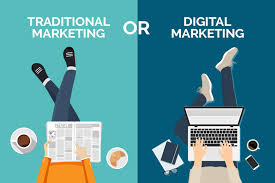
The Evolution of Marketing: From Traditional to Digital

Marketing has always been a crucial aspect of business growth and success. It is the process of promoting and selling products or services to consumers. Over the years, marketing techniques have evolved significantly, adapting to changes in consumer behaviour and technological advancements.

Traditional Marketing

In the past, traditional marketing methods such as print ads, TV commercials, billboards, and direct mail were dominant. While these approaches were effective in reaching a broad audience, they often lacked personalisation and real-time interaction with consumers. Traditional marketing relied heavily on mass media to deliver messages to potential customers.

Digital Marketing

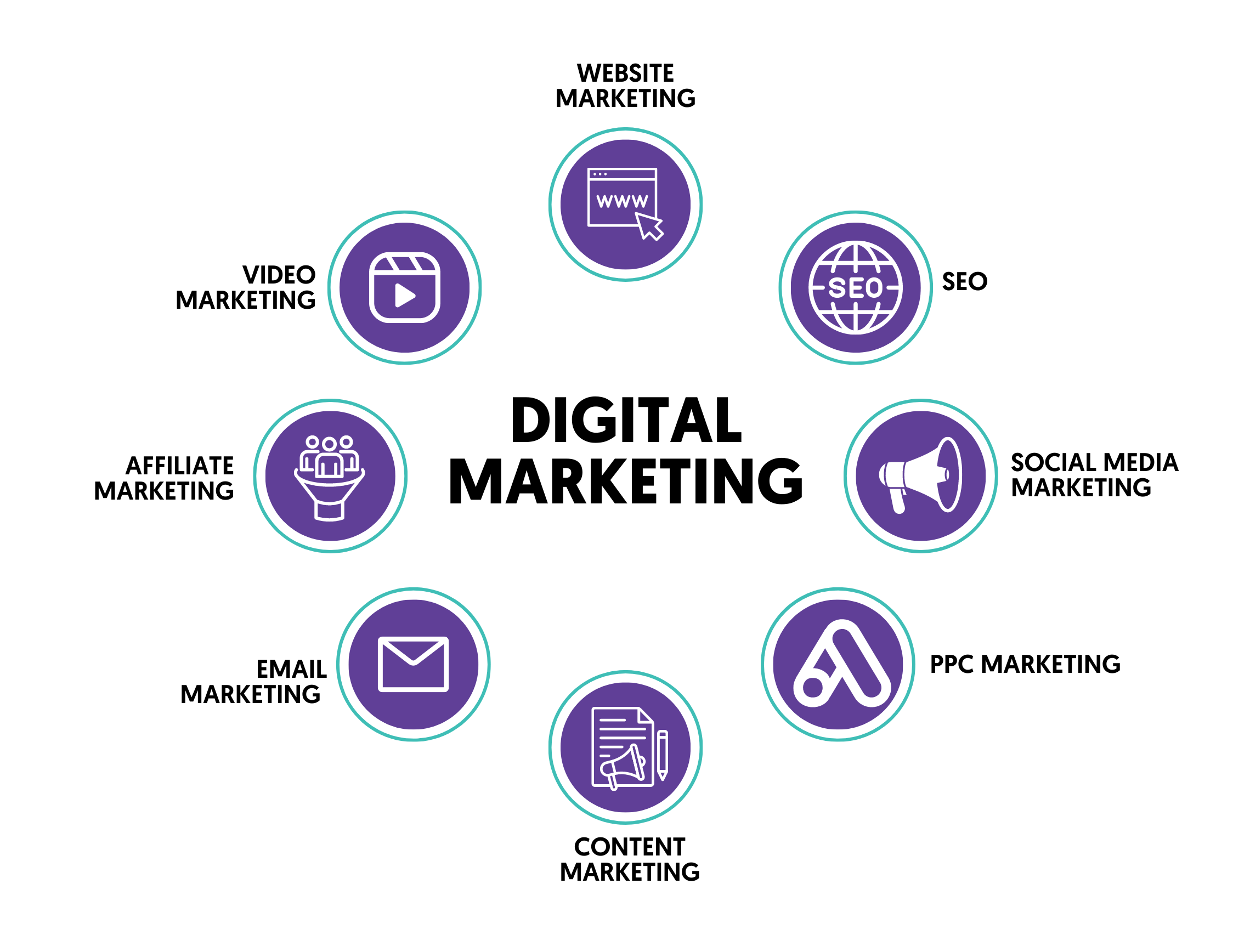
With the rise of the internet and digital technologies, a new era of marketing emerged – digital marketing. Digital marketing encompasses a range of online tactics including search engine optimisation (SEO), social media marketing, email campaigns, content marketing, and more. Unlike traditional marketing, digital marketing allows for targeted advertising based on user demographics, interests, and online behaviour.

The Benefits of Digital Marketing

  • Targeted Reach: Digital marketing enables businesses to target specific audiences with precision.
  • Cost-Effective: Compared to traditional methods, digital marketing is often more cost-effective and offers better return on investment.
  • Real-Time Analytics: With digital tools, marketers can track campaign performance in real-time and make data-driven decisions.
  • Interactivity: Digital platforms allow for two-way communication between brands and consumers, fostering engagement and loyalty.
  • Global Reach: The internet has made it possible for businesses to reach global markets with ease through digital channels.

The Future of Marketing

As technology continues to advance rapidly, the future of marketing is likely to be even more focused on personalisation, automation, artificial intelligence (AI), virtual reality (VR), and augmented reality (AR). Businesses that embrace these digital trends will be better positioned to connect with their target audience in meaningful ways and drive sustainable growth in the digital age.


Unlocking Success: 9 Key Advantages of Marketing and Digital Marketing

  1. Targeted Reach
  2. Cost-Effective
  3. Real-Time Analytics
  4. Interactivity
  5. Global Reach
  6. Personalisation
  7. Measurable Results
  8. Brand Visibility
  9. Adaptability


Challenges in Modern Marketing: Navigating Digital Saturation, Data Privacy, and Rapid Changes

  1. 1. Digital saturation
  2. 2. Data privacy concerns
  3. 3. Rapid changes

Targeted Reach

One significant advantage of digital marketing is its ability to offer targeted reach, enabling businesses to pinpoint specific audiences with precision. Unlike traditional marketing methods that cast a wide net, digital marketing allows for tailored messaging and personalised content delivery based on user demographics, interests, and online behaviour. This targeted approach not only increases the effectiveness of marketing campaigns but also enhances engagement and conversion rates by reaching the right audience with the right message at the right time.

Cost-Effective

In comparison to traditional marketing approaches, digital marketing stands out for its cost-effectiveness, providing businesses with a higher return on investment (ROI). By leveraging online platforms and targeted strategies, digital marketing enables companies to reach their target audience more efficiently and at a lower cost. This advantage allows businesses to allocate their marketing budget more wisely, maximising the impact of their campaigns and driving measurable results that contribute to long-term success.

Real-Time Analytics

Real-Time Analytics is a powerful advantage of both traditional marketing and digital marketing strategies. With the ability to track campaign performance in real-time, marketers can gather valuable insights into how their marketing efforts are resonating with the target audience. By analysing data promptly, marketers can make informed, data-driven decisions to optimise campaigns, allocate resources effectively, and adjust strategies on the fly to maximise results. This proactive approach allows businesses to stay agile and responsive in a dynamic market landscape, ultimately leading to improved ROI and better overall marketing outcomes.

Interactivity

Interactivity is a key advantage of digital marketing, allowing brands to engage in meaningful conversations with their target audience. Through digital platforms, such as social media, websites, and email campaigns, brands can establish a two-way communication channel with consumers. This interactive approach fosters engagement, builds relationships, and creates opportunities for valuable feedback and insights. By actively involving consumers in the marketing process, brands can better understand their needs and preferences, leading to more personalised and effective marketing strategies.

Global Reach

In today’s interconnected world, the pro of global reach in marketing and digital marketing is a game-changer for businesses seeking to expand their presence beyond borders. Through digital channels, companies can effortlessly tap into international markets, reaching diverse audiences across the globe with tailored messages and offerings. This unparalleled accessibility not only opens up new opportunities for growth and revenue but also allows businesses to establish a truly global brand presence that resonates with customers worldwide.

Personalisation

Personalisation is a key advantage of digital marketing, enabling businesses to deliver customised messages that resonate with their target audience. By leveraging user demographics and behaviour data, digital marketers can create highly targeted campaigns that speak directly to the interests and preferences of individual consumers. This tailored approach not only enhances engagement but also increases the likelihood of conversion, as users are more likely to respond positively to content that is relevant to their needs. In a competitive online landscape, personalisation sets businesses apart by creating meaningful connections and fostering customer loyalty.

Measurable Results

One significant advantage of digital marketing is the ability to achieve measurable results. The performance of digital campaigns can be accurately tracked, analysed, and measured in real-time using various analytics tools. This data-driven approach allows marketers to gain valuable insights into the effectiveness of their strategies, identify areas for improvement, and make informed decisions to optimise future campaigns. By monitoring key performance indicators (KPIs) such as click-through rates, conversion rates, and engagement metrics, businesses can continuously refine their digital marketing efforts to achieve better outcomes and maximise return on investment.

Brand Visibility

Digital marketing strategies play a crucial role in enhancing brand visibility by leveraging the vast reach of online platforms. Through targeted tactics such as search engine optimisation (SEO), social media marketing, and content creation, businesses can significantly boost their presence on the internet. This increased visibility not only helps in reaching a wider audience but also fosters brand recognition and trust among consumers navigating the digital landscape. By strategically positioning brands across various online channels, digital marketing effectively elevates their visibility and establishes a strong online presence in today’s competitive market environment.

Adaptability

In the realm of marketing and digital marketing, one significant advantage lies in adaptability. Digital marketing tactics possess the unique ability to be swiftly adjusted in response to market trends or shifts in consumer preferences. This agility allows businesses to stay ahead of the curve, pivot their strategies effectively, and capitalise on emerging opportunities in a dynamic and ever-evolving landscape. By harnessing the power of adaptability, organisations can optimise their campaigns for maximum impact and relevance, ensuring that they remain competitive and responsive to the changing needs of their target audience.

1. Digital saturation

In the realm of marketing and digital marketing, one significant con is the issue of digital saturation. The vast array of digital marketing channels available today poses a risk of oversaturation and heightened competition in the online space. This saturation can make it increasingly challenging for businesses to differentiate themselves and stand out amidst the sea of content and advertisements vying for consumers’ attention. As a result, companies must navigate this crowded landscape strategically to ensure their messages resonate with their target audience effectively.

2. Data privacy concerns

The con of data privacy concerns in marketing and digital marketing is a significant issue that cannot be overlooked. The collection and utilisation of personal data in digital marketing practices bring about ethical dilemmas regarding privacy and data protection. This raises valid concerns among consumers, who may feel uneasy about the handling of their personal information. If not managed carefully, these practices can result in a backlash from consumers who value their privacy rights and expect transparency in how their data is being used. Marketers must navigate this delicate balance between leveraging consumer data for targeted marketing purposes while respecting individual privacy rights to maintain trust and credibility in the digital landscape.

3. Rapid changes

In the realm of marketing and digital marketing, one significant drawback is the rapid pace of change. The dynamic nature of digital marketing necessitates swift adaptation to evolving strategies and technologies. This constant state of flux demands vigilant monitoring and frequent adjustments to remain current and effective in reaching target audiences. Failure to keep pace with these rapid changes can result in missed opportunities and diminished impact on consumers in an ever-evolving digital landscape.

advertisements

Unlocking the Potential: The Impact of Advertisements in Today’s Market

The Power of Advertisements

The Power of Advertisements

Advertisements play a crucial role in today’s highly competitive business landscape. They are not just about promoting products or services; they are powerful tools that can influence consumer behaviour, shape perceptions, and drive brand awareness. In a world inundated with information, advertisements serve as a way for businesses to cut through the noise and connect with their target audience.

Informing and Educating

Advertisements are not just about selling. They also serve as a means to inform and educate consumers about new products, services, or innovations. Through advertisements, businesses can highlight the unique features and benefits of their offerings, helping consumers make informed purchasing decisions.

Building Brand Identity

Effective advertisements can help build a strong brand identity. By consistently communicating key messages and values through various advertising channels, businesses can create a distinct brand image that resonates with their target audience. A strong brand identity fosters trust and loyalty among consumers, setting businesses apart from their competitors.

Influencing Consumer Behaviour

Advertisements have the power to influence consumer behaviour in significant ways. Through strategic messaging and creative visuals, advertisers can create desire, evoke emotions, and prompt action among consumers. Whether it’s encouraging a purchase, driving website traffic, or increasing brand engagement, well-crafted advertisements have the potential to drive desired outcomes.

Adapting to Digital Trends

In today’s digital age, advertisements have evolved beyond traditional print and broadcast media. Digital advertising channels such as social media ads, search engine marketing, and influencer partnerships offer businesses new opportunities to reach their target audience in more personalised ways. By leveraging data analytics and targeting capabilities, businesses can deliver tailored advertisements that resonate with specific consumer segments.

Conclusion

Advertisements are powerful tools that enable businesses to communicate with their audience effectively. Whether it’s raising awareness, driving sales, or building brand loyalty, well-executed advertising campaigns can yield tangible results for businesses of all sizes. By understanding the impact of advertisements and staying abreast of evolving trends in the advertising landscape, businesses can leverage this powerful tool to achieve their marketing objectives.


Understanding Advertisements: Key Questions and Insights

  1. What is the purpose of advertisements?
  2. How do advertisements influence consumer behaviour?
  3. What are the different types of advertising channels?
  4. How can businesses measure the effectiveness of their advertisements?
  5. What role do advertisements play in building brand identity?
  6. How have digital trends impacted advertising strategies?
  7. Are there regulations governing advertising content?
  8. What are some common advertising techniques used by businesses?
  9. Can advertisements be tailored to target specific audience segments?

What is the purpose of advertisements?

The purpose of advertisements is multifaceted, serving as a vital tool for businesses to communicate with their target audience, raise brand awareness, promote products or services, and ultimately drive sales. Beyond mere promotion, advertisements aim to inform and educate consumers about the unique features and benefits of offerings, creating a connection that can influence purchasing decisions. Additionally, advertisements play a crucial role in building brand identity and fostering consumer loyalty by conveying key messages and values consistently. In essence, the primary goal of advertisements is to engage with consumers effectively, shape perceptions, and ultimately contribute to the success and growth of businesses in a competitive market landscape.

How do advertisements influence consumer behaviour?

Advertisements have a significant impact on consumer behaviour by leveraging persuasive messaging, emotional appeals, and strategic placement to influence purchasing decisions. Through advertisements, businesses can create brand awareness, shape perceptions, and trigger emotional responses that drive consumers to take action. By highlighting the benefits of products or services, addressing consumer needs and desires, and fostering a sense of urgency or exclusivity, advertisements can effectively sway consumer preferences and encourage them to make informed purchasing choices. Additionally, through targeted advertising campaigns across various channels, businesses can reach specific audience segments with tailored messages that resonate with their interests and preferences, further influencing their buying behaviour.

What are the different types of advertising channels?

There are various types of advertising channels that businesses can utilise to reach their target audience effectively. Traditional advertising channels include television, radio, print media, and outdoor advertising such as billboards. In the digital realm, businesses can leverage online advertising channels like social media platforms, search engines, display ads, email marketing, and influencer partnerships to connect with consumers in a more targeted and interactive manner. Each advertising channel offers unique advantages and caters to different audience preferences, allowing businesses to diversify their marketing efforts and maximise their reach across various platforms.

How can businesses measure the effectiveness of their advertisements?

Businesses can measure the effectiveness of their advertisements through various metrics and analytics tools. One common approach is to track key performance indicators (KPIs) such as conversion rates, click-through rates, and return on investment (ROI). By analysing these metrics, businesses can assess the impact of their advertisements on driving desired actions, such as sales or website visits. Additionally, conducting A/B testing and customer surveys can provide valuable insights into the effectiveness of different ad creatives or messaging strategies. Ultimately, by leveraging data-driven insights and feedback mechanisms, businesses can refine their advertising efforts to maximise impact and achieve their marketing goals.

What role do advertisements play in building brand identity?

Advertisements play a pivotal role in building brand identity by serving as a powerful tool for businesses to communicate their unique values, messaging, and personality to their target audience. Through strategic and consistent advertising campaigns, businesses can establish a distinct brand image that resonates with consumers, differentiates them from competitors, and fosters brand recognition and loyalty. By crafting compelling narratives, visuals, and messaging in advertisements, businesses can shape how consumers perceive their brand, ultimately influencing consumer attitudes and behaviours towards the brand. Effective advertisements not only reinforce the brand’s positioning but also create a lasting impression that contributes to long-term brand building and success.

The evolution of digital trends has significantly transformed advertising strategies in recent years. The rise of digital platforms, social media, and online technologies has provided businesses with new avenues to reach and engage their target audience in more personalised and interactive ways. Digital advertising allows for precise targeting based on consumer demographics, interests, and behaviours, enabling businesses to deliver tailored messages to specific segments. Moreover, the availability of real-time data analytics has empowered advertisers to measure campaign performance accurately and adjust strategies in real time for optimal results. As a result, digital trends have revolutionised advertising strategies by offering greater flexibility, efficiency, and effectiveness in reaching consumers in today’s interconnected world.

Are there regulations governing advertising content?

In the realm of advertising, regulations governing advertising content play a vital role in ensuring ethical practices and consumer protection. These regulations are designed to maintain fairness, accuracy, and transparency in advertising messages. Various governing bodies and authorities set guidelines to prevent deceptive or misleading advertisements that could potentially harm consumers or unfairly influence their purchasing decisions. Adhering to these regulations is not only a legal requirement but also a moral obligation for businesses to uphold integrity and trust in their advertising practices. By understanding and complying with the regulations governing advertising content, businesses can build credibility, foster consumer confidence, and contribute to a more ethical marketplace.

What are some common advertising techniques used by businesses?

Businesses employ a variety of advertising techniques to capture the attention of their target audience and drive engagement. Some common advertising techniques include storytelling, celebrity endorsements, emotional appeal, humour, scarcity tactics, and social proof. Storytelling allows businesses to create a narrative around their brand or product, making it more relatable to consumers. Celebrity endorsements leverage the influence of well-known personalities to endorse a product or service. Emotional appeal aims to evoke specific emotions in consumers to establish a connection with the brand. Humour can be used to entertain and create a memorable impression. Scarcity tactics create a sense of urgency by highlighting limited availability or time-sensitive offers. Social proof involves showcasing testimonials, reviews, or endorsements from satisfied customers to build trust and credibility. By utilising these techniques effectively, businesses can craft compelling advertisements that resonate with their target audience and drive desired outcomes.

Can advertisements be tailored to target specific audience segments?

Yes, advertisements can indeed be tailored to target specific audience segments. In today’s digital age, businesses have access to advanced targeting tools and data analytics that allow them to create personalised advertising campaigns tailored to reach specific demographics, interests, behaviours, and preferences of their target audience. By leveraging this capability, advertisers can deliver relevant and engaging content that resonates with different audience segments, increasing the effectiveness and impact of their advertising efforts. Customising advertisements to suit the needs and characteristics of specific audience segments not only enhances engagement but also improves the likelihood of driving desired actions and conversions.

integrated digital marketing

Mastering the Art of Integrated Digital Marketing: Strategies for Success

The Power of Integrated Digital Marketing

Integrated digital marketing is a strategic approach that combines various online channels and tactics to create a cohesive and seamless experience for consumers. In today’s fast-paced digital landscape, where consumers are constantly bombarded with information, integrated marketing is essential for businesses looking to stand out and engage their target audience effectively.

What is Integrated Digital Marketing?

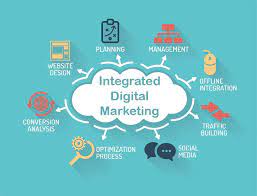
Integrated digital marketing involves synchronising different aspects of online marketing, such as search engine optimisation (SEO), social media marketing, email campaigns, content creation, and paid advertising, into a unified strategy. By aligning these channels and ensuring consistent messaging across all touchpoints, businesses can create a more impactful and memorable brand experience for their customers.

The Benefits of Integrated Digital Marketing

Improved Brand Consistency: By maintaining a consistent brand voice and visual identity across all digital channels, businesses can build trust and recognition among their target audience.

Enhanced Customer Experience: Integrated marketing allows businesses to provide a seamless customer journey from awareness to conversion, leading to higher engagement and loyalty.

Increased ROI: By coordinating different marketing efforts, businesses can maximise their resources and achieve better results in terms of lead generation, sales, and overall return on investment.

Key Strategies for Implementing Integrated Digital Marketing

Develop a Comprehensive Strategy: Start by defining your goals, target audience, key messages, and KPIs. This will help guide your integrated marketing efforts towards achieving measurable results.

Use Data Analytics: Leverage data analytics tools to track the performance of your campaigns across various channels. This data-driven approach will enable you to make informed decisions and optimise your strategies for better outcomes.

Coordinate Campaigns Across Channels: Ensure that your messaging is consistent across all digital platforms to create a unified brand experience for your audience. Integrate your content strategy with SEO, social media, email marketing, and other tactics for maximum impact.

The Future of Integrated Digital Marketing

In an increasingly competitive digital landscape, integrated marketing will continue to play a crucial role in helping businesses cut through the noise and connect with their target audience effectively. By embracing this holistic approach to online marketing, businesses can drive growth, foster customer loyalty, and stay ahead of the curve in the ever-evolving digital world.


9 Essential Tips for Crafting a Successful Integrated Digital Marketing Strategy

  1. 1. Define clear objectives and goals for your integrated digital marketing strategy.
  2. 2. Understand your target audience to tailor your messages effectively across different channels.
  3. 3. Ensure consistency in branding and messaging to maintain a cohesive brand image.
  4. 4. Use data analytics to track and measure the performance of your campaigns across various platforms.
  5. 5. Integrate SEO best practices to improve visibility and drive organic traffic to your website.
  6. 6. Utilize social media platforms strategically to engage with customers and build relationships.
  7. 7. Implement email marketing campaigns to nurture leads and maintain communication with customers.
  8. 8. Consider using paid advertising such as PPC campaigns for targeted reach and quick results.
  9. 9. Regularly review and adjust your strategies based on insights gathered from performance metrics.

1. Define clear objectives and goals for your integrated digital marketing strategy.

To maximise the effectiveness of your integrated digital marketing strategy, it is crucial to define clear objectives and goals from the outset. By establishing specific and measurable targets, such as increasing website traffic, generating leads, or boosting brand awareness, you can align your marketing efforts towards achieving tangible results. Clear objectives not only provide focus and direction but also serve as benchmarks for evaluating the success of your integrated digital campaigns. Setting well-defined goals ensures that your strategy remains purposeful and impactful in engaging your target audience across various online channels.

2. Understand your target audience to tailor your messages effectively across different channels.

To maximise the impact of integrated digital marketing, it is crucial to have a deep understanding of your target audience. By gaining insights into their preferences, behaviours, and needs, you can tailor your messages effectively across various online channels. This personalised approach not only enhances engagement but also fosters stronger connections with your audience, ultimately driving better results and building long-lasting relationships with customers.

3. Ensure consistency in branding and messaging to maintain a cohesive brand image.

To succeed in integrated digital marketing, it is crucial to ensure consistency in branding and messaging across all online channels. By maintaining a cohesive brand image, businesses can build trust and recognition among their target audience. Consistent branding helps reinforce the brand’s values, personality, and visual identity, creating a seamless experience for consumers as they interact with the brand across different touchpoints. This unified approach not only enhances brand recall but also strengthens customer loyalty and engagement in the long run.

4. Use data analytics to track and measure the performance of your campaigns across various platforms.

Utilising data analytics to monitor and evaluate the effectiveness of your campaigns across different platforms is a crucial aspect of integrated digital marketing. By leveraging data-driven insights, businesses can gain valuable information on the performance of their marketing efforts, identify trends, and make informed decisions to optimise their strategies for better results. Tracking key metrics and analysing campaign data allows businesses to refine their approach, allocate resources effectively, and ultimately enhance the overall impact of their integrated marketing initiatives.

5. Integrate SEO best practices to improve visibility and drive organic traffic to your website.

Integrating SEO best practices is essential for enhancing visibility and driving organic traffic to your website. By optimising your online content with relevant keywords, meta tags, and quality backlinks, you can improve your search engine rankings and attract more qualified visitors to your site. Implementing SEO strategies as part of your integrated digital marketing approach not only boosts your online presence but also helps you reach a wider audience who are actively searching for products or services like yours.

6. Utilize social media platforms strategically to engage with customers and build relationships.

Utilising social media platforms strategically is a key aspect of integrated digital marketing. By engaging with customers and building relationships through platforms such as Facebook, Instagram, Twitter, and LinkedIn, businesses can create a direct line of communication with their target audience. This interaction not only helps in fostering brand loyalty but also allows for real-time feedback and insights that can inform future marketing strategies. By leveraging the power of social media in a thoughtful and purposeful manner, businesses can strengthen their online presence and connect with customers on a more personal level.

7. Implement email marketing campaigns to nurture leads and maintain communication with customers.

Implementing email marketing campaigns is a crucial aspect of integrated digital marketing. By utilising targeted and personalised emails, businesses can nurture leads, build relationships with customers, and drive engagement. Email campaigns allow for ongoing communication with customers, providing valuable updates, promotions, and relevant content that keep the brand top-of-mind. This consistent interaction helps to foster trust and loyalty among customers, ultimately leading to increased conversions and long-term success for the business.

8. Consider using paid advertising such as PPC campaigns for targeted reach and quick results.

When implementing integrated digital marketing strategies, it is essential to consider utilising paid advertising options like PPC campaigns. Pay-Per-Click (PPC) advertising allows businesses to target specific audiences with precision and achieve quick results. By investing in PPC campaigns, businesses can increase their online visibility, drive targeted traffic to their website, and generate leads effectively. This paid advertising approach complements other digital marketing efforts and can provide a significant boost to overall campaign performance.

9. Regularly review and adjust your strategies based on insights gathered from performance metrics.

Regularly reviewing and adjusting your digital marketing strategies based on insights gathered from performance metrics is crucial for the success of integrated digital marketing efforts. By analysing key performance indicators such as website traffic, conversion rates, engagement metrics, and ROI, businesses can identify what is working well and what needs improvement. This data-driven approach allows businesses to make informed decisions, optimise their campaigns for better results, and stay agile in responding to changing market dynamics. Continuous monitoring and adjustment ensure that integrated marketing strategies remain effective and aligned with business goals in the ever-evolving digital landscape.

digital marketers

The Essential Role of Digital Marketers in Today’s Business Environment

The Role of Digital Marketers in Today’s Business Landscape

The Role of Digital Marketers in Today’s Business Landscape

In the fast-paced and ever-evolving world of digital marketing, the role of digital marketers has become increasingly vital for businesses to succeed in reaching their target audience and achieving their marketing goals.

Digital marketers are skilled professionals who specialise in utilising various online channels and strategies to promote products, services, or brands. They are adept at leveraging the power of the internet to engage with potential customers, drive traffic to websites, generate leads, and ultimately boost sales.

Key Responsibilities of Digital Marketers

Digital marketers are responsible for developing and implementing comprehensive digital marketing campaigns that may include:

  • Search Engine Optimization (SEO) to improve website visibility in search engine results
  • Pay-Per-Click (PPC) advertising to drive targeted traffic to websites
  • Social Media Marketing to engage with audiences on popular social platforms
  • Email Marketing to nurture leads and maintain customer relationships
  • Content Marketing to create valuable and relevant content that attracts and retains audiences
  • Data Analysis and Reporting to track campaign performance and make data-driven decisions

The Importance of Digital Marketers

In today’s digital age, where consumers are increasingly turning to online sources for information and making purchasing decisions, the role of digital marketers is crucial for businesses looking to stay competitive. Digital marketers help companies connect with their target audience on a more personal level, build brand awareness, drive website traffic, increase conversions, and ultimately grow revenue.

By staying abreast of the latest trends in digital marketing, understanding consumer behaviour online, and employing strategic tactics tailored to specific business objectives, digital marketers play a pivotal role in shaping the success of modern businesses.

Conclusion

As technology continues to advance and consumer preferences evolve, the need for skilled digital marketers will only continue to grow. Businesses that invest in talented digital marketing professionals will be better positioned to navigate the complexities of the online landscape, engage with their target audience effectively, and achieve sustainable growth in today’s competitive market.


Essential Tips for Digital Marketers: Staying Ahead in a Dynamic Landscape

  1. Stay updated with the latest trends and changes in the digital marketing landscape.
  2. Understand your target audience to create more effective and targeted campaigns.
  3. Utilise data analytics to measure the performance of your campaigns and make data-driven decisions.
  4. Experiment with different digital marketing channels to find what works best for your business.
  5. Focus on creating high-quality and engaging content to attract and retain customers.
  6. Build strong relationships with influencers and partners to expand your reach and credibility.

It is crucial for digital marketers to stay updated with the latest trends and changes in the dynamic digital marketing landscape. By continuously monitoring industry developments, emerging technologies, and shifting consumer behaviours, digital marketers can adapt their strategies effectively to remain competitive and relevant. Keeping abreast of the latest trends allows marketers to identify new opportunities, refine their approaches, and deliver impactful campaigns that resonate with their target audience. Embracing change and proactively seeking knowledge are key to staying ahead in the fast-paced world of digital marketing.

Understand your target audience to create more effective and targeted campaigns.

To maximise the impact of digital marketing campaigns, it is essential for digital marketers to have a deep understanding of their target audience. By gaining insights into the preferences, behaviours, and needs of their audience, marketers can create more effective and targeted campaigns that resonate with potential customers. This knowledge allows marketers to tailor their messaging, content, and strategies to address specific pain points and interests, ultimately increasing engagement, driving conversions, and building long-lasting relationships with their target demographic.

Utilise data analytics to measure the performance of your campaigns and make data-driven decisions.

Utilising data analytics to measure the performance of your digital marketing campaigns is essential for success in today’s competitive landscape. By analysing key metrics and insights derived from data, digital marketers can gain valuable information about the effectiveness of their strategies and make informed, data-driven decisions to optimise future campaigns. This approach not only helps in understanding customer behaviour and preferences but also enables marketers to allocate resources more efficiently, maximise ROI, and ultimately achieve better results in reaching and engaging with their target audience.

Experiment with different digital marketing channels to find what works best for your business.

To maximise the effectiveness of your digital marketing efforts, it is essential for digital marketers to experiment with various online channels to determine which strategies yield the best results for their specific business goals. By testing different platforms, such as social media, search engine marketing, email campaigns, and content marketing, marketers can identify the most successful channels for reaching their target audience and driving engagement. This process of trial and error allows businesses to refine their digital marketing strategy and allocate resources more efficiently towards tactics that deliver the highest return on investment.

Focus on creating high-quality and engaging content to attract and retain customers.

To succeed as a digital marketer, it is essential to prioritise the creation of high-quality and engaging content that resonates with your target audience. By crafting compelling and valuable content, you can capture the attention of potential customers, establish credibility and trust, and ultimately drive customer loyalty. Engaging content not only attracts new prospects but also nurtures existing relationships, encouraging repeat business and fostering brand advocacy. In today’s competitive digital landscape, focusing on creating content that is informative, entertaining, and relevant is key to building a strong online presence and achieving long-term success.

Build strong relationships with influencers and partners to expand your reach and credibility.

Building strong relationships with influencers and partners is a valuable tip for digital marketers seeking to enhance their brand’s visibility and credibility in the online realm. By collaborating with influencers who have a loyal following and partnering with reputable brands, digital marketers can extend their reach to new audiences and leverage the trust and authority established by these key players in the industry. This strategic approach not only helps in expanding the brand’s online presence but also enhances its credibility among consumers, ultimately leading to increased engagement and conversions.