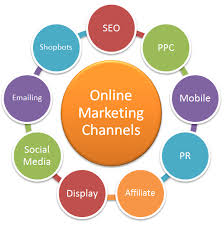
digital marketing strategy 2019

Unlocking Success: Navigating the Digital Marketing Strategy Landscape in 2019

Digital Marketing Strategy 2019

The Evolution of Digital Marketing Strategy in 2019

In 2019, digital marketing continued to evolve at a rapid pace, with new trends and strategies shaping the way businesses connect with their audiences online. A successful digital marketing strategy in 2019 required a blend of creativity, data-driven insights, and a focus on delivering personalized experiences to consumers.

Key Trends in Digital Marketing Strategy

One of the key trends that emerged in 2019 was the increasing importance of mobile marketing. With more people accessing the internet through mobile devices, businesses had to ensure that their digital marketing strategies were optimized for mobile platforms.

Personalization also played a significant role in digital marketing strategy in 2019. Consumers expected tailored experiences and relevant content, leading businesses to invest in data analytics and automation tools to deliver personalized messages at scale.

Data-Driven Decision Making

Data-driven decision making became essential for businesses looking to stay competitive in the digital landscape. By leveraging analytics tools and customer insights, companies could better understand their target audience and optimize their marketing efforts for maximum impact.

The Rise of Content Marketing

Content marketing continued to be a cornerstone of successful digital marketing strategies in 2019. High-quality, engaging content helped businesses attract and retain customers, build brand credibility, and improve search engine rankings.

Social Media Engagement

Social media platforms remained crucial for engaging with audiences and building brand awareness. In 2019, businesses focused on creating authentic connections with their followers through compelling social media content and interactive campaigns.

Conclusion

As we reflect on the digital marketing landscape of 2019, it is clear that innovation and adaptability were key drivers of success. Businesses that embraced new technologies, prioritized customer experience, and leveraged data insights were able to create impactful digital marketing strategies that resonated with their target audience.


Exploring Key Concepts and Strategies in Digital Marketing: FAQs on the 4 P’s, 7 C’s, 5 D’s, and More

  1. What are the 4 P’s of digital marketing?
  2. What are the 7 C’s of digital marketing?
  3. What are the strategies of digital marketing?
  4. What are the 5 D’s of digital marketing?
  5. What is the 70 20 10 rule in digital marketing?
  6. What are the 7 P’s of digital marketing?

What are the 4 P’s of digital marketing?

In digital marketing strategy for 2019, understanding the concept of the 4 P’s is crucial. The 4 P’s of digital marketing refer to Product, Price, Place, and Promotion. These fundamental elements serve as a framework for businesses to develop effective marketing strategies tailored to the digital landscape. By focusing on product offerings, pricing strategies, distribution channels, and promotional tactics, businesses can create a comprehensive and cohesive digital marketing plan that resonates with their target audience and drives success in the competitive online marketplace.

What are the 7 C’s of digital marketing?

The 7 C’s of digital marketing refer to a framework that outlines key elements for developing a successful digital marketing strategy in 2019. These 7 C’s include content, context, community, customization, communication, connection, and commerce. Each of these components plays a crucial role in engaging with audiences effectively, building brand awareness, and driving conversions in the dynamic digital landscape of 2019. By incorporating the 7 C’s into their digital marketing strategies, businesses can create meaningful connections with their target audience and achieve sustainable growth online.

What are the strategies of digital marketing?

In 2019, the question “What are the strategies of digital marketing?” was a frequently asked one as businesses sought to navigate the ever-changing digital landscape. Digital marketing strategies encompassed a wide range of approaches aimed at reaching and engaging target audiences online. From search engine optimisation (SEO) and content marketing to social media advertising and email campaigns, businesses explored diverse tactics to enhance their online presence and drive conversions. The key was to tailor these strategies to align with specific business goals, target audience preferences, and industry trends in order to achieve measurable success in the digital realm.

What are the 5 D’s of digital marketing?

In the realm of digital marketing strategy for 2019, a frequently asked question revolved around the concept of the “5 D’s of digital marketing.” These 5 D’s – Digital Devices, Digital Platforms, Digital Media, Digital Data, and Digital Technology – encapsulate the key elements that businesses need to consider when crafting their digital marketing strategies. Understanding and leveraging these 5 D’s effectively can help businesses navigate the complex digital landscape, engage with their target audience across various channels, and drive meaningful results in their online marketing efforts.

What is the 70 20 10 rule in digital marketing?

The 70 20 10 rule in digital marketing is a strategic framework that suggests how businesses should allocate their resources for content creation and distribution. According to this rule, 70% of the budget should be spent on proven and successful marketing strategies, 20% on innovative ideas that have the potential to deliver good results, and the remaining 10% on experimental or risky initiatives. By following the 70 20 10 rule, businesses can strike a balance between leveraging established tactics, exploring new opportunities, and taking calculated risks to drive growth and innovation in their digital marketing efforts.

What are the 7 P’s of digital marketing?

In the realm of digital marketing strategy in 2019, the concept of the 7 P’s of digital marketing emerged as a frequently asked question. The 7 P’s refer to the key elements that businesses need to consider when developing their digital marketing strategies. These include Product, Price, Place, Promotion, People, Process, and Physical Evidence. Each ‘P’ plays a crucial role in shaping a comprehensive and effective digital marketing plan that aligns with the goals and objectives of the business while meeting the needs and expectations of the target audience in the ever-evolving digital landscape.

digital marketing expert

Unlocking Success: The Essential Role of a Digital Marketing Expert

The Role of a Digital Marketing Expert in Today’s Business Landscape

In the fast-paced world of digital marketing, the role of a digital marketing expert has become increasingly crucial for businesses looking to thrive in the online sphere. A digital marketing expert is a skilled professional who possesses a deep understanding of digital channels, strategies, and tools to help companies reach their target audience effectively.

Key Responsibilities of a Digital Marketing Expert

A digital marketing expert is tasked with developing and implementing comprehensive digital marketing strategies tailored to the specific goals and needs of a business. This includes:

  • Search Engine Optimization (SEO): Optimising website content and structure to improve search engine rankings and increase organic traffic.
  • Pay-Per-Click (PPC) Advertising: Creating and managing targeted online advertising campaigns to drive traffic and conversions.
  • Social Media Marketing: Developing engaging social media campaigns to build brand awareness, engage with customers, and drive website traffic.
  • Email Marketing: Crafting effective email campaigns to nurture leads, retain customers, and drive sales.
  • Data Analysis: Monitoring key performance metrics, analysing data trends, and making data-driven decisions to optimise marketing efforts.

The Importance of Digital Marketing in Today’s Business World

In an era where consumers are increasingly turning to online channels for information and purchases, having a strong digital presence is essential for businesses to stay competitive. A digital marketing expert plays a pivotal role in helping companies navigate the complexities of the digital landscape and connect with their target audience in meaningful ways.

By leveraging their expertise in various digital marketing techniques, tools, and platforms, a digital marketing expert can help businesses enhance brand visibility, generate leads, increase conversions, and ultimately drive revenue growth. Their strategic insights and creative approaches can make a significant impact on the success of a company’s overall marketing efforts.

Conclusion

In conclusion, the role of a digital marketing expert is indispensable in today’s business environment. By staying abreast of industry trends, leveraging cutting-edge technologies, and implementing innovative strategies, these professionals are instrumental in helping businesses achieve their marketing objectives and stay ahead of the competition in the ever-evolving digital landscape.

If you are looking to elevate your brand’s online presence and maximise your digital marketing efforts, partnering with a skilled digital marketing expert can be the key to unlocking new opportunities for growth and success.


Top 5 Benefits of Hiring a Digital Marketing Expert for Your Business

  1. Expertise in leveraging digital channels to reach a wider audience
  2. Ability to craft targeted and personalised marketing campaigns for specific demographics
  3. Proficiency in analysing data and measuring the effectiveness of marketing strategies
  4. Stay updated on the latest trends and technologies in the digital marketing landscape
  5. Help businesses increase brand visibility, generate leads, and drive revenue growth through online channels


Challenges of Hiring a Digital Marketing Expert: High Costs, Skill Variability, Time Demands, and Market Saturation

  1. Costly Investment
  2. Skill Variability
  3. Time-Intensive
  4. Market Saturation

Expertise in leveraging digital channels to reach a wider audience

With expertise in leveraging digital channels to reach a wider audience, a digital marketing expert possesses the knowledge and skills necessary to expand a company’s online reach and visibility. By utilising various digital platforms and strategies effectively, such as social media, search engine optimisation, and email marketing, they can target specific demographics and engage with a broader audience base. This ability not only increases brand awareness but also drives traffic, leads, and conversions, ultimately contributing to the overall growth and success of the business in the competitive digital landscape.

Ability to craft targeted and personalised marketing campaigns for specific demographics

One of the key advantages of a digital marketing expert is their ability to craft targeted and personalised marketing campaigns tailored to specific demographics. By leveraging data-driven insights and sophisticated targeting tools, these experts can create highly relevant and engaging content that resonates with different audience segments. This personalised approach not only enhances brand loyalty and engagement but also increases the likelihood of conversion, as it speaks directly to the unique needs and preferences of each demographic group.

Proficiency in analysing data and measuring the effectiveness of marketing strategies

A notable advantage of a digital marketing expert is their proficiency in analysing data and measuring the effectiveness of marketing strategies. By leveraging data analytics tools and techniques, these professionals can gather valuable insights into the performance of various digital marketing campaigns. This data-driven approach allows them to identify trends, track key performance indicators, and make informed decisions to optimise marketing efforts for maximum impact and ROI. Through meticulous analysis and measurement, digital marketing experts can continuously refine strategies, target the right audience, and drive tangible results for businesses in today’s competitive online landscape.

Staying updated on the latest trends and technologies in the digital marketing landscape is a key advantage of working with a digital marketing expert. By continuously monitoring industry developments and emerging tools, these professionals can leverage cutting-edge strategies to keep your business ahead of the curve. Whether it’s implementing new social media algorithms, utilising innovative advertising platforms, or adopting data-driven approaches, a digital marketing expert’s commitment to staying informed ensures that your marketing efforts remain relevant, effective, and competitive in today’s rapidly evolving digital world.

Help businesses increase brand visibility, generate leads, and drive revenue growth through online channels

A digital marketing expert brings invaluable expertise to help businesses increase brand visibility, generate leads, and drive revenue growth through online channels. By crafting targeted strategies and leveraging various digital marketing tools and techniques, they can enhance a company’s online presence, attract potential customers, and ultimately boost sales. Their ability to navigate the complexities of the digital landscape enables businesses to reach their target audience effectively and achieve tangible results in terms of brand recognition, lead generation, and revenue expansion.

Costly Investment

For smaller businesses with constrained budgets, investing in a digital marketing expert can pose a significant financial challenge. The cost of hiring a skilled professional in this field may exceed the allocated resources, making it a daunting prospect for companies operating on limited funds. This financial barrier can impede smaller businesses from accessing the expertise and guidance needed to effectively navigate the digital marketing landscape and compete with larger enterprises. As a result, finding cost-effective solutions or alternative strategies becomes essential for these businesses to maximise their online presence and reach their target audience without overspending on digital marketing services.

Skill Variability

Skill variability is a notable con when it comes to digital marketing experts. While some professionals excel in certain areas of digital marketing, they may lack expertise in others, creating potential gaps in knowledge and skills. This variability can impact the overall effectiveness of a digital marketing strategy, as it requires a diverse set of skills to cover all aspects comprehensively. Businesses must carefully assess the skill set of a digital marketing expert to ensure they have the necessary expertise in key areas to deliver successful outcomes and maximise the impact of their digital marketing efforts.

Time-Intensive

One significant drawback of being a digital marketing expert is the time-intensive nature of developing and implementing effective strategies. The process of crafting and executing successful digital marketing campaigns demands meticulous attention to detail, continuous monitoring of performance metrics, and making timely adjustments to optimise results. This constant need for monitoring and refinement can be demanding, often requiring long hours and a high level of dedication to ensure that the desired outcomes are achieved. Balancing the time-consuming nature of digital marketing efforts with other responsibilities can be a challenge for professionals in this field.

Market Saturation

Market saturation is a significant con of the digital marketing expert industry. With the rising number of professionals in this field, businesses are faced with intense competition, making it increasingly difficult to differentiate and select the most suitable expert for their unique requirements. This saturation can create challenges for companies seeking to stand out in a crowded market and find a digital marketing partner who truly understands their goals and can deliver effective strategies tailored to their specific needs.

digital marketing for beginners

Navigating Digital Marketing for Beginners: A Comprehensive Guide

Digital Marketing for Beginners

Digital Marketing for Beginners

Digital marketing is a powerful tool for businesses of all sizes to reach their target audience and grow their online presence. If you’re new to the world of digital marketing, it can seem overwhelming at first. However, with the right guidance and strategies, you can effectively promote your brand and engage with potential customers. Here are some key concepts to help beginners navigate the realm of digital marketing:

Understanding Digital Marketing

Digital marketing encompasses various online tactics and channels to promote products or services. It includes activities such as search engine optimisation (SEO), social media marketing, email marketing, content creation, pay-per-click advertising, and more. The goal is to connect with your target audience in the digital space and drive conversions.

Key Components of Digital Marketing

Website: Your website is the cornerstone of your online presence. Ensure it is user-friendly, mobile-responsive, and optimised for search engines.

SEO: Search engine optimisation helps improve your website’s visibility in search engine results pages (SERPs) by targeting relevant keywords and creating high-quality content.

Social Media: Utilise social media platforms like Facebook, Instagram, Twitter, and LinkedIn to engage with your audience, share valuable content, and promote your products or services.

Email Marketing: Build an email list and send targeted campaigns to nurture leads, promote offers, and stay connected with customers.

Tips for Beginners

Define Your Goals: Determine what you want to achieve through digital marketing – whether it’s increasing brand awareness, driving website traffic, or generating leads.

Know Your Audience: Understand your target market’s preferences, behaviours, and demographics to tailor your digital marketing efforts effectively.

Test and Learn: Experiment with different strategies, analyse the results, and refine your approach based on what works best for your business.

Conclusion

Digital marketing offers endless opportunities for businesses to connect with their audience in a meaningful way. By understanding the key concepts and implementing effective strategies, beginners can set a strong foundation for successful online marketing campaigns. Remember that consistency and adaptability are key in the ever-evolving landscape of digital marketing.


Essential FAQs: A Beginner’s Guide to Digital Marketing

  1. What is digital marketing and why is it important?
  2. What are the key components of a digital marketing strategy?
  3. How can I improve my website’s search engine ranking?
  4. What social media platforms should I focus on for my business?
  5. How do I start with email marketing and build an email list?
  6. What is the role of content in digital marketing?
  7. How can pay-per-click (PPC) advertising benefit my business?
  8. What analytics tools can help me measure the success of my digital marketing campaigns?
  9. How do I create a budget for digital marketing activities?

What is digital marketing and why is it important?

Digital marketing is a vital aspect of modern business strategy that utilises various online channels to promote products or services and engage with target audiences. Its importance lies in the ability to reach a vast number of potential customers in the digital space, allowing businesses to connect with their audience in a more targeted and cost-effective manner than traditional marketing methods. By leveraging digital marketing techniques such as SEO, social media, email campaigns, and content creation, businesses can increase brand visibility, drive website traffic, generate leads, and ultimately boost sales and revenue. In today’s digital age, having a strong digital marketing strategy is essential for staying competitive and building a successful online presence.

What are the key components of a digital marketing strategy?

When delving into the realm of digital marketing as a beginner, understanding the key components of a digital marketing strategy is crucial. These components typically include a well-designed website that is optimised for search engines (SEO), engaging social media presence, targeted email marketing campaigns, compelling content creation, pay-per-click advertising, and data analytics to measure performance. Each element plays a vital role in reaching and engaging with the target audience effectively, driving conversions, and ultimately achieving the desired business objectives. By incorporating these key components into a cohesive digital marketing strategy, beginners can establish a strong foundation for success in the online landscape.

How can I improve my website’s search engine ranking?

Improving your website’s search engine ranking is crucial for increasing visibility and attracting organic traffic. To enhance your website’s search engine ranking, focus on implementing effective search engine optimisation (SEO) strategies. This includes conducting keyword research to target relevant terms, creating high-quality and engaging content, optimising meta tags and descriptions, improving website loading speed, building quality backlinks from reputable sources, and ensuring mobile responsiveness. Regularly monitoring and analysing your website’s performance using tools like Google Analytics can also help you identify areas for improvement and refine your SEO efforts to boost your search engine ranking.

What social media platforms should I focus on for my business?

When it comes to determining the social media platforms to focus on for your business in the realm of digital marketing, it is essential to consider your target audience and the nature of your products or services. Each social media platform caters to different demographics and user behaviours. For instance, if your business targets a younger audience, platforms like Instagram and TikTok may be more suitable due to their visual and interactive nature. On the other hand, LinkedIn might be ideal for B2B businesses looking to connect with professionals in their industry. It is crucial to research and analyse where your target audience spends their time online to make informed decisions on which platforms will best serve your business goals.

How do I start with email marketing and build an email list?

To start with email marketing and build an email list as a beginner, it is essential to follow a structured approach. Begin by selecting an email marketing platform that suits your needs and allows for easy management of campaigns and subscriber lists. Create valuable and engaging content that resonates with your target audience to encourage them to subscribe to your emails. Utilise various channels such as social media, website pop-ups, and incentives like exclusive offers or content upgrades to attract subscribers. Remember to comply with data protection regulations such as GDPR when collecting and storing email addresses. Consistent communication, segmentation of your email list, and monitoring of performance metrics will help you refine your email marketing strategy over time for optimal results.

What is the role of content in digital marketing?

In the realm of digital marketing, content plays a pivotal role in engaging and connecting with target audiences. High-quality and relevant content serves as the foundation for various digital marketing strategies, including SEO, social media, email marketing, and more. Compelling content not only attracts potential customers but also educates, informs, and entertains them, building trust and credibility for your brand. From blog posts and videos to social media updates and email newsletters, well-crafted content has the power to drive traffic to your website, increase brand visibility, and ultimately convert leads into loyal customers. In essence, content is the driving force behind successful digital marketing campaigns that resonate with audiences and deliver tangible results.

How can pay-per-click (PPC) advertising benefit my business?

Pay-per-click (PPC) advertising can greatly benefit your business by providing a targeted and cost-effective way to reach potential customers online. With PPC ads, you only pay when someone clicks on your ad, making it a measurable and efficient marketing strategy. By carefully selecting keywords, targeting specific audiences, and setting a budget that works for you, PPC advertising can drive relevant traffic to your website, increase brand visibility, and ultimately lead to higher conversions. Additionally, the ability to track and analyse the performance of your PPC campaigns allows you to make data-driven decisions to optimise your advertising efforts for maximum ROI.

What analytics tools can help me measure the success of my digital marketing campaigns?

When delving into digital marketing as a beginner, a common question arises: “What analytics tools can help me measure the success of my digital marketing campaigns?” Tracking the performance of your campaigns is crucial for understanding their impact and making data-driven decisions. Popular analytics tools like Google Analytics, Adobe Analytics, and HubSpot provide valuable insights into website traffic, user behaviour, conversion rates, and more. By leveraging these tools effectively, beginners can gain a comprehensive understanding of their digital marketing efforts and optimise strategies for better results.

How do I create a budget for digital marketing activities?

Creating a budget for digital marketing activities is a crucial step for beginners looking to establish their online presence effectively. Start by defining your goals and objectives, whether it’s increasing website traffic, generating leads, or boosting brand awareness. Consider allocating funds to different channels such as social media advertising, search engine optimisation, content creation, and email marketing based on your target audience and marketing strategy. It’s essential to track the performance of each activity and adjust your budget accordingly to maximise your return on investment. Remember that flexibility and experimentation are key in finding the right balance between cost-effectiveness and achieving your digital marketing goals.

digital marketing services content

Maximising Success: Leveraging Digital Marketing Services Content for Growth

The Power of Digital Marketing Services Content

The Power of Digital Marketing Services Content

In today’s digital age, content is king. When it comes to digital marketing services, creating compelling and engaging content is essential for attracting and retaining customers. Whether it’s through social media, email campaigns, blogs, or website copy, content plays a crucial role in driving traffic and converting leads into sales.

Why Content Matters

Content is the backbone of any successful digital marketing strategy. It not only helps to establish your brand identity and voice but also educates and informs your target audience. High-quality content that is relevant and valuable to your customers can build trust, credibility, and loyalty towards your brand.

Types of Content in Digital Marketing

There are various types of content that can be used in digital marketing services:

  • Blog Posts: Informative articles that showcase your expertise and provide value to your audience.
  • Social Media Posts: Engaging updates that encourage interaction and sharing among followers.
  • Email Campaigns: Personalised messages that nurture leads and drive conversions.
  • Website Copy: Clear and concise content that guides visitors through your site and encourages action.

The Role of SEO in Content Marketing

Search Engine Optimization (SEO) plays a vital role in ensuring that your content is discoverable online. By incorporating relevant keywords, meta tags, and high-quality backlinks, you can improve your website’s visibility on search engine results pages (SERPs) and attract organic traffic to your site.

Conclusion

In conclusion, digital marketing services content is a powerful tool for engaging with your audience, building brand awareness, and driving conversions. By investing in high-quality content creation tailored to the needs of your target market, you can set yourself apart from the competition and achieve long-term success in the digital landscape.


Understanding Digital Marketing Content: FAQs on Services, Types, and Writing Techniques

  1. What are the content of digital marketing?
  2. What is a content in digital marketing?
  3. How do you write digital marketing content?
  4. What services are included in digital marketing?
  5. What are content marketing services?
  6. What is the content type in digital marketing?
  7. How do you write content for digital marketing?

What are the content of digital marketing?

In digital marketing services, the content encompasses a wide range of materials used to engage and connect with target audiences online. This includes blog posts, social media updates, email campaigns, website copy, videos, infographics, podcasts, and more. Each type of content serves a specific purpose in conveying information, building brand identity, driving traffic, and ultimately converting leads into customers. By strategically crafting and distributing diverse and compelling content across various digital channels, businesses can effectively communicate their message and establish a strong online presence.

What is a content in digital marketing?

In the realm of digital marketing, content refers to the various forms of media and information created and shared online to engage with target audiences. This content can include written articles, blog posts, social media updates, videos, infographics, podcasts, and more. The primary goal of content in digital marketing is to attract and retain customers by providing valuable and relevant information that resonates with their interests and needs. Effective content not only helps in building brand awareness and credibility but also drives traffic to websites, nurtures leads, and ultimately leads to conversions. It serves as a powerful tool for businesses to communicate their messages, showcase their expertise, and establish meaningful connections with their audience in the digital landscape.

How do you write digital marketing content?

When it comes to writing digital marketing content, it is essential to start by understanding your target audience and their needs. Conduct thorough research to identify relevant keywords and topics that resonate with your audience. Craft compelling and engaging content that provides value, educates, and entertains your readers. Use a clear and concise writing style, incorporating visuals and multimedia elements where appropriate to enhance the user experience. Remember to optimise your content for search engines by including relevant keywords and meta tags. Regularly monitor and analyse the performance of your content to make data-driven decisions for continuous improvement. By following these best practices, you can create effective digital marketing content that drives engagement, builds brand loyalty, and ultimately leads to conversions.

What services are included in digital marketing?

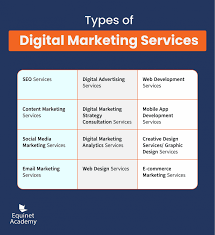
In the realm of digital marketing, a diverse range of services is encompassed to help businesses thrive in the online landscape. These services typically include search engine optimisation (SEO) to enhance website visibility, social media marketing to engage with audiences on platforms like Facebook and Instagram, content marketing for creating valuable and relevant content, email marketing for targeted communication, pay-per-click (PPC) advertising for immediate visibility, and web analytics to track and measure campaign performance. Each of these services plays a vital role in crafting a comprehensive digital marketing strategy tailored to meet the specific goals and objectives of businesses seeking to establish a strong online presence and drive growth.

What are content marketing services?

Content marketing services encompass a range of strategies and techniques aimed at creating and distributing valuable, relevant, and consistent content to attract and retain a clearly defined audience. These services focus on engaging with customers through informative blog posts, engaging social media updates, targeted email campaigns, and compelling website copy. By providing content that resonates with their target audience, businesses can build brand awareness, establish credibility, and ultimately drive customer action. Content marketing services play a crucial role in enhancing a brand’s online presence and connecting with consumers in meaningful ways.

What is the content type in digital marketing?

In the realm of digital marketing, the term “content type” refers to the various forms of content that businesses use to engage with their target audience online. These content types can include blog posts, social media updates, email campaigns, videos, infographics, podcasts, webinars, and more. Each content type serves a unique purpose in conveying information, building brand awareness, driving traffic, and ultimately converting leads into customers. By strategically selecting and creating different content types tailored to their audience’s preferences and needs, businesses can effectively communicate their message and achieve their digital marketing goals.

How do you write content for digital marketing?

When it comes to writing content for digital marketing, it is essential to start by understanding your target audience and their needs. Conducting thorough research on keywords, trends, and competitors can help you create relevant and engaging content that resonates with your audience. Tailoring your writing style to match your brand voice and tone is crucial for maintaining consistency across all platforms. Incorporating storytelling techniques, visuals, and multimedia elements can enhance the overall impact of your content and make it more shareable. Regularly monitoring and analysing the performance of your content allows you to refine your strategy and adapt to changing trends effectively. By focusing on providing valuable, informative, and compelling content, you can effectively engage with your audience and drive meaningful results in the digital marketing landscape.

digital marketing company

Driving Business Growth with a Leading Digital Marketing Company

The Power of Digital Marketing Companies in Today’s Business Landscape

In the digital age, where online presence is crucial for business success, the role of digital marketing companies has become more significant than ever. These companies specialise in leveraging digital channels to promote products and services, engage with target audiences, and drive business growth. Let’s explore the key reasons why businesses are turning to digital marketing companies to stay ahead in the competitive market.

Expertise and Experience

Digital marketing companies are staffed with professionals who possess a deep understanding of the ever-evolving digital landscape. From search engine optimisation (SEO) and pay-per-click (PPC) advertising to social media marketing and email campaigns, these experts have the knowledge and experience to craft effective strategies tailored to each client’s unique needs.

Targeted Approach

One of the main advantages of working with a digital marketing company is their ability to target specific audiences with precision. Through data-driven insights and analytics, these companies can identify key demographics, behaviours, and preferences of potential customers, allowing for highly targeted campaigns that yield better results and higher ROI.

Innovative Solutions

Digital marketing companies are at the forefront of innovation in the industry. They continuously explore new technologies, trends, and tools to stay ahead of the curve and deliver cutting-edge solutions to their clients. Whether it’s implementing chatbots for customer service or utilising virtual reality for immersive brand experiences, these companies are always pushing boundaries to drive success.

Measurable Results

Unlike traditional forms of marketing, digital marketing offers real-time tracking and measurement capabilities. Digital marketing companies use advanced analytics tools to monitor campaign performance, track conversions, and assess return on investment. This data-driven approach enables businesses to make informed decisions and optimise their strategies for maximum impact.

Adaptability in a Dynamic Environment

The digital landscape is constantly evolving, with new trends emerging at a rapid pace. Digital marketing companies have the agility and flexibility to adapt quickly to changes in algorithms, consumer behaviour, or market dynamics. This adaptability ensures that businesses remain competitive and relevant in an ever-changing environment.

In conclusion, partnering with a digital marketing company can provide businesses with a competitive edge in today’s fast-paced digital world. By tapping into their expertise, targeted approach, innovative solutions, measurable results, and adaptability, businesses can effectively reach their target audience, drive engagement, and ultimately achieve sustainable growth.


28 Frequently Asked Questions About Digital Marketing Companies

  1. What does a digital marketing company do?
  2. What are the 5 of digital marketing?
  3. How to start digital marketing?
  4. How do you start a digital marketing company?
  5. Who is the No 1 digital marketer in India?
  6. What does a digital marketing company offer?
  7. What are the 4 types of digital marketing?
  8. Which is the best digital marketing company?
  9. What’s a digital marketing company?
  10. How can I start digital marketing?
  11. Which is India’s No 1 digital marketing company?
  12. What is the role of digital marketing company?
  13. What is the best digital marketing company in the UK?
  14. Who is Father of digital marketing *?
  15. How do I start a digital marketing business?
  16. Is digital marketing good money?
  17. Which is the best company for digital marketing job?
  18. What are the 3 types of digital media?
  19. How do I start digital marketing?
  20. Which is best company for digital marketing?
  21. What is the largest marketing company in the UK?
  22. Who is the best digital marketing company in the world?
  23. What are the 5 key of digital marketing?
  24. What does a digital marketing do?
  25. Is digital marketing is BPO?
  26. Can I start a digital marketing company?
  27. Who is the biggest digital marketing company?
  28. Who is the No 1 digital marketer?

What does a digital marketing company do?

A digital marketing company specialises in leveraging various online channels and strategies to promote businesses, products, or services in the digital realm. These companies offer a wide range of services, including search engine optimisation (SEO), pay-per-click (PPC) advertising, social media marketing, content creation, email campaigns, and more. Their primary goal is to help businesses increase their online visibility, engage with target audiences effectively, drive website traffic, generate leads, and ultimately boost conversions and sales. By utilising data-driven insights and innovative techniques, digital marketing companies tailor bespoke strategies to meet the unique needs and objectives of each client, ensuring a strong online presence and a competitive edge in the digital landscape.

What are the 5 of digital marketing?

The five key pillars of digital marketing encompass various strategies and tactics that businesses can leverage to enhance their online presence and engage with their target audience effectively. These pillars include search engine optimisation (SEO), which focuses on improving a website’s visibility in search engine results; pay-per-click (PPC) advertising, where businesses pay for clicks on their ads displayed on search engines or social media platforms; social media marketing, which involves promoting products or services on popular social media channels to build brand awareness and engage with customers; content marketing, which aims to create valuable and relevant content to attract and retain a target audience; and email marketing, a powerful tool for nurturing leads, building relationships with customers, and driving conversions through personalised email campaigns. By understanding and implementing these five pillars of digital marketing, businesses can create comprehensive strategies that drive growth and success in the digital realm.

How to start digital marketing?

To start digital marketing, it is essential to first define your goals and target audience. Conduct thorough market research to understand your industry landscape, competitors, and consumer preferences. Next, establish a strong online presence by creating a user-friendly website and setting up social media profiles. Develop a comprehensive digital marketing strategy that includes elements such as search engine optimisation (SEO), pay-per-click (PPC) advertising, content marketing, email campaigns, and social media engagement. Regularly monitor and analyse the performance of your digital marketing efforts to make data-driven decisions and continuously improve your strategies for optimal results. Remember that consistency, creativity, and adaptability are key to succeeding in the dynamic world of digital marketing.

How do you start a digital marketing company?

Starting a digital marketing company requires careful planning and strategic execution. The first step is to define your niche and target market, identifying the specific services you will offer and the unique value proposition that sets you apart from competitors. Next, establish a solid business plan outlining your goals, target audience, pricing strategy, and marketing tactics. Building a strong online presence through a professional website and active social media profiles is essential to attract clients and showcase your expertise. Networking with industry professionals, attending relevant events, and seeking partnerships can also help in building credibility and expanding your client base. As you grow, focusing on delivering exceptional results, staying updated on industry trends, and continuously refining your strategies will be key to long-term success in the competitive digital marketing landscape.

Who is the No 1 digital marketer in India?

The question of who is the No 1 digital marketer in India is subjective and can vary depending on individual perspectives and criteria. India boasts a vibrant and diverse digital marketing industry with numerous talented professionals and agencies making significant contributions to the field. While there may not be a definitive answer to this question, there are several renowned digital marketers in India who have garnered recognition for their expertise, creativity, and innovative strategies. It is essential to research and evaluate different digital marketers based on their track record, client testimonials, industry awards, and impact on the digital marketing landscape to determine who aligns best with specific business goals and objectives.

What does a digital marketing company offer?

A digital marketing company offers a comprehensive range of services aimed at enhancing a business’s online presence and driving growth in the digital realm. From strategic planning and campaign management to creative content creation and performance analysis, these companies provide expertise in various areas such as search engine optimisation (SEO), pay-per-click (PPC) advertising, social media marketing, email marketing, and more. By leveraging the latest tools and technologies, digital marketing companies help businesses reach their target audiences effectively, engage with customers across multiple channels, and achieve measurable results that contribute to overall business success.

What are the 4 types of digital marketing?

In the realm of digital marketing, there are four primary types that businesses often leverage to reach and engage with their target audience effectively. These include search engine optimisation (SEO), which focuses on improving a website’s visibility in search engine results; pay-per-click (PPC) advertising, where businesses pay for their ads to appear when specific keywords are searched; social media marketing, which involves promoting products or services on social platforms to drive engagement and brand awareness; and email marketing, a direct communication channel used to nurture leads and build customer relationships. Each type of digital marketing plays a crucial role in helping businesses achieve their marketing objectives in the online space.

Which is the best digital marketing company?

The question of “Which is the best digital marketing company?” is a common one in the industry, but the answer may vary depending on specific needs and objectives. The best digital marketing company for one business may not necessarily be the best for another. Factors such as expertise in a particular niche, track record of success, range of services offered, client testimonials, and budget considerations all play a role in determining the ideal fit. It is essential for businesses to research and evaluate different digital marketing companies to find the one that aligns most closely with their goals and values, ultimately leading to a successful partnership and impactful results.

What’s a digital marketing company?

A digital marketing company is a specialised agency that helps businesses promote their products or services online through various digital channels. These companies employ a range of strategies, such as search engine optimisation (SEO), social media marketing, email campaigns, pay-per-click (PPC) advertising, and content creation, to enhance brand visibility, engage with target audiences, and drive conversions. By leveraging the power of the internet and digital technologies, digital marketing companies play a crucial role in helping businesses establish a strong online presence, reach their marketing goals, and stay competitive in today’s digital landscape.

How can I start digital marketing?

Embarking on your digital marketing journey can seem daunting, but with the right approach, you can kickstart your efforts effectively. To start digital marketing, begin by defining your goals and target audience. Conduct thorough market research to understand your audience’s preferences and behaviours. Establish a strong online presence through a well-designed website and active social media profiles. Explore various digital marketing channels such as SEO, social media marketing, email campaigns, and PPC advertising to reach your audience effectively. Consistent monitoring and analysis of your campaigns’ performance will help you refine your strategies for optimal results. Remember, starting small and gradually scaling up as you gain insights and experience is key to a successful digital marketing strategy.

Which is India’s No 1 digital marketing company?

The question of identifying India’s top digital marketing company is a common query in the industry. With a vibrant and competitive digital marketing landscape in India, several companies have established themselves as leaders in the field. While opinions may vary based on specific criteria such as client satisfaction, industry recognition, innovation, and performance metrics, some renowned names often mentioned in discussions about India’s top digital marketing companies include Webchutney, WatConsult, and Gozoop. These companies have earned accolades for their creativity, strategic approach, and successful campaigns, making them contenders for the title of India’s No 1 digital marketing company.

What is the role of digital marketing company?

The role of a digital marketing company is to help businesses navigate and succeed in the online realm by leveraging various digital channels and strategies. These companies play a crucial role in developing and executing tailored marketing campaigns that aim to increase brand visibility, drive traffic, generate leads, and ultimately boost conversions. From search engine optimisation (SEO) to social media marketing, email campaigns, pay-per-click (PPC) advertising, content creation, and more, digital marketing companies utilise a range of tools and techniques to reach target audiences effectively. By staying abreast of industry trends, analysing data insights, and implementing innovative solutions, these companies empower businesses to enhance their online presence, engage with customers authentically, and achieve their marketing objectives in the ever-evolving digital landscape.

What is the best digital marketing company in the UK?

When seeking the best digital marketing company in the UK, it’s essential to consider various factors such as expertise, experience, client testimonials, and industry recognition. The definition of “best” can vary depending on specific business needs and goals. Some top digital marketing companies in the UK include those with a proven track record of delivering successful campaigns, a strong focus on data-driven strategies, innovative approaches to digital marketing, and a commitment to client satisfaction. Ultimately, the best digital marketing company for one business may not be the same for another, so it’s crucial to research and evaluate different companies based on your unique requirements before making a decision.

Who is Father of digital marketing *?

The title “Father of digital marketing” is often attributed to Ray Tomlinson, who is renowned for implementing the first email system in 1971. While there may not be a definitive single individual considered the sole originator of digital marketing, Tomlinson’s pioneering work in email communication laid the foundation for the digital marketing strategies and techniques that are widely used today. His innovative contribution to digital communication has had a lasting impact on the evolution of marketing in the digital realm.

How do I start a digital marketing business?

Starting a digital marketing business requires careful planning and strategic decision-making. Firstly, it’s essential to define your niche and target market to differentiate yourself in the competitive industry. Conduct thorough market research to understand the needs and preferences of potential clients. Next, acquire the necessary skills and expertise in areas such as SEO, social media marketing, content creation, and analytics. Building a strong online presence through a professional website and active social media profiles is crucial for attracting clients. Networking with industry professionals, attending relevant events, and seeking mentorship can also help you establish credibility and grow your business. Lastly, focus on delivering exceptional results for your clients to build a positive reputation and secure long-term partnerships.

Is digital marketing good money?

The potential for earning a good income in the field of digital marketing is significant, given the high demand for skilled professionals in this rapidly growing industry. Digital marketing offers various lucrative career opportunities, ranging from digital strategists and SEO specialists to social media managers and content creators. With the right skills, experience, and expertise, individuals in the digital marketing sector can command competitive salaries and even explore freelance or consultancy roles that offer flexibility and potentially higher earnings. However, success in digital marketing often depends on staying updated with industry trends, honing one’s skills continuously, and demonstrating a strong track record of delivering results for clients or employers.

Which is the best company for digital marketing job?

When it comes to finding the best company for a digital marketing job, it ultimately depends on individual preferences, career goals, and the specific industry or niche of interest. Factors to consider include company culture, opportunities for growth and development, the range of clients served, the types of digital marketing services offered, and the overall reputation of the company within the industry. Conducting thorough research, networking with professionals in the field, and exploring job listings from reputable companies can help individuals identify the best fit for their career aspirations in the dynamic and ever-evolving world of digital marketing.

What are the 3 types of digital media?

In the realm of digital marketing, there are three primary types of digital media that businesses leverage to reach and engage with their target audiences effectively. The first type is owned media, which includes channels such as company websites, social media profiles, and email newsletters that are controlled and managed by the business itself. The second type is earned media, which refers to organic exposure gained through word-of-mouth, social shares, press coverage, and influencer endorsements. Lastly, paid media involves advertising efforts on platforms like Google Ads, social media ads, display banners, and sponsored content to increase visibility and reach a larger audience. By strategically combining these three types of digital media, businesses can create comprehensive marketing campaigns that drive brand awareness, engagement, and conversions in the competitive digital landscape.

How do I start digital marketing?

To embark on your digital marketing journey, the first step is to define your goals and target audience. Understanding what you aim to achieve and who you want to reach will guide your strategy. Next, establish a strong online presence through a well-designed website and active social media profiles. Content creation is key in digital marketing, so create valuable and engaging content that resonates with your audience. Utilise various digital channels such as social media, email marketing, SEO, and PPC advertising to promote your brand and connect with potential customers. Regularly monitor and analyse your campaigns to measure performance and make data-driven adjustments for continuous improvement. Remember, consistency, creativity, and adaptability are essential in navigating the dynamic world of digital marketing effectively.

Which is best company for digital marketing?

When searching for the best digital marketing company, it is essential to consider various factors that align with your specific business goals and needs. The definition of “best” can vary depending on what you prioritise, whether it’s expertise in a particular industry, a track record of successful campaigns, innovative strategies, transparent communication, or a strong focus on ROI. Conduct thorough research, read client testimonials and case studies, request consultations to discuss your objectives, and ensure that the company’s values and approach resonate with your vision. Ultimately, the best digital marketing company for you will be one that understands your unique requirements and can deliver tailored solutions to help you achieve your objectives in the digital realm.

What is the largest marketing company in the UK?

When it comes to the largest marketing company in the UK, one name that stands out is WPP plc. WPP is a multinational advertising and public relations company headquartered in London, with a significant presence in the UK market. As one of the world’s largest marketing conglomerates, WPP offers a wide range of services including advertising, media planning and buying, branding, digital marketing, and market research. With its diverse portfolio of agencies and a global network spanning multiple industries, WPP has established itself as a powerhouse in the marketing industry, driving innovation and creativity in campaigns for both local and international clients.

Who is the best digital marketing company in the world?

The question of who the best digital marketing company in the world is a subjective one, as different companies excel in various aspects of digital marketing based on their expertise, industry focus, and client needs. There are several renowned digital marketing companies globally, each with its unique strengths and capabilities. It is essential for businesses seeking digital marketing services to consider factors such as industry experience, track record of success, client testimonials, and alignment with their specific goals when determining the best fit for their needs. Ultimately, the best digital marketing company for one business may not necessarily be the best for another, highlighting the importance of conducting thorough research and selecting a company that aligns closely with individual requirements and objectives.

What are the 5 key of digital marketing?

In the realm of digital marketing, understanding the five key elements is essential for crafting successful strategies. The first key is Search Engine Optimization (SEO), which involves optimising website content to improve visibility and ranking on search engine results pages. Social Media Marketing is another crucial aspect, focusing on engaging with audiences on platforms like Facebook, Instagram, and Twitter to build brand awareness and drive conversions. Email Marketing plays a vital role in nurturing leads and maintaining customer relationships through personalised communication. Pay-Per-Click (PPC) Advertising allows businesses to target specific audiences with paid ads that appear on search engines or social media platforms. Lastly, Content Marketing involves creating valuable and relevant content to attract and retain customers, establishing credibility and authority in the digital space. Mastering these five key elements of digital marketing can elevate a company’s online presence and drive business growth effectively.

What does a digital marketing do?

A digital marketing company specialises in utilising various online channels and strategies to promote businesses, products, or services to a targeted audience. These companies typically offer a range of services, including search engine optimisation (SEO), pay-per-click (PPC) advertising, social media marketing, content creation, email campaigns, and more. Their primary goal is to increase brand visibility, drive website traffic, generate leads, and ultimately boost sales and conversions for their clients. By leveraging the power of digital platforms and data-driven insights, digital marketing companies help businesses establish a strong online presence and connect with their target customers in meaningful ways.

Is digital marketing is BPO?

Digital marketing is not the same as Business Process Outsourcing (BPO). While both involve outsourcing certain functions to third-party service providers, they serve different purposes and operate in distinct domains. Digital marketing focuses on promoting products or services through online channels such as social media, search engines, email, and websites to reach target audiences and drive business growth. On the other hand, BPO typically involves outsourcing non-core business processes like customer support, data entry, and back-office operations to streamline operations and reduce costs. Therefore, while digital marketing is a strategic approach to enhance brand visibility and engage with customers online, BPO primarily deals with operational efficiency and cost savings through outsourcing specific business functions.

Can I start a digital marketing company?

Starting a digital marketing company is definitely a viable venture for those with a passion for the digital landscape and a drive to help businesses succeed online. While there are no strict prerequisites to launching a digital marketing company, having a strong understanding of digital marketing strategies, techniques, and tools is essential. Building a solid portfolio of successful campaigns and acquiring relevant certifications can also bolster your credibility in the industry. Additionally, honing your skills in areas such as SEO, social media marketing, content creation, and analytics will be key to delivering value to your clients. With dedication, perseverance, and a willingness to continuously learn and adapt to the ever-changing digital landscape, starting and growing a successful digital marketing company is certainly within reach.

Who is the biggest digital marketing company?

The question of who the biggest digital marketing company is can be subjective and may vary depending on different criteria such as revenue, client base, global presence, or range of services offered. Some of the well-known names in the digital marketing industry that are often considered among the largest include agencies like WPP, Omnicom Group, Publicis Groupe, and Dentsu Group. These companies have established themselves as industry leaders with a wide reach and a diverse portfolio of clients. However, it’s important to note that the size of a digital marketing company does not necessarily equate to its effectiveness or quality of service. Each company has its strengths and areas of expertise that cater to different client needs and objectives.

Who is the No 1 digital marketer?

The question of who is the No 1 digital marketer is subjective and can vary depending on specific criteria such as industry expertise, marketing strategies, innovative approaches, and measurable results. In the dynamic and competitive field of digital marketing, there are many talented professionals and agencies who excel in their respective niches. Identifying the top digital marketer ultimately comes down to individual preferences, goals, and the specific needs of a business. It is essential to research and evaluate different digital marketers based on their track record, client testimonials, industry recognition, and overall impact within the digital marketing landscape.

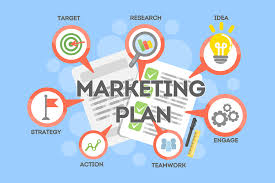
global digital marketing

Unlocking Success: Navigating the World of Global Digital Marketing

The Power of Global Digital Marketing

The Power of Global Digital Marketing

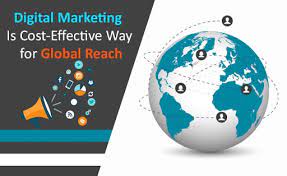
In today’s interconnected world, global digital marketing has become a vital tool for businesses looking to expand their reach and connect with audiences worldwide. With the rise of the internet and social media, companies now have the opportunity to engage with consumers on a global scale like never before.

Breaking Down Borders

One of the key advantages of global digital marketing is its ability to break down geographical barriers. Through targeted online campaigns, businesses can reach potential customers in different countries and regions, allowing them to tap into new markets and diversify their customer base.

Personalised Approach

Global digital marketing also enables companies to tailor their messages and content to specific audiences based on cultural nuances, language preferences, and local trends. This personalised approach helps build stronger connections with consumers in different parts of the world, leading to increased engagement and brand loyalty.

Data-Driven Insights

Another benefit of global digital marketing is the access to valuable data and analytics that can provide insights into consumer behaviour, preferences, and trends across various markets. By analysing this data, businesses can make informed decisions about their marketing strategies and optimise their campaigns for better results.

Challenges and Opportunities

While global digital marketing offers numerous opportunities for businesses to expand their reach internationally, it also comes with challenges such as cultural differences, language barriers, and varying regulations in different countries. However, by understanding these challenges and adapting their strategies accordingly, companies can turn them into opportunities for growth.

The Future of Global Digital Marketing

As technology continues to evolve and consumer behaviour shifts towards online platforms, the importance of global digital marketing will only continue to grow. Businesses that embrace this trend and invest in building a strong online presence across borders will be well-positioned to succeed in an increasingly interconnected world.

In conclusion, global digital marketing has revolutionised the way businesses market their products and services on a worldwide scale. By leveraging the power of digital channels effectively, companies can reach new audiences, drive engagement, and ultimately achieve success in today’s competitive global marketplace.


Essential FAQs on Global Digital Marketing: Strategies, Challenges, and Future Trends

  1. What is global digital marketing?
  2. Why is global digital marketing important for businesses?
  3. How can businesses reach a global audience through digital marketing?
  4. What are the key benefits of implementing a global digital marketing strategy?
  5. What challenges do businesses face when conducting global digital marketing campaigns?
  6. How can data analytics help in improving global digital marketing efforts?
  7. What trends are shaping the future of global digital marketing?

What is global digital marketing?

Global digital marketing refers to the strategic use of digital channels and technologies to promote products or services on a worldwide scale. It involves creating and implementing online marketing campaigns that target audiences across different countries and regions, with the aim of expanding a business’s reach beyond its local market. Global digital marketing encompasses various tactics such as search engine optimisation (SEO), social media marketing, email campaigns, and content creation tailored to suit the cultural preferences and behaviours of diverse international audiences. By leveraging the power of digital platforms, businesses can connect with consumers globally, drive brand awareness, and ultimately achieve their marketing objectives on a global scale.

Why is global digital marketing important for businesses?

Global digital marketing is crucial for businesses seeking to expand their reach and connect with a broader audience on a global scale. By leveraging digital channels effectively, companies can break down geographical barriers, tap into new markets, and diversify their customer base. The personalised approach of global digital marketing allows businesses to tailor their messages to specific audiences based on cultural nuances and preferences, fostering stronger connections and increasing brand loyalty. Furthermore, the access to valuable data and insights enables businesses to make informed decisions and optimise their marketing strategies for better results. In today’s interconnected world, the importance of global digital marketing lies in its ability to drive engagement, enhance brand visibility, and ultimately contribute to business growth in a competitive international marketplace.

How can businesses reach a global audience through digital marketing?

To reach a global audience through digital marketing, businesses can employ a variety of strategies tailored to engage with diverse audiences across different regions. Firstly, creating multilingual content and localising marketing campaigns to resonate with the cultural preferences and nuances of target markets is essential. Utilising social media platforms, search engine optimisation (SEO), and online advertising can help businesses expand their reach globally. Engaging with influencers or partnering with local businesses can also enhance visibility in specific regions. Additionally, leveraging data analytics to understand consumer behaviour and preferences in various markets enables businesses to refine their digital marketing efforts for maximum impact on a global scale.

What are the key benefits of implementing a global digital marketing strategy?

Implementing a global digital marketing strategy offers a multitude of key benefits for businesses seeking to expand their reach and enhance their online presence on a global scale. Some of the primary advantages include the ability to break down geographical barriers, reach diverse audiences in different regions, tailor messages to specific cultural preferences, access valuable data insights for informed decision-making, and ultimately drive engagement and brand loyalty across international markets. By embracing a comprehensive global digital marketing approach, companies can unlock new opportunities for growth, establish stronger connections with customers worldwide, and stay competitive in an increasingly interconnected digital landscape.

What challenges do businesses face when conducting global digital marketing campaigns?

Businesses face several challenges when conducting global digital marketing campaigns. One significant challenge is navigating cultural differences and adapting strategies to resonate with diverse audiences across various regions. Language barriers can also pose obstacles in effectively communicating brand messages and engaging with target markets. Moreover, complying with different regulations and legal requirements in each country adds complexity to campaign planning and execution. Balancing these challenges while maintaining a cohesive global brand presence requires careful planning, research, and a deep understanding of each market’s unique dynamics.

How can data analytics help in improving global digital marketing efforts?

Data analytics plays a crucial role in enhancing global digital marketing efforts by providing valuable insights into consumer behaviour, trends, and preferences across different markets. By analysing data collected from various online channels, businesses can identify patterns, measure the effectiveness of their campaigns, and make data-driven decisions to optimise their marketing strategies. This allows companies to target the right audience with the right message at the right time, leading to increased engagement, conversion rates, and overall success in reaching a global audience effectively.

The future of global digital marketing is being shaped by several key trends that are revolutionising the industry. From the rise of artificial intelligence and machine learning to the increasing importance of personalisation and customer experience, businesses are adapting to a rapidly evolving digital landscape. Mobile marketing continues to dominate as more consumers rely on their smartphones for online interactions, while video content and influencer marketing are becoming essential tools for engaging audiences. Data privacy and security concerns are also driving changes in how companies collect and use consumer data. By staying abreast of these trends and embracing innovative strategies, businesses can navigate the complexities of global digital marketing with confidence and drive success in a competitive marketplace.

healthcare digital marketing

Transforming Healthcare Through Digital Marketing Strategies

Healthcare Digital Marketing

The Impact of Digital Marketing in Healthcare

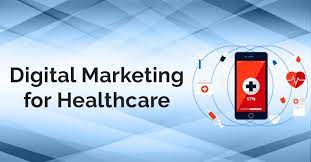
In today’s digital age, the healthcare industry is leveraging the power of digital marketing to reach and engage with patients in innovative ways. Digital marketing has revolutionised how healthcare providers connect with their target audience, improve patient outcomes, and enhance overall healthcare experiences.

Benefits of Healthcare Digital Marketing

Digital marketing offers numerous benefits to healthcare organisations:

  • Increased Patient Engagement: Through social media, email campaigns, and online content, healthcare providers can engage with patients on a more personal level, providing valuable information and building trust.
  • Enhanced Brand Awareness: Effective digital marketing strategies can help healthcare organisations increase their visibility and establish a strong brand presence in the competitive healthcare landscape.
  • Precise Targeting: Digital marketing allows healthcare providers to target specific demographics and tailor their messages to reach the right audience at the right time.
  • Data-Driven Insights: By analysing digital marketing data and metrics, healthcare organisations can gain valuable insights into patient behaviour, preferences, and trends, enabling them to make informed decisions.
  • Improved Patient Education: Through online resources such as blogs, videos, and webinars, healthcare providers can educate patients about various health conditions, treatments, and preventive care measures.

The Future of Healthcare Digital Marketing

As technology continues to advance rapidly, the future of healthcare digital marketing holds even greater potential. From personalised medicine to telehealth services, digital marketing will play a crucial role in shaping the future of healthcare delivery and patient engagement.


Seven Essential Tips for Effective Healthcare Digital Marketing

  1. 1. Utilise social media platforms to engage with your audience and share valuable healthcare information.
  2. 2. Create a user-friendly website that is mobile-responsive for easy access on different devices.
  3. 3. Implement SEO strategies to improve your online visibility and attract more potential patients.
  4. 4. Develop informative and visually appealing content such as blogs, videos, and infographics to educate your audience.
  5. 5. Use email marketing campaigns to stay connected with patients, promote services, and share relevant updates.
  6. 6. Collaborate with influencers or healthcare professionals to reach a wider audience and build credibility.
  7. 7. Monitor analytics regularly to track the performance of your digital marketing efforts and make data-driven decisions.

1. Utilise social media platforms to engage with your audience and share valuable healthcare information.

Utilising social media platforms is a valuable tip in healthcare digital marketing to effectively engage with your audience and share important healthcare information. By leveraging the reach and interactivity of platforms such as Facebook, Twitter, and Instagram, healthcare providers can connect with patients on a more personal level, foster trust, and deliver relevant content that educates and empowers individuals to make informed health decisions. This proactive approach not only enhances patient engagement but also strengthens the provider-patient relationship, ultimately leading to improved health outcomes and a more connected healthcare community.

2. Create a user-friendly website that is mobile-responsive for easy access on different devices.

Creating a user-friendly website that is mobile-responsive is a crucial tip in healthcare digital marketing. In today’s mobile-centric world, patients expect easy access to healthcare information and services on their smartphones and tablets. A mobile-responsive website ensures that users can navigate the site seamlessly on various devices, providing a positive user experience and encouraging engagement. By prioritising mobile responsiveness, healthcare providers can reach a wider audience and enhance patient satisfaction with convenient access to valuable health resources.

3. Implement SEO strategies to improve your online visibility and attract more potential patients.

Implementing SEO strategies is essential in healthcare digital marketing to enhance online visibility and attract a larger pool of potential patients. By optimising your website with relevant keywords, creating high-quality content, and improving your site’s technical aspects, you can increase your search engine rankings and make it easier for patients to find you online. SEO not only helps drive organic traffic to your website but also establishes your authority in the healthcare industry, ultimately leading to more patient inquiries and appointments.

4. Develop informative and visually appealing content such as blogs, videos, and infographics to educate your audience.

To enhance your healthcare digital marketing strategy, it is essential to develop informative and visually appealing content, including blogs, videos, and infographics. By creating engaging content that educates your audience about various health topics, treatments, and preventive care measures, you can establish credibility, build trust with patients, and differentiate your brand in the competitive healthcare landscape. Visual elements such as videos and infographics can make complex medical information more digestible and engaging for your audience, leading to increased patient engagement and improved overall healthcare experiences.

5. Use email marketing campaigns to stay connected with patients, promote services, and share relevant updates.

Utilising email marketing campaigns is a valuable strategy in healthcare digital marketing to maintain a strong connection with patients, promote services effectively, and share pertinent updates. By sending targeted and informative emails, healthcare providers can keep patients engaged, informed, and aware of the latest developments in healthcare services. This approach not only enhances patient communication but also helps to build trust and loyalty towards the healthcare organisation.

6. Collaborate with influencers or healthcare professionals to reach a wider audience and build credibility.

Collaborating with influencers or healthcare professionals is a strategic tip in healthcare digital marketing to expand reach and establish credibility. By partnering with individuals who have a strong influence in the healthcare industry, organisations can tap into their existing audience base and leverage their expertise to engage with a wider demographic. This collaboration not only helps in reaching a larger audience but also enhances the brand’s credibility and trustworthiness, as it is endorsed by respected figures within the healthcare community. Leveraging influencers or healthcare professionals can significantly boost visibility and foster stronger connections with patients and stakeholders in the digital space.

7. Monitor analytics regularly to track the performance of your digital marketing efforts and make data-driven decisions.

Monitoring analytics regularly is a crucial tip in healthcare digital marketing. By tracking the performance of your digital marketing efforts through data analysis, you can gain valuable insights into the effectiveness of your strategies. This data-driven approach allows healthcare providers to make informed decisions, optimise campaigns, and adjust tactics to better engage with patients and improve overall outcomes. Regular monitoring of analytics ensures that your digital marketing efforts remain aligned with your goals and continually evolve to meet the changing needs of your target audience.

internet marketing

Unlocking Success: The Impact of Internet Marketing Strategies in the UK

The Power of Internet Marketing

The Power of Internet Marketing

Internet marketing, also known as online marketing or digital marketing, has revolutionised the way businesses promote their products and services. In today’s digital age, having a strong online presence is crucial for reaching and engaging with your target audience effectively.

One of the key advantages of internet marketing is its ability to reach a global audience. With the click of a button, businesses can connect with potential customers from around the world, breaking down geographical barriers and expanding their market reach.

Internet marketing offers a wide range of tools and strategies to help businesses attract, engage, and convert customers. From search engine optimisation (SEO) to social media marketing, email campaigns to pay-per-click advertising, there are numerous ways to drive traffic to your website and increase brand awareness.

Furthermore, internet marketing provides valuable insights into consumer behaviour and preferences through analytics tools. By analysing data such as website traffic, click-through rates, and conversion rates, businesses can make informed decisions to optimise their online campaigns for better results.

In conclusion, internet marketing is a powerful tool for businesses looking to grow their online presence and reach their target audience effectively. By leveraging the diverse range of digital marketing strategies available, businesses can enhance their visibility, drive traffic to their websites, and ultimately boost sales and revenue.


7 Essential Tips for Mastering Internet Marketing: Engaging Your Audience and Boosting Brand Visibility

  1. Understand your target audience and tailor your marketing strategies to meet their needs and preferences.
  2. Create high-quality, engaging content that provides value to your audience and encourages them to interact with your brand.
  3. Utilize social media platforms effectively to engage with customers, build relationships, and drive traffic to your website.
  4. Optimize your website for search engines (SEO) to improve visibility and attract organic traffic.
  5. Invest in online advertising channels such as Google Ads or social media ads to reach a wider audience and increase brand awareness.
  6. Monitor and analyse key performance indicators (KPIs) regularly to track the success of your marketing campaigns and make data-driven decisions.
  7. Stay updated on the latest trends and technologies in internet marketing to adapt quickly and stay ahead of the competition.

Understand your target audience and tailor your marketing strategies to meet their needs and preferences.

Understanding your target audience is a fundamental aspect of successful internet marketing. By gaining insights into the demographics, behaviours, and preferences of your audience, you can tailor your marketing strategies to resonate with them effectively. Whether it’s creating personalised content, engaging on specific social media platforms, or offering products/services that cater to their needs, aligning your marketing efforts with the interests of your target audience can lead to higher engagement, increased conversions, and long-term customer loyalty.

Create high-quality, engaging content that provides value to your audience and encourages them to interact with your brand.

Creating high-quality, engaging content is a fundamental tip in internet marketing that can significantly impact your brand’s online presence. By offering valuable and relevant content to your audience, you not only establish credibility and authority in your industry but also foster a deeper connection with your customers. Encouraging interaction through compelling content such as informative articles, entertaining videos, or interactive social media posts can drive engagement and build a loyal following for your brand. Remember, in the digital landscape, content is king, and delivering valuable content that resonates with your audience is key to successful internet marketing strategies.

Utilize social media platforms effectively to engage with customers, build relationships, and drive traffic to your website.

Utilising social media platforms effectively is a crucial tip in internet marketing. By engaging with customers on platforms such as Facebook, Instagram, and Twitter, businesses can build meaningful relationships and establish a loyal customer base. Through regular interaction, sharing valuable content, and responding to inquiries promptly, businesses can create a strong online presence that resonates with their target audience. Moreover, leveraging social media channels can drive significant traffic to your website, increasing brand visibility and ultimately leading to higher conversion rates.

Optimize your website for search engines (SEO) to improve visibility and attract organic traffic.

To enhance your online presence and attract a steady stream of organic traffic, it is essential to optimise your website for search engines (SEO). By implementing SEO best practices such as keyword research, meta tags optimisation, and high-quality content creation, you can improve your website’s visibility in search engine results pages. This not only helps potential customers find your site more easily but also increases the likelihood of attracting organic traffic interested in your products or services. Investing time and effort in SEO can yield long-term benefits for your online business by driving relevant traffic and improving overall visibility.

Invest in online advertising channels such as Google Ads or social media ads to reach a wider audience and increase brand awareness.

Investing in online advertising channels such as Google Ads or social media ads is a strategic tip in internet marketing that can significantly enhance a business’s reach and brand visibility. By utilising these platforms, businesses can target specific demographics, interests, and behaviours to reach a wider audience effectively. This targeted approach not only increases brand awareness but also drives traffic to the website, ultimately leading to potential conversions and sales. Incorporating online advertising into the marketing strategy can yield impressive results in expanding the business’s online presence and engaging with a broader customer base.

Monitor and analyse key performance indicators (KPIs) regularly to track the success of your marketing campaigns and make data-driven decisions.

Monitoring and analysing key performance indicators (KPIs) regularly is essential in internet marketing to gauge the effectiveness of your campaigns and make informed, data-driven decisions. By tracking metrics such as website traffic, conversion rates, click-through rates, and engagement levels, businesses can gain valuable insights into the performance of their marketing efforts. This data allows for adjustments to be made in real-time to optimise strategies for better results and ultimately drive success in reaching target audiences and achieving marketing objectives.

To succeed in internet marketing, it is crucial to stay updated on the latest trends and technologies in the digital landscape. By remaining informed and adaptive, businesses can quickly adjust their strategies to stay ahead of the competition. Keeping abreast of emerging tools and techniques allows marketers to leverage new opportunities, reach their target audience more effectively, and ultimately achieve greater success in the ever-evolving online marketplace.

Revolutionising Healthcare: The Power of Digital Marketing in the Medical Sector

Digital Marketing for Healthcare

The Impact of Digital Marketing in the Healthcare Industry

In today’s digital age, the healthcare industry is increasingly turning to digital marketing strategies to reach and engage with patients. Digital marketing offers a powerful platform for healthcare providers to connect with their target audience, build brand awareness, and drive patient engagement.

Benefits of Digital Marketing for Healthcare:

  • Increased Reach: Digital marketing allows healthcare providers to reach a wider audience beyond their local community. Through targeted online campaigns, they can connect with patients seeking specific medical services or information.
  • Enhanced Patient Engagement: Interactive websites, social media platforms, and email campaigns enable healthcare providers to engage with patients in real-time. This fosters better communication and strengthens the patient-provider relationship.
  • Improved Brand Visibility: By utilising search engine optimisation (SEO) techniques and online advertising, healthcare organisations can enhance their visibility in search engine results pages. This helps them stand out among competitors and attract more patients.
  • Educational Resources: Through blogs, videos, and infographics, healthcare providers can educate patients about various health conditions, treatments, and preventive care measures. This not only empowers patients but also positions the provider as a trusted source of information.
  • Data-Driven Insights: Digital marketing tools provide valuable data on patient preferences, behaviour patterns, and campaign performance. Healthcare providers can use this data to tailor their marketing strategies for better results.

Challenges in Digital Marketing for Healthcare:

While digital marketing offers numerous benefits to the healthcare industry, it also presents challenges such as ensuring patient privacy and compliance with regulations like GDPR and HIPAA. Healthcare organisations must maintain strict data security measures when collecting patient information online.

In addition, navigating the complex landscape of online advertising platforms and social media regulations requires expertise to ensure that healthcare marketing campaigns are ethical and effective.

The Future of Digital Marketing in Healthcare

As technology continues to evolve, so will digital marketing strategies in the healthcare sector. Artificial intelligence (AI), virtual reality (VR), telemedicine platforms, and personalised messaging are expected to play a significant role in shaping the future of healthcare marketing.


Essential FAQs on Digital Marketing Strategies for Healthcare Professionals

  1. How to do digital marketing for medicine?
  2. How do you market to healthcare?
  3. What are some marketing strategies for healthcare?
  4. What is a healthcare marketing campaign?
  5. Why is digital marketing important in healthcare?
  6. How is marketing used in healthcare?
  7. How do you implement the 4 P’s of marketing in healthcare?

How to do digital marketing for medicine?

When it comes to digital marketing for medicine, a strategic approach is essential to effectively promote healthcare services and products online. Healthcare providers can start by creating a strong online presence through a user-friendly website that showcases their services and expertise. Utilising search engine optimisation (SEO) techniques can help improve visibility in search engine results, making it easier for patients to find relevant information. Engaging with patients through social media platforms, email campaigns, and educational content can also enhance patient engagement and build trust. It is crucial for healthcare organisations to adhere to data privacy regulations and maintain ethical standards when conducting digital marketing activities in the medical field.

How do you market to healthcare?

Marketing to the healthcare industry requires a strategic approach that takes into account the unique challenges and regulations of the sector. To market effectively to healthcare providers, it is essential to understand their specific needs and priorities. Tailoring your marketing messages to address key pain points, such as improving patient outcomes, increasing efficiency, or enhancing patient experience, can resonate with healthcare professionals. Utilising targeted digital marketing channels, such as search engine optimisation (SEO), social media advertising, email campaigns, and content marketing, can help reach healthcare audiences effectively. Building trust through transparent communication and providing valuable educational resources can also strengthen your marketing efforts in the healthcare sector.

What are some marketing strategies for healthcare?

When it comes to digital marketing for healthcare, there are several effective strategies that providers can implement to enhance their online presence and engage with patients. Some key marketing strategies include search engine optimisation (SEO) to improve visibility in online searches, content marketing through informative blogs and videos to educate patients, social media marketing to connect with a wider audience and share valuable health-related information, email marketing for personalised communication with patients, and online advertising campaigns targeted towards specific demographics or healthcare services. By utilising these strategies strategically, healthcare providers can effectively reach and engage with their target audience in the digital landscape.

What is a healthcare marketing campaign?

A healthcare marketing campaign is a strategic and coordinated effort by healthcare providers or organisations to promote their services, raise awareness about health issues, or engage with patients and the community. It involves using various digital marketing channels such as social media, email, search engine optimisation (SEO), and online advertising to deliver targeted messages to specific audiences. The goal of a healthcare marketing campaign is to drive patient engagement, increase brand visibility, and ultimately improve the overall health outcomes of individuals by providing valuable information and promoting healthcare services effectively.

Why is digital marketing important in healthcare?

In the healthcare industry, digital marketing plays a crucial role in reaching and engaging with patients in today’s digital-centric world. Digital marketing is important in healthcare for several reasons. Firstly, it enables healthcare providers to expand their reach beyond traditional boundaries, connecting with a wider audience seeking medical services or information online. Additionally, digital marketing enhances patient engagement through interactive platforms, facilitating real-time communication and fostering stronger relationships between patients and providers. Furthermore, digital marketing helps healthcare organisations increase their brand visibility, educate patients on health-related matters, and gain valuable insights through data-driven strategies for more effective patient outreach and care delivery. Overall, digital marketing is essential in healthcare for driving patient engagement, building brand awareness, and improving overall patient outcomes.

How is marketing used in healthcare?

Marketing plays a vital role in healthcare by helping organisations promote their services, engage with patients, and build trust within the community. In the healthcare industry, marketing is used to raise awareness about medical facilities, treatments, and preventive care options. Healthcare providers utilise various digital marketing strategies such as search engine optimisation (SEO), social media campaigns, email marketing, and content creation to reach a wider audience and educate patients about healthcare services. Effective marketing in healthcare focuses on delivering relevant and accurate information to patients while adhering to ethical standards and regulations to ensure patient privacy and confidentiality.

How do you implement the 4 P’s of marketing in healthcare?

Implementing the 4 P’s of marketing – Product, Price, Place, and Promotion – in the healthcare industry involves tailoring strategies to meet the unique needs of patients and providers. In healthcare, the “Product” refers to medical services, treatments, or health products offered. Providers must ensure that their services align with patient needs and expectations. Setting the right “Price” involves determining fair pricing structures that reflect the value of healthcare services while remaining competitive. The “Place” aspect focuses on making healthcare services accessible through various channels such as clinics, online platforms, or telemedicine. Lastly, effective “Promotion” in healthcare involves educating patients about available services through targeted campaigns that emphasise quality care and patient outcomes. By carefully integrating these 4 P’s into their marketing approach, healthcare providers can enhance patient engagement and drive positive health outcomes.

electronic marketing

Unlocking Success: The Power of Electronic Marketing Strategies

The Power of Electronic Marketing

The Power of Electronic Marketing

In today’s digital age, electronic marketing has revolutionised the way businesses promote their products and connect with customers. Also known as e-marketing or digital marketing, this strategy utilises various online channels to reach a targeted audience and drive engagement. From social media to email campaigns, electronic marketing offers a cost-effective and efficient way to boost brand visibility and increase sales.

Key Components of Electronic Marketing

Electronic marketing encompasses a wide range of tactics that businesses can leverage to achieve their marketing goals. Some key components include:

  • Social Media Marketing: Platforms like Facebook, Instagram, and Twitter allow businesses to engage with their audience in real-time, share updates, and create brand awareness.
  • Email Marketing: Sending targeted emails to potential customers can help nurture leads, promote products or services, and drive conversions.
  • Search Engine Optimization (SEO): Optimising website content for search engines improves visibility in search results, driving organic traffic to the site.
  • Pay-Per-Click Advertising (PPC): Running targeted ads on search engines or social media platforms can increase website traffic and generate leads through paid campaigns.

The Benefits of Electronic Marketing

Electronic marketing offers numerous benefits for businesses looking to expand their online presence and reach a wider audience. Some advantages include:

  • Global Reach: With the internet breaking down geographical barriers, businesses can reach customers around the world with electronic marketing campaigns.
  • Cost-Effective: Compared to traditional forms of advertising, electronic marketing is often more affordable and allows for better targeting of specific demographics.
  • Data-Driven Insights: Digital tools provide valuable data on campaign performance, customer behaviour, and ROI, allowing businesses to make informed decisions for future strategies.
  • Increased Engagement: Interactive content such as videos, quizzes, and polls can boost engagement levels with customers and build brand loyalty.

In Conclusion

The rise of electronic marketing has transformed the way businesses connect with consumers in an increasingly digital world. By embracing these digital strategies and staying ahead of trends, companies can effectively promote their products or services, drive sales growth, and build lasting relationships with their target audience.


7 Essential Tips for Mastering Electronic Marketing in the UK

  1. 1. Define your target audience clearly to tailor your marketing efforts effectively.
  2. 2. Utilise social media platforms to engage with customers and promote your products or services.
  3. 3. Create high-quality content that is relevant and valuable to your audience.
  4. 4. Implement SEO strategies to improve the visibility of your website in search engine results.
  5. 5. Use email marketing campaigns to stay connected with customers and drive conversions.
  6. 6. Analyse data and metrics regularly to track the performance of your electronic marketing efforts.
  7. 7. Stay updated on industry trends and adapt your strategies accordingly for continued success.

1. Define your target audience clearly to tailor your marketing efforts effectively.

To maximise the impact of your electronic marketing efforts, it is crucial to define your target audience clearly. By understanding the demographics, interests, and behaviours of your ideal customers, you can tailor your marketing strategies to resonate with them effectively. This targeted approach ensures that your messages reach the right people at the right time, increasing engagement and driving conversions. Identifying and defining your target audience is the foundation for a successful electronic marketing campaign that delivers measurable results and strengthens customer relationships.

2. Utilise social media platforms to engage with customers and promote your products or services.

To maximise the impact of your electronic marketing efforts, it is crucial to leverage social media platforms effectively. By actively engaging with customers on platforms like Facebook, Instagram, and Twitter, businesses can create meaningful interactions, build brand loyalty, and drive awareness for their products or services. Posting engaging content, responding to customer queries promptly, and running targeted ad campaigns are some strategies that can help businesses harness the power of social media to connect with their audience and achieve their marketing goals.

3. Create high-quality content that is relevant and valuable to your audience.

To maximise the effectiveness of your electronic marketing efforts, it is crucial to create high-quality content that resonates with your target audience. By producing relevant and valuable content, you can capture the interest of potential customers and establish credibility within your industry. Whether it’s informative blog posts, engaging social media updates, or compelling email newsletters, providing content that addresses the needs and interests of your audience can help drive engagement and build a loyal customer base. Remember, quality content is key to connecting with your audience and driving successful electronic marketing campaigns.

4. Implement SEO strategies to improve the visibility of your website in search engine results.

Implementing SEO strategies is crucial for enhancing the visibility of your website in search engine results. By optimising your website with relevant keywords, high-quality content, and user-friendly design, you can improve your search engine rankings and attract more organic traffic. SEO helps to ensure that your website appears at the top of search results when potential customers are looking for products or services related to your business. By focusing on SEO tactics, you can increase your online presence and reach a wider audience effectively.

5. Use email marketing campaigns to stay connected with customers and drive conversions.

Utilising email marketing campaigns is a powerful strategy to maintain a strong connection with customers and drive conversions in electronic marketing. By sending targeted and personalised emails, businesses can engage with their audience, provide valuable updates or offers, and encourage them to take desired actions. Whether it’s promoting new products, sharing relevant content, or offering exclusive discounts, email campaigns serve as a direct communication channel that can nurture leads and ultimately lead to increased sales and customer loyalty.

6. Analyse data and metrics regularly to track the performance of your electronic marketing efforts.

Regularly analysing data and metrics is a crucial tip in electronic marketing to effectively track the performance of your digital campaigns. By monitoring key metrics such as website traffic, conversion rates, email open rates, and social media engagement, businesses can gain valuable insights into the effectiveness of their marketing strategies. This data-driven approach allows companies to identify areas for improvement, optimise their campaigns for better results, and make informed decisions to drive success in their electronic marketing efforts.

To thrive in the dynamic landscape of electronic marketing, it is crucial to stay informed about industry trends and adjust strategies accordingly for sustained success. By keeping abreast of the latest developments, emerging technologies, and shifting consumer behaviours, businesses can proactively adapt their marketing approaches to remain competitive and relevant. Continuous learning and strategic adaptation based on industry insights are key to staying ahead in the ever-evolving world of electronic marketing.