online marketing seo

Unlocking the Secrets of Effective Online Marketing with SEO

The Power of SEO in Online Marketing

The Power of SEO in Online Marketing

Search Engine Optimization (SEO) plays a crucial role in the success of online marketing strategies. In today’s digital age, where competition is fierce and attention spans are short, having a strong SEO strategy can make all the difference in reaching your target audience and driving traffic to your website.

Why is SEO Important?

SEO helps improve your website’s visibility on search engines like Google, Bing, and Yahoo. By optimising your site with relevant keywords, high-quality content, and user-friendly design, you can increase your chances of appearing at the top of search engine results pages (SERPs).

The Benefits of SEO

  • Increased Traffic: A well-executed SEO strategy can attract more organic traffic to your website, resulting in higher visibility and potential leads.
  • Enhanced User Experience: By focusing on SEO best practices, you can create a better user experience for visitors to your site, leading to increased engagement and conversions.
  • Build Credibility and Trust: Ranking high on search engines instils trust in your brand and establishes credibility among users searching for products or services.
  • Cost-Effective Marketing: Compared to traditional advertising methods, SEO offers a cost-effective way to drive targeted traffic to your site over the long term.

Tips for Effective SEO

  1. Keyword Research: Identify relevant keywords that align with your business goals and target audience.
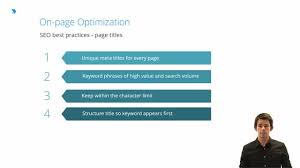
  2. Optimise On-Page Elements: Ensure that title tags, meta descriptions, headings, and content are optimised for search engines.
  3. Create High-Quality Content: Produce valuable and engaging content that resonates with your target audience and encourages sharing.
  4. Mobile-Friendly Design: With the rise of mobile usage, ensure that your website is responsive and provides a seamless experience across devices.
  5. Monitor Performance: Regularly track key metrics such as organic traffic, keyword rankings, and conversion rates to measure the effectiveness of your SEO efforts.

In conclusion, incorporating SEO into your online marketing strategy is essential for staying competitive in today’s digital landscape. By investing time and resources into optimising your website for search engines, you can attract more visitors, generate leads, and ultimately grow your business online.


Understanding SEO: Key Questions and Insights for Effective Online Marketing

  1. How to use SEO in online marketing?
  2. What are the 4 types of SEO?
  3. What are the 7 types of SEO?
  4. What is SEO and how it works?
  5. How do you do SEO marketing?
  6. What is SEO in online marketing?
  7. How is SEO used in marketing?
  8. Is SEO a form of digital marketing?
  9. What are the 4 P’s of SEO?
  10. Why is SEO important in online marketing?
  11. What are the 3 types of SEO?
  12. What is difference between SEO and online marketing?

How to use SEO in online marketing?

When it comes to online marketing, utilising SEO effectively is key to increasing your visibility and attracting potential customers to your website. To use SEO in online marketing, start by conducting thorough keyword research to identify relevant terms that your target audience is searching for. Incorporate these keywords strategically into your website content, meta tags, and headings to improve your site’s search engine rankings. Additionally, focus on creating high-quality, engaging content that provides value to users and encourages organic sharing. Regularly monitor and analyse your SEO performance metrics to make informed adjustments and ensure that your online marketing efforts are driving tangible results. By implementing a comprehensive SEO strategy tailored to your business goals, you can enhance your online presence and reach a wider audience effectively.

What are the 4 types of SEO?

In the realm of online marketing SEO, there are four primary types of SEO strategies that businesses commonly utilise to enhance their digital presence and improve search engine rankings. These include on-page SEO, which involves optimising individual web pages with relevant keywords and quality content; off-page SEO, which focuses on building backlinks and establishing authority through external sources; technical SEO, which addresses website structure and performance to enhance user experience and search engine crawling; and local SEO, which targets geographically specific audiences to boost visibility in local searches. Each type of SEO plays a vital role in shaping a comprehensive strategy to attract organic traffic and achieve online marketing goals effectively.

What are the 7 types of SEO?

In the realm of online marketing SEO, the question of “What are the 7 types of SEO?” often arises. Understanding the various facets of Search Engine Optimization is crucial for implementing a comprehensive strategy to improve website visibility and rankings. The 7 types of SEO encompass on-page SEO, off-page SEO, technical SEO, local SEO, mobile SEO, e-commerce SEO, and voice search SEO. Each type serves a specific purpose in enhancing different aspects of a website’s performance and ensuring it meets the evolving requirements of search engine algorithms. By incorporating these diverse strategies effectively, businesses can maximise their online presence and attract relevant traffic to achieve their digital marketing goals.

What is SEO and how it works?

Search Engine Optimization (SEO) is a fundamental aspect of online marketing that involves enhancing a website’s visibility and ranking on search engine results pages (SERPs). SEO works by optimising various elements of a website, such as content, keywords, meta tags, and backlinks, to make it more relevant and authoritative in the eyes of search engines like Google. By improving these factors, SEO helps websites attract organic traffic from users searching for specific topics or products related to the site’s content. Ultimately, SEO aims to increase a website’s visibility, drive targeted traffic, and improve overall online presence for businesses looking to succeed in the competitive digital landscape.

How do you do SEO marketing?

To effectively implement SEO marketing, it is essential to start by conducting thorough keyword research to identify relevant terms and phrases that align with your target audience’s search intent. Optimising on-page elements such as title tags, meta descriptions, headings, and content with these keywords is crucial for search engine visibility. Creating high-quality, engaging content that provides value to users and encourages sharing can also boost SEO efforts. Additionally, ensuring a mobile-friendly design and monitoring performance metrics regularly are key components of a successful SEO marketing strategy. By following these best practices and staying updated on industry trends, businesses can improve their online visibility and attract organic traffic to their websites.

What is SEO in online marketing?

Search Engine Optimization (SEO) in online marketing refers to the practice of enhancing a website’s visibility and ranking on search engine results pages (SERPs) through organic, non-paid methods. SEO involves various strategies and techniques such as keyword research, content optimisation, link building, and technical improvements to help websites attract more organic traffic from search engines like Google. By focusing on SEO, businesses can improve their online presence, reach their target audience more effectively, and drive valuable traffic to their websites, ultimately leading to increased brand visibility and potential conversions.

How is SEO used in marketing?

SEO plays a vital role in marketing by enhancing a website’s visibility and ranking on search engine results pages (SERPs). By strategically incorporating relevant keywords, creating high-quality content, and optimising on-page elements, businesses can attract organic traffic and reach their target audience effectively. SEO helps establish credibility, build trust with users, and drive valuable leads to websites. Through continuous monitoring and refinement of SEO strategies, businesses can improve their online presence, increase brand awareness, and ultimately achieve long-term success in the competitive digital landscape.

Is SEO a form of digital marketing?

Yes, SEO (Search Engine Optimization) is indeed a form of digital marketing. SEO is a crucial component of digital marketing strategies aimed at improving a website’s visibility and ranking on search engine results pages (SERPs). By optimising various elements such as keywords, content, and website structure, SEO helps businesses attract organic traffic and reach their target audience online. Incorporating SEO into digital marketing efforts is essential for enhancing online presence, increasing brand awareness, and driving valuable traffic to websites.

What are the 4 P’s of SEO?

The 4 P’s of SEO refer to the key elements that are essential for a successful Search Engine Optimization strategy: Planning, Preparation, Publishing, and Promotion. Planning involves conducting thorough keyword research and developing a strategic approach to optimise website content. Preparation includes on-page SEO tactics such as meta tags, headings, and internal linking to enhance visibility on search engines. Publishing high-quality, relevant content is crucial for engaging users and improving search rankings. Lastly, Promotion involves building backlinks, social media sharing, and other off-page SEO techniques to increase the authority and credibility of the website in the eyes of search engines. By focusing on these 4 P’s, businesses can effectively enhance their online presence and attract organic traffic to their websites.

Why is SEO important in online marketing?

Search Engine Optimization (SEO) is vital in online marketing because it helps businesses improve their visibility and rankings on search engine results pages. By implementing SEO strategies such as keyword optimization, content creation, and link building, companies can attract more organic traffic to their websites. This increased visibility not only enhances brand awareness but also drives targeted traffic, leads, and conversions. In a competitive digital landscape, having a strong SEO presence is crucial for businesses looking to establish credibility, build trust with their audience, and achieve long-term success in online marketing efforts.

What are the 3 types of SEO?

When it comes to Search Engine Optimization (SEO), there are three main types that businesses should be aware of: on-page SEO, off-page SEO, and technical SEO. On-page SEO involves optimising individual web pages with relevant keywords, high-quality content, and meta tags to improve search engine rankings. Off-page SEO focuses on building backlinks from reputable websites to increase a site’s authority and credibility. Technical SEO, on the other hand, deals with the backend elements of a website such as site speed, mobile-friendliness, and structured data markup to enhance the overall user experience and search engine visibility. Understanding and implementing these three types of SEO strategies can help businesses improve their online presence and attract more organic traffic to their websites.

What is difference between SEO and online marketing?

In the realm of online marketing, the distinction between SEO and broader online marketing strategies is often a common query. SEO, or Search Engine Optimization, specifically focuses on enhancing a website’s visibility and ranking on search engine results pages through tactics such as keyword optimization, content creation, and link building. On the other hand, online marketing encompasses a wider range of digital marketing efforts beyond SEO, including social media marketing, email campaigns, paid advertising, and more. While SEO is a crucial component of online marketing, it is just one facet of the comprehensive strategies employed to promote businesses and engage with target audiences effectively in the digital landscape.

digital marketing agency for small businesses

Empowering Small Businesses: The Role of a Digital Marketing Agency

Digital Marketing Agency for Small Businesses

The Benefits of Hiring a Digital Marketing Agency for Small Businesses

In today’s digital age, having a strong online presence is crucial for the success of any business, especially small businesses. However, navigating the complex world of digital marketing can be overwhelming and time-consuming for small business owners who already wear multiple hats.

This is where a digital marketing agency can make a significant difference. By partnering with a reputable agency that specialises in digital marketing for small businesses, you can access expertise, resources, and strategies that can help your business thrive in the online realm.

Here are some key benefits of hiring a digital marketing agency:

  1. Expertise: Digital marketing agencies have professionals with specialised knowledge and experience in various aspects of online marketing, including SEO, social media management, content creation, and more. They can develop tailored strategies to meet your specific business goals.
  2. Cost-Effective: Outsourcing your digital marketing efforts to an agency is often more cost-effective than hiring an in-house team. You can access a full range of services without the overhead costs associated with hiring and training employees.
  3. Time-Saving: Running a small business requires your attention on many fronts. By delegating your digital marketing tasks to an agency, you free up valuable time to focus on core business activities while experts handle your online presence.
  4. Measurable Results: Digital marketing agencies use analytics and data-driven insights to track the performance of your campaigns. This allows you to see real-time results and make informed decisions based on concrete data.
  5. Growth Opportunities: With the help of a digital marketing agency, small businesses can reach new audiences, expand their reach, and increase brand awareness through targeted campaigns that drive engagement and conversions.

In conclusion, investing in a digital marketing agency for your small business can be a game-changer in today’s competitive market. It allows you to leverage the power of online channels effectively while freeing up your time and resources to focus on what you do best – running your business.

If you’re ready to take your small business to the next level online, consider partnering with a reputable digital marketing agency that understands the unique needs and challenges faced by small businesses.


7 Essential Tips for Small Businesses to Succeed with a Digital Marketing Agency

  1. Focus on creating a strong online presence through social media platforms.
  2. Utilize search engine optimization (SEO) techniques to improve visibility in search results.
  3. Invest in pay-per-click (PPC) advertising to drive targeted traffic to your website.
  4. Create valuable and engaging content to attract and retain customers.
  5. Collaborate with influencers or other businesses for cross-promotion opportunities.
  6. Monitor and analyse key performance indicators (KPIs) to track the effectiveness of your campaigns.
  7. Stay updated with the latest trends and technologies in digital marketing to stay ahead of the competition.

Focus on creating a strong online presence through social media platforms.

To maximise your small business’s digital marketing efforts, it is essential to concentrate on building a robust online presence through strategic engagement on various social media platforms. By leveraging the power of social media, you can connect with your target audience, increase brand visibility, and drive traffic to your website. Consistent and engaging content tailored to each platform can help establish credibility and foster relationships with customers, ultimately leading to increased brand loyalty and business growth.

Utilize search engine optimization (SEO) techniques to improve visibility in search results.

Utilizing search engine optimization (SEO) techniques is a crucial strategy for small businesses looking to enhance their online visibility and attract more potential customers. By optimising your website content and structure according to SEO best practices, you can improve your ranking on search engine results pages, making it easier for users to find your business when they search for relevant keywords. This increased visibility can drive organic traffic to your website, increase brand awareness, and ultimately lead to more conversions and business growth.

Invest in pay-per-click (PPC) advertising to drive targeted traffic to your website.

Investing in pay-per-click (PPC) advertising can be a strategic move for small businesses looking to drive targeted traffic to their website. By utilising PPC campaigns, businesses can reach potential customers at the right moment when they are actively searching for products or services related to their offerings. With PPC, you have control over your budget, targeting options, and ad messaging, allowing you to maximise your ROI and effectively attract qualified leads to your website. This targeted approach not only increases visibility but also enhances the likelihood of converting visitors into customers, making PPC a valuable tool in the digital marketing arsenal of small businesses.

Create valuable and engaging content to attract and retain customers.

Creating valuable and engaging content is a fundamental tip for small businesses working with a digital marketing agency. By crafting content that resonates with your target audience, you can attract their attention, build trust, and establish your brand as an authority in your industry. Whether it’s informative blog posts, captivating social media updates, or interactive videos, providing valuable content not only attracts potential customers but also encourages existing ones to stay engaged with your brand. This strategy not only helps in customer retention but also sets the foundation for long-term relationships with your audience.

Collaborate with influencers or other businesses for cross-promotion opportunities.

Collaborating with influencers or other businesses for cross-promotion opportunities can be a highly effective strategy for small businesses looking to expand their online reach and engage with new audiences. By partnering with influencers who align with your brand values or teaming up with complementary businesses, you can tap into their existing follower base and leverage their credibility to enhance your own brand visibility. This collaborative approach not only helps increase brand awareness but also fosters mutually beneficial relationships that can lead to long-term growth and success in the competitive digital landscape.

Monitor and analyse key performance indicators (KPIs) to track the effectiveness of your campaigns.

Monitoring and analysing key performance indicators (KPIs) is essential for small businesses working with a digital marketing agency. By tracking metrics such as website traffic, conversion rates, click-through rates, and engagement levels, businesses can gain valuable insights into the effectiveness of their digital campaigns. This data-driven approach allows for informed decision-making, optimisation of strategies, and ultimately, the ability to maximise the return on investment in digital marketing efforts.

To stay ahead of the competition in the digital landscape, small businesses should prioritise staying updated with the latest trends and technologies in digital marketing. By keeping abreast of industry developments, such as new social media algorithms, emerging platforms, and innovative marketing tools, small businesses can adapt their strategies to remain relevant and competitive. Embracing new trends and technologies not only allows businesses to connect with their target audience more effectively but also demonstrates a commitment to growth and innovation in an ever-evolving online environment.

international digital marketing

Mastering the Art of International Digital Marketing: Strategies for Global Success

The Power of International Digital Marketing

In today’s interconnected world, businesses have unprecedented opportunities to reach global audiences through international digital marketing strategies. With the rise of the internet and social media, companies can now expand their reach beyond borders and engage with customers in different countries with ease.

Breaking Down Barriers

International digital marketing breaks down traditional barriers to entry into foreign markets. By leveraging online platforms such as search engines, social media, and email marketing, businesses can target specific international audiences based on demographics, interests, and behaviour. This targeted approach allows companies to tailor their messages to resonate with diverse cultural backgrounds and languages.

Expanding Reach

One of the key benefits of international digital marketing is the ability to expand reach exponentially. Through search engine optimisation (SEO) and pay-per-click (PPC) advertising, businesses can increase visibility in international markets and drive traffic to their websites from around the world. This expanded reach opens up new opportunities for growth and revenue generation.

Cultural Sensitivity

Successful international digital marketing requires a deep understanding of cultural nuances and preferences in different regions. By localising content, imagery, and messaging to align with cultural norms and values, businesses can build trust with international audiences and establish strong brand relationships. Cultural sensitivity is crucial for creating meaningful connections that resonate on a global scale.

Data-Driven Insights

One of the advantages of digital marketing is the access to real-time data and analytics that provide valuable insights into audience behaviour and campaign performance. By analysing metrics such as click-through rates, conversion rates, and engagement levels across different countries, businesses can refine their strategies for maximum impact in international markets. Data-driven decision-making is essential for optimising ROI and driving continuous improvement.

Embracing Global Opportunities

In conclusion, international digital marketing offers businesses a powerful tool for reaching new markets, engaging diverse audiences, and driving growth on a global scale. By embracing the opportunities presented by digital technology, companies can expand their horizons beyond borders and position themselves for success in an increasingly interconnected world.


Seven Essential Tips for Effective International Digital Marketing

  1. Understand cultural differences in various target markets.
  2. Localize your website and content to appeal to different regions.
  3. Utilize social media platforms popular in the target countries.
  4. Consider language nuances and dialects when creating marketing materials.
  5. Adapt your SEO strategy for different search engines used globally.
  6. Stay updated on international regulations and data protection laws.
  7. Collaborate with local influencers or partners for better market penetration.

Understand cultural differences in various target markets.

To succeed in international digital marketing, it is crucial to understand and respect the cultural differences present in various target markets. By acknowledging and adapting to these differences, businesses can tailor their marketing strategies effectively to resonate with diverse audiences around the world. Cultural sensitivity plays a key role in building trust, establishing meaningful connections, and ultimately driving engagement and conversions in international markets.

Localize your website and content to appeal to different regions.

To effectively engage with diverse international audiences, it is essential to localise your website and content to resonate with the specific preferences and cultural nuances of different regions. By adapting language, imagery, and messaging to align with local customs and values, businesses can create a more personalised and meaningful experience for users in various countries. Localisation not only enhances brand authenticity but also fosters trust and connection with target audiences, ultimately driving engagement and conversion rates in international markets.

To maximise the effectiveness of international digital marketing efforts, it is essential to utilise social media platforms that are popular in the target countries. By understanding and leveraging the preferred social media channels of the specific international audience, businesses can engage with users more effectively, tailor content to local preferences, and build authentic connections that resonate with the local culture. This strategic approach not only enhances brand visibility but also fosters meaningful interactions that drive engagement and ultimately contribute to the success of digital marketing campaigns in diverse markets.

Consider language nuances and dialects when creating marketing materials.

When delving into international digital marketing, it is essential to consider language nuances and dialects when crafting marketing materials. Different regions may have variations in vocabulary, grammar, and cultural references that can significantly impact the effectiveness of your messaging. By taking the time to understand these language nuances and dialects, businesses can ensure that their marketing materials resonate with local audiences and convey messages in a way that is culturally relevant and engaging. This attention to detail demonstrates a commitment to connecting authentically with consumers in diverse markets, ultimately enhancing the success of international marketing campaigns.

Adapt your SEO strategy for different search engines used globally.

To succeed in international digital marketing, it is essential to adapt your SEO strategy to cater to the preferences and algorithms of different search engines used globally. While Google may dominate in many regions, countries like China favour Baidu, and Russia leans towards Yandex. By understanding the unique ranking factors and user behaviours of each search engine, businesses can optimise their content and website structure to improve visibility and organic traffic across diverse international markets. Adapting your SEO strategy for different search engines is key to unlocking the full potential of your global digital marketing efforts and ensuring maximum reach and impact.

Stay updated on international regulations and data protection laws.

It is crucial for businesses engaging in international digital marketing to stay updated on international regulations and data protection laws. Compliance with various legal requirements, such as GDPR in Europe or CCPA in the US, is essential to protect consumer data and maintain trust with global audiences. By staying informed about evolving regulations and implementing robust data protection measures, companies can ensure their marketing practices align with legal standards across different countries, fostering a secure and transparent online environment for their customers.

Collaborate with local influencers or partners for better market penetration.

Collaborating with local influencers or partners is a strategic tip in international digital marketing that can significantly enhance market penetration. By leveraging the influence and expertise of individuals or organisations who are familiar with the local market dynamics, businesses can establish credibility, build trust, and effectively engage with target audiences in different countries. Local influencers and partners can provide valuable insights into consumer preferences, cultural nuances, and effective communication strategies, enabling businesses to tailor their marketing efforts for maximum impact and success in international markets.

digital marketing expert

Unlocking Success: The Essential Role of a Digital Marketing Expert

The Role of a Digital Marketing Expert in Today’s Business Landscape

In the fast-paced world of digital marketing, the role of a digital marketing expert has become increasingly crucial for businesses looking to thrive in the online sphere. A digital marketing expert is a skilled professional who possesses a deep understanding of digital channels, strategies, and tools to help companies reach their target audience effectively.

Key Responsibilities of a Digital Marketing Expert

A digital marketing expert is tasked with developing and implementing comprehensive digital marketing strategies tailored to the specific goals and needs of a business. This includes:

  • Search Engine Optimization (SEO): Optimising website content and structure to improve search engine rankings and increase organic traffic.
  • Pay-Per-Click (PPC) Advertising: Creating and managing targeted online advertising campaigns to drive traffic and conversions.
  • Social Media Marketing: Developing engaging social media campaigns to build brand awareness, engage with customers, and drive website traffic.
  • Email Marketing: Crafting effective email campaigns to nurture leads, retain customers, and drive sales.
  • Data Analysis: Monitoring key performance metrics, analysing data trends, and making data-driven decisions to optimise marketing efforts.

The Importance of Digital Marketing in Today’s Business World

In an era where consumers are increasingly turning to online channels for information and purchases, having a strong digital presence is essential for businesses to stay competitive. A digital marketing expert plays a pivotal role in helping companies navigate the complexities of the digital landscape and connect with their target audience in meaningful ways.

By leveraging their expertise in various digital marketing techniques, tools, and platforms, a digital marketing expert can help businesses enhance brand visibility, generate leads, increase conversions, and ultimately drive revenue growth. Their strategic insights and creative approaches can make a significant impact on the success of a company’s overall marketing efforts.

Conclusion

In conclusion, the role of a digital marketing expert is indispensable in today’s business environment. By staying abreast of industry trends, leveraging cutting-edge technologies, and implementing innovative strategies, these professionals are instrumental in helping businesses achieve their marketing objectives and stay ahead of the competition in the ever-evolving digital landscape.

If you are looking to elevate your brand’s online presence and maximise your digital marketing efforts, partnering with a skilled digital marketing expert can be the key to unlocking new opportunities for growth and success.


Top 5 Benefits of Hiring a Digital Marketing Expert for Your Business

  1. Expertise in leveraging digital channels to reach a wider audience
  2. Ability to craft targeted and personalised marketing campaigns for specific demographics
  3. Proficiency in analysing data and measuring the effectiveness of marketing strategies
  4. Stay updated on the latest trends and technologies in the digital marketing landscape
  5. Help businesses increase brand visibility, generate leads, and drive revenue growth through online channels


Challenges of Hiring a Digital Marketing Expert: High Costs, Skill Variability, Time Demands, and Market Saturation

  1. Costly Investment
  2. Skill Variability
  3. Time-Intensive
  4. Market Saturation

Expertise in leveraging digital channels to reach a wider audience

With expertise in leveraging digital channels to reach a wider audience, a digital marketing expert possesses the knowledge and skills necessary to expand a company’s online reach and visibility. By utilising various digital platforms and strategies effectively, such as social media, search engine optimisation, and email marketing, they can target specific demographics and engage with a broader audience base. This ability not only increases brand awareness but also drives traffic, leads, and conversions, ultimately contributing to the overall growth and success of the business in the competitive digital landscape.

Ability to craft targeted and personalised marketing campaigns for specific demographics

One of the key advantages of a digital marketing expert is their ability to craft targeted and personalised marketing campaigns tailored to specific demographics. By leveraging data-driven insights and sophisticated targeting tools, these experts can create highly relevant and engaging content that resonates with different audience segments. This personalised approach not only enhances brand loyalty and engagement but also increases the likelihood of conversion, as it speaks directly to the unique needs and preferences of each demographic group.

Proficiency in analysing data and measuring the effectiveness of marketing strategies

A notable advantage of a digital marketing expert is their proficiency in analysing data and measuring the effectiveness of marketing strategies. By leveraging data analytics tools and techniques, these professionals can gather valuable insights into the performance of various digital marketing campaigns. This data-driven approach allows them to identify trends, track key performance indicators, and make informed decisions to optimise marketing efforts for maximum impact and ROI. Through meticulous analysis and measurement, digital marketing experts can continuously refine strategies, target the right audience, and drive tangible results for businesses in today’s competitive online landscape.

Staying updated on the latest trends and technologies in the digital marketing landscape is a key advantage of working with a digital marketing expert. By continuously monitoring industry developments and emerging tools, these professionals can leverage cutting-edge strategies to keep your business ahead of the curve. Whether it’s implementing new social media algorithms, utilising innovative advertising platforms, or adopting data-driven approaches, a digital marketing expert’s commitment to staying informed ensures that your marketing efforts remain relevant, effective, and competitive in today’s rapidly evolving digital world.

Help businesses increase brand visibility, generate leads, and drive revenue growth through online channels

A digital marketing expert brings invaluable expertise to help businesses increase brand visibility, generate leads, and drive revenue growth through online channels. By crafting targeted strategies and leveraging various digital marketing tools and techniques, they can enhance a company’s online presence, attract potential customers, and ultimately boost sales. Their ability to navigate the complexities of the digital landscape enables businesses to reach their target audience effectively and achieve tangible results in terms of brand recognition, lead generation, and revenue expansion.

Costly Investment

For smaller businesses with constrained budgets, investing in a digital marketing expert can pose a significant financial challenge. The cost of hiring a skilled professional in this field may exceed the allocated resources, making it a daunting prospect for companies operating on limited funds. This financial barrier can impede smaller businesses from accessing the expertise and guidance needed to effectively navigate the digital marketing landscape and compete with larger enterprises. As a result, finding cost-effective solutions or alternative strategies becomes essential for these businesses to maximise their online presence and reach their target audience without overspending on digital marketing services.

Skill Variability

Skill variability is a notable con when it comes to digital marketing experts. While some professionals excel in certain areas of digital marketing, they may lack expertise in others, creating potential gaps in knowledge and skills. This variability can impact the overall effectiveness of a digital marketing strategy, as it requires a diverse set of skills to cover all aspects comprehensively. Businesses must carefully assess the skill set of a digital marketing expert to ensure they have the necessary expertise in key areas to deliver successful outcomes and maximise the impact of their digital marketing efforts.

Time-Intensive

One significant drawback of being a digital marketing expert is the time-intensive nature of developing and implementing effective strategies. The process of crafting and executing successful digital marketing campaigns demands meticulous attention to detail, continuous monitoring of performance metrics, and making timely adjustments to optimise results. This constant need for monitoring and refinement can be demanding, often requiring long hours and a high level of dedication to ensure that the desired outcomes are achieved. Balancing the time-consuming nature of digital marketing efforts with other responsibilities can be a challenge for professionals in this field.

Market Saturation

Market saturation is a significant con of the digital marketing expert industry. With the rising number of professionals in this field, businesses are faced with intense competition, making it increasingly difficult to differentiate and select the most suitable expert for their unique requirements. This saturation can create challenges for companies seeking to stand out in a crowded market and find a digital marketing partner who truly understands their goals and can deliver effective strategies tailored to their specific needs.