internet marketing seo

Unlocking the Power of SEO in Internet Marketing Strategies

The Power of SEO in Internet Marketing

The Power of SEO in Internet Marketing

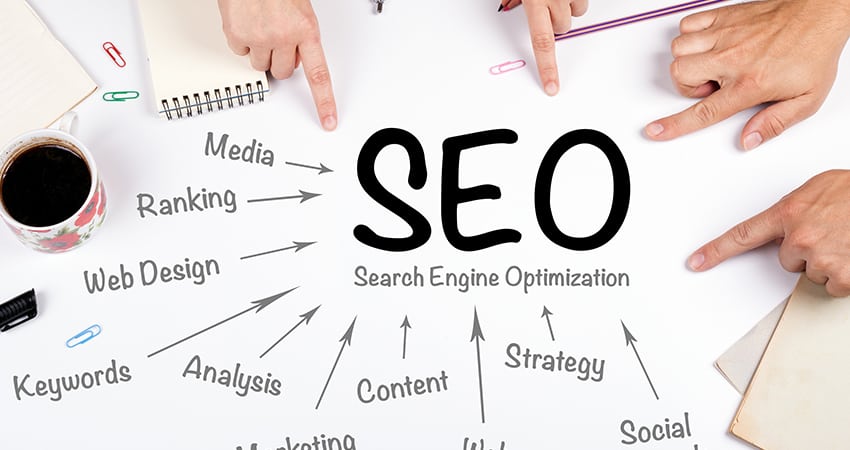
Search Engine Optimization (SEO) plays a crucial role in the world of internet marketing. It is the practice of enhancing your website’s visibility on search engine results pages to drive organic traffic and improve online presence.

SEO involves a combination of strategies and techniques aimed at improving your website’s ranking for relevant keywords that potential customers are searching for. By optimising your site’s content, structure, and performance, you can attract more visitors and increase your chances of converting them into customers.

Benefits of SEO in Internet Marketing:

  • Increased Visibility: By appearing higher in search engine results, your website is more likely to be seen by users searching for products or services related to your business.
  • Targeted Traffic: SEO helps you reach a specific audience interested in what you offer, increasing the likelihood of generating leads and sales.
  • Builds Credibility: A well-optimised website with high rankings conveys trust and authority to users, establishing your brand as a reputable source in your industry.
  • Cost-Effective Marketing: Compared to traditional advertising methods, SEO offers a cost-effective way to attract quality traffic over the long term.
  • Analytics and Insights: SEO tools provide valuable data on user behaviour, keyword performance, and other metrics that can help you refine your marketing strategy for better results.

Key SEO Strategies for Internet Marketing Success:

To harness the power of SEO effectively, consider implementing the following strategies:

  1. Keyword Research: Identify relevant keywords that reflect what your target audience is searching for online.
  2. On-Page Optimization: Optimise your website’s content, meta tags, headings, and images to align with targeted keywords.
  3. Quality Content Creation: Produce engaging and informative content that resonates with users and encourages them to stay on your site.
  4. Link Building: Acquire high-quality backlinks from reputable websites to boost your site’s authority and credibility.
  5. User Experience (UX) Improvement: Ensure that your website is user-friendly, fast-loading, and mobile-responsive for a positive user experience.

In conclusion, SEO is an essential component of successful internet marketing strategies. By investing time and resources into optimising your website for search engines, you can enhance visibility, attract targeted traffic, build credibility, and achieve long-term growth for your business online.


22 Common Questions About SEO and Its Role in Internet Marketing

  1. What is difference between SEO and online marketing?
  2. What is SEO and how it works?
  3. What is SEO example?
  4. What is a SEO in marketing?
  5. How SEO is done?
  6. Why is SEO important in Internet marketing?
  7. How do I use SEO in digital marketing?
  8. How is SEO used in digital marketing?
  9. What are the 4 types of SEO?
  10. What are the 3 types of SEO?
  11. What is SEO and how it will work?
  12. What is SEO marketing for beginners?
  13. What is SEO role in marketing?
  14. What is SEO marketing and how it works?
  15. What is Internet marketing in SEO?
  16. What are the 4 stages of SEO?
  17. How to use SEO in online marketing?
  18. What are the four types of SEO?
  19. How Internet marketing is different from SEO marketing?
  20. What is an example of an SEO?
  21. How much does SEO cost in the UK?
  22. What is SEO for beginners?

What is difference between SEO and online marketing?

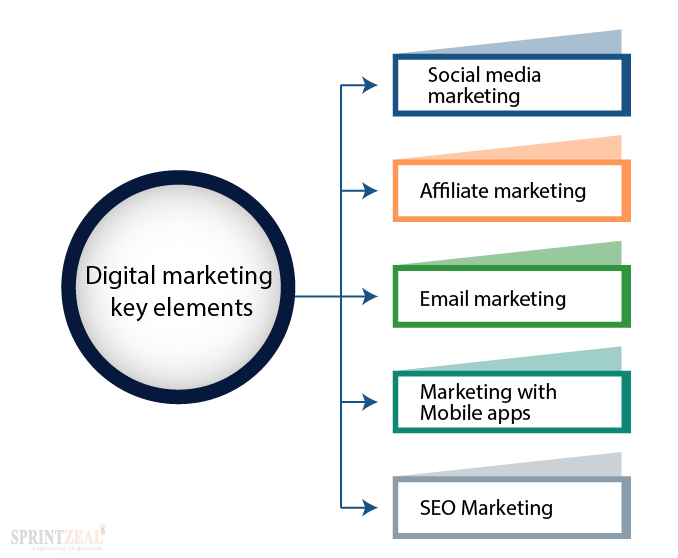
In the realm of internet marketing, a common query often arises regarding the distinction between SEO and online marketing. While SEO (Search Engine Optimization) is a specific subset of online marketing, focusing primarily on improving a website’s visibility in search engine results through organic tactics such as keyword optimization and content enhancement, online marketing encompasses a broader spectrum of strategies aimed at promoting products or services over the internet. Online marketing includes various channels such as social media marketing, email marketing, pay-per-click advertising, and content marketing, all working together to drive traffic, generate leads, and increase conversions. In essence, SEO is a vital component of online marketing that contributes to enhancing a website’s search engine rankings and overall digital presence within the larger framework of online promotional activities.

What is SEO and how it works?

Search Engine Optimization (SEO) is a fundamental aspect of internet marketing that focuses on improving a website’s visibility and ranking on search engine results pages. In essence, SEO involves implementing various strategies and techniques to enhance a website’s relevance and authority in the eyes of search engines like Google. This includes optimising website content, meta tags, images, and other elements to align with targeted keywords that users are likely to search for. By improving these elements and acquiring high-quality backlinks from reputable sources, websites can increase their chances of appearing higher in search results, driving organic traffic and ultimately boosting online visibility and engagement.

What is SEO example?

In the realm of internet marketing, a common query often arises: “What is SEO, and can you provide an example?” Search Engine Optimization (SEO) is the practice of enhancing a website’s visibility on search engine results pages through various strategies. An example of SEO in action would be a business optimising its website with relevant keywords, high-quality content, and user-friendly design to rank higher on search engine results for specific search queries. By implementing SEO techniques effectively, businesses can attract more organic traffic and improve their online presence, ultimately leading to increased visibility and potential customer engagement.

What is a SEO in marketing?

In the realm of internet marketing, SEO, which stands for Search Engine Optimization, plays a pivotal role in enhancing a website’s visibility and attracting organic traffic. SEO in marketing refers to the practice of optimising various elements of a website to improve its ranking on search engine results pages for specific keywords relevant to the business or industry. By strategically implementing SEO techniques such as keyword research, on-page optimization, and link building, marketers aim to increase their website’s chances of being discovered by users searching for related products or services online. Ultimately, SEO in marketing is about driving targeted traffic to a website and improving its overall online presence to achieve business objectives.

How SEO is done?

Search Engine Optimization (SEO) is the process of improving a website’s visibility on search engine results pages through various strategies and techniques. SEO is done by conducting thorough keyword research to identify relevant terms that users are searching for, optimizing on-page elements such as meta tags, headings, and content, building high-quality backlinks from reputable sites, improving website performance and user experience, and regularly monitoring and adjusting strategies based on analytics data. Effective SEO involves a combination of technical expertise, content creation, and continuous refinement to enhance a website’s ranking and attract organic traffic from search engines.

Why is SEO important in Internet marketing?

Search Engine Optimization (SEO) is paramount in Internet marketing due to its pivotal role in enhancing a website’s visibility and driving organic traffic. By strategically optimising a site’s content, structure, and performance, SEO helps businesses rank higher on search engine results pages for relevant keywords. This increased visibility not only attracts more visitors but also targets a specific audience interested in the products or services offered. Ultimately, SEO builds credibility, establishes trust with users, and provides a cost-effective marketing strategy that yields long-term benefits for businesses looking to succeed online.

How do I use SEO in digital marketing?

In digital marketing, utilising SEO involves implementing strategies to enhance a website’s visibility and ranking on search engine results pages. To effectively use SEO in digital marketing, businesses should focus on conducting thorough keyword research to identify relevant terms that their target audience is searching for. Optimising website content, meta tags, and headings with these keywords can help improve organic search performance. Additionally, creating high-quality, engaging content that provides value to users can attract more traffic and increase the chances of conversion. Link building, improving website user experience, and monitoring analytics are also key aspects of integrating SEO into a comprehensive digital marketing strategy.

How is SEO used in digital marketing?

SEO plays a vital role in digital marketing by enhancing a website’s visibility and driving organic traffic through search engine results. By strategically implementing SEO techniques such as keyword research, on-page optimization, and link building, businesses can improve their online presence and attract targeted audiences searching for relevant products or services. SEO not only helps websites rank higher in search engine results pages but also builds credibility, increases brand visibility, and ultimately contributes to the overall success of digital marketing campaigns.

What are the 4 types of SEO?

In the realm of internet marketing SEO, one frequently asked question is, “What are the 4 types of SEO?” The four main types of SEO are on-page SEO, off-page SEO, technical SEO, and local SEO. On-page SEO focuses on optimising individual web pages to improve their search engine rankings and attract organic traffic. Off-page SEO involves activities outside the website to enhance its authority and relevance, such as link building. Technical SEO deals with the backend elements of a website to improve its crawling and indexing by search engines. Lastly, local SEO targets specific geographic locations to help businesses appear in local search results and connect with nearby customers effectively. Understanding these different types of SEO is essential for creating a comprehensive digital marketing strategy that drives online success.

What are the 3 types of SEO?

In the realm of internet marketing SEO, it is common to encounter the frequently asked question: “What are the 3 types of SEO?” The three main types of SEO are on-page SEO, off-page SEO, and technical SEO. On-page SEO focuses on optimising individual web pages to improve their search engine rankings and attract organic traffic. Off-page SEO involves activities outside of your website, such as link building and social media marketing, to enhance your site’s authority and credibility. Technical SEO deals with the backend aspects of a website, including site speed, mobile-friendliness, and structured data markup, to ensure optimal performance and indexing by search engines. Understanding and implementing these three types of SEO strategies are essential for a comprehensive approach to improving your online visibility and driving organic traffic to your website.

What is SEO and how it will work?

Search Engine Optimization (SEO) is a fundamental aspect of internet marketing that focuses on improving a website’s visibility and ranking on search engine results pages. SEO works by implementing various strategies and techniques to enhance a website’s relevance and authority in the eyes of search engines like Google. This involves optimising content, meta tags, keywords, and technical aspects of a site to make it more attractive to search engine algorithms. By following best practices and staying up-to-date with the latest trends in SEO, businesses can increase their online presence, drive organic traffic, and ultimately achieve better visibility and higher rankings on search engines.

What is SEO marketing for beginners?

SEO marketing for beginners is a fundamental aspect of digital marketing that focuses on improving a website’s visibility in search engine results pages. Search Engine Optimization (SEO) involves various strategies and techniques aimed at enhancing a website’s relevance and authority to rank higher for specific keywords. For beginners, SEO marketing entails learning how to optimise website content, structure, and performance to attract organic traffic and improve online presence. By understanding the basics of SEO, beginners can create a solid foundation for implementing effective marketing strategies that drive targeted traffic and boost brand visibility in the competitive online landscape.

What is SEO role in marketing?

Search Engine Optimization (SEO) plays a pivotal role in marketing by enhancing a website’s visibility on search engine results pages. SEO helps businesses attract organic traffic by optimising their online presence for relevant keywords. By improving a website’s ranking, SEO increases the likelihood of reaching a targeted audience interested in the products or services offered. Ultimately, SEO contributes to building credibility, increasing brand awareness, and driving valuable traffic that can lead to conversions and business growth in the competitive digital landscape.

What is SEO marketing and how it works?

SEO marketing, also known as Search Engine Optimization marketing, is a fundamental strategy in the realm of digital marketing. It involves optimising a website to improve its visibility on search engine results pages for specific keywords relevant to the business. By implementing various techniques such as keyword research, on-page optimisation, and link building, SEO aims to increase organic traffic and enhance a website’s ranking in search engine algorithms. Ultimately, SEO marketing works by making a website more attractive and accessible to both search engines and users, leading to higher visibility, targeted traffic, and improved online presence for businesses.

What is Internet marketing in SEO?

Internet marketing in SEO refers to the strategies and techniques used to promote a website or online business through search engine optimisation. It involves enhancing a website’s visibility on search engine results pages by targeting specific keywords relevant to the business and industry. Internet marketing in SEO aims to drive organic traffic to a website, increase its online presence, and improve its ranking on search engines like Google. By implementing effective SEO tactics such as keyword research, on-page optimisation, and link building, businesses can attract more visitors, generate leads, and ultimately boost their online success.

What are the 4 stages of SEO?

Understanding the four stages of SEO is crucial for implementing an effective digital marketing strategy. The first stage is the initial assessment, where thorough research and analysis are conducted to identify target keywords, assess competitors, and evaluate the current state of the website. The second stage involves on-page optimization, focusing on refining website content, meta tags, and internal linking structure to improve search engine visibility. Off-page optimization is the third stage, which entails building quality backlinks from authoritative sources to boost domain authority and enhance online reputation. The final stage is continuous monitoring and adaptation, where performance metrics are tracked, algorithms are updated, and strategies are adjusted to maintain and improve search rankings over time.

How to use SEO in online marketing?

Utilising SEO in online marketing involves implementing a range of strategies to enhance a website’s visibility and attract organic traffic from search engines. To effectively use SEO in online marketing, businesses should focus on conducting thorough keyword research to identify relevant terms that their target audience is searching for. Optimising website content, meta tags, and headings with these keywords is essential for improving search engine rankings. Additionally, building high-quality backlinks, creating engaging content, and ensuring a positive user experience on the website are key factors in leveraging SEO for successful online marketing campaigns. By integrating these tactics strategically, businesses can maximise their online presence and reach their desired audience effectively.

What are the four types of SEO?

In the realm of internet marketing SEO, one frequently asked question is: “What are the four types of SEO?” The four main types of SEO are on-page SEO, off-page SEO, technical SEO, and local SEO. On-page SEO focuses on optimizing individual web pages to improve search engine rankings and attract organic traffic. Off-page SEO involves activities outside your website to enhance its online authority and credibility. Technical SEO deals with the technical aspects of a website to ensure it is easily crawlable and indexable by search engines. Lastly, local SEO targets local search results to help businesses connect with nearby customers effectively. Understanding these four types of SEO is essential for creating a comprehensive digital marketing strategy that drives visibility and engagement online.

How Internet marketing is different from SEO marketing?

Internet marketing and SEO marketing are closely related but distinct concepts in the digital realm. Internet marketing encompasses a broader range of strategies and tactics aimed at promoting products or services online, including SEO as one of its components. SEO marketing, on the other hand, specifically focuses on optimising a website to improve its visibility and ranking in search engine results pages. While internet marketing involves various channels such as social media, email marketing, content marketing, and paid advertising, SEO marketing hones in on organic search traffic through targeted keyword optimisation and website enhancements. Both disciplines play crucial roles in driving online success, with internet marketing serving as the overarching strategy and SEO marketing serving as a key tactic within that strategy.

What is an example of an SEO?

An example of SEO (Search Engine Optimization) in internet marketing is the process of optimising a website’s content, structure, and performance to improve its visibility on search engine results pages. For instance, by conducting keyword research and strategically incorporating relevant keywords into website content, meta tags, and headings, a business can increase its chances of ranking higher for specific search queries. Additionally, implementing on-page optimization techniques such as improving site speed, mobile responsiveness, and user experience can further enhance a website’s SEO performance and attract more organic traffic from search engines.

How much does SEO cost in the UK?

When it comes to the cost of SEO services in the UK, the pricing can vary depending on several factors such as the scope of work, the competitiveness of the industry, and the level of expertise required. Generally, SEO services in the UK can range from a few hundred pounds to several thousand pounds per month. It’s important for businesses to consider their specific goals and budget when determining how much to invest in SEO. Working with a reputable agency that offers transparent pricing and customised strategies tailored to your needs can help ensure you get the best value for your investment in improving your online visibility and driving organic traffic to your website.

What is SEO for beginners?

Search Engine Optimization (SEO) for beginners is a fundamental aspect of digital marketing aimed at improving a website’s visibility on search engine results pages. In simple terms, SEO involves implementing strategies and techniques to enhance a website’s content, structure, and performance in order to rank higher for relevant keywords. For newcomers to the world of SEO, it is essential to understand the basics such as keyword research, on-page optimization, and link building. By mastering these foundational concepts, beginners can start their journey towards increasing organic traffic, attracting targeted audiences, and ultimately achieving online success.

seo's

Unlocking the Potential: Maximising Your SEO’s Impact

The Power of SEO: Boosting Your Online Visibility

The Power of SEO: Boosting Your Online Visibility

In today’s digital age, Search Engine Optimization (SEO) has become a crucial tool for businesses looking to enhance their online presence and reach a wider audience. SEO is the practice of optimizing your website to rank higher in search engine results pages, making it more visible to potential customers searching for relevant keywords.

By implementing effective SEO strategies, businesses can significantly increase their organic traffic and improve their online visibility. Here are some key benefits of investing in SEO:

  • Increased Website Traffic: By improving your website’s search engine ranking, you can attract more visitors who are actively searching for products or services related to your business.
  • Enhanced User Experience: SEO involves optimizing your website’s structure and content to make it more user-friendly, resulting in a better overall experience for visitors.
  • Build Trust and Credibility: Websites that appear at the top of search results are often perceived as more trustworthy and credible by users, leading to increased brand reputation.
  • Cost-Effective Marketing: Compared to traditional advertising methods, SEO offers a cost-effective way to drive targeted traffic to your website over the long term.
  • Stay Ahead of Competition: In today’s competitive online landscape, investing in SEO can give you a competitive edge by helping you outrank competitors in search results.

To harness the full power of SEO, it is essential to stay up-to-date with the latest trends and algorithms used by search engines like Google. Regularly updating your website with high-quality content, optimizing for mobile devices, and building quality backlinks are just a few strategies that can help improve your SEO performance.

In conclusion, SEO plays a vital role in boosting your online visibility and driving valuable traffic to your website. By investing in effective SEO strategies, businesses can position themselves for long-term success in the digital marketplace.


Understanding SEO: Key Questions and Insights for Effective Optimisation

  1. What is SEO and why is it important?
  2. How does SEO work?
  3. What are the key components of a successful SEO strategy?
  4. How long does it take to see results from SEO efforts?
  5. Is SEO better than paid advertising?
  6. What are common mistakes to avoid in SEO?

What is SEO and why is it important?

Search Engine Optimization (SEO) is the practice of optimizing a website to improve its visibility in search engine results pages. It involves various techniques such as keyword research, content optimization, and link building to help a website rank higher in search engine listings. SEO is important because it helps businesses attract organic traffic from users actively searching for products or services related to their industry. By enhancing their online visibility through SEO, businesses can increase website traffic, improve user experience, build credibility, and stay ahead of competitors in the digital landscape. Ultimately, investing in SEO can lead to long-term success and growth for businesses online.

How does SEO work?

Search Engine Optimization (SEO) works by improving a website’s visibility and ranking on search engine results pages through various strategies and techniques. SEO involves optimizing website content, meta tags, images, and backlinks to make it more relevant and valuable to search engines like Google. By targeting specific keywords related to the business or industry, SEO helps websites attract organic traffic from users searching for relevant information or products. Additionally, factors such as website speed, mobile-friendliness, and user experience also play a crucial role in SEO success. Ultimately, the goal of SEO is to enhance a website’s online presence, increase its visibility to potential customers, and drive valuable organic traffic for long-term success.

What are the key components of a successful SEO strategy?

When it comes to crafting a successful SEO strategy, several key components play a crucial role in enhancing a website’s visibility and driving organic traffic. These components include keyword research to identify relevant search terms, on-page optimization to ensure that content is structured and tagged correctly, quality link building to establish authority and credibility, mobile-friendliness for improved user experience on different devices, and regular monitoring and analysis of performance metrics to make informed adjustments. By integrating these essential elements into an SEO strategy, businesses can effectively improve their search engine rankings and attract valuable traffic to their websites.

How long does it take to see results from SEO efforts?

Achieving tangible results from SEO efforts is a common concern for many businesses. The timeline for seeing noticeable outcomes from SEO strategies can vary depending on various factors such as the competitiveness of the industry, the current state of the website, and the effectiveness of the implemented SEO tactics. Generally, it may take several months to start seeing significant improvements in search engine rankings and organic traffic. Consistent and strategic SEO efforts, including content creation, technical optimization, and link building, are essential for long-term success in improving online visibility and driving valuable traffic to a website. Patience and persistence are key when it comes to reaping the benefits of SEO initiatives.

Is SEO better than paid advertising?

When comparing SEO to paid advertising, the choice between the two often depends on the specific goals and budget of a business. SEO, or Search Engine Optimization, focuses on improving organic search visibility and driving sustainable, long-term traffic to a website. While it may take time to see results with SEO, the benefits can be significant in terms of cost-effectiveness and building credibility with users. On the other hand, paid advertising offers more immediate results and allows businesses to target specific audiences through paid placements. Ultimately, a combination of both SEO and paid advertising can be a powerful strategy for maximising online visibility and reaching a diverse range of potential customers.

What are common mistakes to avoid in SEO?

When it comes to SEO, there are several common mistakes that businesses should avoid to ensure the effectiveness of their digital marketing efforts. One key mistake is neglecting the importance of keyword research and targeting. Failing to identify and optimise for relevant keywords can hinder a website’s visibility in search engine results. Another mistake is overlooking the importance of quality content creation. Content that is not engaging, informative, or relevant to the target audience can negatively impact a website’s SEO performance. Additionally, neglecting on-page optimization elements such as meta tags, headings, and image alt text can also hinder a website’s ranking potential. By addressing these common mistakes and implementing best practices in SEO strategy, businesses can improve their online visibility and attract more organic traffic to their websites.

sem search engine marketing

Unlocking the Potential of SEM: Search Engine Marketing Strategies for Success

The Power of SEM: Search Engine Marketing

The Power of SEM: Search Engine Marketing

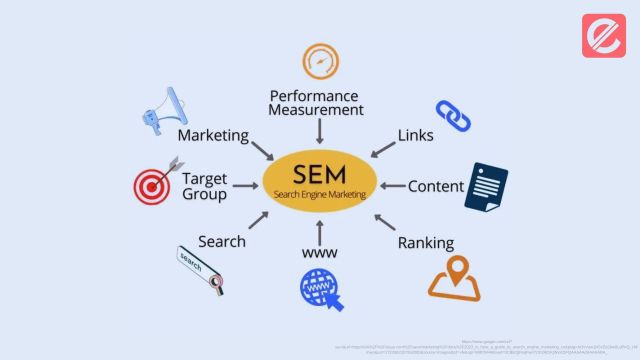
Search Engine Marketing (SEM) is a powerful digital marketing strategy that involves promoting websites by increasing their visibility in search engine results pages through paid advertising. SEM encompasses various tactics such as pay-per-click (PPC) advertising, search engine optimisation (SEO), and other techniques to drive targeted traffic to websites.

Key Components of SEM

Pay-Per-Click (PPC) Advertising: PPC ads are a fundamental aspect of SEM where advertisers pay a fee each time their ad is clicked. This model allows businesses to reach their target audience effectively and drive immediate traffic to their websites.

Search Engine Optimisation (SEO): While PPC focuses on paid advertising, SEO aims to improve a website’s organic search rankings. By optimising website content, meta tags, and other elements, businesses can enhance their visibility in search engine results pages without paying for clicks.

The Benefits of SEM

Increased Visibility: SEM helps businesses increase their online visibility and reach a wider audience by appearing at the top of search engine results pages.

Targeted Advertising: With SEM, businesses can target specific keywords and demographics to ensure that their ads are seen by relevant audiences likely to convert into customers.

Measurable Results: SEM provides detailed analytics and tracking tools that allow businesses to measure the performance of their campaigns accurately. This data helps in refining strategies for better results.

Conclusion

In conclusion, Search Engine Marketing is a valuable tool for businesses looking to enhance their online presence and drive targeted traffic to their websites. By leveraging the power of SEM through PPC advertising, SEO strategies, and other tactics, businesses can achieve measurable results and grow their online success.


8 Essential Tips for Successful Search Engine Marketing (SEM) Campaigns

  1. 1. Conduct keyword research to target relevant search terms.
  2. 2. Create compelling and relevant ad copy for your SEM campaigns.
  3. 3. Utilize ad extensions to provide additional information in your ads.
  4. 4. Monitor and analyse campaign performance regularly to make data-driven decisions.
  5. 5. Optimize landing pages for better user experience and higher conversion rates.
  6. 6. Test different ad variations to identify what resonates best with your audience.
  7. 7. Set clear goals and KPIs to track the success of your SEM efforts.
  8. 8. Stay updated on industry trends and algorithm changes to adapt your strategies accordingly.

1. Conduct keyword research to target relevant search terms.

To maximise the effectiveness of your Search Engine Marketing (SEM) strategy, it is crucial to conduct thorough keyword research to target relevant search terms. By identifying and focusing on the keywords that are most relevant to your business or industry, you can ensure that your ads reach the right audience. Understanding the search terms that potential customers use can help you tailor your SEM campaigns to attract qualified leads and drive meaningful traffic to your website. Conducting keyword research is a foundational step in SEM that can significantly impact the success of your digital marketing efforts.

2. Create compelling and relevant ad copy for your SEM campaigns.

Creating compelling and relevant ad copy is a crucial tip for successful Search Engine Marketing (SEM) campaigns. Engaging ad copy that resonates with your target audience can significantly impact click-through rates and conversions. By crafting persuasive and tailored messages that highlight the unique selling points of your products or services, you can attract the attention of potential customers and drive them to take action. Remember, in the competitive landscape of SEM, well-crafted ad copy can make all the difference in capturing the interest of users and ultimately achieving your marketing goals.

3. Utilize ad extensions to provide additional information in your ads.

When implementing Search Engine Marketing (SEM), it is essential to utilise ad extensions to enhance the effectiveness of your ads. By incorporating ad extensions, businesses can provide additional information such as contact details, location, links to specific pages, and more within their ads. This not only makes the ads more informative and engaging but also increases the chances of attracting potential customers who are seeking specific information related to the products or services being advertised. Ad extensions play a crucial role in improving ad visibility and driving higher click-through rates, ultimately contributing to the overall success of SEM campaigns.

4. Monitor and analyse campaign performance regularly to make data-driven decisions.

Monitoring and analysing campaign performance regularly is a crucial tip in Search Engine Marketing (SEM). By consistently reviewing the data and metrics of SEM campaigns, businesses can make informed, data-driven decisions to optimise their strategies effectively. This practice allows for the identification of trends, areas for improvement, and opportunities for growth, ultimately leading to more successful and efficient SEM campaigns.

5. Optimize landing pages for better user experience and higher conversion rates.

When implementing Search Engine Marketing (SEM) strategies, it is crucial to optimise landing pages for improved user experience and increased conversion rates. By ensuring that landing pages are relevant, engaging, and easy to navigate, businesses can enhance the overall user experience and encourage visitors to take desired actions, such as making a purchase or filling out a contact form. Optimised landing pages not only help in capturing the attention of potential customers but also play a significant role in converting leads into valuable conversions, ultimately maximising the effectiveness of SEM campaigns.

6. Test different ad variations to identify what resonates best with your audience.

When implementing Search Engine Marketing (SEM), it is crucial to test different ad variations to determine which resonates best with your target audience. By conducting A/B testing and experimenting with various ad copy, visuals, and calls-to-action, businesses can gain valuable insights into what drives engagement and conversions. This iterative approach allows for continuous improvement and refinement of SEM campaigns to maximise their effectiveness in reaching and appealing to the desired audience.

7. Set clear goals and KPIs to track the success of your SEM efforts.

Setting clear goals and Key Performance Indicators (KPIs) is essential when implementing Search Engine Marketing (SEM) strategies. By defining specific objectives and measurable metrics, businesses can effectively track the success of their SEM efforts. Whether the goal is to increase website traffic, boost conversions, or improve brand awareness, having clear goals and KPIs in place enables businesses to evaluate performance accurately and make informed decisions to optimise their SEM campaigns for maximum impact.

Staying updated on industry trends and algorithm changes is crucial when implementing Search Engine Marketing strategies. By keeping abreast of the latest developments in the digital marketing landscape, businesses can adapt their SEM tactics to align with current best practices and algorithm updates. This proactive approach ensures that campaigns remain effective and relevant, ultimately leading to improved performance and success in reaching target audiences online.

seo marketing digital

Unlocking Success: The Dynamic Intersection of SEO, Marketing, and Digital Strategies

The Power of SEO in Digital Marketing

The Power of SEO in Digital Marketing

In the fast-paced world of digital marketing, Search Engine Optimization (SEO) plays a crucial role in driving organic traffic to websites and increasing online visibility. SEO involves optimizing a website’s content, structure, and user experience to rank higher in search engine results pages (SERPs).

Effective SEO strategies can significantly impact a business’s online presence and overall success. By focusing on relevant keywords, creating high-quality content, and improving site speed and mobile-friendliness, businesses can attract more qualified leads and convert them into loyal customers.

One of the key benefits of SEO is its long-term sustainability. Unlike paid advertising, which stops generating traffic once the budget runs out, SEO efforts can continue to drive organic traffic over time with consistent effort and updates. This makes SEO a cost-effective strategy for businesses looking to establish a strong online presence.

Furthermore, SEO helps build credibility and trust with users. Websites that appear at the top of search results are often perceived as more trustworthy and authoritative by consumers. By consistently providing valuable content and optimizing for user experience, businesses can enhance their reputation and attract more visitors to their site.

As search engines evolve and algorithms become more sophisticated, staying up-to-date with the latest SEO trends is essential for digital marketers. By adapting to changes in search engine algorithms and user behaviour, businesses can maintain their competitive edge and continue to drive organic traffic to their websites.

In conclusion, SEO is a powerful tool that can make a significant impact on a business’s digital marketing efforts. By investing in effective SEO strategies and staying informed about industry trends, businesses can improve their online visibility, attract more qualified leads, and ultimately achieve greater success in the digital landscape.


13 Frequently Asked Questions About SEO in Digital Marketing

  1. Can I do SEO myself?
  2. Does a digital marketer do SEO?
  3. What is better SEO or digital marketing?
  4. How to learn SEO for beginners?
  5. What is SEO in digital marketing?
  6. What is SEO digital media?
  7. What is an example of SEO?
  8. What are the 3 types of SEO?
  9. What is SEO marketing examples?
  10. What are the 4 types of SEO?
  11. Is SEO included in digital marketing?
  12. Which is better SEO or digital marketing?
  13. Can I learn SEO in 10 days?

Can I do SEO myself?

When it comes to SEO marketing in the digital realm, a frequently asked question is, “Can I do SEO myself?” While it is possible for individuals to attempt SEO strategies on their own, it requires a deep understanding of search engine algorithms, keyword research, content optimization, and technical aspects of website structure. SEO is a complex and ever-evolving field that demands continuous learning and adaptation to stay effective. Engaging with professional SEO services can often yield better results as experts have the experience and tools to navigate the intricacies of SEO effectively, ultimately driving more substantial and sustainable organic traffic to your website.

Does a digital marketer do SEO?

In the realm of digital marketing, the question of whether a digital marketer performs SEO is a common one. While digital marketers often encompass a wide range of skills and responsibilities, SEO is indeed a crucial aspect of their toolkit. Digital marketers are typically tasked with developing and implementing comprehensive online strategies to enhance a brand’s visibility and reach its target audience. This includes leveraging SEO techniques to improve a website’s search engine ranking, drive organic traffic, and ultimately achieve marketing objectives. Therefore, it can be said that SEO is an integral part of a digital marketer’s role in today’s competitive online landscape.

What is better SEO or digital marketing?

When comparing SEO and digital marketing, it’s important to understand that they are not mutually exclusive but rather complementary aspects of a comprehensive online strategy. SEO (Search Engine Optimization) is a subset of digital marketing that focuses on improving a website’s visibility in search engine results through organic methods, while digital marketing encompasses a broader range of online tactics such as social media marketing, email campaigns, paid advertising, and content creation. Both SEO and digital marketing play crucial roles in enhancing online presence and driving traffic to websites. While SEO is essential for long-term sustainable growth by improving organic search rankings, digital marketing provides a more holistic approach to reaching and engaging with target audiences through various channels. Ultimately, the effectiveness of each strategy depends on the specific goals and needs of a business, highlighting the importance of integrating both SEO and digital marketing techniques for optimal results in today’s competitive online landscape.

How to learn SEO for beginners?

For beginners looking to learn SEO, there are various resources available to help you understand the fundamentals of Search Engine Optimization. Start by exploring online tutorials, guides, and courses that cover topics such as keyword research, on-page optimization, link building, and analytics. Additionally, joining SEO communities and forums can provide valuable insights and practical tips from experienced professionals in the field. Hands-on practice is key to mastering SEO, so consider working on your own website or collaborating with others to apply your knowledge in real-world scenarios. Continuous learning and staying updated on industry trends will further enhance your skills in SEO marketing digital.

What is SEO in digital marketing?

SEO, which stands for Search Engine Optimization, is a fundamental aspect of digital marketing that focuses on improving a website’s visibility and ranking in search engine results pages (SERPs). In essence, SEO involves implementing various strategies and techniques to enhance a website’s relevance to specific keywords or phrases that users search for online. By optimising content, meta tags, site structure, and other factors, businesses can increase their chances of appearing higher in search results, driving organic traffic and ultimately improving their online presence and visibility to potential customers.

What is SEO digital media?

SEO digital media refers to the practice of optimising digital content, such as websites, blogs, and online platforms, to improve their visibility and ranking on search engine results pages. Search Engine Optimization (SEO) techniques are utilised to enhance the online presence of businesses and individuals by targeting specific keywords, creating high-quality content, and improving website performance. By implementing SEO strategies in digital media, organisations can attract more organic traffic, increase brand awareness, and ultimately drive conversions. SEO digital media plays a crucial role in ensuring that content is easily discoverable by search engines and relevant to users searching for specific information or services online.

What is an example of SEO?

An example of SEO in digital marketing is when a website optimizes its content and structure to rank higher in search engine results for specific keywords or phrases related to its products or services. For instance, a local bakery implementing SEO practices may focus on keywords like “best artisan bread in London” to attract more potential customers searching for that specific product in their area. By incorporating relevant keywords, improving website usability, and earning quality backlinks, the bakery can increase its online visibility and reach a wider audience interested in their offerings. This example showcases how effective SEO strategies can drive organic traffic and enhance a business’s online presence.

What are the 3 types of SEO?

In the realm of digital marketing, understanding the three primary types of SEO is essential for maximising online visibility and driving organic traffic to websites. The first type is on-page SEO, which focuses on optimising individual web pages with relevant keywords, quality content, and meta tags to improve search engine rankings. Off-page SEO, the second type, involves building backlinks from reputable sites, social media engagement, and other external factors to enhance a website’s authority and credibility in the eyes of search engines. Lastly, technical SEO concentrates on improving site structure, speed, and mobile-friendliness to ensure optimal user experience and search engine crawling. By incorporating these three types of SEO into a comprehensive digital marketing strategy, businesses can effectively boost their online presence and attract more qualified leads.

What is SEO marketing examples?

When discussing examples of SEO marketing, it is important to highlight the various strategies and tactics that businesses can implement to improve their online visibility and attract more organic traffic. Some common examples of SEO marketing include keyword research and optimization, creating high-quality and relevant content, improving website structure and navigation, building backlinks from reputable sources, and optimizing for mobile-friendliness. By incorporating these SEO techniques into their digital marketing efforts, businesses can enhance their search engine rankings, drive targeted traffic to their websites, and ultimately achieve their online marketing goals.

What are the 4 types of SEO?

When it comes to SEO marketing in the digital realm, understanding the different types of SEO is essential for a successful online presence. The four main types of SEO are on-page SEO, off-page SEO, technical SEO, and local SEO. On-page SEO focuses on optimizing individual web pages with relevant content, meta tags, and keyword usage. Off-page SEO involves building backlinks and establishing authority through external sources. Technical SEO deals with website performance, structure, and indexing to improve overall site visibility. Local SEO targets geographically specific searches to enhance visibility for local businesses. By incorporating these four types of SEO strategies effectively, businesses can enhance their online presence and attract targeted traffic to their websites.

Is SEO included in digital marketing?

In the realm of digital marketing, a common query often arises: “Is SEO included in digital marketing?” The answer is a resounding yes. Search Engine Optimization (SEO) is an integral component of digital marketing strategies aimed at enhancing online visibility and driving organic traffic to websites. By optimising website content, structure, and user experience to rank higher in search engine results pages (SERPs), SEO plays a vital role in attracting quality leads and improving overall online presence. As such, incorporating SEO into digital marketing efforts is essential for businesses looking to establish a strong online foothold and achieve sustainable growth in the competitive digital landscape.

Which is better SEO or digital marketing?

When comparing SEO and digital marketing, it’s important to understand that they are not mutually exclusive but rather complementary strategies that work together to enhance online visibility and drive traffic. SEO (Search Engine Optimization) is a subset of digital marketing, focusing specifically on optimizing website content to rank higher in search engine results. On the other hand, digital marketing encompasses a broader range of tactics, including SEO, social media marketing, email marketing, and more. While SEO is crucial for organic visibility and long-term sustainability, digital marketing as a whole incorporates various channels to reach and engage with target audiences effectively. Ultimately, the effectiveness of each strategy depends on the specific goals and objectives of the business, highlighting the value of integrating both SEO and digital marketing to achieve comprehensive online success.

Can I learn SEO in 10 days?

Learning SEO in just 10 days can be a challenging task due to the complexity and ever-evolving nature of search engine optimization. While it is possible to gain a basic understanding of SEO principles and techniques within a short timeframe, mastering the intricacies of effective SEO strategy typically requires continuous learning, practice, and adaptation to industry trends. To truly become proficient in SEO and achieve sustainable results, it is recommended to invest time in ongoing education, practical experience, and staying updated with the latest developments in digital marketing. Patience and dedication are key when embarking on the journey to becoming an accomplished SEO practitioner.

seo sem marketing

Unlocking the Potential: SEO and SEM Strategies for Effective Marketing

The Power of SEO and SEM Marketing

The Power of SEO and SEM Marketing

In the digital age, having a strong online presence is crucial for businesses looking to reach their target audience and drive growth. Search Engine Optimization (SEO) and Search Engine Marketing (SEM) are two powerful tools that can help businesses improve their visibility and attract more customers.

Search Engine Optimization (SEO)

SEO is the process of optimizing your website to rank higher in search engine results pages organically. By using relevant keywords, creating high-quality content, and improving website performance, businesses can increase their chances of appearing at the top of search engine results for relevant queries. This not only drives more traffic to their website but also enhances brand credibility and trust among users.

Search Engine Marketing (SEM)

SEM involves paid advertising efforts to promote a website’s visibility in search engine results pages. Through tools like Google Ads, businesses can create targeted ads that appear at the top of search results for specific keywords. SEM allows businesses to reach a wider audience quickly and generate immediate traffic to their websites. By carefully managing ad campaigns and monitoring performance metrics, businesses can maximise their return on investment through SEM.

The Benefits of SEO and SEM

Both SEO and SEM play complementary roles in enhancing a business’s online presence:

  • Increased Visibility: By appearing at the top of search engine results, businesses can attract more clicks and visits to their websites.
  • Targeted Traffic: SEO helps attract organic traffic from users actively searching for relevant information, while SEM allows businesses to target specific demographics with paid ads.
  • Improved Brand Awareness: Consistent visibility in search results boosts brand recognition and trust among potential customers.
  • Measurable Results: Both SEO and SEM provide valuable data on user behaviour, allowing businesses to track performance metrics and adjust strategies accordingly.

In Conclusion

SEO and SEM are essential components of a successful digital marketing strategy. By leveraging these tools effectively, businesses can enhance their online visibility, attract more customers, and ultimately drive growth in today’s competitive digital landscape.


18 Common Questions About SEO and SEM Marketing Explained

  1. What is SEO and SEM?
  2. What is SEM in marketing?
  3. Is SEO or SEM paid?
  4. What is an SEO in marketing?
  5. What is SEO in digital marketing?
  6. What is SEM used for in marketing?
  7. What is a SEO in marketing?
  8. What does SEO SEM means?
  9. What is SEO vs SEM vs SMO?
  10. What is SEM and SEO in digital marketing?
  11. What is SEM mean in marketing?
  12. What is the role of SEO and SEM in a marketing campaign?
  13. How to do marketing on SEO and SEM?
  14. Which is better SEO or SEM?
  15. Are SEM and SEO the same?
  16. Is SEO or SEM better?
  17. What does SEO and SEM do?
  18. Is Google Ads SEO or SEM?

What is SEO and SEM?

Search Engine Optimization (SEO) and Search Engine Marketing (SEM) are two fundamental pillars of digital marketing that play a crucial role in enhancing a business’s online visibility and driving traffic to its website. SEO involves optimising a website’s content, structure, and performance to rank higher in organic search results, thereby attracting more relevant traffic. On the other hand, SEM focuses on paid advertising strategies to promote a website through targeted ads that appear at the top of search engine results for specific keywords. Both SEO and SEM are essential tools for businesses looking to increase their online presence, attract potential customers, and achieve success in the competitive digital landscape.

What is SEM in marketing?

In the realm of digital marketing, SEM, which stands for Search Engine Marketing, plays a pivotal role in enhancing a company’s online visibility and driving targeted traffic to its website. SEM involves the strategic use of paid advertising campaigns to promote a business’s presence in search engine results pages. By utilising tools like Google Ads, businesses can create tailored ads that appear prominently when users search for specific keywords related to their products or services. This proactive approach allows companies to reach their target audience effectively and generate immediate traffic, making SEM an indispensable component of a comprehensive digital marketing strategy.

Is SEO or SEM paid?

In the realm of digital marketing, it is important to distinguish between Search Engine Optimization (SEO) and Search Engine Marketing (SEM) in terms of payment structure. SEO focuses on organic strategies to improve a website’s visibility in search engine results without direct payment to search engines. On the other hand, SEM involves paid advertising efforts, such as pay-per-click (PPC) campaigns, where businesses pay for their ads to appear in prominent positions on search engine results pages. While SEO does not involve direct payments for placement, SEM requires businesses to allocate a budget for ad placements and clicks. Both SEO and SEM are valuable tools in enhancing online presence, with each offering distinct advantages based on the business goals and budget considerations.

What is an SEO in marketing?

In the realm of marketing, SEO, which stands for Search Engine Optimization, plays a pivotal role in enhancing a website’s visibility and organic traffic through strategic techniques. Essentially, SEO in marketing involves the process of optimising various elements of a website to improve its ranking on search engine results pages. By focusing on factors such as keyword research, content quality, and user experience, businesses can tailor their online presence to meet the criteria set by search engines like Google. This concerted effort not only boosts a website’s chances of appearing higher in search results but also contributes to building credibility and trust with users seeking relevant information or products online.

What is SEO in digital marketing?

In the realm of digital marketing, SEO, which stands for Search Engine Optimization, plays a pivotal role in enhancing a website’s visibility and ranking on search engine results pages. SEO involves a strategic approach to optimizing various elements of a website, such as content, keywords, and user experience, with the goal of improving organic traffic from search engines. By understanding and implementing SEO best practices, businesses can increase their online presence, attract more relevant visitors to their site, and ultimately achieve higher conversion rates. In essence, SEO is the cornerstone of successful digital marketing efforts that aim to drive sustainable growth and establish a strong online presence in today’s competitive landscape.

What is SEM used for in marketing?

Search Engine Marketing (SEM) plays a crucial role in marketing by providing businesses with a powerful tool to enhance their online visibility and reach their target audience effectively. SEM is primarily used to promote websites through paid advertising efforts on search engines like Google. By creating targeted ads that appear at the top of search results for specific keywords, businesses can increase their online presence, drive traffic to their websites, and generate leads or sales. SEM allows businesses to reach a wider audience quickly and measurably, making it an essential component of any comprehensive digital marketing strategy aiming to achieve tangible results in today’s competitive online landscape.

What is a SEO in marketing?

In the realm of marketing, SEO, which stands for Search Engine Optimization, plays a vital role in enhancing a company’s online visibility and reach. SEO involves implementing strategies to improve a website’s ranking on search engine results pages organically. By focusing on relevant keywords, high-quality content creation, and technical optimization, businesses can increase their chances of appearing at the top of search results for specific queries. Ultimately, SEO helps businesses attract more organic traffic, build brand credibility, and connect with their target audience effectively in the digital landscape.

What does SEO SEM means?

Search Engine Optimization (SEO) and Search Engine Marketing (SEM) are two crucial components of digital marketing strategies aimed at improving a website’s visibility and driving traffic. SEO focuses on optimising a website to rank higher in organic search results, while SEM involves paid advertising efforts to enhance visibility in search engine results pages. In essence, SEO aims to attract organic traffic through content optimisation and keyword targeting, while SEM utilises paid ads to target specific audiences and drive immediate traffic to a website. Together, SEO and SEM play complementary roles in boosting online presence and achieving marketing objectives effectively.

What is SEO vs SEM vs SMO?

When it comes to digital marketing strategies, understanding the differences between SEO, SEM, and SMO is crucial for businesses aiming to enhance their online presence. Search Engine Optimization (SEO) focuses on improving a website’s organic visibility in search engine results by optimising content and website structure. Search Engine Marketing (SEM), on the other hand, involves paid advertising to drive immediate traffic and increase visibility through targeted ads. Social Media Optimization (SMO) aims to boost a brand’s presence on social media platforms by engaging with users and creating shareable content. Each of these strategies plays a unique role in driving traffic, improving brand awareness, and reaching target audiences effectively in the competitive online landscape.

What is SEM and SEO in digital marketing?

In the realm of digital marketing, Search Engine Marketing (SEM) and Search Engine Optimization (SEO) are two key strategies that businesses employ to enhance their online visibility and attract potential customers. SEM involves paid advertising efforts to promote a website’s visibility in search engine results pages, while SEO focuses on optimising a website’s content and structure to improve organic search rankings. Both SEM and SEO play vital roles in driving traffic to websites, increasing brand awareness, and ultimately boosting business growth in the competitive digital landscape. By understanding the nuances of SEM and SEO, businesses can craft comprehensive digital marketing strategies that effectively reach their target audience and achieve their marketing goals.

What is SEM mean in marketing?

In the realm of marketing, SEM stands for Search Engine Marketing. SEM encompasses paid advertising efforts that businesses undertake to enhance their online visibility in search engine results pages. Through the strategic use of tools like Google Ads, businesses can create targeted ads that appear prominently in search results for specific keywords relevant to their products or services. SEM allows companies to reach a broader audience quickly and generate immediate traffic to their websites, ultimately driving brand awareness and customer engagement in the competitive digital landscape.

What is the role of SEO and SEM in a marketing campaign?

In a marketing campaign, the roles of Search Engine Optimization (SEO) and Search Engine Marketing (SEM) are crucial for enhancing online visibility and driving targeted traffic to a business’s website. SEO focuses on optimising website content and structure to improve organic search engine rankings, thereby increasing visibility among users searching for relevant information. On the other hand, SEM involves paid advertising strategies to place ads at the top of search engine results pages, allowing businesses to reach a wider audience and generate immediate traffic. Together, SEO and SEM work hand in hand to boost brand awareness, attract potential customers, and achieve measurable results that contribute to the overall success of a marketing campaign.

How to do marketing on SEO and SEM?

When it comes to marketing through SEO and SEM, the key lies in understanding the unique strategies and techniques that each method offers. For SEO marketing, businesses should focus on optimising their website with relevant keywords, creating high-quality content, and improving user experience to enhance organic visibility in search engine results. On the other hand, SEM marketing involves setting up targeted ad campaigns through platforms like Google Ads to reach a specific audience quickly. By combining both SEO and SEM efforts strategically, businesses can maximise their online presence, attract more traffic, and ultimately achieve their marketing goals effectively in the digital landscape.

Which is better SEO or SEM?

When considering the question of whether SEO or SEM is better for your digital marketing strategy, it’s important to understand that both SEO and SEM serve distinct purposes and can complement each other effectively. SEO focuses on improving organic search visibility over time through strategies like keyword optimization and content creation, while SEM involves paid advertising to generate immediate traffic and leads. The choice between SEO and SEM depends on your specific goals, timeline, and budget. For long-term sustainable growth, investing in SEO can help establish a strong online presence. On the other hand, if you seek quick results and are willing to allocate a budget for advertising, SEM can provide immediate visibility. Ultimately, a combination of both SEO and SEM tailored to your business objectives is often the most effective approach in maximising online visibility and driving results.

Are SEM and SEO the same?

When it comes to digital marketing, a common question that arises is whether Search Engine Marketing (SEM) and Search Engine Optimization (SEO) are the same. While both SEM and SEO aim to improve a website’s visibility in search engine results, they differ in their approaches. SEO focuses on optimizing a website’s content and structure to rank organically in search results, while SEM involves paid advertising efforts to promote a website’s visibility through targeted ads. In essence, SEO is about enhancing organic search traffic over time, while SEM provides immediate visibility through paid campaigns. Understanding the nuances between SEM and SEO is essential for businesses looking to develop a comprehensive digital marketing strategy that maximises their online presence effectively.

Is SEO or SEM better?

When considering whether SEO or SEM is better for your digital marketing strategy, it’s essential to understand their distinct roles and benefits. SEO focuses on improving organic search visibility by optimising website content and structure, helping businesses rank higher in search engine results over time. On the other hand, SEM involves paid advertising to instantly boost visibility and drive targeted traffic to a website. The choice between SEO and SEM depends on your specific goals, timeline, and budget. While SEO offers long-term benefits and credibility, SEM provides immediate results and precise targeting options. Ultimately, a combination of both strategies can maximise your online presence and deliver optimal results for your business objectives.

What does SEO and SEM do?

SEO (Search Engine Optimization) and SEM (Search Engine Marketing) play crucial roles in enhancing a business’s online visibility and driving traffic to their website. SEO focuses on improving a website’s organic search rankings by using relevant keywords, creating quality content, and enhancing user experience. On the other hand, SEM involves paid advertising efforts to promote a website’s visibility in search engine results pages through targeted ads. Both SEO and SEM work together to increase a business’s online presence, attract more visitors, and ultimately boost brand awareness and customer engagement in the competitive digital landscape.

Is Google Ads SEO or SEM?

When considering the question “Is Google Ads SEO or SEM?”, it’s important to understand the distinction between the two. Google Ads, formerly known as Google AdWords, falls under the category of Search Engine Marketing (SEM). SEM involves paid advertising efforts to promote a website’s visibility in search engine results pages. Google Ads allows businesses to create targeted ads that appear at the top of search results for specific keywords, helping them reach a wider audience and generate immediate traffic. On the other hand, Search Engine Optimization (SEO) focuses on optimising a website to rank higher in search engine results organically. While both SEO and SEM are crucial for enhancing online visibility, Google Ads specifically aligns with SEM strategies by providing a platform for paid advertising campaigns.

seo marketing

Unlocking the Potential of SEO Marketing: A Guide to Digital Success

The Power of SEO Marketing

The Power of SEO Marketing

SEO (Search Engine Optimization) marketing is a crucial component of any successful digital marketing strategy. It involves optimizing your online content to improve its visibility in search engine results pages, ultimately driving more organic traffic to your website.

By implementing effective SEO techniques, you can enhance your website’s ranking on search engines like Google, making it easier for potential customers to find your business online. This increased visibility can lead to higher website traffic, greater brand awareness, and ultimately more conversions.

Key Benefits of SEO Marketing:

  • Increased Website Traffic: By appearing higher in search results, you are more likely to attract clicks from users searching for relevant keywords.
  • Improved Brand Visibility: Ranking well in search engines helps establish your brand as a trusted authority in your industry.
  • Cost-Effective Marketing: Compared to traditional advertising methods, SEO offers a high return on investment and long-term benefits.
  • Targeted Audience Reach: SEO allows you to target specific keywords and demographics, reaching users who are actively searching for products or services like yours.
  • Data-Driven Insights: Through analytics tools, you can track the performance of your SEO efforts and make informed decisions to further optimize your strategy.

In today’s competitive online landscape, investing in SEO marketing is essential for businesses looking to stand out and reach their target audience effectively. Whether you are a small local business or a global corporation, harnessing the power of SEO can significantly impact your online success.


Understanding SEO Marketing: Key Questions and Insights for Success

  1. What is SEO marketing and why is it important?
  2. How does SEO help improve website visibility?
  3. What are the key components of a successful SEO strategy?
  4. How long does it take to see results from SEO efforts?
  5. Can I do SEO on my own or should I hire a professional?
  6. What are the latest trends in SEO marketing?

What is SEO marketing and why is it important?

SEO marketing, or Search Engine Optimization marketing, is a strategic approach to improving a website’s visibility in search engine results pages. It involves optimizing online content with relevant keywords, meta tags, and backlinks to increase organic traffic and enhance online presence. SEO marketing is crucial for businesses as it helps them reach a wider audience, drive targeted traffic to their websites, and establish credibility and trust with potential customers. By appearing higher in search engine rankings, businesses can attract more clicks, generate leads, and ultimately increase conversions. In today’s digital age, where online visibility plays a significant role in business success, investing in SEO marketing is essential for staying competitive and reaching your target audience effectively.

How does SEO help improve website visibility?

SEO plays a vital role in enhancing website visibility by employing various strategies that optimise online content to rank higher in search engine results. By targeting relevant keywords, improving website structure and performance, creating high-quality content, and building backlinks from reputable sources, SEO helps search engines like Google recognise and index web pages more effectively. As a result, websites that implement strong SEO practices are more likely to appear prominently in search results, increasing their visibility to potential visitors and driving organic traffic to the site.

What are the key components of a successful SEO strategy?

A successful SEO strategy comprises several key components that work together to improve a website’s visibility and ranking in search engine results. These components include keyword research to identify relevant search terms, on-page optimization such as meta tags and content quality, technical SEO for site structure and performance, link building to establish authority, and regular monitoring and analysis to track progress and make necessary adjustments. By integrating these elements effectively, businesses can enhance their online presence, attract more organic traffic, and ultimately achieve their digital marketing goals through a well-rounded SEO strategy.

How long does it take to see results from SEO efforts?

When it comes to SEO marketing, one frequently asked question is, “How long does it take to see results from SEO efforts?” The timeline for seeing tangible results from SEO strategies can vary depending on various factors such as the competitiveness of keywords, the quality of content, the website’s current status, and the consistency of SEO efforts. Generally, it may take several weeks to several months before significant improvements in search engine rankings and organic traffic are noticeable. Patience and ongoing optimisation are key when it comes to reaping the full benefits of SEO marketing for long-term success.

Can I do SEO on my own or should I hire a professional?

When it comes to the question of whether to do SEO on your own or hire a professional, the answer depends on various factors. While it is possible to learn and implement basic SEO strategies yourself, hiring a professional can offer several advantages. SEO professionals have in-depth knowledge of the latest trends and algorithms, allowing them to create more effective and tailored strategies for your website. They also have access to advanced tools and resources that can help improve your site’s visibility and rankings. Ultimately, deciding whether to do SEO yourself or enlist the help of a professional will depend on your time, budget, and expertise in the field.

In the dynamic realm of SEO marketing, staying abreast of the latest trends is paramount to maintaining a competitive edge. Currently, some of the key trends in SEO marketing include the rise of voice search optimization, the increasing importance of mobile-first indexing, and the growing significance of user experience in search rankings. Furthermore, featured snippets and rich snippets are gaining prominence in capturing user attention and driving organic traffic. Embracing these evolving trends can help businesses adapt their SEO strategies to align with current best practices and enhance their online visibility effectively.

google digital marketing

Unlocking the Potential of Google in Digital Marketing

The Power of Google in Digital Marketing

The Power of Google in Digital Marketing

In the realm of digital marketing, Google stands as a towering presence, offering a plethora of tools and platforms that have revolutionised the way businesses connect with their audiences online. From search engine optimisation (SEO) to pay-per-click advertising and analytics, Google’s suite of digital marketing solutions empowers businesses to reach their target customers effectively.

Google Ads: Driving Targeted Traffic

Google Ads, formerly known as Google AdWords, is a powerful advertising platform that allows businesses to create targeted ads that appear on Google’s search results pages and across its vast network of partner websites. By leveraging Google Ads, businesses can reach potential customers at the exact moment they are searching for products or services related to their offerings.

Google Analytics: Understanding Audience Insights

Google Analytics provides invaluable insights into website traffic and user behaviour. By tracking key metrics such as page views, bounce rates, and conversion rates, businesses can gain a deeper understanding of their audience and tailor their digital marketing strategies for optimal results. With Google Analytics, data-driven decision-making becomes the norm.

Google My Business: Enhancing Local Visibility

For businesses looking to enhance their local presence, Google My Business is an indispensable tool. By creating a profile on this platform, businesses can manage their online presence across Google Search and Maps, making it easier for local customers to find and engage with them. With features like customer reviews and business updates, Google My Business helps businesses build trust and credibility within their local communities.

Conclusion

In conclusion, Google’s suite of digital marketing tools offers businesses unparalleled opportunities to connect with their target audiences in meaningful ways. By harnessing the power of platforms like Google Ads, Analytics, and My Business, businesses can drive targeted traffic, gain valuable insights into audience behaviour, and enhance their online visibility. As digital marketing continues to evolve, leveraging the capabilities of Google will remain crucial for staying ahead in today’s competitive online landscape.


Understanding Google Digital Marketing: Key FAQs for Effective Strategies

  1. What is Google Ads and how does it work?
  2. How can Google Analytics help in tracking digital marketing performance?
  3. What are the benefits of using Google My Business for local businesses?
  4. How do I create effective ads on Google Ads to reach my target audience?
  5. What are some best practices for SEO when it comes to Google’s search engine?
  6. Can Google’s digital marketing tools be integrated with other platforms for a comprehensive strategy?

What is Google Ads and how does it work?

Google Ads, formerly known as Google AdWords, is a powerful online advertising platform offered by Google. It allows businesses to create and display ads on Google’s search results pages and its network of partner websites. Google Ads operates on a pay-per-click (PPC) model, where advertisers bid on specific keywords relevant to their target audience. When users search for these keywords, the ads are displayed at the top or bottom of the search results page. Advertisers only pay when users click on their ads, making it a cost-effective way to reach potential customers actively searching for products or services. Additionally, Google Ads provides detailed analytics and performance metrics to help advertisers track the effectiveness of their campaigns and make data-driven decisions to optimise their advertising strategies.

How can Google Analytics help in tracking digital marketing performance?

Google Analytics plays a pivotal role in tracking digital marketing performance by providing businesses with valuable insights into the effectiveness of their online campaigns. Through Google Analytics, businesses can monitor key metrics such as website traffic, user engagement, conversion rates, and more. By analysing this data, businesses can gain a comprehensive understanding of how their digital marketing efforts are performing and identify areas for improvement. With the ability to track and measure the impact of various marketing strategies in real-time, Google Analytics empowers businesses to make informed decisions and optimise their digital marketing initiatives for greater success.

What are the benefits of using Google My Business for local businesses?

Utilising Google My Business offers a multitude of benefits for local businesses seeking to enhance their online presence and connect with potential customers in their vicinity. By creating a profile on Google My Business, businesses can improve their visibility on Google Search and Maps, making it easier for local consumers to discover and engage with them. The platform allows businesses to provide essential information such as contact details, opening hours, and customer reviews, fostering trust and credibility within the local community. Additionally, Google My Business enables businesses to post updates, promotions, and events, keeping customers informed and engaged. Overall, leveraging Google My Business is a valuable strategy for local businesses looking to increase their online visibility, attract more foot traffic, and build strong relationships with their target audience.

How do I create effective ads on Google Ads to reach my target audience?

Creating effective ads on Google Ads to reach your target audience requires a strategic approach that combines compelling ad copy, relevant keywords, and precise targeting. Start by understanding your target audience’s preferences, needs, and behaviours to craft ad messaging that resonates with them. Conduct keyword research to identify the terms your audience is searching for and incorporate these keywords into your ads. Utilise ad extensions to provide additional information and enhance the visibility of your ads. Regularly monitor and analyse the performance of your ads to make data-driven adjustments and optimisations for maximum impact. By continuously refining your ad strategy based on insights and feedback, you can create ads that effectively engage your target audience on Google Ads.

What are some best practices for SEO when it comes to Google’s search engine?

When it comes to optimising your website for Google’s search engine, there are several best practices for SEO that can help improve your visibility and rankings. Firstly, focusing on relevant keywords and incorporating them strategically throughout your content can enhance your site’s relevance to search queries. Creating high-quality, original content that provides value to users is also key, as Google prioritises websites that offer valuable information. Additionally, ensuring your website is mobile-friendly, has fast loading times, and includes meta tags and descriptions can further boost its SEO performance. Regularly monitoring and analysing your site’s performance through tools like Google Analytics can help you track progress and make necessary adjustments to improve your search engine rankings over time.

Can Google’s digital marketing tools be integrated with other platforms for a comprehensive strategy?

Yes, Google’s digital marketing tools can indeed be integrated with other platforms to create a comprehensive marketing strategy. By combining Google’s tools such as Google Ads, Analytics, and My Business with other platforms like social media channels, email marketing software, and customer relationship management (CRM) systems, businesses can create a cohesive and multi-faceted approach to reaching their target audience. This integration allows for a more holistic view of marketing efforts, enabling businesses to track performance across various channels and optimise their strategies for maximum impact. The seamless integration of Google’s tools with other platforms enhances data collection, analysis, and overall campaign effectiveness in the ever-evolving digital landscape.

content marketing agency seo

Unlocking Success: The Vital Role of SEO in Your Content Marketing Agency

The Role of SEO in Content Marketing Agencies

The Role of SEO in Content Marketing Agencies

Content marketing agencies play a crucial role in helping businesses create and distribute valuable content to attract and engage their target audience. However, to ensure that this content reaches its intended audience and drives results, search engine optimization (SEO) is essential.

What is SEO?

SEO is the practice of optimizing a website’s content and structure to improve its visibility and ranking on search engine results pages (SERPs). By incorporating SEO best practices into their strategies, content marketing agencies can help their clients’ content rank higher in search results, increasing organic traffic and brand visibility.

The Relationship Between SEO and Content Marketing

SEO and content marketing go hand in hand. While content marketing focuses on creating valuable and relevant content for the target audience, SEO ensures that this content is easily discoverable by search engines. By conducting keyword research, optimizing meta tags, improving site speed, and building high-quality backlinks, content marketing agencies can enhance the performance of their clients’ content.

Benefits of Integrating SEO into Content Marketing Strategies

Integrating SEO into content marketing strategies offers several benefits:

  • Increased Visibility: Optimizing content for relevant keywords can improve its visibility in search results, making it easier for the target audience to find.
  • Higher Rankings: By following SEO best practices, content has a better chance of ranking higher on SERPs, driving more organic traffic to the website.
  • Better User Experience: SEO techniques such as optimizing site speed and mobile responsiveness contribute to a better user experience, leading to higher engagement and lower bounce rates.
  • Measurable Results: Through tools like Google Analytics, agencies can track the performance of their clients’ content campaigns and make data-driven decisions to improve ROI.

In Conclusion

In today’s digital landscape, the synergy between SEO and content marketing is essential for achieving online success. Content marketing agencies that understand the importance of integrating SEO into their strategies are better positioned to help businesses reach their target audience effectively and drive meaningful results.


17 Frequently Asked Questions About SEO and Content Marketing Agencies

  1. What does a SEO agent do?
  2. What is SEO in content marketing?
  3. What are the 6 areas of content marketing?
  4. What is a content marketing agency?
  5. How does SEO work with content marketing?
  6. Does content marketing include SEO?
  7. What is SEO marketing agency?
  8. How much do agencies charge for content marketing?
  9. Do I need an SEO agency?
  10. How to use content marketing for SEO?
  11. How does content marketing impact SEO?
  12. What are the 4 pillars of content marketing?
  13. What are the 5 essential elements of a content marketing strategy?
  14. What is content marketing SEO?
  15. What is content marketing agency?
  16. Are SEO and content marketing the same?
  17. What does a content marketing agency do?

What does a SEO agent do?

A common question regarding content marketing agency SEO is, “What does an SEO agent do?” An SEO agent, also known as an SEO specialist or consultant, plays a crucial role in helping businesses improve their online visibility and ranking on search engine results pages. These professionals are responsible for conducting keyword research, optimizing website content, building quality backlinks, and implementing technical improvements to enhance a website’s search engine performance. By staying up-to-date with the latest algorithms and best practices, an SEO agent helps businesses attract more organic traffic, increase brand visibility, and ultimately drive valuable results through effective search engine optimization strategies.

What is SEO in content marketing?

SEO in content marketing refers to the strategic practice of optimising and enhancing digital content to improve its visibility and ranking on search engine results pages (SERPs). By incorporating SEO techniques such as keyword research, meta tag optimisation, and link building into content creation and distribution strategies, content marketers aim to make their content more discoverable by search engines like Google. This ensures that the content reaches a wider audience, drives organic traffic to websites, and ultimately helps businesses attract and engage their target customers effectively. In essence, SEO plays a vital role in maximising the impact and reach of content marketing efforts by making sure that valuable content is not only created but also easily found by those searching for relevant information online.

What are the 6 areas of content marketing?

In the realm of content marketing, there are six key areas that businesses should focus on to create successful strategies: content creation, content curation, content distribution, content promotion, content analysis, and content optimisation. Content creation involves developing original and engaging material tailored to the target audience. Content curation refers to sourcing and sharing relevant third-party content that adds value to the brand’s message. Content distribution ensures that the created content reaches the right channels and platforms for maximum visibility. Content promotion involves actively promoting the content through various marketing channels. Content analysis involves measuring and evaluating the performance of the content to inform future strategies. Lastly, content optimisation focuses on refining and improving existing content to enhance its effectiveness and reach. Mastering these six areas is crucial for a comprehensive and successful content marketing approach within a digital landscape.

What is a content marketing agency?

A content marketing agency is a specialised firm that focuses on creating and distributing valuable, relevant, and consistent content to attract and engage a target audience. These agencies work closely with businesses to develop content strategies that align with the brand’s goals and values. By leveraging various content formats such as blog posts, videos, infographics, and social media posts, a content marketing agency aims to drive organic traffic, increase brand awareness, and ultimately generate leads or conversions for their clients. Additionally, these agencies often incorporate search engine optimisation (SEO) techniques to ensure that the content reaches a wider audience by ranking higher in search engine results pages.

How does SEO work with content marketing?

SEO and content marketing work hand in hand to drive success in digital marketing strategies. SEO, or search engine optimisation, focuses on improving a website’s visibility and ranking on search engine results pages by implementing various techniques such as keyword research, meta tag optimisation, and link building. Content marketing, on the other hand, revolves around creating valuable and engaging content for the target audience. When combined effectively, SEO ensures that this content is easily discoverable by search engines, leading to increased visibility, higher rankings, and improved user experience. By integrating SEO into content marketing strategies, businesses can enhance their online presence and attract more organic traffic to their websites.

Does content marketing include SEO?

Yes, content marketing often includes SEO as an integral component of its strategy. While content marketing focuses on creating valuable and engaging content to attract and retain a target audience, SEO plays a crucial role in ensuring that this content is discoverable by search engines and ranks well in search results. By incorporating SEO best practices such as keyword research, meta tag optimization, and link building into their content strategies, content marketing agencies can enhance the visibility and performance of their clients’ content online. This synergy between content marketing and SEO helps businesses reach a wider audience, drive organic traffic to their websites, and ultimately achieve their digital marketing goals effectively.

What is SEO marketing agency?

An SEO marketing agency is a specialised firm that focuses on improving a company’s online visibility and search engine rankings through strategic marketing techniques. These agencies work closely with businesses to enhance their online presence by implementing SEO strategies such as keyword research, content optimisation, link building, and technical website improvements. By leveraging SEO practices, an SEO marketing agency helps businesses attract more organic traffic to their websites, increase brand awareness, and ultimately drive conversions. The primary goal of an SEO marketing agency is to help clients achieve higher visibility in search engine results pages (SERPs) and improve their overall digital marketing performance.

How much do agencies charge for content marketing?

When it comes to the cost of content marketing services provided by agencies, the pricing can vary significantly depending on various factors. Content marketing agencies typically offer a range of pricing models, such as hourly rates, project-based fees, or monthly retainers. The cost of content marketing services may also be influenced by the scope of work, the level of expertise required, the complexity of the project, and the agency’s reputation in the industry. It is advisable for businesses to request quotes from multiple agencies and compare their offerings to find a solution that aligns with their budget and goals effectively.

Do I need an SEO agency?

When considering whether to engage an SEO agency for your content marketing needs, it’s important to evaluate your specific goals and resources. While some businesses may have the expertise and capacity to manage their SEO efforts in-house, an SEO agency can provide specialised knowledge, experience, and resources to help you achieve optimal results. An SEO agency can offer tailored strategies, continuous monitoring and adjustments, and access to the latest industry trends and tools, ultimately saving you time and effort while maximising the effectiveness of your content marketing campaigns. By partnering with an SEO agency, you can benefit from their expertise in navigating the complexities of search engine algorithms and ensuring that your content reaches a wider audience and drives meaningful engagement.

How to use content marketing for SEO?

To effectively utilise content marketing for SEO, it is crucial to create high-quality, relevant content that resonates with your target audience while incorporating strategic SEO practices. Start by conducting keyword research to identify relevant search terms that your audience is using. Incorporate these keywords naturally into your content, including headings, meta tags, and body text. Focus on creating valuable and engaging content that addresses the needs and interests of your audience. Additionally, consider building backlinks from reputable sources to increase the authority of your content. By combining compelling content with SEO techniques, you can enhance your website’s visibility in search engine results and drive organic traffic to your site.

How does content marketing impact SEO?

Content marketing plays a significant role in influencing SEO outcomes by providing valuable, relevant, and engaging content that resonates with the target audience. High-quality content not only attracts users but also encourages them to stay longer on the website, reducing bounce rates and improving user engagement metrics. Search engines like Google reward websites that offer valuable content by ranking them higher in search results. Additionally, well-crafted content can earn backlinks from other reputable sites, which further boosts the website’s authority and credibility in the eyes of search engines. Therefore, an effective content marketing strategy can enhance SEO performance by driving organic traffic, improving visibility, and ultimately contributing to a stronger online presence for businesses.

What are the 4 pillars of content marketing?

In the realm of content marketing, the concept of the “4 pillars” serves as a foundational framework for crafting successful strategies. These pillars typically encompass creation, distribution, promotion, and analysis. The creation pillar involves developing high-quality and engaging content tailored to the target audience’s needs and interests. Distribution focuses on effectively disseminating this content through various channels to reach a wider audience. Promotion entails leveraging tactics such as social media, email marketing, and influencer partnerships to amplify content visibility. Lastly, analysis involves measuring key performance indicators and data insights to refine strategies and enhance future content initiatives. By adhering to these essential pillars, content marketing agencies can build robust campaigns that resonate with audiences and drive meaningful results.

What are the 5 essential elements of a content marketing strategy?

A successful content marketing strategy comprises five essential elements that work together to drive results for businesses. Firstly, defining clear goals and objectives is crucial to align content efforts with business outcomes. Secondly, understanding the target audience and creating valuable, relevant content tailored to their needs and preferences is key to engagement. Thirdly, consistent and strategic distribution across various channels ensures maximum reach and visibility. Fourthly, measuring performance through analytics and KPIs allows for continuous improvement based on data-driven insights. Lastly, regular evaluation and adaptation of the strategy based on results help maintain relevance and effectiveness in a dynamic digital landscape.

What is content marketing SEO?

Content marketing SEO refers to the strategic integration of search engine optimization techniques into content marketing strategies. It involves optimising content such as blog posts, articles, videos, and infographics to improve their visibility and ranking on search engine results pages (SERPs). By incorporating SEO best practices like keyword research, meta tag optimisation, and link building into content creation and distribution, content marketing SEO aims to attract organic traffic, enhance brand visibility, and drive engagement with the target audience. This synergy between content marketing and SEO is crucial for businesses looking to maximise the impact of their digital content and achieve sustainable online growth.

What is content marketing agency?

A content marketing agency is a specialised firm that helps businesses create and distribute valuable and relevant content to attract, engage, and retain their target audience. These agencies work closely with clients to develop tailored content strategies that align with the brand’s goals and objectives. By leveraging various content formats such as articles, blogs, videos, infographics, and more, a content marketing agency aims to enhance brand visibility, drive website traffic, and ultimately generate leads and conversions. Additionally, content marketing agencies often integrate search engine optimisation (SEO) practices into their strategies to ensure that the content ranks well on search engine results pages (SERPs) and reaches a wider audience organically.

Are SEO and content marketing the same?

In the realm of digital marketing, a commonly asked question is whether SEO and content marketing are synonymous. While they share common goals of enhancing online visibility and driving traffic, SEO and content marketing are not the same. SEO focuses on optimizing a website’s technical aspects and structure to improve its search engine rankings, while content marketing revolves around creating valuable and engaging content to attract and retain an audience. However, the two disciplines often work hand in hand, with SEO providing the framework for content to be discovered and appreciated by target audiences. Effective integration of both strategies is key to maximising online presence and achieving sustainable growth in today’s competitive digital landscape.

What does a content marketing agency do?

A content marketing agency specialises in creating and distributing valuable, relevant content to attract and engage a target audience. These agencies work closely with businesses to develop content strategies that align with their goals and resonate with their target market. From crafting compelling blog posts and social media campaigns to producing informative videos and whitepapers, a content marketing agency’s primary focus is on driving brand awareness, increasing website traffic, and ultimately generating leads or conversions for their clients. By leveraging search engine optimisation (SEO) techniques, content marketing agencies ensure that the content they create is not only engaging but also easily discoverable by search engines, maximising its reach and impact.

ppc in digital marketing

Unlocking the Potential of PPC in Digital Marketing Strategies

The Power of PPC in Digital Marketing

The Power of PPC in Digital Marketing

Pay-Per-Click (PPC) advertising is a powerful tool in the world of digital marketing. It allows businesses to reach their target audience effectively and drive relevant traffic to their websites. PPC campaigns are highly measurable, flexible, and can deliver quick results when managed correctly.

What is PPC?

PPC is a form of online advertising where advertisers pay a fee each time their ad is clicked. This model allows businesses to bid for ad placement in search engine results or on websites that display ads. The most popular platform for PPC advertising is Google Ads, where advertisers bid on keywords related to their business.

The Benefits of PPC

  • Targeted Reach: With PPC, businesses can target specific demographics, locations, and interests, ensuring that their ads are seen by the right audience.
  • Measurable Results: PPC campaigns provide detailed metrics that allow advertisers to track performance and ROI accurately.
  • Quick Results: Unlike organic search efforts, PPC campaigns can generate immediate traffic and results for businesses looking to increase visibility online.
  • Budget Control: Advertisers have full control over their budget and can adjust it based on performance and goals.
  • Brand Visibility: PPC ads appear at the top of search engine results pages, increasing brand visibility and awareness among users.

Tips for Successful PPC Campaigns

  1. Keyword Research: Conduct thorough keyword research to identify relevant terms that your target audience is searching for.
  2. Compelling Ad Copy: Create engaging ad copy that entices users to click on your ads and visit your website.
  3. Landing Page Optimization: Ensure that your landing pages are relevant to your ads and provide a seamless user experience.
  4. Ongoing Monitoring: Continuously monitor and optimise your campaigns based on performance data to improve results over time.
  5. A/B Testing: Test different ad creatives, headlines, and calls-to-action to identify what resonates best with your audience.

In conclusion, PPC advertising is a valuable tool for businesses looking to boost their online presence and drive targeted traffic to their websites. By implementing effective PPC campaigns and following best practices, businesses can achieve significant results in the competitive digital landscape.


Understanding PPC in Digital Marketing: Key Questions and Insights

  1. What is PPC advertising and how does it work?
  2. What are the benefits of using PPC in digital marketing?
  3. How can businesses effectively target their audience through PPC campaigns?
  4. What are the key metrics to track and measure the success of a PPC campaign?
  5. What are some best practices for optimizing PPC campaigns to achieve better results?

What is PPC advertising and how does it work?

PPC advertising, short for Pay-Per-Click advertising, is a digital marketing strategy where advertisers pay a fee each time their ad is clicked. This model allows businesses to bid for ad placement in search engine results or on websites that display ads. When a user searches for specific keywords related to the advertiser’s business, the ads are displayed prominently at the top of search engine results pages. The position of the ad is determined by a combination of factors, including the bid amount and ad relevance. When a user clicks on the ad, the advertiser pays the search engine or website hosting the ad. PPC advertising works on an auction-based system, where advertisers compete for ad placement based on their bids and quality score. This method ensures that businesses can reach their target audience effectively and drive relevant traffic to their websites while only paying when users engage with their ads.

What are the benefits of using PPC in digital marketing?

One of the most frequently asked questions in digital marketing is, “What are the benefits of using PPC?” Pay-Per-Click (PPC) advertising offers a range of advantages for businesses seeking to enhance their online presence. With PPC, businesses can target specific audiences, track performance with detailed metrics, achieve quick results, have control over their budget, and increase brand visibility. These benefits make PPC a valuable tool for driving relevant traffic to websites and achieving measurable results in the competitive digital landscape.

How can businesses effectively target their audience through PPC campaigns?

To effectively target their audience through PPC campaigns, businesses need to start by conducting thorough research to understand their target demographic, interests, and online behaviours. Utilising keyword research tools can help identify relevant search terms that potential customers are using. Crafting compelling ad copy that resonates with the target audience and aligns with their search intent is crucial. Businesses should also utilise targeting options provided by PPC platforms to narrow down their audience based on factors such as location, demographics, and interests. Regularly monitoring campaign performance metrics and making data-driven adjustments can further enhance targeting precision and ensure that PPC ads reach the right audience at the right time.

What are the key metrics to track and measure the success of a PPC campaign?

Tracking and measuring key metrics is essential for evaluating the success of a PPC campaign in digital marketing. Some of the crucial metrics to monitor include Click-Through Rate (CTR), Conversion Rate, Cost Per Click (CPC), Return on Ad Spend (ROAS), and Quality Score. CTR indicates the percentage of users who clicked on the ad after seeing it, while Conversion Rate measures the percentage of users who completed a desired action, such as making a purchase or filling out a form. CPC helps in understanding the cost efficiency of clicks, while ROAS calculates the revenue generated compared to the amount spent on ads. Quality Score reflects the relevance and quality of ads, keywords, and landing pages. By analysing these key metrics, advertisers can make informed decisions to optimise their PPC campaigns for better performance and return on investment.

What are some best practices for optimizing PPC campaigns to achieve better results?

When it comes to optimising PPC campaigns for better results in digital marketing, several best practices can make a significant difference. Conducting thorough keyword research to target relevant terms, creating compelling ad copy that resonates with the audience, and ensuring landing pages are optimised for conversions are crucial steps. Ongoing monitoring of campaign performance data allows for adjustments to be made in real-time to improve results. A/B testing different ad elements and continuously refining strategies based on data insights are also key practices for achieving optimal outcomes in PPC campaigns. By following these best practices diligently, businesses can enhance the effectiveness of their PPC efforts and drive better results in their digital marketing initiatives.