
search marketing

Unlocking the Potential of Search Marketing: A Guide to Success

The Power of Search Marketing

The Power of Search Marketing

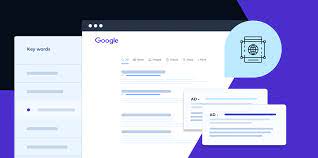
Search marketing, also known as search engine marketing (SEM), is a powerful digital marketing strategy that aims to increase a website’s visibility in search engine results pages (SERPs) through paid advertising and search engine optimization (SEO). It encompasses both pay-per-click (PPC) advertising and organic search tactics to drive targeted traffic to a website.

Key Components of Search Marketing:

Pay-Per-Click (PPC) Advertising: PPC ads are paid advertisements that appear at the top or bottom of search engine results pages. Advertisers bid on keywords relevant to their target audience, and they pay a fee each time their ad is clicked. PPC campaigns can be highly targeted and offer instant visibility for businesses.

Search Engine Optimization (SEO): SEO involves optimizing a website’s content, structure, and technical aspects to improve its ranking in organic search results. By using relevant keywords, creating high-quality content, and building backlinks from reputable sites, businesses can enhance their online presence and attract organic traffic.

The Benefits of Search Marketing:

Increased Visibility: By implementing search marketing strategies, businesses can improve their visibility in search engines and reach a wider audience of potential customers.

Targeted Traffic: Search marketing allows businesses to target specific demographics, locations, and interests, ensuring that their ads are seen by users who are most likely to convert.

Measurable Results: With tools like Google Analytics and ad platforms’ built-in analytics, businesses can track the performance of their search marketing campaigns in real-time and make data-driven decisions to optimize their strategies.

In Conclusion

Search marketing is a dynamic and essential component of any digital marketing strategy. By combining PPC advertising with SEO techniques, businesses can increase their online visibility, drive targeted traffic to their websites, and ultimately achieve their marketing goals.


Mastering Search Marketing: 7 Essential Tips for Success

  1. 1. Conduct keyword research to understand what terms your target audience is searching for.
  2. 2. Optimise your website and content for search engines by including relevant keywords and meta tags.
  3. 3. Create high-quality, engaging content that provides value to users and encourages them to stay on your site.
  4. 4. Utilise pay-per-click (PPC) advertising to target specific keywords and drive traffic to your site quickly.
  5. 5. Monitor and analyse your search marketing efforts using tools like Google Analytics to make data-driven decisions.
  6. 6. Build quality backlinks from reputable websites to improve your site’s authority and search engine rankings.
  7. 7. Stay updated on search engine algorithms and trends to adapt your strategy for better results.

1. Conduct keyword research to understand what terms your target audience is searching for.

Conducting thorough keyword research is a fundamental step in effective search marketing. By understanding the specific terms and phrases that your target audience is using to search for products or services, you can tailor your content and advertising strategies to align with their needs and preferences. This insight not only improves your website’s visibility in search engine results but also helps you attract qualified traffic that is more likely to convert into customers. Keyword research forms the foundation of a successful search marketing campaign, guiding your efforts towards reaching and engaging with the right audience effectively.

2. Optimise your website and content for search engines by including relevant keywords and meta tags.

To enhance your search marketing efforts, it is crucial to optimise your website and content for search engines by incorporating relevant keywords and meta tags. By strategically placing keywords that align with your target audience’s search queries within your website’s content and meta tags, you can improve your site’s visibility in search engine results pages. Meta tags, such as meta titles and descriptions, provide search engines with valuable information about your web pages, helping them understand the relevance of your content to users’ searches. This optimisation strategy not only boosts your site’s ranking but also enhances its overall discoverability and click-through rates.

3. Create high-quality, engaging content that provides value to users and encourages them to stay on your site.

Creating high-quality, engaging content is a crucial tip in search marketing. By offering valuable information that resonates with users and keeps them interested, businesses can enhance their website’s performance in search engine rankings. Compelling content not only attracts visitors but also encourages them to explore further, increasing the chances of conversion and building brand loyalty. Ultimately, prioritising quality content that adds value to users’ experience can significantly impact a website’s visibility and success in the competitive digital landscape.

4. Utilise pay-per-click (PPC) advertising to target specific keywords and drive traffic to your site quickly.

Utilising pay-per-click (PPC) advertising is a highly effective tip in search marketing. By targeting specific keywords through PPC campaigns, businesses can drive traffic to their websites quickly and efficiently. With PPC, advertisers bid on relevant keywords to display their ads at the top of search engine results pages, ensuring visibility to users actively searching for products or services. This targeted approach not only increases website traffic but also enhances the likelihood of attracting qualified leads and potential customers, making PPC an invaluable tool in achieving marketing objectives swiftly.

5. Monitor and analyse your search marketing efforts using tools like Google Analytics to make data-driven decisions.

To enhance the effectiveness of your search marketing campaigns, it is crucial to monitor and analyse your efforts using tools such as Google Analytics. By leveraging these tools, you can gain valuable insights into the performance of your campaigns, track key metrics like website traffic and conversion rates, and make informed, data-driven decisions to optimise your strategies. Monitoring and analysing your search marketing efforts allows you to identify areas for improvement, refine your targeting tactics, and ultimately maximise the return on investment for your digital marketing initiatives.

To enhance your site’s authority and boost its visibility in search engine rankings, it is crucial to focus on building quality backlinks from reputable websites. By obtaining backlinks from trusted sources, you establish credibility and trustworthiness in the eyes of search engines. These inbound links act as signals of endorsement, indicating to search algorithms that your content is valuable and relevant. Investing time and effort in securing high-quality backlinks can significantly impact your site’s SEO performance, helping you climb the ranks and attract more organic traffic to your website.

To maximise the effectiveness of your search marketing efforts, it is crucial to stay informed about the latest search engine algorithms and trends. By staying updated on these developments, you can adapt your strategy accordingly to align with current best practices and optimise your online presence for improved results. Search engine algorithms are constantly evolving, and by keeping abreast of these changes, you can ensure that your marketing efforts remain relevant and effective in reaching your target audience.
google digital marketing

Unlocking the Potential of Google in Digital Marketing

The Power of Google in Digital Marketing

The Power of Google in Digital Marketing

In the realm of digital marketing, Google stands as a towering presence, offering a plethora of tools and platforms that have revolutionised the way businesses connect with their audiences online. From search engine optimisation (SEO) to pay-per-click advertising and analytics, Google’s suite of digital marketing solutions empowers businesses to reach their target customers effectively.

Google Ads: Driving Targeted Traffic

Google Ads, formerly known as Google AdWords, is a powerful advertising platform that allows businesses to create targeted ads that appear on Google’s search results pages and across its vast network of partner websites. By leveraging Google Ads, businesses can reach potential customers at the exact moment they are searching for products or services related to their offerings.

Google Analytics: Understanding Audience Insights

Google Analytics provides invaluable insights into website traffic and user behaviour. By tracking key metrics such as page views, bounce rates, and conversion rates, businesses can gain a deeper understanding of their audience and tailor their digital marketing strategies for optimal results. With Google Analytics, data-driven decision-making becomes the norm.

Google My Business: Enhancing Local Visibility

For businesses looking to enhance their local presence, Google My Business is an indispensable tool. By creating a profile on this platform, businesses can manage their online presence across Google Search and Maps, making it easier for local customers to find and engage with them. With features like customer reviews and business updates, Google My Business helps businesses build trust and credibility within their local communities.

Conclusion

In conclusion, Google’s suite of digital marketing tools offers businesses unparalleled opportunities to connect with their target audiences in meaningful ways. By harnessing the power of platforms like Google Ads, Analytics, and My Business, businesses can drive targeted traffic, gain valuable insights into audience behaviour, and enhance their online visibility. As digital marketing continues to evolve, leveraging the capabilities of Google will remain crucial for staying ahead in today’s competitive online landscape.


Understanding Google Digital Marketing: Key FAQs for Effective Strategies

  1. What is Google Ads and how does it work?
  2. How can Google Analytics help in tracking digital marketing performance?
  3. What are the benefits of using Google My Business for local businesses?
  4. How do I create effective ads on Google Ads to reach my target audience?
  5. What are some best practices for SEO when it comes to Google’s search engine?
  6. Can Google’s digital marketing tools be integrated with other platforms for a comprehensive strategy?

What is Google Ads and how does it work?

Google Ads, formerly known as Google AdWords, is a powerful online advertising platform offered by Google. It allows businesses to create and display ads on Google’s search results pages and its network of partner websites. Google Ads operates on a pay-per-click (PPC) model, where advertisers bid on specific keywords relevant to their target audience. When users search for these keywords, the ads are displayed at the top or bottom of the search results page. Advertisers only pay when users click on their ads, making it a cost-effective way to reach potential customers actively searching for products or services. Additionally, Google Ads provides detailed analytics and performance metrics to help advertisers track the effectiveness of their campaigns and make data-driven decisions to optimise their advertising strategies.

How can Google Analytics help in tracking digital marketing performance?

Google Analytics plays a pivotal role in tracking digital marketing performance by providing businesses with valuable insights into the effectiveness of their online campaigns. Through Google Analytics, businesses can monitor key metrics such as website traffic, user engagement, conversion rates, and more. By analysing this data, businesses can gain a comprehensive understanding of how their digital marketing efforts are performing and identify areas for improvement. With the ability to track and measure the impact of various marketing strategies in real-time, Google Analytics empowers businesses to make informed decisions and optimise their digital marketing initiatives for greater success.

What are the benefits of using Google My Business for local businesses?

Utilising Google My Business offers a multitude of benefits for local businesses seeking to enhance their online presence and connect with potential customers in their vicinity. By creating a profile on Google My Business, businesses can improve their visibility on Google Search and Maps, making it easier for local consumers to discover and engage with them. The platform allows businesses to provide essential information such as contact details, opening hours, and customer reviews, fostering trust and credibility within the local community. Additionally, Google My Business enables businesses to post updates, promotions, and events, keeping customers informed and engaged. Overall, leveraging Google My Business is a valuable strategy for local businesses looking to increase their online visibility, attract more foot traffic, and build strong relationships with their target audience.

How do I create effective ads on Google Ads to reach my target audience?

Creating effective ads on Google Ads to reach your target audience requires a strategic approach that combines compelling ad copy, relevant keywords, and precise targeting. Start by understanding your target audience’s preferences, needs, and behaviours to craft ad messaging that resonates with them. Conduct keyword research to identify the terms your audience is searching for and incorporate these keywords into your ads. Utilise ad extensions to provide additional information and enhance the visibility of your ads. Regularly monitor and analyse the performance of your ads to make data-driven adjustments and optimisations for maximum impact. By continuously refining your ad strategy based on insights and feedback, you can create ads that effectively engage your target audience on Google Ads.

What are some best practices for SEO when it comes to Google’s search engine?

When it comes to optimising your website for Google’s search engine, there are several best practices for SEO that can help improve your visibility and rankings. Firstly, focusing on relevant keywords and incorporating them strategically throughout your content can enhance your site’s relevance to search queries. Creating high-quality, original content that provides value to users is also key, as Google prioritises websites that offer valuable information. Additionally, ensuring your website is mobile-friendly, has fast loading times, and includes meta tags and descriptions can further boost its SEO performance. Regularly monitoring and analysing your site’s performance through tools like Google Analytics can help you track progress and make necessary adjustments to improve your search engine rankings over time.

Can Google’s digital marketing tools be integrated with other platforms for a comprehensive strategy?

Yes, Google’s digital marketing tools can indeed be integrated with other platforms to create a comprehensive marketing strategy. By combining Google’s tools such as Google Ads, Analytics, and My Business with other platforms like social media channels, email marketing software, and customer relationship management (CRM) systems, businesses can create a cohesive and multi-faceted approach to reaching their target audience. This integration allows for a more holistic view of marketing efforts, enabling businesses to track performance across various channels and optimise their strategies for maximum impact. The seamless integration of Google’s tools with other platforms enhances data collection, analysis, and overall campaign effectiveness in the ever-evolving digital landscape.