
Digital Marketing Management: A Practical Guide for Growing Businesses
Digital marketing management is the planning, delivery and measurement of a business’s marketing activity across digital channels. It brings together strategy, content, technology and analysis to help an organisation reach the right people and achieve its goals.
For some businesses, that may mean generating enquiries. For others, it could involve increasing online sales, building brand awareness or encouraging existing customers to return. Whatever the objective, effective management helps ensure that digital activity works as part of a coherent plan rather than as a collection of disconnected campaigns.
What does digital marketing management involve?
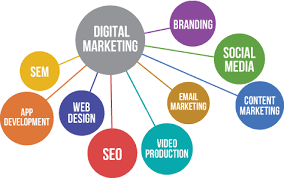
Digital marketing covers a wide range of channels and activities. Managing them effectively means deciding which ones are appropriate, setting clear priorities and making sure each contributes to the wider business strategy.
- Search engine optimisation (SEO): Improving a website’s visibility in organic search results and making it more useful to visitors.
- Paid advertising: Using platforms such as search engines and social networks to reach specific audiences through paid campaigns.
- Content marketing: Creating helpful, relevant content that informs, inspires or supports potential customers.
- Social media: Sharing content, engaging with audiences and building a consistent presence on suitable platforms.
- Email marketing: Communicating with subscribers and customers through relevant, permission-based emails.
- Website and conversion optimisation: Making it easier for visitors to find information and take useful actions, such as making an enquiry or placing an order.
- Analytics and reporting: Measuring performance to understand what is working and where improvements are needed.
Start with clear objectives
Good management begins with a clear understanding of what the business wants to achieve. Broad aims such as “get more customers” are difficult to plan for and measure. More specific objectives provide a better foundation for decision-making.
For example, a business might aim to increase qualified enquiries from its website, grow online revenue from a particular product range or improve the number of returning customers. Objectives should be realistic, time-bound and linked to wider business priorities.
Once objectives are agreed, choose key performance indicators (KPIs) that show progress. Depending on the goal, these might include organic website visits, cost per lead, conversion rate, email sign-ups or revenue generated by a campaign.
Understand the audience
Digital marketing is more effective when it reflects the needs, habits and questions of the people it is intended to reach. Audience research can help a business understand who its customers are, what they value and how they look for information or make purchasing decisions.
Useful sources of insight include customer conversations, sales and support enquiries, website analytics, search data and feedback from existing campaigns. These findings can inform the messages a business uses, the content it creates and the channels it prioritises.
Choose the right channels
Being present on every platform is not always the best approach. Different channels suit different audiences, products and objectives. A business selling to other organisations may benefit from search marketing, specialist content and professional networking platforms. A consumer brand may find visual social channels or email more relevant.
Channel choices should be based on evidence and reviewed over time. It is often more effective to manage a small number of suitable channels well than to spread resources too thinly across many.
Create a joined-up plan
A digital marketing plan connects objectives, audiences, channels, content, budgets and responsibilities. It should set out what will happen, when it will happen and how success will be assessed.
Planning helps teams coordinate campaigns and maintain a consistent message across the customer journey. Someone discovering a business through a search result, for instance, should find a website that clearly follows through on the promise made in the listing or advert.
A plan should provide direction without being inflexible. Customer behaviour, platform features and business priorities can change, so plans need regular review.
Measure, learn and improve
Digital marketing management does not end when a campaign goes live. Ongoing measurement helps businesses understand how people respond and whether activity is contributing to the intended objectives.
Reports are most useful when they focus on meaningful outcomes rather than numbers in isolation. A rise in website visits may look positive, but it matters more whether those visits come from relevant people and lead to enquiries, sales or another desired action.
Reviewing performance regularly can reveal where to make adjustments. A business might refine its audience targeting, improve a landing page, test a different message or invest more in a channel that is producing valuable results. Testing should be deliberate, with changes based on a clear question and measurable outcome.
Keep the customer experience in focus
Marketing can attract attention, but the experience that follows plays an important part in turning interest into action. Pages should load reliably, work well on mobile devices and make essential information easy to find. Calls to action should be clear, and forms should ask only for information that is genuinely needed.
Consistency also matters. A business’s tone, visual identity and promises should align across its website, adverts, social media and customer communications. This helps create a more recognisable and trustworthy experience.
Work responsibly with data
Digital marketing often involves collecting or using personal information. Businesses should handle data responsibly, explain how it is used and follow relevant privacy and marketing rules. Email marketing, cookies and tracking technologies may have specific requirements, so organisations should seek appropriate guidance and keep their processes up to date.
Respectful data practices support customer confidence as well as compliance. Clear choices and relevant communications are more likely to build lasting relationships than excessive or unexpected messages.
In-house management or external support?
Some organisations manage digital marketing internally, while others work with agencies, consultants or a combination of both. The right arrangement depends on the skills, time and resources available, as well as the complexity of the marketing programme.
External support can bring specialist expertise or additional capacity. Internal teams can contribute detailed knowledge of the business, its customers and its day-to-day operations. Whichever model is chosen, clear objectives, communication and accountability are essential.
Make digital marketing an ongoing process
Effective digital marketing management is not a one-off campaign or a fixed checklist. It is an ongoing process of setting priorities, understanding audiences, delivering useful experiences and learning from results.
By combining clear objectives with thoughtful channel choices and regular measurement, businesses can make better use of their marketing resources. The strongest approach is one that supports the wider business, responds to customers’ needs and adapts as circumstances change.
Maximising Impact: The Benefits of Digital Marketing Management for Business Success
- Keeps marketing activity aligned with business goals.
- Helps reach the right audiences through suitable channels.
- Makes it easier to track results and return on investment.
- Supports consistent messaging across digital platforms.
- Improves customer engagement and online experiences.
- Enables quick adjustments based on performance data.
- Helps businesses use marketing budgets more effectively.
Challenges in Digital Marketing Management: Time, Investment, Delayed Results, Platform Changes, and Data Privacy Complexity
- Can be time-consuming to manage.
- Requires ongoing investment.
- Results may take time to appear.
- Digital platforms change frequently.
- Data privacy rules can be complex.
Keeps marketing activity aligned with business goals.
Digital marketing management helps keep every campaign, channel and piece of content focused on the wider business goals. By setting clear objectives and tracking relevant results, businesses can prioritise activity that supports outcomes such as generating qualified leads, increasing sales or building customer loyalty. This makes it easier to use budgets and resources effectively, while ensuring marketing efforts contribute to measurable progress.
Helps reach the right audiences through suitable channels.
Effective digital marketing management helps businesses reach the right audiences by matching their needs and online habits with suitable channels. Rather than trying to be everywhere, businesses can focus on the platforms and formats their potential customers are most likely to use, making marketing more relevant, efficient and impactful.
Makes it easier to track results and return on investment.
Digital marketing management makes it easier to track results and understand return on investment (ROI). By monitoring metrics such as website visits, enquiries, conversions and campaign costs, businesses can see which activities are delivering value and where budgets may be better spent. This clear, measurable picture supports informed decisions, helping teams refine campaigns and focus resources on the approaches that contribute most to their goals.
Supports consistent messaging across digital platforms.
Digital marketing management helps ensure your brand communicates consistently across its website, social media, email and online advertising. By aligning your tone of voice, visual identity and key messages, you create a more recognisable experience for customers wherever they encounter your business. This consistency can build trust, reinforce what your brand stands for and make your communications more effective.
Improves customer engagement and online experiences.
Effective digital marketing management helps businesses engage with customers through relevant, timely communication across the channels they use. By understanding customer needs and using insights to personalise content, offers and support, businesses can make each interaction more useful and consistent. A well-managed website, clear information and responsive social media or email communications also create a smoother online experience, helping customers feel valued and more confident in choosing the brand.
Enables quick adjustments based on performance data.
Digital marketing management makes it possible to respond quickly to performance data. By monitoring results such as website visits, enquiries and conversions, businesses can see what is working and adjust campaigns accordingly. They can refine their messaging, change audience targeting or shift budget towards better-performing channels, helping marketing activity stay effective as customer behaviour and business priorities change.
Helps businesses use marketing budgets more effectively.
Digital marketing management helps businesses use their marketing budgets more effectively by directing spend towards the channels and campaigns most likely to reach the right audience and achieve clear objectives. Regular performance tracking shows what is delivering value and where money may be wasted, allowing businesses to adjust their activity, prioritise successful tactics and make more informed decisions about future investment.
Can be time-consuming to manage.
Digital marketing management can be time-consuming, as each channel needs regular attention, from planning content and scheduling campaigns to responding to customers and reviewing performance. Keeping up with changing platforms, trends and tools can add to the workload, particularly for small businesses with limited staff. Without clear priorities or a manageable plan, marketing tasks can take time away from other important parts of the business.
Requires ongoing investment.
Digital marketing management requires ongoing investment, both in budget and staff time. Campaigns need regular monitoring, content must be updated, and tools, advertising and specialist skills can all involve continuing costs. Businesses may also need to adjust their approach as platforms and customer behaviour change, making it important to plan for long-term spending rather than treating digital marketing as a one-off expense.
Results may take time to appear.
One drawback of digital marketing management is that results may take time to appear. Activities such as search engine optimisation, content marketing and building an engaged audience usually require consistent effort before they deliver noticeable outcomes. This can be challenging for businesses expecting quick returns, so it is important to set realistic expectations, monitor progress and recognise early signs of improvement while longer-term results develop.
Digital platforms change frequently.
One challenge of digital marketing management is that digital platforms change frequently. Search engine algorithms, social media features, advertising rules and audience habits can shift with little warning, making yesterday’s successful approach less effective today. Businesses need to keep up with these changes, review their strategies and adapt their campaigns, which can take time and resources.
Data privacy rules can be complex.
Data privacy rules can be complex, making digital marketing management more demanding for businesses. Requirements around consent, cookies, email campaigns and the collection or use of personal information can vary and change over time. Keeping up with these obligations takes time and expertise, and mistakes may lead to complaints, reputational damage or legal consequences. Businesses need clear processes and appropriate guidance to handle customer data responsibly and remain compliant.