Internet Marketing Online: A Practical Guide for Businesses
Internet marketing online helps businesses reach, engage and serve customers through digital channels. From appearing in search results to sharing useful content on social media, it gives organisations practical ways to build awareness and encourage people to take action.
A successful approach is not simply about being present on every platform. It starts with understanding your audience, setting clear goals and choosing the channels that make sense for your business.
What is internet marketing?
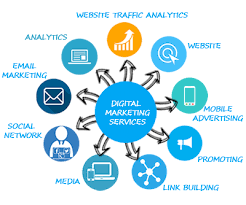
Internet marketing, also known as online or digital marketing, is the promotion of a business, product or service using the internet. It can include:
- Search engine optimisation (SEO)
- Paid search and online advertising
- Content marketing, such as articles, guides and videos
- Social media marketing
- Email marketing
- Affiliate and influencer marketing
These methods can work together. For example, a helpful article may attract visitors through search engines, while an email newsletter encourages readers to return to your website.
Start with clear goals
Before investing time or budget, decide what you want your marketing to achieve. Your goals might include increasing relevant website visits, generating enquiries, growing online sales or building awareness of a new service.
Clear goals make it easier to select suitable channels and measure progress. They also help distinguish useful activity from marketing that may look busy but is not contributing to your business objectives.
Understand your audience
Effective online marketing speaks to the people most likely to need what you offer. Consider their priorities, questions and challenges, as well as how they search for information and which platforms they use.
Customer conversations, sales enquiries and website analytics can all provide useful insight. Use what you learn to create relevant messages and content, rather than relying on assumptions or trying to appeal to everyone at once.
Make your website work harder
Your website is often the place where online marketing leads people to learn more or take the next step. It should be easy to use on mobile devices, quick to navigate and clear about what your business offers.
Make important information straightforward to find, including contact details, service descriptions and pricing information where appropriate. Each page should also have a clear purpose, such as encouraging visitors to make an enquiry, book a consultation or purchase a product.
Use search marketing to reach people with intent
SEO helps improve the visibility of your website in unpaid search results. It involves creating useful, well-organised content and making sure search engines can understand and access your pages. SEO is a long-term activity, so results may take time.
Paid search advertising can provide visibility more quickly by placing adverts alongside relevant search results. It can be useful for testing demand or promoting a specific offer, but campaigns need careful targeting and ongoing monitoring to make sure the budget is being used effectively.
Create useful content
Content marketing gives potential customers information that helps them make decisions. This might include how-to articles, frequently asked questions, case studies, videos or product guides.
Good content is accurate, relevant and easy to understand. Rather than focusing only on keywords, answer the questions your audience is likely to ask. Over time, useful content can support search visibility, build trust and give your business something valuable to share through other channels.
Choose social media channels thoughtfully
Social media can help businesses share updates, take part in conversations and direct people to useful resources. The right platforms depend on your audience and the nature of your business; there is no need to maintain a presence everywhere.
Plan a realistic posting schedule and focus on useful, engaging communication. Social media works best as part of a wider marketing plan, rather than as a replacement for a well-built website or other channels.
Build relationships with email marketing
Email marketing gives you a direct way to communicate with people who have chosen to hear from your business. Newsletters, service updates and relevant offers can help keep your audience informed and encourage repeat engagement.
Keep emails useful and concise, and make it easy for subscribers to manage their preferences or unsubscribe. Businesses in the UK should also follow applicable data protection and electronic marketing rules, including requirements around consent.
Measure and improve your marketing
Use analytics to understand how people find and use your website, and whether your marketing is contributing to your goals. Useful measures may include relevant visits, enquiry rates, purchases, email engagement and the cost of acquiring a customer.
Review performance regularly, but avoid making decisions based on one number alone. A high number of clicks, for example, does not necessarily mean a campaign is reaching the right people. Look at the quality of the traffic and the actions visitors take.
Bring your channels together
Internet marketing online is most effective when its different parts support one another. Search, content, social media, email and advertising can each play a role in helping customers discover your business and decide what to do next.
Start with a clear plan, focus on the channels that suit your audience and keep improving based on evidence. A consistent, customer-focused approach can help your business build a stronger online presence over time.
Top 8 FAQs on Internet Marketing: A Guide for Small Businesses
- What is internet marketing?
- How does online marketing work?
- Which online marketing channels are best for a small business?
- How much does internet marketing cost?
- How long does it take to see results from online marketing?
- What is the difference between SEO and paid advertising?
- How can I measure the success of an online marketing campaign?
- Do I need a website to market my business online?
What is internet marketing?
Internet marketing is the promotion of a business, product or service through the internet. It includes activities such as search engine optimisation (SEO), online advertising, social media, email campaigns and content marketing. These channels help businesses reach potential customers, share useful information, build relationships and encourage actions such as making an enquiry or purchasing a product.
How does online marketing work?
Online marketing works by using digital channels such as search engines, websites, social media and email to connect a business with potential customers. It starts with understanding your audience and setting clear goals, then choosing suitable channels and creating relevant content or campaigns to reach people. Performance is measured using data such as website visits, enquiries and sales, so businesses can refine their approach and focus on what works best.
Which online marketing channels are best for a small business?
The best online marketing channels depend on your customers, goals and budget. Many small businesses benefit from a clear, mobile-friendly website, local SEO and a well-maintained Google Business Profile to help nearby customers find them. Social media can build awareness and relationships when your audience uses those platforms, while email marketing is useful for keeping in touch with people who have opted in. Paid search or social advertising can help reach customers more quickly, but start with a modest budget and track enquiries or sales to see what works. It is usually better to focus on a few relevant channels than to spread resources too thinly.
How much does internet marketing cost?
The cost of internet marketing varies depending on your goals, the channels you use and the level of support you need. A small business might begin with a modest budget for content, social media or a focused advertising campaign, while a broader strategy involving SEO, paid ads, email marketing and specialist support will usually cost more. When setting a budget, consider both agency or management fees and advertising spend, and review results regularly to see what is delivering value.
How long does it take to see results from online marketing?
The time it takes to see results from online marketing depends on the channels you use, your goals and the competitiveness of your market. Paid advertising can generate visits or enquiries soon after a campaign launches, while SEO and content marketing usually take longer to build momentum and may need several months of consistent work. Track meaningful measures, such as qualified enquiries or sales, and review performance regularly so you can refine your approach.
What is the difference between SEO and paid advertising?
SEO (search engine optimisation) aims to improve your website’s visibility in unpaid search results by making its content and structure more useful to people and easier for search engines to understand. It can build lasting visibility, but results usually take time. Paid advertising places sponsored listings or adverts on search engines and other platforms, often providing quicker exposure while you pay for clicks or impressions. SEO focuses on earning organic visibility; paid advertising buys placement, and many businesses use both as part of their online marketing strategy.
How can I measure the success of an online marketing campaign?
Measure an online marketing campaign against the goals you set before it launched. Track relevant metrics such as website visits, click-through rates, enquiries, sales, conversion rates and cost per lead or sale, using tools such as website analytics and advertising dashboards. Compare results with your targets and, where possible, with previous campaigns, then consider whether the outcomes justify the time and budget spent. The most useful measures are those that show real progress towards your business goals, not simply high numbers of views or clicks.
Do I need a website to market my business online?
You don’t necessarily need a website to start marketing your business online. Social media profiles, online directories and marketplace listings can help you reach customers, but they offer less control over how your business is presented and how customer data is managed. A website gives you a central place to explain your services, share useful information and invite people to get in touch or buy. For many businesses, it’s a valuable long-term foundation, even if you begin with other online channels.