
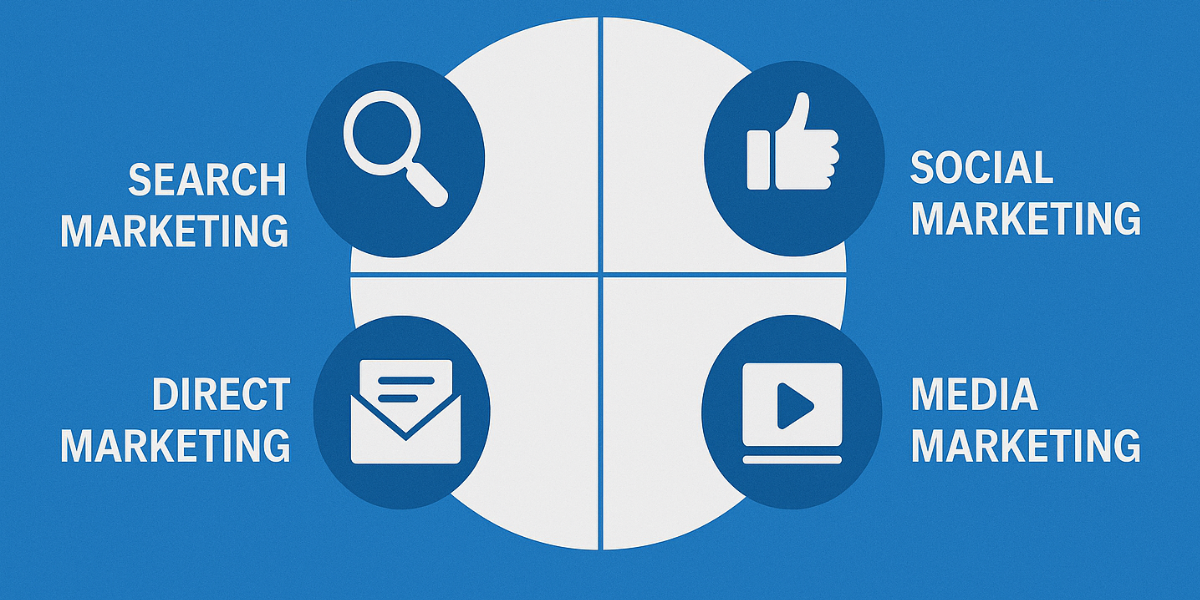
Digital Marketing and Communication: Building Stronger Connections Online
Digital marketing and communication are closely connected. Marketing helps businesses reach the right people, while communication builds the trust and understanding that turn an audience into a community of customers. When the two work together, a business can share a consistent message, create meaningful experiences and support lasting relationships.
What is digital marketing?
Digital marketing is the promotion of a business, product or service through online channels. These may include websites, search engines, social media, email and digital advertising. The right mix depends on a business’s goals, audience and resources.
Common digital marketing activities include:
- Search engine optimisation (SEO): Improving a website so it can be found more easily through relevant search results.
- Content marketing: Creating useful articles, guides, videos and other content for an intended audience.
- Social media marketing: Sharing content and engaging with people on social platforms.
- Email marketing: Sending relevant updates, offers and information to people who have chosen to hear from a business.
- Online advertising: Using paid placements to reach specific audiences or encourage particular actions.
Why communication matters
Digital channels make it possible to communicate quickly and on a large scale. But simply publishing more content does not guarantee that people will notice, understand or trust a message. Effective communication starts with listening: learning what an audience needs, what questions it has and which channels it prefers.
Clear communication can help a business explain what it offers, set realistic expectations and make it easier for customers to take the next step. It also gives people a reason to engage, whether that means asking a question, signing up for updates or making a purchase.
Creating a consistent message
People may encounter a business through a search result, a social media post, an email or its website. Each interaction should feel recognisably connected to the same brand. Consistency does not mean using identical wording everywhere. It means keeping the core message, tone and visual identity aligned while adapting the format to suit each channel.
A useful starting point is to define:
- Who the business is trying to reach.
- What those people need or want to know.
- What makes the business’s offer relevant.
- What action readers should take next.
- How the brand should sound across different channels.
Choose channels with purpose
Being active on every digital platform is not always practical or effective. A better approach is to focus on the channels that suit the audience and the business’s objectives. For example, a detailed guide may work well on a website, while a short update may be better suited to social media. Email can be useful for sharing information with subscribers, provided messages remain relevant and easy to manage.
Each channel should have a clear role. A website might provide comprehensive information, social media might support conversation and discovery, and email might keep an opted-in audience informed. Together, these channels can create a more connected customer experience.
Make content useful and accessible
Good digital communication is centred on the audience, not just the organisation. Content should answer genuine questions, use plain language and avoid unnecessary jargon. It should also be accessible: use clear headings, descriptive links, readable layouts and alternative text for meaningful images.
Useful content can take many forms, including how-to articles, FAQs, product information, case studies and short videos. The format matters less than whether the content is accurate, relevant and easy to understand.
Measure what matters
Digital marketing provides data that can help businesses understand how their communications are performing. The right measures depend on the goal. Website visits may indicate interest, while enquiries, sign-ups or sales may offer a clearer view of action taken. Engagement figures can provide context, but they should not be treated as success on their own.
Reviewing results regularly helps a business identify what is working and where improvements may be needed. It is also important to interpret data carefully, taking account of the audience, campaign timing and other factors that could affect performance.
Build trust over time
Trust grows through consistent, honest communication. Businesses should be clear about what they offer, respond thoughtfully to feedback and avoid promises they cannot support. They should also respect people’s privacy and follow applicable data protection and marketing rules, including requirements around consent and unsubscribing from marketing emails.
Not every interaction needs to lead directly to a sale. Helpful advice, timely answers and straightforward information can all contribute to a positive relationship with a brand.
Bringing digital marketing and communication together
Effective digital marketing is more than choosing platforms or publishing campaigns. It is an ongoing process of understanding an audience, sharing useful information, listening to responses and improving the experience. When communication is clear and marketing activity has a defined purpose, businesses can make better use of their digital channels and create stronger connections with the people they serve.
Top 5 FAQs on Digital Marketing and Communication: Understanding Strategies, Costs, and Success Metrics
- What is digital marketing and how does it work?
- Which digital marketing channels are best for my business?
- How can I improve my digital marketing communication?
- How much does digital marketing cost?
- How can I measure the success of a digital marketing campaign?
What is digital marketing and how does it work?
Digital marketing is the promotion of a business, product or service through online channels such as search engines, websites, social media, email and digital advertising. It works by helping a business reach relevant audiences, share useful or persuasive messages, and encourage actions such as visiting a website, making an enquiry or completing a purchase. By measuring results—such as visits, engagement and conversions—businesses can understand what is effective and refine their marketing over time.
Which digital marketing channels are best for my business?
The best digital marketing channels depend on your business goals, audience and budget. Consider where your customers spend time online and how they prefer to find information: SEO can help people discover your website through search engines, social media can build awareness and encourage conversation, while email can nurture relationships with subscribers. Paid advertising may help you reach a specific audience quickly, but it needs careful planning and monitoring. Rather than trying to use every channel, choose the ones that suit your customers and focus on measuring results so you can refine your approach over time.
How can I improve my digital marketing communication?
To improve your digital marketing communication, start by understanding your audience and the questions, needs and channels that matter to them. Set clear goals, use plain and consistent language, and tailor your message to each platform rather than sharing the same content everywhere. Create useful, accessible content, make the next step clear and respond promptly to comments or enquiries. Finally, review performance regularly—using measures such as engagement, enquiries and conversions—and use what you learn to refine your approach.
How much does digital marketing cost?
The cost of digital marketing varies depending on your goals, the channels you use and the level of support you need. A focused SEO or social media campaign may require a smaller budget than a multi-channel strategy involving paid advertising, content creation and ongoing management. Costs can also depend on how competitive your market is and whether you work with an agency, a freelancer or an in-house team. A good starting point is to set clear objectives and agree a budget, then review performance regularly to understand what is delivering value.
How can I measure the success of a digital marketing campaign?
Measure the success of a digital marketing campaign by comparing its results with the goals set before launch. Choose relevant key performance indicators (KPIs), such as website visits, engagement, enquiries, email sign-ups or sales, and track them using tools such as website analytics and advertising dashboards. Consider both the number and quality of responses, the campaign’s cost and return on investment, and how results compare with previous activity. Reviewing these measures regularly can show what is working and where adjustments may improve performance.