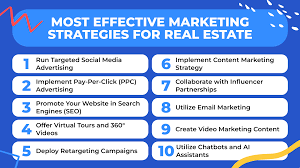
Digital Marketing for Estate Agents: A Practical Guide
For estate agents, a strong digital presence can help attract new instructions, connect buyers and renters with suitable properties, and build trust in the local market. The most effective approach is not simply to advertise everywhere. It is to reach the right people with useful, accurate information and make it easy for them to take the next step.
From local search and property portals to social media and email, each channel can play a part in a joined-up digital marketing strategy.
Start with a clear digital strategy
Before investing in marketing, decide what you want it to achieve. Your priorities might include winning more valuation appointments, increasing enquiries for particular properties, growing your landlord portfolio or improving awareness in a specific area.
Set measurable objectives, such as the number of qualified enquiries, valuation bookings or completed registrations you want to generate. These give you a clearer way to assess which activities are working and where your budget is best spent.
Make your website work harder
Your website is often one of the first places prospective clients go to find out about your agency. It should be easy to use on mobile, load quickly and make essential information simple to find.
Useful features include:
- Clear property search and filtering
- High-quality photographs, floor plans and virtual tours
- Prominent contact details and enquiry forms
- Information about your sales, lettings and valuation services
- Local guides and advice for buyers, sellers, landlords and tenants
- Accessible design and straightforward navigation
Make the next step clear on every key page. A visitor looking at a property may want to arrange a viewing, while a homeowner may be ready to request a valuation.
Build visibility in local search
Estate agency is closely tied to location, so local search engine optimisation (SEO) is particularly valuable. When people search online for an estate agent or property in their area, a well-maintained website and business profile can help your agency be found.
Keep your business name, address, telephone number and opening hours consistent across your website and online directories. Claim and update your Google Business Profile, adding accurate service information, recent photographs and relevant updates. Encourage clients to leave honest reviews, and respond to feedback professionally.
Your website can also answer the questions people ask when making property decisions. Create useful pages for the towns, neighbourhoods or areas you serve, and include genuinely helpful information rather than simply repeating location names. Local market updates, school and transport information, and guides to the buying or renting process can all provide value.
Create property marketing that informs and inspires
Online property listings are often a prospective buyer’s or tenant’s first introduction to a home. Clear, accurate particulars help people understand what is on offer and decide whether to enquire.
Use well-lit photography and make sure images represent the property fairly. Floor plans can help viewers understand the layout, while video and virtual tours offer another way to explore a home. Write descriptions that highlight practical details as well as appealing features, and ensure that important information is accurate and easy to understand.
Good presentation matters, but trust matters too. Avoid exaggerated claims or details that could give people a misleading impression. Review listings regularly so that availability, pricing and property information remain up to date.
Use social media with purpose
Social media can help estate agents build local recognition and keep in touch with their community. It is most effective when it offers more than a stream of property listings.
Consider sharing a mix of content, such as:
- New instructions and recently sold or let properties
- Short property tours and behind-the-scenes videos
- Local events, businesses and neighbourhood highlights
- Practical advice for sellers, buyers, landlords and tenants
- Team news and client stories, shared with permission
- Answers to common questions about the property process
Choose platforms that suit your audience and the type of content you can produce consistently. Reply to comments and messages promptly, and make sure any advertising is clearly presented as advertising.
Reach the right audience with paid advertising
Paid search and social advertising can help promote a valuation service, a new development or a property with a particular audience in mind. Search advertising can reach people actively looking for an estate agent or property service, while social campaigns can introduce your brand to people in selected locations.
Start with a specific objective and a defined budget. Use relevant landing pages, clear calls to action and carefully chosen targeting. Track enquiries and their quality, not just clicks or impressions. If a campaign attracts attention but few suitable leads, review the audience, message and landing page before increasing spend.
Stay in touch through email marketing
Email can help you maintain relationships with past clients and nurture people who are still deciding what to do. A useful newsletter might include local market insights, new instructions, moving advice or landlord updates.
Segment your contacts where possible, so people receive information relevant to their interests. For example, buyers, sellers, landlords and tenants may need different updates. Make sure your email activity follows applicable data protection and electronic marketing requirements, and give recipients a clear way to manage their preferences or unsubscribe.
Turn enquiries into conversations
Digital marketing can generate interest, but prompt and helpful follow-up is what turns many enquiries into real conversations. Make sure enquiries from your website, portals and social channels are monitored and assigned to someone who can respond.
A customer relationship management (CRM) system can help your team keep track of enquiries, viewing requests, valuation leads and follow-ups. Use it to provide a consistent service, while keeping personal information secure and collecting only what is needed.
Measure, learn and improve
Review performance regularly to understand what is contributing to your business goals. Useful measures may include:
- Website visits and the pages people view
- Calls, form submissions and valuation requests
- Enquiries generated by each marketing channel
- Viewing bookings and the quality of leads
- Email engagement and unsubscribe rates
- The cost of acquiring a qualified enquiry or instruction
Use analytics in line with relevant privacy requirements, and avoid relying on a single metric. A campaign with fewer enquiries may still be valuable if it reaches people more likely to instruct your agency.
Put trust at the centre of your marketing
Property decisions are significant, so people need to feel that they can rely on the information and advice they receive. Keep property details accurate, use client testimonials only with permission, and be clear about fees, services and next steps. Make sure marketing and data-handling practices meet the rules that apply to your business.
Build a consistent presence
Effective digital marketing for estate agents is an ongoing effort. A useful website, strong local visibility, engaging property content and responsive follow-up work best when they support one another. Begin with clear goals, focus on the channels your audience uses and review the results regularly.
By being helpful, consistent and transparent online, estate agents can strengthen local relationships and make it easier for future clients to choose their services.
Maximising Real Estate Success: The Top 5 Benefits of Digital Marketing for Agents
- Reach more local buyers, sellers, landlords and tenants.
- Generate enquiries around the clock.
- Showcase properties with engaging photos and videos.
- Build trust through reviews and useful advice.
- Measure results and focus your marketing budget.
Challenges of Digital Marketing for Estate Agents: Costs, Competition, and Changing Landscapes
- Can be costly to maintain.
- Competition for online attention is high.
- Results may take time to appear.
- Leads can be poor quality.
- Platforms and algorithms change frequently.
- Negative reviews can affect reputation.
- Marketing requires ongoing time and expertise.
Reach more local buyers, sellers, landlords and tenants.
Digital marketing helps estate agents connect with more local buyers, sellers, landlords and tenants by reaching people where they already search, browse and spend time online. Local SEO, targeted social media campaigns and useful area-specific content can put your agency in front of people looking for property or expert advice nearby. This wider local reach can build awareness, attract relevant enquiries and help you stay connected with the community.
Generate enquiries around the clock.
Digital marketing helps estate agents generate enquiries around the clock, even when the office is closed. A well-designed website, property listings and online enquiry forms let prospective buyers, tenants, sellers and landlords browse information and get in touch whenever it suits them. This makes it easier to capture interest outside normal working hours, so the team can follow up promptly the next day.
Showcase properties with engaging photos and videos.
Engaging photos and videos help estate agents bring properties to life online, giving potential buyers and tenants a better sense of each home before they book a viewing. High-quality images can highlight attractive features, while video tours offer a more immersive look at the layout and feel of a property. This can capture attention, encourage more relevant enquiries and help listings stand out in a competitive market.
Build trust through reviews and useful advice.
Digital marketing gives estate agents practical ways to build trust before a client even gets in touch. Honest online reviews offer prospective sellers, buyers, landlords and tenants insight into other people’s experiences, while useful advice—such as local market updates, viewing tips and clear guides to the moving process—shows that your agency understands their needs. By responding professionally to feedback and sharing accurate, helpful information consistently, you can strengthen your reputation and make people more confident about choosing your services.
Measure results and focus your marketing budget.
Digital marketing makes it easier for estate agents to see which activities are delivering results. By tracking enquiries, valuation requests and completed instructions across channels, you can identify where your most valuable leads come from and focus your budget on what works. Regularly reviewing performance also helps you spot underperforming campaigns early, make informed adjustments and avoid spending money on marketing that isn’t reaching the right audience.
Can be costly to maintain.
Digital marketing can be costly for estate agents to maintain, particularly when it involves paid advertising, professional photography, website updates, email platforms and specialist support. These expenses can add up over time, while results may take a while to appear. Without a clear budget and regular checks on performance, it can be difficult to know which activities are generating worthwhile enquiries and where to focus spending.
Competition for online attention is high.
Competition for online attention is high, making it difficult for estate agents to stand out among property portals, local competitors and promoted social media content. Even well-presented listings can be overlooked if they are not reaching the right audience, so agents may need to invest time and budget in strong photography, engaging content and targeted advertising. Without a clear point of difference and a consistent strategy, marketing efforts can get lost in the noise.
Results may take time to appear.
One drawback of digital marketing for estate agents is that results may take time to appear. Strategies such as improving search rankings, building a social media following and earning trust through useful content usually need consistent effort before they generate a noticeable increase in enquiries or instructions. This can be challenging when an agency needs leads quickly, so it is important to set realistic expectations, monitor progress and balance longer-term marketing with activities that may deliver results sooner.
Leads can be poor quality.
One drawback of digital marketing for estate agents is that it can generate poor-quality leads. Online adverts and enquiry forms may attract people who are browsing casually, are not ready to move, or fall outside the agency’s target area or budget range. Sorting through these enquiries takes time and can distract staff from serious buyers, sellers, landlords and tenants. Clear advertising, well-designed forms and prompt qualification questions can help agents focus on the prospects most likely to become clients.
Platforms and algorithms change frequently.
One challenge of digital marketing for estate agents is that platforms and algorithms change frequently. Updates to search engines and social media can affect which listings and posts people see, sometimes reducing reach or increasing advertising costs without warning. Agents need to keep up with these changes, review performance regularly and adapt their strategies, which can take time and resources away from other parts of the business.
Negative reviews can affect reputation.
Negative reviews can quickly affect an estate agent’s reputation, as prospective clients often check online feedback before choosing who to trust with a sale, purchase or tenancy. Even a small number of critical comments may create doubts, particularly if they go unanswered or appear alongside repeated complaints. Agents can help limit the impact by responding promptly and professionally, addressing genuine concerns and encouraging satisfied clients to share honest feedback.
Marketing requires ongoing time and expertise.
Digital marketing requires ongoing time and expertise, which can be challenging for busy estate agents already managing viewings, valuations and client enquiries. Creating engaging content, updating property listings, responding to online messages and monitoring campaign performance all need regular attention. Without the right skills or a consistent commitment, marketing can become ineffective or fall behind competitors. Agents may need to invest in training, specialist software or external support, adding to the overall cost.