best digital marketing campaigns 2018

Exploring the Top Digital Marketing Campaigns of 2018: A Showcase of the Best Strategies

Best Digital Marketing Campaigns of 2018

The Best Digital Marketing Campaigns of 2018

In the fast-paced world of digital marketing, creativity and innovation are key to standing out from the crowd. The year 2018 saw some remarkable campaigns that captivated audiences, drove engagement, and set new benchmarks for success. Let’s take a look at some of the best digital marketing campaigns that made a lasting impact in 2018:

Nike: “Dream Crazy”

Nike’s “Dream Crazy” campaign featuring Colin Kaepernick sparked conversations worldwide. The powerful message of empowerment and social justice resonated with audiences and showcased the brand’s commitment to taking a stand on important issues.

Coca-Cola: “Share a Coke”

Coca-Cola’s “Share a Coke” campaign personalised their iconic bottles with popular names, encouraging consumers to share a Coke with friends and loved ones. This simple yet effective campaign drove significant social media engagement and strengthened brand loyalty.

Spotify: “2018 Goals”

Spotify’s “2018 Goals” campaign used data insights to create personalised ads that highlighted users’ listening habits throughout the year. By celebrating individuality and connecting with users on a personal level, Spotify effectively showcased its understanding of its audience.

Airbnb: “We Accept”

Airbnb’s “We Accept” campaign promoted diversity and inclusivity by featuring stories of acceptance from hosts around the world. This heartfelt campaign resonated with audiences and reinforced Airbnb’s commitment to creating a sense of belonging for all.

Burger King: “Whopper Detour”

Burger King’s “Whopper Detour” campaign used geolocation technology to drive customers to rival McDonald’s locations for a one-cent Whopper deal. This bold and unconventional approach generated buzz, increased foot traffic, and showcased Burger King’s innovative spirit.

These are just a few examples of the outstanding digital marketing campaigns that made waves in 20

Each campaign demonstrated the power of storytelling, personalisation, and authenticity in connecting with audiences on a deeper level. As we look towards the future of digital marketing, these campaigns serve as inspiration for brands looking to make an impact in an increasingly competitive landscape.


Top Digital Marketing Campaigns of 2018: Insights and FAQs

  1. Which marketing is best in digital marketing?
  2. What is the most successful ad campaign in history?
  3. What are the digital marketing campaigns?
  4. Is digital marketing the most effective?

Which marketing is best in digital marketing?

When it comes to determining the best marketing strategy in digital marketing, it is essential to consider various factors such as the specific goals of a campaign, target audience demographics, budget constraints, and industry trends. There is no one-size-fits-all answer to this question as different marketing tactics can yield different results based on the context in which they are implemented. Ultimately, the effectiveness of a marketing approach depends on how well it aligns with the overall objectives of a brand or business and resonates with its intended audience. Conducting thorough research, testing different strategies, and constantly evaluating performance metrics are key components in identifying the most effective marketing tactics within the digital landscape.

What is the most successful ad campaign in history?

When considering the most successful ad campaign in history, one cannot overlook the iconic “Just Do It” campaign by Nike. Launched in 1988, this timeless slogan became synonymous with the brand’s ethos of empowerment and determination. The campaign featuring various athletes and inspiring stories not only boosted Nike’s sales but also solidified its position as a global leader in sports apparel. The enduring impact of the “Just Do It” campaign continues to resonate with audiences worldwide, making it a standout example of a truly successful ad campaign that transcends time.

What are the digital marketing campaigns?

Digital marketing campaigns refer to strategic initiatives undertaken by businesses to promote their products or services using online channels. In the context of the best digital marketing campaigns of 2018, these initiatives encompassed a wide range of creative and innovative approaches aimed at engaging target audiences, driving brand awareness, and ultimately achieving specific marketing objectives. From social media campaigns that went viral to personalised email marketing strategies and interactive website experiences, the digital marketing landscape in 2018 showcased the power of leveraging digital platforms to connect with consumers in meaningful ways and deliver impactful results for businesses.

Is digital marketing the most effective?

The question of whether digital marketing is the most effective form of marketing is a common one in today’s digital age. While traditional marketing methods still hold value, the rise of digital marketing has revolutionised the way businesses connect with their target audience. Digital marketing offers unparalleled reach, targeting capabilities, and real-time analytics that allow for precise measurement of campaign performance. With the ability to tailor messages to specific demographics and engage with customers across multiple channels, digital marketing has proven to be highly effective in driving brand awareness, generating leads, and increasing sales in 2018 and beyond.

best digital marketing campaigns 2017

Exploring the Top Digital Marketing Campaigns of 2017: A Showcase of Innovation and Impact

Best Digital Marketing Campaigns of 2017

The Top Digital Marketing Campaigns of 2017

2017 was a year filled with innovative and impactful digital marketing campaigns that captivated audiences worldwide. From creative storytelling to interactive experiences, brands pushed boundaries and set new standards in the digital landscape. Let’s take a look at some of the standout campaigns that left a lasting impression:

Nike: “Breaking2”

Nike’s “Breaking2” campaign aimed to break the two-hour marathon barrier, showcasing their commitment to pushing boundaries and inspiring athletes around the world. Through live streaming, social media engagement, and compelling storytelling, Nike successfully captured the attention of millions and reinforced its position as a leader in sports innovation.

Airbnb: “We Accept”

In response to global events, Airbnb launched the “We Accept” campaign to promote diversity and inclusion. By highlighting stories of acceptance and unity, Airbnb connected with audiences on an emotional level and reinforced its brand values of belonging and community.

Burger King: “Google Home Whopper Ad”

Burger King’s clever use of technology in the “Google Home Whopper Ad” sparked conversations and garnered widespread attention. By triggering Google Home devices to read out information about their Whopper burger, Burger King effectively blended traditional advertising with innovative technology to create a memorable experience for consumers.

Heineken: “Worlds Apart”

Heineken’s “Worlds Apart” campaign brought people with differing views together over a beer, demonstrating the power of open dialogue and understanding. Through thought-provoking videos and real-life social experiments, Heineken promoted unity and tolerance in a divided world.

Coca-Cola: “Share a Coke”

Coca-Cola’s “Share a Coke” campaign continued to resonate with consumers in 2017 by personalising bottles with individual names or phrases. This simple yet effective marketing strategy encouraged social sharing and engagement while reinforcing Coca-Cola’s message of connection and happiness.

In conclusion, the digital marketing campaigns of 2017 showcased creativity, innovation, and meaningful storytelling that resonated with audiences on a global scale. These campaigns not only drove brand awareness but also inspired change, fostered connections, and left a lasting impact on consumers.


Top Strategies for Successful Digital Marketing Campaigns in 2017

  1. Leverage influencer marketing to reach a wider audience.
  2. Create interactive content to engage users and encourage sharing.
  3. Utilise data analytics to track and measure the success of your campaigns.
  4. Optimise for mobile devices as more users are accessing content on smartphones.
  5. Personalise your campaigns to make them more relevant and appealing to your target audience.
  6. Experiment with different platforms and channels to find what works best for your brand.

Leverage influencer marketing to reach a wider audience.

In 2017, one of the key strategies for successful digital marketing campaigns was leveraging influencer marketing to reach a wider audience. By collaborating with influencers who had established credibility and a loyal following in their respective niches, brands were able to tap into new demographics and engage with consumers in a more authentic and relatable way. Influencer partnerships allowed brands to amplify their message, increase brand awareness, and drive conversions by leveraging the trust and influence that influencers held over their audiences. This approach proved to be highly effective in expanding reach and creating meaningful connections with target consumers in the ever-evolving digital landscape of 2017.

Create interactive content to engage users and encourage sharing.

Creating interactive content is a key strategy in successful digital marketing campaigns of 2017. By developing engaging and interactive experiences, brands can capture the attention of users and encourage them to actively participate with the content. This not only enhances user engagement but also increases the likelihood of users sharing the content with their networks, amplifying the campaign’s reach and impact. Interactive content creates a memorable and immersive experience for users, making them more likely to connect with the brand on a deeper level and ultimately drive desired actions.

Utilise data analytics to track and measure the success of your campaigns.

In the realm of best digital marketing campaigns in 2017, a crucial tip for success was the strategic utilisation of data analytics to track and measure campaign performance. By harnessing the power of data insights, businesses could gain valuable information on audience engagement, conversion rates, and overall campaign effectiveness. This analytical approach not only provided a clear understanding of what worked well but also identified areas for improvement, enabling marketers to refine their strategies for optimal results and continued growth in the digital landscape.

Optimise for mobile devices as more users are accessing content on smartphones.

In the realm of digital marketing campaigns in 2017, a crucial tip that stood out was the emphasis on optimising for mobile devices due to the increasing number of users accessing content on smartphones. With the rise in mobile usage, brands recognised the importance of delivering seamless and engaging experiences on smaller screens. By prioritising mobile optimisation, businesses were able to reach a wider audience, enhance user engagement, and stay ahead in an ever-evolving digital landscape. This strategic focus on catering to mobile users underscored the significance of adapting to changing consumer behaviours and preferences for effective campaign success.

Personalise your campaigns to make them more relevant and appealing to your target audience.

Personalising your digital marketing campaigns in 2017 proved to be a key strategy for success, as it allowed brands to connect with their target audience on a more individual level. By tailoring content and messaging to specific demographics or interests, companies were able to create more meaningful and engaging experiences for consumers. Personalisation not only increased relevance but also fostered stronger relationships with customers, ultimately leading to higher levels of engagement and brand loyalty. In a competitive digital landscape, the ability to customise campaigns based on audience preferences played a significant role in driving success and standing out among the crowd.

Experiment with different platforms and channels to find what works best for your brand.

In the realm of digital marketing campaigns in 2017, a crucial tip that stood out was the importance of experimenting with various platforms and channels to discover what resonates best with your brand. By exploring different avenues of communication and engagement, businesses were able to uncover unique opportunities for reaching their target audience effectively. This approach not only allowed brands to refine their strategies based on real-time data and insights but also enabled them to establish a strong online presence tailored to their specific brand identity and goals.

best digital marketing campaigns 2017

Exploring the Top Digital Marketing Campaigns of 2017: The Best in Innovation and Impact

Best Digital Marketing Campaigns of 2017

The Best Digital Marketing Campaigns of 2017

In the fast-paced world of digital marketing, creativity and innovation are key to capturing the attention of audiences and driving engagement. The year 2017 saw some remarkable campaigns that stood out for their impact and effectiveness. Let’s take a look at some of the best digital marketing campaigns that made waves in 2017:

Airbnb’s “We Accept” Campaign

Airbnb’s “We Accept” campaign was a powerful response to the global refugee crisis. The campaign featured a Super Bowl ad highlighting Airbnb’s commitment to diversity and acceptance, resonating with audiences worldwide and showcasing the brand’s values in a meaningful way.

Nike’s “Equality” Campaign

Nike’s “Equality” campaign celebrated diversity and inclusion, featuring prominent athletes and advocating for equality both on and off the field. The campaign generated widespread praise for its powerful message and impactful storytelling, solidifying Nike’s position as a socially conscious brand.

Burger King’s “Google Home Whopper” Campaign

Burger King’s innovative “Google Home Whopper” campaign took advantage of voice-activated technology to engage consumers in a unique way. By triggering Google Home devices to read out information about Burger King burgers, the campaign sparked conversation and showcased Burger King’s creativity in leveraging emerging technologies.

Heineken’s “Worlds Apart” Campaign

Heineken’s “Worlds Apart” campaign brought together individuals with differing perspectives on social issues for an experiment in understanding and empathy. The campaign highlighted Heineken’s commitment to fostering meaningful connections and promoting open dialogue, earning praise for its thought-provoking approach.

Coca-Cola’s “Share a Coke” Campaign

Coca-Cola continued its successful “Share a Coke” campaign in 2017, personalising bottles with popular names and encouraging consumers to share moments of happiness with loved ones. The campaign resonated with audiences globally, driving engagement and reinforcing Coca-Cola’s reputation as a brand that celebrates connection and joy.

These are just a few examples of the standout digital marketing campaigns that made an impact in 2017, demonstrating the power of creativity, storytelling, and purpose-driven messaging in capturing audience attention and building brand loyalty.


Exploring the Success of 2017’s Top Digital Marketing Campaigns: Strategies, Innovations, and Trends

  1. What were some of the most successful digital marketing campaigns in 2017?
  2. How did companies leverage digital marketing to achieve success in 2017?
  3. Which brands stood out for their innovative digital marketing strategies in 2017?
  4. What impact did digital marketing campaigns have on consumer behaviour in 2017?
  5. Were there any trends or patterns observed in the best digital marketing campaigns of 2017?
  6. How did social media play a role in the success of digital marketing campaigns in 2017?

What were some of the most successful digital marketing campaigns in 2017?

In 2017, the digital marketing landscape witnessed the emergence of several highly successful campaigns that left a lasting impact on audiences worldwide. Brands such as Airbnb, Nike, Burger King, Heineken, and Coca-Cola stood out for their innovative approaches to storytelling and engagement. From Airbnb’s “We Accept” campaign promoting diversity to Nike’s “Equality” campaign advocating for social justice, these brands leveraged digital platforms to connect with consumers on a deeper level. Burger King’s playful use of voice-activated technology in the “Google Home Whopper” campaign and Heineken’s thought-provoking “Worlds Apart” experiment showcased the power of creativity and empathy in marketing. Coca-Cola’s continued success with the “Share a Coke” campaign demonstrated the enduring appeal of personalisation and emotional connection in driving brand loyalty. These campaigns exemplified the best practices in digital marketing in 2017, setting new standards for creativity and impact in the industry.

How did companies leverage digital marketing to achieve success in 2017?

In 2017, companies leveraged digital marketing strategies to achieve remarkable success by embracing creativity, innovation, and targeted audience engagement. Through a combination of compelling storytelling, data-driven insights, and strategic use of social media platforms, businesses were able to connect with their customers on a deeper level and drive meaningful interactions. By personalising content, adopting emerging technologies, and focusing on delivering value to consumers, companies effectively captured attention in the crowded digital landscape and built strong brand loyalty. The key to success for many businesses in 2017 lay in their ability to adapt to changing consumer behaviours and preferences while staying true to their brand identity through impactful digital marketing campaigns.

Which brands stood out for their innovative digital marketing strategies in 2017?

In 2017, several brands distinguished themselves for their innovative digital marketing strategies that captivated audiences and set new standards in the industry. From Airbnb’s powerful “We Accept” campaign promoting diversity to Nike’s impactful “Equality” campaign advocating for social change, these brands showcased a commitment to meaningful storytelling and engagement. Burger King’s creative use of voice-activated technology in the “Google Home Whopper” campaign and Heineken’s thought-provoking “Worlds Apart” experiment in empathy further demonstrated the power of innovative approaches in digital marketing. Coca-Cola’s continued success with the “Share a Coke” campaign highlighted the importance of personalisation and connection in building brand loyalty. These brands truly stood out for their forward-thinking strategies that resonated with consumers on a profound level.

What impact did digital marketing campaigns have on consumer behaviour in 2017?

In 2017, the best digital marketing campaigns had a profound impact on consumer behaviour, shaping how individuals interacted with brands and made purchasing decisions. These campaigns leveraged innovative strategies such as personalisation, storytelling, and interactive content to engage audiences on a deeper level. By creating memorable experiences and fostering emotional connections, digital marketing campaigns influenced consumers’ perceptions, preferences, and purchase intentions. Brands that successfully captured attention and resonated with their target audience saw increased brand loyalty, higher engagement levels, and ultimately drove conversions. The transformative effect of these campaigns highlighted the significant role that digital marketing plays in shaping consumer behaviour and driving business success in the digital age.

In reviewing the best digital marketing campaigns of 2017, several trends and patterns emerged that contributed to their success. One notable trend was the emphasis on storytelling and creating meaningful narratives that resonated with audiences on a deeper level. Many campaigns focused on social issues, diversity, and inclusion, reflecting a shift towards purpose-driven marketing. Additionally, the use of innovative technologies such as voice activation and personalised experiences played a significant role in engaging consumers in new and exciting ways. Collaboration with influencers and leveraging user-generated content were also common strategies seen across top campaigns, highlighting the importance of authenticity and building genuine connections with target audiences. Overall, these trends underscored the evolving landscape of digital marketing in 2017 towards more interactive, socially conscious, and immersive experiences for consumers.

How did social media play a role in the success of digital marketing campaigns in 2017?

Social media played a pivotal role in the success of digital marketing campaigns in 2017 by providing a powerful platform for brands to engage with their target audiences on a personal level. Through social media channels such as Facebook, Twitter, Instagram, and LinkedIn, brands were able to reach a wider audience, create meaningful interactions, and generate buzz around their campaigns. The viral nature of social media allowed campaigns to quickly gain traction and visibility, leading to increased brand awareness and engagement. Moreover, social media analytics provided valuable insights into audience preferences and behaviour, enabling brands to refine their strategies for maximum impact. Overall, social media served as a catalyst for the success of digital marketing campaigns in 2017 by amplifying reach, fostering engagement, and driving results.

best digital marketing campaigns

Unlocking Success: Exploring the Best Digital Marketing Campaigns of All Time

Best Digital Marketing Campaigns

The Power of Exceptional Digital Marketing Campaigns

In today’s fast-paced digital age, businesses are constantly striving to stand out in the crowded online space. One of the most effective ways to capture audience attention, drive engagement, and boost brand awareness is through innovative digital marketing campaigns.

Key Elements of Successful Campaigns

Successful digital marketing campaigns often share common elements that set them apart from the rest. These include:

  • Creative Content: Compelling and engaging content that resonates with the target audience is crucial for any campaign’s success.
  • Strategic Planning: A well-thought-out strategy that aligns with business goals and target demographics is essential for achieving desired results.
  • Multichannel Approach: Leveraging multiple digital channels such as social media, email marketing, SEO, and PPC can maximise campaign reach and impact.
  • Data-Driven Decisions: Using analytics and data insights to track performance metrics and make informed adjustments throughout the campaign duration.
  • User Experience Focus: Ensuring a seamless user experience across all touchpoints to enhance customer satisfaction and drive conversions.

Examples of Outstanding Campaigns

Several brands have set the bar high with their exceptional digital marketing campaigns. Some notable examples include:

  1. Dove’s Real Beauty Sketches: This campaign challenged societal norms around beauty by showcasing women’s perceptions of themselves versus how others see them, resulting in a powerful message about self-esteem and self-perception.
  2. Oreo’s Daily Twist: Oreo’s 100-day social media campaign featured daily posts with creative twists on current events, pop culture references, and holidays, engaging audiences with timely and relevant content.
  3. Budweiser’s “Whassup?” Campaign: This iconic campaign from Budweiser became a cultural phenomenon with its humorous TV commercials featuring friends saying “Whassup?” while enjoying beer together, creating a memorable brand association.

The Future of Digital Marketing

As technology continues to evolve and consumer behaviours shift, the landscape of digital marketing will also undergo transformations. Brands that embrace innovation, adapt to changing trends, and prioritise delivering value to their audiences will continue to lead the way in creating impactful campaigns that resonate with consumers.


7 Essential Tips for Crafting Successful Digital Marketing Campaigns

  1. Define clear goals and objectives for your digital marketing campaign.
  2. Understand your target audience to create tailored and engaging content.
  3. Utilise various digital channels such as social media, email, and SEO to reach a wider audience.
  4. Monitor and analyse data regularly to track the performance of your campaign.
  5. Optimise your website for mobile devices to enhance user experience.
  6. Engage with your audience through interactive content like polls, quizzes, or live videos.
  7. Stay updated with the latest trends in digital marketing to stay ahead of the competition.

Define clear goals and objectives for your digital marketing campaign.

To create a successful digital marketing campaign, it is essential to define clear goals and objectives from the outset. By establishing specific and measurable targets, such as increasing website traffic, generating leads, or boosting brand awareness, businesses can align their strategies with their desired outcomes. Clear goals not only provide direction for the campaign but also enable marketers to track progress, evaluate performance, and make informed adjustments to optimise results. Setting well-defined objectives ensures that efforts are focused and resources are allocated effectively, ultimately leading to a more impactful and successful digital marketing campaign.

Understand your target audience to create tailored and engaging content.

To craft successful digital marketing campaigns, it is essential to have a deep understanding of your target audience. By gaining insights into their preferences, behaviours, and needs, you can create tailored and engaging content that resonates with them on a personal level. This approach not only enhances the effectiveness of your campaigns but also fosters stronger connections with your audience, ultimately driving better results and building brand loyalty.

Utilise various digital channels such as social media, email, and SEO to reach a wider audience.

To maximise the reach and impact of your digital marketing campaigns, it is essential to leverage a diverse range of digital channels, including social media, email, and SEO. By utilising these channels effectively, you can engage with a broader audience and increase visibility for your brand. Social media platforms offer opportunities for real-time interactions and engagement with users, while email marketing allows for personalised communication directly to subscribers. Additionally, optimising your website for search engines through SEO practices can improve your online visibility and attract organic traffic. Incorporating these digital channels into your strategy can help you reach a wider audience and drive meaningful results for your campaigns.

Monitor and analyse data regularly to track the performance of your campaign.

Monitoring and analysing data regularly is a crucial tip for running successful digital marketing campaigns. By tracking key performance metrics such as engagement rates, conversion rates, website traffic, and ROI, businesses can gain valuable insights into the effectiveness of their campaigns. This data-driven approach allows marketers to identify what is working well and what areas may need improvement, enabling them to make informed decisions and optimise strategies for better results. Regular analysis of campaign data ensures that efforts are focused on activities that drive the desired outcomes, ultimately leading to a more successful and impactful digital marketing campaign.

Optimise your website for mobile devices to enhance user experience.

Optimising your website for mobile devices is a crucial aspect of successful digital marketing campaigns. With the increasing number of users accessing the internet through smartphones and tablets, ensuring a seamless and responsive mobile experience is essential to engage and retain visitors. By prioritising mobile optimisation, businesses can enhance user experience, reduce bounce rates, improve search engine rankings, and ultimately drive conversions. A mobile-friendly website not only caters to the needs of modern consumers but also reflects a brand’s commitment to staying relevant and accessible in today’s mobile-first world.

Engage with your audience through interactive content like polls, quizzes, or live videos.

To create successful digital marketing campaigns, it is essential to actively engage with your audience through interactive content such as polls, quizzes, or live videos. By incorporating these elements into your strategy, you can foster a sense of participation and connection with your target demographic. Interactive content not only captures attention but also encourages audience interaction and feedback, leading to increased brand awareness and loyalty. Embracing these engaging tactics can help elevate your campaigns and leave a lasting impression on your audience in the dynamic digital landscape.

Staying updated with the latest trends in digital marketing is essential for businesses aiming to stay ahead of the competition. By keeping abreast of industry developments, emerging technologies, and shifting consumer preferences, companies can adapt their strategies effectively and remain relevant in a constantly evolving digital landscape. Being proactive in embracing new trends allows businesses to innovate, engage their target audience more effectively, and ultimately gain a competitive edge in the market.

best digital marketing

Unlocking Success: Best Practices for Digital Marketing in the UK

The Power of Digital Marketing: Strategies for Success

In today’s fast-paced and highly competitive business landscape, digital marketing has become a crucial tool for reaching and engaging with target audiences. With the right strategies in place, businesses can effectively promote their products or services, build brand awareness, and drive conversions. Let’s explore some of the best digital marketing practices that can help your business thrive in the digital realm.

Search Engine Optimization (SEO)

SEO is a cornerstone of digital marketing that focuses on improving a website’s visibility in search engine results. By optimising your website’s content and structure according to relevant keywords and best practices, you can increase organic traffic and attract potential customers who are actively searching for your offerings.

Content Marketing

Content is king in the digital world, and a well-crafted content marketing strategy can help you engage with your audience, establish thought leadership, and drive conversions. Whether it’s blog posts, videos, infographics, or social media updates, valuable and relevant content can attract and retain customers while building trust in your brand.

Social Media Marketing

Social media platforms provide businesses with a powerful channel to connect with their target audience on a personal level. By creating compelling social media campaigns, sharing engaging content, and interacting with followers, businesses can boost brand awareness, drive website traffic, and foster customer loyalty.

Email Marketing

Email marketing remains one of the most effective tools for nurturing leads and converting prospects into customers. By delivering personalised messages to subscribers based on their preferences and behaviour, businesses can drive engagement, promote products or services, and generate sales.

Pay-Per-Click Advertising (PPC)

PPC advertising allows businesses to reach their target audience through paid ads displayed on search engines or social media platforms. By bidding on relevant keywords and targeting specific demographics, businesses can drive immediate traffic to their websites and achieve measurable results in terms of clicks, conversions, and ROI.

Analytics and Data-driven Decision Making

Analytical tools provide valuable insights into the performance of digital marketing campaigns by tracking key metrics such as website traffic, conversion rates, click-through rates, and more. By analysing this data regularly and making data-driven decisions based on performance insights, businesses can optimise their strategies for maximum effectiveness.

In conclusion,digital marketing offers businesses unparalleled opportunities to reach their target audience,engage with customers,and achieve measurable results online.Whether you’re just starting out or looking to enhance your existing strategies,implementing these best practiceswould undoubtedly set you on the path to success in the ever-evolving digital landscape.


Top 5 FAQs About Effective Digital Marketing Strategies

  1. What is digital marketing and why is it important?
  2. What are the key components of a successful digital marketing strategy?
  3. How can I measure the effectiveness of my digital marketing efforts?
  4. What are the latest trends in digital marketing that businesses should be aware of?
  5. How can I choose the right digital marketing channels for my business?

What is digital marketing and why is it important?

Digital marketing encompasses a range of online strategies and tactics aimed at promoting products or services through digital channels such as websites, social media, email, search engines, and more. Its importance lies in its ability to reach a vast audience, engage with customers in real-time, and track performance metrics accurately. In today’s digital age, where consumers are increasingly turning to the internet for information and purchases, a strong digital marketing presence is essential for businesses to stay competitive, build brand awareness, drive traffic, generate leads, and ultimately increase revenue. By leveraging the power of digital marketing, businesses can connect with their target audience effectively and adapt to the ever-changing dynamics of the online marketplace.

What are the key components of a successful digital marketing strategy?

A successful digital marketing strategy comprises several key components that work together to achieve desired outcomes. Firstly, a well-defined target audience is essential, as understanding their needs and preferences is crucial for crafting relevant and engaging content. Search engine optimisation (SEO) plays a vital role in improving online visibility and driving organic traffic to the website. Content marketing, including high-quality and valuable content across various channels, helps build brand authority and attract potential customers. Social media engagement allows businesses to interact with their audience, increase brand awareness, and drive website traffic. Email marketing enables personalised communication with subscribers, nurturing leads and converting them into loyal customers. Additionally, effective data analysis and continuous optimisation based on performance metrics are key for refining strategies and achieving long-term success in the dynamic digital landscape.

How can I measure the effectiveness of my digital marketing efforts?

Measuring the effectiveness of your digital marketing efforts is essential for evaluating the success of your strategies and making informed decisions to optimise future campaigns. Key performance indicators (KPIs) such as website traffic, conversion rates, click-through rates, social media engagement, and return on investment (ROI) can provide valuable insights into the impact of your digital marketing initiatives. By analysing these metrics regularly and comparing them against predefined goals, you can determine what is working well and where adjustments may be needed to improve overall performance. Utilising analytics tools and tracking software can help you track and measure the success of your digital marketing efforts accurately, allowing you to refine your approach for maximum effectiveness.

In the dynamic world of digital marketing, staying abreast of the latest trends is essential for businesses aiming to stay competitive and relevant. Some of the current trends that businesses should be aware of include the rise of artificial intelligence and machine learning in personalising customer experiences, the increasing importance of video content for engaging audiences across platforms, the growing significance of voice search optimization with the proliferation of smart devices, and the emphasis on sustainability and ethical practices in brand messaging. By embracing these trends and adapting their strategies accordingly, businesses can effectively connect with their target audience and drive success in today’s digital landscape.

How can I choose the right digital marketing channels for my business?

When it comes to selecting the most suitable digital marketing channels for your business, it is essential to consider your target audience, business goals, and budget constraints. Conducting thorough market research to understand where your audience spends their time online can help you identify the most effective channels to reach them. Additionally, evaluating the strengths and weaknesses of each channel, such as social media, email marketing, SEO, or PPC advertising, can guide you in making informed decisions based on which platforms align best with your business objectives. By testing different channels and monitoring their performance through analytics, you can refine your strategy over time and focus on the channels that yield the best results for your business.

digital marketing campaign

Unlocking Success: The Art of Crafting a Strategic Digital Marketing Campaign

The Power of a Successful Digital Marketing Campaign

The Power of a Successful Digital Marketing Campaign

In today’s digital age, a well-executed digital marketing campaign can make all the difference for businesses looking to reach their target audience and drive results. With the vast array of online channels available, from social media to search engines, a strategic digital marketing campaign can help businesses stand out in a crowded marketplace.

Key Components of a Digital Marketing Campaign

A successful digital marketing campaign incorporates various components to create a cohesive and effective strategy. These may include:

  • Search Engine Optimization (SEO): Optimising your website content to rank higher in search engine results pages and attract organic traffic.
  • Pay-Per-Click (PPC) Advertising: Running targeted ads on search engines and social media platforms to drive relevant traffic to your website.
  • Social Media Marketing: Engaging with your audience on platforms like Facebook, Instagram, and Twitter to build brand awareness and foster customer relationships.
  • Email Marketing: Sending personalised emails to nurture leads, promote products/services, and drive conversions.
  • Content Marketing: Creating valuable and relevant content such as blog posts, videos, and infographics to attract and engage your target audience.

The Benefits of a Strong Digital Marketing Campaign

A well-planned digital marketing campaign offers numerous benefits for businesses, including:

  • Increased Brand Visibility: By leveraging various online channels, you can increase your brand’s visibility and reach a wider audience.
  • Targeted Reach: With digital marketing tools, you can target specific demographics, interests, and behaviours to reach the right audience with your message.
  • Data-Driven Insights: Digital marketing allows you to track and measure the performance of your campaigns in real-time, providing valuable insights for future strategies.
  • Cost-Effectiveness: Compared to traditional marketing methods, digital marketing often offers a higher return on investment due to its ability to target audiences more precisely.

In Conclusion

A successful digital marketing campaign is essential for businesses looking to thrive in today’s competitive landscape. By utilising the various tools and strategies available in the digital realm, businesses can connect with their target audience effectively, drive engagement and conversions, and ultimately achieve their business goals.

Contact us today to learn how we can help you create a winning digital marketing campaign for your business!


Essential Tips for Crafting a Successful Digital Marketing Campaign

  1. Clearly define your campaign goals and objectives.
  2. Identify your target audience and tailor your messaging to suit their preferences.
  3. Utilise various digital channels such as social media, email, and search engines for a multi-faceted approach.
  4. Create engaging and relevant content to attract and retain the interest of your audience.
  5. Regularly monitor and analyse key performance indicators (KPIs) to track the success of your campaign.
  6. Optimise your campaign based on data insights to improve its effectiveness over time.
  7. Consider incorporating influencer partnerships or collaborations to extend your reach.
  8. Stay updated with the latest trends in digital marketing to remain competitive in the online landscape.

Clearly define your campaign goals and objectives.

In any digital marketing campaign, it is crucial to clearly define your goals and objectives from the outset. By establishing specific and measurable targets, such as increasing website traffic, generating leads, or boosting brand awareness, you can create a focused strategy that aligns with your overall business objectives. Clear goal-setting not only guides your campaign tactics but also allows you to track progress and evaluate the success of your efforts effectively. This clarity ensures that every aspect of your campaign works towards achieving the desired outcomes, leading to a more impactful and successful digital marketing initiative.

Identify your target audience and tailor your messaging to suit their preferences.

To maximise the effectiveness of your digital marketing campaign, it is crucial to identify your target audience and tailor your messaging to align with their preferences and interests. By understanding the demographics, behaviours, and needs of your audience, you can create content that resonates with them on a personal level, increasing engagement and driving conversions. Customising your messaging to suit the preferences of your target audience not only enhances the relevance of your campaign but also fosters stronger connections with potential customers, ultimately leading to greater success in achieving your marketing objectives.

Utilise various digital channels such as social media, email, and search engines for a multi-faceted approach.

To maximise the effectiveness of your digital marketing campaign, it is crucial to utilise a range of digital channels, including social media platforms, email marketing, and search engines. By adopting a multi-faceted approach that leverages these diverse channels, you can reach a broader audience, engage with potential customers at different touchpoints, and drive better results for your business. Each channel offers unique opportunities to connect with your target audience and deliver tailored messages that resonate with them, ultimately enhancing your brand visibility and boosting your online presence.

Create engaging and relevant content to attract and retain the interest of your audience.

Creating engaging and relevant content is a crucial tip for a successful digital marketing campaign. By crafting content that resonates with your target audience, you can capture their attention, spark their interest, and ultimately retain their engagement over time. Whether it’s informative blog posts, captivating videos, or interactive social media posts, providing valuable content that addresses the needs and interests of your audience is key to building a loyal following and driving meaningful interactions with your brand.

Regularly monitor and analyse key performance indicators (KPIs) to track the success of your campaign.

Regularly monitoring and analysing key performance indicators (KPIs) is crucial in assessing the effectiveness of your digital marketing campaign. By tracking metrics such as website traffic, conversion rates, click-through rates, and engagement levels, you can gain valuable insights into the performance of your campaign and make data-driven decisions to optimise its impact. Monitoring KPIs allows you to identify what is working well and what areas may need improvement, enabling you to adjust your strategies accordingly for better results in achieving your marketing objectives.

Optimise your campaign based on data insights to improve its effectiveness over time.

To enhance the effectiveness of your digital marketing campaign, it is crucial to optimise your strategies based on data insights gathered throughout the campaign. By analysing key metrics such as engagement rates, conversion rates, and audience demographics, you can make informed decisions to refine your approach and maximise results. Continuously monitoring and adjusting your campaign based on data-driven insights allows you to adapt to changing trends, target audience preferences, and market dynamics, ultimately leading to improved performance and increased ROI over time.

Consider incorporating influencer partnerships or collaborations to extend your reach.

Consider incorporating influencer partnerships or collaborations to extend your reach in your digital marketing campaign. By teaming up with influencers who have a strong following and influence in your target market, you can amplify your brand’s message and connect with a wider audience authentically. Leveraging the credibility and reach of influencers can help you increase brand awareness, drive engagement, and ultimately boost conversions. Partnering with the right influencers can add a human touch to your campaign and create meaningful connections with potential customers.

To stay competitive in the ever-evolving online landscape, it is crucial to stay updated with the latest trends in digital marketing. By keeping abreast of emerging technologies, consumer behaviours, and industry best practices, businesses can adapt their strategies to effectively engage their target audience and drive results. Embracing innovation and staying ahead of the curve in digital marketing can give businesses a competitive edge and help them stand out in a crowded digital marketplace.

digital marketing campaigns

Unlocking Success: Maximising Your Digital Marketing Campaigns

The Power of Digital Marketing Campaigns

The Power of Digital Marketing Campaigns

In today’s digital age, the landscape of marketing has evolved significantly. Businesses are increasingly turning to digital marketing campaigns to reach their target audience, drive engagement, and ultimately boost sales. Digital marketing campaigns offer a range of benefits that traditional marketing methods simply cannot match.

Targeted Reach

One of the key advantages of digital marketing campaigns is the ability to target specific demographics with precision. Through tools like social media advertising and Google AdWords, businesses can tailor their messages to reach the right audience at the right time. This targeted approach not only increases the effectiveness of campaigns but also ensures that marketing budgets are spent efficiently.

Measurable Results

Unlike traditional marketing methods where measuring ROI can be challenging, digital marketing campaigns provide detailed analytics that allow businesses to track performance in real-time. Metrics such as website traffic, conversion rates, and engagement levels can be monitored closely, enabling marketers to make data-driven decisions and optimise their strategies for better results.

Cost-Effective Solutions

Digital marketing campaigns offer cost-effective solutions for businesses of all sizes. Compared to traditional advertising channels like print or TV, digital platforms often have lower entry barriers and allow for more flexibility in budget allocation. This means that even small businesses with limited resources can run targeted campaigns that deliver significant returns on investment.

Enhanced Customer Engagement

Interactivity is a key feature of digital marketing campaigns that sets them apart from traditional methods. Through social media contests, email newsletters, live chats, and other tools, businesses can engage with their audience in real-time and build meaningful relationships. This two-way communication fosters brand loyalty and encourages customers to become advocates for the business.

Adaptability and Innovation

In the fast-paced world of digital marketing, staying ahead of trends is crucial for success. Digital marketing campaigns allow businesses to experiment with new ideas quickly and adapt their strategies based on feedback and performance data. This agility enables businesses to innovate constantly and stay relevant in an ever-changing market.

In conclusion, digital marketing campaigns have revolutionised the way businesses promote their products and services. By harnessing the power of targeted reach, measurable results, cost-effective solutions, enhanced customer engagement, adaptability, and innovation, businesses can create impactful campaigns that resonate with their audience and drive growth.


Eight Key Advantages of Digital Marketing Campaigns: From Targeted Reach to Enhanced Brand Loyalty

  1. Targeted reach to specific demographics
  2. Measurable results with detailed analytics
  3. Cost-effective solutions for businesses of all sizes
  4. Enhanced customer engagement through interactivity
  5. Ability to adapt and innovate quickly based on data
  6. Global reach beyond geographical limitations
  7. Improved brand visibility and recognition online
  8. Increased brand loyalty through personalised communication


Exploring the Challenges of Digital Marketing Campaigns: Overcoming Information Overload, Ad Blocking, and More

  1. 1. Information Overload
  2. 2. Ad Blocking
  3. 3. Privacy Concerns
  4. 4. Technical Challenges
  5. 5. Competition
  6. 6. Rapid Changes
  7. 7. Negative Feedback Amplification

Targeted reach to specific demographics

A significant advantage of digital marketing campaigns is their ability to achieve targeted reach to specific demographics with precision. By utilising tools such as social media advertising and Google AdWords, businesses can tailor their messages to resonate with the right audience at the right time. This focused approach not only enhances the effectiveness of campaigns but also ensures that marketing efforts are directed towards individuals who are most likely to be interested in the products or services being promoted. Ultimately, this targeted reach helps businesses maximise their marketing ROI and establish meaningful connections with their target demographic.

Measurable results with detailed analytics

One of the key advantages of digital marketing campaigns is the ability to obtain measurable results through detailed analytics. By leveraging tools and platforms that provide in-depth data insights, businesses can track the performance of their campaigns in real-time. This allows marketers to monitor key metrics such as website traffic, conversion rates, engagement levels, and more. With access to such valuable data, businesses can make informed decisions, optimise their strategies, and allocate resources effectively to maximise the impact of their digital marketing efforts.

Cost-effective solutions for businesses of all sizes

Digital marketing campaigns offer a cost-effective solution for businesses of all sizes, providing a level playing field for both small startups and established corporations to reach their target audience without breaking the bank. Unlike traditional advertising channels that often come with high costs and limited flexibility, digital platforms allow businesses to allocate their budgets strategically, ensuring that every pound spent delivers maximum impact. This affordability and scalability make digital marketing campaigns a valuable tool for businesses looking to achieve measurable results within their financial constraints.

Enhanced customer engagement through interactivity

Enhanced customer engagement through interactivity is a key advantage of digital marketing campaigns. By leveraging tools such as social media contests, email newsletters, live chats, and interactive content, businesses can create meaningful interactions with their audience in real-time. This two-way communication not only fosters a sense of connection and loyalty but also allows businesses to gather valuable feedback and insights from their customers. Ultimately, by engaging customers actively through digital channels, businesses can build stronger relationships and drive brand advocacy for long-term success.

Ability to adapt and innovate quickly based on data

One of the key advantages of digital marketing campaigns is their ability to adapt and innovate swiftly based on data-driven insights. By closely monitoring performance metrics such as website traffic, engagement rates, and conversion numbers, businesses can make informed decisions in real-time to optimise their strategies for better results. This agility allows companies to experiment with new ideas, adjust their tactics on the fly, and stay ahead of trends in the dynamic digital landscape. Ultimately, the ability to adapt and innovate quickly based on data empowers businesses to continuously refine their campaigns for maximum impact and effectiveness.

Global reach beyond geographical limitations

Digital marketing campaigns offer businesses a significant advantage by providing a global reach beyond geographical limitations. Through online channels such as social media, search engines, and email marketing, businesses can connect with audiences worldwide, breaking down barriers of distance and time zones. This expansive reach allows businesses to target specific international markets, expand their customer base, and increase brand visibility on a global scale, ultimately driving growth and opportunities for success in diverse regions around the world.

Improved brand visibility and recognition online

In the realm of digital marketing campaigns, one notable advantage is the enhanced brand visibility and recognition that businesses can achieve online. By strategically promoting their brand across various digital channels such as social media, search engines, and websites, companies can increase their online presence and reach a wider audience. This heightened visibility not only helps in attracting potential customers but also reinforces brand recognition among existing ones, ultimately establishing a stronger brand identity in the digital space.

Increased brand loyalty through personalised communication

Digital marketing campaigns excel in fostering increased brand loyalty through personalised communication. By leveraging data analytics and customer insights, businesses can tailor their messages and offers to individual preferences and behaviours. This personalised approach makes customers feel valued and understood, leading to stronger emotional connections with the brand. As a result, customers are more likely to remain loyal, engage with the brand on a deeper level, and become advocates who actively promote the business to others. This emphasis on personalised communication not only enhances customer satisfaction but also contributes to long-term brand loyalty and sustainable growth for the business.

1. Information Overload

In the realm of digital marketing campaigns, a significant drawback lies in the phenomenon of information overload. With consumers being inundated by a constant stream of digital marketing messages across various platforms, there is a risk of overwhelming them and causing message fatigue. The sheer volume of promotional content can dilute the impact of individual messages, making it challenging for businesses to capture and retain the attention of their target audience amidst the noise of competing brands and advertisements. This oversaturation may lead to decreased engagement and effectiveness of marketing efforts, highlighting the importance of crafting targeted and compelling content that cuts through the clutter to resonate with consumers.

2. Ad Blocking

Many internet users utilise ad-blocking software as a means to enhance their browsing experience by reducing the intrusion of ads. This practice poses a significant challenge for digital marketing campaigns, as the visibility and reach of advertisements are hindered. Ad blocking undermines the effectiveness of targeted advertising efforts, limiting the exposure of brands to potential customers. Marketers must navigate this conundrum by exploring alternative strategies that focus on creating engaging content and building authentic relationships with their audience to circumvent the barriers posed by ad blockers.

3. Privacy Concerns

Data privacy concerns have become a significant drawback of digital marketing campaigns, with consumers increasingly worried about the handling of their personal information. The collection and use of data for targeted advertising purposes have sparked debates on privacy rights and ethical considerations. As businesses gather more data to tailor their campaigns, there is a growing need for transparency and accountability to address these valid consumer concerns.

4. Technical Challenges

One significant drawback of digital marketing campaigns is the technical challenges that businesses may face when implementing and managing complex digital marketing tools and platforms. Without the required expertise, navigating the intricacies of these tools can prove to be a daunting task. From setting up tracking pixels to integrating various software systems, businesses may find themselves overwhelmed by the technical aspects of digital marketing. This can lead to inefficiencies in campaign execution and hinder the ability to fully leverage the potential of digital marketing strategies.

5. Competition

In the realm of digital marketing campaigns, one significant drawback is the intense competition that businesses face in the online landscape. The sheer volume of brands vying for consumer attention creates a crowded and competitive environment where standing out becomes a daunting challenge. With countless competitors all striving to capture the same audience’s interest, businesses must navigate through a sea of noise to ensure their message is heard and their brand is noticed. This fierce competition underscores the importance of developing unique strategies and compelling content to differentiate oneself in a saturated digital market.

6. Rapid Changes

One significant drawback of digital marketing campaigns is the rapid pace at which trends in the digital landscape change. Keeping up with these constant shifts demands continuous monitoring and quick adaptation to ensure that marketing strategies remain relevant and effective. Failure to stay abreast of emerging trends and technologies can result in campaigns becoming outdated and ineffective, highlighting the challenging nature of navigating the ever-evolving digital marketing environment.

7. Negative Feedback Amplification

In the realm of digital marketing campaigns, a significant drawback lies in the potential for negative feedback amplification. In today’s interconnected online world, any unfavourable reviews or criticism regarding a campaign can swiftly gain traction and spread widely across various platforms. This rapid dissemination of negative feedback has the power to tarnish a brand’s reputation and undermine the effectiveness of the entire marketing effort. Managing and mitigating such instances of negative amplification requires careful monitoring, swift response strategies, and a proactive approach to maintaining brand credibility in the digital sphere.


coursera digital marketing

Mastering Digital Marketing with Coursera: A Path to Success

The Power of Coursera Digital Marketing Courses

The Power of Coursera Digital Marketing Courses

In today’s digital age, mastering the art of digital marketing is essential for businesses looking to thrive in the online world. Coursera, a leading online learning platform, offers a range of digital marketing courses designed to equip learners with the knowledge and skills needed to succeed in this competitive field.

Why Choose Coursera for Digital Marketing?

Coursera stands out for its high-quality courses created by top institutions and industry experts. The digital marketing courses available on Coursera cover a wide range of topics, including social media marketing, search engine optimization (SEO), content marketing, email marketing, and more.

One of the key advantages of Coursera is its flexibility. Learners can access course materials at their own pace and fit studying around their existing commitments. This makes it ideal for working professionals looking to upskill or individuals seeking a career change into the digital marketing field.

Benefits of Coursera Digital Marketing Courses

By enrolling in Coursera’s digital marketing courses, learners can:

  • Gain practical knowledge and skills directly applicable to real-world scenarios.
  • Learn from industry experts who provide valuable insights and best practices.
  • Earn certifications upon completion to showcase their expertise to potential employers.
  • Join a global community of learners and network with like-minded individuals.

Take Your Digital Marketing Skills to the Next Level

Whether you are a beginner looking to kickstart your career in digital marketing or an experienced professional aiming to stay ahead of industry trends, Coursera’s digital marketing courses offer something for everyone. With engaging content, interactive assignments, and practical projects, you can enhance your skills and propel your career forward in the dynamic world of digital marketing.

Explore Coursera’s digital marketing courses today and unlock your potential in this exciting field!

© 2023 All rights reserved | Coursera Digital Marketing


Essential Information About Coursera’s Digital Marketing Courses: Top FAQs Answered

  1. What is Coursera’s digital marketing course all about?
  2. Who are the instructors for Coursera’s digital marketing courses?
  3. How long does it take to complete a digital marketing course on Coursera?
  4. Are there any prerequisites for enrolling in Coursera’s digital marketing courses?
  5. What topics are covered in Coursera’s digital marketing curriculum?
  6. Do I receive a certificate upon completing a digital marketing course on Coursera?
  7. Can I interact with other learners while taking a digital marketing course on Coursera?
  8. How much does it cost to enrol in a digital marketing course on Coursera?
  9. Are there any job opportunities or career benefits after completing a digital marketing course on Coursera?

What is Coursera’s digital marketing course all about?

Coursera’s digital marketing course is a comprehensive learning experience that delves into the core concepts and strategies of digital marketing in today’s online landscape. Designed by industry experts and top institutions, this course covers a wide range of topics, including social media marketing, SEO, content creation, email campaigns, and more. Participants can expect to gain practical skills and knowledge that are directly applicable to real-world scenarios, equipping them with the tools needed to succeed in the competitive field of digital marketing. Whether you are looking to enhance your existing skills or embark on a new career path, Coursera’s digital marketing course offers valuable insights and resources to help you thrive in the digital realm.

Who are the instructors for Coursera’s digital marketing courses?

Coursera’s digital marketing courses are led by industry experts and top professionals in the field of digital marketing. The instructors bring a wealth of knowledge and practical experience to the courses, ensuring that learners receive high-quality education and valuable insights into the latest trends and best practices in digital marketing. With their expertise and passion for teaching, Coursera’s instructors guide students through the intricacies of digital marketing strategies, tools, and techniques, empowering them to succeed in this dynamic and ever-evolving industry.

How long does it take to complete a digital marketing course on Coursera?

When considering the duration to complete a digital marketing course on Coursera, it typically varies depending on the specific course and the learner’s pace. Coursera offers a range of digital marketing courses with varying lengths and time commitments, ranging from a few weeks to several months. Some learners may choose to dedicate a few hours each week to complete the course, while others may opt for more intensive study schedules. Ultimately, the flexibility of Coursera allows learners to progress at their own speed and convenience, making it accessible for individuals with different time constraints and learning preferences.

Are there any prerequisites for enrolling in Coursera’s digital marketing courses?

Before enrolling in Coursera’s digital marketing courses, it is common for learners to wonder about the prerequisites required for participation. The beauty of Coursera’s digital marketing courses lies in their accessibility to a wide range of individuals, regardless of their background or experience level. While some courses may recommend basic knowledge of marketing concepts, many are designed to cater to beginners with no prior experience in the field. This inclusive approach allows anyone with a passion for digital marketing to embark on a learning journey and acquire valuable skills that can propel their career forward in the ever-evolving digital landscape.

What topics are covered in Coursera’s digital marketing curriculum?

Coursera’s digital marketing curriculum covers a wide range of essential topics to equip learners with the knowledge and skills needed to excel in the field. From social media marketing and search engine optimisation (SEO) to content marketing, email marketing, and digital advertising strategies, the courses delve into key areas that are crucial for success in today’s digital landscape. Learners can expect comprehensive coverage of both foundational concepts and advanced techniques, ensuring they are well-rounded and prepared to tackle the challenges of modern digital marketing.

Do I receive a certificate upon completing a digital marketing course on Coursera?

Upon successfully completing a digital marketing course on Coursera, learners are awarded a certificate to recognise their achievement. These certificates serve as valuable credentials that can be shared on professional platforms, such as LinkedIn, to showcase the newly acquired skills and expertise in digital marketing. Coursera’s certificates are widely recognised in the industry and can enhance learners’ credibility when seeking new career opportunities or aiming to advance in their current roles.

Can I interact with other learners while taking a digital marketing course on Coursera?

When taking a digital marketing course on Coursera, learners have the opportunity to interact with other participants through various means. Coursera’s platform often includes discussion forums, group projects, and peer review assignments that facilitate engagement and collaboration among learners. By interacting with fellow participants, students can exchange ideas, seek feedback, and build a supportive learning community. This interactive aspect not only enhances the learning experience but also allows learners to gain different perspectives and insights from their peers, enriching their understanding of digital marketing concepts and strategies.

How much does it cost to enrol in a digital marketing course on Coursera?

When it comes to enrolling in a digital marketing course on Coursera, the cost can vary depending on the specific course or specialisation you choose. Coursera offers a range of pricing options, including individual course payments, subscriptions that provide access to multiple courses, and financial aid for those who qualify. Additionally, Coursera often provides free trials for certain courses, allowing learners to explore the content before committing financially. It’s recommended to check the pricing details on the Coursera platform for the most up-to-date information on enrolment costs for digital marketing courses.

Are there any job opportunities or career benefits after completing a digital marketing course on Coursera?

Upon completing a digital marketing course on Coursera, learners often wonder about the job opportunities and career benefits that await them. The good news is that Coursera’s digital marketing courses are designed to equip individuals with the knowledge and skills sought after by employers in today’s competitive market. By gaining practical insights into various digital marketing strategies and tools, as well as earning certifications to validate their expertise, learners enhance their employability and open doors to a wide range of job opportunities in the dynamic field of digital marketing. Whether aspiring to work as a social media manager, SEO specialist, content marketer, or digital strategist, completing a digital marketing course on Coursera can significantly boost one’s career prospects and pave the way for exciting professional growth in the ever-evolving digital landscape.

b2b digital marketing strategy

Unlocking Success: The Essential Guide to B2B Digital Marketing Strategy

The Power of B2B Digital Marketing Strategy

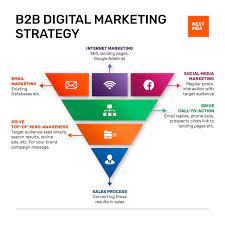
In the dynamic world of business-to-business (B2B) marketing, having a well-defined digital strategy is essential for success. With the rise of digital technologies and online platforms, B2B companies have more opportunities than ever to reach and engage with their target audience in a meaningful way.

Understanding B2B Digital Marketing

B2B digital marketing involves the use of online channels and tactics to promote products or services to other businesses. Unlike business-to-consumer (B2C) marketing, B2B marketing often focuses on building relationships, providing valuable information, and addressing the specific needs of other businesses.

The Key Elements of a Successful B2B Digital Marketing Strategy:

  1. Targeted Content: Creating high-quality, relevant content that addresses the pain points and challenges of your target audience is crucial in B2B marketing. This can include blog posts, whitepapers, case studies, and more.
  2. SEO and SEM: Optimising your website for search engines (SEO) and using search engine marketing (SEM) tactics such as pay-per-click advertising can help increase your visibility online and drive targeted traffic to your site.
  3. Social Media Marketing: Utilising social media platforms like LinkedIn, Twitter, and Facebook to share content, engage with prospects, and build relationships with key stakeholders in the industry.
  4. Email Marketing: Sending targeted email campaigns to nurture leads, provide valuable information, and keep your audience engaged with your brand over time.
  5. Data Analysis: Monitoring key performance indicators (KPIs) such as website traffic, conversion rates, lead generation metrics, and more to track the effectiveness of your digital marketing efforts and make data-driven decisions for future strategies.

The Benefits of a Strong B2B Digital Marketing Strategy

A well-executed B2B digital marketing strategy can offer numerous benefits for businesses looking to grow their customer base and increase revenue. Some key advantages include:

  • Increased Brand Awareness: By establishing a strong online presence through targeted digital marketing efforts, you can enhance brand visibility among potential customers in your industry.
  • Lead Generation: Effective digital marketing tactics such as content marketing and SEO can help attract qualified leads to your website who are more likely to convert into customers.
  • Improved Customer Engagement: Engaging with prospects through social media, email campaigns, and other channels allows you to build relationships with potential clients over time and nurture them through the sales funnel.
  • Metric-Driven Results: Digital marketing provides valuable data insights that allow you to measure the success of your campaigns in real-time and make adjustments as needed to optimise performance.

In conclusion, developing a robust B2B digital marketing strategy is essential for businesses looking to stay competitive in today’s digital landscape. By leveraging the power of online channels effectively, B2B companies can reach their target audience more efficiently, drive lead generation efforts, build lasting relationships with clients, and ultimately achieve their business goals.


Top 5 Benefits of a B2B Digital Marketing Strategy: Boost Visibility, Generate Leads, Engage Customers, Gain Insights, and Save Costs

  1. Increased brand visibility among target B2B audience
  2. Effective lead generation through targeted digital tactics
  3. Enhanced customer engagement and relationship building
  4. Access to valuable data insights for informed decision-making
  5. Cost-effective compared to traditional B2B marketing methods


Challenges in B2B Digital Marketing: Navigating High Competition, Prolonged Sales Cycles, and Resource Demands

  1. High Competition
  2. Longer Sales Cycles
  3. Resource Intensive

Increased brand visibility among target B2B audience

One significant advantage of implementing a B2B digital marketing strategy is the increased brand visibility among the target B2B audience. By strategically leveraging online channels and tailored content, businesses can enhance their presence in front of key decision-makers and industry professionals. This heightened visibility not only helps to establish brand authority and credibility but also increases the likelihood of being top-of-mind when potential clients are seeking solutions within the industry. Ultimately, greater brand visibility among the target B2B audience can lead to enhanced recognition, trust, and engagement, paving the way for meaningful business relationships and opportunities.

Effective lead generation through targeted digital tactics

One of the key advantages of a B2B digital marketing strategy is its ability to drive effective lead generation through targeted digital tactics. By utilising channels such as content marketing, SEO, social media, and email campaigns, businesses can reach their specific target audience with tailored messages that address their needs and pain points. This targeted approach not only attracts qualified leads to the business but also increases the likelihood of converting these leads into valuable customers. Ultimately, effective lead generation through targeted digital tactics allows B2B companies to maximise their marketing efforts and achieve tangible results in terms of acquiring new business opportunities.

Enhanced customer engagement and relationship building

An important advantage of implementing a B2B digital marketing strategy is the ability to enhance customer engagement and build strong relationships with clients. By leveraging various online channels such as social media, email campaigns, and targeted content, businesses can interact with their audience on a more personal level, providing valuable information and addressing their specific needs. This proactive approach not only fosters trust and loyalty but also allows companies to better understand their customers’ preferences and tailor their offerings accordingly, ultimately leading to long-term relationships and repeat business.

Access to valuable data insights for informed decision-making

One significant advantage of implementing a B2B digital marketing strategy is the access to valuable data insights that can guide informed decision-making. By analysing key performance indicators such as website traffic, conversion rates, and lead generation metrics, businesses can gain a deeper understanding of their target audience’s behaviour and preferences. This data-driven approach enables companies to make strategic adjustments to their marketing efforts, optimise campaign performance, and ultimately achieve better results. With actionable insights derived from digital analytics, businesses can make informed decisions that drive growth and success in the competitive B2B landscape.

Cost-effective compared to traditional B2B marketing methods

One significant advantage of a B2B digital marketing strategy is its cost-effectiveness when compared to traditional B2B marketing methods. By leveraging online channels such as social media, email campaigns, and search engine marketing, businesses can reach a larger audience at a fraction of the cost of traditional print or TV advertising. Digital marketing allows for targeted campaigns that focus on specific demographics or industries, reducing wastage and ensuring that marketing budgets are allocated efficiently. This cost-effective approach not only helps businesses save money but also provides a higher return on investment by reaching the right audience with tailored messaging.

High Competition

In the realm of B2B digital marketing, one significant drawback is the intense competition that businesses face. With numerous companies all striving to capture the attention of the same target audience, standing out in a crowded digital landscape can be a daunting task. The high level of competition means that businesses must work even harder to differentiate themselves, craft compelling messaging, and deliver valuable content that resonates with their audience to effectively cut through the noise and make a lasting impact.

Longer Sales Cycles

One significant drawback of B2B digital marketing strategy is the longer sales cycles involved. Unlike in B2C marketing, where transactions can be more immediate, B2B sales cycles tend to be extended and intricate. This means that businesses need to invest a considerable amount of effort and resources into nurturing leads over an extended period to guide them through the complex buying process. The prolonged nature of these sales cycles can pose challenges in terms of maintaining momentum, managing expectations, and ensuring consistent engagement with potential clients throughout the decision-making journey.

Resource Intensive

One significant drawback of implementing a comprehensive B2B digital marketing strategy is its resource-intensive nature. To execute such a strategy effectively, businesses need to allocate substantial time, expertise, and financial resources. This can pose a challenge for some companies, especially smaller businesses or those with limited budgets, as the investment required may be beyond their means. The need for skilled professionals, advanced tools and technologies, and ongoing monitoring and optimisation can make it difficult for some businesses to fully embrace the potential benefits of B2B digital marketing.

best digital campaigns 2019

Exploring the Top Digital Campaigns of 2019: A Showcase of the Best Strategies

Best Digital Campaigns of 2019

The Best Digital Campaigns of 2019

2019 was a year filled with innovative and impactful digital campaigns that captured the attention of audiences worldwide. From creative storytelling to interactive experiences, brands pushed the boundaries of digital marketing to engage and connect with consumers in new and exciting ways.

Nike: Dream Crazy

Nike’s “Dream Crazy” campaign featuring Colin Kaepernick sparked conversations and inspired audiences with its powerful message of believing in your dreams despite obstacles. The campaign resonated with viewers on a personal level, making it one of the most talked-about campaigns of the year.

Burger King: Whopper Detour

Burger King’s “Whopper Detour” campaign cleverly combined mobile technology with a bold marketing strategy. By encouraging customers to order a Whopper through their app while at a McDonald’s location, Burger King successfully drove sales and generated buzz across social media platforms.

Spotify: Wrapped 2019

Spotify’s annual “Wrapped” campaign personalised music listening experiences for users by showcasing their top songs, artists, and genres from the year. The campaign not only engaged existing users but also attracted new audiences through social sharing and personalised recommendations.

Airbnb: Night At The Louvre

Airbnb’s collaboration with the Louvre Museum offered a once-in-a-lifetime opportunity for guests to spend a night inside the iconic museum. This unique experience generated significant media coverage and showcased Airbnb’s commitment to creating unforgettable travel experiences for its customers.

Coca-Cola: #ShareACoke

Coca-Cola continued its successful “Share A Coke” campaign in 2019 by personalising bottles with popular names and encouraging consumers to share them with friends and loved ones. The campaign fostered a sense of connection and community while driving sales and brand loyalty.

In conclusion, the best digital campaigns of 2019 demonstrated the power of creativity, storytelling, and consumer engagement in shaping successful marketing strategies. As we look ahead to future trends in digital marketing, these campaigns serve as inspiration for brands seeking to make a lasting impact on their target audiences.


Top 9 Tips for Crafting Successful Digital Campaigns in 2019

  1. Leverage data analytics to understand your audience better.
  2. Utilise social media platforms for targeted advertising.
  3. Create engaging video content to capture attention quickly.
  4. Incorporate influencer marketing to expand reach and credibility.
  5. Use storytelling techniques to connect emotionally with your audience.
  6. Optimise campaigns for mobile devices as users increasingly access content on-the-go.
  7. Employ A/B testing to refine ad creatives and messaging continuously.
  8. Focus on personalisation to deliver relevant content and offers.
  9. Monitor campaign performance in real-time and adjust strategies as needed.

Leverage data analytics to understand your audience better.

In the realm of best digital campaigns in 2019, a crucial tip emerged: leveraging data analytics to gain deeper insights into your audience. By harnessing the power of data analytics, brands were able to understand their target demographics, preferences, and behaviours more effectively. This invaluable information allowed marketers to tailor their campaigns with precision, ensuring that content resonated with audiences on a personal level. In an era where consumer engagement is paramount, utilising data analytics proved to be a game-changer in creating successful and impactful digital campaigns that not only captured attention but also fostered lasting connections with customers.

Utilise social media platforms for targeted advertising.

In the realm of best digital campaigns in 2019, a crucial tip that stood out was the strategic utilisation of social media platforms for targeted advertising. By leveraging the vast reach and sophisticated targeting capabilities of platforms such as Facebook, Instagram, and Twitter, brands were able to tailor their messages to specific demographics, interests, and behaviours of their desired audience. This approach not only maximised the effectiveness of marketing efforts but also fostered meaningful connections with consumers, ultimately leading to higher engagement and conversion rates.

Create engaging video content to capture attention quickly.

In the realm of best digital campaigns in 2019, a key tip that emerged was the importance of creating engaging video content to capture attention swiftly. Video content has proven to be a powerful tool for brands to connect with their audiences in a dynamic and impactful way. By crafting compelling videos that resonate with viewers from the outset, brands can effectively grab attention and convey their message efficiently in today’s fast-paced digital landscape. This strategy not only helps to engage audiences but also enhances brand visibility and fosters meaningful connections with consumers.

Incorporate influencer marketing to expand reach and credibility.

Incorporating influencer marketing into digital campaigns in 2019 proved to be a highly effective strategy for expanding reach and enhancing credibility. By partnering with influencers who have a loyal following and strong influence within their niche, brands were able to connect with target audiences in a more authentic and engaging way. Leveraging the trust and authority that influencers hold among their followers helped brands to not only increase their reach but also build credibility and foster meaningful connections with consumers. This approach demonstrated the importance of tapping into influencer networks to amplify brand messages and drive successful digital campaigns in 2019.

Use storytelling techniques to connect emotionally with your audience.

In the realm of best digital campaigns in 2019, a key tip that stood out was the effective use of storytelling techniques to establish emotional connections with audiences. By weaving narratives that resonate on a personal level, brands were able to evoke feelings of empathy, inspiration, and relatability among consumers. Through compelling storytelling, these campaigns transcended traditional marketing approaches and fostered deeper relationships with their target audience, ultimately leading to increased engagement and brand loyalty.

Optimise campaigns for mobile devices as users increasingly access content on-the-go.

In the realm of best digital campaigns in 2019, a crucial tip emerged: optimising campaigns for mobile devices is paramount as users increasingly access content on-the-go. With the rise of mobile usage, ensuring that digital campaigns are tailored for seamless viewing and interaction on smartphones and tablets is essential to engaging audiences in today’s fast-paced, mobile-centric world. By prioritising mobile optimisation, brands can enhance user experience, reach a wider audience, and maximise the effectiveness of their digital marketing efforts.

Employ A/B testing to refine ad creatives and messaging continuously.

Employing A/B testing to refine ad creatives and messaging continuously was a key strategy that set apart the best digital campaigns of 2019. By testing different variations of ad content and messaging, brands were able to gather valuable insights into what resonated most with their target audience. This data-driven approach not only optimised campaign performance but also allowed for real-time adjustments to maximise engagement and conversions. In a competitive digital landscape, the ability to iterate and refine based on A/B testing results proved essential in creating successful and impactful marketing campaigns.

Focus on personalisation to deliver relevant content and offers.

In the realm of best digital campaigns in 2019, a key tip that stood out was the emphasis on personalisation to deliver tailored content and offers to consumers. By focusing on personalisation, brands were able to create more meaningful connections with their target audience by providing relevant and engaging experiences. This approach not only enhanced customer satisfaction but also increased engagement and conversion rates, showcasing the importance of delivering content and offers that resonate with individual preferences and needs.

Monitor campaign performance in real-time and adjust strategies as needed.

Monitoring campaign performance in real-time and adjusting strategies as needed is a crucial tip for running successful digital campaigns in 2019. By closely tracking key metrics such as engagement rates, click-through rates, and conversion rates, marketers can quickly identify what is working well and what needs improvement. This real-time data allows for agile decision-making, enabling teams to make timely adjustments to optimise campaign performance and maximise results. By staying responsive to changing trends and audience behaviour, brands can ensure that their digital campaigns remain relevant and effective in reaching their target audience.